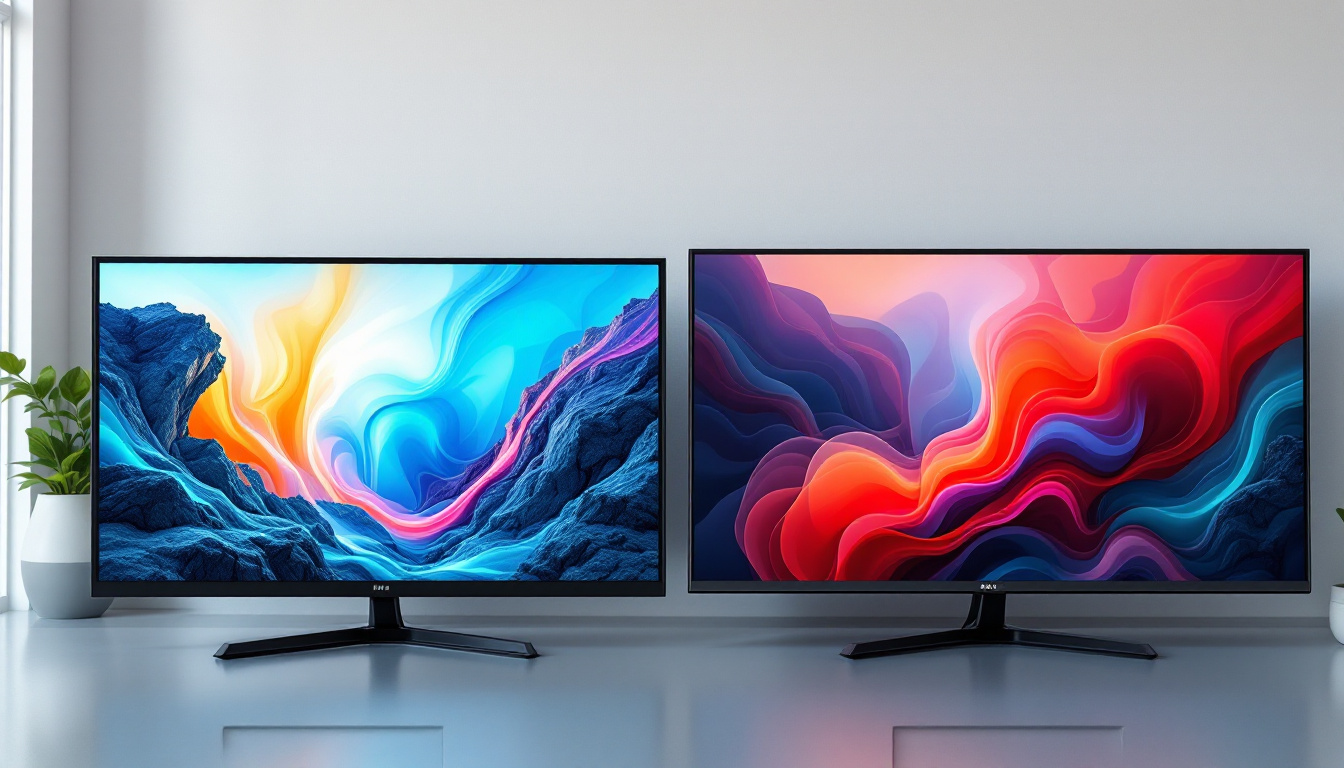
In the realm of modern television technology, consumers are often faced with a bewildering array of options. Among the most common and frequently compared are QLED and LED LCD displays. While both fall under the broader category of LED TVs, they utilize different technologies that impact picture quality, brightness, color accuracy, and price. Understanding the distinctions between QLED and LED LCD is essential for anyone looking to make an informed purchase decision, whether for home entertainment, gaming, or professional use.
This article delves into the technical differences, performance characteristics, and practical implications of QLED versus LED LCD displays. By the end, readers will have a clear understanding of which technology suits their needs best.
Understanding the Basics: What Are LED LCD and QLED Displays?
LED LCD: The Foundation of Modern LED TVs
LED LCD TVs are essentially LCD (Liquid Crystal Display) panels that use LEDs (Light Emitting Diodes) as the backlight source. The term “LED TV” is somewhat of a misnomer because the actual image is produced by the LCD panel, which modulates light passing through it. The LEDs behind the panel provide the illumination necessary for the image to be visible.
There are two primary types of LED backlighting used in LED LCD TVs: edge-lit and full-array. Edge-lit LED TVs place LEDs along the edges of the screen, which helps keep the TV thin and lightweight but can sometimes cause uneven brightness. Full-array LED TVs have LEDs spread evenly behind the entire screen, often with local dimming zones that improve contrast by dimming parts of the screen that should be darker. This technology not only enhances the viewing experience but also allows for deeper blacks and brighter whites, creating a more dynamic range of colors that can be appreciated in various lighting conditions.
Moreover, LED LCD technology has evolved significantly over the years. Manufacturers are now incorporating advanced features such as HDR support, which allows for a greater range of brightness levels and richer colors. This means that viewers can enjoy a more cinematic experience, with details visible in both the darkest and brightest scenes. Additionally, many LED LCD TVs now come equipped with smart technology, enabling users to access streaming services and apps directly from their televisions, further enhancing their functionality and entertainment value.
QLED: Quantum Dot Enhancement for Vibrant Color
QLED stands for Quantum Dot LED, a technology pioneered and popularized by Samsung and other manufacturers. Like LED LCD TVs, QLEDs use an LCD panel with LED backlighting. However, what sets QLED apart is the addition of a quantum dot layer between the LED backlight and the LCD panel.
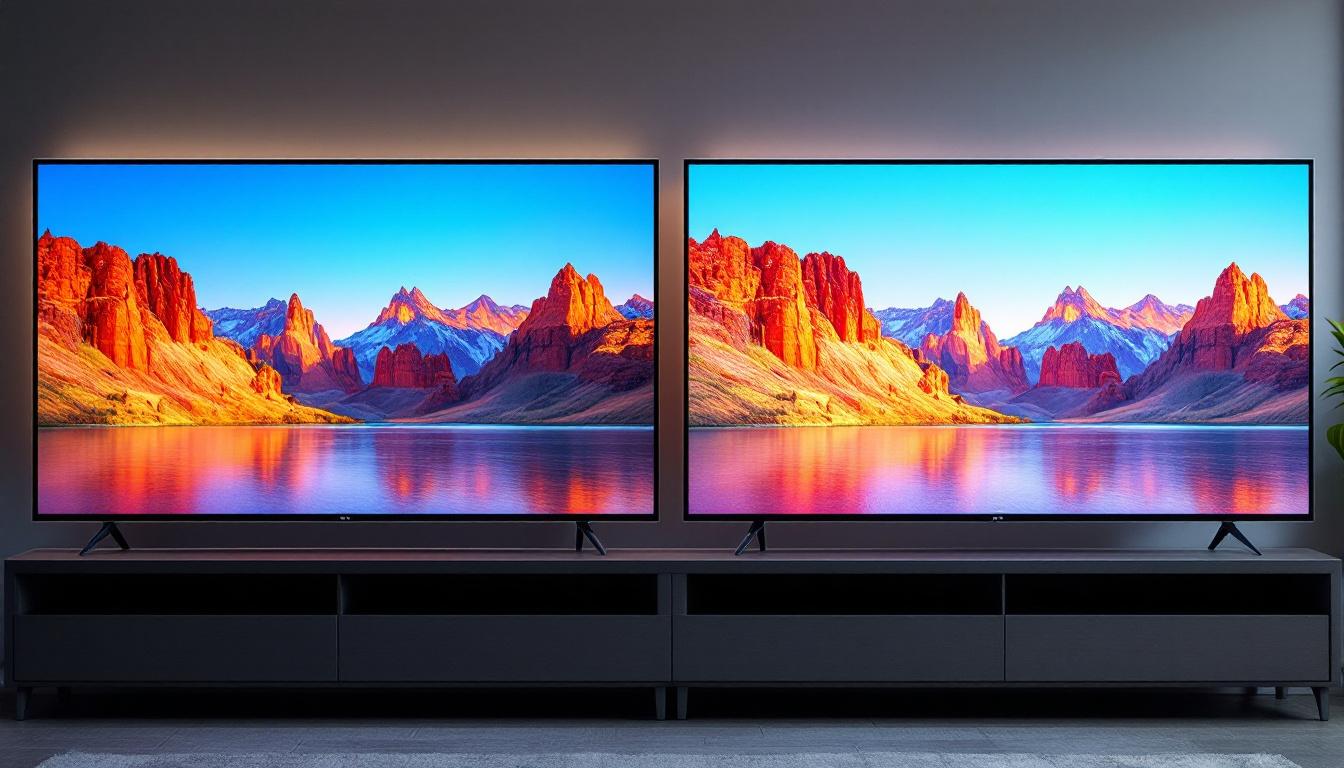
Quantum dots are tiny semiconductor particles, only a few nanometers in size, that emit very precise colors when illuminated by the LED backlight. This results in significantly improved color accuracy and brightness compared to traditional LED LCD TVs. QLED displays can achieve a wider color gamut and higher peak brightness, making them particularly advantageous in brightly lit rooms or for HDR (High Dynamic Range) content. The vibrant colors produced by QLED technology can make images appear more lifelike, enhancing the overall viewing experience.
In addition to color performance, QLED TVs often feature advanced processing technologies that help reduce motion blur and enhance image clarity, especially during fast-paced scenes. This makes them an excellent choice for sports enthusiasts and action movie lovers alike. Furthermore, many QLED models come with anti-reflective coatings, which minimize glare and reflections, allowing users to enjoy their favorite shows without distraction, even in bright environments. As the market continues to evolve, QLED technology is also being integrated with other innovations, such as AI upscaling, which enhances lower-resolution content to near-4K quality, ensuring that every viewing experience is as immersive as possible.
Comparing Picture Quality: Brightness, Color, and Contrast
Brightness and HDR Performance
One of the standout advantages of QLED TVs is their ability to reach higher brightness levels. Typical LED LCD TVs can reach peak brightness levels of around 300 to 500 nits, while many QLED models can exceed 1,000 nits, with some premium models reaching up to 2,000 nits or more. This increased brightness enhances HDR content, making highlights pop and providing a more immersive viewing experience.
In contrast, LED LCD TVs with edge-lit backlighting often struggle to maintain uniform brightness, which can affect HDR performance. Full-array LED LCD TVs with local dimming come closer to QLED in this regard but generally still fall short in peak brightness.
Color Accuracy and Gamut
The quantum dot technology in QLED displays allows for a wider color gamut, often covering 90-100% of the DCI-P3 color space, which is the standard used in digital cinema. This means QLED TVs can display more vivid and lifelike colors compared to traditional LED LCD TVs, which typically cover around 70-80% of the DCI-P3 spectrum.
For users who prioritize color fidelity—such as photographers, videographers, or cinephiles—QLED offers a noticeable advantage. However, it’s important to note that color calibration and the quality of the panel also play significant roles in overall color performance.
Contrast and Black Levels
Contrast ratio and black level reproduction are critical factors in picture quality. LED LCD TVs, especially those with full-array local dimming, can achieve deep blacks by selectively dimming zones of the backlight. However, because the LCD panel itself cannot block light completely, some light bleed or halo effects around bright objects on dark backgrounds may occur.
QLED TVs, while brighter, often struggle with black levels compared to OLED technology, which can turn off individual pixels entirely. Nevertheless, high-end QLED models with advanced local dimming can deliver impressive contrast ratios that surpass many standard LED LCD TVs.
Durability, Lifespan, and Energy Efficiency
Panel Lifespan and Burn-In Risks
Both QLED and LED LCD TVs use LCD panels, which generally have a long lifespan, often exceeding 60,000 hours of use. Unlike OLED TVs, which can suffer from burn-in (permanent image retention) if static images are displayed for prolonged periods, QLED and LED LCDs are much less susceptible to this issue.
This makes both technologies suitable for varied usage, including gaming, streaming, and general television viewing, without the worry of screen degradation over time.
Energy Consumption
Energy efficiency varies depending on the model and backlighting technology. Generally, LED LCD TVs consume less power than older CCFL-backlit LCDs, but QLED TVs, due to their higher brightness capabilities, can consume slightly more energy, especially at peak brightness settings.
Manufacturers often provide energy ratings, and consumers should consider these if energy consumption is a priority. However, the difference in power usage between QLED and LED LCD is usually marginal in typical home environments.
Price and Market Availability
Cost Differences
QLED TVs tend to command a premium price compared to standard LED LCD TVs. This price difference reflects the added quantum dot technology, enhanced brightness, and color performance. Entry-level QLED models may start at prices comparable to mid-range LED LCD TVs, but high-end QLEDs with advanced features can be significantly more expensive.
For budget-conscious buyers, LED LCD TVs offer a wide range of affordable options that deliver solid performance for everyday viewing. However, for those willing to invest in superior picture quality, QLED represents a compelling choice.
Availability and Brand Options
QLED technology is primarily championed by Samsung, which markets its QLED TVs extensively. Other manufacturers, such as TCL and Hisense, have also introduced QLED models, expanding availability. LED LCD TVs, on the other hand, are ubiquitous across nearly all TV brands, from budget to premium segments.
This broad availability means consumers can find LED LCD TVs in a wider variety of sizes, features, and price points, while QLED options are more concentrated in the mid to high-end market.
Use Cases: Which Display Technology is Right for You?
Home Theater and Movie Enthusiasts
For viewers who prioritize vibrant colors, high brightness, and HDR performance, QLED TVs provide a superior experience. The enhanced color accuracy and brightness make movies and high-quality streaming content more immersive, especially in well-lit rooms.
However, for those who watch primarily in dark rooms and desire the deepest blacks, OLED technology might be a better choice, though it is outside the scope of this article. Between QLED and LED LCD, QLED generally offers better overall picture quality for cinematic content.
Gaming and Sports Fans
Gamers benefit from fast response times and low input lag, features that are available on both QLED and LED LCD TVs. QLED’s higher brightness and color volume can make games and sports broadcasts more vivid and engaging, especially in brightly lit environments.
LED LCD TVs with full-array local dimming can also provide excellent contrast and performance for gaming, often at a lower price point, making them a practical choice for budget-conscious gamers.
Everyday Viewing and Budget Considerations
For general television viewing, including news, sitcoms, and casual streaming, LED LCD TVs offer excellent value. They provide reliable performance, good picture quality, and a wide range of sizes and features at accessible prices.
Consumers who are less concerned with the absolute best picture quality and more focused on affordability and versatility will find LED LCD TVs meet their needs effectively.
Conclusion: Making an Informed Choice
QLED and LED LCD TVs each have their strengths and are suited to different user preferences and budgets. QLED’s quantum dot technology delivers superior brightness, color accuracy, and HDR performance, making it ideal for enthusiasts seeking premium picture quality. LED LCD TVs, meanwhile, offer a broad range of affordable options with solid performance, especially when equipped with full-array local dimming.
When choosing between QLED and LED LCD, consider factors such as viewing environment, content preferences, budget, and desired features. Understanding the underlying technology helps demystify marketing jargon and empowers consumers to select a display that enhances their viewing experience for years to come.
Discover the Future of LED Displays with LumenMatrix
Ready to elevate your viewing experience with the latest advancements in LED display technology? LumenMatrix, a leader in innovative LED solutions, offers a diverse range of products designed to bring your visual communication to life. From vibrant Indoor LED Wall Displays to dynamic Outdoor LED Wall Displays, and from versatile Vehicle LED Displays to engaging LED Sports Displays, LumenMatrix has the perfect solution to meet your needs. Embrace the future of digital signage with our captivating LED displays and make a lasting impression. Check out LumenMatrix LED Display Solutions today and see the difference cutting-edge technology can make.