In the rapidly evolving world of digital technology, LED displays have become a cornerstone of modern visual communication. From the vivid screens on smartphones and televisions to massive outdoor billboards and stadium displays, LED technology shapes how information and entertainment are delivered globally. This article delves into the fundamentals of LED displays, exploring their construction, types, applications, and future trends to provide a comprehensive understanding of this influential technology.
Understanding the Basics of LED Displays
What is an LED Display?
LED stands for Light Emitting Diode, a semiconductor device that emits light when an electric current passes through it. An LED display is a flat panel display that uses an array of these tiny LEDs as pixels to create images and videos. Unlike traditional LCD screens that rely on backlighting, LED displays generate their own light, which results in brighter images, higher contrast ratios, and better energy efficiency.
The core advantage of LED displays lies in their ability to produce vibrant colors and deep blacks, making them ideal for a wide range of applications, from consumer electronics to large-scale advertising. This technology has revolutionized how we interact with visual media, providing a more immersive experience whether in a home theater or a bustling cityscape. Furthermore, the compact size of LEDs allows for thinner and lighter displays, paving the way for innovative designs in modern electronics.
How Do LED Displays Work?
At the heart of an LED display is a matrix of LEDs arranged in a grid. Each LED or group of LEDs corresponds to a pixel on the screen. By controlling the intensity and color of each LED, the display can render complex images and videos. This pixel-level control enables LED displays to achieve high refresh rates, making them suitable for fast-moving content such as sports broadcasts and video games.
Modern LED displays often use red, green, and blue (RGB) LEDs to produce a full spectrum of colors through additive color mixing. By adjusting the brightness levels of each RGB component, the display can reproduce millions of colors with remarkable accuracy. Additionally, advancements in technology have led to the development of various types of LED displays, including OLED (Organic LED) and MicroLED, which offer even greater flexibility in terms of design and performance. These innovations are pushing the boundaries of display technology, allowing for features like flexible screens that can be bent or curved, and ultra-high-definition resolutions that enhance the viewing experience even further.
Types of LED Displays
Direct View LED Displays
Direct View LED (DVLED) displays consist of LEDs mounted directly on the display surface, creating images by emitting light straight toward the viewer. These displays are known for their exceptional brightness and color vibrancy, making them suitable for both indoor and outdoor environments.
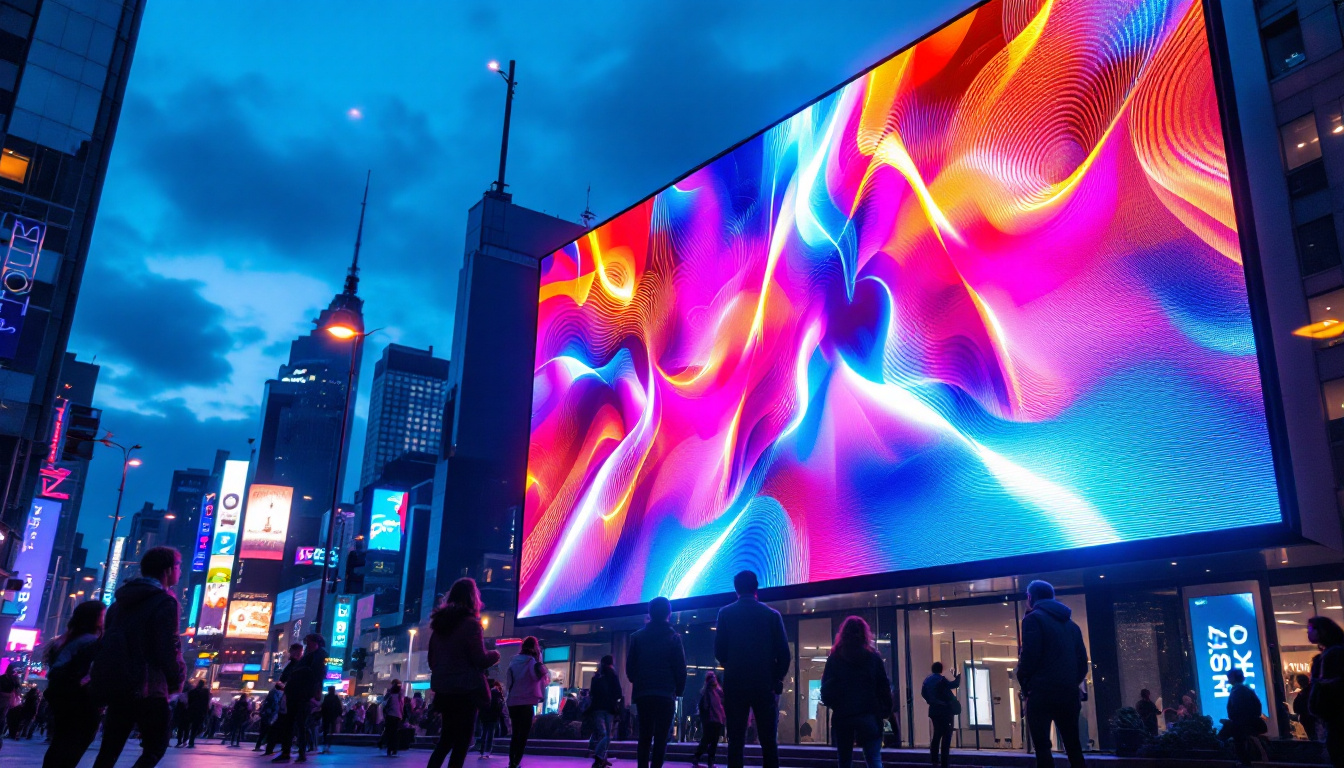
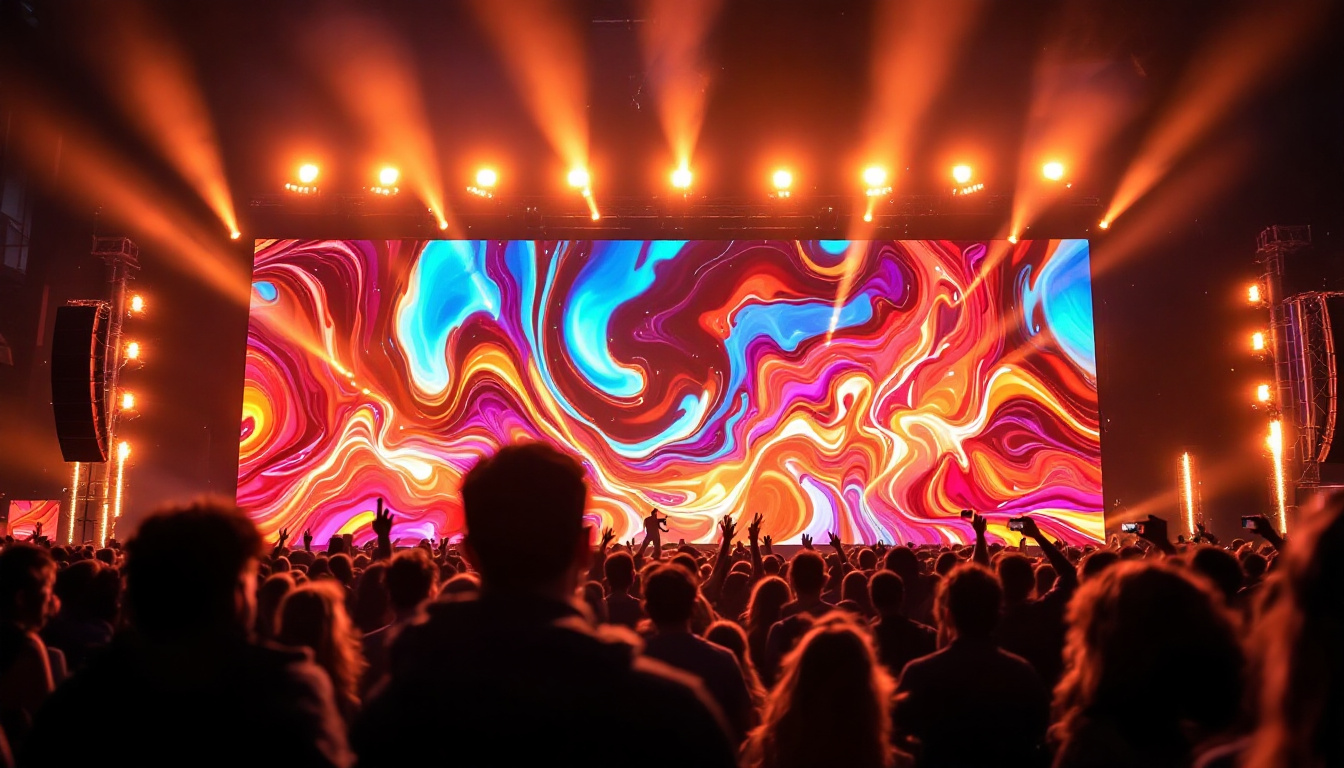
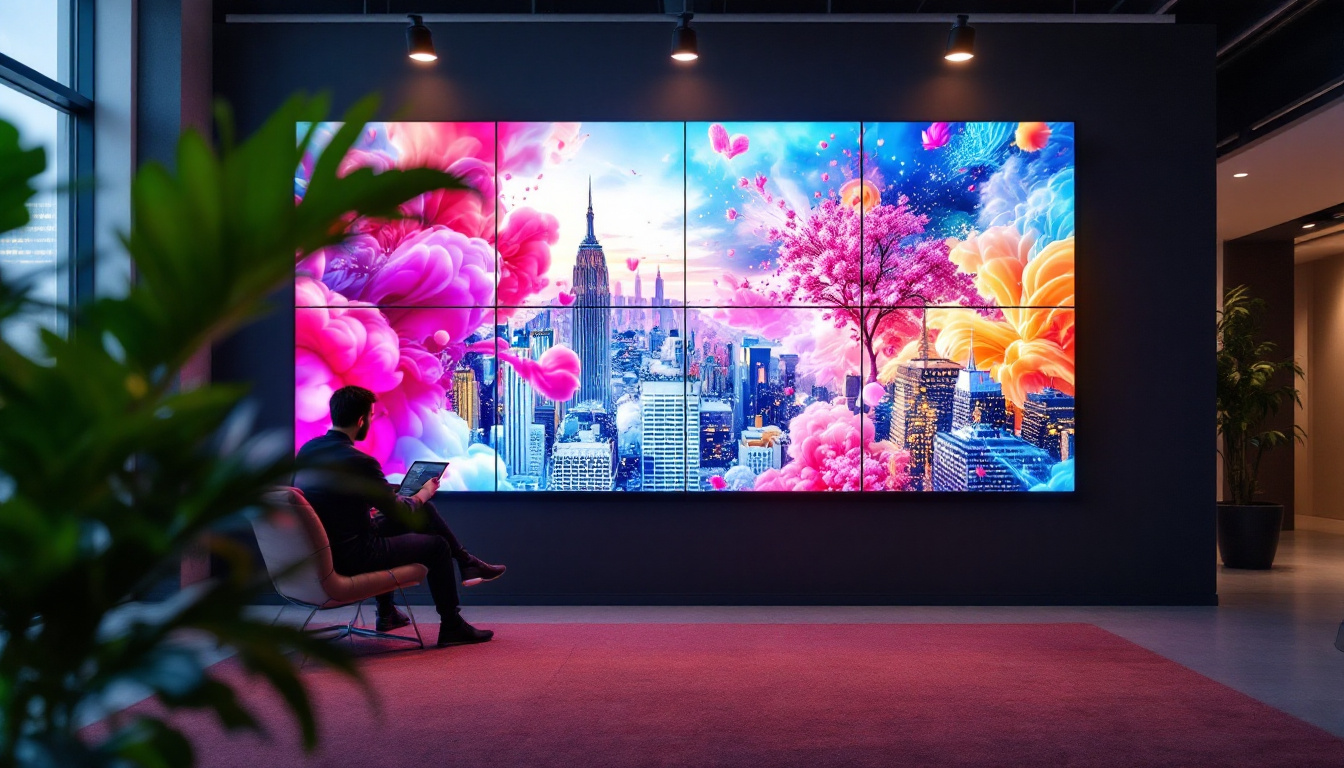
DVLEDs are commonly used in large-format screens such as digital billboards, sports arenas, and concert stages. Their modular design allows for flexible sizing and shapes, which is advantageous for custom installations.
LED-Backlit LCD Displays
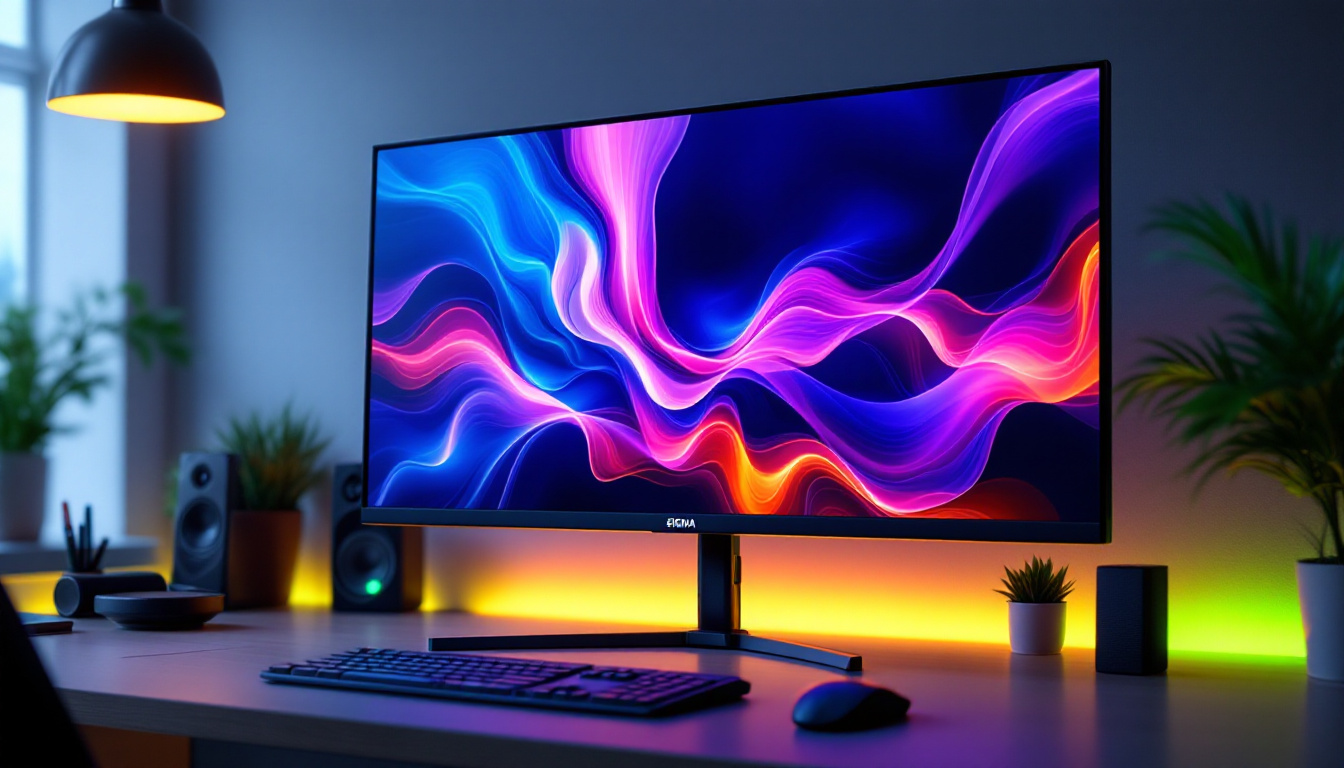
Many modern LCD screens use LEDs as a backlight source instead of traditional fluorescent lamps. These LED-backlit LCDs combine the advantages of LCD technology with the improved brightness, color range, and energy efficiency of LEDs.
This type of display is prevalent in consumer electronics such as laptops, televisions, and monitors. While the LEDs do not form the image directly, their quality significantly impacts the display’s overall performance.
MicroLED Displays
MicroLED technology represents the next generation of LED displays, featuring microscopic LEDs that serve as individual pixels. Unlike OLEDs, MicroLEDs do not rely on organic materials, which grants them superior longevity and brightness.
MicroLED displays promise unparalleled image quality, high contrast ratios, and energy efficiency. Although still emerging in the commercial market, they are expected to revolutionize displays in premium televisions, augmented reality devices, and wearable technology.
Key Advantages of LED Displays
Brightness and Visibility
One of the most significant benefits of LED displays is their exceptional brightness. LEDs can produce light levels far exceeding those of traditional display technologies, ensuring clear visibility even in direct sunlight. This makes LED displays the preferred choice for outdoor advertising and public information systems.
High brightness also enhances color vibrancy and image clarity, contributing to a more engaging viewing experience.
Energy Efficiency and Longevity
LED technology is highly energy-efficient compared to older display types such as plasma or fluorescent backlit LCDs. LEDs consume less power while delivering superior brightness, which translates into lower operating costs and reduced environmental impact.
Additionally, LEDs have a longer lifespan, often exceeding 50,000 hours of use. This durability reduces maintenance requirements and total cost of ownership, especially important for large-scale installations.
Color Accuracy and Contrast
LED displays offer outstanding color accuracy, capable of rendering millions of colors with precision. The ability to control individual LEDs allows for deep blacks and high contrast ratios, enhancing image depth and realism.
This feature is critical in applications such as digital signage, broadcasting, and medical imaging, where accurate color representation is essential.
Applications of LED Displays
Advertising and Digital Signage
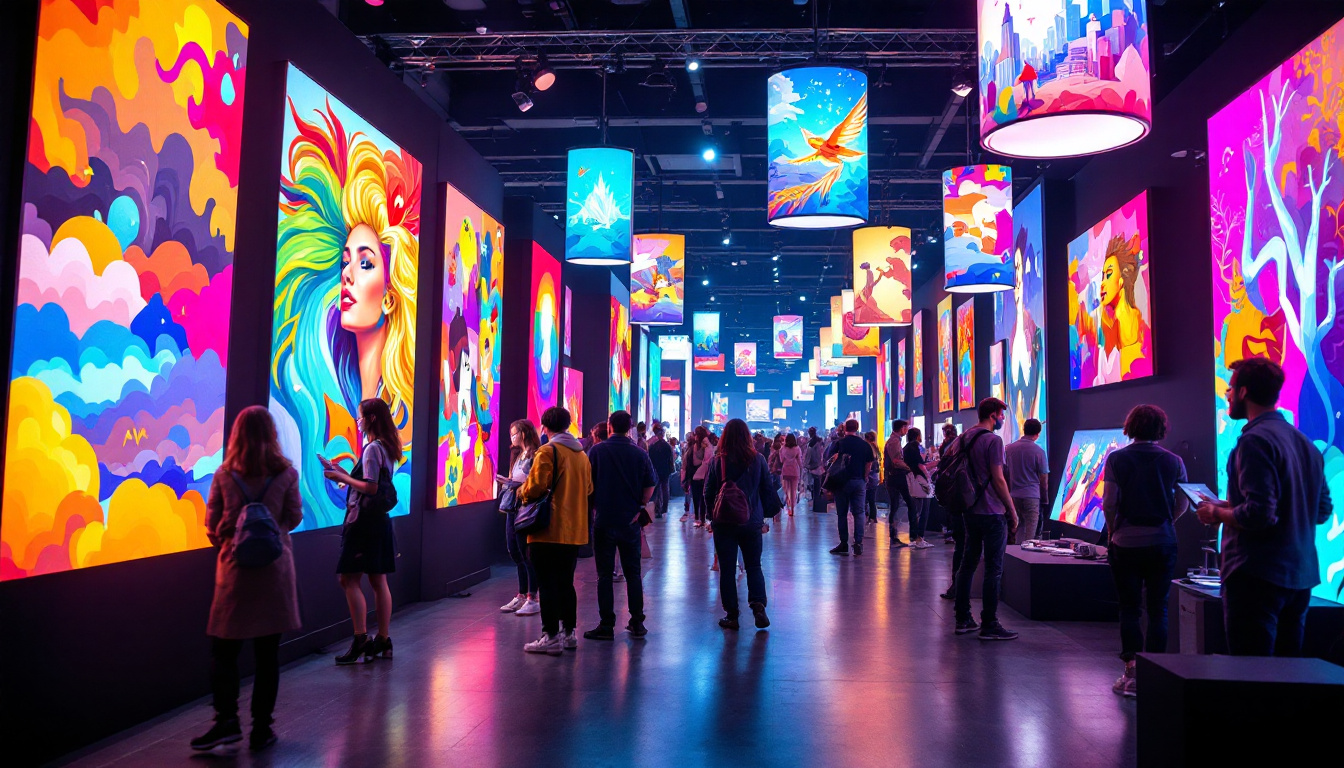
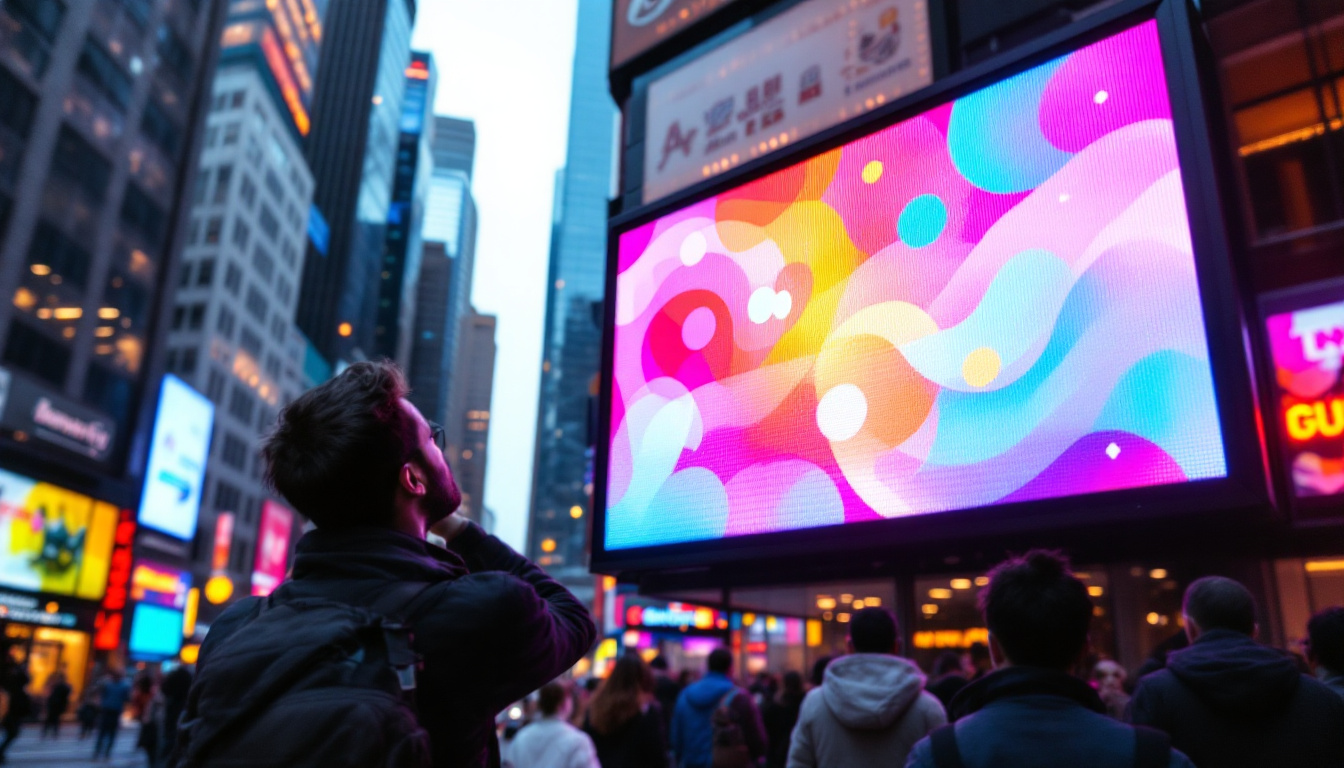
LED displays have transformed the advertising landscape by enabling dynamic, eye-catching content in public spaces. Digital billboards powered by LED technology can display vibrant animations, videos, and real-time updates, capturing audience attention more effectively than static signage.
According to recent market research, the global digital signage market is expected to grow at a compound annual growth rate (CAGR) of over 8% through 2028, driven largely by the adoption of LED displays in retail, transportation hubs, and urban centers.
Entertainment and Sports Venues
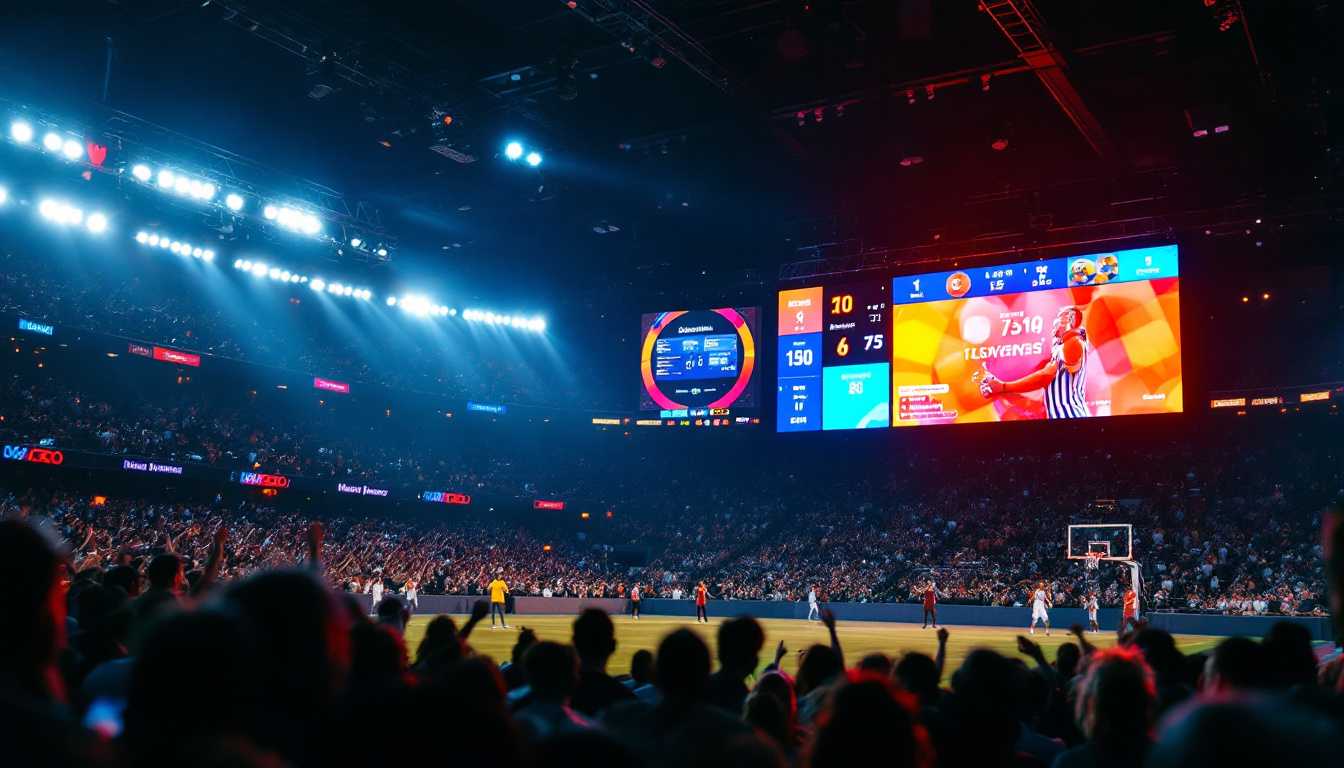
In arenas, stadiums, and concert venues, LED displays play a crucial role in enhancing the spectator experience. Large-scale LED screens provide live video feeds, instant replays, and interactive content, ensuring that every seat has a great view.
Technological advancements have enabled ultra-high-definition LED screens that can cover entire stadium walls, creating immersive environments that engage audiences on a new level.
Consumer Electronics
From smartphones to televisions, LED technology is integral to modern consumer devices. OLED and MicroLED variants are pushing the boundaries of screen quality, offering thinner, more flexible displays with superior image performance.
Manufacturers continue to innovate, integrating LED displays with touch capabilities, high refresh rates, and adaptive brightness to meet the demands of discerning consumers.
Transportation and Public Information Systems
LED displays are widely used in transportation for real-time information dissemination. Airports, train stations, and bus terminals utilize LED screens to display schedules, alerts, and wayfinding information clearly and reliably.
The robustness of LED displays ensures they perform well in diverse environmental conditions, making them ideal for outdoor and high-traffic locations.
Challenges and Considerations in LED Display Technology
Cost and Installation Complexity
While LED displays offer many benefits, their initial cost can be higher than alternative technologies, particularly for large or high-resolution installations. The modular nature of DVLEDs requires careful planning and skilled installation to ensure seamless image quality and durability.
However, the long-term savings in energy and maintenance often offset the upfront investment, making LEDs a cost-effective choice over time.
Pixel Pitch and Resolution
Pixel pitch—the distance between individual LEDs—directly affects display resolution and viewing distance. Smaller pixel pitches yield higher resolution and better image detail but increase manufacturing complexity and cost.
Choosing the appropriate pixel pitch is critical depending on the application. For example, outdoor billboards typically use larger pixel pitches as viewers are farther away, whereas indoor displays require finer pitches for close-up viewing.
Heat Management
LEDs generate heat during operation, which can impact performance and lifespan if not managed properly. Effective heat dissipation mechanisms, such as heat sinks and cooling systems, are essential components of high-quality LED displays.
Advances in materials and design continue to improve thermal management, enabling more compact and reliable LED display solutions.
The Future of LED Display Technology
Integration with Smart Technologies
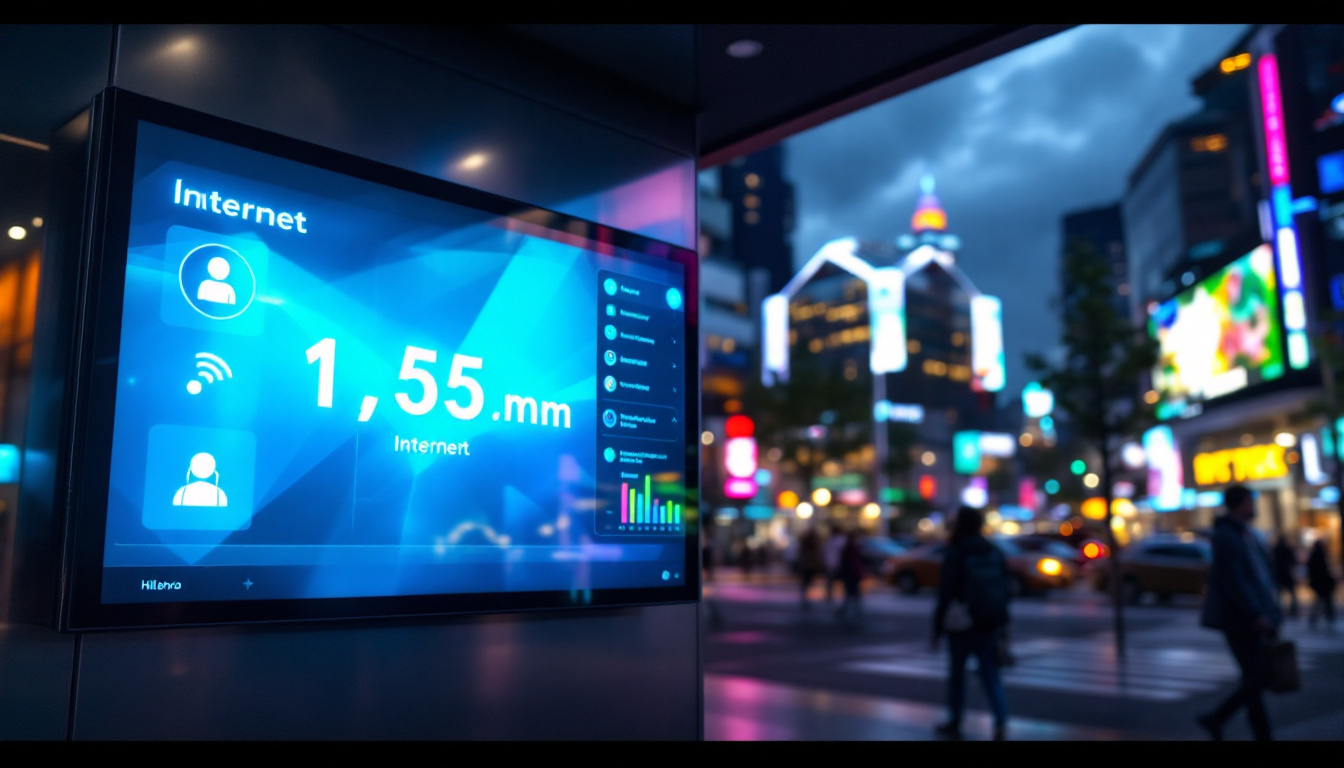
As the Internet of Things (IoT) expands, LED displays are increasingly integrated with smart sensors and connectivity features. This allows for dynamic content adjustments based on environmental conditions, audience demographics, and real-time data analytics.
For instance, smart LED billboards can modify advertising content based on weather, time of day, or traffic patterns, optimizing engagement and advertising effectiveness.
Advancements in MicroLED and Flexible Displays
Research and development in MicroLED technology are accelerating, promising displays that combine the best attributes of LEDs and OLEDs without their respective drawbacks. MicroLEDs offer higher brightness, better energy efficiency, and longer lifespan, making them ideal for future high-end devices.
Additionally, flexible and transparent LED displays are emerging, enabling innovative applications such as curved screens, wearable devices, and augmented reality interfaces.
Sustainability and Environmental Impact
With growing emphasis on sustainability, LED display manufacturers are focusing on eco-friendly materials and energy-saving designs. The recyclability of LED components and reduced power consumption contribute to lowering the environmental footprint of digital displays.
Future innovations are expected to further enhance the sustainability of LED technology, aligning with global efforts to reduce carbon emissions and electronic waste.
Conclusion
LED displays have revolutionized the way visual content is presented across diverse industries, offering unmatched brightness, color accuracy, and energy efficiency. Understanding the different types of LED displays and their specific advantages helps businesses and consumers make informed decisions about their display needs.
As technology advances, LED displays will continue to evolve, integrating smarter features and more sustainable designs. Their growing presence in advertising, entertainment, consumer electronics, and public information systems underscores their vital role in the digital age.
For anyone involved in digital media, marketing, or technology, staying informed about LED display innovations is essential to harnessing their full potential and preparing for the future of visual communication.
Explore Cutting-Edge LED Display Solutions with LumenMatrix
As you’ve seen, LED displays are at the forefront of digital innovation, offering unparalleled opportunities for vibrant and efficient visual communication. If you’re ready to elevate your brand’s presence and captivate your audience with the latest in LED technology, look no further than LumenMatrix. Our extensive range of products, from Indoor and Outdoor LED Wall Displays to specialized solutions like Vehicle LED Displays and LED Sports Displays, are designed to meet your unique needs. Discover how LumenMatrix’s commitment to revolutionizing visual communication can transform your business. Check out LumenMatrix LED Display Solutions today and step into the future of digital signage.