In today’s digital age, LED technology has become a cornerstone of modern display solutions. From the smartphones in our pockets to massive outdoor billboards, LED displays are everywhere. But what exactly does LED mean, and how do these displays work? This article delves into the fundamentals of LED displays, their technology, applications, and why they have become the preferred choice for visual communication worldwide.
Understanding LED: The Basics
What Does LED Stand For?
LED stands for Light Emitting Diode. It is a semiconductor device that emits light when an electric current passes through it. Unlike traditional incandescent bulbs that produce light by heating a filament, LEDs generate light through electroluminescence, a process that is more energy-efficient and produces less heat. This efficiency not only reduces electricity bills but also contributes to a lower carbon footprint, making LEDs an environmentally friendly lighting option.
The Science Behind LEDs
The core of an LED is made from a chip of semiconducting material doped with impurities to create a p-n junction. When voltage is applied, electrons recombine with holes within the device, releasing energy in the form of photons — the basic units of light. The color of the light depends on the energy gap of the semiconductor material used. For instance, different materials can produce various colors, from red to blue to green, which is why LEDs are versatile in applications ranging from decorative lighting to signaling devices.
This efficient conversion of electricity to light is what makes LEDs highly desirable for display technology, offering brighter images with lower power consumption compared to older technologies. Furthermore, the longevity of LEDs is a significant advantage; they can last up to 25,000 hours or more, significantly outpacing traditional bulbs. This durability reduces the frequency of replacements, which not only saves money but also minimizes waste, aligning with sustainable practices in both residential and commercial settings.
In addition to their practical benefits, LEDs are also rapidly evolving in terms of technology. Innovations such as smart LEDs, which can be controlled via smartphone apps, are becoming increasingly popular. These smart lighting solutions allow users to adjust brightness, color, and even set schedules, enhancing convenience and personalization. As research continues, we can expect even more advancements in LED technology, potentially leading to new applications in fields like horticulture, where specific light wavelengths can promote plant growth, or in health, where tailored lighting can influence mood and well-being.
What is an LED Display?
Defining LED Displays
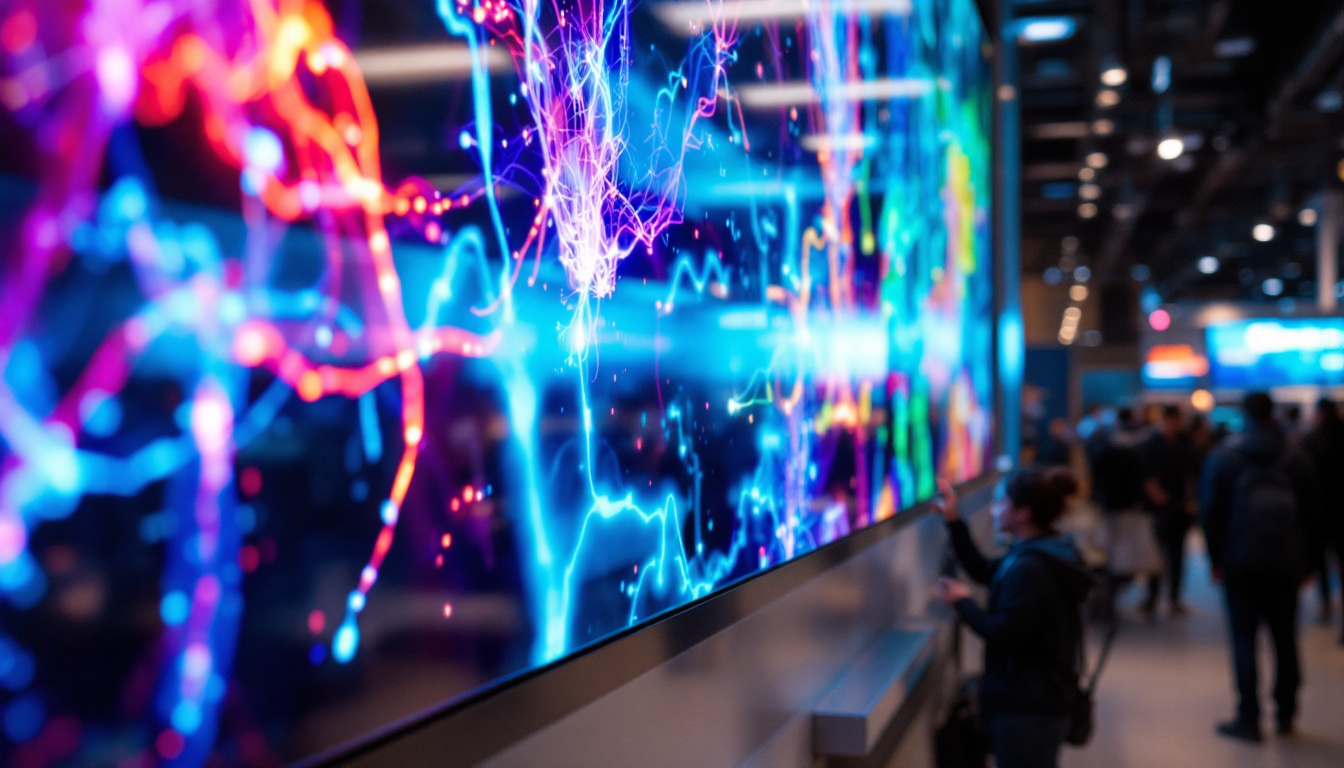
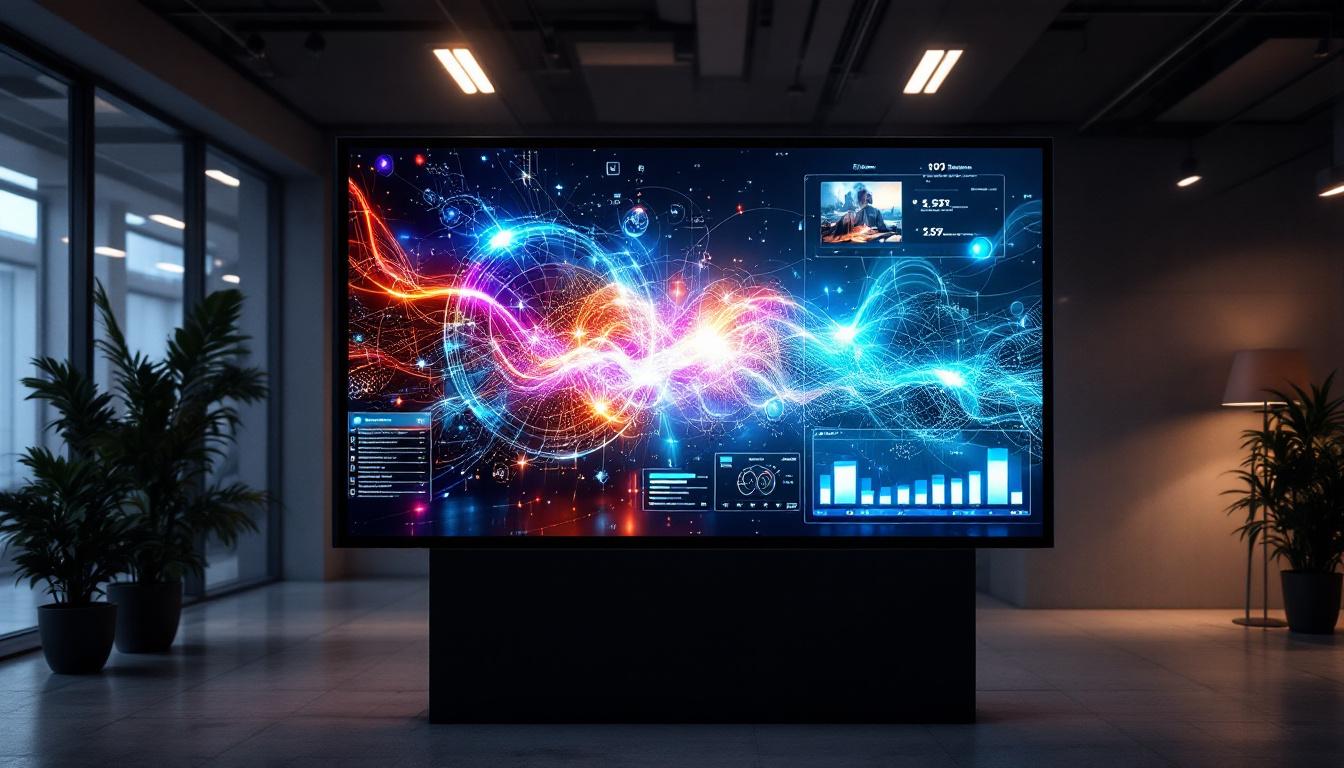
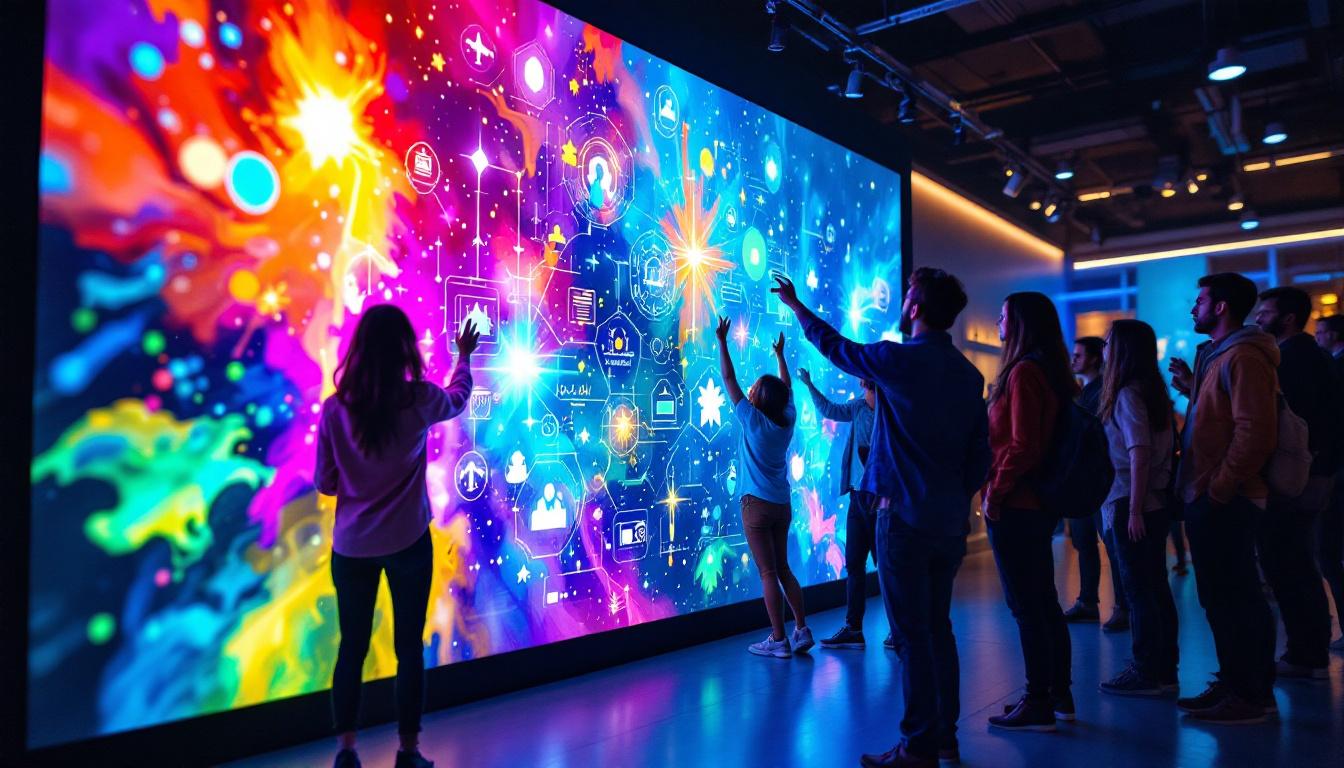
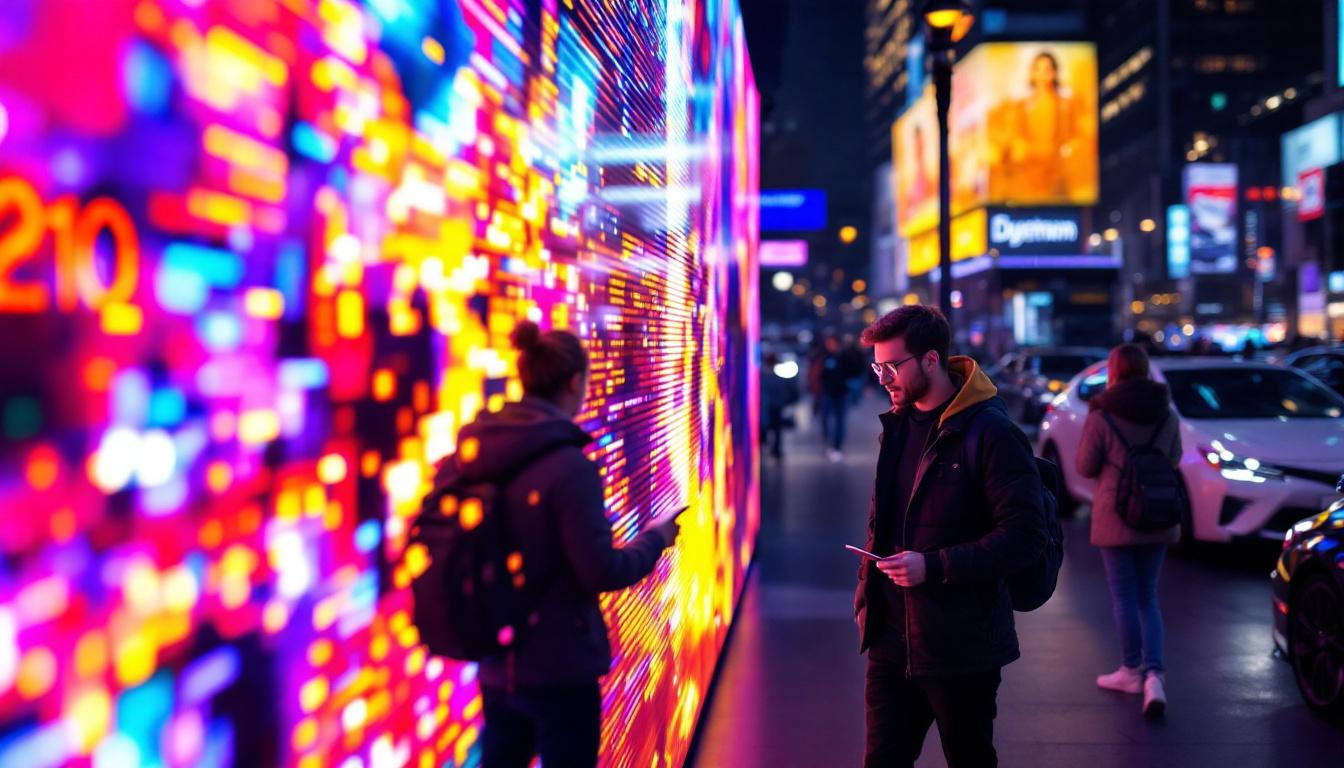
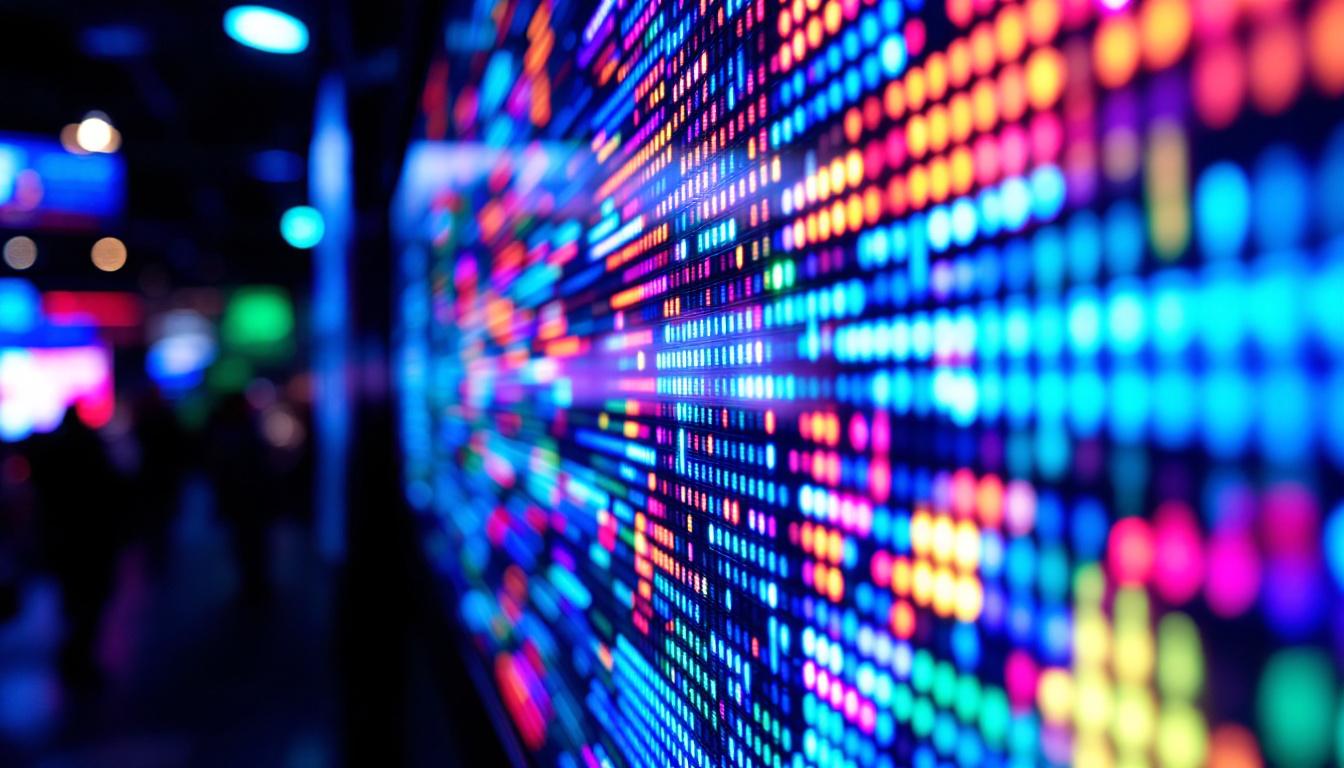
An LED display is a flat panel display that uses an array of light-emitting diodes as pixels to create images, videos, or text. These displays can vary in size from small indicator lights to large video walls used in stadiums and public spaces. The versatility of LED technology allows for vibrant colors and high contrast ratios, making them a popular choice for both commercial and personal use. With their ability to operate efficiently and effectively in various lighting conditions, LED displays have revolutionized the way information is presented visually.
LED displays are categorized primarily into two types: direct view LED displays and LED-backlit LCD displays. Direct view LED displays use LEDs as the actual light source and pixels, while LED-backlit LCDs use LEDs to illuminate liquid crystal displays. The choice between these types often depends on the application, desired image quality, and budget constraints, as each type offers unique advantages and drawbacks.
Types of LED Displays
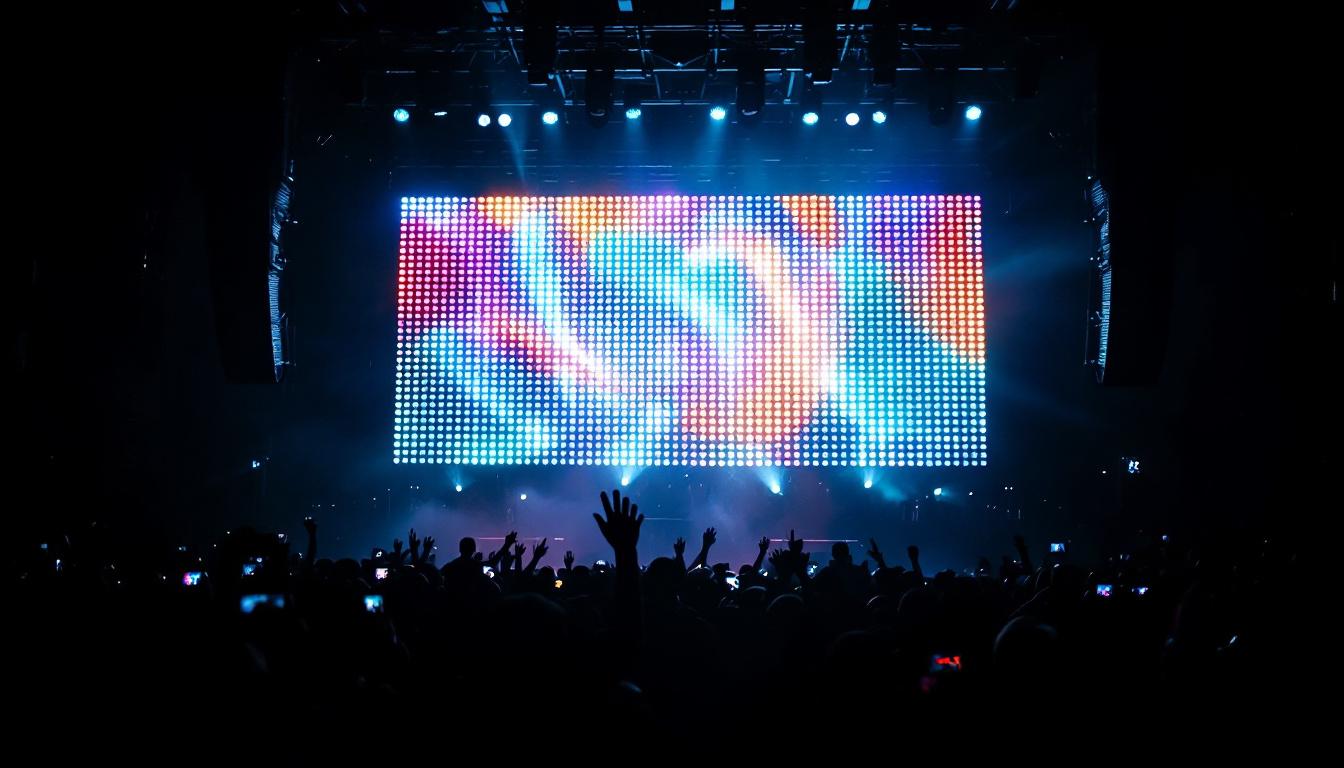
1. Direct View LED Displays: These are composed of thousands to millions of tiny LEDs arranged in a matrix. Each LED or cluster of LEDs functions as a pixel, capable of displaying a specific color and brightness. They are ideal for large-scale applications such as outdoor advertising, sports arenas, and concert stages. The modular design of direct view LED displays also allows for easy customization in size and shape, enabling creative installations that can fit various architectural designs. Additionally, advancements in technology have led to increased pixel density, resulting in sharper images and enhanced viewing angles, making them suitable for close-range viewing as well.
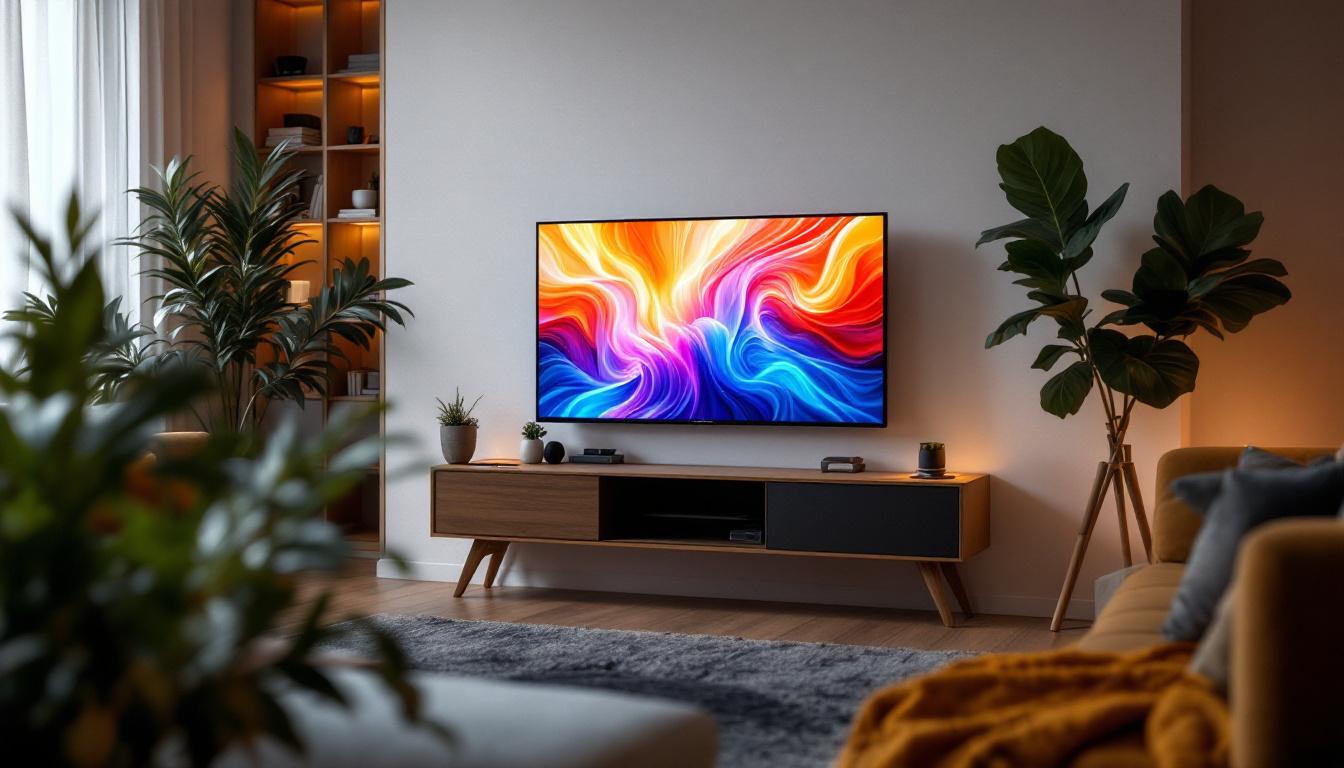
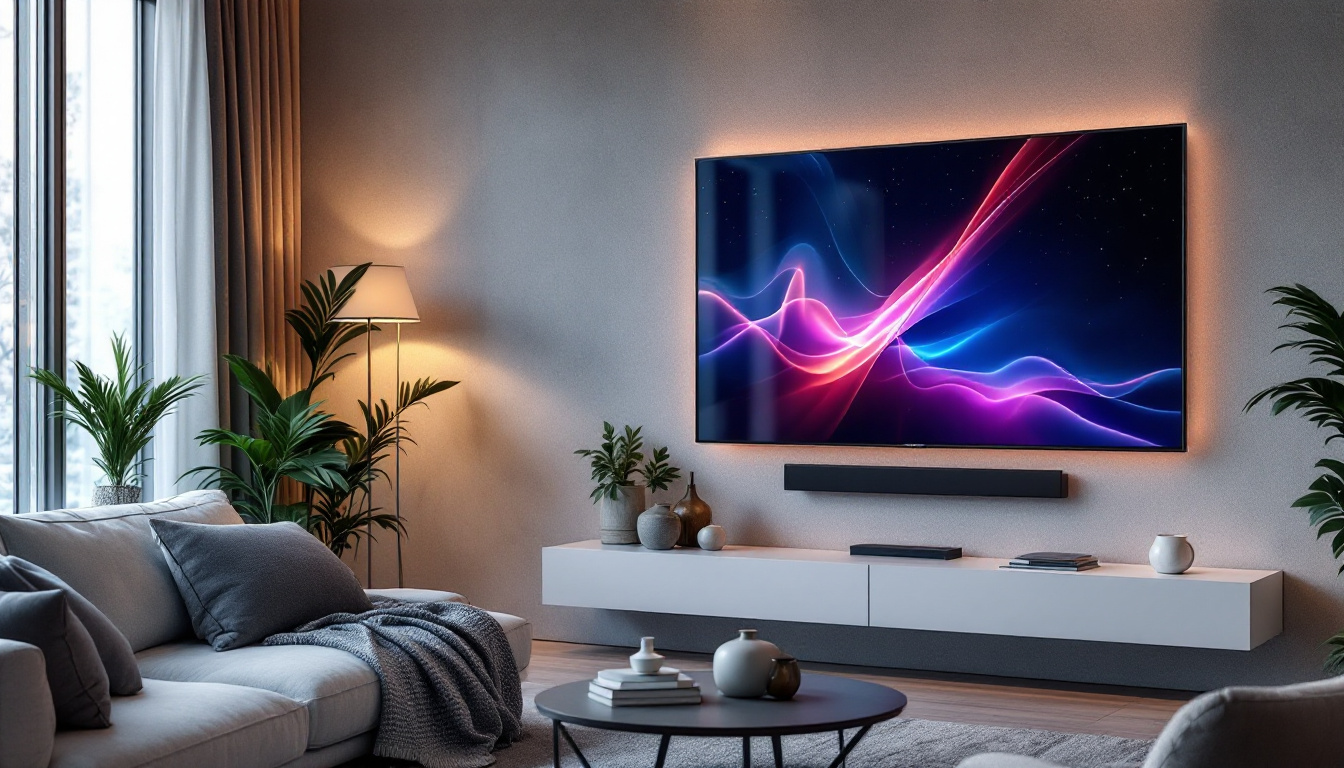
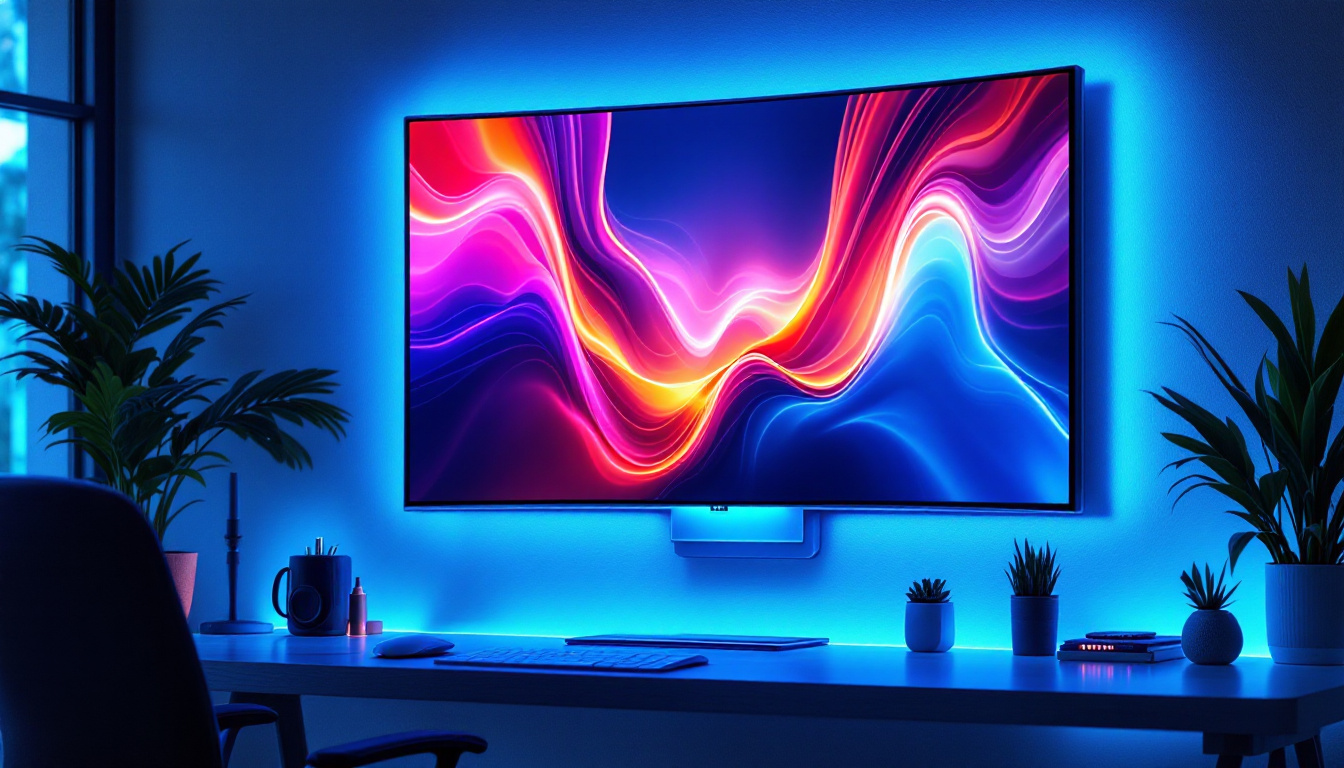
2. LED-Backlit LCD Displays: In these displays, LEDs provide the backlighting for an LCD panel. This technology enhances brightness, contrast, and energy efficiency compared to older CCFL (cold cathode fluorescent lamp) backlighting methods. It is commonly found in televisions, computer monitors, and mobile devices. The integration of LED backlighting has also allowed for thinner and lighter designs, making it easier for manufacturers to create sleek devices that appeal to consumers. Furthermore, many LED-backlit displays now feature local dimming capabilities, which improve contrast ratios by adjusting the backlight intensity in different areas of the screen, resulting in deeper blacks and more vibrant colors.
How LED Displays Work
Pixel Structure and Color Generation
Each pixel in an LED display typically consists of three sub-pixels: red, green, and blue LEDs. By varying the intensity of each sub-pixel, the display can produce a wide spectrum of colors through additive color mixing. This RGB (Red-Green-Blue) system is fundamental to digital color reproduction.
In direct view LED displays, these sub-pixels are tiny LEDs themselves, while in LED-backlit LCDs, the LCD layer controls the light passing through colored filters to create the desired colors.
Resolution and Pixel Pitch
The resolution of an LED display is determined by the number of pixels it contains. Higher resolution means more pixels and finer image detail. Pixel pitch, the distance between the centers of two adjacent pixels, is a critical factor influencing image clarity. A smaller pixel pitch results in a sharper image, especially important for close viewing distances.
For example, an LED billboard with a pixel pitch of 10mm is suitable for viewing from a distance of 30 meters or more, while a display with a 1mm pixel pitch can be viewed comfortably at just a few meters away.
Advantages of LED Displays
Energy Efficiency and Longevity
One of the most significant benefits of LED displays is their energy efficiency. LEDs consume up to 80% less power than traditional incandescent lighting, which translates to lower operating costs, especially for large-scale installations running continuously.
Additionally, LEDs have a longer lifespan, often exceeding 50,000 hours of operation. This durability reduces maintenance frequency and costs, making LED displays a cost-effective solution over time.
Brightness and Visibility
LED displays are renowned for their high brightness levels, which can reach up to 5,000 nits or more. This makes them highly visible even in direct sunlight, a critical feature for outdoor advertising and public information systems.
The ability to adjust brightness dynamically also helps reduce power consumption and glare during nighttime or low-light conditions, enhancing viewer comfort and display effectiveness.
Color Accuracy and Contrast
LED technology offers excellent color reproduction and contrast ratios. The precise control of individual LEDs allows for vibrant colors and deep blacks, improving image quality and viewer engagement. This is particularly valuable for applications requiring high visual impact, such as digital signage and broadcast screens.
Common Applications of LED Displays
Outdoor Advertising and Digital Billboards
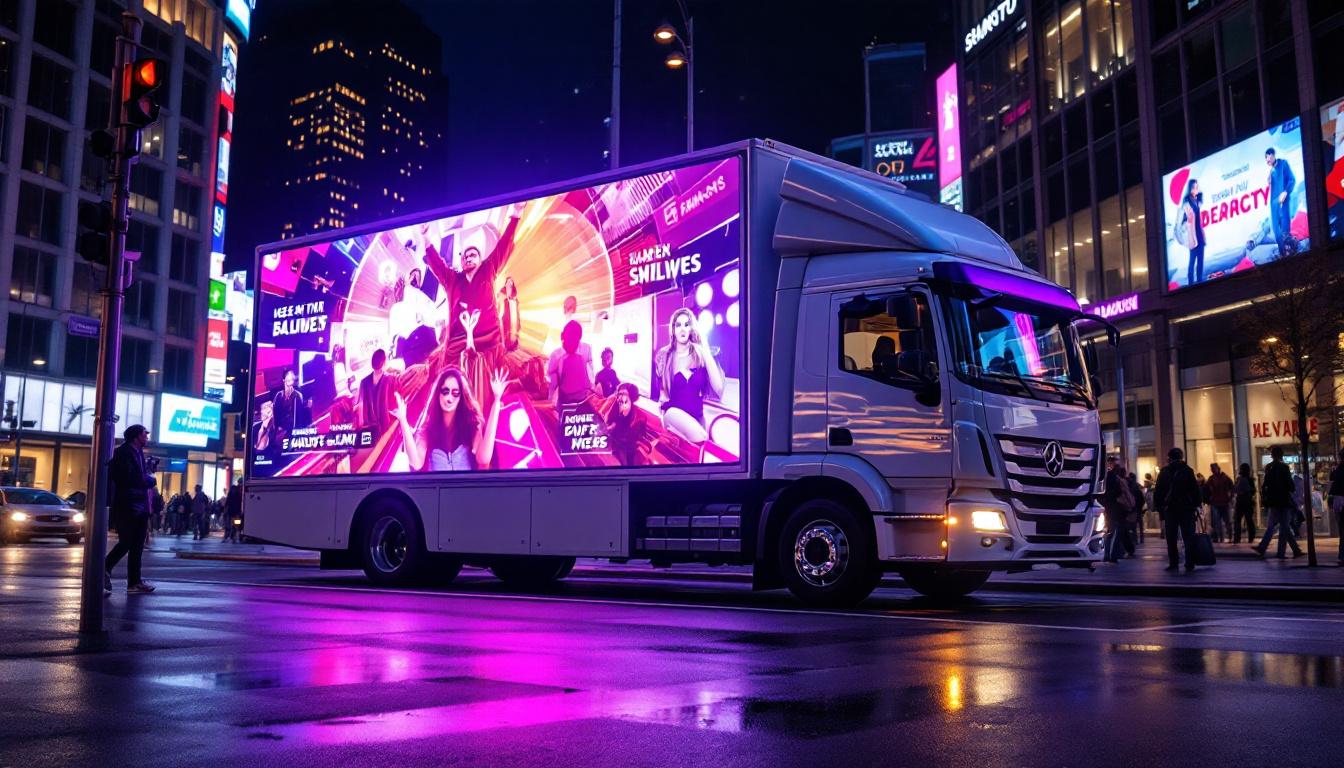
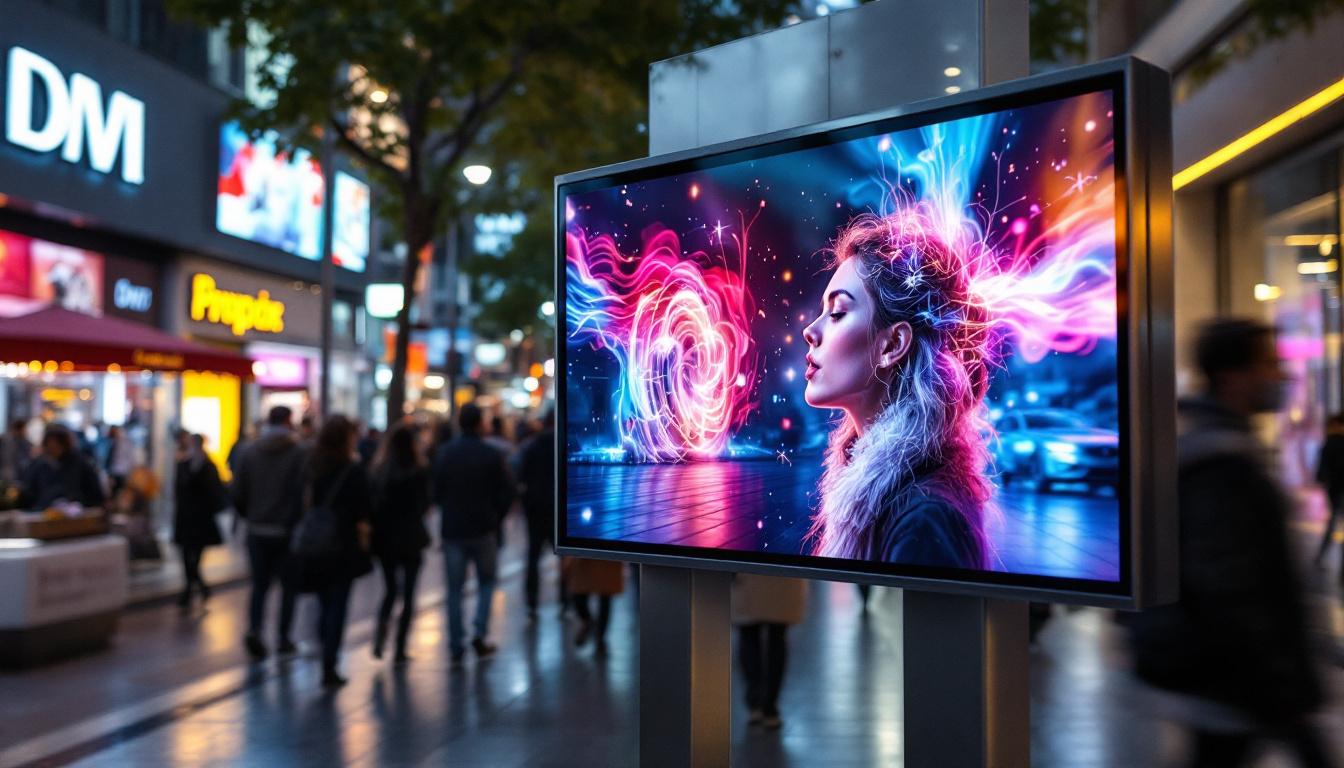
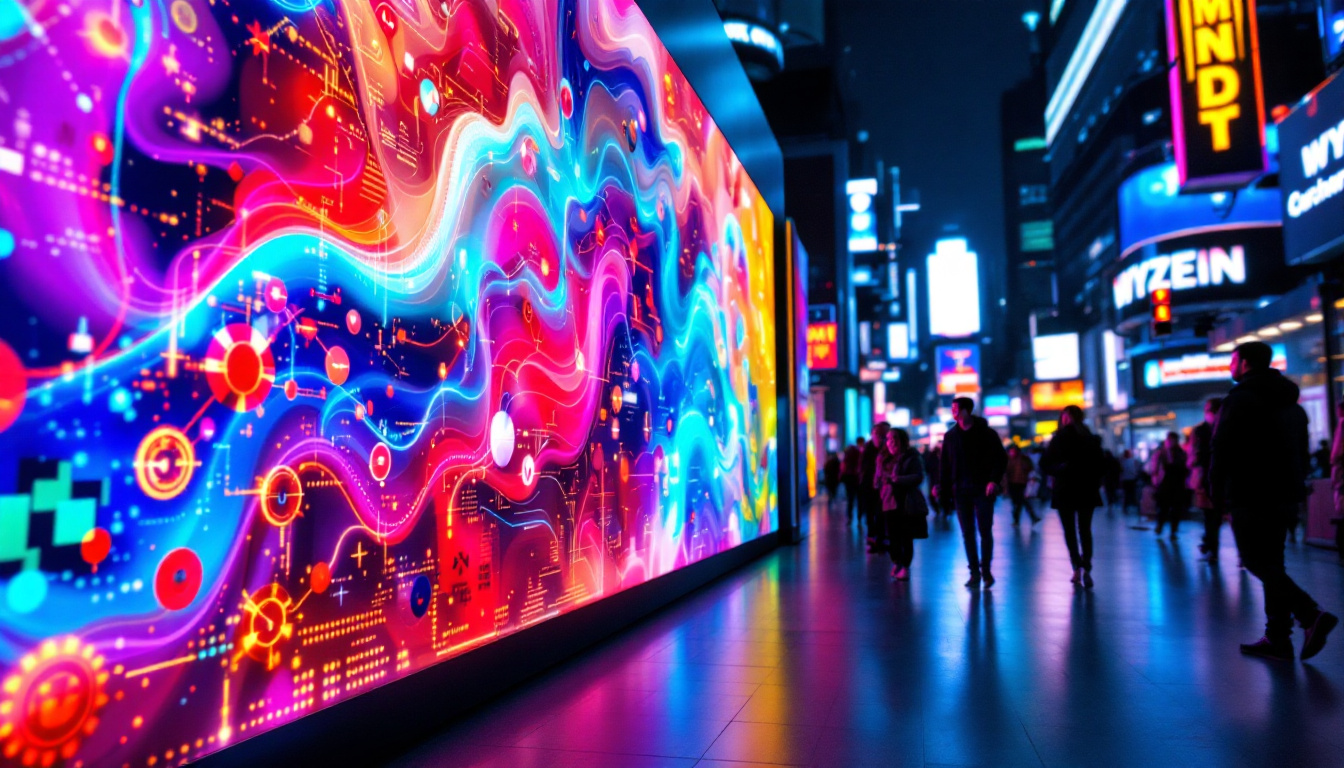
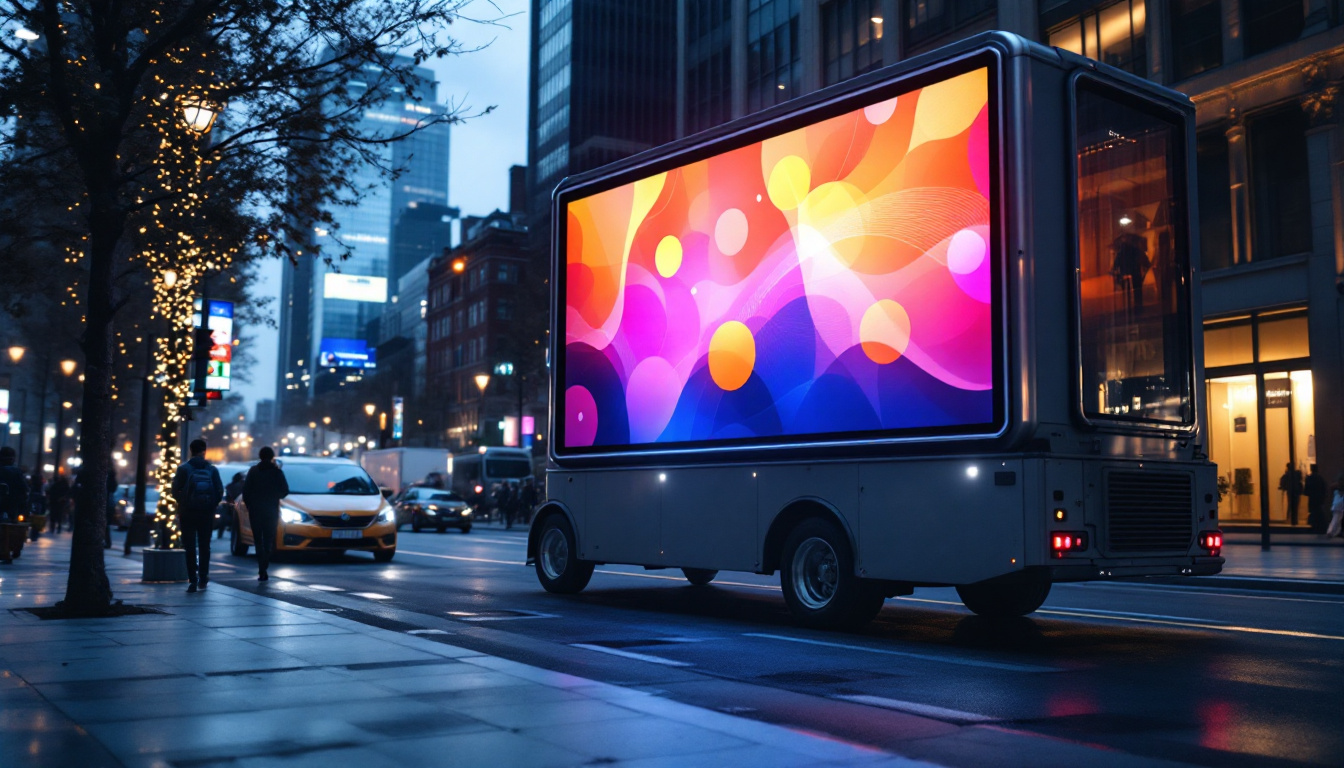
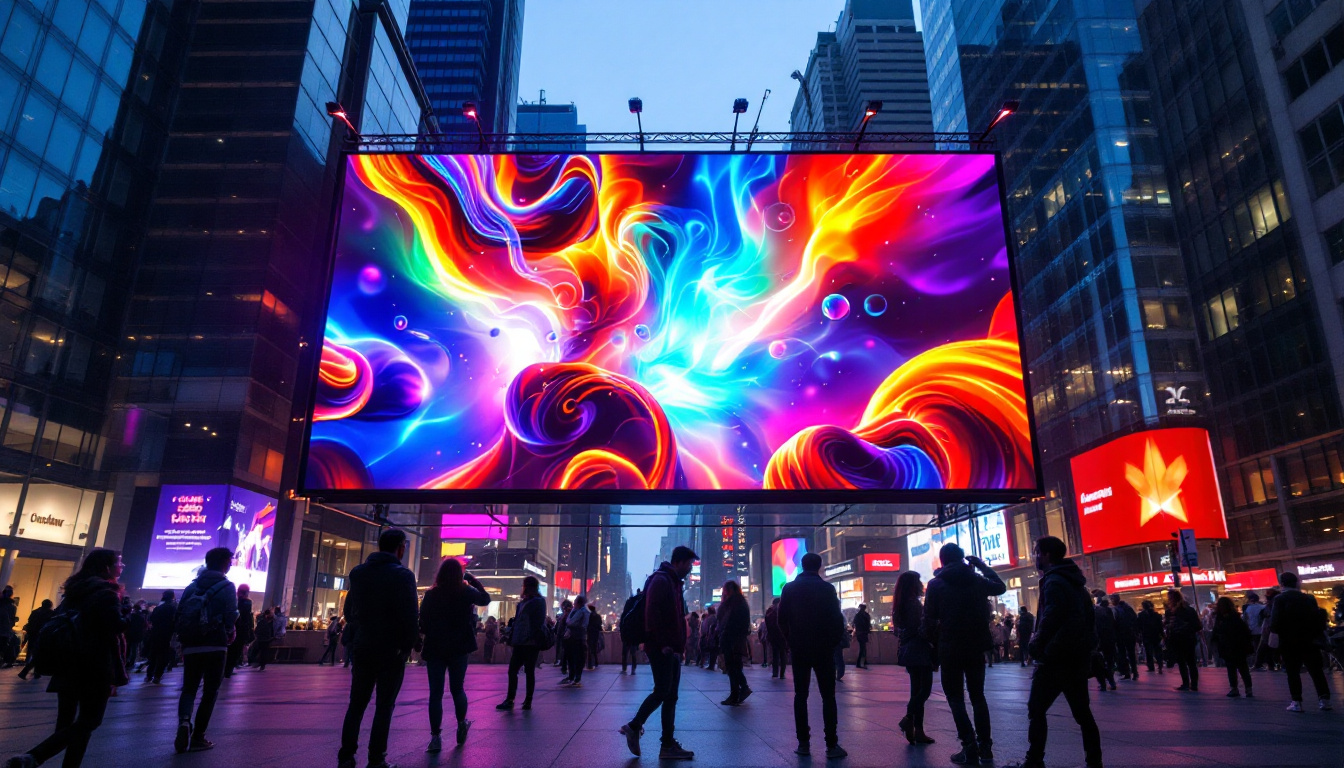
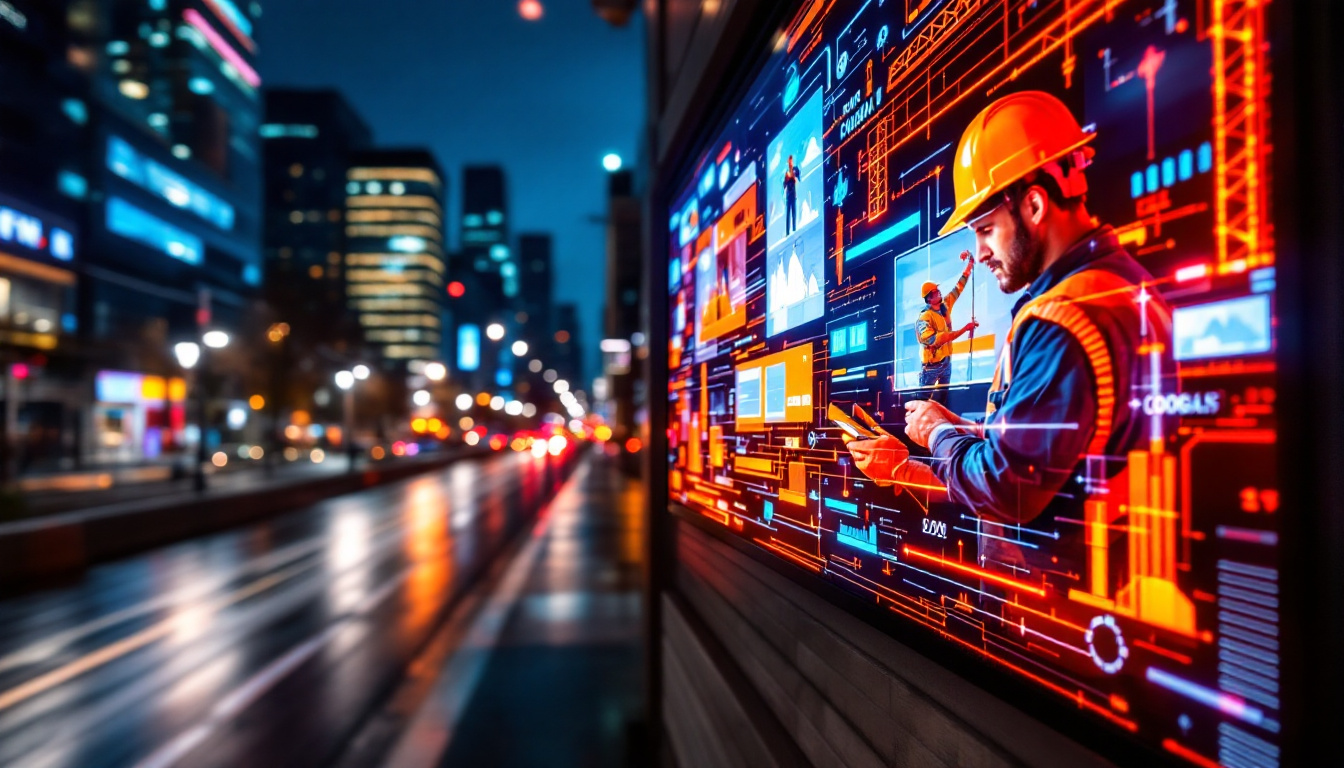
LED displays have revolutionized outdoor advertising by enabling dynamic, eye-catching content that can be updated in real-time. Digital billboards using LEDs offer advertisers the flexibility to display multiple ads, time-sensitive promotions, and interactive content.
According to recent industry reports, the global digital billboard market is expected to grow at a compound annual growth rate (CAGR) of over 10% through 2028, driven largely by advancements in LED technology and urbanization trends.
Sports Arenas and Event Venues
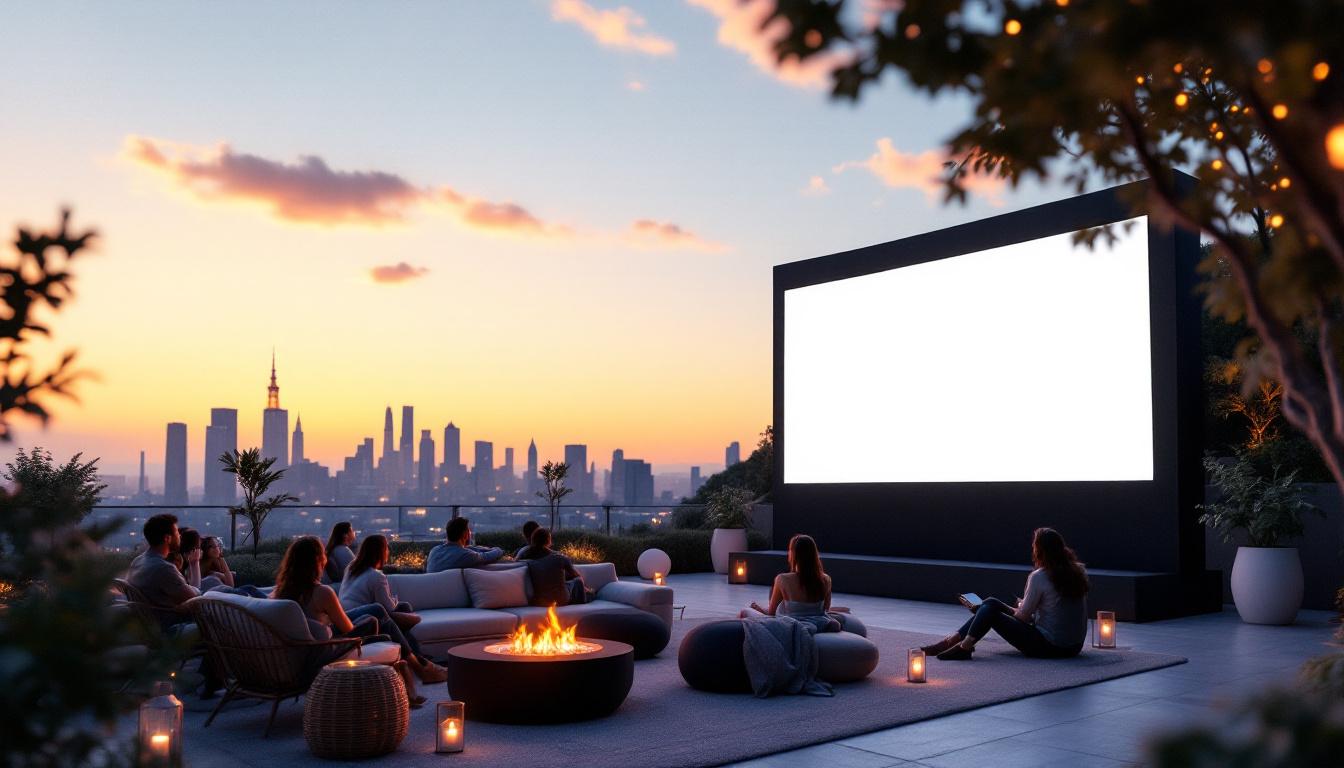
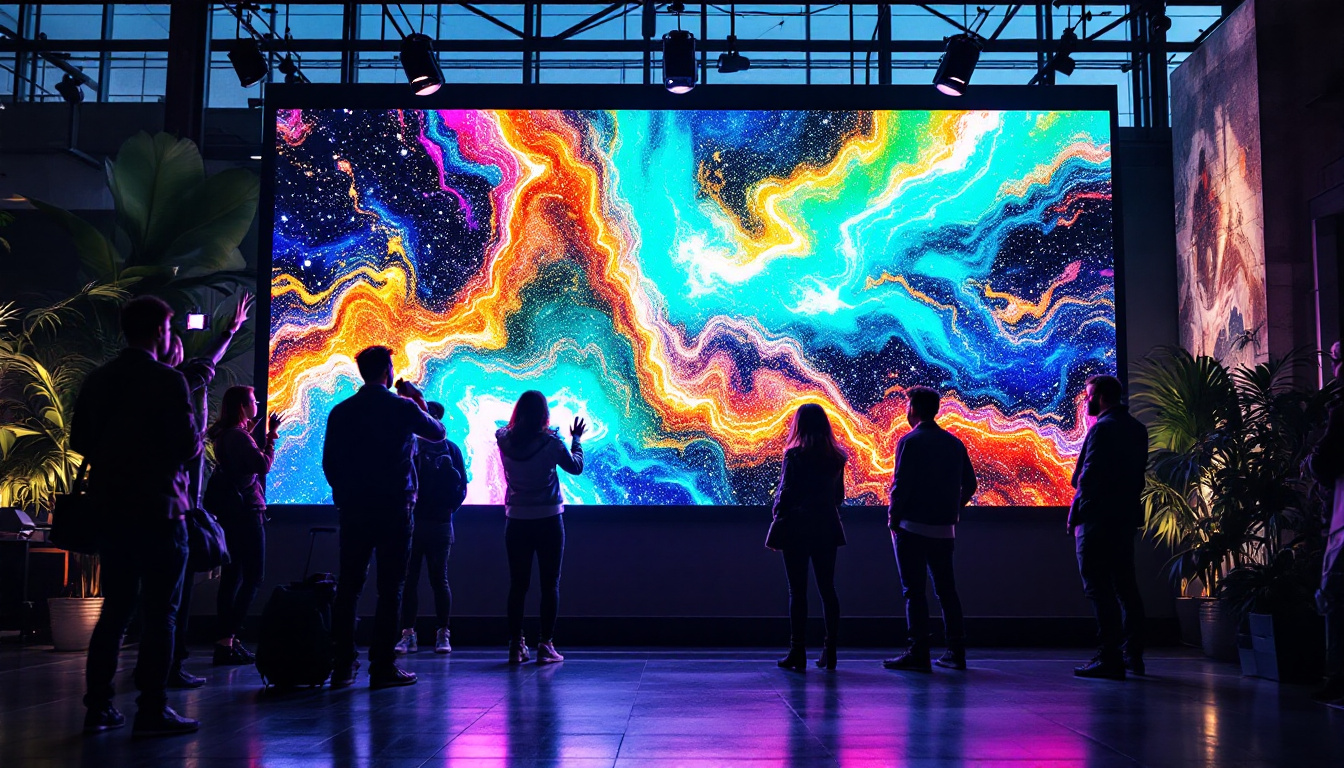
Large LED video walls are a staple in sports stadiums and concert venues, providing live video feeds, replays, and engaging content to enhance the spectator experience. Their ability to deliver bright, high-resolution images over vast areas makes them indispensable for modern event production.
Retail and Corporate Displays
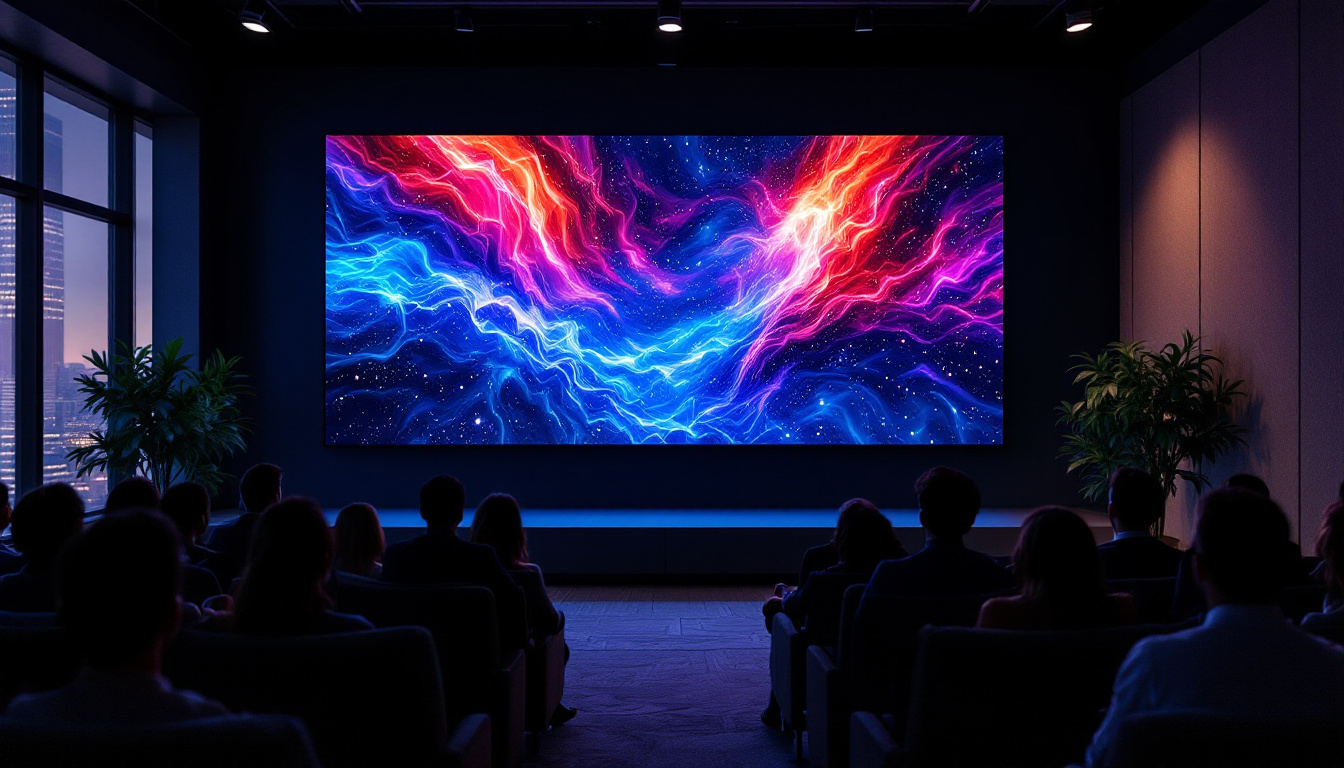
In retail environments, LED displays attract customers with vibrant promotions and interactive content. Corporate offices use LED screens for presentations, video conferencing, and information dissemination, benefiting from their clarity and adaptability.
Transportation and Public Information Systems
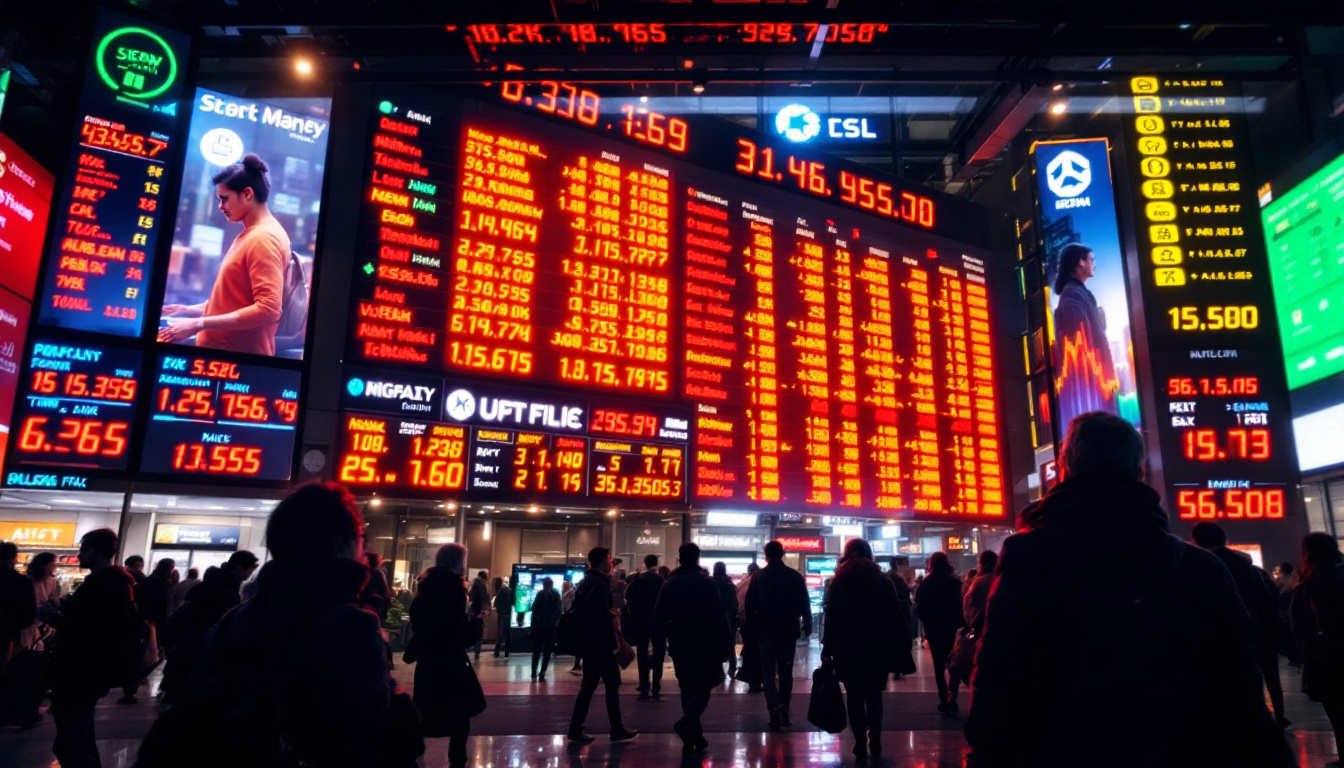
LED displays are widely used in airports, train stations, and bus terminals to provide real-time schedule updates, alerts, and wayfinding information. Their reliability and visibility under various lighting conditions ensure passengers receive timely and clear communication.
Future Trends in LED Display Technology
MicroLED and MiniLED Innovations
Emerging technologies like MicroLED and MiniLED are pushing the boundaries of LED displays. MicroLEDs are tiny LEDs that can be used to create displays with exceptional brightness, color accuracy, and energy efficiency, rivaling OLED technology but with longer lifespan and no burn-in issues.
MiniLEDs, which are slightly larger than MicroLEDs, are already being integrated into high-end TVs and monitors, offering improved contrast and HDR performance compared to traditional LED-backlit LCDs.
Flexible and Transparent LED Displays
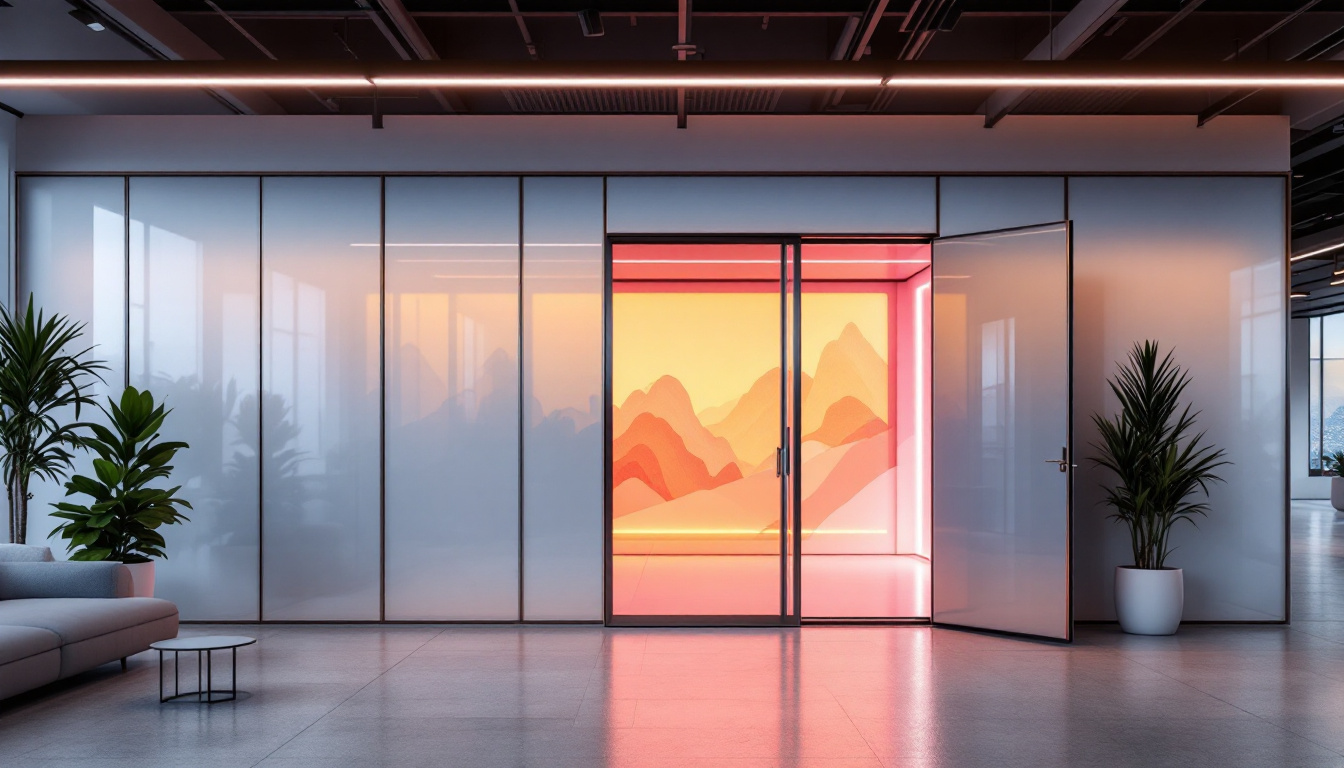
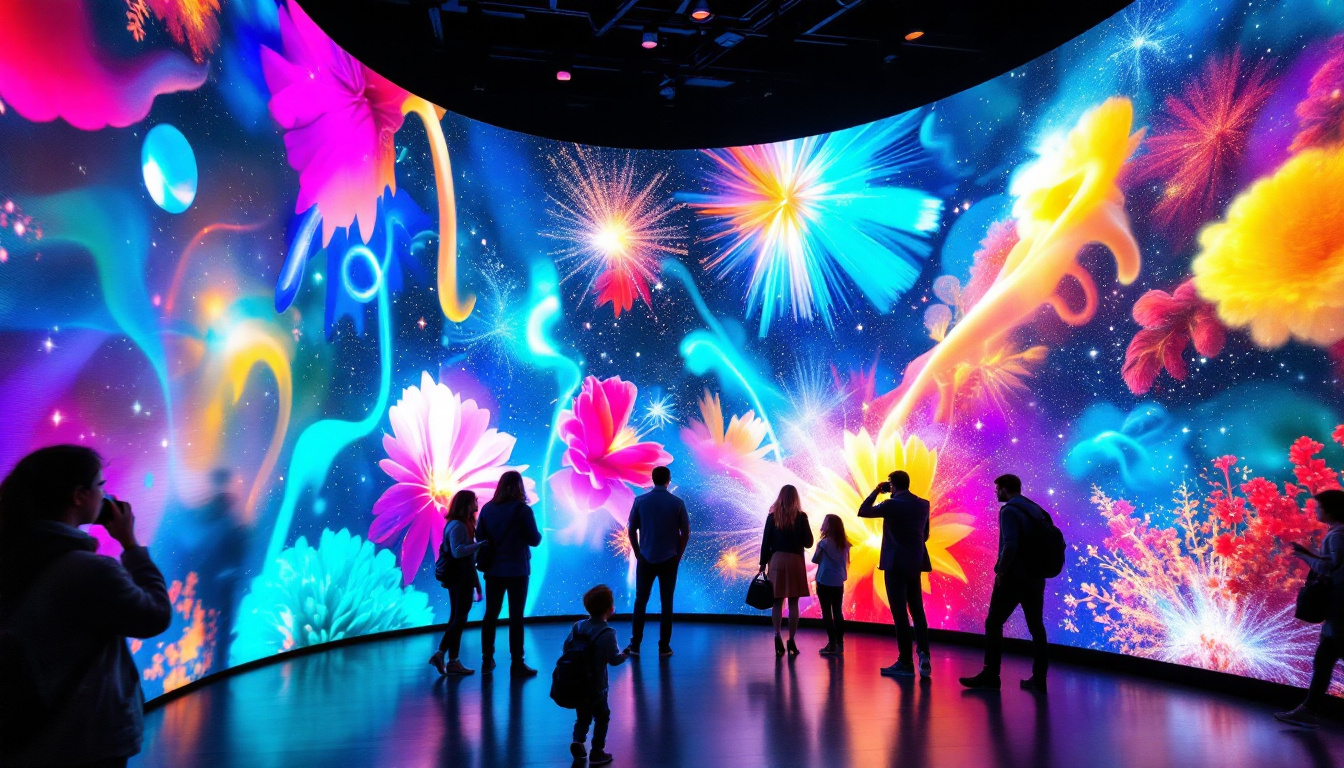
Advancements in materials science have enabled the development of flexible and transparent LED displays. These innovations open new possibilities for design, such as curved screens, wearable displays, and windows that double as digital signage.
Integration with IoT and Smart Technologies
LED displays are increasingly being integrated with Internet of Things (IoT) platforms, enabling smarter content management, real-time data display, and interactive capabilities. This integration enhances the functionality of LED displays in smart cities, retail, and transportation sectors.
Conclusion: Why LED Displays Matter
LED displays represent a fusion of cutting-edge technology and practical application, delivering vibrant, energy-efficient, and durable solutions for a wide range of visual communication needs. Their ability to adapt to various environments and purposes—from massive outdoor billboards to intricate indoor screens—makes them indispensable in the modern digital landscape.
As LED technology continues to evolve, embracing innovations like MicroLED and flexible displays, the potential for more immersive and interactive visual experiences will only grow. Understanding what LED means and how these displays function equips businesses, advertisers, and consumers to make informed decisions about the technology shaping our visual world.
Discover the Future of Visual Communication with LumenMatrix
Ready to elevate your visual presence and engage your audience like never before? Explore LumenMatrix’s innovative LED display solutions, where cutting-edge technology meets creative design. From vibrant Indoor and Outdoor LED Wall Displays to dynamic Vehicle and Sports LED Displays, LumenMatrix offers a full spectrum of options, including LED Posters, Floor LEDs, Custom configurations, and Transparent Displays. Embrace the revolution in digital signage and let LumenMatrix help you make a lasting impression. Check out LumenMatrix LED Display Solutions today and transform your visual communication strategy.