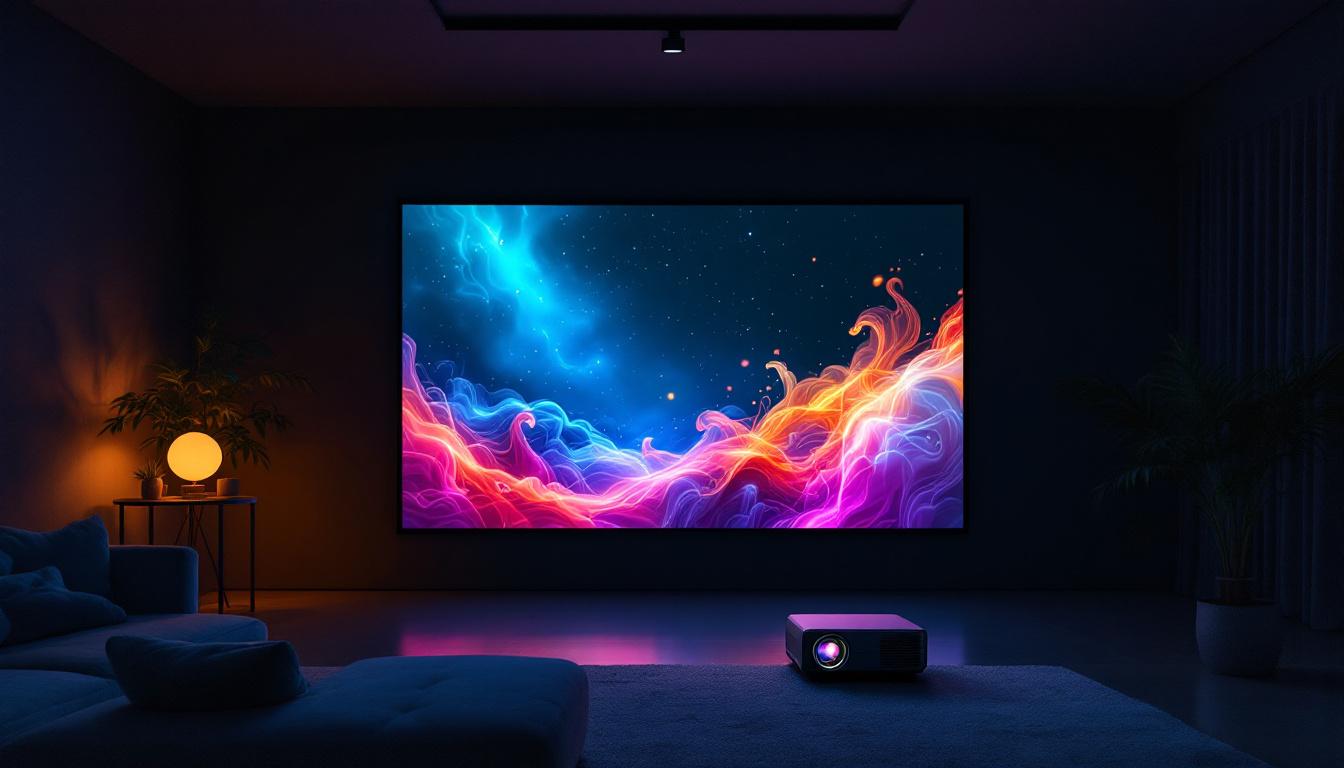
In the realm of home theater and professional presentations, the quest for immersive and visually stunning displays has led to the rise of ultra-wide aspect ratios. Among these, the 21:9 aspect ratio has gained significant attention for its cinematic appeal and expansive viewing experience. Coupled with advancements in LED display technology, 21:9 projectors are redefining how audiences engage with visual content. This article delves into the intricacies of 21:9 projectors, focusing on LED display technology, and explores why this combination is becoming a game-changer in projection systems.
Understanding the 21:9 Aspect Ratio
What Does 21:9 Mean?
The 21:9 aspect ratio, also known as ultra-wide or cinema scope, refers to the proportional relationship between the width and height of a display screen. Specifically, for every 21 units of width, there are 9 units of height. This ratio is wider than the traditional 16:9 aspect ratio commonly used in televisions and monitors, offering a more panoramic view.
Originally popularized by the film industry, 21:9 mimics the widescreen format used in many movies, providing a cinematic experience that fills the viewer’s peripheral vision more effectively than standard ratios. This makes it ideal for movie enthusiasts, gamers, and professionals who require expansive screen real estate. The immersive nature of this aspect ratio can transform a simple viewing experience into a captivating journey, where viewers feel as though they are part of the action, rather than just observers. This is particularly evident in genres like action and adventure, where the sweeping landscapes and dynamic scenes benefit from the added width.
Why Choose 21:9 for Projection?
The appeal of 21:9 projectors lies in their ability to deliver a more immersive and natural viewing experience. When watching films shot in widescreen formats, a 21:9 projector displays the content without letterboxing (black bars at the top and bottom), preserving the director’s intended framing and composition. This seamless presentation allows for a more engaging experience, as viewers can fully appreciate the artistry and detail that filmmakers put into their work. With the rise of streaming services producing original content in ultra-wide formats, the demand for 21:9 projectors has surged, making them a popular choice among home theater enthusiasts.
For gaming and multitasking, the ultra-wide format allows users to see more content simultaneously, enhancing situational awareness in games and increasing productivity in professional applications such as video editing and financial trading. Gamers can enjoy a wider field of view, which can provide a competitive edge in fast-paced environments, while professionals can manage multiple applications side by side without the need for multiple monitors. Additionally, the immersive quality of 21:9 projectors can enhance virtual reality experiences, making them feel more expansive and realistic, thereby elevating the overall user experience. As technology continues to advance, the versatility of the 21:9 aspect ratio is likely to expand, further solidifying its place in both entertainment and professional settings.
LED Display Technology in Projectors
What is LED Projection?
LED projection refers to projectors that use Light Emitting Diodes as their primary light source instead of traditional lamps or lasers. LEDs offer several advantages, including longer lifespan, lower power consumption, and more consistent brightness and color performance over time.
Unlike conventional lamp-based projectors that require periodic bulb replacements and warm-up times, LED projectors can power on instantly and maintain stable output throughout their usage. This makes them particularly attractive for both home theaters and professional environments. Furthermore, the compact nature of LED technology allows for innovative designs that can seamlessly integrate into various settings, whether it’s a cozy living room or a high-tech conference room. The reduced heat output of LEDs also means that these projectors can operate quietly, enhancing the viewing experience without disruptive fan noise.
Advantages of LED Displays in 21:9 Projectors
When combined with the 21:9 aspect ratio, LED technology enhances the overall viewing experience in several key ways:
- Color Accuracy and Vibrancy: LEDs produce pure, saturated colors that can cover a wider color gamut, resulting in richer and more lifelike images.
- Longevity and Reliability: LED light sources can last up to 30,000 to 50,000 hours, significantly outlasting traditional lamps which typically last 2,000 to 5,000 hours.
- Energy Efficiency: LED projectors consume less power, reducing operational costs and environmental impact.
- Compact Design: The smaller size of LED light engines allows manufacturers to create slimmer, lighter projectors that are easier to install and transport.
In addition to these advantages, LED projectors often feature advanced cooling systems that further enhance their performance and longevity. This means that users can enjoy extended viewing sessions without worrying about overheating or performance degradation. The combination of LED technology and the 21:9 aspect ratio also makes these projectors ideal for cinematic experiences, allowing viewers to immerse themselves fully in films and games designed for ultra-wide formats. As more content becomes available in this aspect ratio, the demand for high-quality LED projectors continues to grow.
How LED Projectors Handle Ultra-Wide Formats
Implementing a 21:9 aspect ratio in LED projectors requires specialized optics and display chips. Many LED projectors use advanced DLP (Digital Light Processing) or LCoS (Liquid Crystal on Silicon) technologies to achieve high resolution and sharpness across the ultra-wide screen.
Moreover, LED projectors often incorporate pixel-shifting techniques to enhance perceived resolution, ensuring that the wide image remains crisp and detailed. This is crucial because ultra-wide formats demand more horizontal pixels to maintain image quality without distortion. Additionally, some models feature built-in image processing capabilities that optimize the viewing experience by adjusting brightness and contrast dynamically based on the content being displayed. This level of sophistication not only enhances the visual quality but also allows for a more engaging experience, whether viewers are watching a blockbuster movie or playing the latest video games. The ability to adapt to various content types ensures that LED projectors are versatile tools for entertainment and professional presentations alike.
Applications of 21:9 LED Projectors
Home Theater and Cinematic Experiences
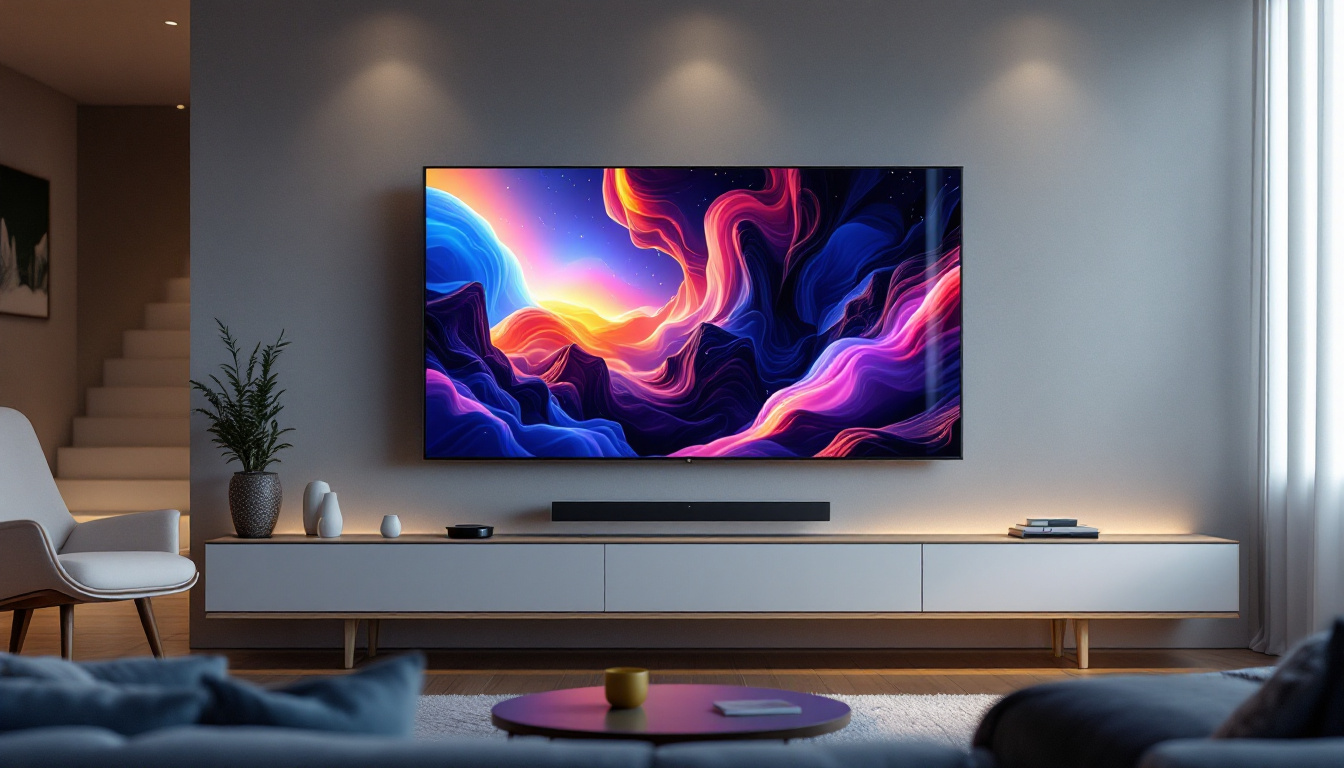
For home cinema enthusiasts, 21:9 LED projectors offer a premium viewing experience that closely replicates the ambiance of commercial theaters. The ultra-wide aspect ratio fills the viewer’s field of vision more completely, creating a sense of immersion that standard 16:9 projectors cannot match.
LED technology further enhances this experience by delivering vibrant colors and deep contrast, which are essential for enjoying modern high-definition and HDR (High Dynamic Range) content. Many 21:9 LED projectors support 4K resolution, ensuring that films and series look stunningly detailed on large screens.
Gaming and Simulation
Gamers benefit from the wider field of view provided by 21:9 projectors, which can improve gameplay by revealing more of the environment and increasing situational awareness. This is especially valuable in first-person shooters, racing games, and flight simulators.
LED projectors are well-suited for gaming due to their low input lag and fast response times. Additionally, their ability to produce bright and vivid images enhances the visual impact of games, making the experience more engaging and enjoyable.
Professional and Educational Use
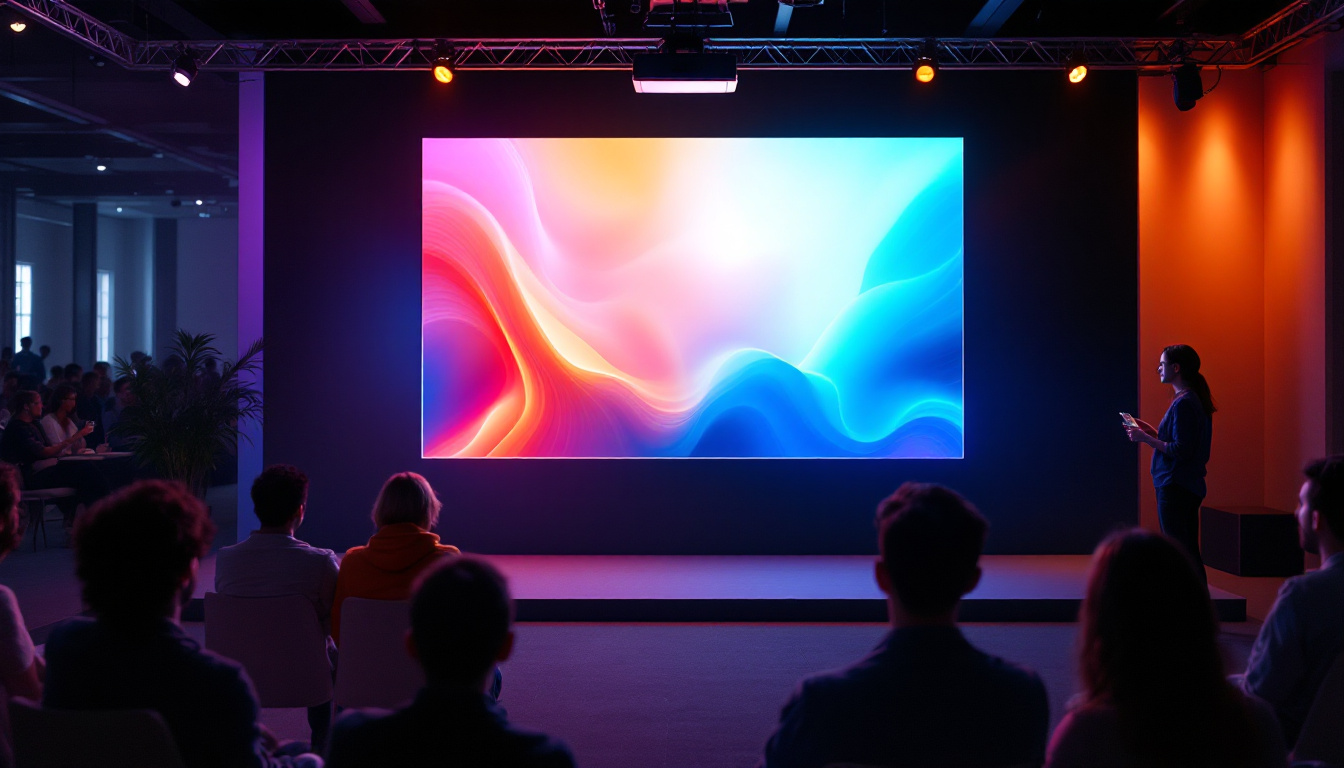
In professional settings, 21:9 LED projectors are used for presentations, design reviews, and collaborative workspaces. The wide format allows multiple documents, spreadsheets, or design elements to be displayed side by side, facilitating better communication and decision-making.
Educational institutions also leverage these projectors for immersive learning environments, where wide-format content such as panoramic maps, scientific visualizations, and interactive media can be displayed with clarity and impact.
Choosing the Right 21:9 LED Projector
Key Features to Consider
When selecting a 21:9 LED projector, several factors should be taken into account to ensure the device meets specific needs:
- Resolution: Aim for at least 2560×1080 pixels (Full HD ultra-wide) or higher, such as 3440×1440 or 3840×1600, to maintain sharpness across the wide screen.
- Brightness: Depending on the environment, projectors with 2,000 to 3,000 lumens or more are recommended to combat ambient light and maintain image clarity.
- Contrast Ratio: Higher contrast ratios contribute to deeper blacks and more vivid colors, enhancing overall picture quality.
- Connectivity: Multiple HDMI ports, USB inputs, and wireless options facilitate versatile content sources and ease of use.
- Throw Distance and Lens Options: Consider the room size and projector placement to select appropriate lens types and throw ratios for optimal image size and focus.
Installation and Setup Tips
Proper installation is critical to fully benefit from a 21:9 LED projector. Position the projector so that the image fills the screen without distortion or keystone effects. Many modern projectors include lens shift and keystone correction features to assist with alignment.
Using a dedicated ultra-wide projection screen designed for 21:9 aspect ratios will maximize image quality and brightness. Ambient light control, such as blackout curtains and dimmable lighting, further enhances the viewing experience.
Future Trends in 21:9 LED Projection
Advancements in LED and Laser Hybrid Systems
Emerging technologies are blending LED and laser light sources to combine the best attributes of both: the longevity and color quality of LEDs with the high brightness and precision of lasers. These hybrid systems are poised to push the boundaries of ultra-wide projection performance.
Higher Resolutions and HDR Support
As content creators increasingly adopt ultra-wide formats, projectors are evolving to support 8K resolutions and advanced HDR standards. This will enable even more detailed and dynamic images, further enhancing immersion.
Integration with Smart Home and AI Technologies
Future 21:9 LED projectors are expected to incorporate AI-driven image optimization, voice control, and seamless integration with smart home ecosystems. This will simplify operation and tailor viewing experiences to individual preferences.
Conclusion
The combination of the 21:9 ultra-wide aspect ratio with LED display technology represents a significant leap forward in projection systems. Whether for cinematic home theaters, immersive gaming, or professional applications, 21:9 LED projectors offer unmatched visual experiences characterized by vibrant colors, sharp images, and expansive screen real estate.
As LED technology continues to advance and integrate with emerging innovations, these projectors will become increasingly accessible and versatile, solidifying their place as a preferred choice for those seeking the ultimate in widescreen projection performance.
Discover the Future of Ultra-Wide LED Displays with LumenMatrix
Ready to elevate your visual experience with the expansive and vibrant world of 21:9 LED projectors? LumenMatrix, a pioneer in LED display technology, invites you to explore our comprehensive range of LED display solutions. From immersive home theaters to dynamic professional settings, our cutting-edge products are designed to captivate and engage. Experience the revolution in visual communication and enhance your brand’s visibility with our Indoor LED Wall Display, Outdoor LED Wall Display, and more. Check out LumenMatrix LED Display Solutions today and transform your space into a spectacle of light and color.