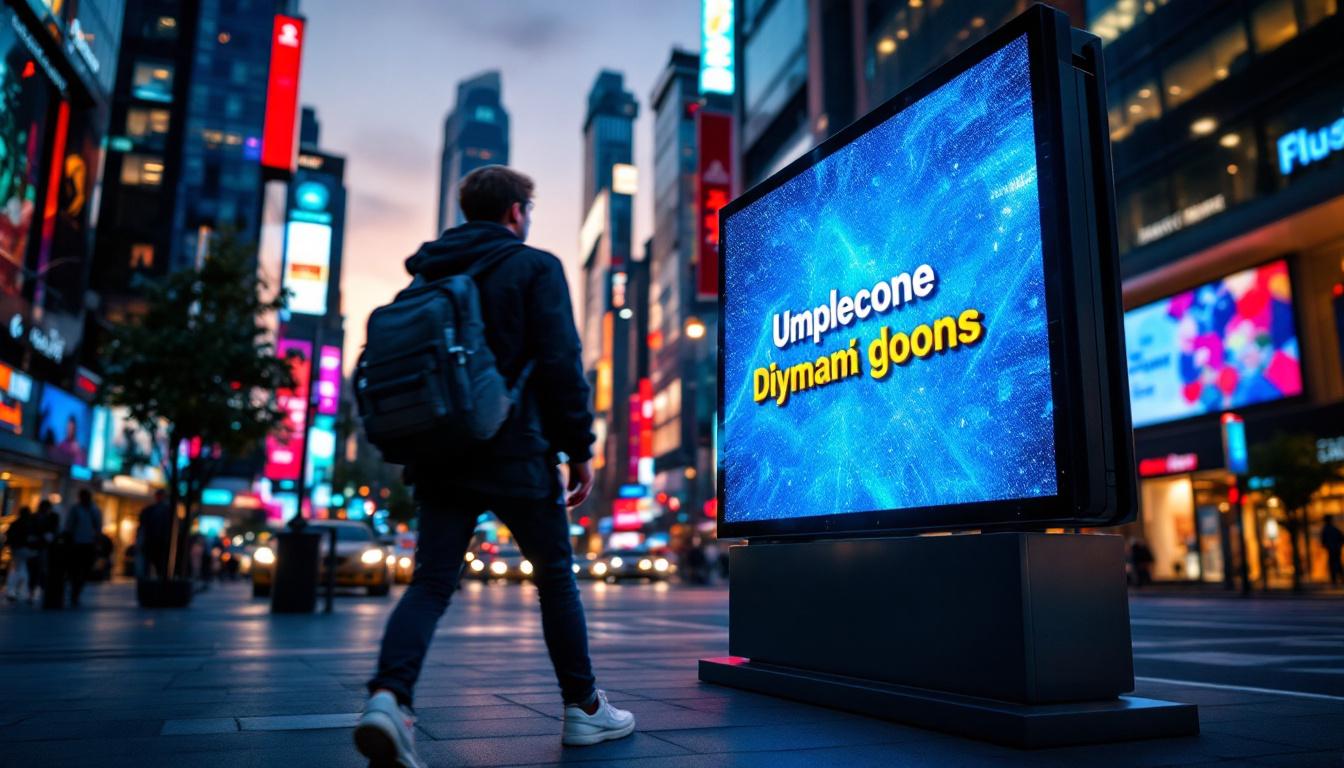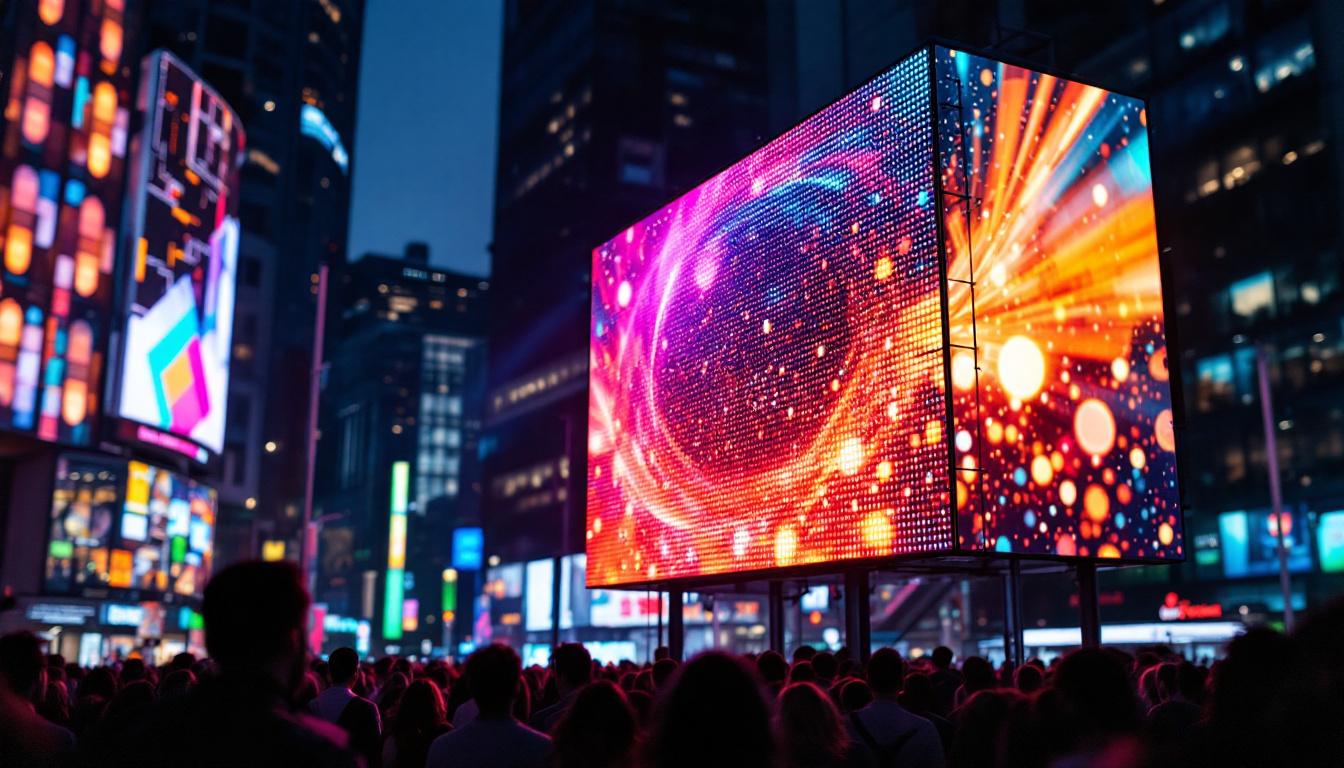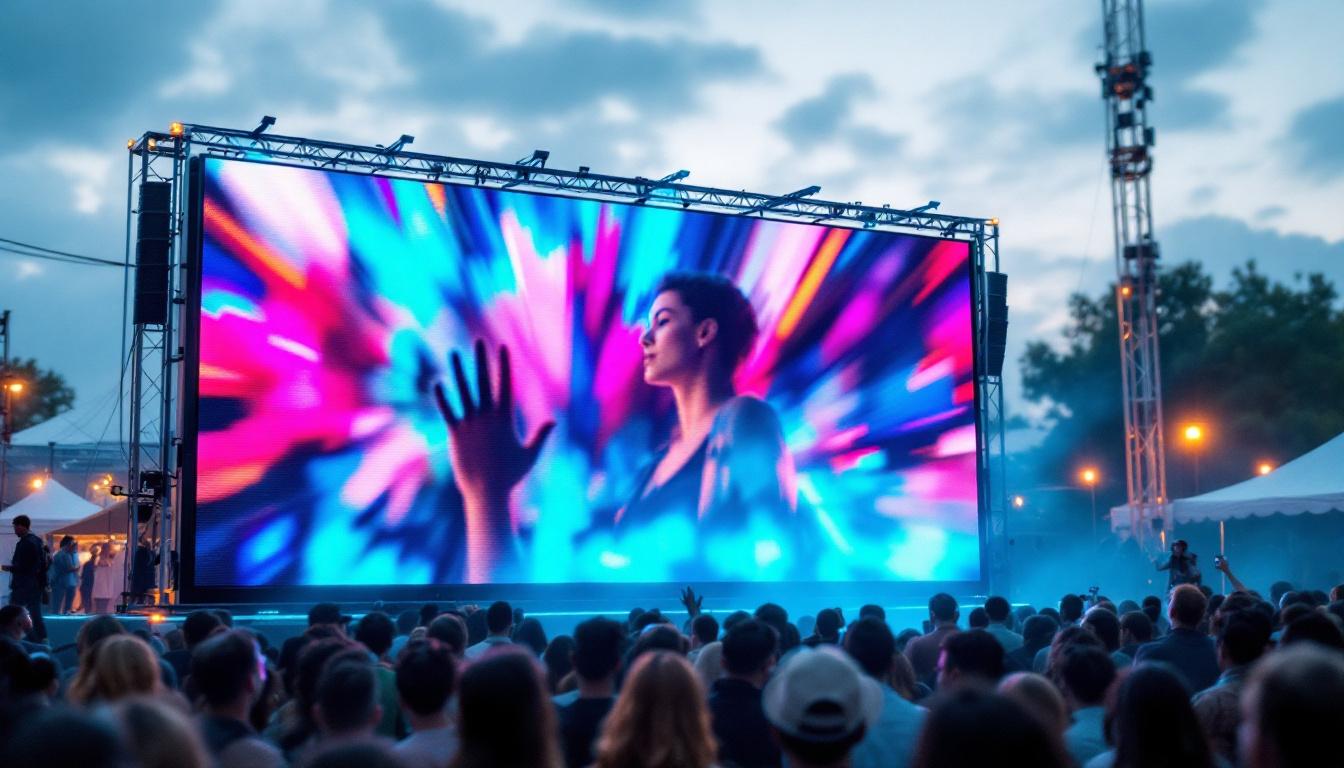
In recent years, LED screen trailers have become a transformative force in the world of outdoor advertising, live events, and mobile digital signage. These dynamic, high-resolution displays mounted on trailers offer unparalleled flexibility and visibility, making them a go-to solution for marketers, event organizers, and businesses looking to captivate audiences on the move. This article dives deep into what LED screen trailers are, how LED display technology works, their advantages, and key considerations for selecting and using these innovative tools effectively.
Understanding LED Screen Trailers
What Is an LED Screen Trailer?
An LED screen trailer is essentially a mobile digital billboard equipped with a large LED display panel mounted on a trailer chassis. This setup allows the screen to be transported easily and deployed in various locations without the need for fixed infrastructure. These trailers are often used for advertising campaigns, live event broadcasting, sports viewing, public information dissemination, and emergency communications.
The mobility of LED screen trailers means they can reach diverse audiences across different venues — from city streets and festivals to sports arenas and trade shows. Their ability to display vibrant, high-definition video content in bright daylight conditions makes them highly effective for grabbing attention in outdoor environments.
Key Components of an LED Screen Trailer
Understanding the main components helps clarify how these trailers function:
- LED Display Panel: The core of the trailer, consisting of thousands of tiny light-emitting diodes that form the screen. These LEDs can produce millions of colors and varying brightness levels.
- Trailer Frame and Mobility System: The structural chassis that supports the screen and includes wheels, hitch, and often hydraulic systems for raising and lowering the display.
- Control System: Hardware and software that manage the content displayed on the LED screen, including media players, signal processors, and remote control interfaces.
- Power Supply: Typically includes onboard generators or connections for external power sources to ensure the screen operates continuously during events.
How LED Displays Work: The Technology Behind the Screens
Basics of LED Technology
LED stands for Light Emitting Diode, a semiconductor device that emits light when an electric current passes through it. Unlike traditional display technologies such as LCD or projection, LEDs generate their own light, which results in higher brightness and contrast ratios.
Each pixel on an LED display is made up of red, green, and blue LEDs. By varying the intensity of these three colors, the display can produce a full spectrum of colors, allowing for vivid and accurate image reproduction. This is particularly important for outdoor use where sunlight can wash out less bright displays.
Pixel Pitch and Resolution
One of the most critical specifications for LED displays is the pixel pitch, which refers to the distance between the centers of two adjacent pixels, usually measured in millimeters. A smaller pixel pitch means more pixels per square meter, resulting in higher resolution and sharper images.
For LED screen trailers, pixel pitch typically ranges from 2mm to 10mm. Trailers intended for close-up viewing, such as at trade shows or concerts, often feature finer pixel pitches (2-4mm), while those designed for viewing from greater distances, like roadside advertising, might use larger pitches (6-10mm).
Brightness and Viewing Angles
Brightness is measured in nits (candelas per square meter), and outdoor LED screens generally require brightness levels between 5,000 and 8,000 nits to remain visible under direct sunlight. LED screen trailers are engineered to maintain optimal brightness levels while minimizing power consumption.
Viewing angle is another essential factor. High-quality LED panels offer wide horizontal and vertical viewing angles (often 140° or more), ensuring that the content is visible and clear from different vantage points around the trailer.
Advantages of Using LED Screen Trailers
Mobility and Flexibility
The primary advantage of LED screen trailers is their mobility. Unlike fixed digital billboards or indoor screens, these trailers can be quickly relocated to different sites, enabling campaigns to target multiple locations without the need for permanent installations.
This flexibility is invaluable for event organizers who require temporary displays or companies running promotional tours. It also allows for rapid deployment in emergency situations where public information needs to be broadcasted to various locations.
High Impact and Engagement
LED screen trailers deliver bright, colorful, and dynamic content that naturally draws attention. Studies have shown that digital billboards and video displays can increase brand recall by up to 47% compared to static signage. The ability to use video, animations, and real-time updates enhances audience engagement significantly.
For example, during live events such as sports matches or concerts, LED screen trailers can display live feeds, social media interactions, or sponsor advertisements, creating a more immersive and interactive experience for attendees.
Cost-Effectiveness Over Time
While the initial investment in LED screen trailers can be substantial, their durability and reusability make them cost-effective over the long term. Unlike printed banners that require frequent replacement, LED content can be updated instantly at no additional printing cost.
Moreover, LED technology has become more energy-efficient, reducing operational expenses. The ability to rent or lease LED screen trailers also provides budget flexibility for businesses that need them temporarily.
Applications of LED Screen Trailers
Advertising and Marketing Campaigns
Brands leverage LED screen trailers to create mobile advertising campaigns that can reach diverse demographics across multiple locations. These trailers are often stationed in high-traffic areas such as shopping centers, festivals, and urban centers to maximize exposure.
Interactive content, such as QR codes or social media hashtags displayed on the screen, encourages audience participation and helps measure campaign effectiveness.
Live Events and Entertainment
Concerts, festivals, sports events, and parades frequently use LED screen trailers to enhance the spectator experience. These trailers can serve as giant video walls broadcasting live performances, event schedules, or sponsor messages.
The portability of these screens allows event organizers to position them strategically around venues, ensuring that even attendees far from the stage have a clear view of the action.
Public Information and Emergency Response
Government agencies and emergency services utilize LED screen trailers to disseminate critical information during natural disasters, public health campaigns, or community events. Their ability to display real-time updates and alerts in multiple languages makes them an essential tool for effective communication.
For instance, during wildfire evacuations or severe weather warnings, LED screen trailers can be deployed rapidly to key locations, providing clear instructions and safety information to the public.
Choosing the Right LED Screen Trailer
Assessing Your Needs
Before investing in or renting an LED screen trailer, it is crucial to evaluate the specific requirements of your intended use. Consider factors such as:
- Viewing Distance: Determines the appropriate pixel pitch and screen size.
- Content Type: Static images, video, live feeds, or interactive content.
- Deployment Frequency: How often and how long the trailer will be used.
- Location Conditions: Outdoor exposure, weather resistance, and power availability.
Screen Size and Resolution
Screen size must balance visibility and mobility. Larger screens offer greater impact but require more space and power. Resolution should match the intended viewing distance to ensure clarity without unnecessary cost.
For example, a 12-foot-wide LED screen with a 6mm pixel pitch is ideal for roadside advertising, while a 20-foot-wide screen with a 3mm pitch suits close-range event viewing.
Power and Connectivity Options
Reliable power supply is essential for uninterrupted operation. Some trailers come equipped with onboard generators, while others rely on external power sources. Additionally, connectivity options such as 4G/5G, Wi-Fi, or satellite links enable remote content management and real-time updates.
Durability and Weatherproofing
Since LED screen trailers are used outdoors, they must withstand various weather conditions, including rain, wind, and dust. Look for trailers with IP65 or higher ratings, which indicate strong protection against water and dust ingress.
Maintenance and Operational Best Practices
Regular Inspections and Cleaning
Maintaining the LED panels and trailer components is vital for longevity and performance. Regular inspections should check for damaged LEDs, loose connections, and structural integrity. Cleaning the screen surface with appropriate materials prevents dirt buildup that can affect brightness and image quality.
Safe Deployment and Operation
Operators should follow manufacturer guidelines when setting up the trailer, including securing the trailer properly, positioning it on stable ground, and ensuring all electrical connections are safe. Training staff on operational procedures reduces the risk of accidents and technical issues.
Software Updates and Content Management
Keeping the control software updated ensures compatibility with the latest media formats and security features. Efficient content management systems enable quick scheduling, remote updates, and performance monitoring, maximizing the trailer’s effectiveness.
The Future of LED Screen Trailers
Advancements in LED technology continue to enhance the capabilities of screen trailers. Emerging trends include higher resolution panels with micro-LED technology, improved energy efficiency through better power management, and integration with AI-driven content personalization.
Moreover, the rise of 5G connectivity allows for seamless live streaming and interactive experiences, transforming LED screen trailers into powerful tools for real-time engagement. As urban environments become smarter, these mobile digital displays will play an increasingly important role in communication, advertising, and entertainment.
Conclusion
LED screen trailers represent a versatile, high-impact solution for mobile digital displays. Their combination of mobility, brightness, and dynamic content capabilities makes them invaluable across industries—from marketing and entertainment to public safety. Understanding the underlying LED technology, key specifications, and practical considerations ensures users can select and operate these trailers effectively to maximize their benefits.
As technology evolves, LED screen trailers will continue to offer innovative ways to connect with audiences, making them a smart investment for businesses and organizations aiming to stand out in a crowded visual landscape.
Discover LumenMatrix’s Innovative LED Solutions
Ready to elevate your visual impact and engage your audience like never before? Explore LumenMatrix’s comprehensive range of LED display solutions, crafted for every scenario from bustling city centers to action-packed sports arenas. Whether you need an Indoor LED Wall Display for your next corporate event, an Outdoor LED Wall Display for effective advertising, or any of our specialized displays including Vehicle, Poster, Sports, Floor, Custom, All-in-One, or Transparent LED Displays, LumenMatrix has you covered. Embrace the future of visual communication with our cutting-edge technology designed to capture attention and deliver your message with unparalleled clarity. Check out LumenMatrix LED Display Solutions today and transform your space into a dynamic visual experience.