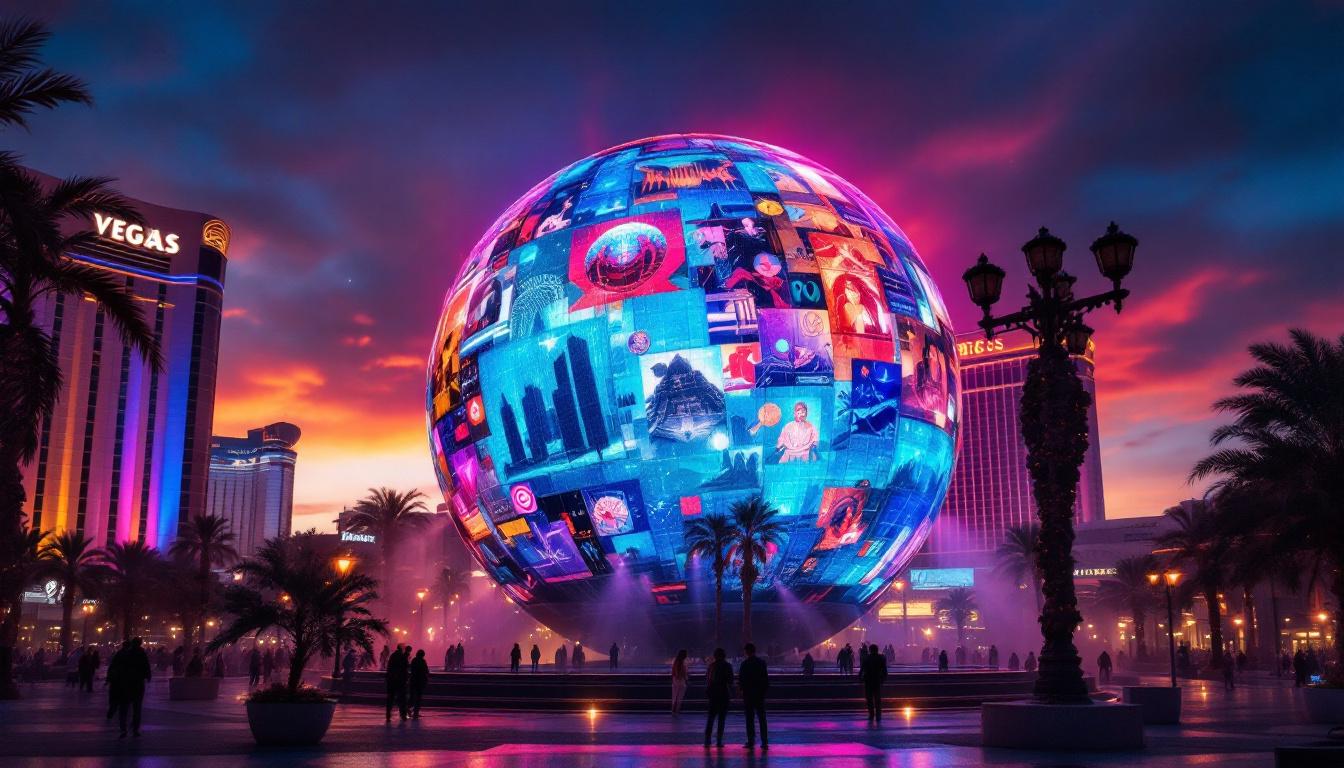
In the rapidly evolving world of digital signage and visual communication, LED displays have emerged as a dominant technology. Among the many innovative forms of LED screens, the sphere LED display stands out for its unique shape and immersive visual capabilities. This article explores what sphere LED displays are, how they work, their applications, and why they are becoming a popular choice for businesses and event organizers worldwide.
Understanding Sphere LED Displays
What Is a Sphere LED Display?
A sphere LED display is a type of digital screen that is designed in a spherical or globe shape, utilizing LED (Light Emitting Diode) technology to produce vibrant and dynamic images. Unlike traditional flat LED panels, these displays wrap content around a three-dimensional surface, creating a 360-degree viewing experience.
The spherical design allows content to be viewed from multiple angles simultaneously, making it an ideal solution for environments where audience engagement from all directions is crucial. This technology combines the high brightness, energy efficiency, and long lifespan of LED modules with innovative structural engineering to produce visually stunning displays. Sphere LED displays are increasingly popular in various settings, including museums, shopping malls, sports arenas, and public squares, where captivating visuals can enhance the overall experience and draw in larger crowds.
How Sphere LED Displays Work
Sphere LED displays are constructed by assembling numerous small LED modules onto a curved frame that forms a perfect or near-perfect sphere. Each LED module contains multiple diodes that emit light in red, green, and blue, which combine to create a full spectrum of colors. The modules are carefully calibrated to ensure seamless image continuity across the curved surface.
Advanced software controls the content displayed on the sphere, mapping two-dimensional images or videos onto the three-dimensional surface. This process, called texture mapping, ensures that content is not distorted and appears natural from any viewing angle. The display can be programmed to show static images, animations, live feeds, or interactive content, depending on the application. Moreover, the integration of sensors and cameras can enhance interactivity, allowing viewers to engage with the content in real-time. For instance, in a retail environment, customers might be able to interact with the display to explore products or promotions, creating a more immersive shopping experience. As technology continues to evolve, the potential applications for sphere LED displays are expanding, making them a versatile tool for storytelling and brand engagement.
Technical Specifications and Features
Resolution and Pixel Pitch
One of the critical technical aspects of sphere LED displays is their resolution, which depends on the pixel pitch—the distance between the centers of two adjacent pixels. Smaller pixel pitches result in higher resolution and sharper images but require more LEDs and higher processing power.
Typical pixel pitches for sphere LED displays range from 2mm to 10mm, with finer pitches used for indoor applications where viewers are closer to the display. Outdoor spheres often have larger pixel pitches due to viewing distances and environmental considerations. The choice of pixel pitch is crucial not only for image clarity but also for the overall viewing experience; a well-calibrated pixel pitch can enhance the visual impact of dynamic content, making it more engaging and immersive for audiences.
Moreover, advancements in technology have led to the development of customizable pixel pitches, allowing manufacturers to tailor displays to specific environments and applications. This flexibility means that sphere LED displays can be optimized for various uses, from high-resolution advertising in shopping malls to large-scale informational displays at public events, ensuring that every viewer receives a captivating experience.
Brightness and Viewing Angles
LED technology is known for its high brightness levels, which enable visibility even in direct sunlight. Sphere LED displays maintain brightness levels typically between 1,000 to 5,000 nits, depending on the model and intended use. This makes them suitable for both indoor and outdoor environments. The ability to adjust brightness dynamically based on ambient light conditions is another feature that enhances usability, ensuring that content remains legible and visually appealing at all times.
The spherical shape naturally provides wide viewing angles, often close to 180 degrees horizontally and vertically. This ensures that the content remains vivid and clear regardless of where the viewer stands around the sphere. The uniformity of brightness across the entire surface is essential for maintaining a consistent viewing experience, which is particularly important in settings such as concerts or exhibitions where audiences may be spread out. Additionally, the spherical design allows for creative content presentation, enabling unique visual storytelling that can capture the attention of viewers from multiple vantage points.
Durability and Energy Efficiency
LED displays are generally robust and energy-efficient. Sphere LED displays are no exception; they are designed to withstand various environmental conditions, including rain, dust, and temperature fluctuations. Many models come with IP65 or higher ratings, indicating strong protection against water and dust ingress. This durability is crucial for outdoor installations, where displays are often exposed to harsh weather conditions and require minimal maintenance to ensure longevity.
Energy consumption is optimized through the use of LED diodes, which consume less power than traditional lighting and display technologies. This efficiency is particularly important for large-scale installations that operate for extended periods. In addition to lower energy costs, many sphere LED displays incorporate smart technology that allows for remote monitoring and management, enabling operators to track energy usage and performance metrics in real-time. This not only enhances operational efficiency but also contributes to sustainability efforts by reducing the overall carbon footprint associated with display technologies.
Applications of Sphere LED Displays
Advertising and Marketing
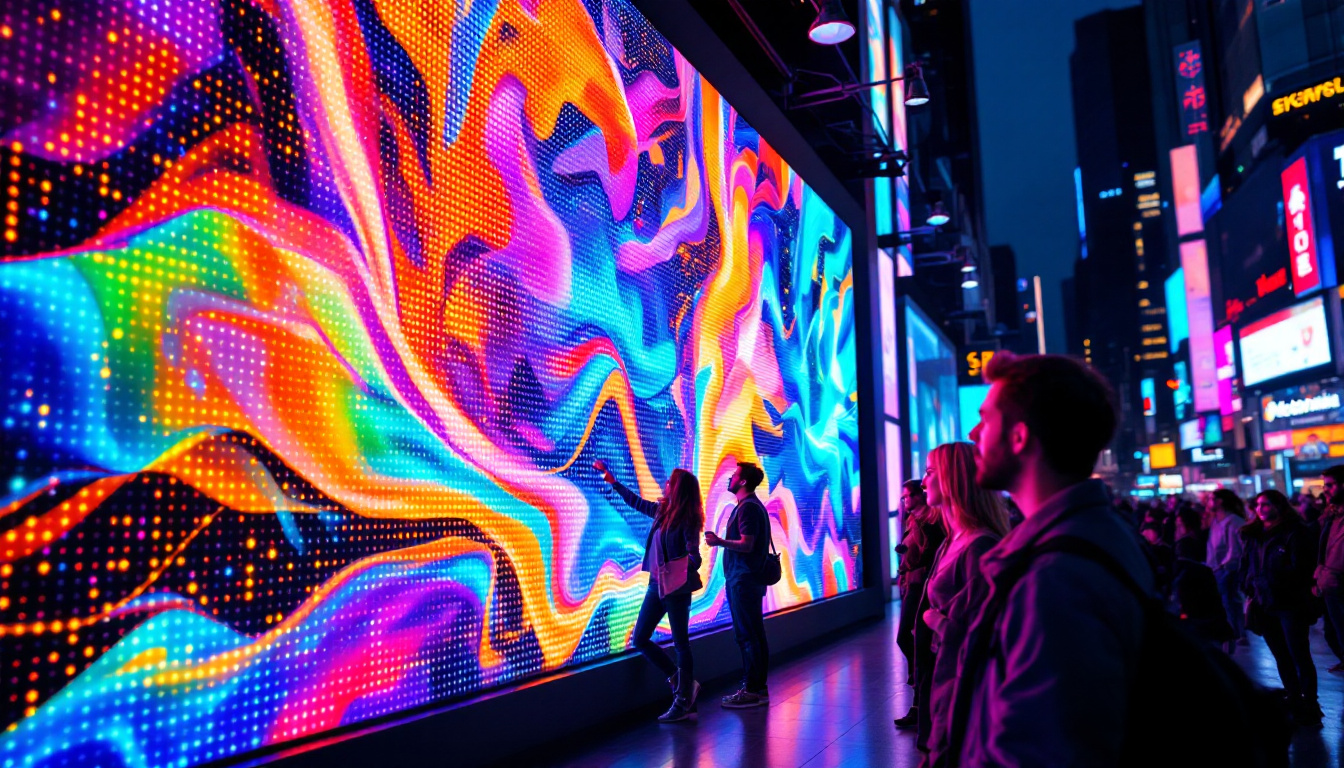
Sphere LED displays have become a powerful tool in advertising, offering brands a novel way to capture attention. Their unique shape and dynamic visuals create memorable experiences that stand out in crowded urban environments. For example, major cities like Tokyo, New York, and Dubai have installed spherical LED displays in high-traffic areas to showcase advertisements that engage passersby from all directions.
Brands use these spheres for product launches, promotional events, and interactive campaigns, leveraging the 360-degree format to maximize visibility and impact.
Entertainment and Events
In the entertainment industry, sphere LED displays are used to create immersive environments for concerts, festivals, and exhibitions. Their ability to display panoramic visuals enhances stage designs and audience experiences. For instance, music festivals have incorporated LED spheres as centerpiece installations that synchronize with live performances, creating a multisensory spectacle.
Event organizers also use these displays in trade shows and corporate events to showcase products and information in a visually compelling manner.
Education and Museums
Museums and educational institutions have embraced sphere LED displays for their ability to present complex information in an engaging format. Globes displaying real-time weather patterns, astronomical data, or historical maps allow visitors to interact with content in a way that traditional flat screens cannot replicate.
These displays facilitate learning by making abstract or large-scale data tangible and visually accessible.
Architectural and Public Installations
Architects and urban planners use sphere LED displays as part of public art installations and smart city projects. These spheres can serve as information hubs, displaying news, environmental data, or cultural content. Their futuristic appearance also contributes to the aesthetic appeal of public spaces.
Some cities have integrated sphere LED displays into parks, plazas, and transportation hubs to enhance urban experiences and provide interactive communication tools.
Advantages and Challenges of Sphere LED Displays
Advantages
One of the most significant advantages of sphere LED displays is their ability to engage audiences from multiple angles, making them ideal for public spaces and events. Their high brightness and vivid color reproduction ensure visibility under various lighting conditions, while their durability supports long-term outdoor use.
Additionally, the novelty of the spherical form factor often generates buzz and attracts media attention, which can amplify marketing efforts. The flexibility in content programming allows for both static and dynamic presentations, catering to diverse needs.
Challenges
Despite their benefits, sphere LED displays come with certain challenges. The complexity of manufacturing and assembling curved LED modules can result in higher costs compared to traditional flat screens. Maintenance can also be more demanding due to the three-dimensional structure and the need for precise calibration.
Content creation for spherical displays requires specialized software and expertise to ensure that visuals map correctly onto the curved surface without distortion. This can increase production time and costs.
Future Trends and Innovations
Advancements in LED Technology
As LED technology continues to advance, sphere LED displays are expected to become more affordable, higher resolution, and even more energy-efficient. Innovations such as microLED and miniLED promise to enhance image quality and brightness while reducing power consumption.
Flexible and transparent LED materials are also being developed, which could lead to even more creative and lightweight spherical designs in the near future.
Integration with Interactive Technologies
Future sphere LED displays are likely to incorporate interactive elements such as touch sensitivity, gesture recognition, and augmented reality (AR) integration. These features would allow users to engage directly with the content, opening new possibilities for education, retail, and entertainment.
Combining sphere LED displays with AI-driven content personalization could also enable highly targeted and dynamic messaging based on audience demographics and behavior.
Sustainability and Smart City Applications
With growing emphasis on sustainability, sphere LED displays are being designed to minimize environmental impact through energy-efficient components and recyclable materials. Their role in smart city infrastructure is expanding, providing real-time data visualization for traffic, weather, and public safety.
As cities adopt more connected technologies, sphere LED displays will likely become key nodes in urban information networks, enhancing communication and community engagement.
Conclusion
Sphere LED displays represent a fascinating convergence of technology, design, and communication. Their ability to deliver immersive, high-impact visuals in a 360-degree format makes them a compelling choice for advertisers, event organizers, educators, and urban planners alike. While challenges such as cost and content creation exist, ongoing advancements in LED technology and interactive features promise to make these displays more accessible and versatile.
As digital signage continues to evolve, sphere LED displays stand out as a symbol of innovation, offering new ways to capture attention, convey information, and create memorable experiences in an increasingly visual world.
Explore Cutting-Edge Sphere LED Displays with LumenMatrix
Ready to elevate your space with the immersive, 360-degree visual experience of Sphere LED Displays? Discover how LumenMatrix, a pioneer in LED display technology, can transform your advertising, events, and installations with our comprehensive range of solutions. From Indoor and Outdoor LED Wall Displays to Custom and All-in-One LED solutions, LumenMatrix is committed to revolutionizing visual communication. Check out LumenMatrix LED Display Solutions today and step into the future of digital signage.