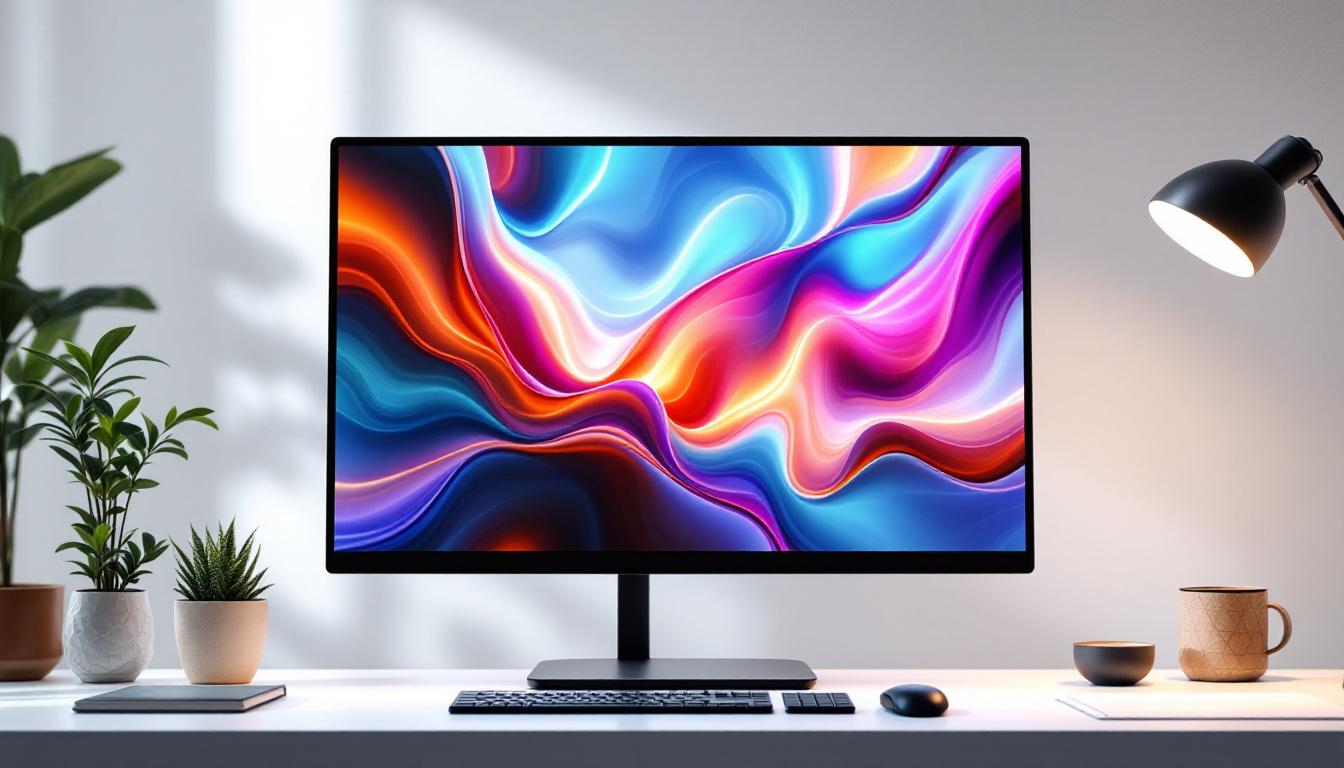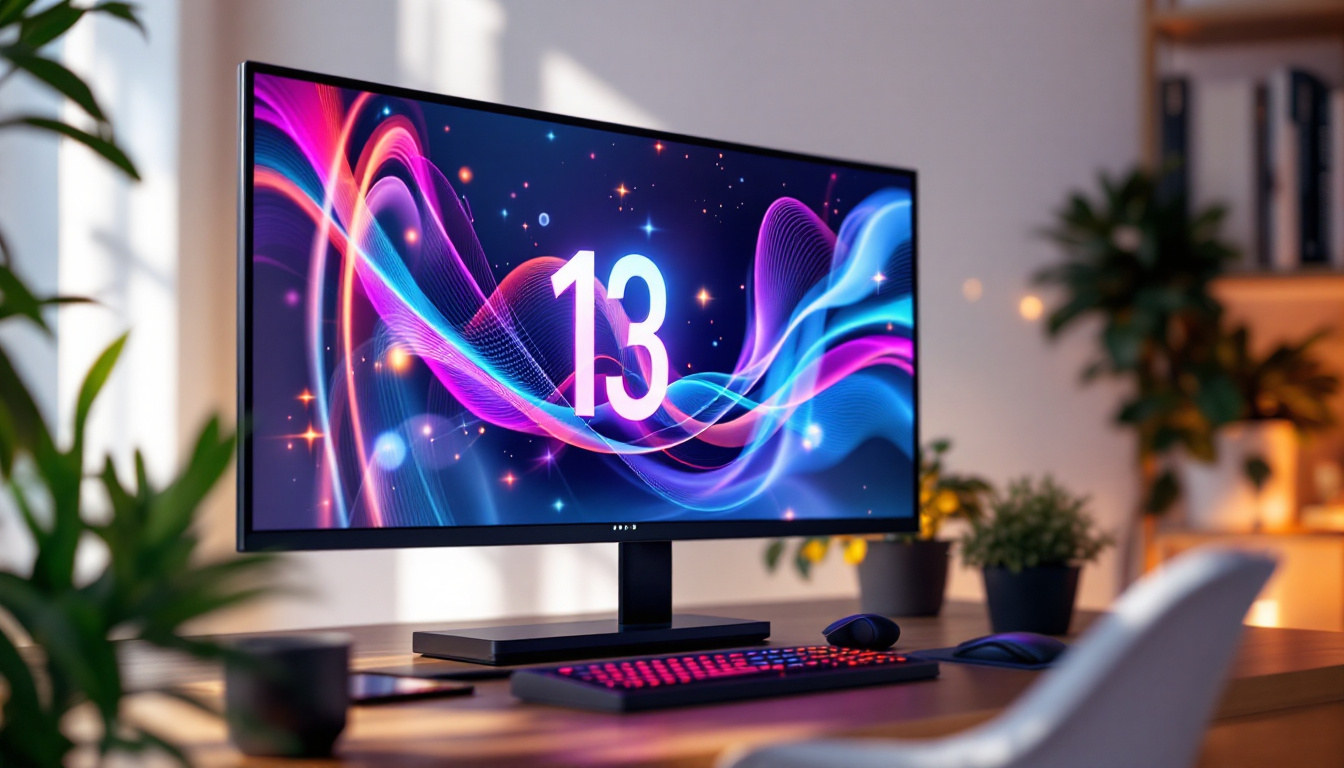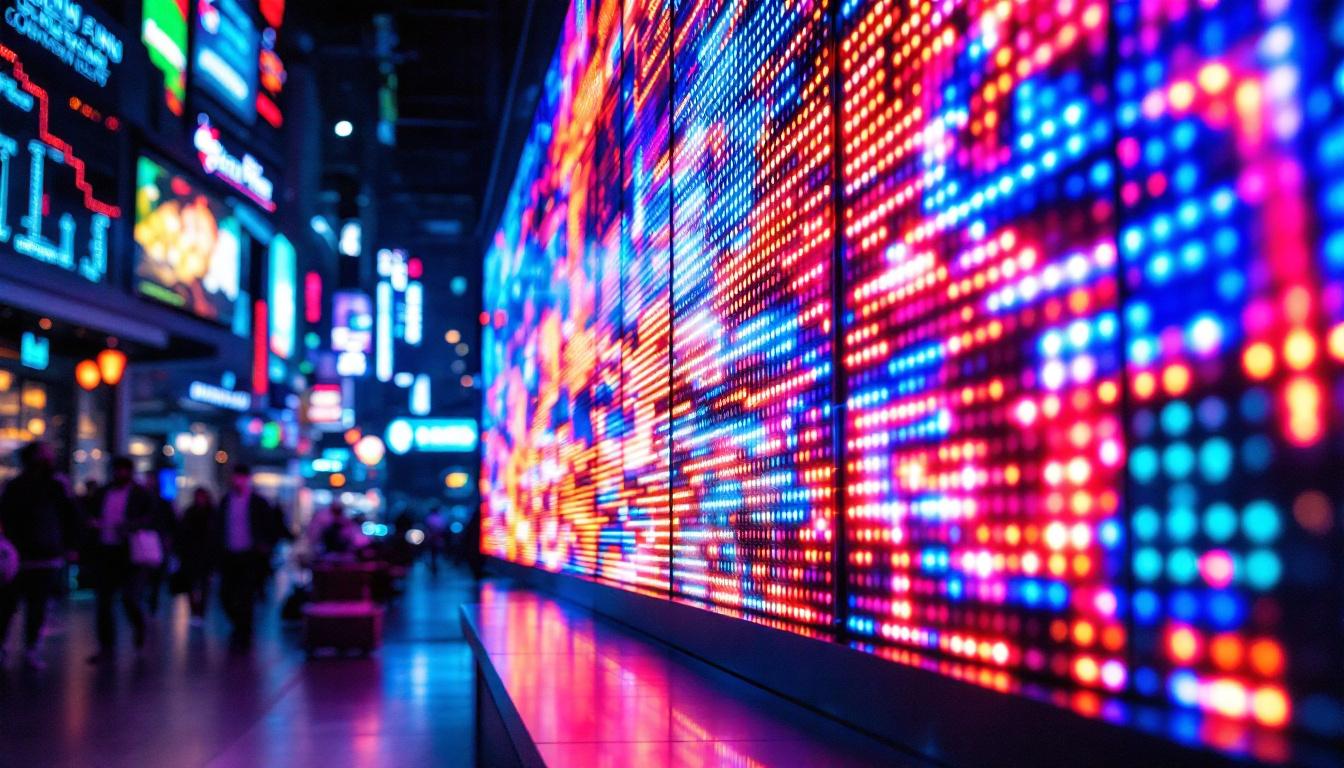
In today’s fast-paced business environment, effective communication is paramount. Conference rooms serve as the nerve centers for collaboration, decision-making, and presentations. At the heart of these spaces lies a critical technology: the conference room display. Among the various display technologies available, LED displays have emerged as a leading choice for modern meeting rooms. This article explores LED displays in the context of conference rooms, explaining their technology, benefits, and practical considerations to help organizations make informed decisions.
Understanding LED Display Technology
LED, or Light Emitting Diode, displays are a type of screen technology that uses tiny light-emitting diodes to produce images. Unlike traditional LCD (Liquid Crystal Display) screens that rely on backlighting, LED displays generate light directly from each pixel, resulting in brighter and more vibrant images.
There are two main types of LED displays commonly used in conference rooms: direct-view LED and LED-backlit LCDs. Direct-view LED displays consist of an array of LEDs that form the image itself, offering superior brightness and contrast. LED-backlit LCDs, on the other hand, use LEDs as a backlight source behind an LCD panel, improving energy efficiency and color accuracy compared to older CCFL-backlit LCDs.
How LED Displays Work
Each pixel in a direct-view LED display is made up of red, green, and blue LEDs that combine to produce a full spectrum of colors. By varying the intensity of each LED, the display can render detailed images with high color fidelity. This pixel-level control allows for exceptional contrast ratios and deep blacks, which are crucial for clear presentations and video conferencing.
In LED-backlit LCDs, LEDs illuminate the liquid crystal layer, which modulates light to create images. While not as bright as direct-view LEDs, these displays offer a balance of cost, image quality, and energy consumption, making them popular for smaller conference rooms or budget-conscious setups.
One of the remarkable features of LED technology is its ability to provide a wide viewing angle. This characteristic is particularly beneficial in conference settings, where attendees may be seated at various angles to the screen. The consistent brightness and color accuracy across different viewing positions ensure that everyone in the room can see the presentation clearly without any loss of quality. Moreover, advancements in LED technology have led to the development of ultra-thin displays that can be seamlessly integrated into modern office designs, enhancing both aesthetics and functionality.
Additionally, LED displays are known for their longevity and durability. Unlike traditional display technologies that may suffer from burn-in or require frequent replacements, LED screens can last tens of thousands of hours, making them a cost-effective investment for businesses. Their resilience to environmental factors such as temperature and humidity also makes them suitable for various settings, from high-tech conference rooms to outdoor advertising. This durability, combined with their energy efficiency, positions LED displays as a forward-thinking choice for organizations looking to embrace cutting-edge technology while being mindful of their carbon footprint.
Benefits of LED Displays in Conference Rooms
Choosing the right display technology can significantly impact meeting effectiveness. LED displays offer several advantages that make them particularly suitable for conference rooms.
Superior Image Quality and Visibility
One of the primary benefits of LED displays is their exceptional image quality. Direct-view LED displays provide high brightness levels, often exceeding 1,000 nits, which ensures visibility even in brightly lit rooms. This is critical in conference rooms where natural light or overhead lighting can wash out traditional screens.
Additionally, LED displays deliver wide viewing angles, meaning participants can clearly see the content from different seating positions without color distortion or loss of brightness. This inclusivity enhances engagement and ensures that everyone in the room can follow the presentation.
Energy Efficiency and Longevity
LED technology is known for its energy efficiency compared to older display types. Direct-view LED displays consume less power than plasma or older LCD technologies, reducing operational costs over time. Furthermore, LEDs have a longer lifespan, often rated at 50,000 to 100,000 hours of use, which translates to years of reliable performance without frequent replacements.
Scalability and Customization
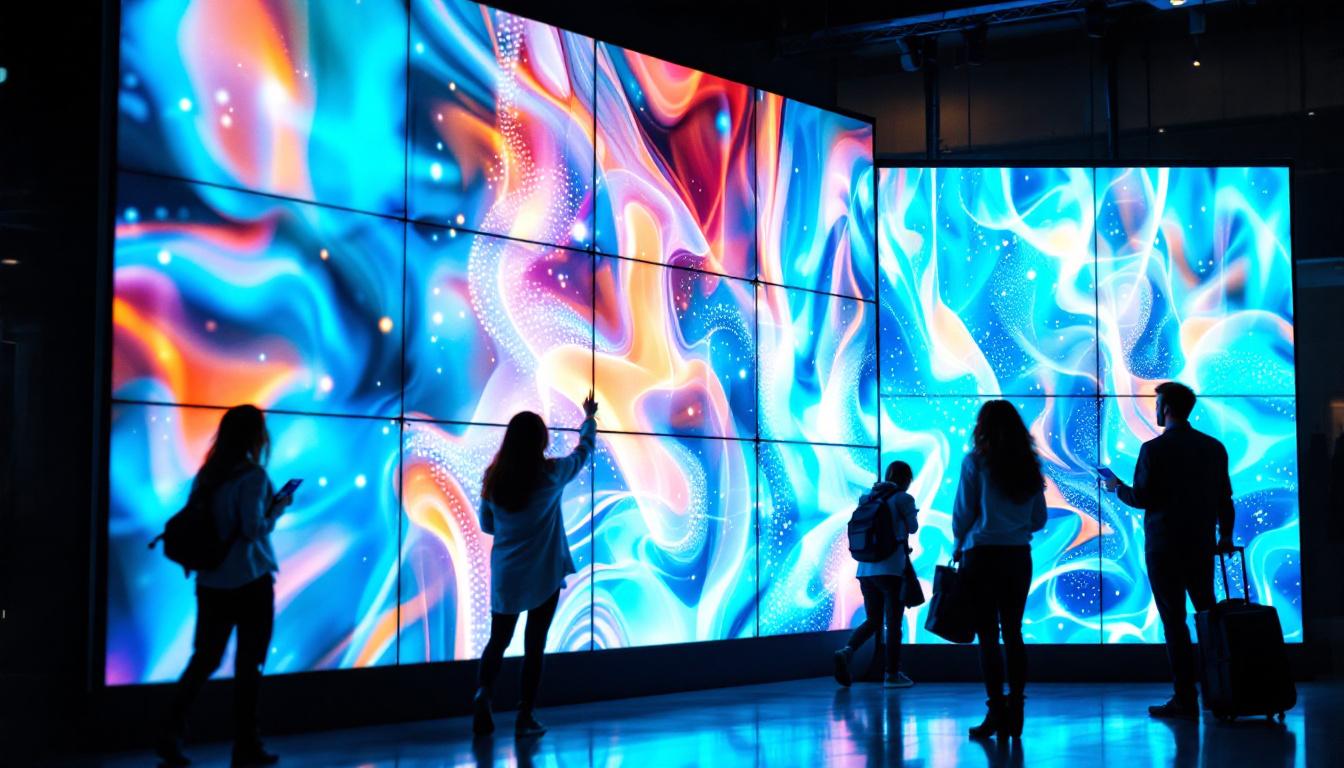
Direct-view LED displays are modular, meaning they can be built to virtually any size or shape. This flexibility allows organizations to customize conference room displays to fit unique spaces or create immersive video walls that enhance presentations and brand messaging. For example, large corporations often use expansive LED video walls in executive boardrooms to display multiple data streams simultaneously.
Improved Interactivity and Integration
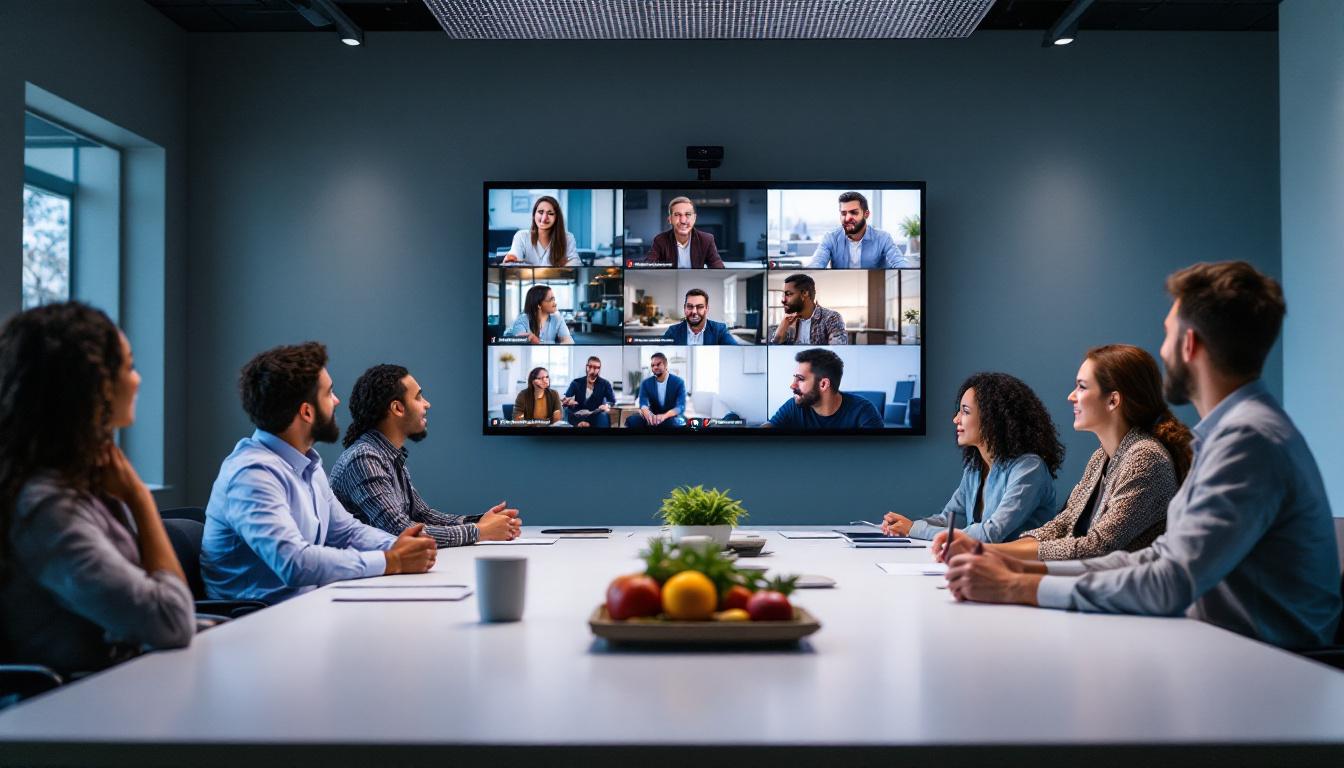
Modern LED displays often come equipped with touch capabilities and seamless integration with conferencing software and collaboration tools. This interactivity allows presenters to annotate slides, navigate content intuitively, and engage participants more effectively. Integration with platforms like Microsoft Teams, Zoom, or Google Meet ensures smooth video conferencing experiences, a necessity in hybrid work environments.
Comparing LED Displays with Other Technologies
While LED displays offer many advantages, it’s important to understand how they compare with other common conference room display options, such as LCD, OLED, and projection systems.
LED vs. LCD
LCD displays are widely used due to their affordability and decent image quality. However, LED displays outperform LCDs in brightness, contrast, and viewing angles. Direct-view LED displays provide more vivid colors and better visibility in well-lit rooms, making them preferable for larger conference spaces or rooms with significant ambient light.
LED-backlit LCDs offer a middle ground, improving on traditional LCDs by using LEDs for backlighting, but they still cannot match the brightness and contrast of direct-view LED panels.
LED vs. OLED
OLED (Organic Light Emitting Diode) technology offers excellent color accuracy and contrast, with pixels that emit their own light similar to LEDs. However, OLED displays are generally more expensive and have shorter lifespans due to organic material degradation. For conference rooms where durability and long-term cost efficiency are priorities, LED displays are often the more practical choice.
LED vs. Projection Systems
Projectors have traditionally been a cost-effective solution for large displays, but they come with limitations such as lower brightness, dependence on room lighting conditions, and maintenance requirements like bulb replacements. LED displays provide consistent brightness and image quality regardless of ambient light, require less maintenance, and offer sharper images, making them increasingly favored over projectors in modern conference rooms.
Key Considerations When Choosing an LED Display for Your Conference Room
Selecting the right LED display involves more than just picking the brightest or largest screen. Several factors should be weighed to ensure the display meets your organization’s needs.
Room Size and Viewing Distance
The size of the conference room and the typical distance between the display and viewers are critical in determining the appropriate screen size and resolution. For example, a small huddle room may only require a 55-inch LED-backlit LCD, while a large boardroom might benefit from a 100-inch direct-view LED video wall. Ensuring the display is neither too small to read nor excessively large for the space optimizes comfort and engagement.
Resolution and Pixel Pitch
Resolution affects the clarity of the displayed content. For LED video walls, pixel pitch—the distance between individual LEDs—determines image sharpness. Smaller pixel pitches provide higher resolution and are ideal for close viewing distances. For conference rooms where viewers sit relatively close, a pixel pitch of 1.5mm to 2.5mm is recommended to avoid visible pixelation.
Connectivity and Compatibility
Modern conference rooms often require displays that support multiple input types such as HDMI, DisplayPort, USB-C, and wireless casting. Compatibility with collaboration platforms and control systems is also essential for seamless operation. Choosing an LED display that integrates easily with existing AV infrastructure reduces setup complexity and enhances user experience.
Budget and Total Cost of Ownership
While direct-view LED displays can have higher upfront costs compared to LCDs or projectors, their durability and lower maintenance expenses often result in a better total cost of ownership over time. Organizations should consider not only the initial purchase price but also installation, maintenance, energy consumption, and potential upgrade costs when budgeting.
Installation and Maintenance of LED Conference Room Displays
Proper installation and maintenance are critical to maximizing the benefits of LED displays in conference rooms.
Professional Installation
Given the complexity and precision required, professional installation is highly recommended for direct-view LED displays. Experts ensure correct mounting, calibration, and integration with room acoustics and lighting. Poor installation can lead to uneven brightness, color inconsistencies, or even hardware damage.
Routine Maintenance and Calibration
LED displays require periodic cleaning and calibration to maintain optimal performance. Dust accumulation can affect brightness and color accuracy, while calibration ensures consistent image quality over time. Many manufacturers offer maintenance contracts or remote monitoring services to proactively address potential issues.
Software Updates and Security
As LED displays become more connected and integrated with networked systems, keeping firmware and software up to date is essential for security and functionality. Regular updates can introduce new features, fix bugs, and protect against vulnerabilities, ensuring the display remains a reliable tool for collaboration.
Future Trends in Conference Room LED Displays
The landscape of conference room technology is evolving rapidly, with LED displays at the forefront of innovation.
MicroLED and MiniLED Technologies
Emerging microLED and miniLED technologies promise even higher brightness, better contrast, and thinner form factors. These advancements could lead to more energy-efficient displays with improved durability, further enhancing the conference room experience.
Enhanced Interactivity and AI Integration
Future LED displays are expected to incorporate advanced touch capabilities, gesture recognition, and AI-powered features such as automated meeting transcription, facial recognition for personalized settings, and smart content suggestions. These innovations aim to make meetings more productive and engaging.
Sustainability and Eco-Friendly Designs
As sustainability becomes a priority, manufacturers are focusing on eco-friendly materials, energy-saving modes, and recycling programs. Organizations can expect LED displays that align with corporate social responsibility goals without compromising performance.
Conclusion
LED displays have revolutionized the way organizations approach conference room technology. Their superior brightness, image quality, energy efficiency, and scalability make them an excellent choice for modern meeting spaces. By understanding the different types of LED displays, their benefits, and key considerations for selection and maintenance, businesses can create conference rooms that foster collaboration, clarity, and creativity.
Investing in the right LED display technology not only enhances the immediate meeting experience but also supports long-term operational efficiency and adaptability in an ever-changing workplace landscape.
Discover LumenMatrix LED Display Solutions
Ready to elevate your conference room with the latest in LED display technology? Look no further than LumenMatrix. Our extensive range of innovative LED display solutions, from Indoor and Outdoor LED Wall Displays to specialized options like Vehicle, Sports, and Floor LED Displays, is designed to meet the diverse needs of modern businesses. Embrace the future of visual communication with our Custom, All-in-One, and Transparent LED Displays, and let LumenMatrix help you create an engaging, dynamic, and visually stunning meeting environment. Check out LumenMatrix LED Display Solutions today and transform your conference room into a hub of collaboration and creativity.