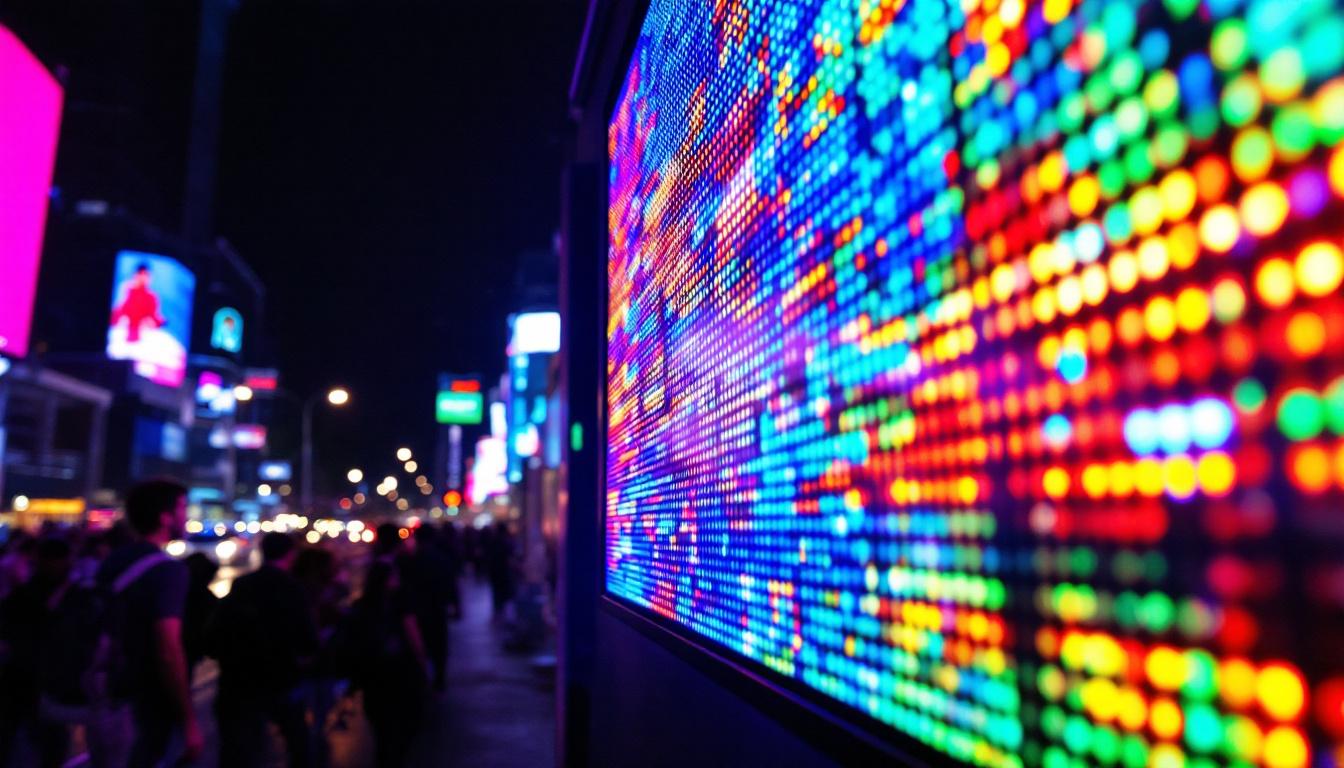
What Is Better LCD Or LED: LED Display Explained
In today’s world of digital screens, the terms LCD and LED are often used interchangeably, yet they refer to different technologies that impact display quality, energy consumption, and overall user experience. Whether you’re shopping for a new TV, monitor, or smartphone, understanding the distinctions between LCD and LED displays can help you make an informed decision tailored to your needs.
This comprehensive guide will break down what LCD and LED displays are, how they work, their pros and cons, and which might be better suited for various applications. By the end, you’ll have a clear understanding of these popular technologies and be equipped to choose the best display for your lifestyle or professional requirements.
Understanding the Basics: What Are LCD and LED Displays?
What Is an LCD Display?
LCD stands for Liquid Crystal Display. It’s a technology that uses liquid crystals sandwiched between two layers of glass or plastic. These crystals don’t emit light themselves but manipulate light passing through them to create images.
To produce a visible image, an LCD requires a backlight. Traditionally, this backlight was provided by Cold Cathode Fluorescent Lamps (CCFLs), which illuminate the entire screen uniformly. The liquid crystals then control the amount of light that passes through each pixel, enabling the display of images and colors. The color accuracy and viewing angles of LCDs have improved significantly over the years, thanks to advancements in technology such as In-Plane Switching (IPS) and Vertical Alignment (VA) panels. These innovations allow for better color reproduction and wider viewing angles, making LCDs suitable for a variety of applications, from televisions to computer monitors.
What Is an LED Display?
LED stands for Light Emitting Diode. In the context of displays, an LED display is essentially a type of LCD screen that uses LEDs as its backlighting source instead of CCFLs.
LED backlighting can be arranged in different ways, such as edge-lit or full-array, allowing for better control over brightness and contrast. This technology has become the industry standard for LCD screens due to its efficiency and improved picture quality. Edge-lit displays are thinner and lighter, making them ideal for sleek designs, while full-array backlighting provides superior contrast and uniformity by placing LEDs directly behind the screen. Additionally, many LED displays now feature local dimming capabilities, which enhance the black levels and overall dynamic range of the image, making them particularly appealing for watching movies and playing video games.
Are LED Displays a Different Technology from LCD?
Technically, LED displays are a subset of LCD technology. The core image-forming mechanism remains the liquid crystal layer, but the light source behind it changes from fluorescent lamps to LEDs. This distinction is crucial because many consumers mistakenly believe LED displays are a completely different technology, when in fact they are an evolution of LCDs. The shift to LED backlighting has not only improved energy efficiency but has also led to thinner and lighter display designs, which are increasingly important in today’s portable devices. Furthermore, the advancements in LED technology have paved the way for innovations like OLED (Organic Light Emitting Diode) displays, which offer even greater color accuracy and contrast by eliminating the need for a backlight altogether. This evolution highlights the ongoing quest for better display technologies that meet the demands of consumers seeking high-quality visual experiences.
Comparing LCD and LED Displays: Key Differences
Backlighting Technology
The most significant difference between traditional LCD and LED displays lies in the backlighting method. CCFL backlights in older LCDs provide uniform lighting but consume more power and generate more heat. LEDs, on the other hand, are more energy-efficient, produce less heat, and allow for thinner screen designs.
LED backlighting also enables better brightness control. Full-array LED backlighting, in particular, can dim or brighten specific zones of the screen independently, enhancing contrast and reducing light bleed. This technology not only improves the viewing experience in dark scenes but also allows for more dynamic visuals in gaming and cinematic content, where detail in shadows and highlights is crucial.
Picture Quality: Brightness, Contrast, and Color Accuracy
LED-backlit displays generally offer superior brightness levels compared to CCFL-backlit LCDs. This advantage is especially noticeable in well-lit environments, where higher brightness helps maintain image clarity. In addition, the ability of LED displays to achieve peak brightness levels makes them ideal for HDR (High Dynamic Range) content, which relies on a broader range of luminance to create more lifelike images.
Contrast ratios also improve with LED backlighting, particularly with full-array local dimming. By selectively dimming parts of the screen, these displays can achieve deeper blacks and more vivid colors, enhancing overall image quality. This capability is particularly beneficial for watching movies or playing video games, where the interplay of light and shadow can significantly impact immersion. Color accuracy can vary widely depending on the specific panel technology (such as IPS, VA, or TN) used alongside the backlighting. However, LED backlighting often supports a wider color gamut and better color reproduction than older LCDs, making them a preferred choice for professional graphic work and photography.
Energy Efficiency and Environmental Impact
LED displays consume significantly less power than CCFL-backlit LCDs. According to a 2023 report by the International Energy Agency, LED-backlit displays can reduce energy consumption by up to 30% compared to traditional LCDs, contributing to lower electricity bills and a smaller carbon footprint. This energy efficiency is not only beneficial for consumers but also aligns with global efforts to reduce energy consumption and promote sustainable technologies.
Additionally, LEDs do not contain mercury, which is present in CCFLs, making LED-backlit displays more environmentally friendly and easier to recycle safely. The shift towards LED technology is part of a broader trend in the electronics industry to adopt materials and processes that minimize environmental harm. As manufacturers continue to innovate, we may see even more eco-friendly practices, such as using recyclable materials in the production of display casings and components, further enhancing the sustainability of LED technology.
Durability and Lifespan
LED backlights typically have a longer lifespan than CCFLs, often exceeding 50,000 hours of use. This longevity means LED displays maintain brightness and color consistency longer, reducing the need for replacements. Such durability is particularly advantageous in commercial settings, where displays may be in constant use for presentations or advertising, ensuring that businesses can rely on their technology without frequent interruptions.
Moreover, LED displays are more resistant to temperature fluctuations and physical shocks, making them suitable for a wider range of environments. This resilience is especially important for outdoor displays, which must endure varying weather conditions while maintaining performance. The robust nature of LED technology also means that manufacturers can offer warranties that reflect the reliability of their products, giving consumers added peace of mind when investing in a new display.
Types of LED Displays: Edge-Lit vs. Full-Array
Edge-Lit LED Displays
In edge-lit LED displays, LEDs are positioned along the edges of the screen. Light is then distributed across the display using light guides. This design allows for very thin and lightweight screens, which are popular in modern TVs and monitors.
However, edge-lit displays can suffer from uneven brightness and limited local dimming capabilities, which may affect contrast and black levels.
Full-Array LED Displays
Full-array LED displays have LEDs distributed evenly behind the entire screen. This arrangement supports local dimming zones, where specific areas of the screen can be dimmed or brightened independently.
This technology results in better contrast ratios, deeper blacks, and improved picture quality, especially in dark scenes. Full-array LED displays are often found in higher-end TVs and professional monitors.
Mini-LED and Micro-LED: The Next Generation
Emerging LED technologies like Mini-LED and Micro-LED are pushing the boundaries of display performance. Mini-LED uses thousands of tiny LEDs for even more precise local dimming, while Micro-LED involves self-emissive LEDs that don’t require backlighting, similar to OLED technology.
These advancements promise superior contrast, brightness, and energy efficiency but currently come with higher price points and limited availability.
When to Choose LCD vs. LED: Use Cases and Recommendations
For General Everyday Use
Modern LED-backlit LCD displays dominate the market and are generally the best choice for everyday use. They offer a good balance of image quality, energy efficiency, and affordability. Whether for browsing, streaming, or office work, an LED display will typically meet most users’ needs.
For Gaming and Professional Use
Gamers and professionals such as photographers and video editors often prioritize color accuracy, refresh rates, and contrast. Full-array LED displays with local dimming or advanced panel types like IPS paired with LED backlighting provide better performance in these areas.
Additionally, some high-end LED displays support features like HDR (High Dynamic Range), which enhances visual detail and color depth, making them ideal for immersive gaming and creative work.
Budget Considerations
While LED-backlit LCDs have become more affordable, traditional CCFL-backlit LCDs are largely phased out due to their inefficiency and bulkiness. If budget is a primary concern, entry-level LED displays still offer excellent value without significant compromises.
However, investing slightly more in a full-array LED display can provide a noticeably better viewing experience and longer device longevity.
Common Misconceptions About LCD and LED Displays
“LED Displays Are Completely Different From LCDs”
As explained earlier, LED displays are a type of LCD that use LED backlighting. This misconception often leads to confusion when comparing products or reading reviews.
“LED TVs Are Always Better Than LCD TVs”
Since most modern TVs marketed as “LED TVs” are actually LED-backlit LCDs, the term can be misleading. The quality depends on factors like panel type, backlighting method, and processing technology, not just the presence of LEDs.
“OLED and LED Are the Same”
OLED (Organic Light Emitting Diode) is a fundamentally different technology where each pixel emits its own light, enabling perfect blacks and exceptional contrast. LED-backlit LCDs, by contrast, rely on backlighting and liquid crystals to produce images. Confusing these can lead to unrealistic expectations.
Conclusion: Which Display Technology Is Better?
Choosing between LCD and LED displays ultimately comes down to understanding that LED displays are an advanced form of LCD technology with superior backlighting. LED-backlit LCDs provide better brightness, contrast, energy efficiency, and design flexibility compared to older CCFL-backlit LCDs.
For most consumers, LED displays represent the best value and performance available today. They are suitable for a wide range of applications, from casual viewing to professional use. However, for those seeking the absolute best in picture quality, emerging technologies like Mini-LED and Micro-LED, or alternatives like OLED, may be worth exploring.
By recognizing the nuances and capabilities of each technology, consumers can make smarter purchases that align with their viewing habits, budget, and expectations.
Discover the Future of Visual Experience with LumenMatrix
Ready to elevate your visual experience with the latest in LED display technology? Look no further than LumenMatrix, a pioneer in crafting innovative LED solutions that bring your content to life. From vibrant Indoor and Outdoor LED Wall Displays to dynamic Vehicle and Sports LED Displays, LumenMatrix offers a wide array of options tailored to your unique needs. Immerse your audience with our captivating LED Poster and Floor Displays, or go beyond the conventional with our Custom and All-in-One LED solutions, including the cutting-edge LED Transparent Display. Embrace the future of visual communication and check out LumenMatrix LED Display Solutions today to create unforgettable experiences and make a lasting impression.