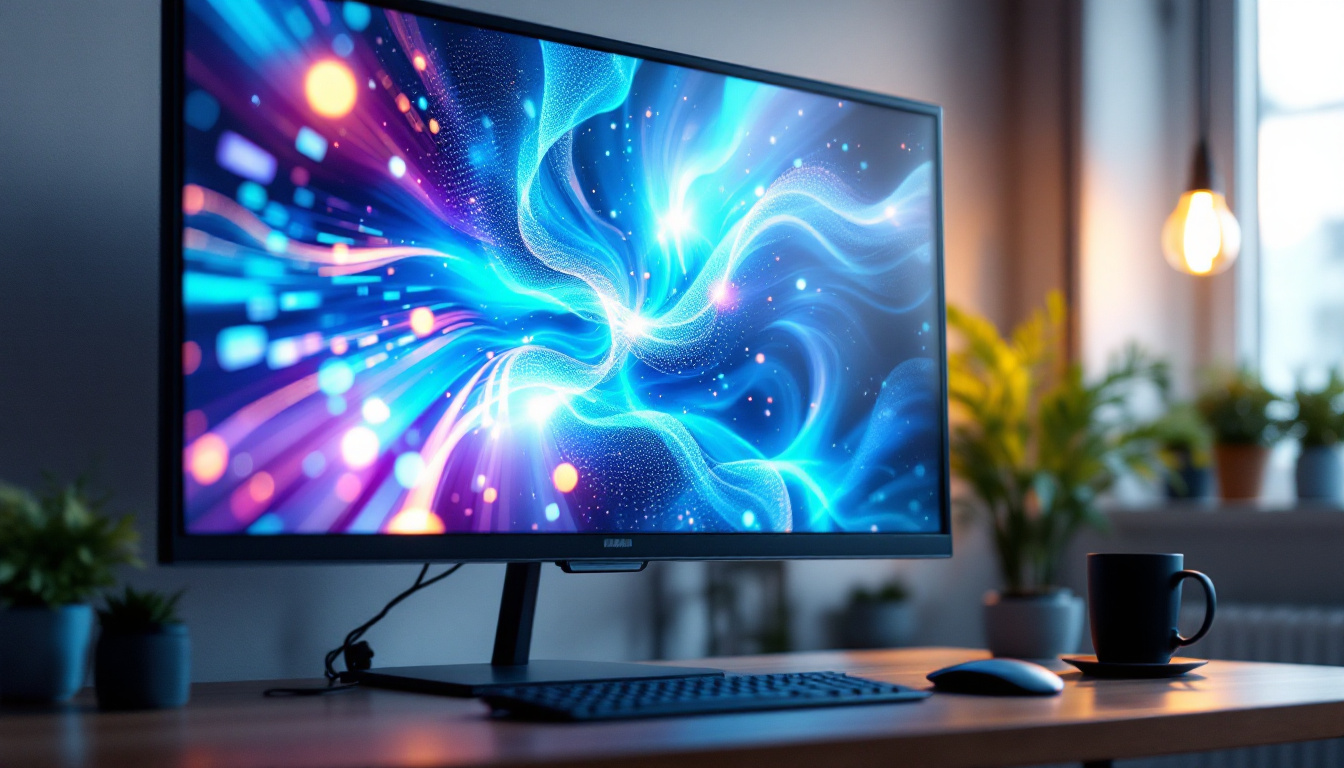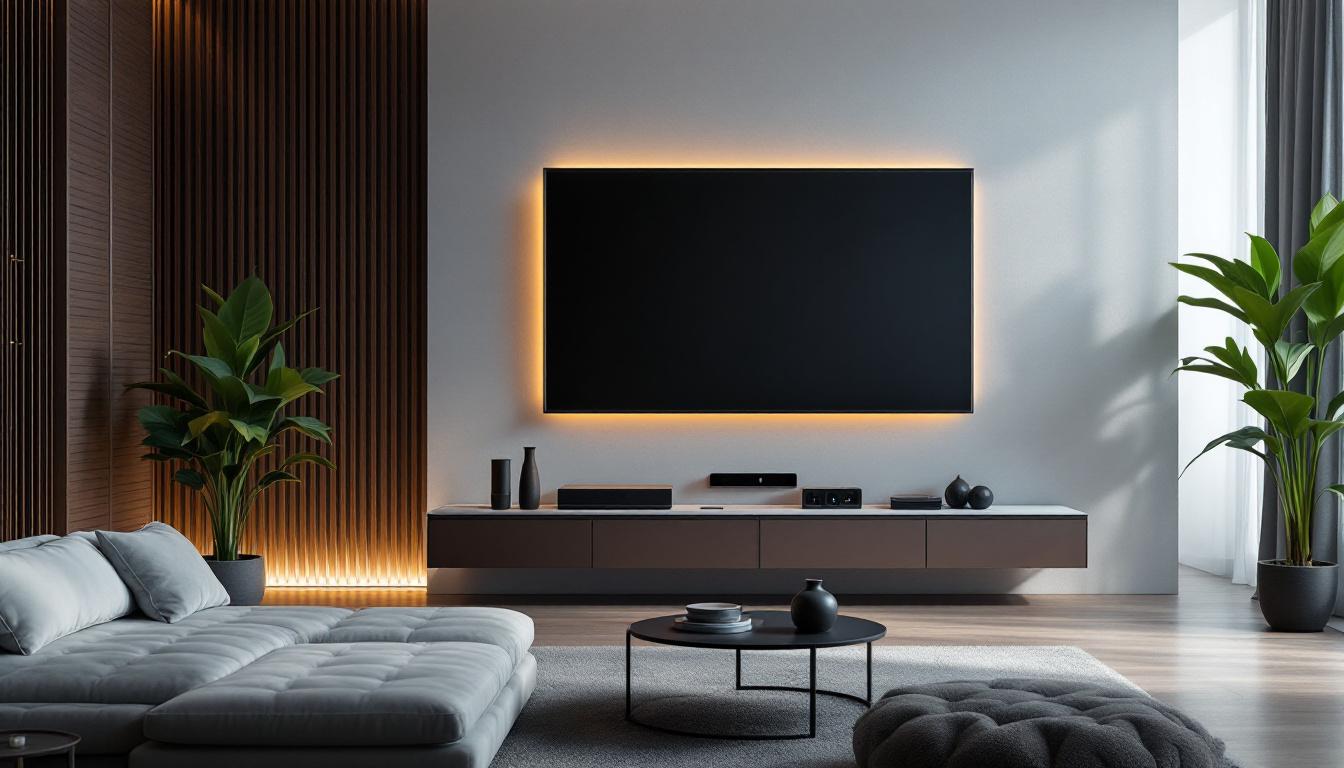
In recent years, the trend of integrating televisions seamlessly into home interiors has gained significant momentum. Among the various options available, in-wall TV designs featuring LED displays stand out for their sleek aesthetics and advanced technology. This article delves into the world of in-wall LED TV design, explaining the technology behind LED displays, the benefits of in-wall installations, and practical considerations for homeowners and designers alike.
Understanding LED Display Technology
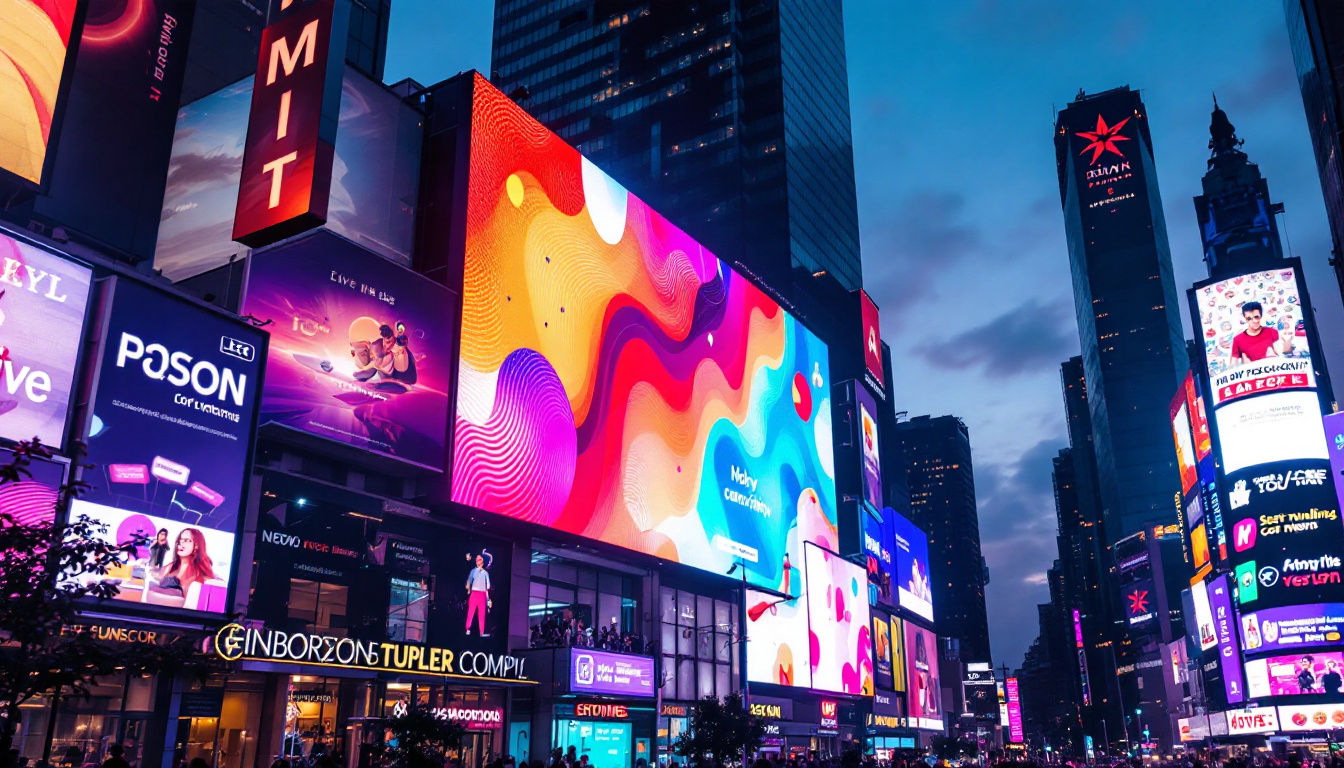
LED, or Light Emitting Diode, technology has revolutionized the way screens are designed and experienced. Unlike older LCD TVs that rely on fluorescent backlighting, LED displays use tiny diodes that emit light when an electrical current passes through them. This fundamental difference allows LED TVs to offer superior brightness, contrast, and energy efficiency. The advancements in LED technology have not only improved the visual experience but have also paved the way for innovations in various industries, including advertising, gaming, and even automotive displays.
How LED Displays Work
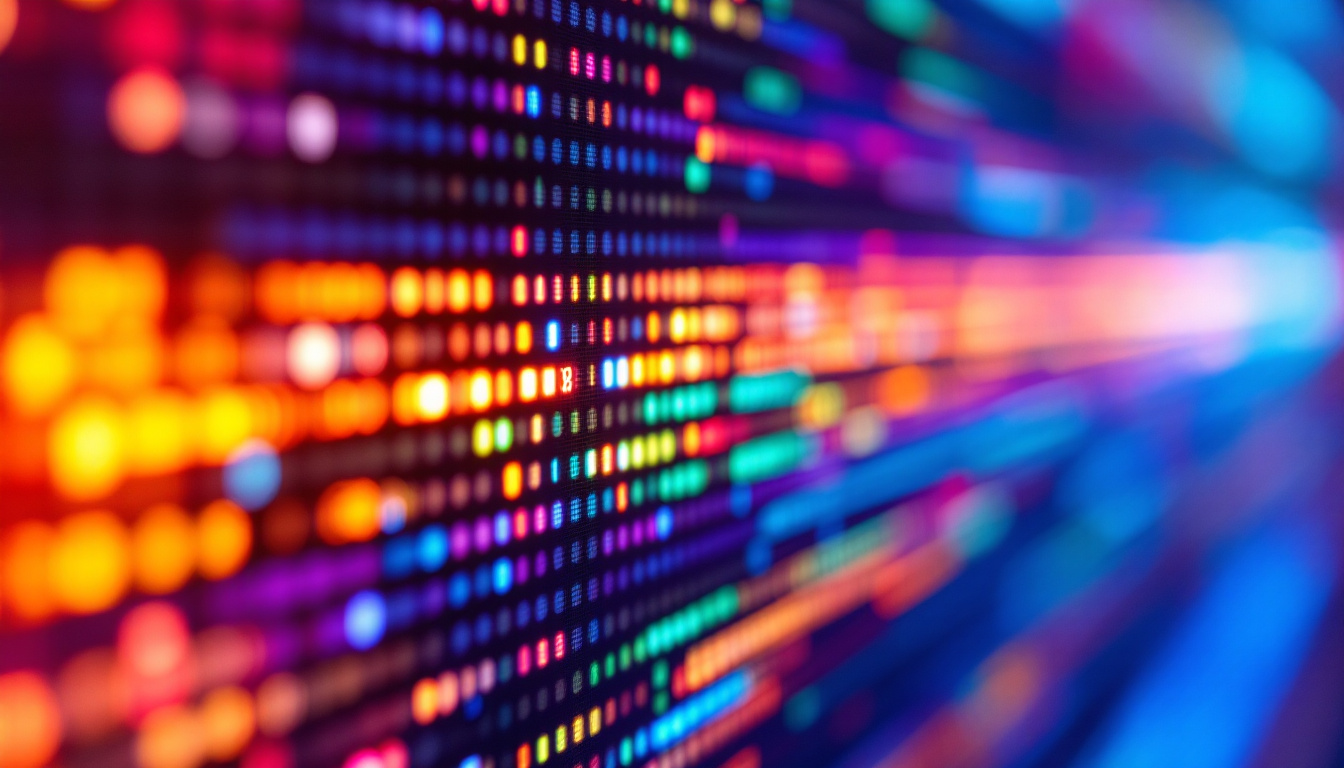
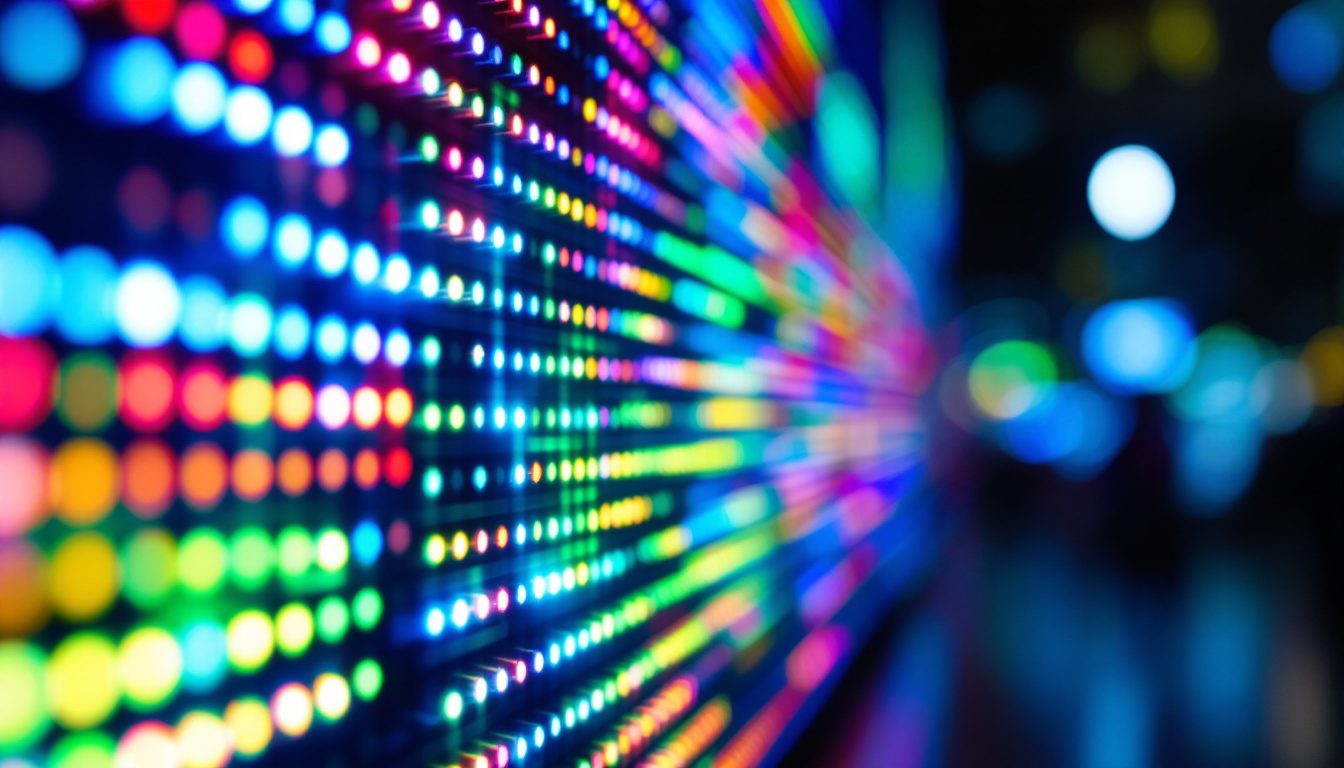
At the core of an LED display are millions of microscopic LEDs arranged in a grid. Each LED can emit light independently, enabling precise control over brightness and color. There are two primary types of LED displays used in TVs:
- Edge-lit LED: LEDs are positioned along the edges of the screen, and light is distributed across the display using light guides. This design allows for thin panels but can sometimes result in uneven brightness.
- Full-array LED: LEDs are placed directly behind the entire screen, enabling local dimming where specific zones can be dimmed or brightened independently. This results in better contrast and deeper blacks.
Both types offer advantages depending on the design and usage requirements, but full-array LED displays are generally preferred for high-end in-wall installations due to their superior picture quality. Additionally, advancements in technology have led to the development of mini-LED and micro-LED displays, which utilize even smaller diodes for enhanced precision and color accuracy, pushing the boundaries of what is possible in display technology.
Advantages of LED over Other Display Technologies
Compared to traditional LCD and plasma screens, LED displays provide several benefits:
- Energy Efficiency: LEDs consume less power, reducing electricity bills and environmental impact.
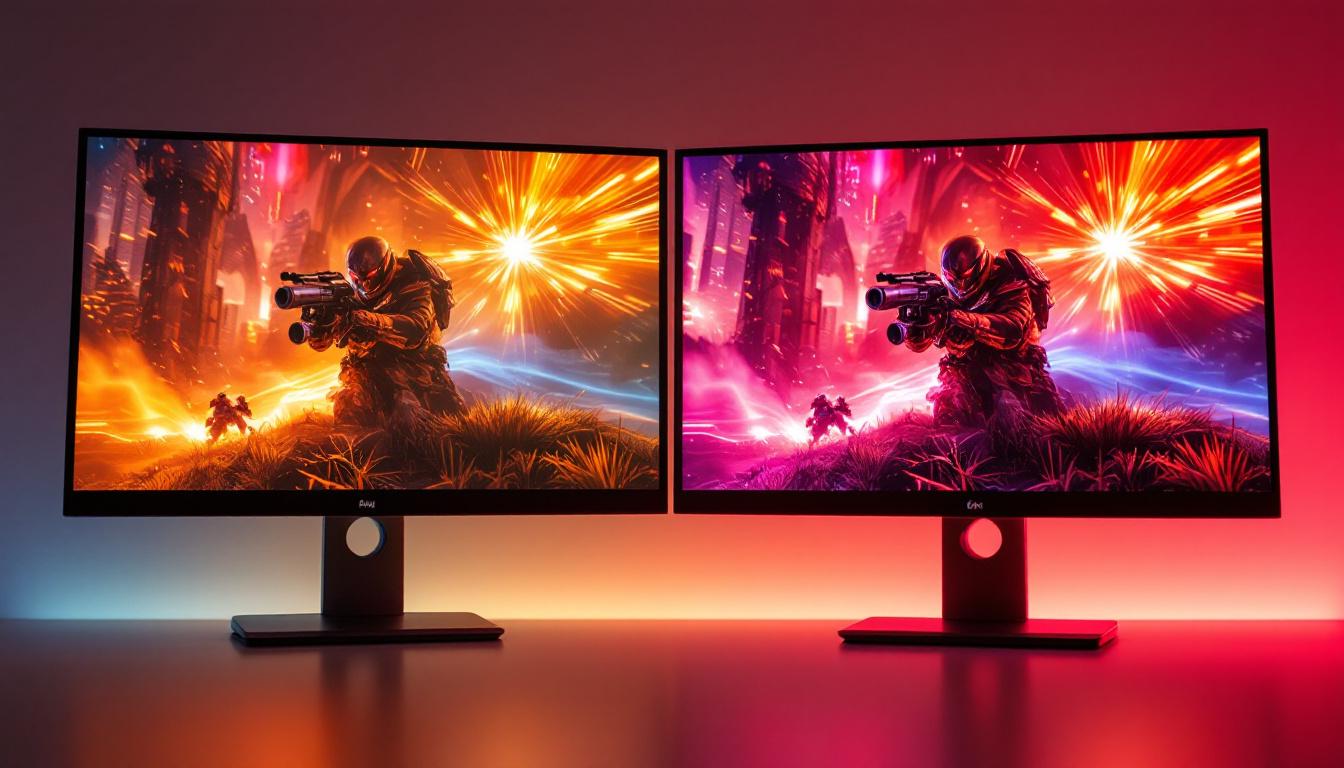
- Brightness and Color Accuracy: LED TVs can achieve higher brightness levels and more accurate color reproduction, enhancing viewing experiences even in well-lit rooms.
- Longevity: LEDs typically have longer lifespans compared to plasma and older LCD technologies.
- Slim Profile: The compact nature of LEDs allows for thinner and lighter panels, which is essential for in-wall mounting.
Moreover, LED technology has been instrumental in the development of high dynamic range (HDR) content, which takes advantage of the increased brightness and contrast capabilities of LED displays. This technology allows for a more vivid and lifelike viewing experience, showcasing details in both the darkest shadows and the brightest highlights. As a result, consumers are increasingly drawn to LED displays for their ability to deliver stunning visuals that enhance everything from blockbuster films to immersive video games.
The Aesthetics and Benefits of In-Wall TV Design
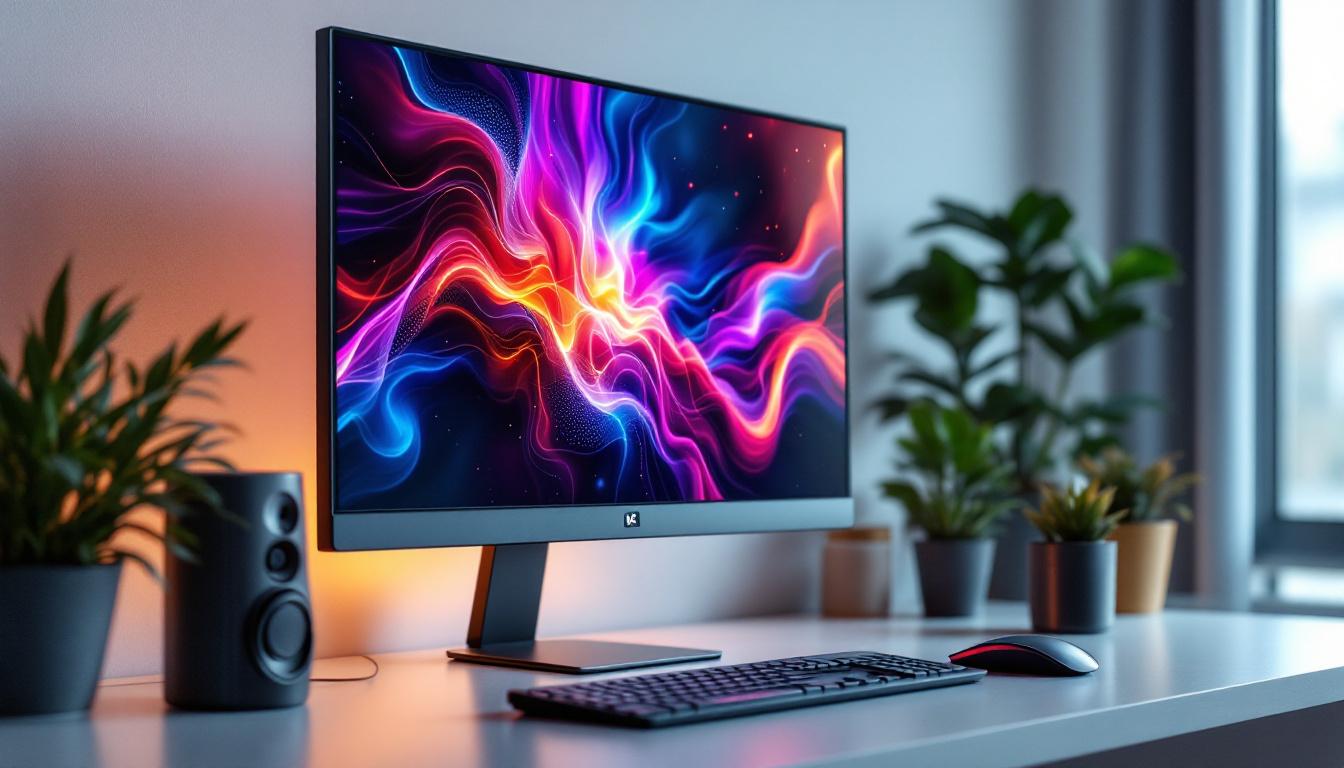
The idea of embedding a TV into the wall has become increasingly popular among homeowners and interior designers seeking a minimalist and modern look. This design approach offers several practical and aesthetic advantages.
Seamless Integration with Interior Design
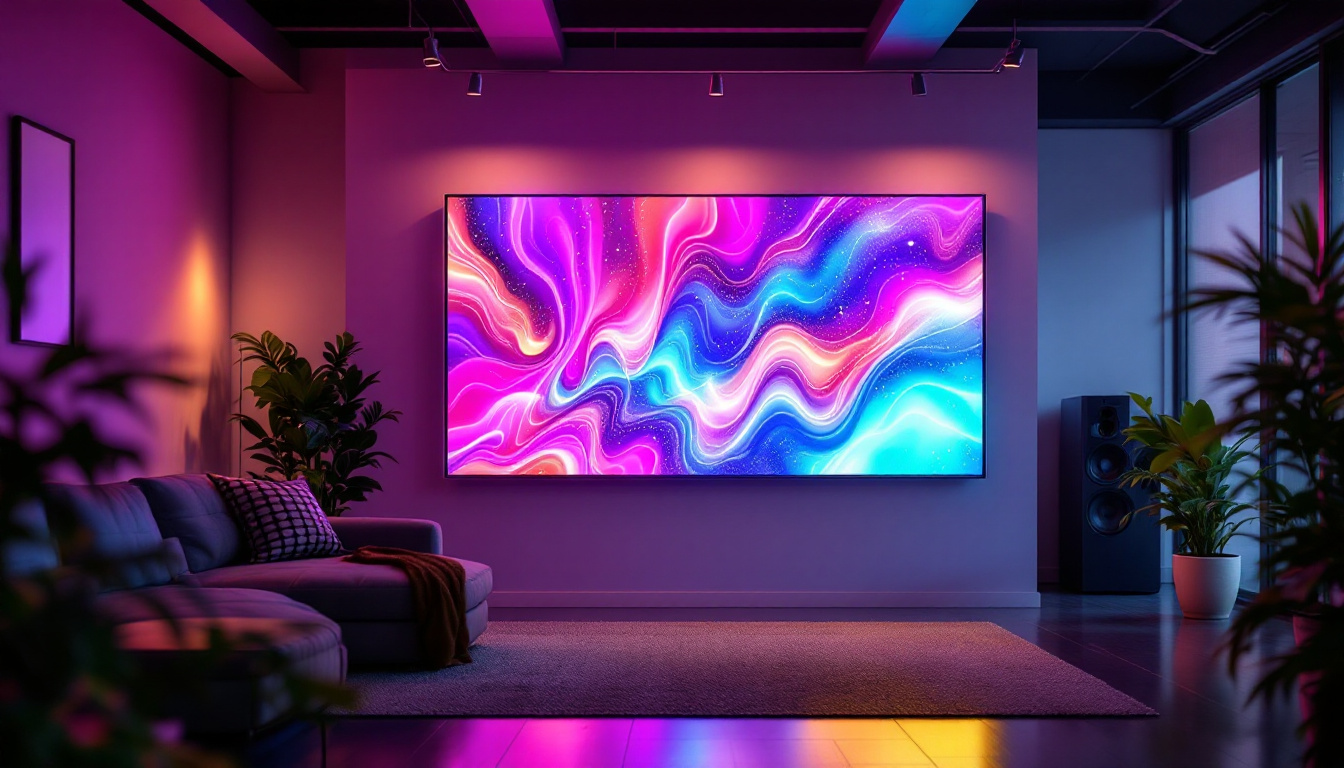
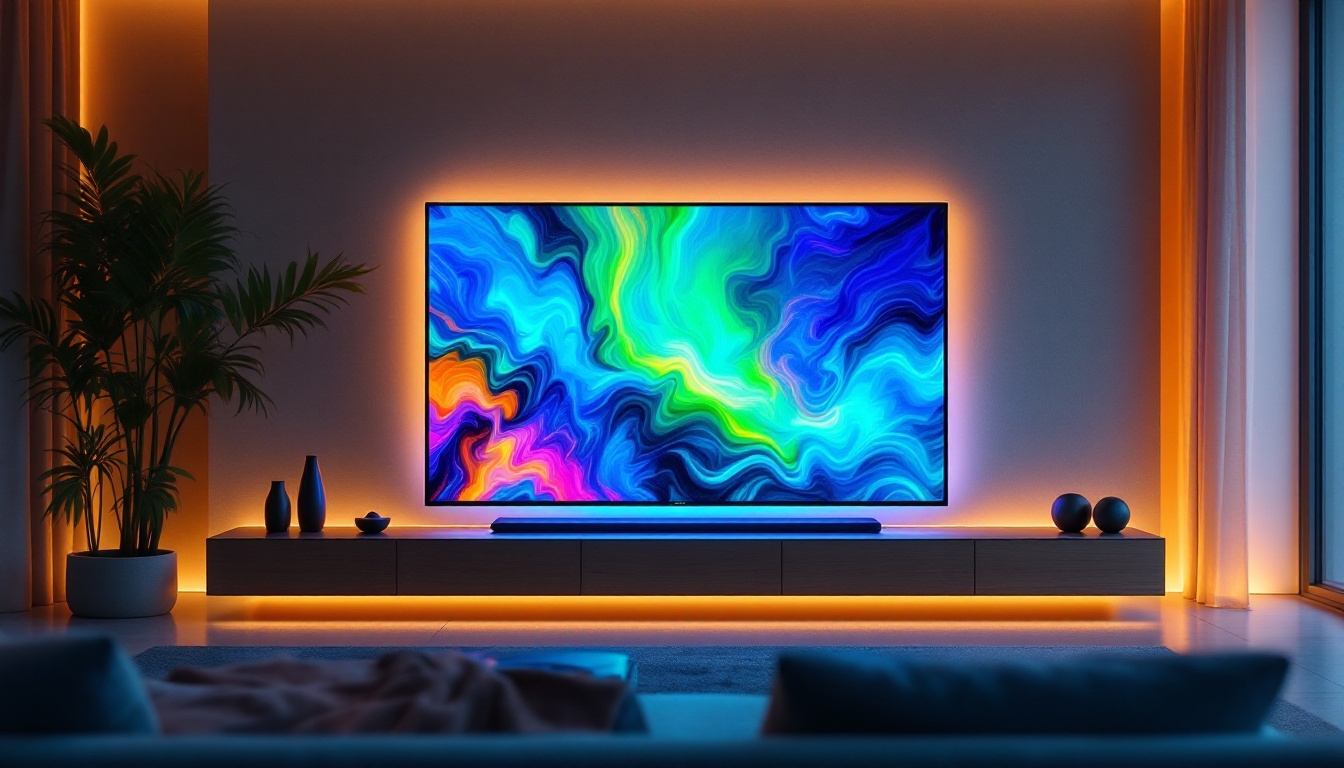
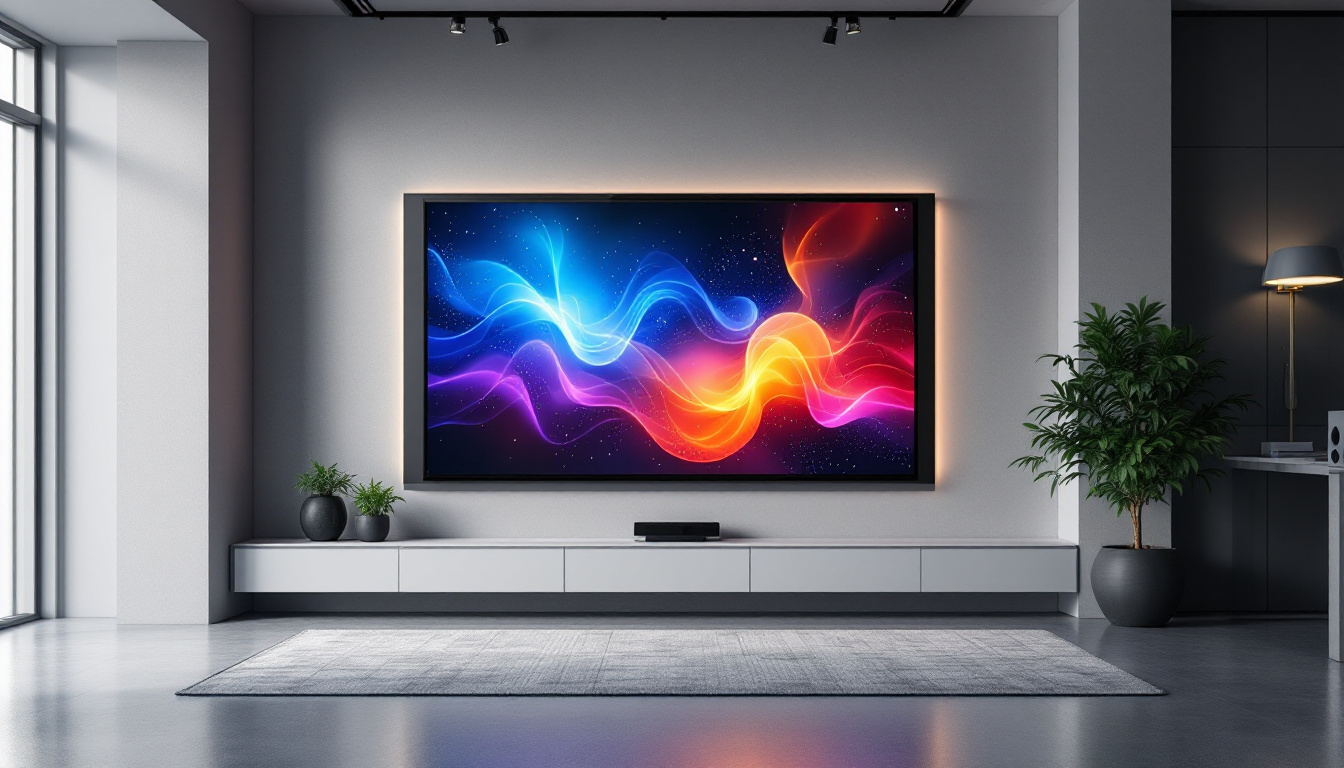
In-wall TV installations create a flush, built-in appearance that blends the television with the surrounding wall surface. This eliminates the need for bulky TV stands or entertainment centers, freeing up floor space and reducing visual clutter. By choosing finishes that match the wall or incorporating custom cabinetry, the TV becomes a natural part of the room’s architecture. Furthermore, this design can be complemented with artwork or decorative elements that frame the TV, transforming it into a focal point that enhances the overall decor rather than detracting from it.
Enhanced Viewing Experience
Mounting a TV in the wall allows for optimal positioning at eye level, which is crucial for comfortable and immersive viewing. It also reduces glare from ambient light sources by enabling precise control over screen placement. Additionally, in-wall designs often facilitate better cable management, hiding wires and connections to maintain a clean look. This not only improves the aesthetic appeal but also enhances the functionality of the space, as it allows for easy access to devices such as gaming consoles or streaming boxes that can be discreetly stored nearby. The result is a streamlined entertainment area that invites relaxation and enjoyment.
Increased Property Value
Homes with thoughtfully integrated technology tend to appeal more to buyers and can command higher resale values. An in-wall LED TV installation signals attention to detail and modern living standards, making the property more attractive in competitive real estate markets. Moreover, the trend toward smart home technology means that an in-wall TV can be part of a larger ecosystem of integrated devices, such as smart lighting and sound systems, further enhancing the appeal to tech-savvy buyers. This foresight in design not only elevates the aesthetic of the home but also positions it as a forward-thinking investment in a rapidly evolving market.
Customization Options
One of the most exciting aspects of in-wall TV design is the range of customization options available. Homeowners can choose from various sizes, styles, and technologies to suit their specific needs and preferences. For instance, some may opt for a motorized lift system that allows the TV to retract into the wall when not in use, preserving the room’s aesthetic and functionality. Others might incorporate soundbars or surround sound systems into the wall design, creating an immersive audio experience that complements the visual aspect. The ability to personalize the installation ensures that each in-wall TV design is unique, reflecting the homeowner’s taste and lifestyle while maximizing the space’s potential.
Design Considerations for In-Wall LED TV Installations
While the benefits are compelling, in-wall TV installations require careful planning and execution to avoid common pitfalls. Several technical and design factors must be considered to ensure safety, performance, and longevity.
Wall Structure and Support
Not all walls are suitable for housing a TV. Load-bearing walls, walls with plumbing or electrical wiring, and walls made from certain materials may pose challenges. It is essential to consult with a structural engineer or a professional installer to assess the wall’s suitability. Reinforcements may be necessary to support the weight of the TV and mounting hardware securely.
Ventilation and Heat Management
LED TVs generate heat during operation, and enclosing them within a wall cavity can restrict airflow. Without proper ventilation, heat buildup can reduce the lifespan of the TV and potentially cause damage. Installing ventilation grills, fans, or ensuring adequate spacing around the TV unit is critical to maintaining optimal operating temperatures.
Access for Maintenance and Connectivity
In-wall installations can complicate access to ports and cables. Designing the installation with removable panels or hinged doors can facilitate easy maintenance and upgrades. Additionally, planning for cable routing behind the wall helps maintain aesthetics but requires precise measurements and the use of appropriate conduits to comply with electrical codes.
Screen Size and Viewing Distance
Choosing the right screen size is vital for an enjoyable viewing experience. The general guideline is to select a TV size that corresponds to approximately one-third of the viewing distance. For example, if the seating area is 9 feet away, a 55-65 inch TV is ideal. Oversized screens can overwhelm a room, while undersized ones may strain the eyes.
Popular In-Wall LED TV Designs and Trends
The market offers a variety of in-wall LED TV designs and complementary technologies that enhance the overall experience and aesthetic appeal.
Ultra-Thin and Micro-LED Panels
Recent advances in display technology have introduced ultra-thin and micro-LED panels that are perfect for in-wall applications. Micro-LED technology, in particular, offers exceptional brightness, color accuracy, and energy efficiency while being incredibly thin. These panels can be mounted almost flush with the wall surface, creating a near-invisible screen when turned off.
Motorized and Retractable Screens
For those who prefer flexibility, motorized in-wall TV mounts allow the screen to be hidden behind a panel or artwork when not in use. These systems can be controlled remotely and add an element of sophistication to the living space. Retractable screens protect the TV from dust and damage while maintaining a clean wall appearance.
Integration with Smart Home Systems
Modern in-wall LED TVs often come equipped with smart features that integrate seamlessly with home automation systems. Voice control, automated lighting adjustments based on screen usage, and synchronized audio systems enhance convenience and immersion. Designing the installation with smart home compatibility in mind future-proofs the investment.
Installation Best Practices and Professional Tips
Executing an in-wall LED TV installation requires expertise to avoid costly mistakes. Here are some best practices and tips from industry professionals:
Hire Experienced Installers
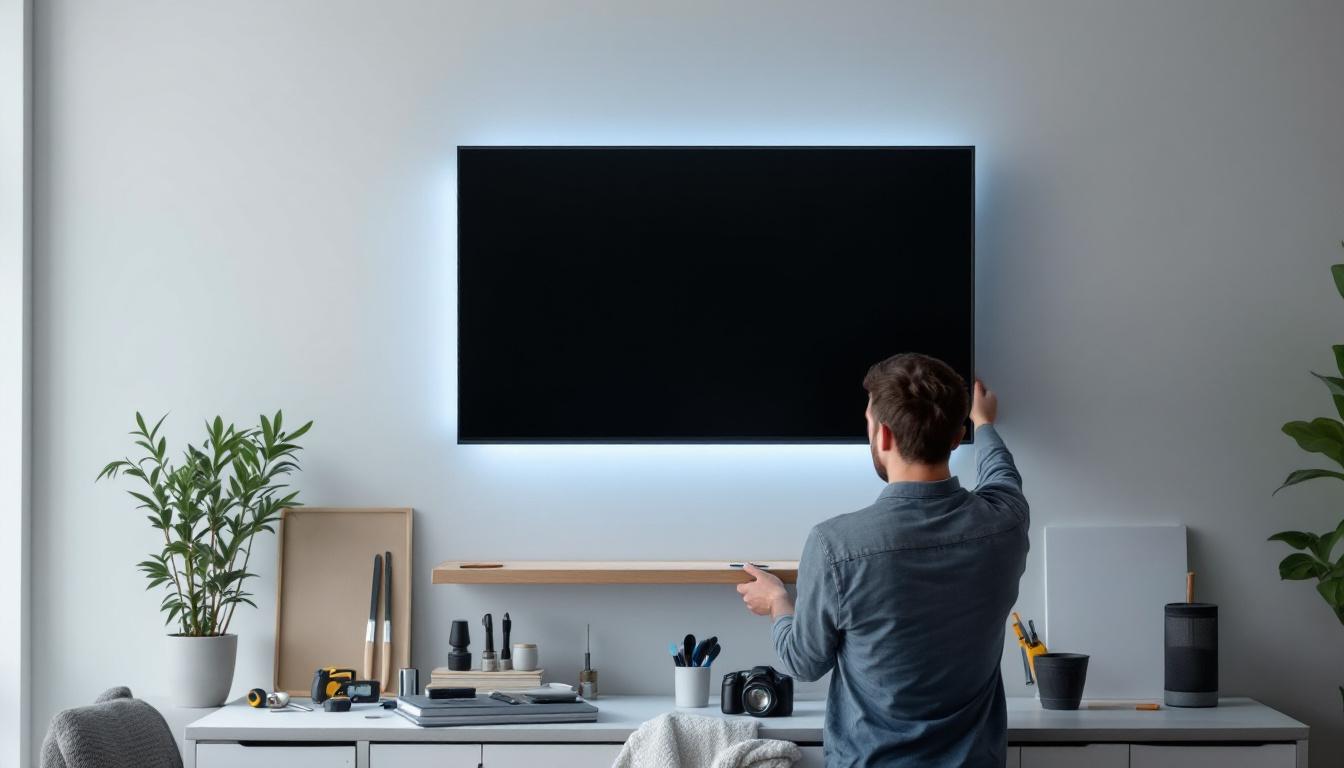
Professional installers understand the nuances of wall construction, mounting hardware, and ventilation requirements. They can also ensure compliance with local building codes and safety standards. Attempting a DIY installation without proper knowledge can lead to damage, void warranties, or create safety hazards.
Plan Cable Management Early
Decide on the types of connections needed (HDMI, power, Ethernet, speaker wires) before installation. Use high-quality in-wall rated cables and conduits to prevent interference and maintain signal integrity. Labeling cables and documenting layouts can save time during future upgrades or troubleshooting.
Consider Acoustic Treatments
In-wall TV installations can affect room acoustics. Adding sound-absorbing materials around the TV area or integrating surround sound speakers can improve audio quality. Some designs incorporate acoustic panels or fabric-covered frames that complement the décor while enhancing sound performance.
Test Before Finalizing
Before sealing the wall, test the TV’s functionality, remote control range, and connectivity. Verify that ventilation is adequate and that no cables are pinched or damaged. This step prevents costly rework and ensures a smooth user experience.
Conclusion: The Future of In-Wall LED TV Design
In-wall LED TV designs represent a harmonious blend of cutting-edge technology and sophisticated interior design. As LED display technology continues to evolve, with innovations like micro-LED and flexible screens, the possibilities for seamless integration will expand even further. Homeowners and designers who prioritize aesthetics, functionality, and future-proofing will find in-wall LED TVs an excellent choice for creating immersive, elegant living spaces.
By understanding the technology, planning carefully, and working with professionals, it is possible to achieve a stunning in-wall TV installation that enhances both the visual appeal and entertainment experience of any room.
Explore the Future of In-Wall LED Design with LumenMatrix
Ready to elevate your space with the latest in LED display technology? LumenMatrix is at the forefront of innovation, offering a diverse range of LED display solutions tailored to your needs. From immersive Indoor LED Wall Displays to dynamic Outdoor LED Wall Displays and beyond, our mission is to transform your visual communication with unparalleled clarity and impact. Discover how LumenMatrix can enhance your environment and captivate your audience. Check out LumenMatrix LED Display Solutions today and step into the future of sophisticated, integrated design.