In today’s digital era, display technology plays a crucial role in how we interact with information, entertainment, and communication. Among the various types of displays available, LCDs with LED backlighting have become the standard for everything from smartphones and laptops to large television screens and digital billboards. This article provides an in-depth explanation of LCDs and LED displays, exploring how they work, their advantages, and their applications in modern technology.
Understanding LCD Technology
What Is an LCD?
LCD stands for Liquid Crystal Display. It is a flat-panel display technology that uses liquid crystals to modulate light and produce images. Unlike traditional cathode ray tube (CRT) monitors, LCDs are thinner, lighter, and consume less power, making them ideal for portable and compact devices.
The core component of an LCD is the liquid crystal layer sandwiched between two polarizing filters and glass substrates. These liquid crystals do not emit light themselves; instead, they control the passage of light from a backlight source, allowing the display to show images by blocking or allowing light through specific pixels. This design not only contributes to the sleek aesthetics of modern screens but also enhances their energy efficiency, making them a popular choice in smartphones, tablets, and televisions.
Moreover, the advancements in LCD technology have led to the development of various types of displays, such as IPS (In-Plane Switching) and TN (Twisted Nematic), each offering different benefits in terms of color accuracy, viewing angles, and response times. This versatility has enabled LCDs to dominate the market, catering to a wide range of applications from professional graphic design to everyday entertainment.
How Do Liquid Crystals Work?
Liquid crystals have properties between those of liquids and solid crystals. When an electric current passes through them, their molecular alignment changes, which affects how light passes through. By adjusting the voltage applied to each pixel, the liquid crystals twist to varying degrees, controlling the intensity and color of light that reaches the viewer’s eyes.
This manipulation of light enables LCDs to display sharp images with precise color control. However, since liquid crystals do not produce light, a separate light source is necessary for the display to be visible. Typically, this light source is provided by LEDs (Light Emitting Diodes), which have largely replaced the older CCFL (Cold Cathode Fluorescent Lamp) technology due to their improved brightness, longevity, and lower energy consumption.
Additionally, the integration of advanced technologies such as local dimming and HDR (High Dynamic Range) has further enhanced the performance of LCD displays. Local dimming allows specific areas of the screen to be dimmed or brightened independently, resulting in deeper blacks and brighter highlights, while HDR enhances the range of colors and brightness levels, providing a more lifelike viewing experience. These innovations continue to push the boundaries of what LCD technology can achieve, making it a vital component in the evolution of display technology.
The Role of LED Backlighting in LCDs
What Is LED Backlighting?
LED stands for Light Emitting Diode. In LCD displays, LEDs serve as the backlight that illuminates the liquid crystal layer. Before the widespread adoption of LED backlighting, LCDs commonly used cold cathode fluorescent lamps (CCFLs) as their light source. LED backlighting offers several advantages over CCFLs, including higher energy efficiency, longer lifespan, and the ability to produce brighter and more vibrant displays. The shift to LED technology not only improved the visual quality of screens but also contributed to a more sustainable approach to display technology, as LEDs consume significantly less power than their fluorescent counterparts.
LED backlights can be arranged in different ways, such as edge-lit or direct-lit configurations, each affecting the display’s thickness, brightness uniformity, and contrast ratios. The choice of backlighting method can also influence the overall design of devices, allowing manufacturers to create sleeker and more aesthetically pleasing products that appeal to consumers who prioritize both performance and style.
Types of LED Backlighting
Edge-Lit LED: In this design, LEDs are placed along the edges of the screen, and light is distributed across the display using light guides. This arrangement allows for thinner screens and is common in consumer televisions and monitors. However, it can sometimes result in uneven brightness, especially in larger displays. To mitigate this issue, manufacturers have developed advanced light guide technologies that help to diffuse the light more evenly across the screen, enhancing the viewing experience.
Direct-Lit LED: LEDs are placed directly behind the LCD panel, providing more uniform backlighting. This setup allows for better contrast and brightness control, especially when combined with local dimming technology, which can turn off specific LED zones to achieve deeper blacks. This feature is particularly beneficial for watching movies or playing video games, where dark scenes can appear more immersive and detailed. Moreover, direct-lit LED displays are often favored in professional settings, such as graphic design and photography, where color accuracy is paramount.
Mini-LED and Micro-LED: These are advanced forms of LED backlighting. Mini-LED uses thousands of tiny LEDs for more precise local dimming, improving contrast and HDR performance. This technology allows for finer control over brightness levels in different areas of the screen, resulting in a more dynamic range of colors and deeper blacks. Micro-LED, still emerging in the market, integrates microscopic LEDs directly into the display, potentially eliminating the need for LCD layers altogether and offering superior brightness and color accuracy. This innovation not only promises enhanced visual fidelity but also paves the way for flexible and ultra-thin displays, which could revolutionize the way we interact with screens in our daily lives.
Advantages of LCDs with LED Backlighting
Energy Efficiency and Environmental Impact
LED backlighting significantly improves the energy efficiency of LCD displays compared to older CCFL technology. LEDs consume less power, generate less heat, and have a longer operational life. This efficiency is crucial for battery-powered devices such as smartphones and laptops, extending their usage time between charges.
Moreover, LEDs do not contain mercury, unlike CCFLs, making them more environmentally friendly and easier to recycle. As sustainability becomes a priority for manufacturers and consumers alike, LED-backlit LCDs offer a greener alternative.
Improved Image Quality
LED backlighting enhances the brightness and contrast of LCD screens, resulting in more vivid and lifelike images. With technologies like local dimming, displays can achieve deeper blacks and higher dynamic range, which is especially beneficial for watching movies, gaming, and professional photo or video editing.
Additionally, LED backlighting allows for better color accuracy and wider color gamuts, supporting modern standards such as HDR10 and Dolby Vision, which are becoming increasingly common in consumer electronics.
Design Flexibility
The compact size of LEDs enables manufacturers to produce thinner and lighter displays without compromising on brightness or performance. This design flexibility has led to the proliferation of ultra-thin TVs, sleek monitors, and portable devices with high-resolution screens.
Furthermore, LED backlighting supports curved and flexible display designs, expanding the possibilities for innovative device form factors.
Applications of LCDs with LED Displays
Consumer Electronics
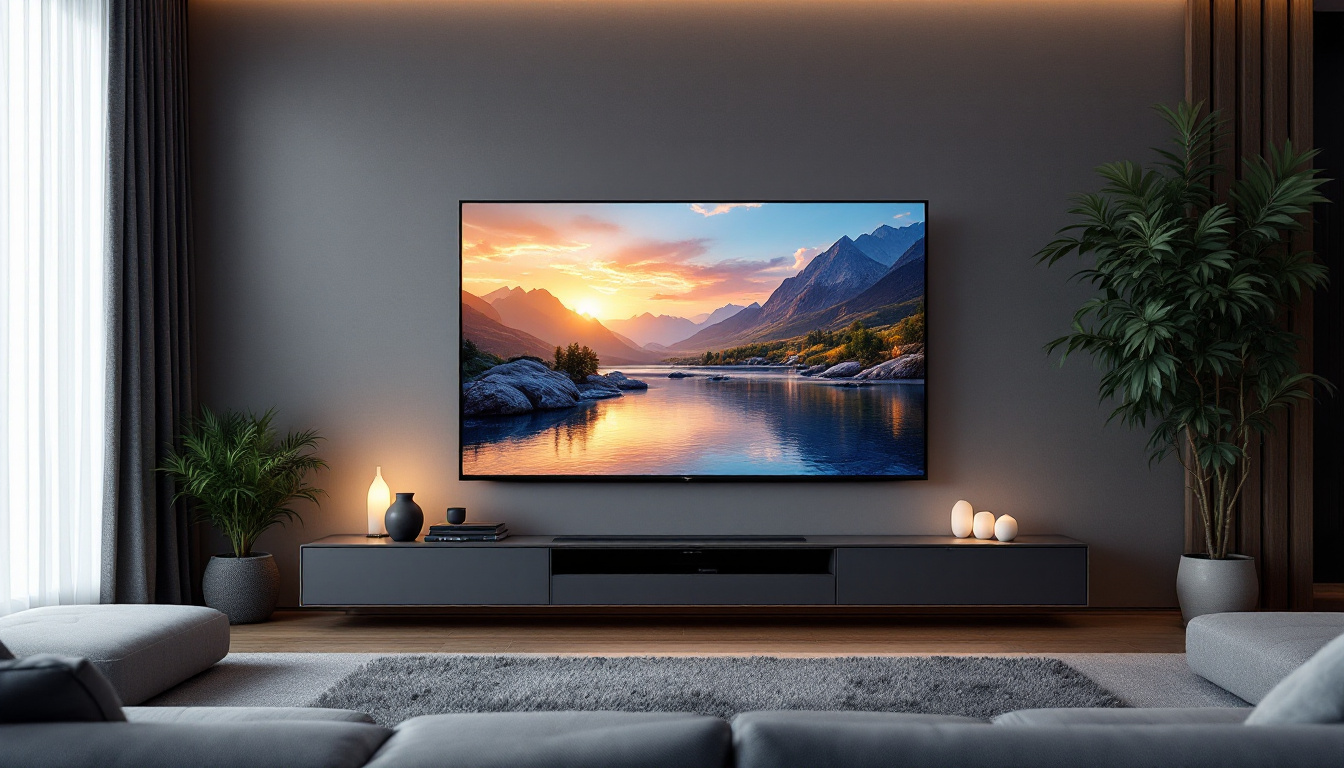
LCDs with LED backlighting dominate the consumer electronics market. Televisions, computer monitors, smartphones, tablets, and laptops primarily use this technology due to its balance of cost, performance, and energy efficiency. According to recent market analyses, over 90% of TVs sold worldwide utilize LED-backlit LCD panels.
The technology continues to evolve, with manufacturers pushing for higher resolutions (4K and 8K), faster refresh rates, and improved color fidelity to meet the demands of gamers, content creators, and general consumers.
Digital Signage and Advertising
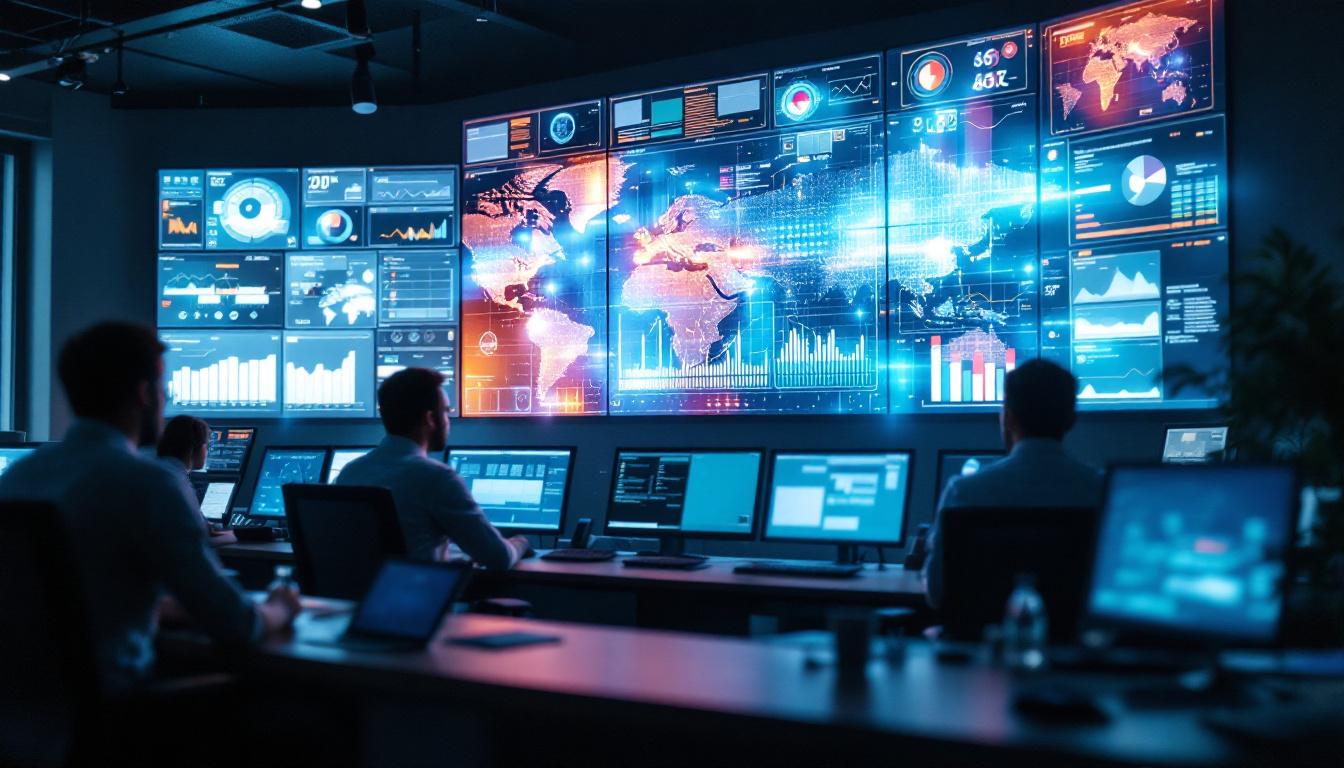
Large-format LED-backlit LCD displays are widely used in digital signage, from retail stores to outdoor billboards. Their brightness and clarity ensure visibility even in direct sunlight, while their energy efficiency reduces operating costs for businesses.
Interactive kiosks and information displays also benefit from LCDs with LED backlighting, providing sharp and responsive interfaces for users in public spaces such as airports, malls, and museums.
Industrial and Medical Uses
In industrial environments, LED-backlit LCDs are employed in control panels, instrumentation, and monitoring systems where reliable and clear displays are essential. Their durability and low power consumption make them suitable for harsh conditions and remote installations.
Medical devices also rely on LCD technology for diagnostic imaging, patient monitoring, and surgical displays. The high resolution and accurate color reproduction of LED-backlit LCDs contribute to better clinical outcomes by providing precise visual information.
Challenges and Future Trends
Limitations of LCD with LED Backlighting
Despite their widespread use, LCDs with LED backlighting have inherent limitations. Because the light source is behind the liquid crystal layer, achieving perfect black levels is challenging compared to emissive technologies like OLED (Organic Light Emitting Diode). This can result in lower contrast ratios and some light bleed in dark scenes.
Viewing angles can also be narrower on some LCD panels, causing color shifts and reduced image quality when viewed from the side. Manufacturers have addressed these issues with advanced panel types such as IPS (In-Plane Switching) and VA (Vertical Alignment), but OLED and emerging Micro-LED displays still hold advantages in these areas.
Emerging Technologies and Innovations
The display industry is continuously innovating to overcome current limitations. Mini-LED backlighting is gaining traction, offering improved contrast and HDR capabilities without the high cost of OLED. Micro-LED technology promises the benefits of OLED—perfect blacks, high brightness, and energy efficiency—combined with longer lifespan and no burn-in issues.
Additionally, advancements in quantum dot technology are enhancing LCD color performance. Quantum dots are semiconductor nanocrystals that emit precise colors when illuminated by LEDs, resulting in displays with wider color gamuts and higher brightness levels.
Flexible and foldable displays are also becoming more common, enabled by thinner and more adaptable LED-backlit LCD panels, which open new possibilities for device design and user interaction.
Conclusion
LCDs with LED backlighting represent a mature and versatile display technology that balances performance, cost, and energy efficiency. Their widespread adoption across consumer electronics, industrial applications, and medical devices underscores their importance in modern life.
While emerging technologies like OLED and Micro-LED offer exciting possibilities, LED-backlit LCDs continue to evolve with innovations such as Mini-LED and quantum dot enhancements. Understanding how these displays work and their strengths helps consumers and professionals make informed decisions when selecting devices or designing visual solutions.
As display technology advances, LED-backlit LCDs will remain a foundational technology, bridging the gap between traditional displays and the next generation of visual experiences.
Discover Cutting-Edge LED Displays with LumenMatrix
As you consider the advancements and future of display technologies, LumenMatrix stands at the forefront, offering innovative LED display solutions that bring your content to life. Whether you’re looking to enhance brand visibility, engage audiences, or communicate with clarity, our range of products, including Indoor and Outdoor LED Wall Displays, Vehicle LED Displays, and more, are designed to meet your needs. Experience the revolution in visual communication with LumenMatrix’s state-of-the-art LED display modules. Check out LumenMatrix LED Display Solutions today and see how we can help you create captivating visual experiences.