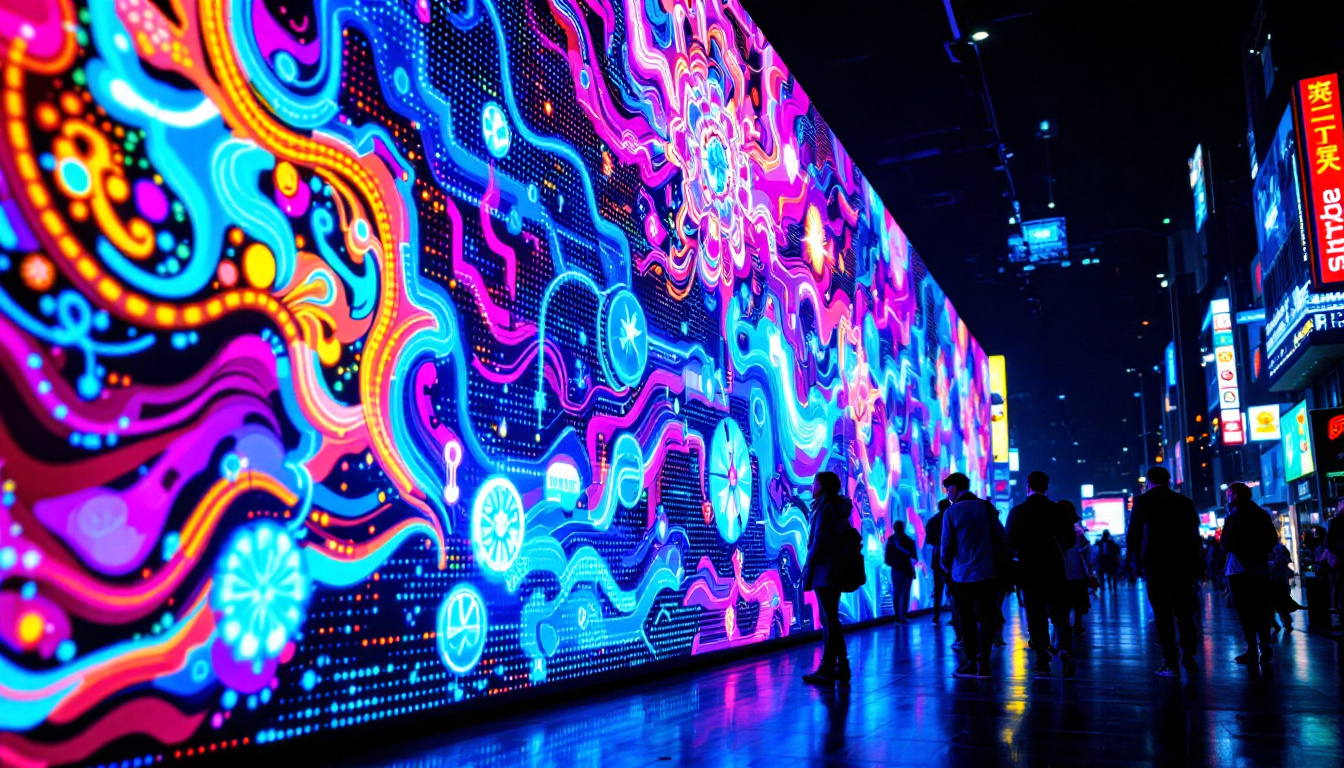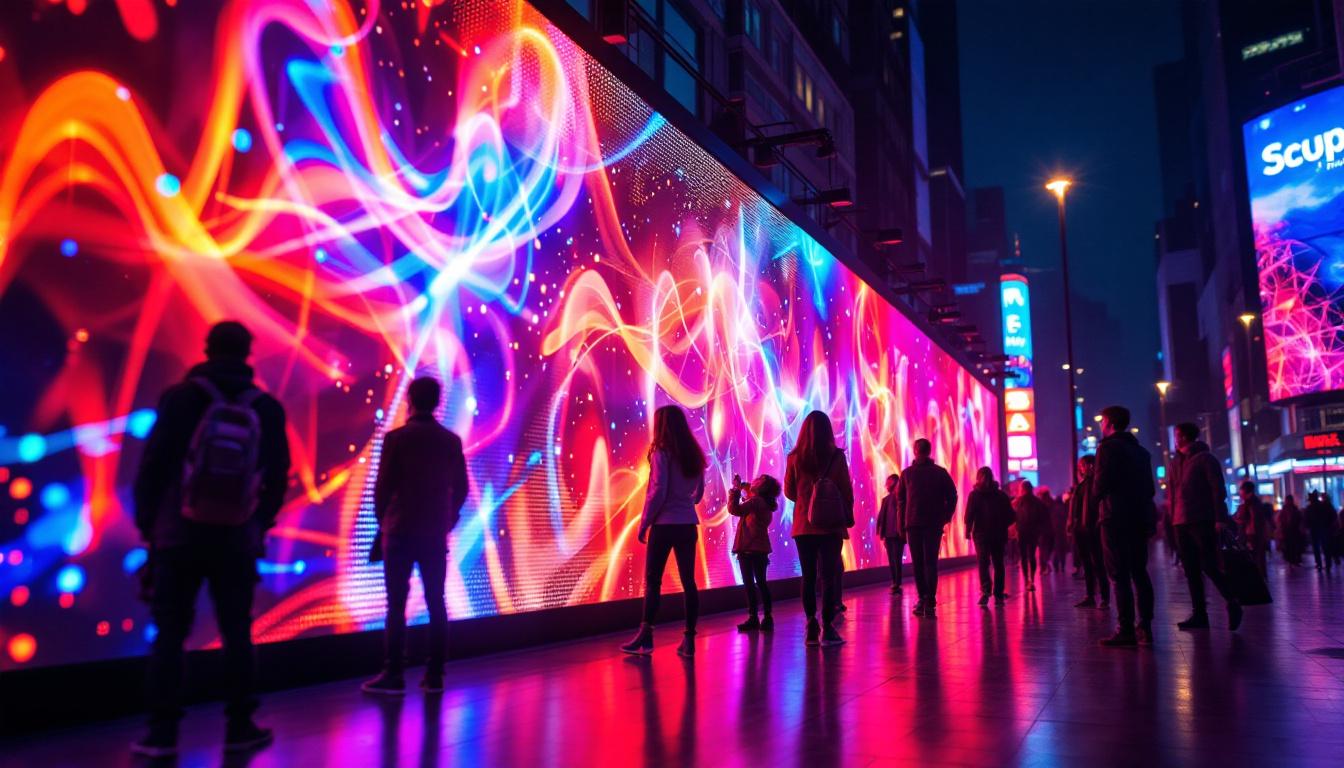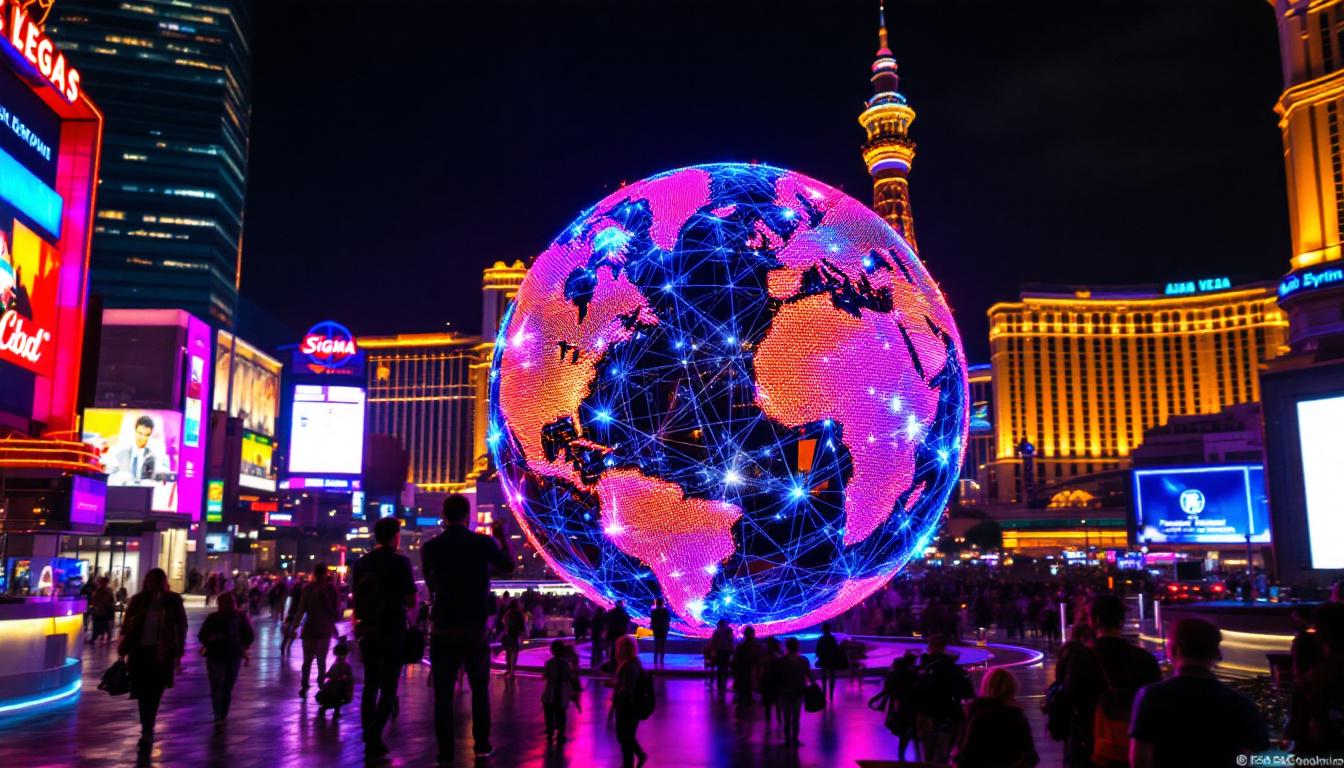
The Las Vegas Sphere, officially known as the MSG Sphere at The Venetian, is a groundbreaking entertainment venue that has captured the world’s attention with its sheer scale and technological innovation. One of the most talked-about features of the Sphere is its massive LED display, which wraps around the entire structure, creating an immersive visual experience unlike anything seen before. This article delves into the technical details of the Sphere’s LED display resolution, explaining why it is revolutionary and what it means for the future of large-scale digital displays.
The Magnitude of the Las Vegas Sphere LED Display
The MSG Sphere is a colossal spherical structure measuring approximately 366 feet in diameter and 516 feet wide. Its exterior is covered by an LED display that spans roughly 580,000 square feet. To put this into perspective, the Sphere’s LED surface area is larger than eight American football fields combined, making it one of the largest LED displays in the world.
This vast surface area presents unique challenges and opportunities in terms of resolution, pixel density, and image quality. Unlike traditional flat screens or even curved displays, the Sphere’s LED display must maintain image clarity and brightness across a curved, spherical surface visible from multiple angles and distances.
Why Resolution Matters for the Sphere
Resolution is a critical factor in determining the quality of any digital display. It refers to the number of pixels that make up the image, typically expressed as width × height. Higher resolution means more pixels, which translates into sharper, more detailed images. For the Sphere, resolution is not just about sharpness; it’s about creating an immersive experience that can captivate audiences from every vantage point around the structure.
Given the Sphere’s immense size, the LED display must have enough pixels to ensure that images and videos look crisp even when viewed up close. At the same time, it needs to be efficient enough to manage power consumption and heat dissipation, which are significant concerns for such a large-scale installation.
Technical Specifications of the Sphere’s LED Display
The LED display on the Las Vegas Sphere is composed of millions of individual LED modules arranged seamlessly to form a continuous, high-resolution surface. The exact resolution and pixel pitch are key to understanding how this display achieves its stunning visual performance.
Resolution and Pixel Count
The Sphere’s LED display boasts an estimated resolution of approximately 16K by 16K pixels, meaning it has around 256 million pixels in total. This is an unprecedented pixel count for an outdoor display, especially one of this size. For comparison, a standard 4K television has a resolution of 3840 × 2160 pixels, or about 8.3 million pixels. The Sphere’s display has roughly 30 times more pixels than a 4K TV.
Such a high pixel count allows the Sphere to display incredibly detailed images and videos, making it possible to show complex visuals, animations, and even live broadcasts with remarkable clarity. The resolution is tailored to the viewing distances typical around the Sphere, ensuring that the image remains sharp whether viewers are standing right next to the structure or watching from across the street.
Pixel Pitch and Viewing Experience
Pixel pitch refers to the distance between the centers of two adjacent pixels, usually measured in millimeters. A smaller pixel pitch means higher pixel density, which generally results in better image quality, especially at close range. The Sphere’s LED display uses a pixel pitch of approximately 4 millimeters, which is considered very fine for a display of this scale.
This fine pixel pitch is crucial because it reduces the “screen door” effect, where viewers can see the gaps between pixels, which can detract from the immersive experience. By minimizing pixel spacing, the Sphere achieves a nearly seamless image that appears vibrant and continuous even at close viewing distances.
Innovations Behind the Sphere’s LED Technology
Building an LED display of this magnitude required several technological innovations, both in hardware and software. These innovations ensure that the Sphere’s display not only looks spectacular but also operates reliably and efficiently.
Modular LED Panels and Seamless Integration
The Sphere’s exterior is covered with thousands of custom-designed LED modules that are engineered to fit together perfectly on a curved surface. Unlike flat LED panels, these modules are slightly curved and flexible, allowing them to conform to the spherical shape without visible seams or distortions.
Each module contains hundreds of LEDs, and advanced calibration techniques are used to ensure color consistency and brightness uniformity across the entire surface. This modular approach also facilitates maintenance and upgrades, as individual panels can be replaced or serviced without disrupting the entire display.
Advanced Calibration and Real-Time Processing
To maintain image quality on such a large and curved display, the Sphere employs sophisticated calibration systems. These systems adjust brightness, color balance, and contrast in real-time to compensate for environmental factors such as ambient light, temperature changes, and viewing angles.
Additionally, the Sphere uses powerful image processing technology to warp and map content accurately onto the spherical surface. This ensures that images and videos appear correctly proportioned and free from distortion, regardless of the viewer’s position relative to the Sphere.
Energy Efficiency and Cooling Systems
Operating a massive LED display with hundreds of millions of pixels requires significant power. To address this, the Sphere uses energy-efficient LEDs combined with smart power management systems that optimize brightness and reduce power consumption during low-visibility conditions.
Heat generated by the LEDs is managed through an advanced cooling system integrated into the Sphere’s structure. This system prevents overheating, which could damage the LEDs or degrade image quality, ensuring the display remains operational 24/7 under various weather conditions.
Applications and Impact of the Sphere’s LED Display
The high-resolution LED display on the Las Vegas Sphere is not just a technological marvel; it also opens up new possibilities for entertainment, advertising, and public engagement.
Immersive Entertainment Experiences
The Sphere is designed primarily as an entertainment venue, hosting concerts, sporting events, and immersive multimedia shows. The LED display’s resolution and scale allow for visually stunning backdrops and interactive content that envelop audiences in a 360-degree sensory experience.
For example, during concerts, the Sphere can display synchronized visuals that complement live performances, enhancing the emotional impact and engagement. The ability to project ultra-high-definition video across the entire surface creates a unique atmosphere that traditional venues cannot replicate.
Dynamic Advertising and Branding
Given its location on the Las Vegas Strip, the Sphere’s LED display serves as a powerful advertising platform. Brands can leverage the high-resolution display to showcase dynamic, eye-catching advertisements that stand out amidst the city’s vibrant nightlife.
The Sphere’s capability to display ultra-high-definition content means advertisers can create intricate animations and interactive campaigns that capture attention from afar. This level of detail and scale is unprecedented in outdoor advertising, potentially setting new standards for digital marketing in urban environments.
Community and Cultural Engagement
Beyond entertainment and advertising, the Sphere’s LED display can be used for community events, public art installations, and cultural celebrations. The ability to project high-resolution images and videos on such a large scale provides a new medium for artists and organizers to engage with the public.
For instance, during national holidays or special events, the Sphere can display themed visuals that foster a sense of community and shared experience. This versatility enhances the Sphere’s role as a cultural landmark in Las Vegas.
Challenges and Future Prospects
While the Las Vegas Sphere’s LED display sets a new benchmark in resolution and scale, it also highlights ongoing challenges and opportunities in large-format digital display technology.
Technical and Logistical Challenges
Maintaining such a vast and complex LED display requires continuous monitoring and upkeep. Issues such as pixel failures, weather-related wear, and software glitches must be addressed promptly to preserve image quality and operational reliability.
Moreover, content creation for a spherical, ultra-high-resolution display demands specialized skills and tools. Producers must consider the unique geometry and viewing angles to design visuals that maximize the Sphere’s capabilities without distortion or loss of detail.
Advancements in Display Technology
The Sphere’s LED display represents the cutting edge of current technology, but ongoing advancements promise even greater possibilities. Emerging technologies such as microLED, quantum dot LEDs, and AI-driven content optimization could further enhance resolution, brightness, and energy efficiency in future iterations.
Additionally, improvements in augmented reality (AR) and virtual reality (VR) integration may allow the Sphere to offer even more immersive and interactive experiences, blending physical and digital worlds seamlessly.
Setting a New Standard for Large-Scale Displays
The success of the Las Vegas Sphere’s LED display is likely to influence the design and implementation of large-scale digital displays worldwide. Its combination of unprecedented resolution, innovative engineering, and versatile applications demonstrates what is possible when technology and creativity converge.
As cities and entertainment venues seek to captivate audiences with immersive visual experiences, the Sphere’s LED display serves as a benchmark and inspiration for future projects aiming to push the boundaries of digital display technology.
Conclusion
The Las Vegas Sphere’s LED display is a remarkable achievement in the world of digital signage and entertainment technology. With its ultra-high resolution, fine pixel pitch, and innovative design, it creates an immersive visual experience that redefines what large-scale displays can accomplish.
By understanding the technical aspects of the Sphere’s LED resolution and the innovations behind it, audiences and industry professionals alike can appreciate the complexity and potential of this groundbreaking installation. As technology continues to evolve, the Sphere stands as a testament to the power of high-resolution LED displays to transform entertainment, advertising, and public engagement on a monumental scale.
Explore Cutting-Edge LED Displays with LumenMatrix
Ready to elevate your visual experience to new heights? Discover LumenMatrix’s innovative LED display solutions, where technology meets creativity. As a leader in LED display technology, LumenMatrix offers a diverse range of products, from Indoor and Outdoor LED Wall Displays to Custom and Transparent LED solutions, designed to captivate and engage your audience. Whether for advertising, entertainment, or public installations, our mission is to revolutionize visual communication with displays that deliver your message with unparalleled impact and clarity. Check out LumenMatrix LED Display Solutions and see how we can transform your space into a visual spectacle.