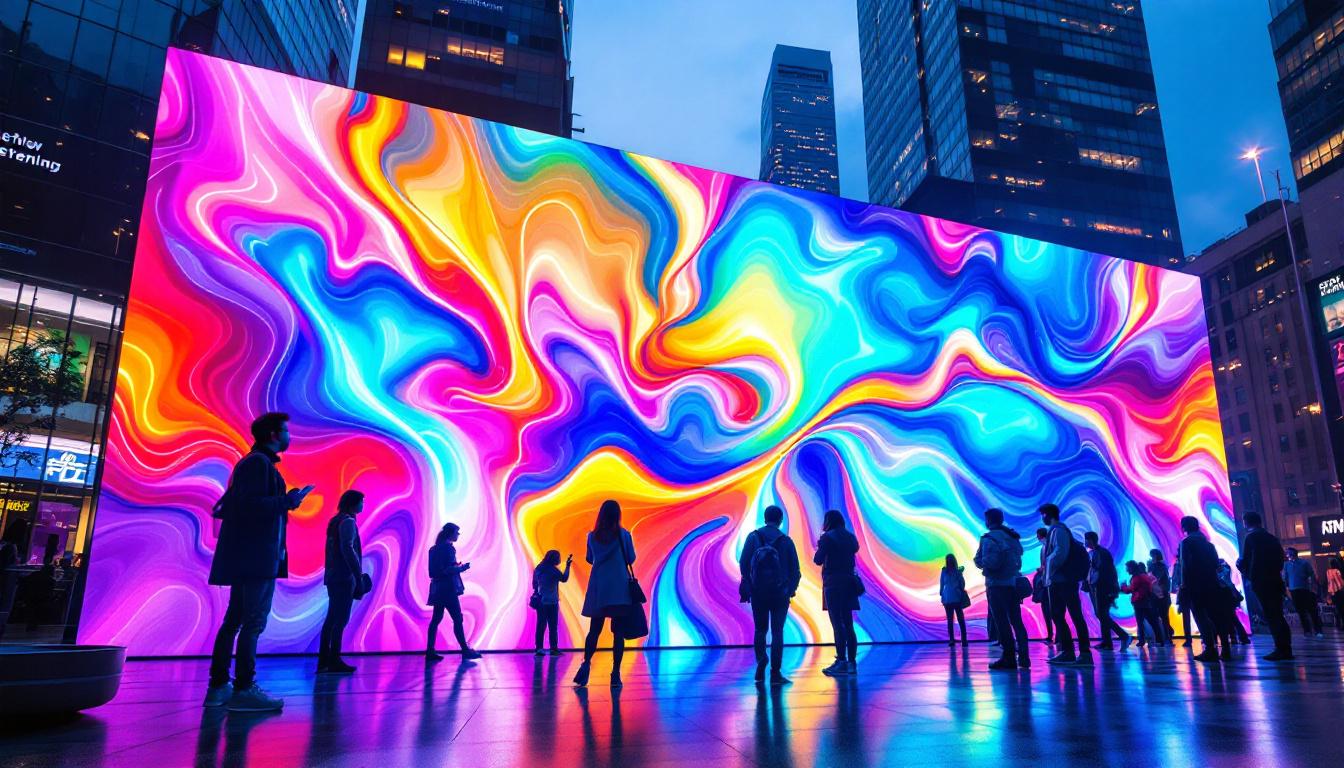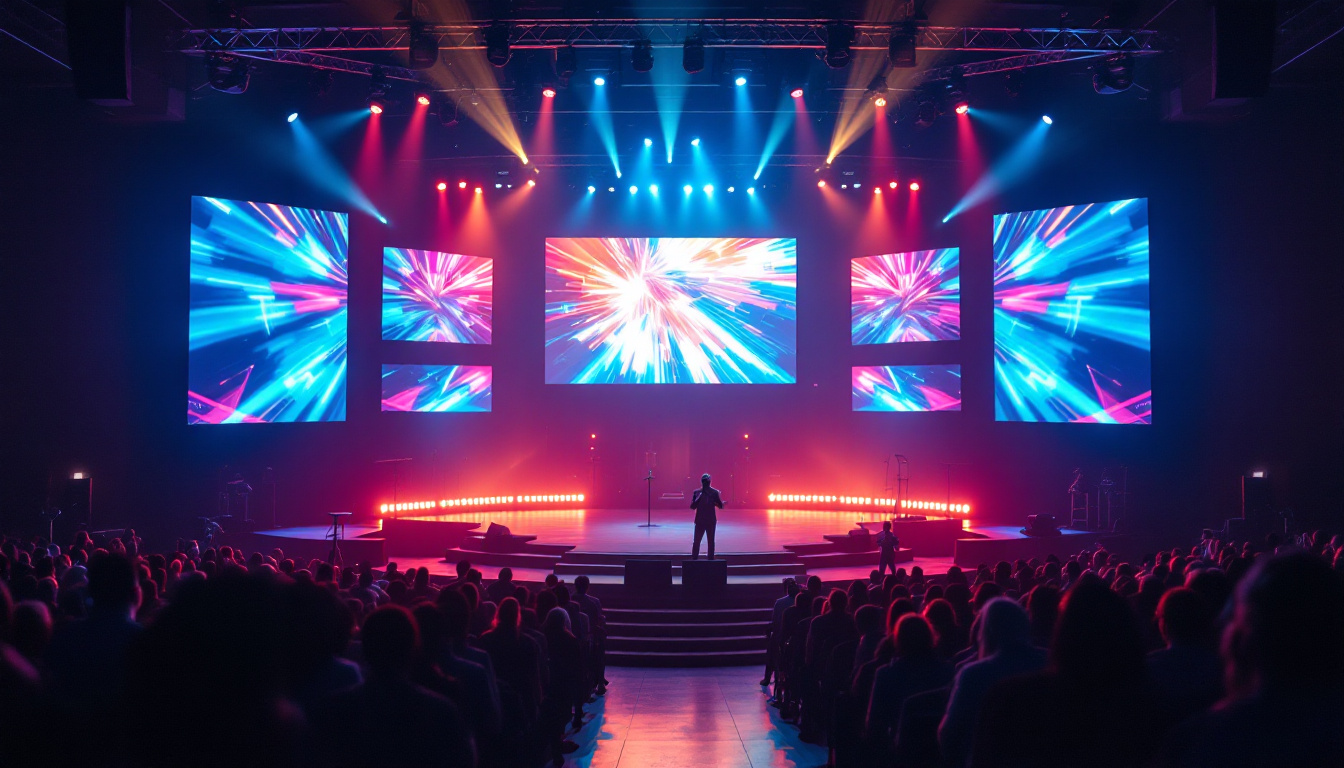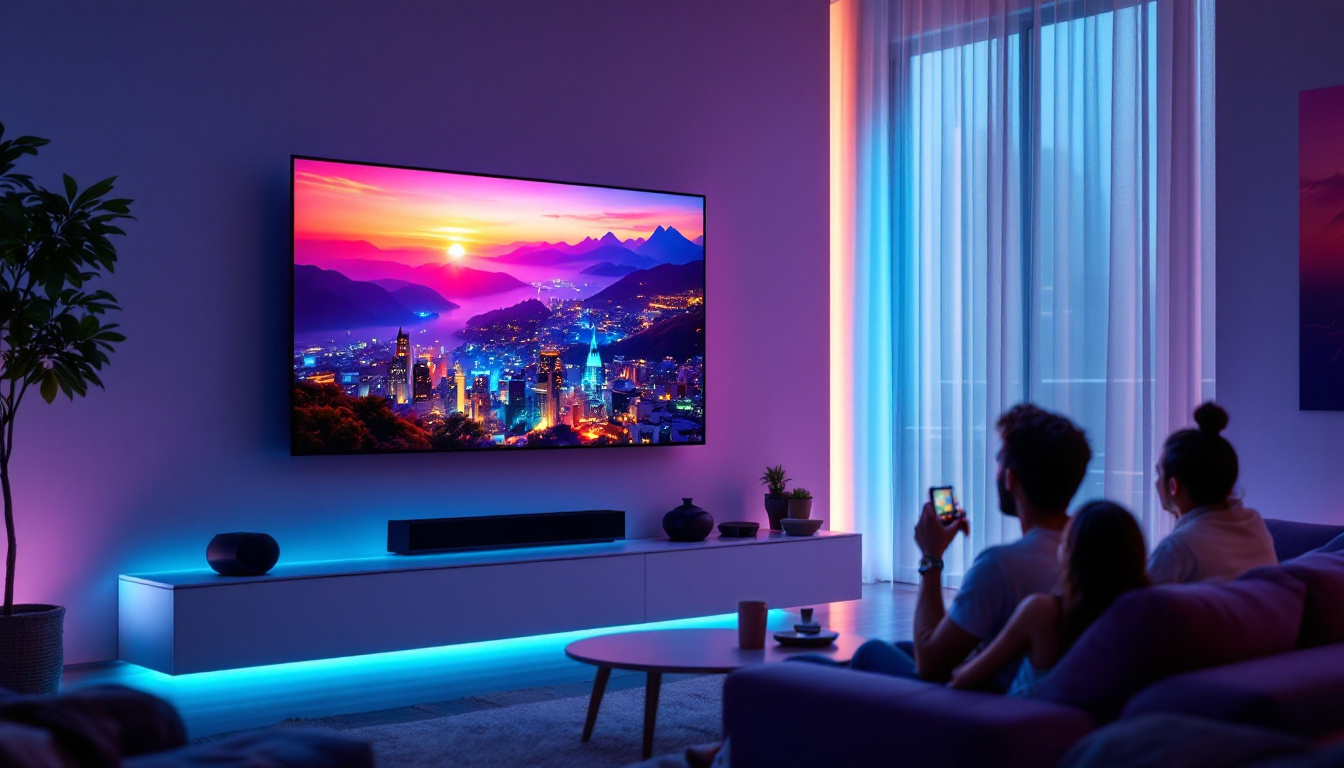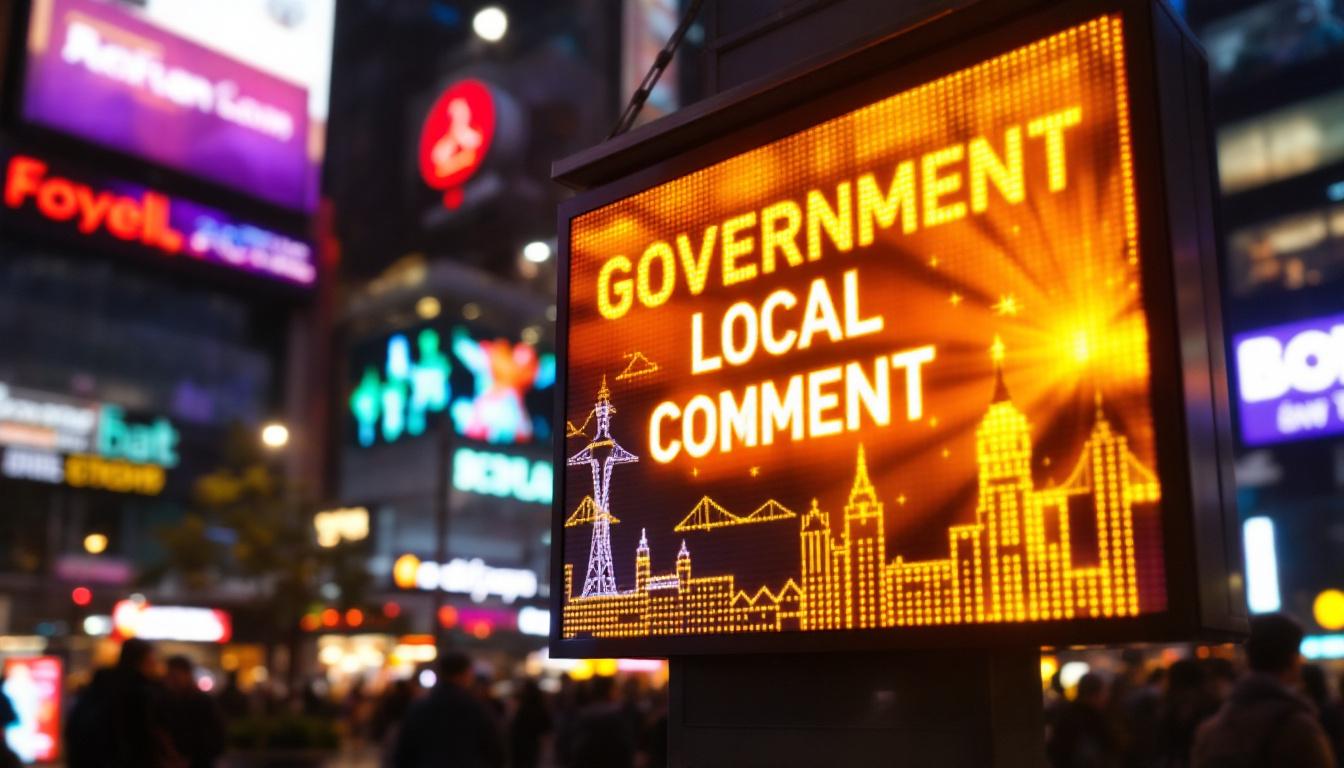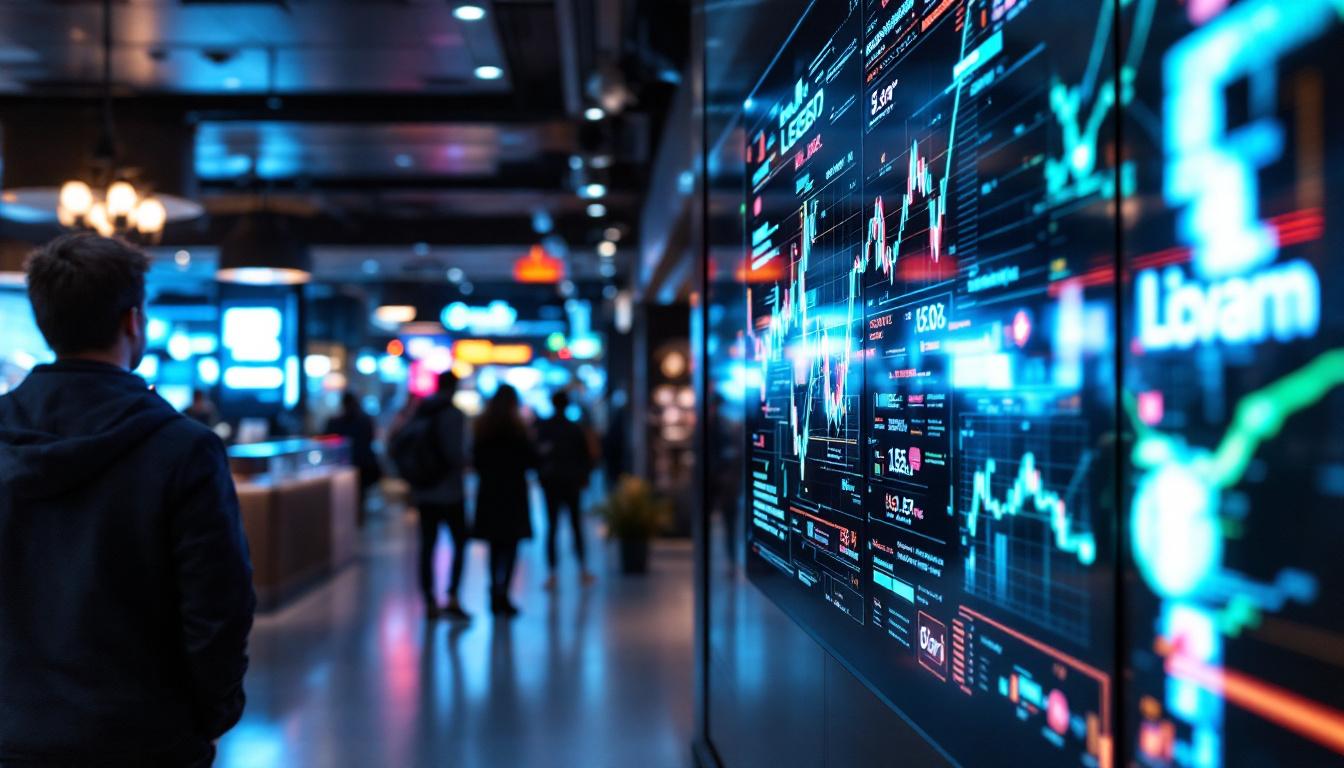
In today’s fast-paced commercial environment, capturing customer attention is more challenging than ever. Traditional signage is no longer sufficient to stand out in crowded marketplaces. This is where LED signage comes into play, revolutionizing how businesses communicate with their audience. LED displays offer dynamic, vibrant, and customizable solutions that can elevate brand visibility and engagement. This article explores the fundamentals of LED signage, its benefits, applications, and considerations for businesses looking to invest in this technology.
Understanding LED Signage: What Is It?
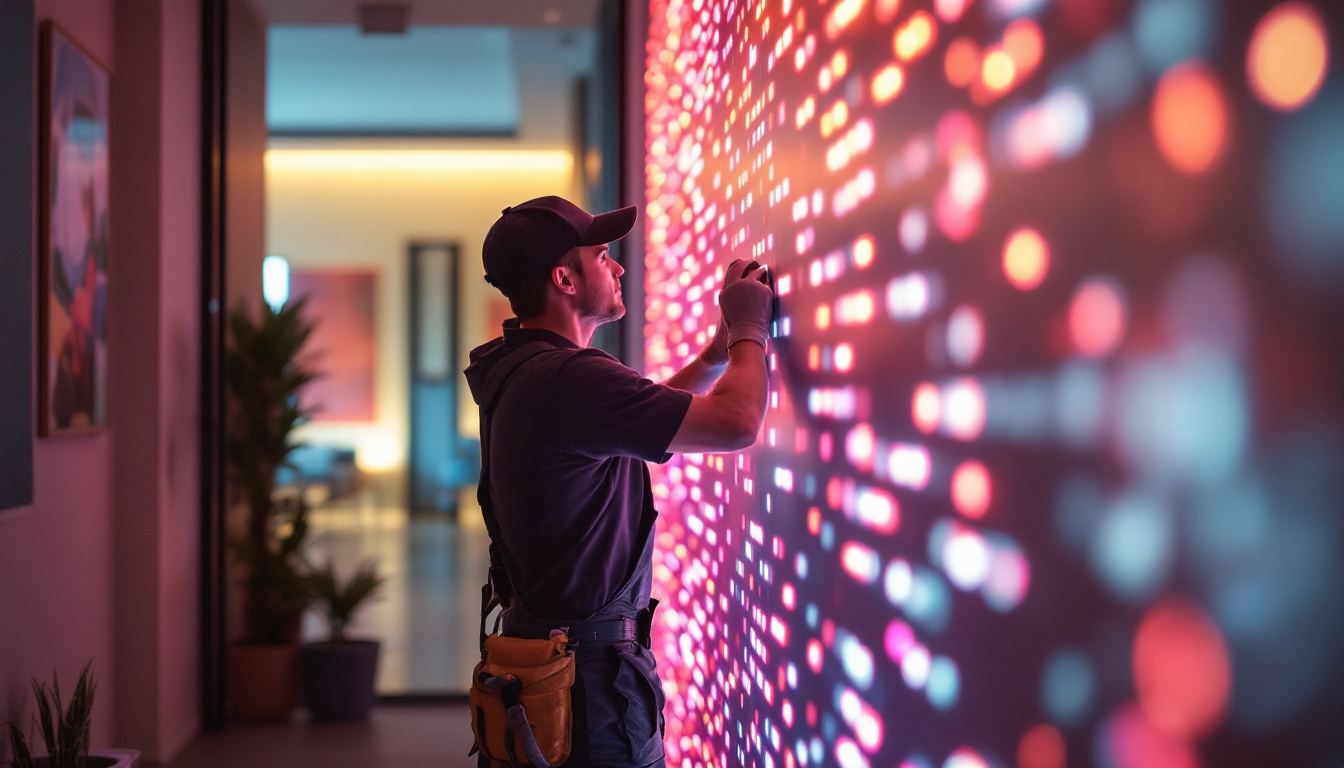
LED signage refers to the use of Light Emitting Diodes (LEDs) to create illuminated signs and displays. Unlike conventional signs that rely on static printed materials or neon lights, LED signs are composed of numerous tiny diodes that emit bright light when an electrical current passes through them. These diodes can be arranged in various configurations to display text, images, animations, and videos.
The technology behind LED signage has evolved significantly over the past decade. Modern LED displays utilize high-resolution panels capable of producing millions of colors with exceptional brightness and contrast. This makes them highly visible in diverse lighting conditions, from bright daylight to nighttime environments. Additionally, the energy efficiency of LED technology means that businesses can reduce their electricity consumption while still achieving vibrant displays that capture attention.
How LED Displays Work
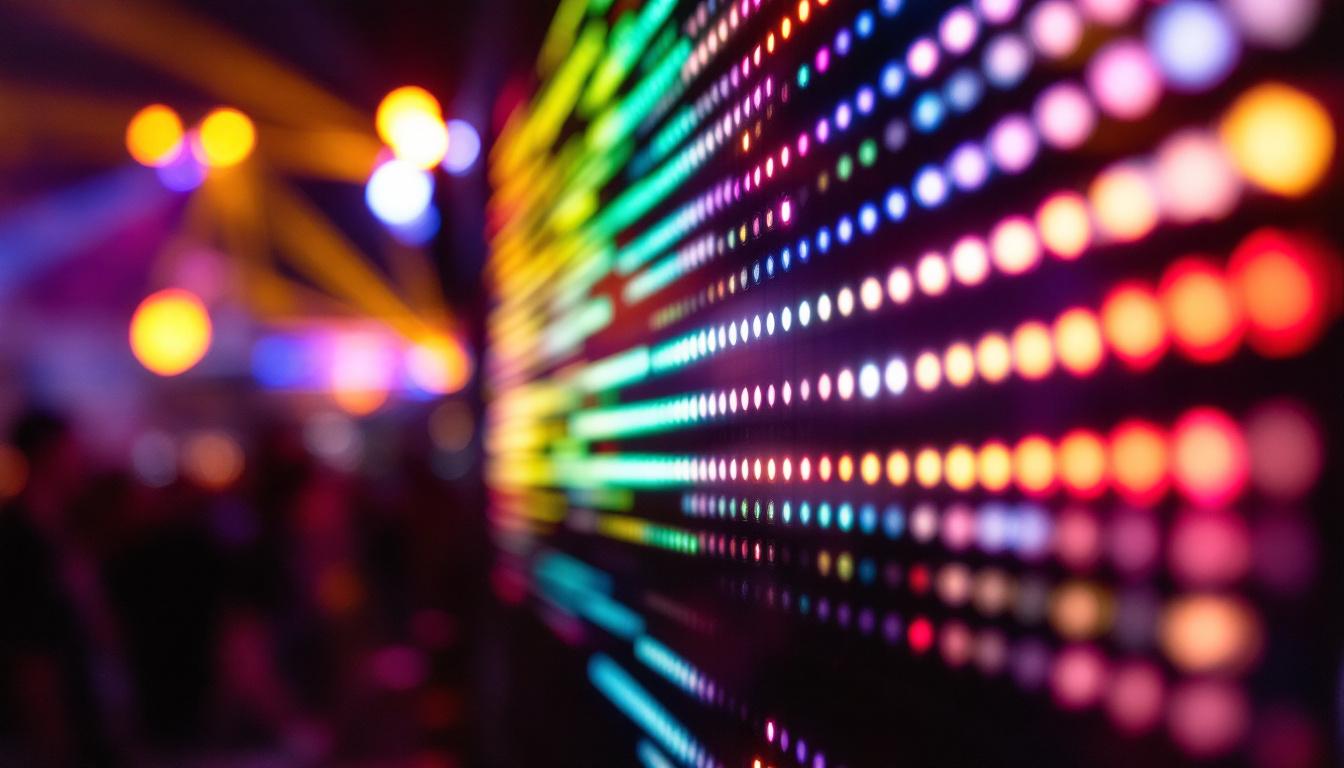
At the core of an LED display are pixels, each made up of red, green, and blue LEDs. By adjusting the intensity of these primary colors, the display can produce a wide spectrum of colors. These pixels are controlled by sophisticated software that manages the content shown on the screen, allowing for real-time updates and dynamic messaging. This capability is particularly beneficial for businesses that need to communicate timely information, such as promotions, events, or important announcements, as they can change the displayed content instantly without the need for physical alterations.
LED signs can be designed in various sizes and shapes, from small indoor displays to massive outdoor billboards. Their modular construction allows for scalability and easy maintenance, making them a versatile choice for businesses of all sizes. Furthermore, many LED displays are equipped with smart technology, enabling features such as remote monitoring and content scheduling through cloud-based platforms. This innovation not only enhances user convenience but also allows for targeted advertising strategies, as businesses can tailor their messages based on specific audiences or times of day, maximizing engagement and impact.
The Benefits of LED Signage for Businesses
Investing in LED signage offers numerous advantages that can directly impact a business’s marketing effectiveness and operational efficiency.
Enhanced Visibility and Attraction
One of the primary benefits of LED signage is its superior visibility. LEDs are significantly brighter than traditional lighting methods, ensuring that messages are visible even in direct sunlight. This brightness, combined with vibrant colors and motion capabilities, naturally draws the eye and increases the likelihood of customer engagement.
Studies show that dynamic digital signage can increase customer dwell time by up to 30%, which translates to higher chances of conversion. For retail stores, restaurants, and service providers, this can mean more foot traffic and sales. Furthermore, the ability to display animations or videos can create a memorable experience for passersby, making them more likely to remember the brand and return in the future. This is particularly beneficial in competitive markets where standing out is crucial for attracting and retaining customers.
Flexibility and Real-Time Content Updates
Unlike static signs, LED displays can be updated instantly and remotely. This flexibility allows businesses to tailor their messaging based on time of day, promotions, special events, or audience demographics. For example, a coffee shop can advertise breakfast specials in the morning and switch to lunch offers by noon without the need for physical sign changes.
Moreover, businesses can schedule content in advance, ensuring that the right message reaches the right audience at the optimal time. This adaptability enhances marketing effectiveness and reduces costs associated with printing and installing new signs. Additionally, businesses can utilize social media feeds or real-time data, such as weather updates or news headlines, to keep their content fresh and relevant, further engaging customers and encouraging them to interact with the brand.
Energy Efficiency and Longevity
LED technology is known for its energy efficiency. Compared to incandescent or neon lighting, LEDs consume up to 80% less energy while providing brighter illumination. This efficiency translates into lower operating costs and a reduced environmental footprint, aligning with sustainability goals that many businesses prioritize today.
Additionally, LED signs have a long lifespan, often exceeding 50,000 hours of operation. This durability minimizes maintenance and replacement expenses, making LED signage a cost-effective long-term investment. The reduced need for frequent replacements also means less waste, contributing to a more environmentally friendly business model. As companies increasingly seek to demonstrate their commitment to sustainability, adopting LED signage can serve as a powerful statement of their values, appealing to eco-conscious consumers and enhancing their brand image in the marketplace.
Applications of LED Signage Across Industries
LED signage is versatile and can be adapted to suit various business needs across different sectors.
Retail and Shopping Centers
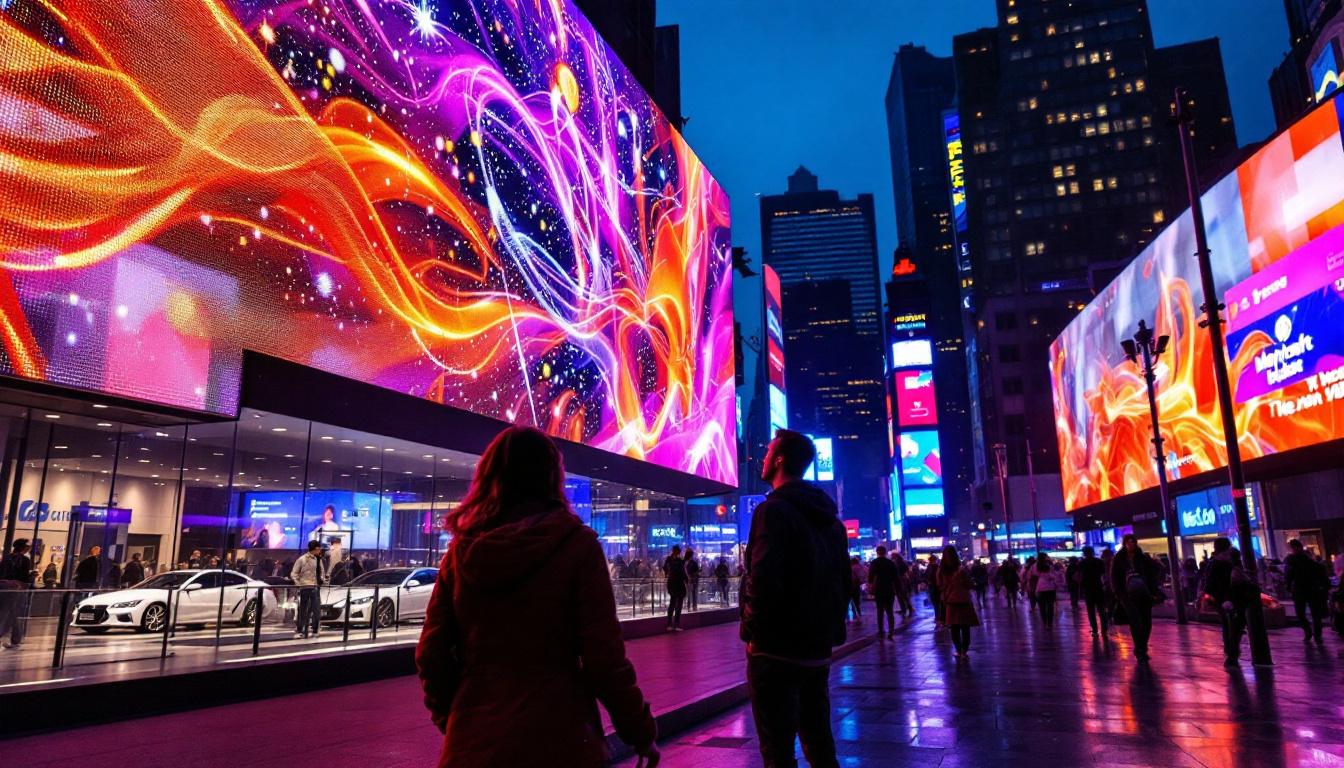
In retail, LED displays are used to highlight promotions, new arrivals, and brand messages. Their ability to showcase vibrant visuals and videos helps create immersive shopping experiences. For shopping malls, LED signage can provide directory information, event announcements, and advertising for multiple tenants. Furthermore, the dynamic nature of LED screens allows retailers to change their messaging in real-time, responding to customer behavior and trends. This adaptability can lead to increased foot traffic and sales, as shoppers are drawn in by eye-catching displays that reflect current deals or seasonal offerings.
Hospitality and Restaurants
Restaurants and hotels leverage LED signage to attract customers and communicate menus, specials, and events. Digital menu boards powered by LED technology enable quick updates and dynamic content, improving customer experience and operational efficiency. Additionally, LED signage can enhance the ambiance of a dining space; for instance, ambient lighting displays can be programmed to change according to the time of day or special occasions, creating a unique atmosphere that complements the dining experience. Moreover, hotels use LED screens in lobbies and conference rooms to provide information about services, events, and local attractions, making them an essential tool for guest engagement.
Transportation and Public Spaces
Airports, train stations, and bus terminals use LED displays for real-time information such as arrivals, departures, and alerts. The clarity and brightness of LED signs ensure that travelers receive timely and accurate information, enhancing safety and convenience. Beyond just schedules, these displays can also offer advertisements for local businesses, tourism opportunities, and emergency alerts, making them multifunctional assets in public spaces. Furthermore, the energy efficiency of LED technology means that these signs can operate continuously without incurring high energy costs, making them a sustainable choice for transportation hubs.
Corporate and Event Venues
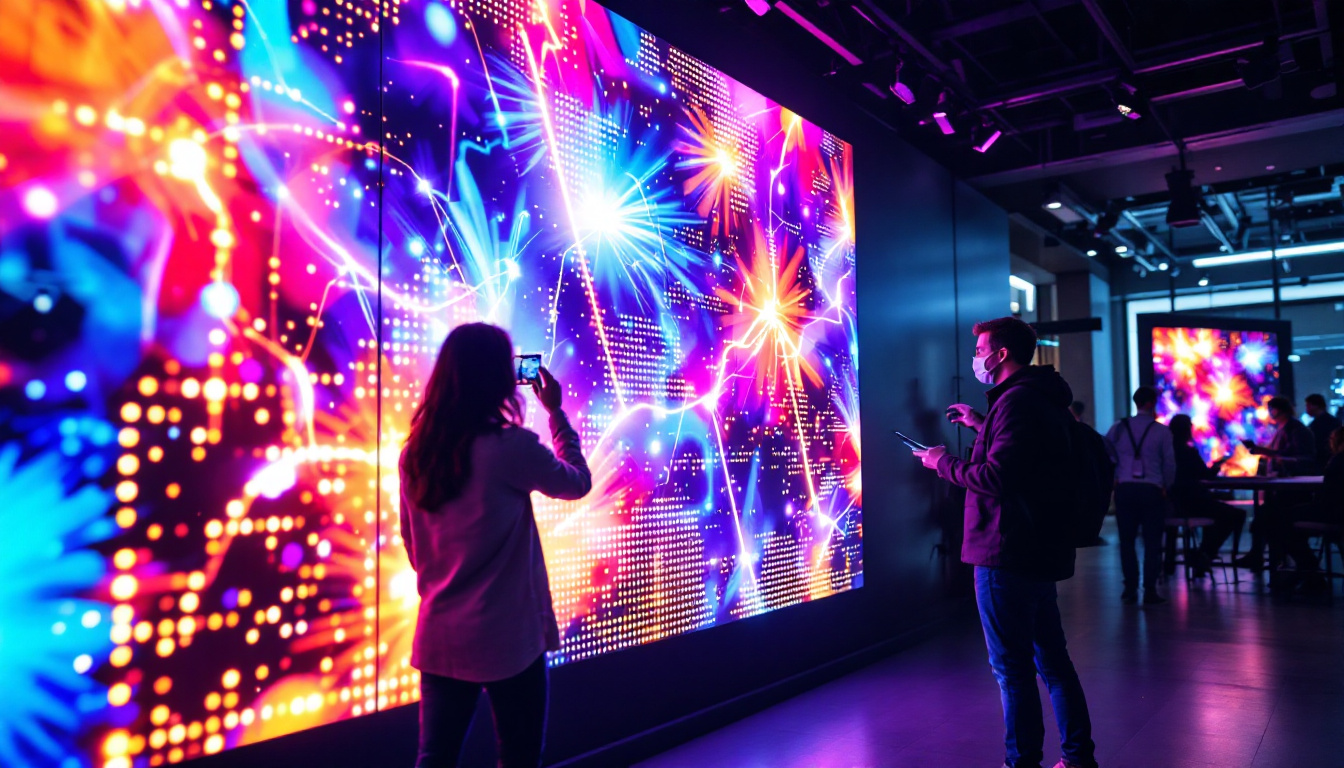
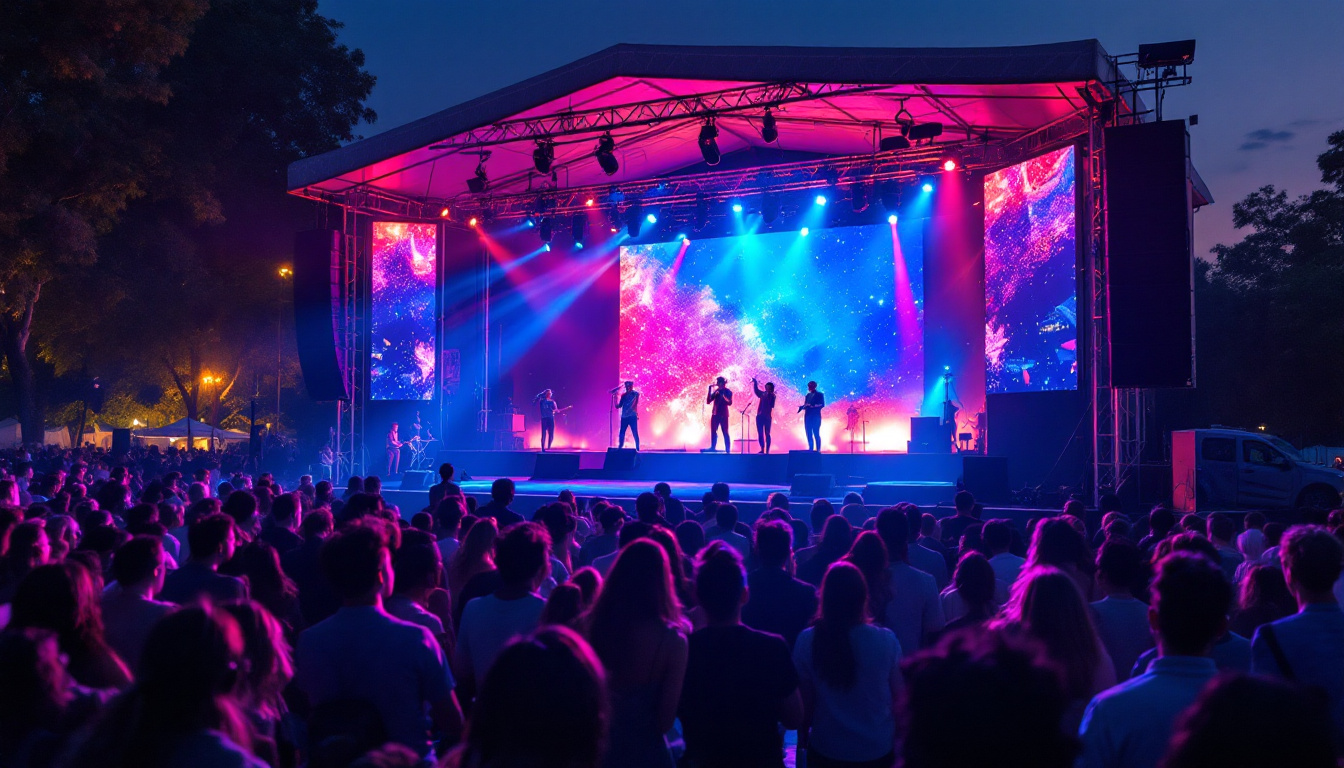
Businesses use LED signage for branding, internal communications, and event promotions. Conference centers and stadiums employ large-scale LED screens to display live feeds, advertisements, and interactive content, engaging audiences effectively. These screens can also be used for sponsorships, allowing brands to gain visibility during events while providing organizers with an additional revenue stream. Additionally, the integration of social media feeds into LED displays can create a more interactive experience for attendees, encouraging them to share their experiences online and engage with the event in real-time. This level of interaction not only enhances the event atmosphere but also extends its reach beyond the physical venue, creating a buzz that can attract future attendees.
Key Considerations When Choosing LED Signage
Selecting the right LED signage solution requires careful evaluation of several factors to ensure it aligns with business objectives and environmental conditions.
Resolution and Pixel Pitch
The resolution of an LED display is determined by its pixel pitch—the distance between individual pixels. A smaller pixel pitch means higher resolution and sharper images, which is crucial for close viewing distances. For outdoor billboards viewed from afar, a larger pixel pitch is acceptable and more cost-effective.
Brightness and Weather Resistance
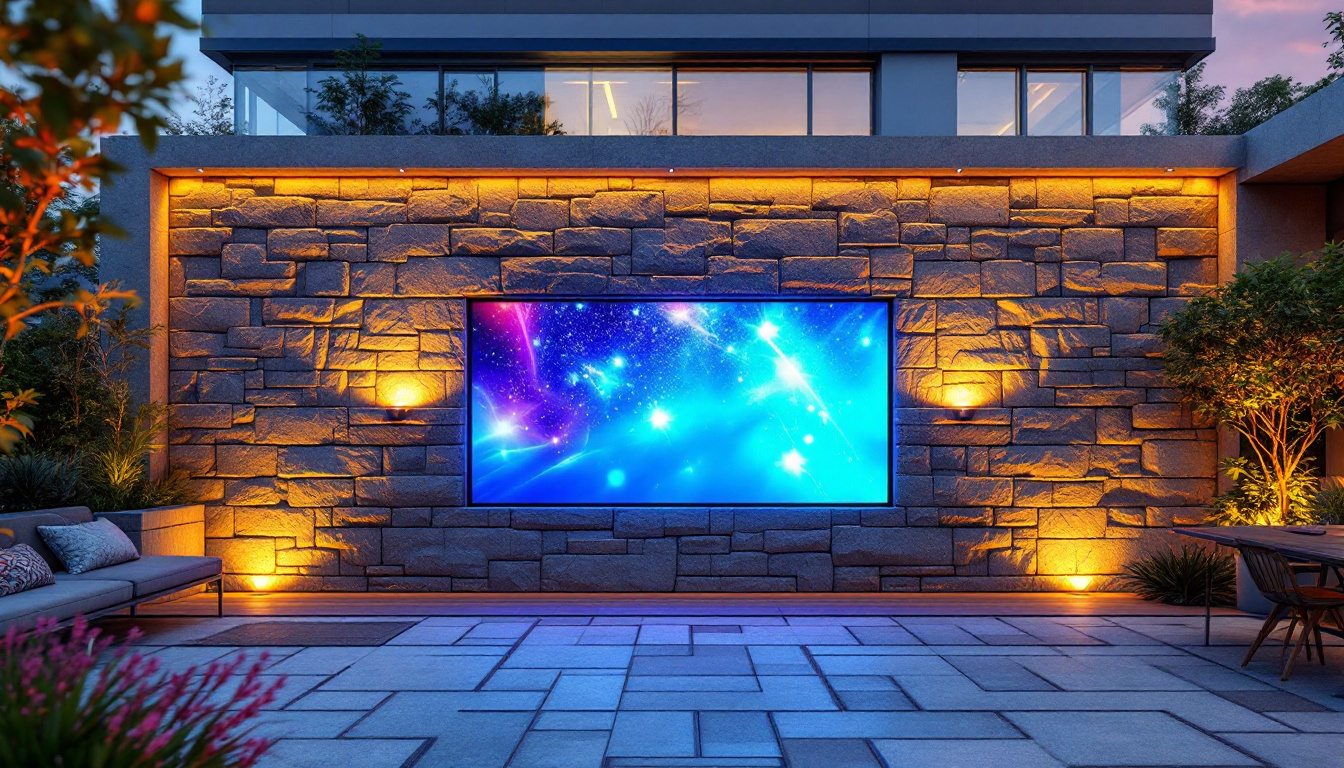
Brightness levels must be sufficient to overcome ambient light, especially for outdoor installations. LED signs typically offer brightness ranging from 2,000 to over 10,000 nits. Additionally, outdoor signs need to be weatherproof, with appropriate IP ratings to withstand rain, dust, and temperature fluctuations.
Content Management Systems (CMS)
The ease of managing and updating content is vital. Many LED signage providers offer user-friendly CMS platforms that enable businesses to schedule, customize, and monitor their displays remotely. Integration with other marketing tools and data analytics can further enhance the effectiveness of LED signage campaigns.
Compliance and Permits
Local regulations regarding signage size, brightness, and placement vary widely. Businesses should consult with municipal authorities to ensure compliance and obtain necessary permits before installation. This prevents legal issues and potential fines down the line.
Future Trends in LED Signage Technology
As LED technology continues to advance, new trends are shaping the future of digital signage.
Interactive and Touch-Enabled Displays
Interactive LED signage allows customers to engage directly with the content through touchscreens or motion sensors. This interactivity can enhance customer experience, provide personalized information, and collect valuable data for businesses.
Integration with Artificial Intelligence (AI)
AI-powered LED signage can analyze viewer demographics, behavior, and environmental factors to deliver targeted content in real time. This smart advertising approach increases relevance and effectiveness, driving higher engagement rates.
Energy Harvesting and Sustainable Solutions
Innovations in energy harvesting, such as solar-powered LED signs, are emerging to further reduce environmental impact. Coupled with energy-efficient designs, these solutions support corporate sustainability initiatives and reduce operational costs.
Conclusion
LED signage represents a powerful tool for businesses seeking to enhance visibility, engage customers, and communicate dynamically. Its brightness, flexibility, and energy efficiency make it a superior choice over traditional signage methods. By understanding the technology, benefits, and considerations involved, businesses can make informed decisions that maximize their marketing impact and return on investment.
As LED technology evolves, incorporating interactive features and AI-driven content will open new possibilities for personalized and impactful customer interactions. For businesses aiming to stay competitive and relevant, embracing LED signage is not just an option but a strategic imperative.
Discover LumenMatrix’s Innovative LED Solutions
Ready to elevate your brand’s presence and captivate your audience with dynamic, high-impact visuals? Look no further than LumenMatrix, a pioneer in LED display technology. From vibrant Indoor and Outdoor LED Wall Displays to versatile Vehicle and Sports LED Displays, and even revolutionary Transparent LED solutions, LumenMatrix offers a comprehensive range of products designed to revolutionize visual communication. Embrace the future of advertising and create unforgettable visual experiences with LumenMatrix’s LED display modules. Check out LumenMatrix LED Display Solutions today and transform the way your business connects with the world.