Understanding the relationship between millimeters and inches is essential in many technical fields, especially when dealing with LED displays. The measurement of 1.5 mm might seem small, but in the context of LED technology, it carries significant implications for display quality, pixel density, and viewing experience. This article explores the conversion of 1.5 mm to inches and delves into why this measurement matters in the design and performance of LED displays.
Converting 1.5 Millimeters to Inches
Millimeters and inches are two commonly used units of length measurement, with millimeters being part of the metric system and inches belonging to the imperial system. To convert millimeters to inches, the standard conversion factor is:
1 inch = 25.4 millimeters
Using this conversion, the calculation for 1.5 mm to inches is straightforward:
1.5 mm ÷ 25.4 mm/inch = 0.0590551 inches
Rounded to a practical precision, 1.5 mm is approximately 0.059 inches. This small fraction of an inch is critical when specifying pixel pitch in LED displays, which directly influences image clarity and resolution. In fact, the pixel pitch determines how closely pixels are spaced together, impacting not only the visual quality but also the viewing distance and overall user experience. A smaller pixel pitch allows for a higher resolution, making it essential for applications such as high-definition televisions, digital signage, and other display technologies.
Why Precision Matters in Conversion
In industries like electronics and display manufacturing, even tiny differences in measurements can affect product performance. For example, an incorrect conversion might lead to mismatched components or suboptimal display quality. Therefore, understanding and applying precise conversions ensures that designs meet their intended specifications and function correctly. Furthermore, in fields such as engineering and architecture, accurate conversions are vital for ensuring that structures and components fit together as intended, preventing costly errors and delays in project timelines. The ability to convert between metric and imperial units with confidence is a skill that can enhance collaboration across international teams, where different measurement systems are often used.
Moreover, as globalization continues to shape industries, the need for seamless communication regarding measurements becomes increasingly important. Professionals who can navigate both metric and imperial systems not only enhance their own versatility but also contribute to a more integrated workflow. This adaptability can lead to innovative solutions and improved efficiency in product development, as teams can share ideas and designs without the barriers posed by differing measurement standards. In this context, mastering conversions like 1.5 mm to inches is not just a mathematical exercise; it’s a crucial competency that supports the advancement of technology and design across various sectors.
What Is Pixel Pitch in LED Displays?
Pixel pitch is a fundamental concept in LED display technology. It refers to the distance from the center of one LED pixel to the center of the adjacent pixel, usually measured in millimeters. Pixel pitch determines the density of pixels on a display and directly impacts the resolution and viewing distance.
How 1.5 mm Pixel Pitch Influences Display Quality
A pixel pitch of 1.5 mm means that the LEDs are spaced 1.5 millimeters apart. This is considered a fine pitch for LED displays, suitable for high-resolution screens used in close viewing environments such as control rooms, broadcast studios, and retail displays.
Smaller pixel pitches, like 1.5 mm, provide higher pixel density, resulting in sharper images and smoother video playback. This is because more pixels fit into the same physical area, allowing for greater detail and less visible pixelation. The result is a viewing experience that captivates audiences, making it ideal for applications where clarity and detail are paramount, such as digital signage in museums or high-end advertising in shopping malls.
Comparing Pixel Pitches: 1.5 mm vs. Larger Pitches
To understand the significance of a 1.5 mm pixel pitch, it helps to compare it with larger pitches such as 3 mm or 5 mm:
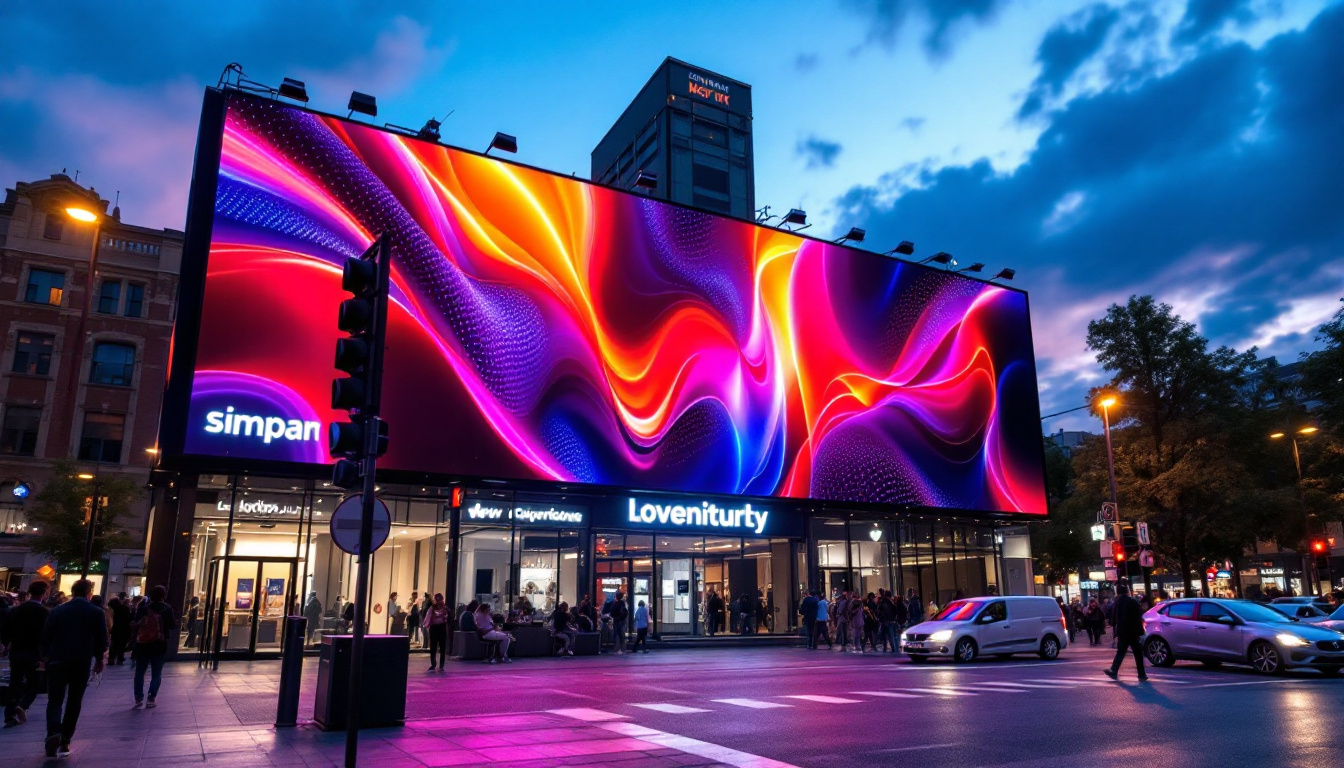
- 3 mm pixel pitch: LEDs spaced 3 millimeters apart, suitable for medium viewing distances like outdoor billboards or stadium displays.
- 5 mm pixel pitch: LEDs spaced 5 millimeters apart, typically used for large-scale outdoor signage viewed from long distances.
While larger pixel pitches are more cost-effective and suitable for distant viewing, they lack the fine detail and clarity required for close-range applications. The 1.5 mm pitch strikes a balance by offering high resolution while still being practical for various indoor uses. Additionally, the advancements in LED technology have made it possible to produce displays with even smaller pixel pitches, such as 1 mm or less, which are becoming increasingly popular in high-end applications like virtual reality environments and immersive experiences.
Moreover, the choice of pixel pitch can also influence the overall design and aesthetic of a space. For instance, in a corporate setting, a 1.5 mm pixel pitch display can serve as a dynamic centerpiece, showcasing vibrant graphics and live data feeds that enhance communication and engagement. In contrast, larger pixel pitches might be more appropriate for outdoor installations where the primary goal is visibility from afar, such as advertising campaigns or event promotions. Understanding the nuances of pixel pitch not only aids in selecting the right display for a specific application but also plays a crucial role in optimizing the viewer’s experience.
Applications of 1.5 mm Pixel Pitch LED Displays
LED displays with a 1.5 mm pixel pitch are increasingly popular in environments where image quality and detail are paramount. Their high resolution and vibrant color reproduction make them ideal for several applications.
Broadcast Studios and Control Rooms
In broadcast studios, LED walls with fine pixel pitch are used as dynamic backgrounds or information displays. The 1.5 mm pitch allows for crisp graphics and seamless video playback, enhancing the production value. Similarly, control rooms benefit from these displays by having clear, detailed visuals for monitoring critical data.
Corporate and Retail Environments
Corporate lobbies and retail stores use 1.5 mm pixel pitch LED displays to attract attention and convey messages with high visual impact. The fine pixel pitch ensures that even viewers standing close to the screen experience excellent image quality without visible pixel grids.
Event and Exhibition Spaces
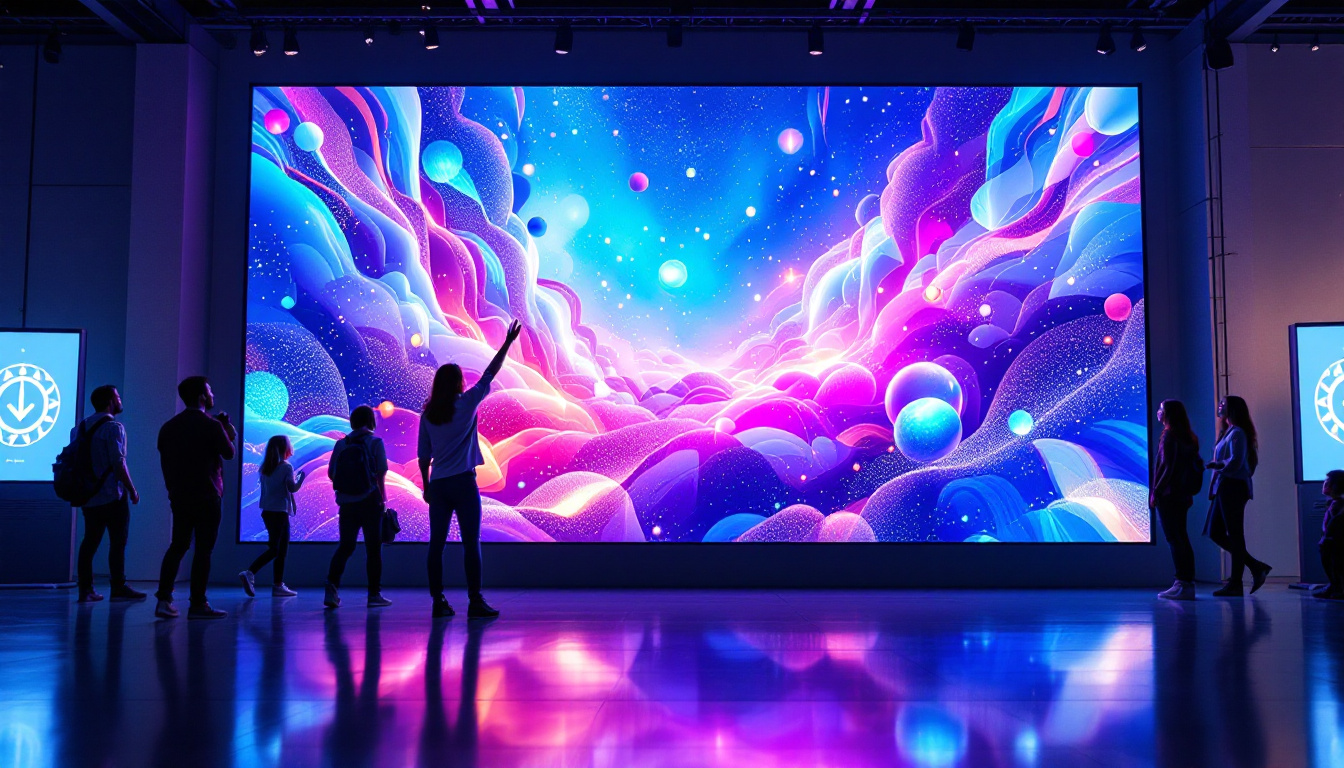
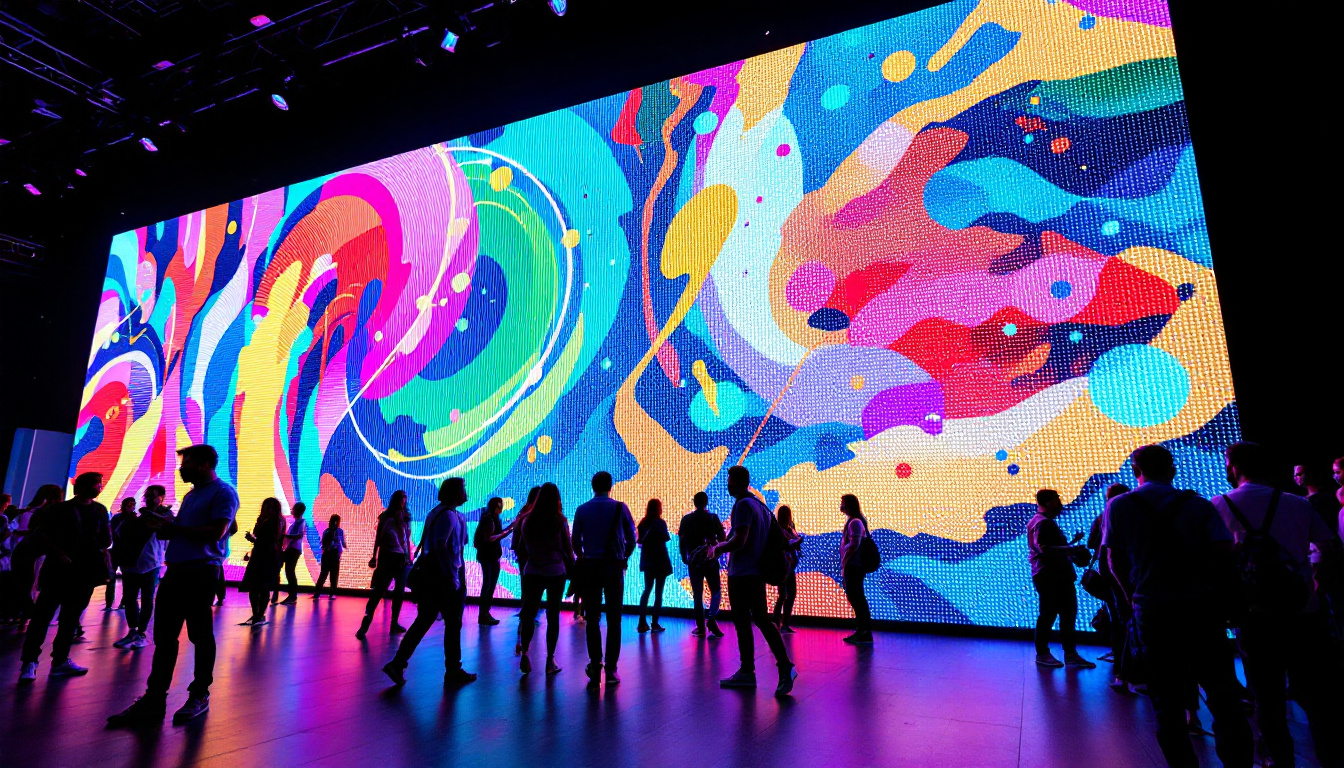
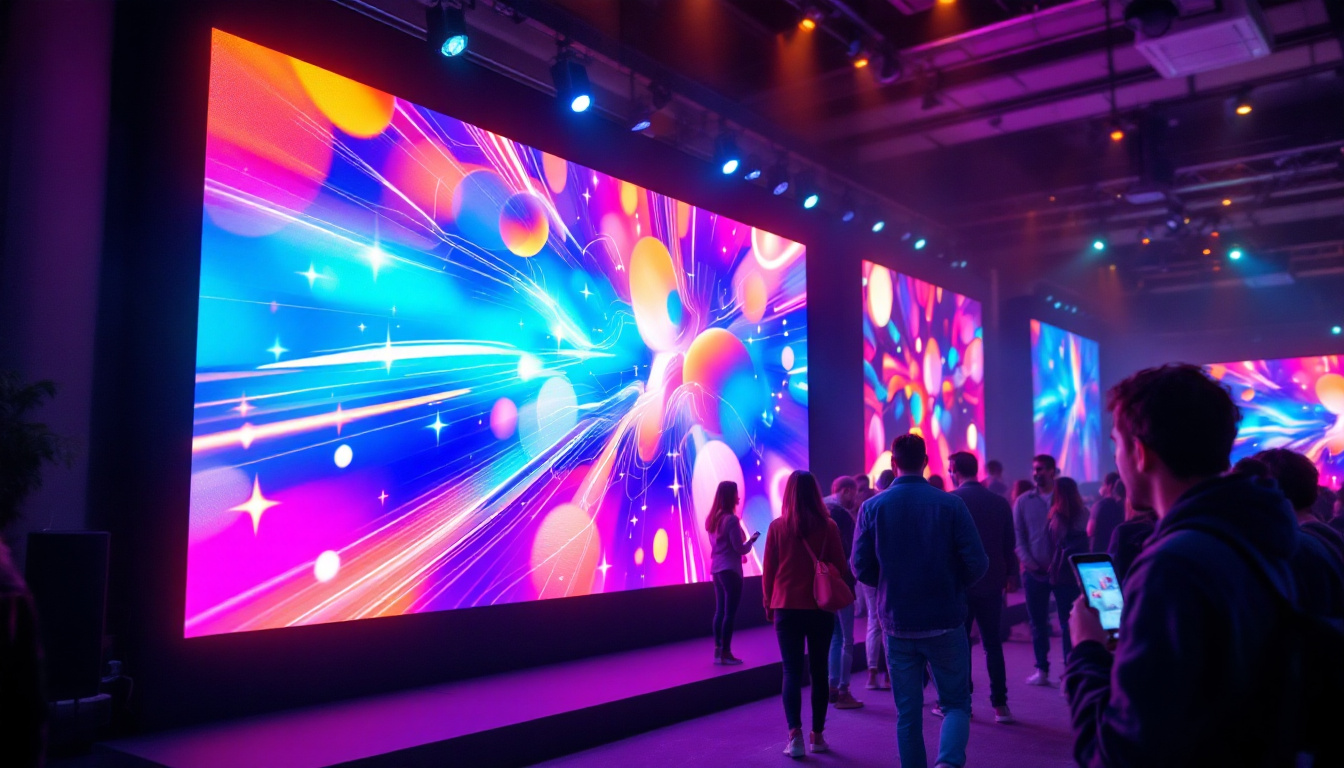
Trade shows and exhibitions often employ fine pitch LED displays to showcase products and presentations. The ability to display high-resolution content makes 1.5 mm pixel pitch LEDs a preferred choice for immersive and engaging experiences.
Technical Considerations for 1.5 mm LED Displays
While the benefits of a 1.5 mm pixel pitch are clear, there are technical factors to consider when choosing or designing such LED displays.
Manufacturing Complexity and Cost
Producing LED modules with a 1.5 mm pitch requires advanced manufacturing techniques and precise assembly. The smaller the pitch, the more LEDs are packed into a given area, increasing the complexity and cost of production. This translates into higher prices for fine pitch displays compared to those with larger pitches.
Power Consumption and Heat Dissipation
Higher pixel density means more LEDs per square meter, which can lead to increased power consumption and heat generation. Effective thermal management is essential to maintain performance and longevity of the display. Manufacturers often incorporate heat sinks and cooling systems to address these challenges.
Installation and Maintenance
Fine pitch LED displays require careful installation to ensure uniformity and alignment. Maintenance can also be more demanding due to the density of components, necessitating specialized tools and expertise for repairs or replacements.
Understanding Viewing Distance and Resolution
The optimal viewing distance for an LED display is closely related to its pixel pitch. For a 1.5 mm pitch, the recommended minimum viewing distance is typically around 1.5 meters (approximately 5 feet). At this distance, the human eye perceives a smooth and detailed image without noticing individual pixels.
Calculating Pixel Density
Pixel density, often expressed in pixels per inch (PPI), is a useful metric to compare display resolutions. To calculate PPI for a 1.5 mm pixel pitch:
1. Convert 1.5 mm to inches: 1.5 mm ÷ 25.4 = 0.059 inches
2. Calculate pixels per inch: 1 ÷ 0.059 ≈ 17 pixels per inch
A pixel density of 17 PPI is quite high for large-format LED displays, contributing to the sharpness and clarity of the content displayed.
Impact on Content Creation
High-resolution LED displays with fine pixel pitch require content that matches their capabilities. Low-resolution images or videos may appear pixelated or blurry. Therefore, content creators must produce media at resolutions that leverage the display’s full potential, ensuring a visually pleasing experience.
Future Trends in LED Display Technology
LED technology continues to evolve rapidly, with pixel pitches becoming increasingly smaller to meet the demand for higher resolution and better image quality. Displays with pitches below 1 mm are already emerging, pushing the boundaries of what is possible in visual performance.
MicroLED and Beyond
MicroLED technology represents the next frontier, featuring even smaller LEDs that offer superior brightness, contrast, and energy efficiency. While still in the early stages of commercial adoption, MicroLED displays promise to revolutionize the industry by delivering unparalleled image quality at various sizes and pixel pitches.
Integration with Smart Technologies
Modern LED displays are increasingly integrated with smart systems, enabling features such as real-time content updates, interactive capabilities, and advanced color calibration. These innovations enhance the utility and versatility of LED displays across industries.
Conclusion
Converting 1.5 mm to inches reveals a small but significant measurement of approximately 0.059 inches, a crucial figure in the world of LED displays. The 1.5 mm pixel pitch represents a fine balance between resolution, cost, and practical application, making it ideal for environments that demand high image quality at close viewing distances.
Understanding this measurement helps professionals in design, manufacturing, and content creation optimize LED display performance. As technology advances, the importance of precise measurements and pixel pitch will only grow, driving the development of ever more impressive visual experiences.
Explore Cutting-Edge LED Display Solutions with LumenMatrix
Ready to elevate your visual communication with high-resolution LED displays? LumenMatrix offers a wide range of innovative LED display solutions tailored to your needs. From Indoor and Outdoor LED Walls to specialized displays for Vehicles, Sports, and Custom applications, our products are designed to captivate and engage your audience. Experience the perfect blend of technology and creativity with our All-in-One and Transparent LED Displays. Don’t miss the opportunity to transform your space and message into an unforgettable visual experience. Check out LumenMatrix LED Display Solutions today and see the difference precision and quality can make.