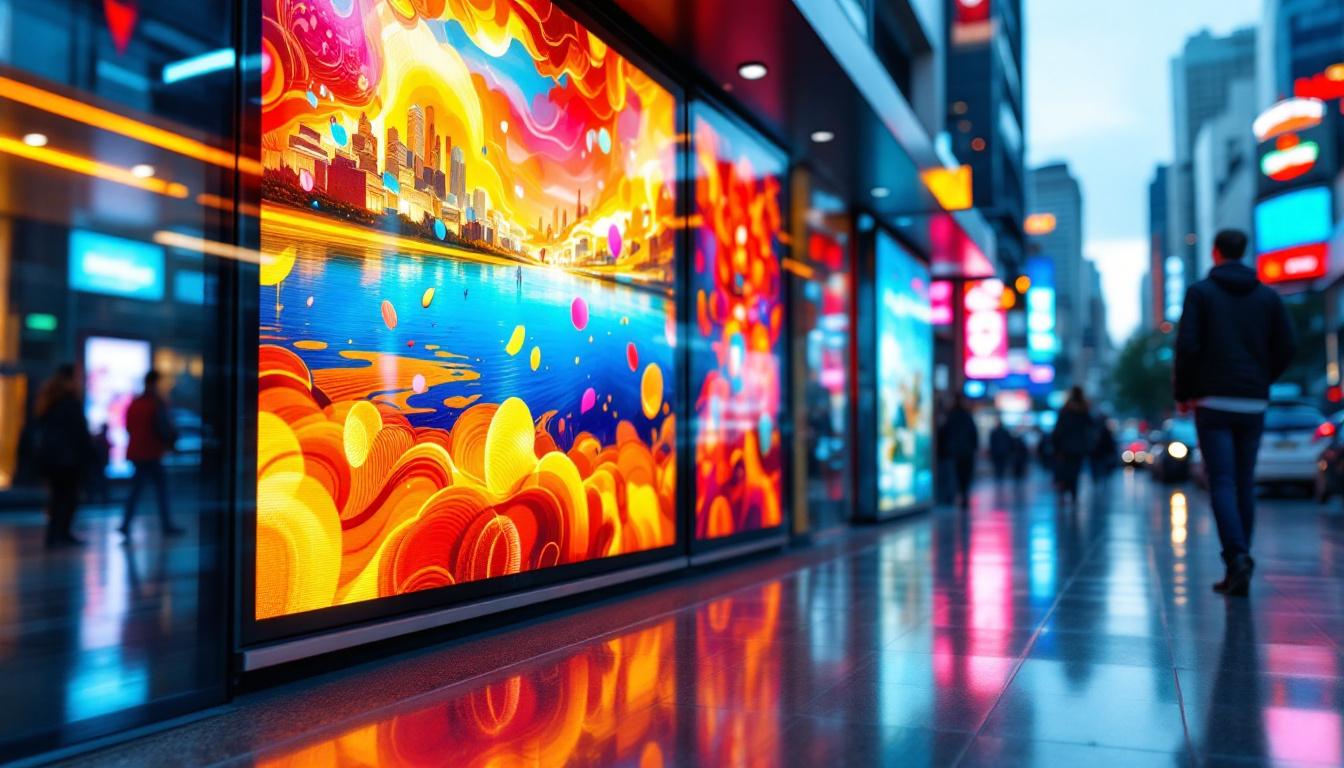
In the rapidly evolving world of digital communication, digital signage has emerged as a powerful tool for businesses, public spaces, and advertisers alike. Among the various technologies powering digital signage, LED displays stand out for their brightness, versatility, and visual impact. This article delves into the fundamentals of digital signage television using LED display technology, explaining how it works, why it’s preferred, and what future trends are shaping its development.
Understanding Digital Signage and LED Displays
What is Digital Signage?
Digital signage refers to the use of digital screens to convey information, advertisements, or messages to a targeted audience. Unlike traditional static signs, digital signage can display dynamic content such as videos, animations, and real-time updates. It is commonly found in retail stores, transportation hubs, corporate environments, and public venues.
The core advantage of digital signage is its ability to engage viewers with vivid, changing content that can be tailored to specific times, locations, or demographics. This adaptability makes it a highly effective marketing and communication medium. For instance, a retail store can display promotional offers during peak shopping hours while showcasing brand stories or customer testimonials during quieter times. This flexibility not only enhances customer experience but also maximizes the return on investment for businesses.
Moreover, digital signage can be integrated with social media feeds, allowing businesses to display user-generated content, reviews, or live tweets. This interactivity fosters a sense of community and encourages customer participation, further amplifying the reach and impact of the messaging. As technology continues to evolve, the possibilities for digital signage are expanding, making it an essential tool for modern communication strategies.
The Role of LED Displays in Digital Signage
LED (Light Emitting Diode) displays are a popular choice for digital signage because of their exceptional brightness, energy efficiency, and durability. LED technology uses tiny light-emitting diodes to create images by controlling the intensity and color of each diode. This modular approach allows for screens of virtually any size and shape, from small indoor panels to massive outdoor billboards.
Compared to other display technologies like LCD or projection, LEDs offer superior visibility in bright environments, making them ideal for outdoor and high-traffic indoor locations. Their long lifespan and low maintenance requirements also contribute to their widespread adoption in digital signage applications. Additionally, advancements in LED technology have led to the development of finer pixel pitches, enabling higher resolution displays that can deliver stunning visuals even at close viewing distances.
Furthermore, LED displays can be easily synchronized to create immersive experiences, such as video walls that captivate audiences at events or exhibitions. The ability to customize content for different locations and audiences enhances the effectiveness of advertising campaigns, allowing brands to communicate their messages in innovative ways. As the demand for eye-catching and interactive displays continues to rise, LED technology is at the forefront of transforming how information is presented and consumed in public spaces.
How LED Displays Work in Digital Signage Television
Basic Structure of an LED Display
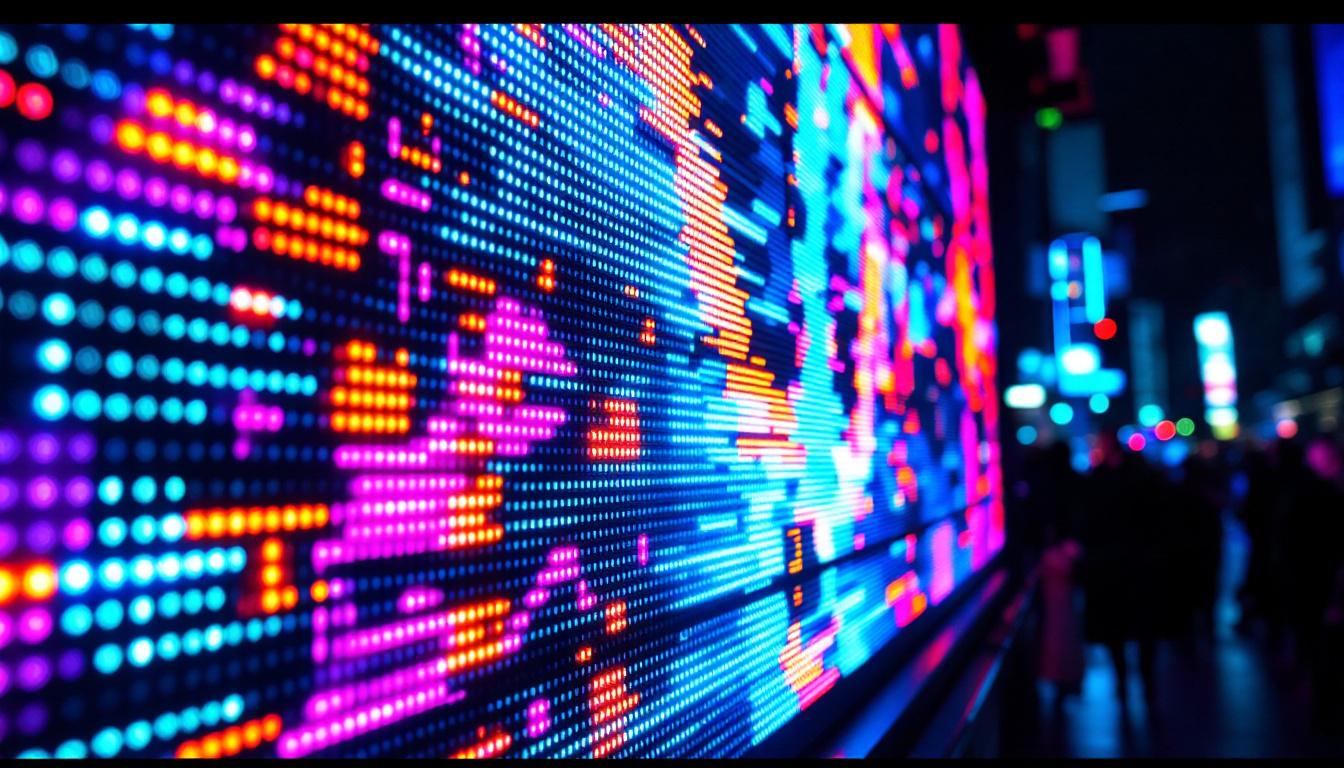
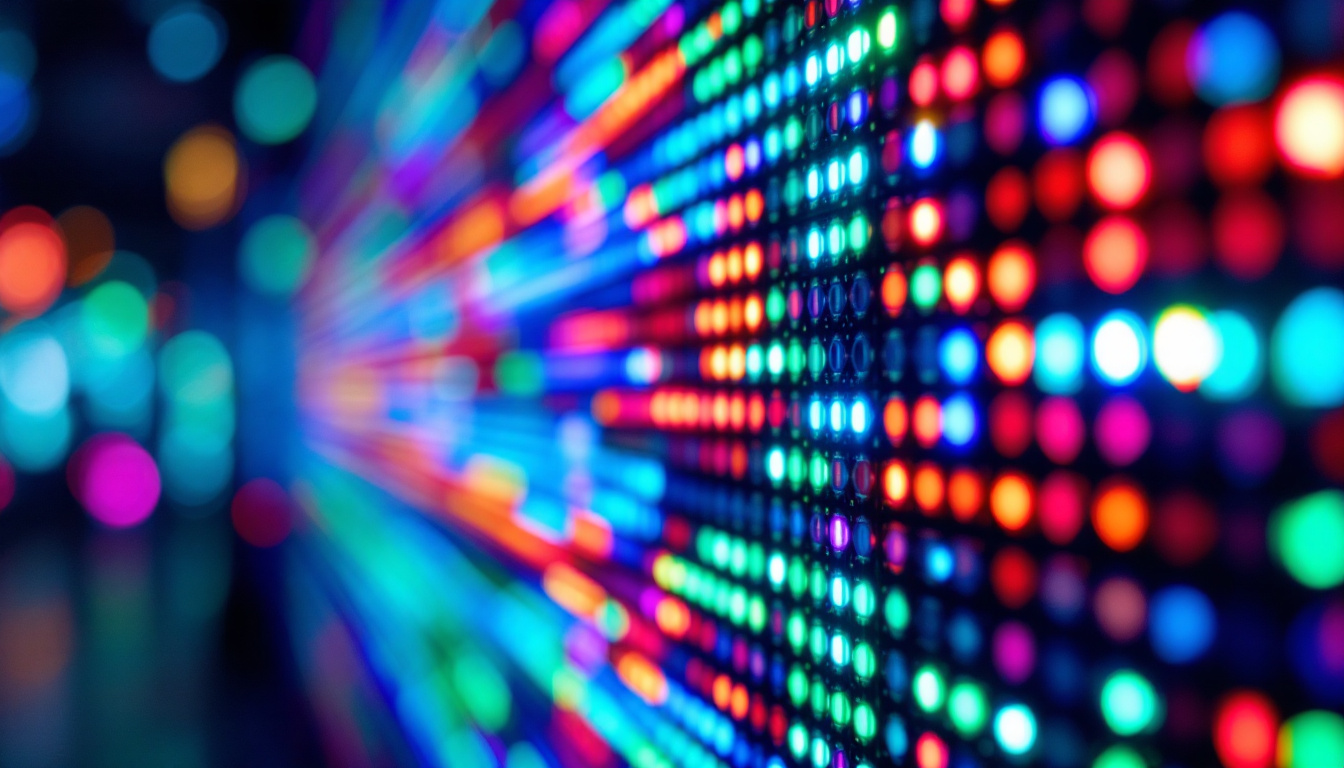
An LED display consists of thousands to millions of individual LEDs arranged in a grid. Each LED acts as a pixel, emitting light in red, green, or blue to produce a full-color image through a process called additive color mixing. By adjusting the brightness of each LED, the display can render detailed images and videos with vibrant colors and deep contrasts.
Modern LED displays use surface-mounted device (SMD) LEDs, which are compact and allow for high pixel density. This results in sharper images and smoother video playback, crucial for maintaining viewer engagement in digital signage.
Pixel Pitch and Resolution
One of the key technical specifications of an LED display is the pixel pitch, which is the distance between the centers of two adjacent LEDs. A smaller pixel pitch means higher resolution and better image clarity, especially important for close viewing distances typical in indoor signage.
For example, indoor LED displays often have a pixel pitch ranging from 1.2 mm to 4 mm, while outdoor displays generally have larger pitches (6 mm to 20 mm or more) to accommodate longer viewing distances. Choosing the right pixel pitch is essential to balance cost, image quality, and viewing environment.
Brightness and Contrast
Brightness is a critical factor in digital signage, especially for outdoor installations exposed to direct sunlight. LED displays can achieve brightness levels exceeding 5,000 nits, far surpassing traditional LCD screens. This ensures content remains visible and impactful even in bright daylight conditions.
Contrast ratio, the difference between the darkest black and the brightest white a display can produce, also influences image quality. LEDs naturally provide high contrast due to their ability to turn off individual diodes completely, resulting in deep blacks and vivid colors that enhance visual appeal.
Applications and Benefits of LED Digital Signage Television
Retail and Advertising
Retailers leverage LED digital signage to attract customers, promote products, and enhance the shopping experience. Dynamic content can highlight special offers, new arrivals, or interactive promotions, increasing customer engagement and sales conversion rates.
According to a study by the Digital Signage Federation, 80% of consumers notice digital signage in stores, and 68% say it influences their purchasing decisions. The high visibility and flexibility of LED displays make them an ideal medium for impactful retail advertising.
Transportation and Public Spaces
Airports, train stations, and bus terminals use LED signage to provide real-time information such as schedules, delays, and safety announcements. The durability and brightness of LED displays ensure that vital information is accessible to travelers at all times.
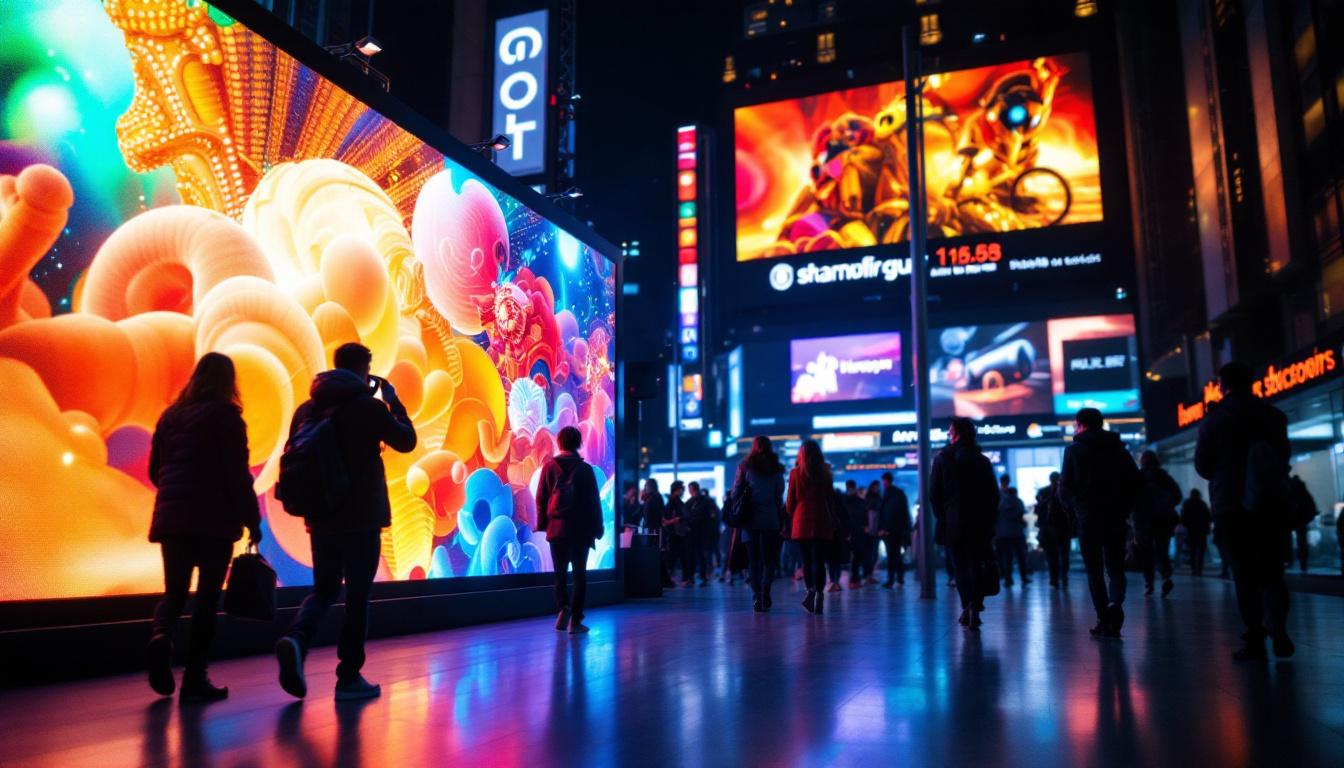
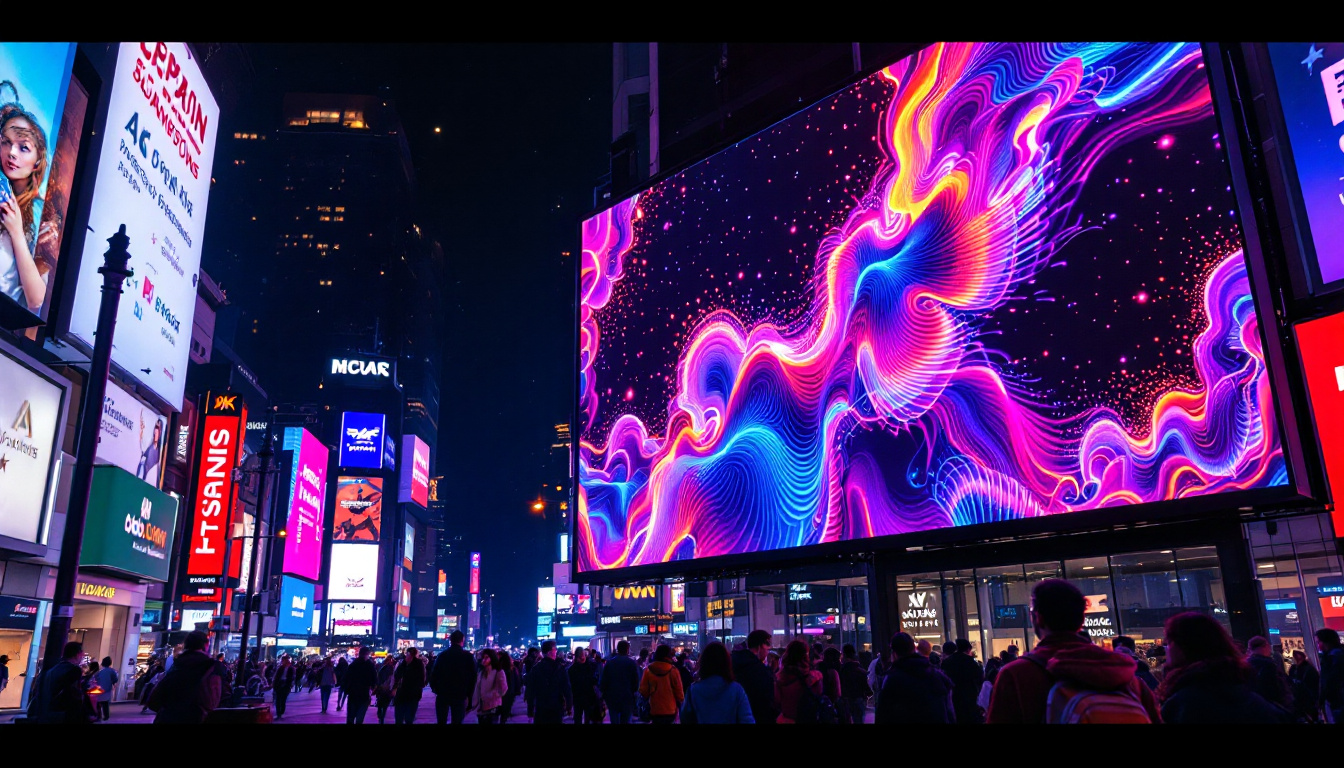
In urban environments, LED billboards and digital kiosks enhance city aesthetics while delivering public service messages, event promotions, and emergency alerts. Their ability to update content remotely and instantly is invaluable for managing communication in dynamic settings.
Corporate and Educational Environments
Corporations utilize LED digital signage for internal communications, branding, and visitor engagement. Large LED video walls can display presentations, live feeds, and motivational content in lobbies and conference rooms.
Educational institutions also adopt LED displays for campus announcements, event promotions, and interactive learning tools. The flexibility of LED signage supports a variety of content formats, making it a versatile communication platform.
Choosing the Right LED Display for Your Digital Signage Needs
Indoor vs. Outdoor Displays
When selecting an LED display, understanding the environment is crucial. Indoor LED displays prioritize high resolution and color accuracy due to closer viewing distances and controlled lighting conditions. They often feature finer pixel pitches and sleek designs to blend with interior aesthetics.
Outdoor LED displays must withstand weather elements, temperature fluctuations, and intense sunlight. They typically have higher brightness levels, rugged enclosures, and larger pixel pitches to maintain visibility from afar.
Size and Viewing Distance Considerations
The physical size of the LED display should align with the intended viewing distance. Larger screens with bigger pixel pitches are suitable for wide-open spaces, while smaller, high-resolution displays are better for close-up interactions.
For example, a digital menu board in a restaurant might use a 2 mm pixel pitch LED panel measuring a few feet across, while a stadium scoreboard could be a massive LED wall with a 16 mm pitch visible from hundreds of feet away.
Content Management and Integration
Effective digital signage requires seamless content management systems (CMS) that allow users to schedule, update, and customize content remotely. Many LED display manufacturers offer integrated CMS solutions or support third-party platforms for ease of use.
Integration with sensors, cameras, and data feeds can enhance interactivity and personalization, making digital signage more engaging and relevant to viewers.
Future Trends in LED Digital Signage Television
Advancements in MicroLED Technology
MicroLED is an emerging display technology that promises even higher brightness, better energy efficiency, and improved color accuracy compared to conventional LEDs. MicroLED displays use microscopic LEDs to create pixels, allowing for ultra-high resolution and thinner, lighter screens.
While still in early stages of commercial adoption, MicroLED could revolutionize digital signage by enabling flexible, transparent, and curved displays with unprecedented visual quality.
Interactive and AI-Driven Signage
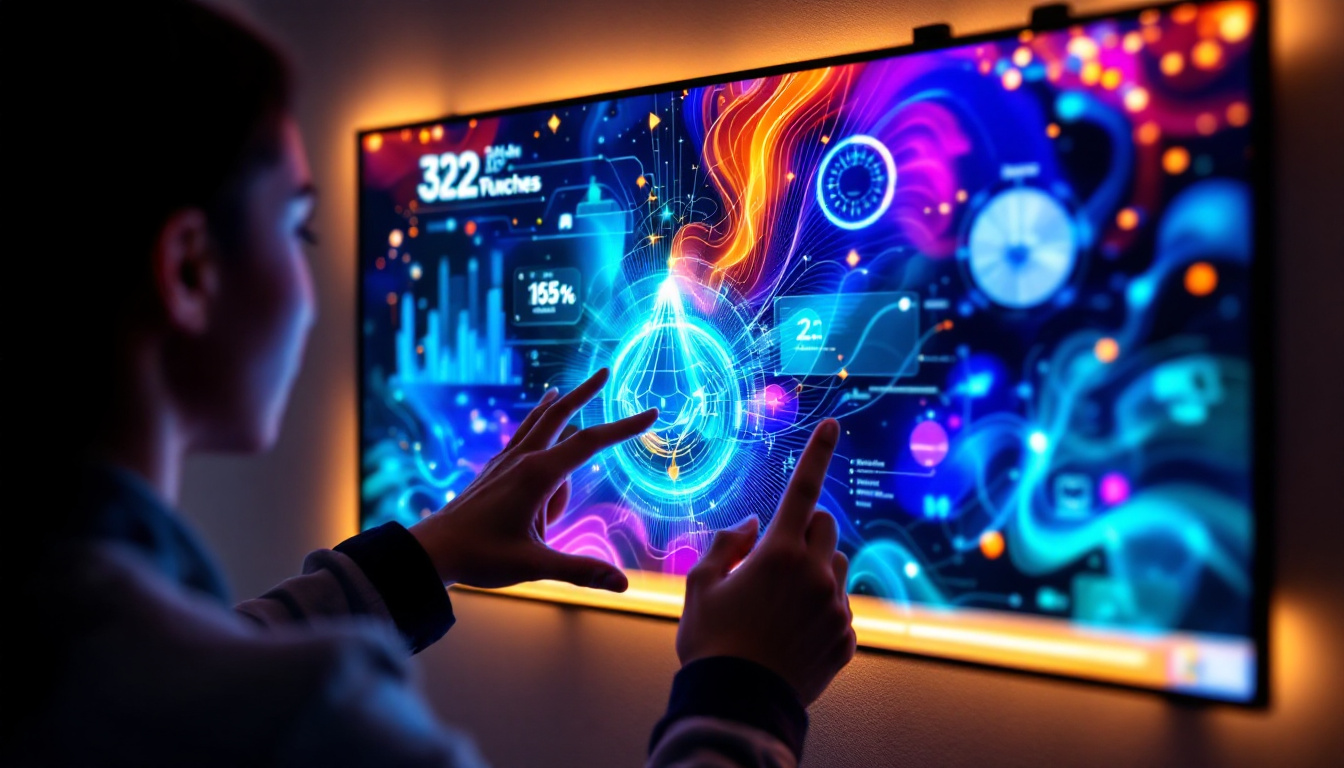
Interactivity is becoming a key feature in digital signage. Touch-enabled LED displays, gesture recognition, and AI-powered content personalization are transforming static screens into dynamic communication hubs that respond to audience behavior.
Artificial intelligence can analyze viewer demographics, preferences, and engagement patterns to deliver targeted content, maximizing the effectiveness of digital signage campaigns.
Sustainability and Energy Efficiency
As environmental concerns grow, the digital signage industry is focusing on sustainability. LED displays are inherently energy-efficient compared to older technologies, but ongoing innovations aim to reduce power consumption further and use eco-friendly materials.
Recyclability, longer product lifespans, and smart power management systems contribute to greener digital signage solutions that align with corporate social responsibility goals.
Conclusion
LED display technology has become the backbone of modern digital signage television, offering unparalleled brightness, flexibility, and visual impact. Its ability to deliver dynamic, high-quality content in diverse environments makes it an indispensable tool for businesses, public institutions, and advertisers.
Understanding the technical aspects such as pixel pitch, brightness, and resolution, alongside practical considerations like environment and content management, is essential for selecting the right LED display solution. Looking ahead, innovations like MicroLED and AI-driven interactivity promise to elevate digital signage to new heights, making it more engaging, efficient, and sustainable.
For anyone invested in digital communication and advertising, LED digital signage represents a compelling blend of technology and creativity that continues to shape how messages are delivered and experienced worldwide.
Explore Cutting-Edge LED Solutions with LumenMatrix
Ready to harness the power of LED digital signage for your business? Discover LumenMatrix’s innovative range of LED display modules, designed to elevate your brand’s visibility and captivate your audience. From Indoor and Outdoor LED Wall Displays to specialized solutions like Vehicle LED Displays, LED Posters, and even Custom LED Displays, LumenMatrix is at the forefront of revolutionizing visual communication. Experience the future of dynamic and impactful messaging with our state-of-the-art LED display solutions. Check out LumenMatrix LED Display Solutions today and transform the way you connect with your audience.