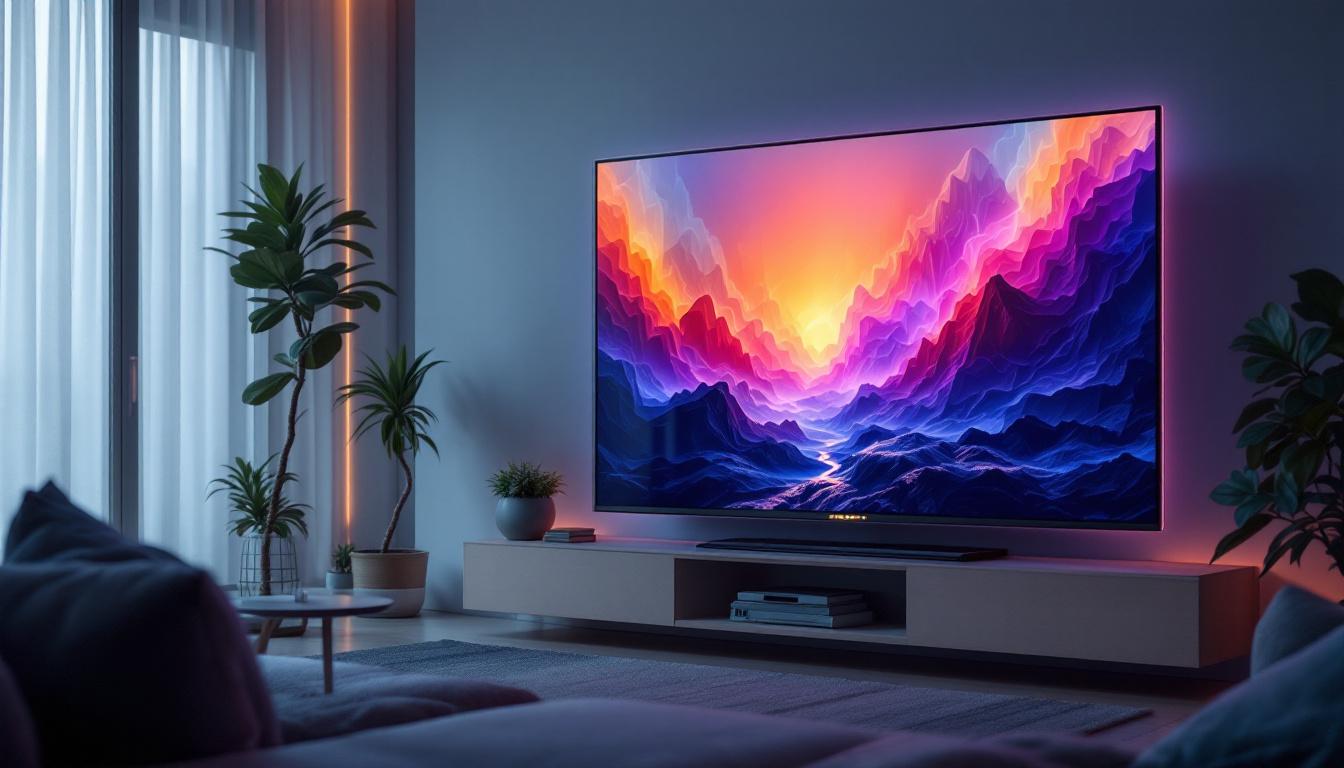
In the realm of modern television technology, the bezel—the frame surrounding the screen—plays a surprisingly significant role in both the aesthetics and functionality of LED displays. As consumers increasingly demand sleek designs and immersive viewing experiences, understanding the intricacies of TV bezels and LED display technology becomes essential. This article explores the concept of TV bezels, the evolution of LED displays, and how these elements combine to shape today’s home entertainment landscape.
Understanding the TV Bezel: More Than Just a Frame
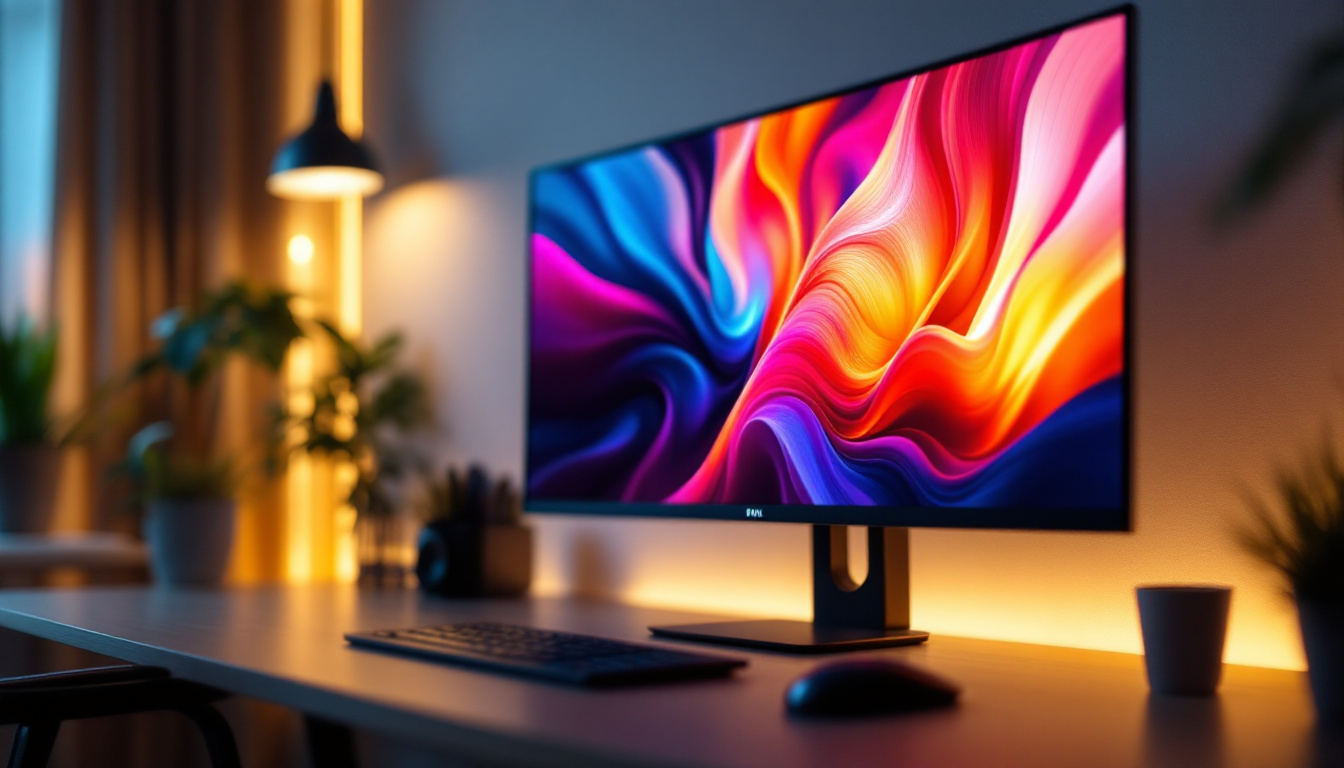
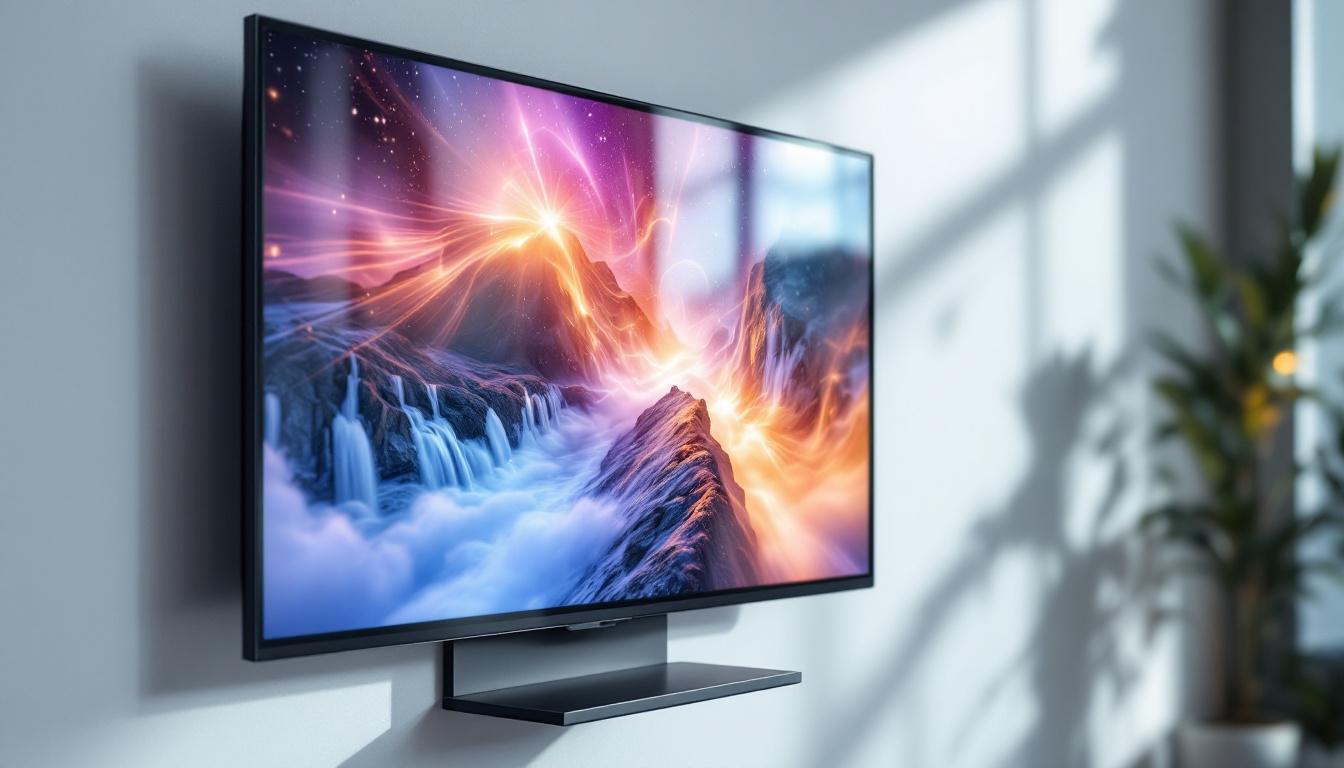
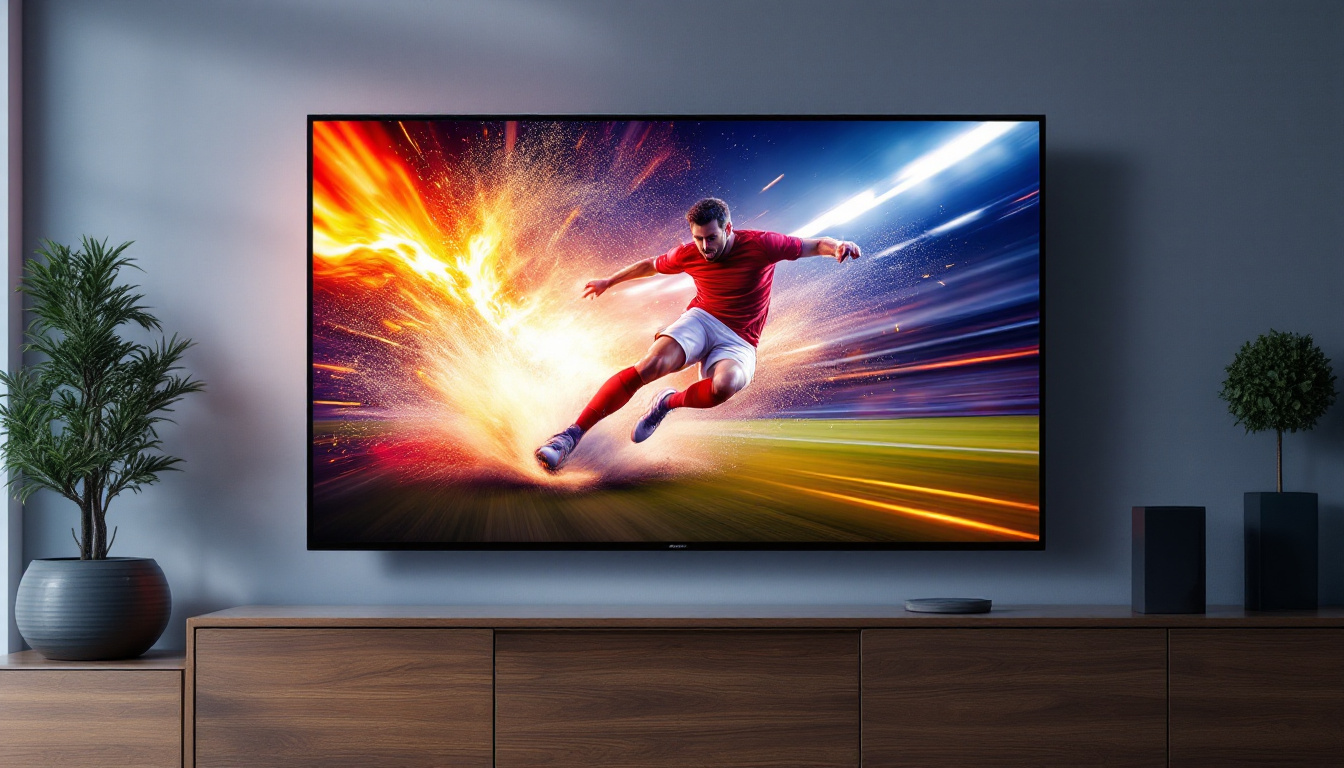
The bezel is the border or frame that encases the display panel of a television. Historically, bezels were quite prominent, often several centimeters thick, housing not only the screen but also essential components like speakers and control buttons. However, as technology advanced, the bezel has become thinner and less obtrusive, aligning with consumer preferences for minimalist and immersive designs.
Today’s TV bezels serve multiple purposes beyond mere decoration. They protect the delicate edges of the LED display, provide structural integrity, and sometimes incorporate functional elements such as ambient lighting or touch controls. The thickness and design of the bezel can influence the overall viewing experience, especially in multi-screen setups or wall-mounted configurations. In fact, many modern televisions are designed with a focus on aesthetics, aiming to blend seamlessly into home environments, making them not just a device for viewing but also a piece of art that complements interior design.
As the trend towards larger screens continues, manufacturers are also exploring ways to integrate bezels into the overall design language of the television. Some models feature bezels that can change color or texture, allowing users to customize their TV to match their living space. This level of personalization not only enhances the visual appeal but also fosters a deeper connection between the viewer and the device, as the television becomes a more integral part of the home decor.
The Impact of Bezel Size on Viewing Experience
One of the key trends in television design is the reduction of bezel size, often referred to as “bezel-less” or “borderless” displays. This design approach maximizes screen real estate and minimizes distractions, allowing viewers to focus entirely on the content. According to a 2023 report by DisplayMate, TVs with ultra-thin bezels can enhance immersion by up to 15%, particularly in larger screen sizes exceeding 65 inches.
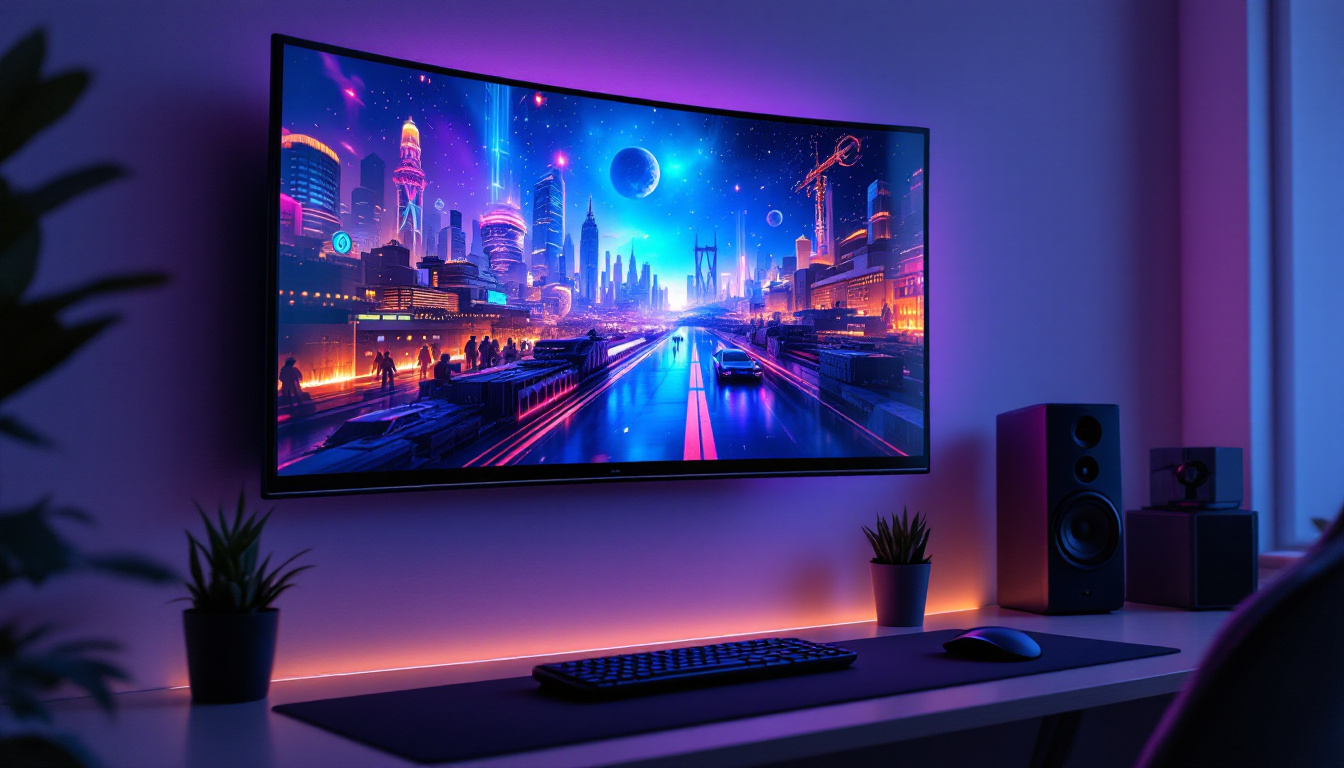
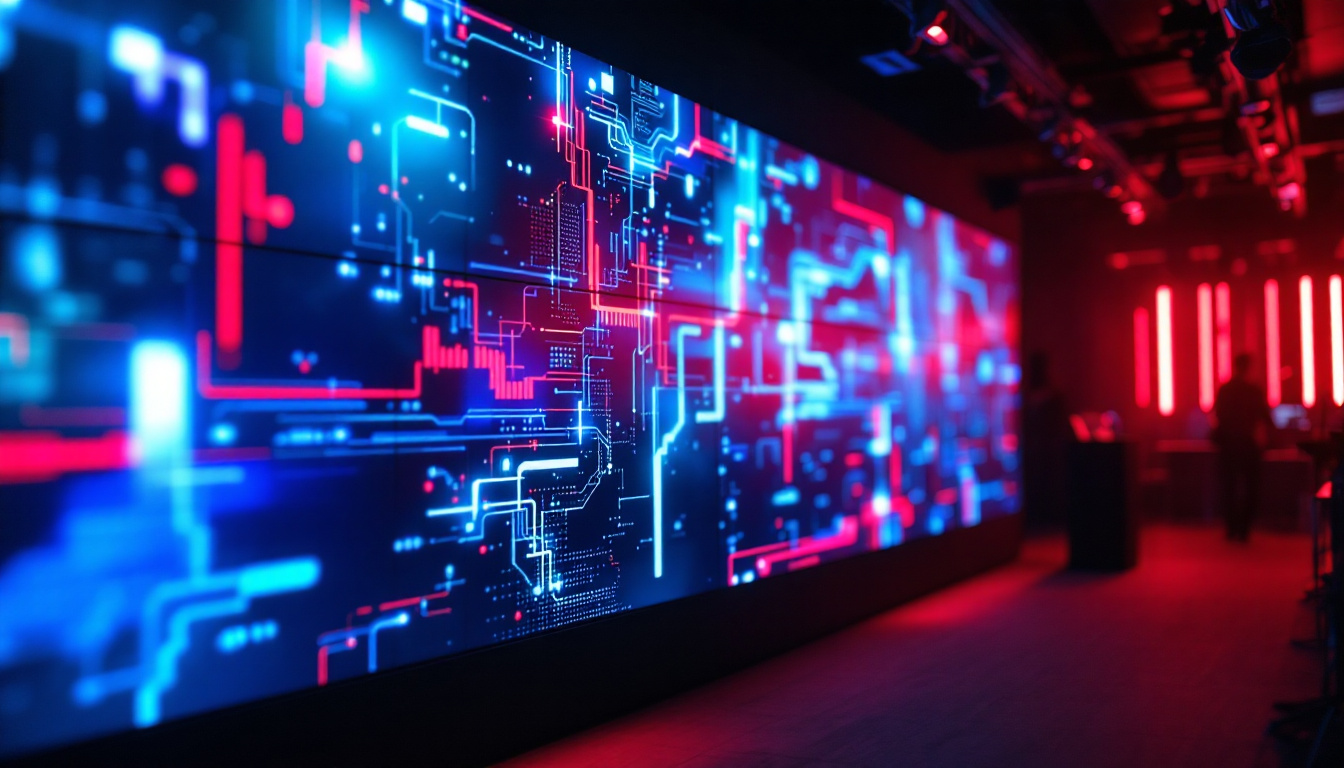
Moreover, thin bezels are crucial for multi-display setups, such as video walls or gaming rigs, where multiple screens are placed side by side. Narrow bezels reduce the visible gap between screens, creating a more seamless and cohesive visual experience. This is especially important for gamers and professionals who rely on expansive visuals for an immersive experience, as even the slightest interruption in the display can detract from the overall impact of the content. In this context, the bezel becomes an essential element in achieving a unified display that enhances both productivity and entertainment.
Material and Design Innovations
Manufacturers employ various materials for bezels, including aluminum, plastic, and glass composites. Premium models often feature metal or glass bezels that add durability and a high-end aesthetic. Innovations like micro-edge and infinity-edge designs push the boundaries of bezel thinness while maintaining structural strength.
Additionally, some TVs incorporate adaptive bezel lighting, which adjusts color and brightness based on the content displayed, enhancing ambiance and reducing eye strain during extended viewing sessions. This feature not only improves the viewing experience but also adds a layer of sophistication to the television, making it a dynamic part of the room’s atmosphere. Furthermore, advancements in manufacturing techniques have allowed for the integration of bezels with smart technology, enabling features like voice control and gesture recognition, which further blur the lines between traditional viewing and interactive media experiences.
LED Display Technology: The Heart of Modern TVs
LED (Light Emitting Diode) technology revolutionized television displays by offering improved brightness, energy efficiency, and color accuracy compared to earlier LCD and plasma screens. Understanding how LED displays work is fundamental to appreciating the role of the bezel and overall TV design.
How LED Displays Work
LED TVs are essentially LCD panels illuminated by an array of LEDs. The LCD (Liquid Crystal Display) panel controls the passage of light to create images, but it requires a backlight to be visible. In LED TVs, this backlight is provided by LEDs, which can be arranged in different configurations:
- Edge-lit LED: LEDs are placed along the edges of the screen, shining light across the panel. This design allows for thinner TVs but can lead to uneven brightness.
- Direct-lit LED: LEDs are positioned directly behind the screen for more uniform lighting but result in thicker panels.
- Full-array LED with local dimming: A grid of LEDs behind the screen can be dimmed or brightened in zones, improving contrast and black levels significantly.
These configurations affect not only picture quality but also the design constraints, including bezel thickness and heat dissipation requirements. The choice of LED configuration can also influence the viewing experience, as edge-lit models may struggle with consistent brightness across larger screens, while full-array models can deliver a more immersive experience with rich, vibrant colors and deep contrasts that enhance cinematic moments.
Mini-LED and Micro-LED: The Next Generation
Recent advancements have introduced Mini-LED and Micro-LED technologies, which use much smaller LEDs to provide even finer control over lighting and contrast. Mini-LED TVs feature thousands of tiny LEDs in the backlight, enabling hundreds of dimming zones. This results in deeper blacks and brighter highlights, rivaling OLED performance in some cases. The increased number of dimming zones allows for a more dynamic range of brightness, making scenes with both dark shadows and bright highlights appear more realistic and visually stunning.
Micro-LED technology takes this further by using microscopic LEDs that emit their own light, eliminating the need for a separate backlight. This self-emissive property allows for perfect blacks, exceptional brightness, and longer lifespan without burn-in issues. However, Micro-LED TVs are currently expensive and primarily targeted at premium markets. As production techniques improve and costs decrease, it is anticipated that Micro-LED technology will become more accessible to mainstream consumers, potentially transforming the landscape of home entertainment. Additionally, the modular nature of Micro-LED panels allows for customizable screen sizes and shapes, paving the way for innovative designs that can fit any living space or viewing preference.
How Bezel Design and LED Technology Interact
The design of the bezel is closely intertwined with the underlying LED display technology. As LED technology evolves, it influences bezel dimensions, materials, and features, while bezel design can also impact the performance and user experience of the display.
Thermal Management and Structural Considerations
LED displays generate heat, especially in high-brightness models with full-array backlighting. The bezel often houses ventilation components or heat sinks to dissipate this heat effectively. Thinner bezels pose engineering challenges in maintaining adequate cooling without compromising the TV’s slim profile.
Manufacturers use advanced materials and internal layouts to balance heat management with aesthetic goals. For example, aluminum bezels can act as heat spreaders, while innovative internal frames provide rigidity without adding bulk.
Enhancing Immersion with Bezel-Less Designs
As LED technology allows for thinner panels and better light control, bezel-less designs have become more feasible. The reduction or elimination of the bezel enhances immersion by minimizing visual interruptions. This is particularly important for applications like gaming, home theaters, and digital signage.
Furthermore, bezel-less designs often incorporate edge-to-edge glass panels that protect the screen while maintaining a sleek look. This glass can be treated with anti-reflective coatings to reduce glare, further improving viewing comfort.
Practical Considerations for Consumers
When selecting an LED TV, understanding bezel and display technology can help consumers make informed decisions that align with their needs and preferences.
Choosing the Right Bezel Size
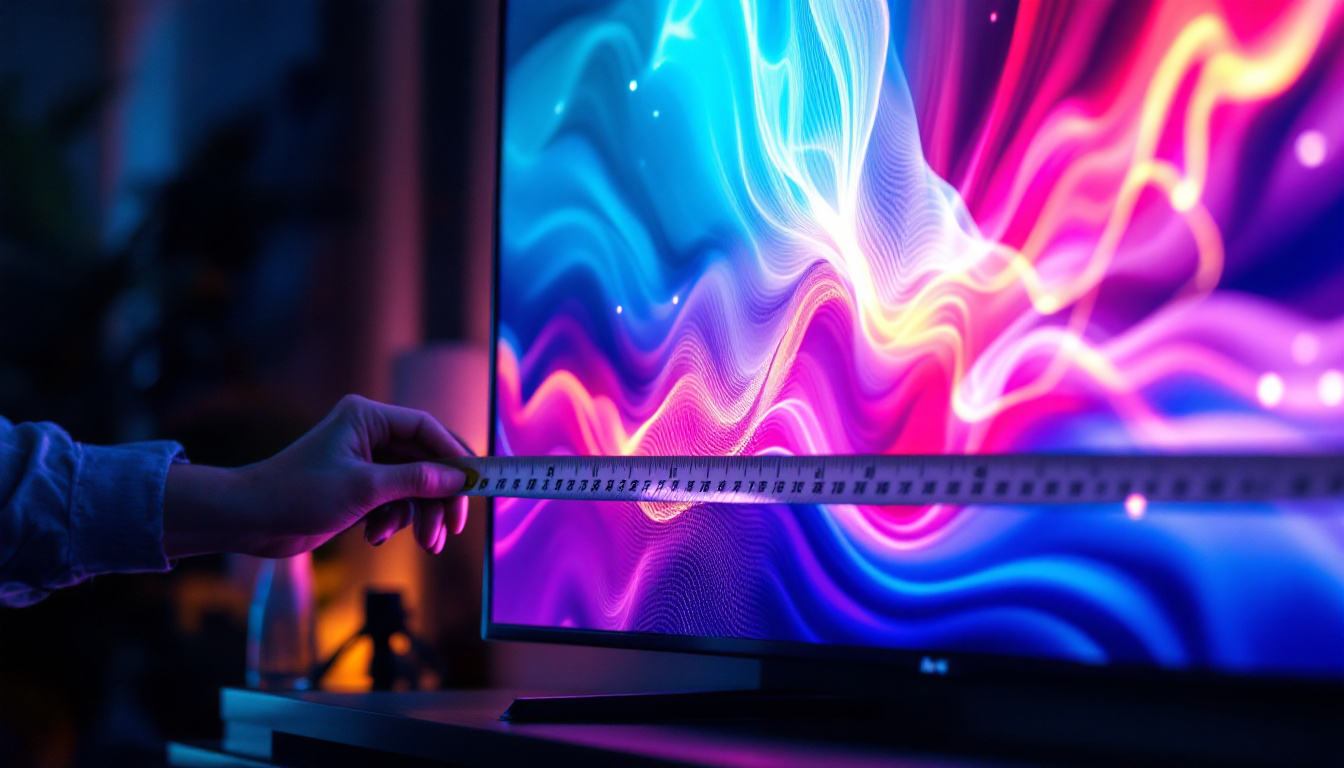
For most home users, bezel size is a matter of personal taste and room aesthetics. Those who prioritize a sleek, modern look may prefer ultra-thin bezels, while others might value durability and integrated features found in slightly thicker frames.
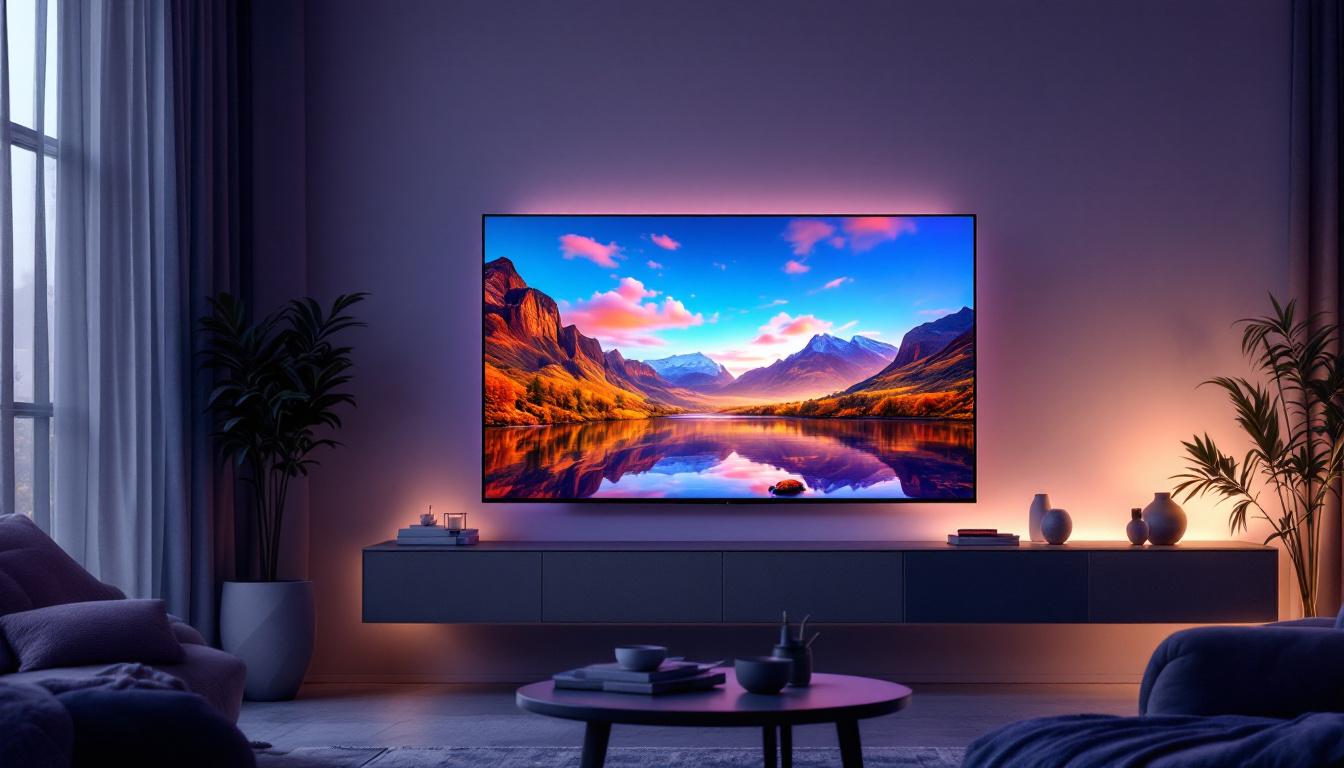
In multi-screen setups or wall-mounted installations, thin bezels are advantageous for creating a seamless visual experience. Retail environments and control rooms often use video walls where bezel size can significantly impact the display’s effectiveness.
Balancing Picture Quality and Design
While bezel design is important, picture quality remains paramount. Full-array LED TVs with local dimming typically offer superior contrast and black levels compared to edge-lit models, though they may have slightly thicker bezels due to the backlight arrangement.
Consumers should weigh the trade-offs between bezel thinness and display performance. For instance, a TV with a slightly thicker bezel but better local dimming capabilities might deliver a more satisfying viewing experience overall.
Future-Proofing with Advanced LED Technologies
Investing in TVs with Mini-LED or emerging Micro-LED technology can provide longer-term benefits, including improved brightness, contrast, and durability. These technologies often come with design innovations that influence bezel construction, such as enhanced heat management and protective glass layers.
As prices for advanced LED TVs continue to decline, these options are becoming more accessible to mainstream consumers, making it worthwhile to consider them when upgrading home entertainment systems.
Conclusion: The Symbiosis of Bezel and LED Display
The TV bezel and LED display technology are integral components that together define the viewing experience. Advances in LED backlighting and panel design have enabled thinner, more immersive displays, while bezel innovations ensure durability, heat management, and aesthetic appeal.
For consumers, understanding these elements helps in selecting the right television that balances style, performance, and longevity. As LED technology continues to evolve, the bezel will remain a key design element, shaping how viewers engage with their favorite content in increasingly sophisticated ways.
Discover the Future of Home Entertainment with LumenMatrix
Ready to elevate your viewing experience with the latest in LED display technology? LumenMatrix is at the forefront of innovation, offering an array of LED display solutions that bring your content to life. From immersive Indoor LED Wall Displays to dynamic Outdoor LED Wall Displays, and from versatile Vehicle LED Displays to sleek LED Poster Displays, our products are designed to captivate and engage. Explore our cutting-edge LED Sports Displays, interactive Floor LED Displays, customizable Custom LED Displays, convenient All-in-One LED Displays, and stunning LED Transparent Displays. Embrace the revolution in visual communication and enhance your brand’s visibility with LumenMatrix. Check out LumenMatrix LED Display Solutions today and transform your space into a hub of innovation and style.