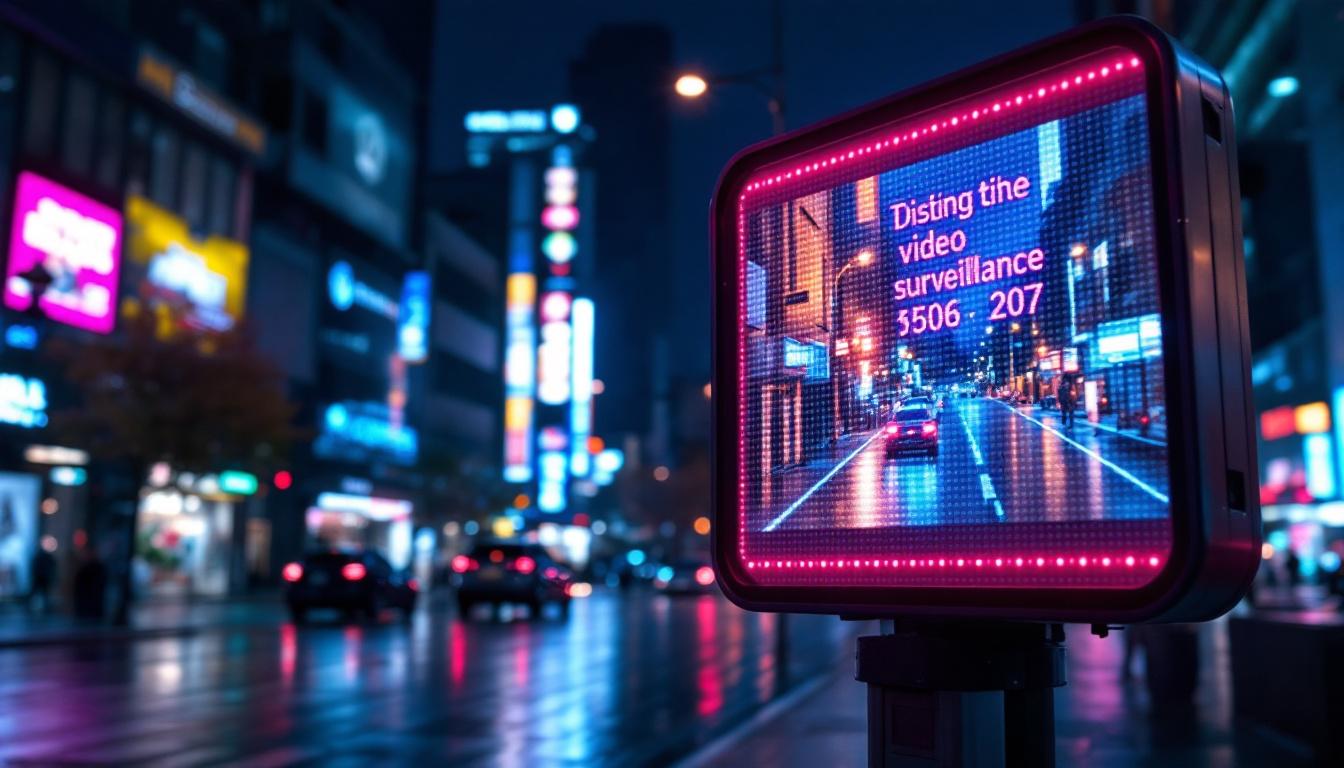
In today’s security-conscious world, video surveillance has become a cornerstone of protecting property, deterring crime, and ensuring safety. However, the presence of cameras alone is often not enough to maximize their effectiveness. This is where video surveillance signs, particularly those with LED displays, play a crucial role. These signs not only alert individuals to the presence of surveillance but also enhance deterrence through dynamic messaging.
This article explores the significance of video surveillance signs with LED displays, their benefits, technological features, legal considerations, and best practices for implementation. Whether you manage a commercial property, residential complex, or public space, understanding how these signs work can help you optimize your security strategy.
The Role of Video Surveillance Signs in Security
Deterrence Through Visibility
One of the primary purposes of video surveillance signs is to act as a deterrent. Research consistently shows that visible warnings about surveillance reduce the likelihood of criminal activity. According to a study by the University of North Carolina, the presence of security signs can reduce property crime by up to 50%. This is because potential offenders are less likely to target areas where they know they are being watched.
LED video surveillance signs amplify this effect by providing a bright, clear, and often customizable message that is hard to miss. Unlike static signs, LED displays can catch the eye even in low-light conditions or adverse weather, making them highly effective for 24/7 deterrence. The dynamic nature of LED signs allows for the integration of real-time alerts or messages, which can further enhance their effectiveness. For instance, a sign can display specific warnings about recent criminal activity in the area, thereby increasing the perceived risk for potential wrongdoers and reinforcing the message that the premises are under constant surveillance.
Enhancing Awareness and Compliance
Beyond deterring crime, these signs serve to inform employees, visitors, and the general public about ongoing surveillance. This transparency helps ensure compliance with security policies and legal requirements. For example, many jurisdictions mandate that individuals be notified when they are under video surveillance, and LED signs provide a straightforward way to meet this obligation.
Moreover, clear signage can improve the overall perception of safety in a space, which is beneficial for businesses aiming to create a welcoming environment for customers and staff. The presence of surveillance signs can also foster a sense of community responsibility, as individuals become more aware of their surroundings and the importance of reporting suspicious behavior. Additionally, these signs can be strategically placed in high-traffic areas, ensuring that they are seen by as many people as possible, thus maximizing their impact. In environments such as schools or public parks, this heightened awareness can contribute to a culture of vigilance, where everyone plays a part in maintaining safety and security.
Understanding LED Display Technology in Surveillance Signage
How LED Displays Work
LED, or Light Emitting Diode, technology uses semiconductor devices that emit light when an electric current passes through them. In the context of surveillance signs, LEDs are arranged in a matrix to form characters, symbols, or even animations. This allows for dynamic, changeable messages rather than fixed text.
Modern LED displays are energy-efficient, durable, and capable of producing bright, high-contrast visuals that remain visible from long distances. These attributes make them ideal for outdoor security signage where visibility is paramount.
Customization and Flexibility
One of the key advantages of LED surveillance signs is their flexibility. Messages can be programmed to change based on time of day, security alerts, or specific events. For instance, a sign might display a general warning during business hours and switch to a more urgent message during after-hours or in response to detected motion.
Some advanced systems even integrate with surveillance software to display real-time alerts or instructions, enhancing situational awareness for both security personnel and the public.
Integration with Other Security Systems
LED surveillance signs can be part of a broader security ecosystem. When connected to cameras, motion sensors, or access control systems, these signs can provide immediate visual feedback. For example, a sign might light up or flash when motion is detected in a restricted area, warning intruders and alerting security staff simultaneously.
This level of integration not only improves response times but also increases the overall effectiveness of the surveillance system.
Legal and Ethical Considerations for Video Surveillance Signage
Compliance with Privacy Laws
While video surveillance is a powerful security tool, it must be balanced with privacy rights. Many countries and states have specific regulations requiring that individuals be notified when they are being recorded. Failure to provide adequate notice can result in legal penalties and undermine trust.
LED video surveillance signs are an excellent way to fulfill these legal requirements. By clearly informing people about surveillance, organizations demonstrate transparency and respect for privacy.
Placement and Content Guidelines
To comply with laws and maximize effectiveness, signs must be placed in visible locations where they can be easily seen before entering monitored areas. The content should be straightforward, such as “This Area is Under Video Surveillance” or “CCTV in Operation.”
LED signs offer the advantage of displaying messages in multiple languages or switching between messages to accommodate diverse audiences. This inclusivity is particularly important in public spaces or multicultural environments.
Ethical Use and Public Perception
Beyond legal compliance, ethical considerations include ensuring that surveillance and signage do not infringe on individual dignity or create a sense of undue surveillance anxiety. Transparent communication through clear signage helps build public trust and supports a positive security culture.
Organizations should avoid overly aggressive or ambiguous messages that might be perceived as intimidating or invasive. Instead, the focus should be on safety, awareness, and respect.
Best Practices for Implementing LED Video Surveillance Signs
Choosing the Right Signage
Selecting the appropriate LED sign depends on factors such as location, size of the area, ambient lighting, and the specific security goals. Signs intended for large outdoor spaces require higher brightness and larger displays to ensure visibility from a distance, while indoor signs can be smaller and less intense.
Durability is also important; signs should be weather-resistant and vandal-proof to maintain functionality over time.
Message Design and Frequency
Effective messaging is clear, concise, and easy to understand at a glance. Avoid cluttering the display with too much information. Instead, focus on key phrases that convey the presence of surveillance and any relevant instructions or warnings.
Additionally, consider the frequency and timing of message changes. Constantly changing messages can attract attention but may also cause distraction or confusion if not managed properly.
Maintenance and Monitoring
Regular maintenance ensures that LED signs remain operational and visible. This includes cleaning, software updates, and checking for any physical damage. Integrating sign status monitoring into the overall security system can alert staff to issues promptly.
Periodic reviews of the sign’s effectiveness, including feedback from security personnel and visitors, can help optimize messaging and placement.
Case Studies: LED Video Surveillance Signs in Action
Retail Environments
Major retail chains have adopted LED surveillance signs to reduce shoplifting and enhance customer safety. For example, a national retailer reported a 30% decrease in theft incidents after installing LED signs that flashed warnings when motion was detected near high-value merchandise.
The dynamic nature of these signs also allowed the retailer to update messages seasonally or during special promotions, maintaining customer engagement while reinforcing security.
Public Transportation Hubs
In busy transit stations, LED surveillance signs serve a dual purpose: deterring crime and providing safety information. Cities have implemented signs that not only warn about video surveillance but also display emergency instructions or alerts, improving overall passenger security and communication.
Residential Complexes
Gated communities and apartment complexes use LED surveillance signs to inform residents and visitors about monitoring systems. These signs contribute to a safer living environment by discouraging trespassing and unauthorized access.
Residents report feeling more secure knowing that surveillance is both active and clearly communicated.
Future Trends in Video Surveillance Signage
Smart and Interactive Displays
The future of LED surveillance signs lies in smarter, more interactive technology. Integration with artificial intelligence (AI) and the Internet of Things (IoT) will enable signs to adapt messages based on real-time data, such as crowd density, weather conditions, or security alerts.
For instance, signs could automatically switch to emergency evacuation instructions during a crisis or display personalized messages to authorized personnel.
Energy Efficiency and Sustainability
As sustainability becomes a priority, manufacturers are developing LED signs with lower power consumption and recyclable materials. Solar-powered signs are also gaining traction, allowing for installation in remote locations without access to electrical grids.
Enhanced Visual and Audio Features
Combining LED visuals with audio alerts can create multi-sensory warnings that are harder to ignore. Future signage may incorporate voice messages or alarms triggered by specific security events, further enhancing deterrence and response.
Conclusion
Video surveillance signs with LED displays represent a powerful tool in modern security strategies. Their ability to provide clear, dynamic, and visible warnings enhances deterrence, ensures legal compliance, and fosters a safer environment for all.
By understanding the technology, legal considerations, and best practices for implementation, organizations can maximize the benefits of LED surveillance signage. As technology evolves, these signs will become even more intelligent and integrated, playing a vital role in the future of security and public safety.
Investing in high-quality LED video surveillance signs is not just about protecting property—it’s about creating a transparent, trustworthy, and proactive security culture that benefits everyone.
Enhance Your Security Strategy with LumenMatrix
Ready to elevate your property’s security and public safety measures? Discover the advanced capabilities of LumenMatrix’s LED display solutions. As a leader in LED technology, LumenMatrix offers a wide array of products, from Indoor and Outdoor LED Wall Displays to innovative LED Sports and Floor Displays, designed to captivate and inform. Embrace the future of visual communication with our Custom and All-in-One LED Displays, including Transparent options that blend seamlessly into any environment. Check out LumenMatrix LED Display Solutions today and transform your video surveillance signage into an impactful and proactive security feature.