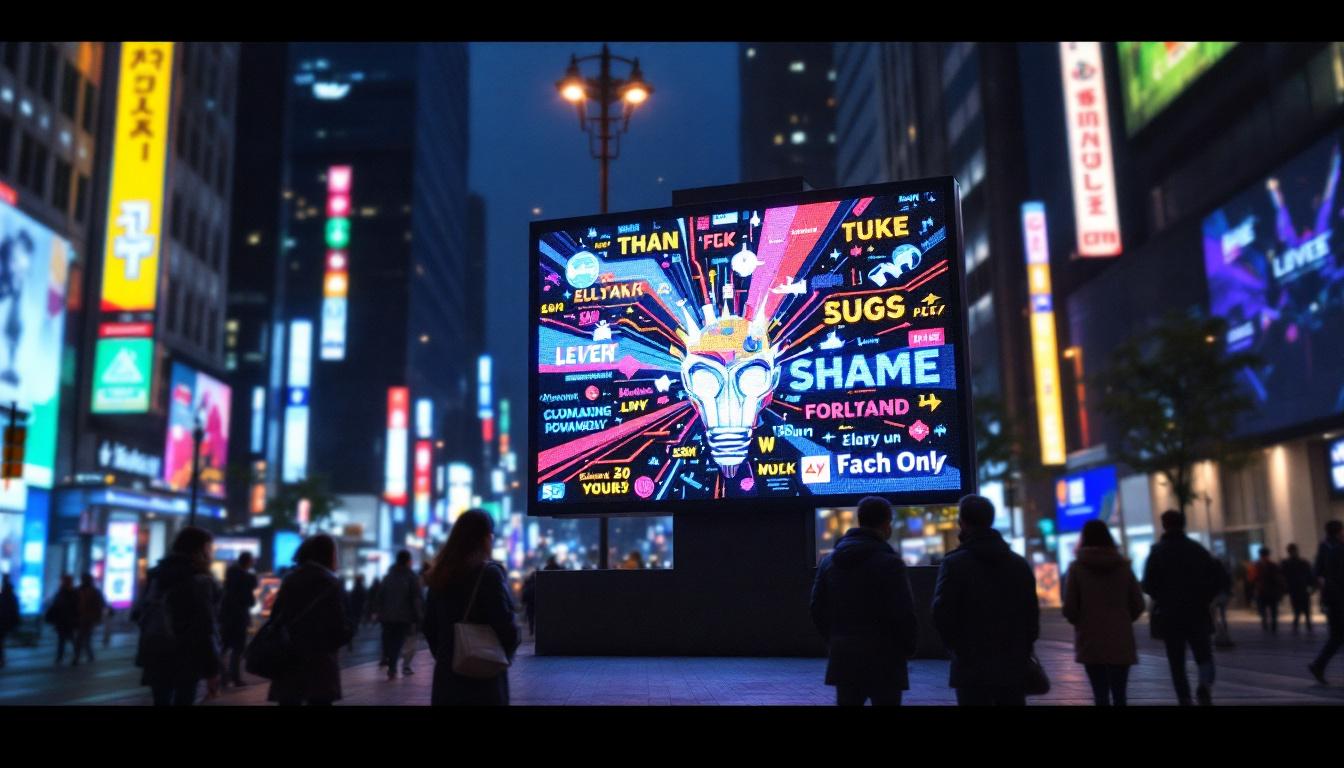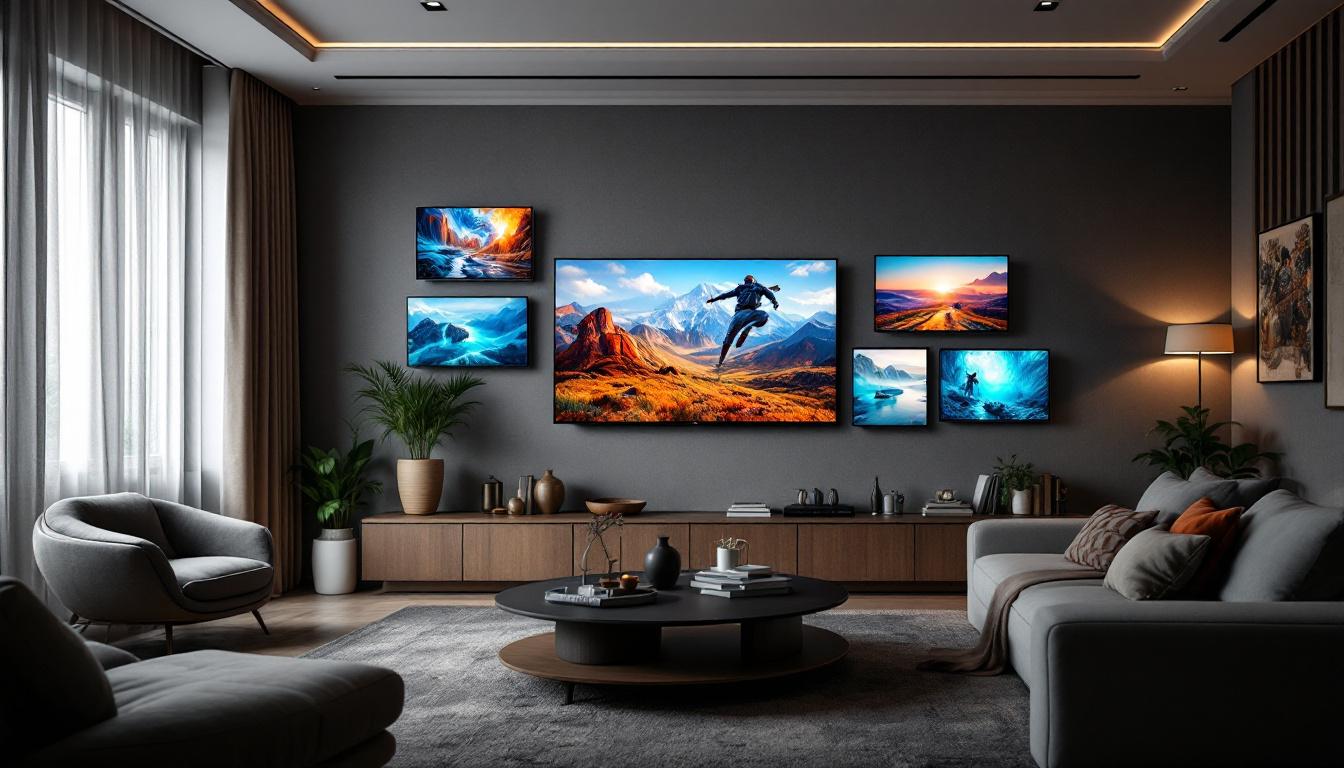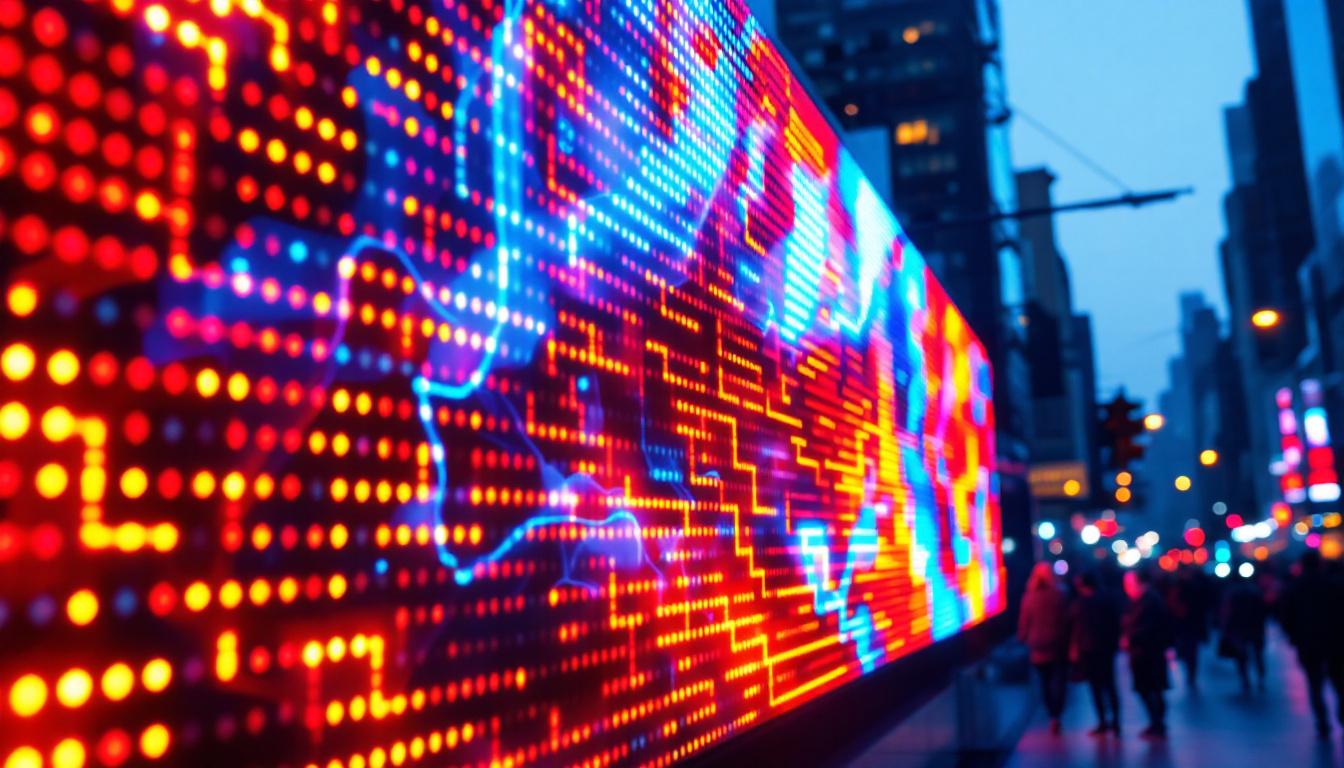
In today’s fast-paced digital world, display technology plays a pivotal role in how information is communicated, advertisements are presented, and entertainment is delivered. Among the various display technologies available, LED displays have emerged as a dominant force, revolutionizing industries from retail and sports to transportation and public safety. This article delves into the fundamentals of LED displays, explores their types and applications, and highlights the innovations driving their evolution.
Understanding LED Display Technology
What is an LED Display?
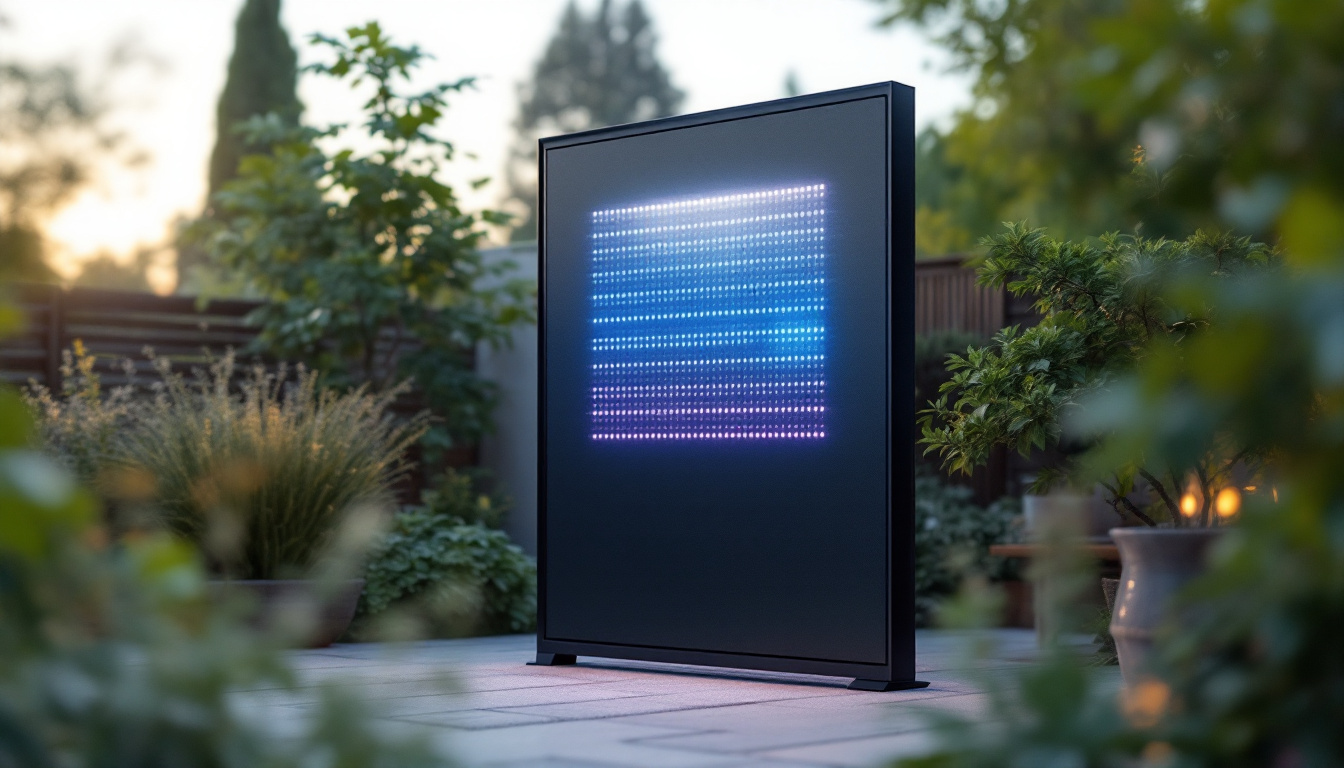
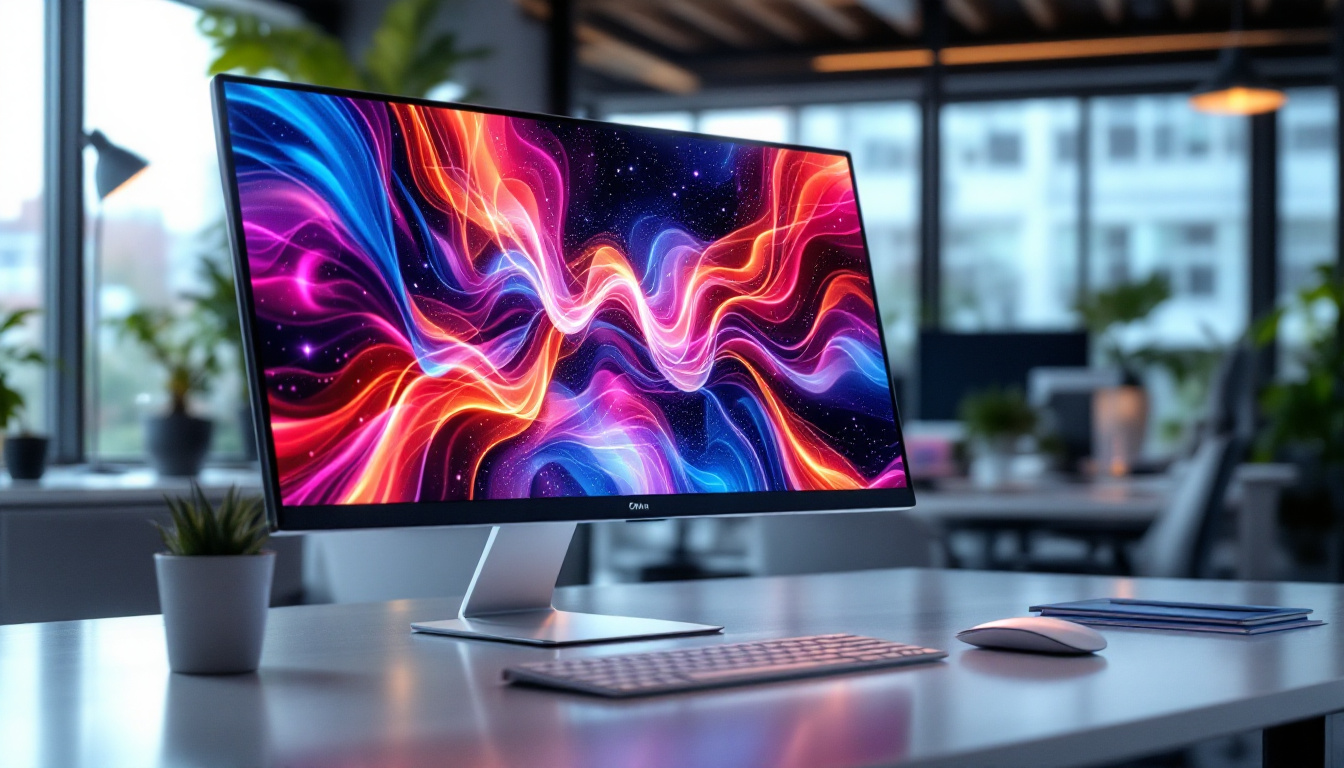
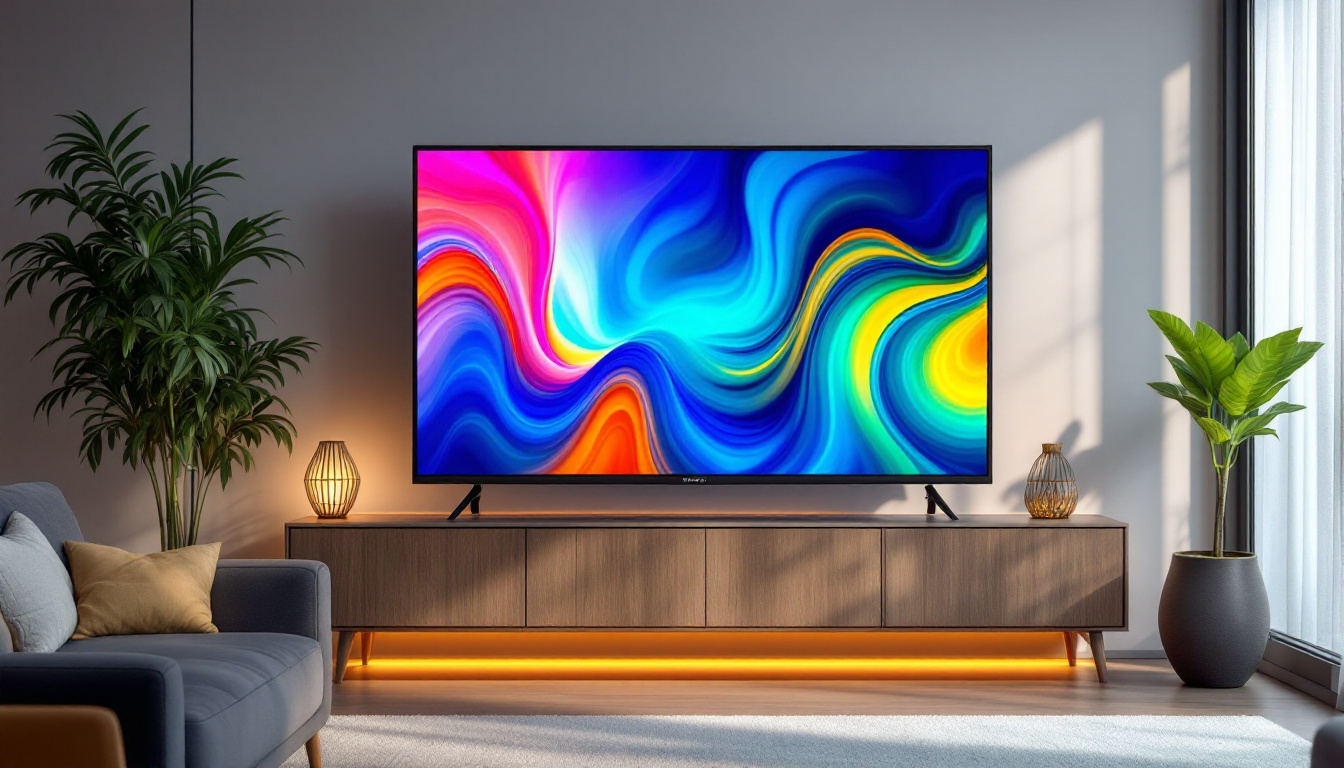
LED stands for Light Emitting Diode, a semiconductor device that emits light when an electrical current passes through it. An LED display is a flat panel display that uses an array of these tiny LEDs as pixels to create images, videos, or text. Unlike traditional LCD or plasma screens, LED displays can be designed to be extremely bright, energy-efficient, and scalable to large sizes, making them ideal for both indoor and outdoor use.
Each LED in the display can emit red, green, or blue light, and by varying the intensity of these colors, the display can produce a full spectrum of colors. This RGB (Red, Green, Blue) color model is fundamental to how LED displays render vivid and accurate images. The versatility of LED technology allows for a range of applications, from large billboards that capture the attention of passersby to smaller screens used in smartphones and tablets, showcasing the adaptability of this technology across various platforms.
How Do LED Displays Work?
At the core of an LED display is a matrix of LEDs arranged in a grid. Each LED acts as a pixel or part of a pixel, controlled by a driver circuit that adjusts its brightness and color. The display controller sends data signals to these drivers, telling each LED how brightly to shine and which color to produce. This intricate communication ensures that the images displayed are not only vibrant but also synchronized, providing a seamless visual experience.
Modern LED displays use surface-mounted device (SMD) technology, where the LEDs are mounted directly onto the circuit board, allowing for higher pixel density and improved image clarity. The smaller the distance between LEDs (known as pixel pitch), the sharper and more detailed the image appears, especially at close viewing distances. Additionally, advancements in LED technology have led to innovations such as flexible displays, which can be bent or shaped to fit unconventional spaces, and transparent displays, which allow for creative advertising solutions that do not obstruct views. These developments are pushing the boundaries of how LED displays can be utilized in various environments, from retail spaces to art installations, enhancing both functionality and aesthetic appeal.
Types of LED Displays
Indoor vs. Outdoor LED Displays
LED displays are broadly categorized into indoor and outdoor types, each designed to meet specific environmental and performance requirements.
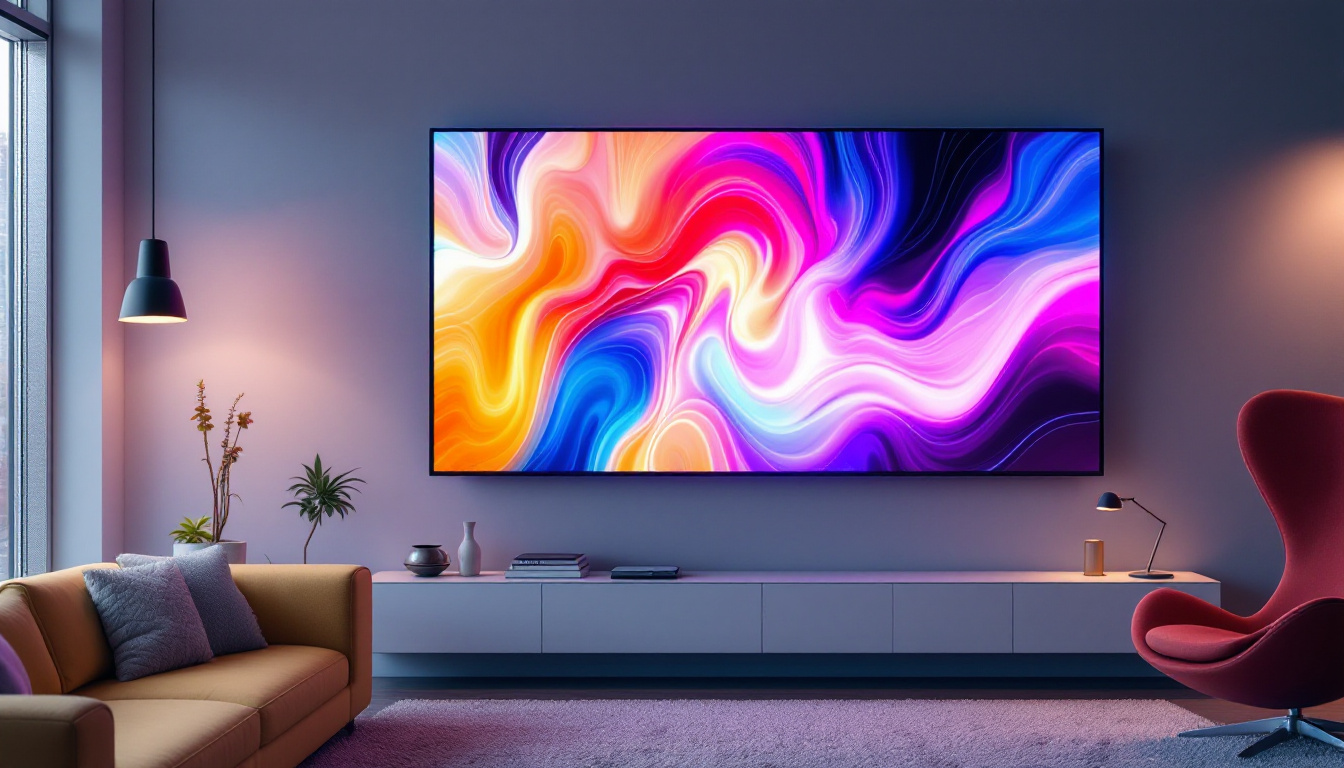
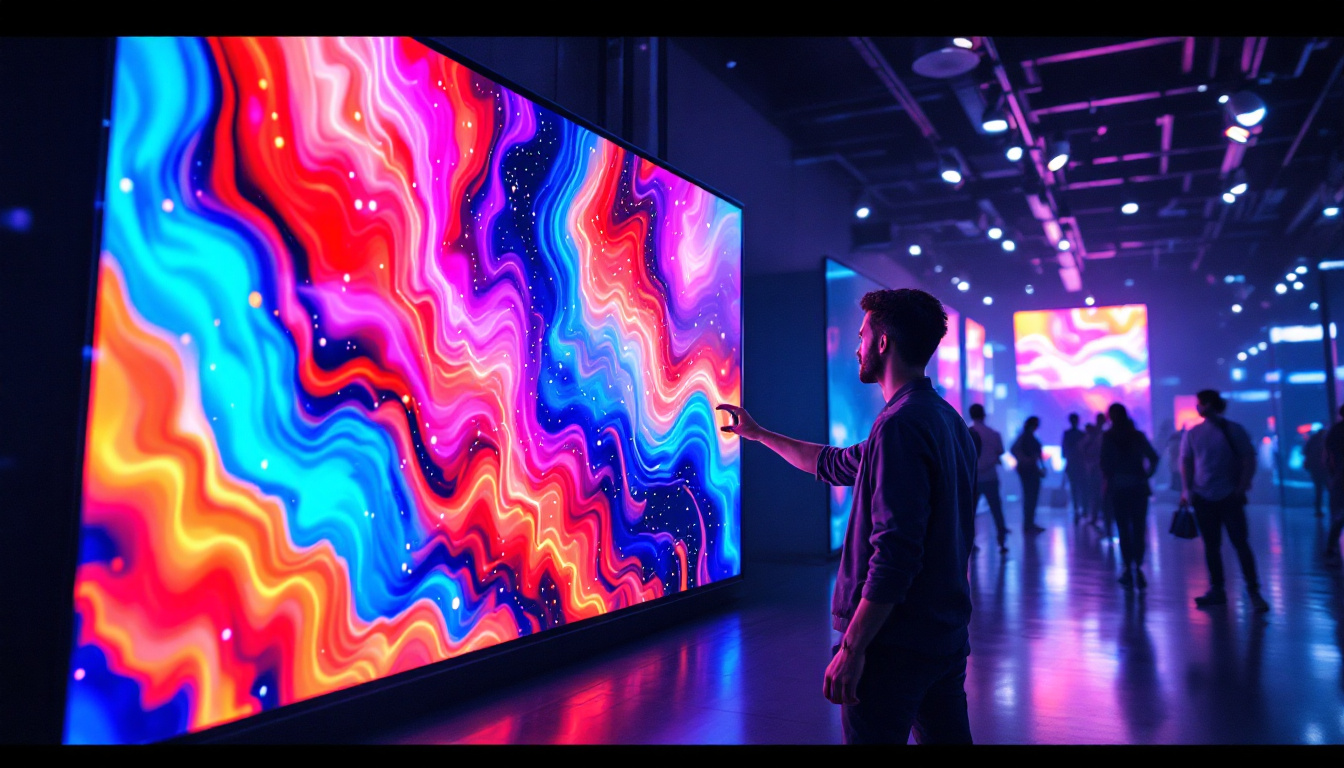
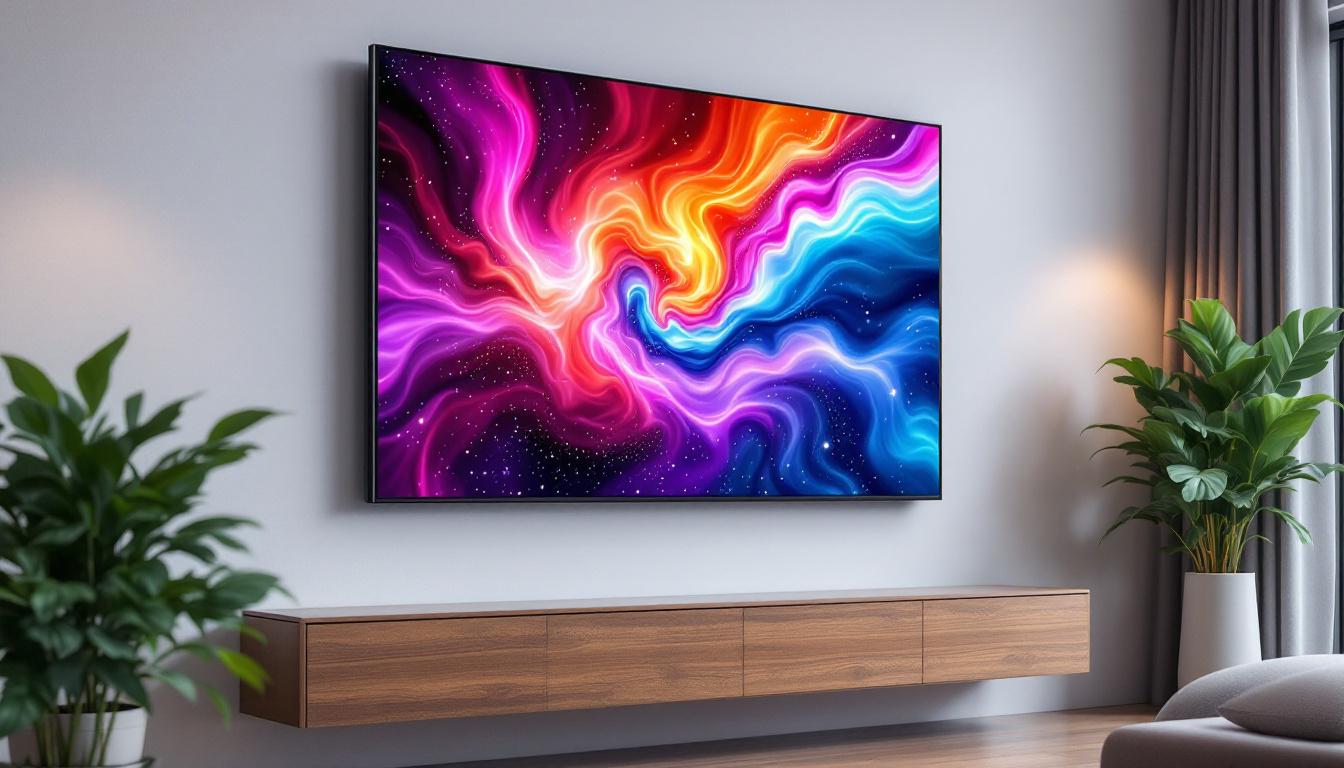
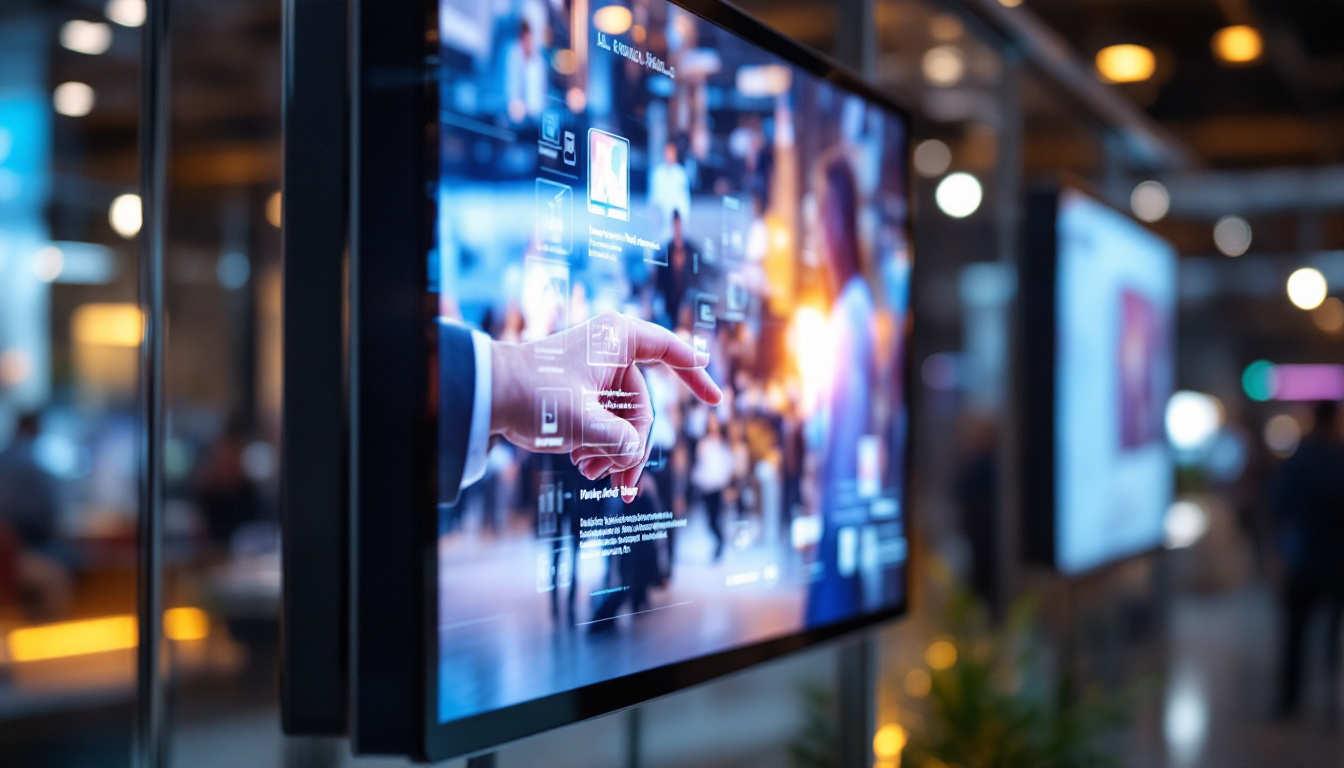
Indoor LED Displays typically have a smaller pixel pitch, ranging from 0.9mm to 4mm, allowing for high-resolution images suitable for close viewing. They are used in conference rooms, retail stores, control centers, and event venues. Since indoor environments have controlled lighting, these displays have lower brightness levels (usually around 800 to 1,500 nits) to prevent eye strain and conserve energy. Additionally, many indoor LED displays come equipped with advanced features such as touch interactivity and integration with content management systems, allowing for dynamic presentations and real-time updates. This versatility makes them particularly popular in environments where information needs to be frequently changed or customized, such as in corporate settings or during live events.
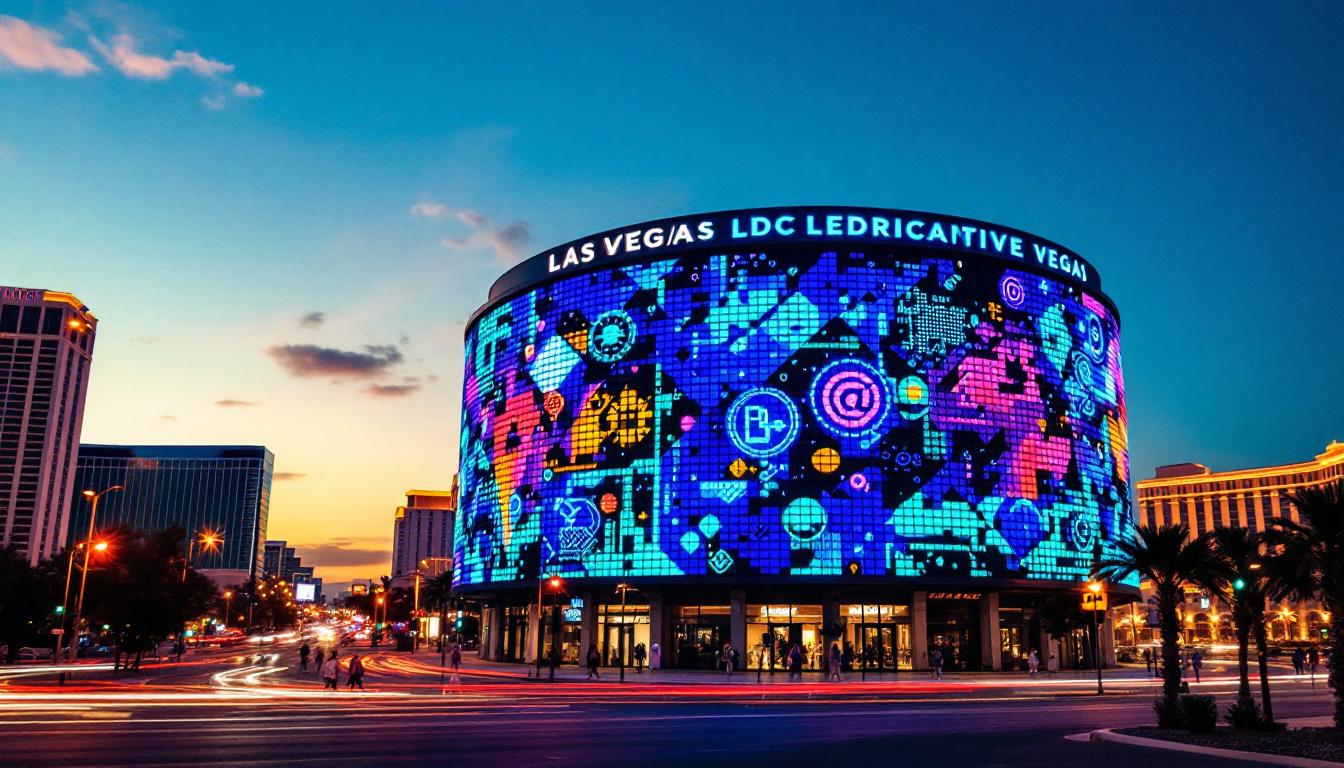
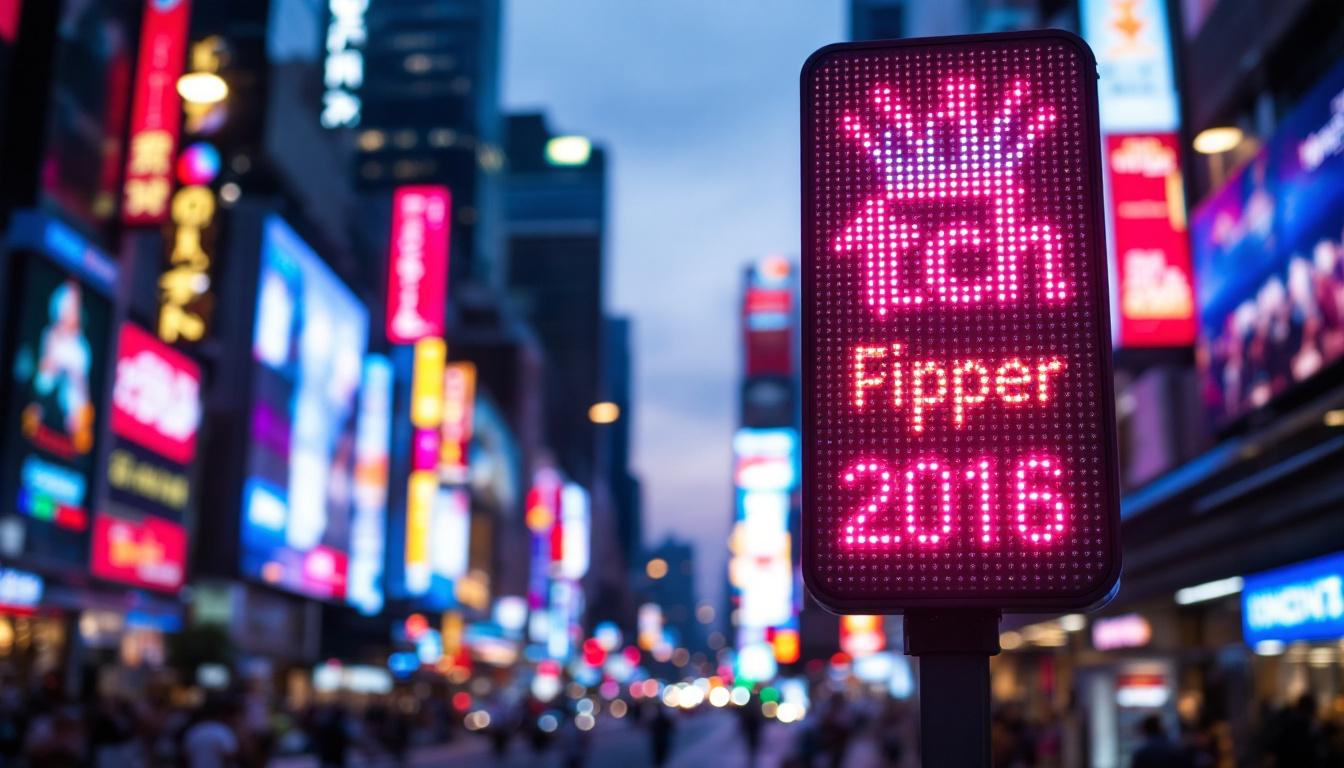
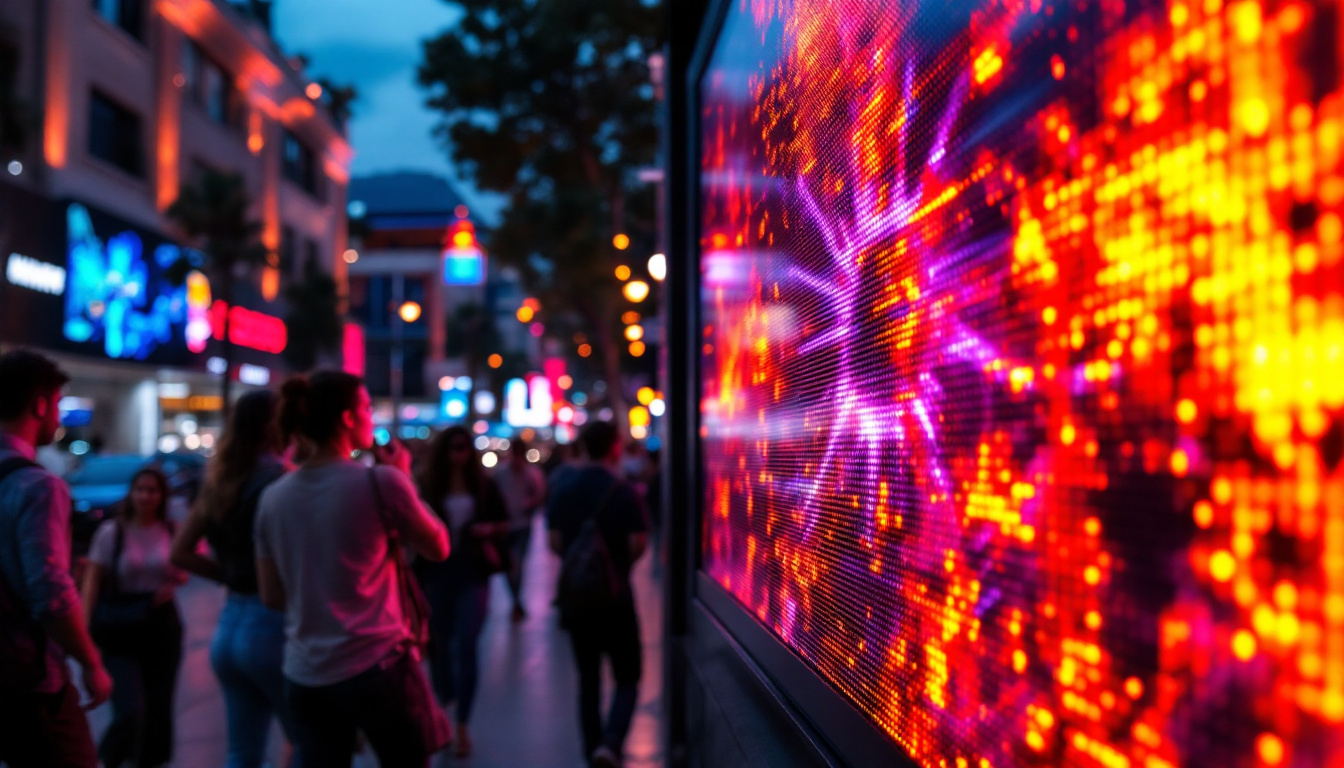
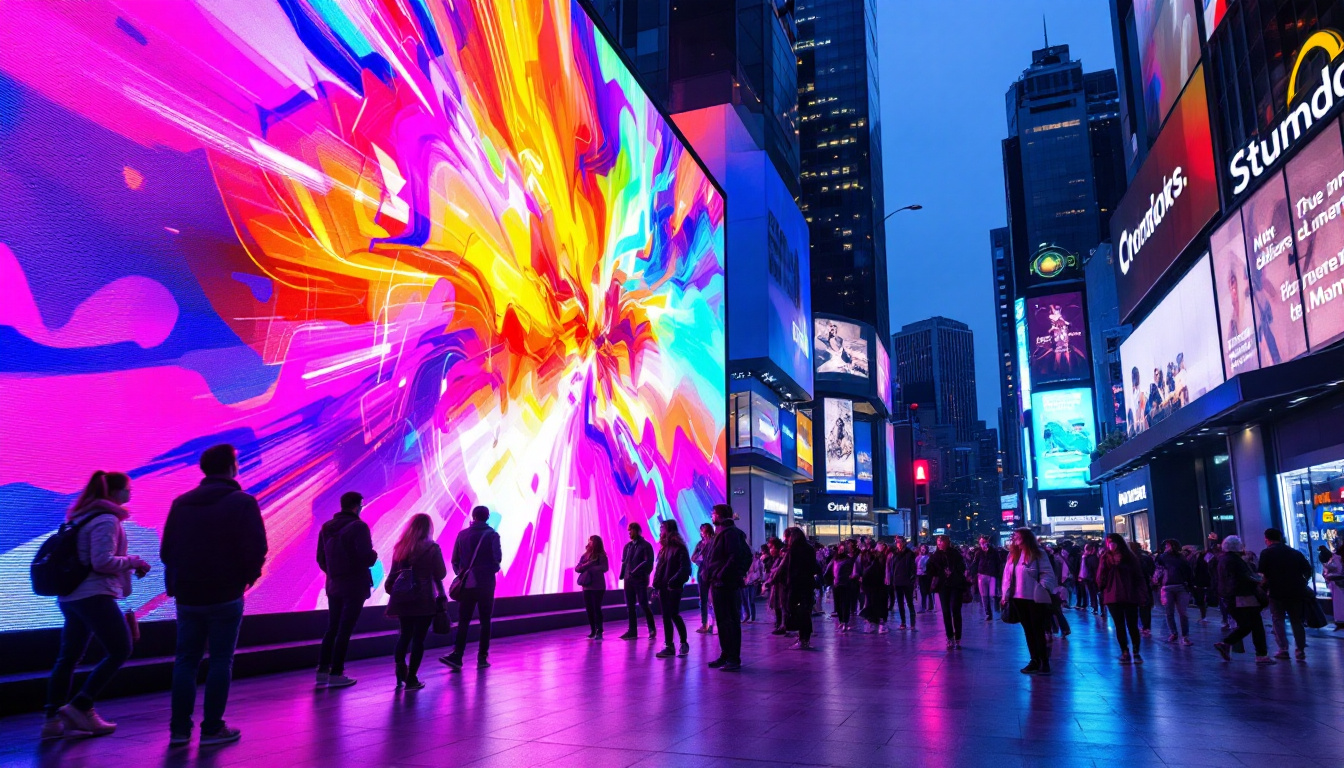
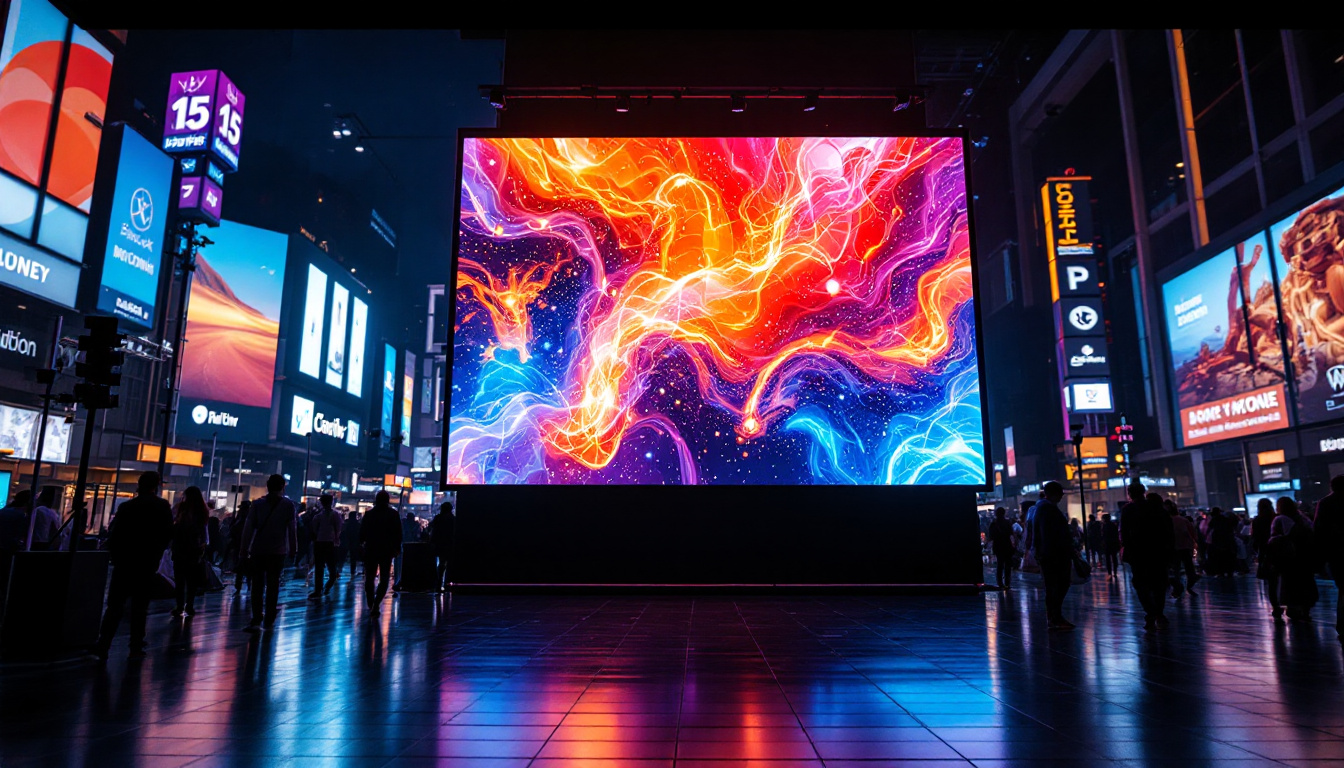
Outdoor LED Displays are designed to withstand harsh weather conditions such as rain, dust, and extreme temperatures. They feature higher brightness levels, often exceeding 5,000 nits, to remain visible under direct sunlight. The pixel pitch is generally larger, from 4mm to 20mm or more, as viewers tend to observe these displays from greater distances. Common applications include billboards, stadium screens, transportation signage, and public information boards. Furthermore, outdoor displays often incorporate robust protective measures like weatherproof enclosures and anti-glare technology, ensuring that the content remains clear and vibrant regardless of environmental challenges. Many outdoor LED displays are also equipped with smart technology that allows for adaptive brightness adjustments based on ambient light conditions, enhancing both visibility and energy efficiency.
Flexible and Transparent LED Displays
Recent innovations have introduced flexible LED displays, which can bend or curve to fit unconventional surfaces. These displays use flexible circuit boards and specially designed LEDs, enabling creative applications such as wearable displays, curved architectural installations, and dynamic stage backdrops. The lightweight nature of flexible displays allows for easy installation in a variety of settings, from art installations to unique advertising solutions that can conform to the shapes of buildings or vehicles. This adaptability not only opens new avenues for creative expression but also enhances the user experience by integrating technology seamlessly into everyday environments.
Transparent LED displays are another cutting-edge development. These panels allow light to pass through them while displaying images, making them ideal for retail windows, museum exhibits, and automotive glass. They combine visibility with advertising or informational content without obstructing the view behind the display. This technology not only enhances the aesthetic appeal of storefronts by allowing natural light to filter through but also engages customers in a more interactive manner. Retailers can showcase products while maintaining a clear view of the store interior, creating an inviting atmosphere that encourages foot traffic. Moreover, transparent displays can be utilized in innovative ways, such as in smart city applications where information can be presented without compromising the architectural integrity of public spaces, thus blending functionality with modern design.
Applications of LED Displays
Advertising and Marketing
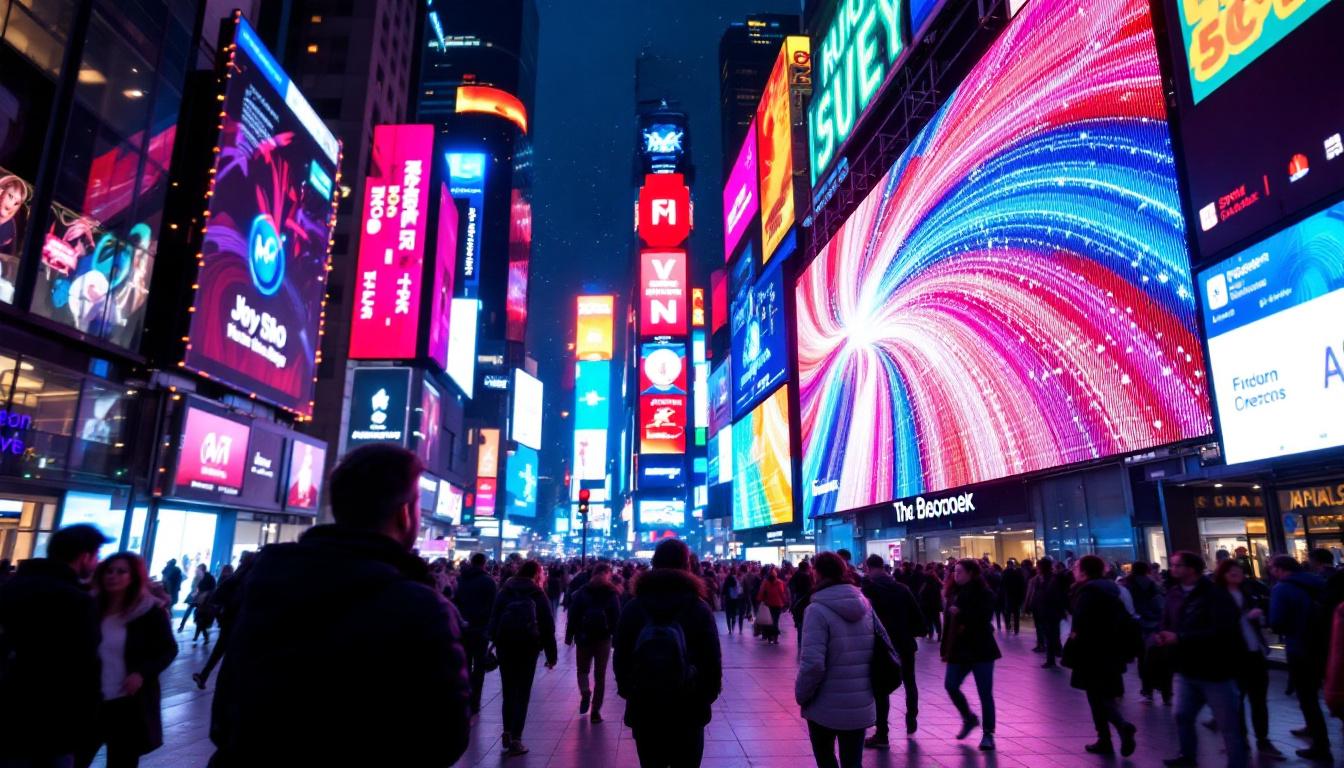
LED displays have transformed outdoor and indoor advertising by offering dynamic, eye-catching content that can be updated in real-time. According to a 2023 report by Grand View Research, the global digital signage market, heavily driven by LED display adoption, is expected to reach $32 billion by 2028, growing at a CAGR of 7.5%.
Brands leverage LED billboards and indoor video walls to engage customers with vibrant visuals and interactive content. The ability to tailor messages based on time of day, audience demographics, or even weather conditions enhances marketing effectiveness and ROI.
Sports and Entertainment Venues
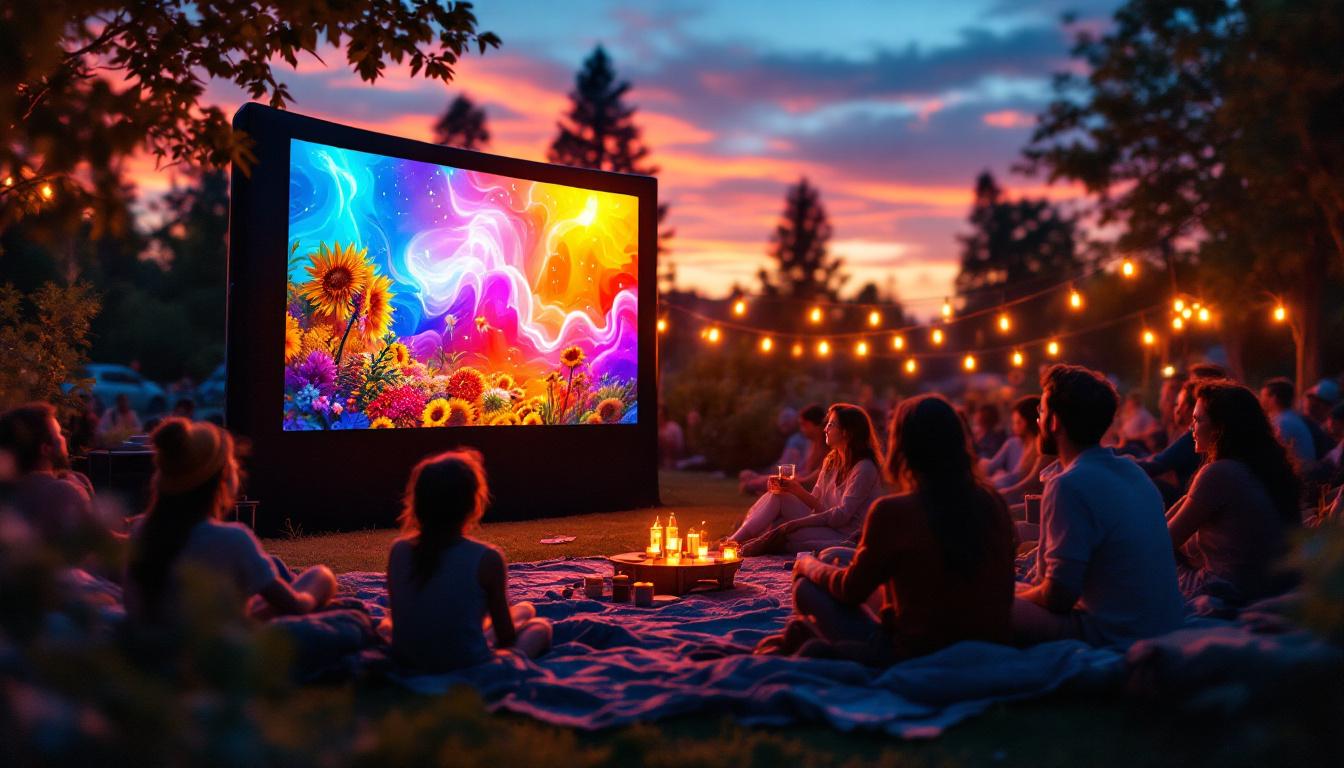
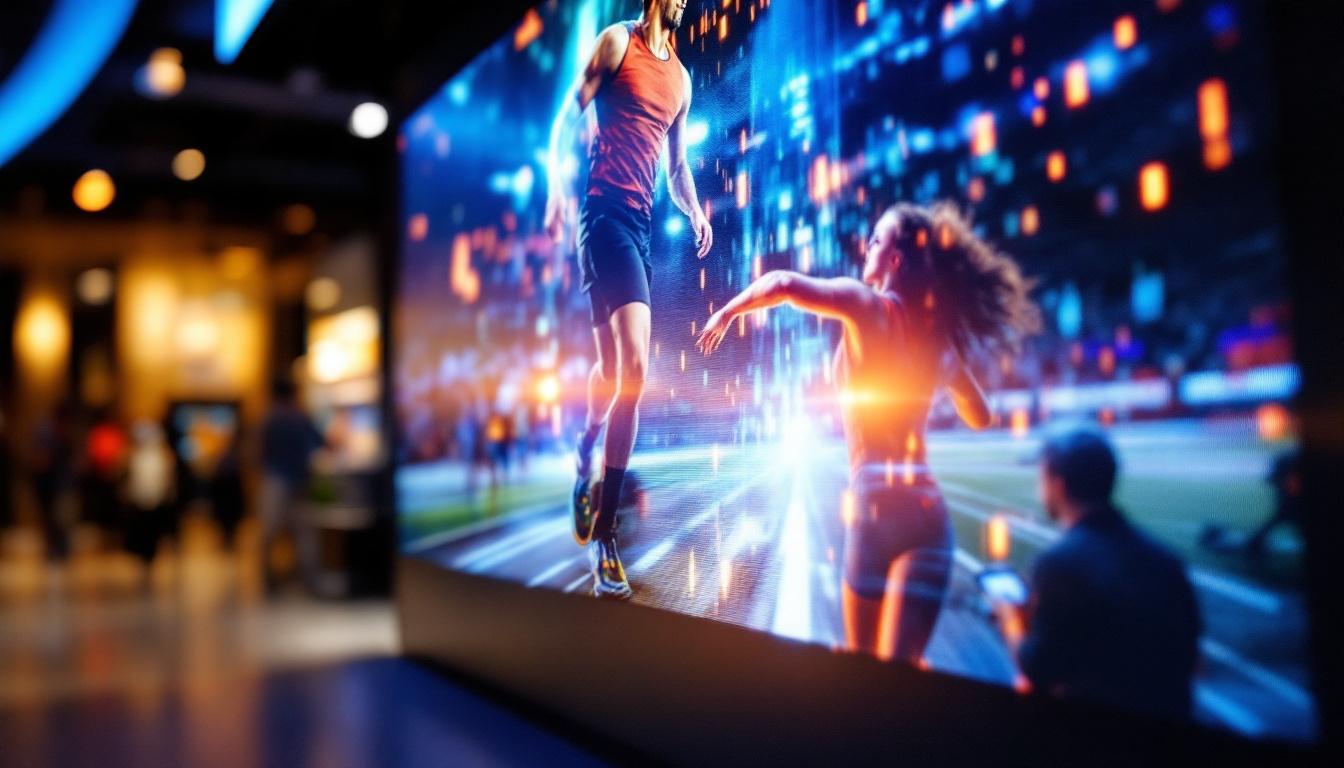
Large LED screens have become staples in stadiums and arenas worldwide. They provide live game footage, instant replays, advertisements, and fan engagement content. For example, the AT&T Stadium in Texas features one of the largest high-definition LED displays, measuring 160 feet wide and 72 feet tall, delivering immersive experiences to over 100,000 spectators.
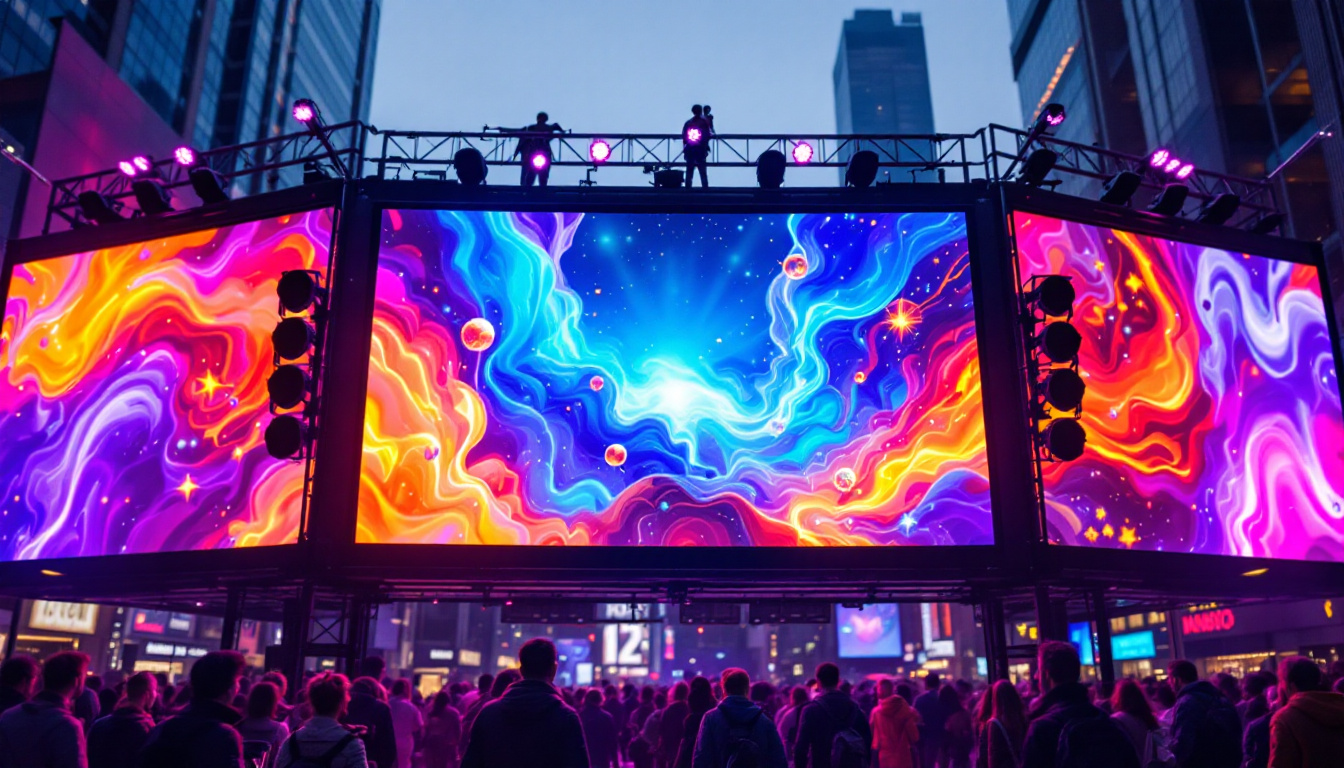
In concerts and theater productions, LED displays serve as dynamic backdrops, enabling visually stunning effects that synchronize with performances. Their lightweight and modular nature allow for rapid installation and customization.
Transportation and Public Safety
LED displays are integral to modern transportation systems, providing real-time information on arrival times, delays, and safety messages. Airports, train stations, and bus terminals rely on LED signage for clear communication with passengers.
In public safety, LED displays are used for emergency alerts, traffic management, and crowd control. Their high visibility and reliability make them essential tools for municipal authorities.
Advantages of LED Displays Over Other Technologies
Energy Efficiency and Longevity
Compared to traditional lighting and display technologies, LEDs consume significantly less power. This efficiency translates into lower operating costs and reduced environmental impact. LED displays also have a longer lifespan, often exceeding 100,000 hours of operation, which reduces maintenance and replacement expenses.
Brightness and Visibility
LED displays offer superior brightness levels, ensuring visibility in various lighting conditions, including direct sunlight. This makes them ideal for outdoor applications where clarity and legibility are critical.
Color Accuracy and Contrast
The ability of LEDs to produce pure colors results in displays with high color accuracy and contrast ratios. This enhances image quality and viewer experience, especially for high-definition video content.
Scalability and Customization
LED displays can be built in virtually any size and shape, from small indoor panels to massive outdoor billboards. Their modular design allows for easy expansion, repair, and customization, enabling tailored solutions for diverse needs.
Emerging Trends and Future Innovations
MicroLED Technology
MicroLED is an emerging display technology that uses microscopic LEDs to create displays with even higher resolution, brightness, and energy efficiency than conventional LEDs. Unlike OLEDs, MicroLEDs are inorganic, offering better durability and longer lifespan. Tech giants are investing heavily in MicroLED research, with prototypes already demonstrating potential for next-generation TVs, smartphones, and augmented reality devices.
Integration with IoT and AI
Smart LED displays are increasingly being integrated with Internet of Things (IoT) platforms and artificial intelligence (AI). This integration enables real-time data-driven content updates, predictive maintenance, and enhanced interactivity. For instance, AI-powered analytics can adjust advertising content based on audience engagement or environmental factors, maximizing impact.
Sustainability and Eco-Friendly Materials
As environmental concerns grow, manufacturers are focusing on sustainable production methods and recyclable materials for LED displays. Innovations include reducing hazardous substances, improving energy efficiency, and developing biodegradable components, aligning with global sustainability goals.
Choosing the Right LED Display for Your Needs
Assessing Viewing Distance and Environment
The optimal LED display depends heavily on where and how it will be used. For close-range viewing, such as in retail or control rooms, a smaller pixel pitch ensures crisp images. For large outdoor billboards viewed from afar, a larger pixel pitch suffices and reduces cost.
Brightness and Weather Resistance
Outdoor displays must have high brightness levels and robust weatherproofing. Look for displays with IP65 or higher ratings to ensure protection against dust and water ingress.
Content Management and Connectivity
Modern LED displays come with sophisticated content management systems (CMS) that allow users to schedule, update, and monitor content remotely. Connectivity options such as Wi-Fi, Ethernet, and 5G support seamless integration into existing networks.
Conclusion
LED display technology continues to advance rapidly, driven by innovations in materials, design, and digital integration. Its versatility, brightness, and energy efficiency make it the preferred choice across a wide range of applications, from advertising and entertainment to public safety and transportation. Understanding the different types of LED displays and their capabilities is essential for businesses and organizations looking to leverage this technology effectively.
As the industry moves toward MicroLEDs, smarter content management, and sustainable manufacturing, the future of LED displays promises even more immersive, interactive, and eco-friendly experiences. Investing in the right LED display solution today can provide significant benefits in communication, engagement, and operational efficiency for years to come.
Explore Cutting-Edge LED Display Solutions with LumenMatrix
Ready to elevate your visual communication with the latest in LED display technology? LumenMatrix is at the forefront of innovation, offering a diverse range of LED display modules tailored to your unique needs. From captivating Indoor LED Wall Displays to robust Outdoor LED Wall Displays, and from dynamic Vehicle LED Displays to sleek LED Poster Displays, our solutions are designed to make your brand stand out. Discover the transformative power of LED Sports Displays, interactive Floor LED Displays, and the versatility of Custom LED Displays and All-in-One LED Display solutions. Experience the future of transparent visual storytelling with our LED Transparent Display. Don’t miss the opportunity to engage and captivate your audience. Check out LumenMatrix LED Display Solutions today and see how we can help you share your message with impact and clarity.