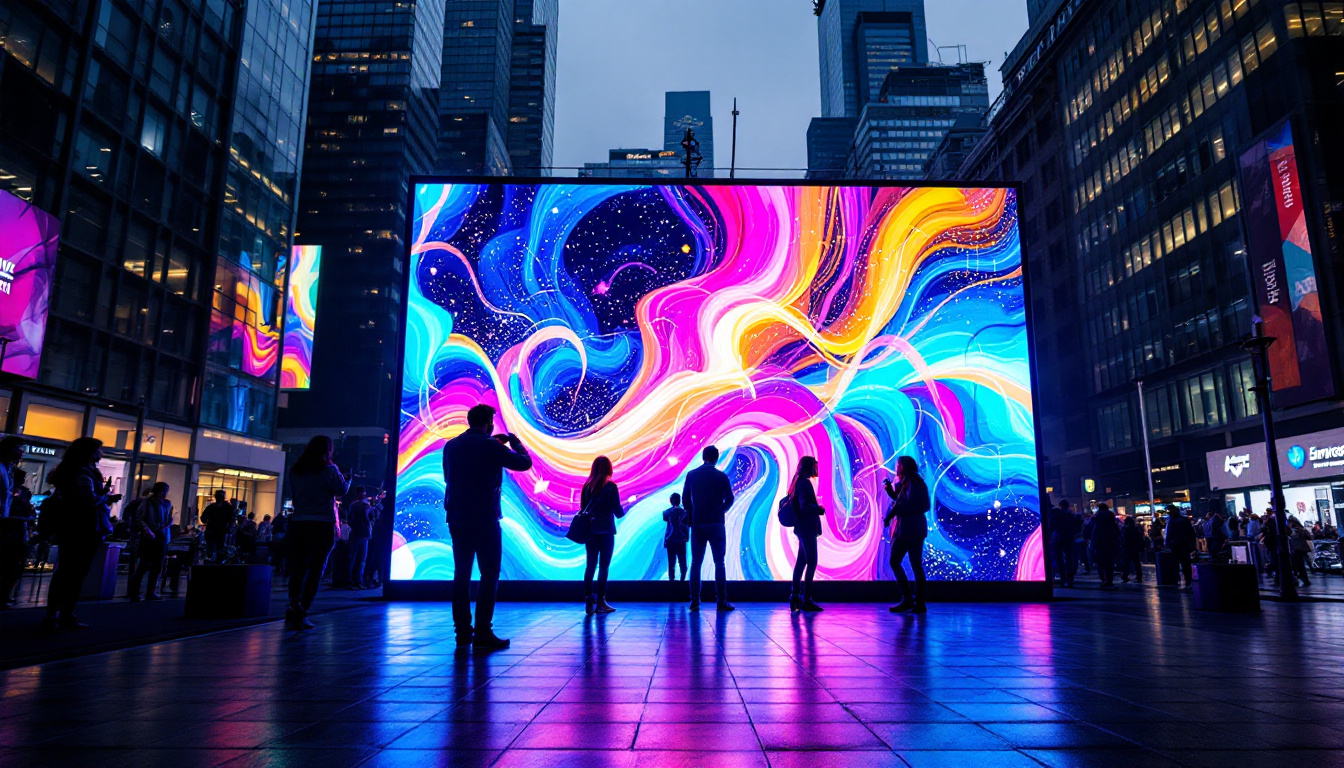
In today’s fast-paced digital world, LED displays have become an integral part of communication, advertising, and information dissemination. From bustling city centers to corporate offices, LED message boards capture attention with their vibrant colors and dynamic content. This article delves into the technology behind LED displays, their applications, and why they have become the preferred choice for message boards worldwide.
Understanding LED Display Technology
What is an LED Display?
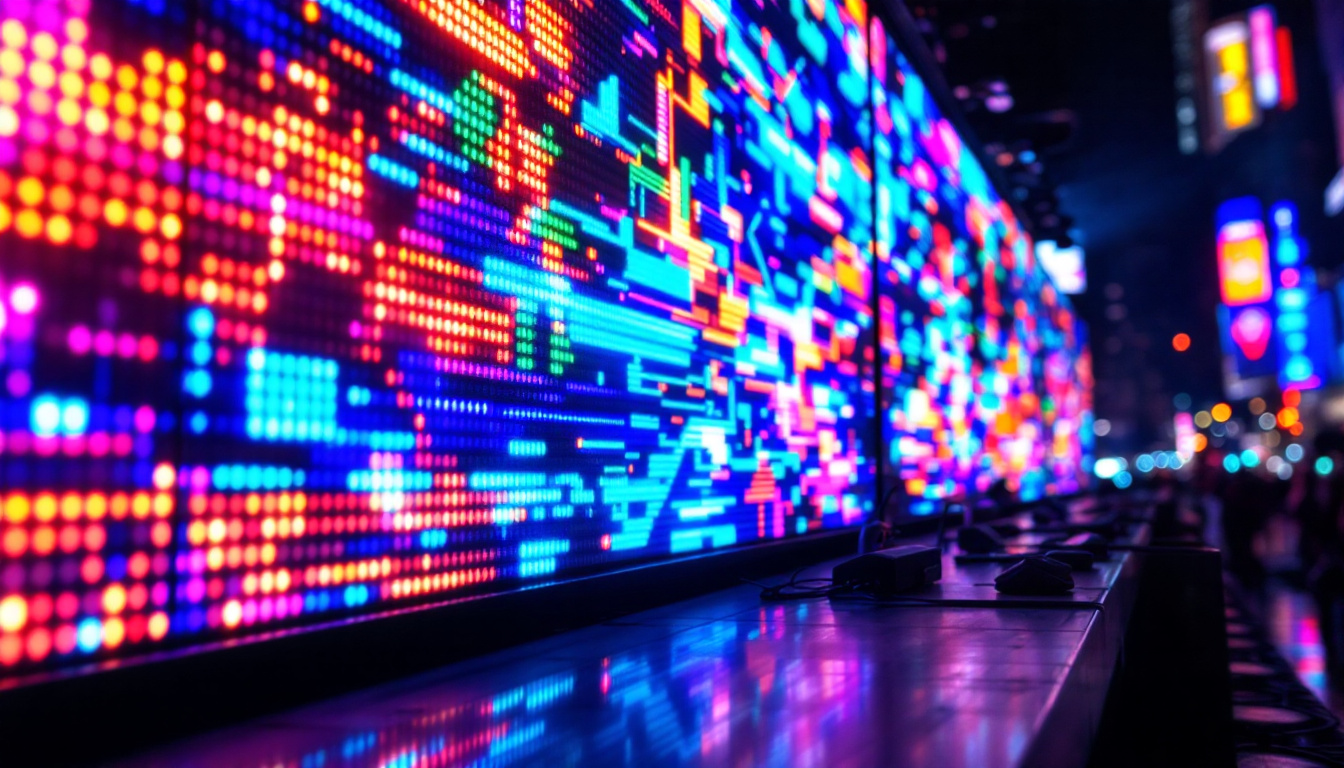
LED stands for Light Emitting Diode, a semiconductor device that emits light when an electric current passes through it. An LED display is a flat panel that uses an array of these tiny LEDs as pixels to create images, text, and videos. Unlike traditional displays that rely on fluorescent or incandescent lighting, LED displays offer superior brightness, energy efficiency, and longevity. These advantages make them increasingly popular in various applications, from advertising to entertainment.
LED displays can be configured in various sizes and resolutions, making them versatile for different environments—from small indoor screens to massive outdoor billboards. The core advantage lies in their ability to produce vivid colors and high contrast, ensuring visibility even in direct sunlight. Furthermore, LED technology has evolved to include features such as high dynamic range (HDR) and 4K resolution, enhancing the viewing experience by delivering more detailed and lifelike images.
Types of LED Displays
There are several types of LED displays, each suited for specific applications:
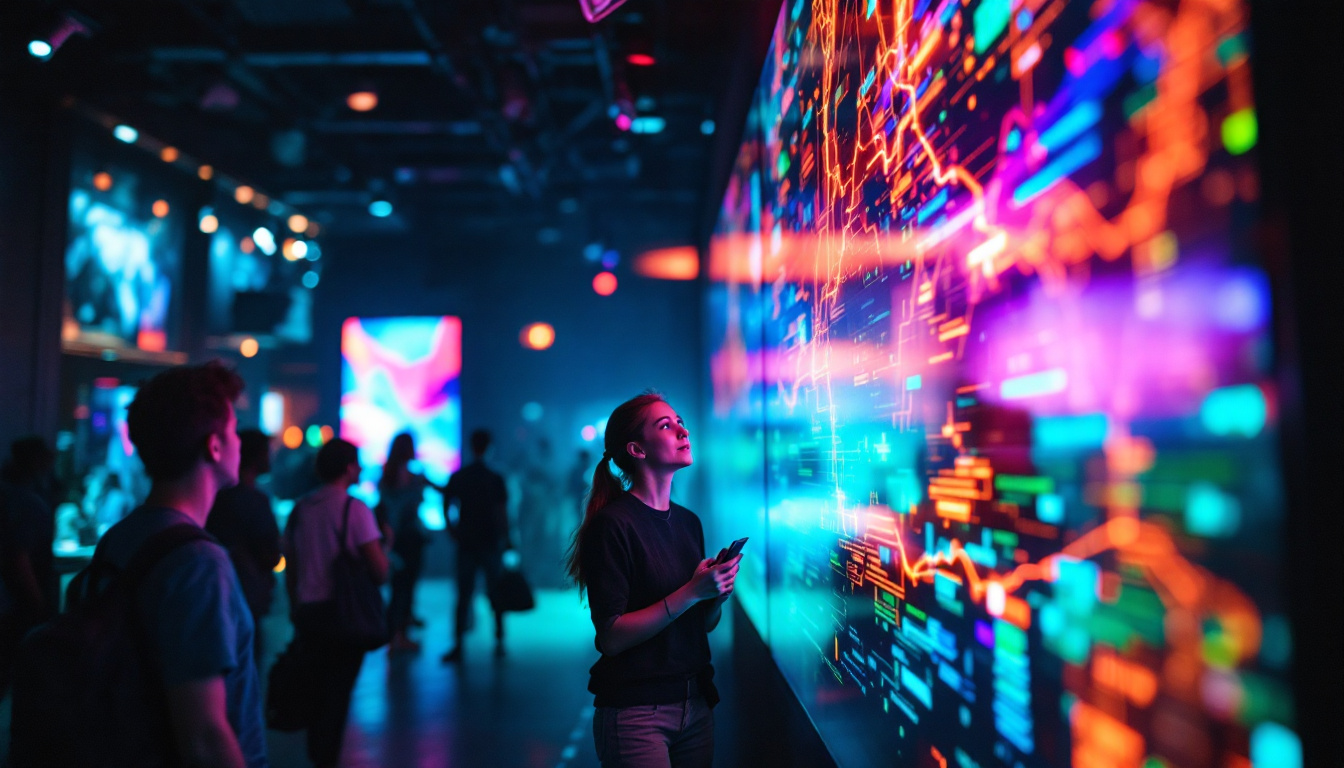
- Indoor LED Displays: Designed for controlled lighting environments, these displays have higher pixel density for sharper images and are commonly used in conference rooms, retail stores, and event venues. They often incorporate advanced features like touch capabilities, allowing for interactive presentations and engaging customer experiences.
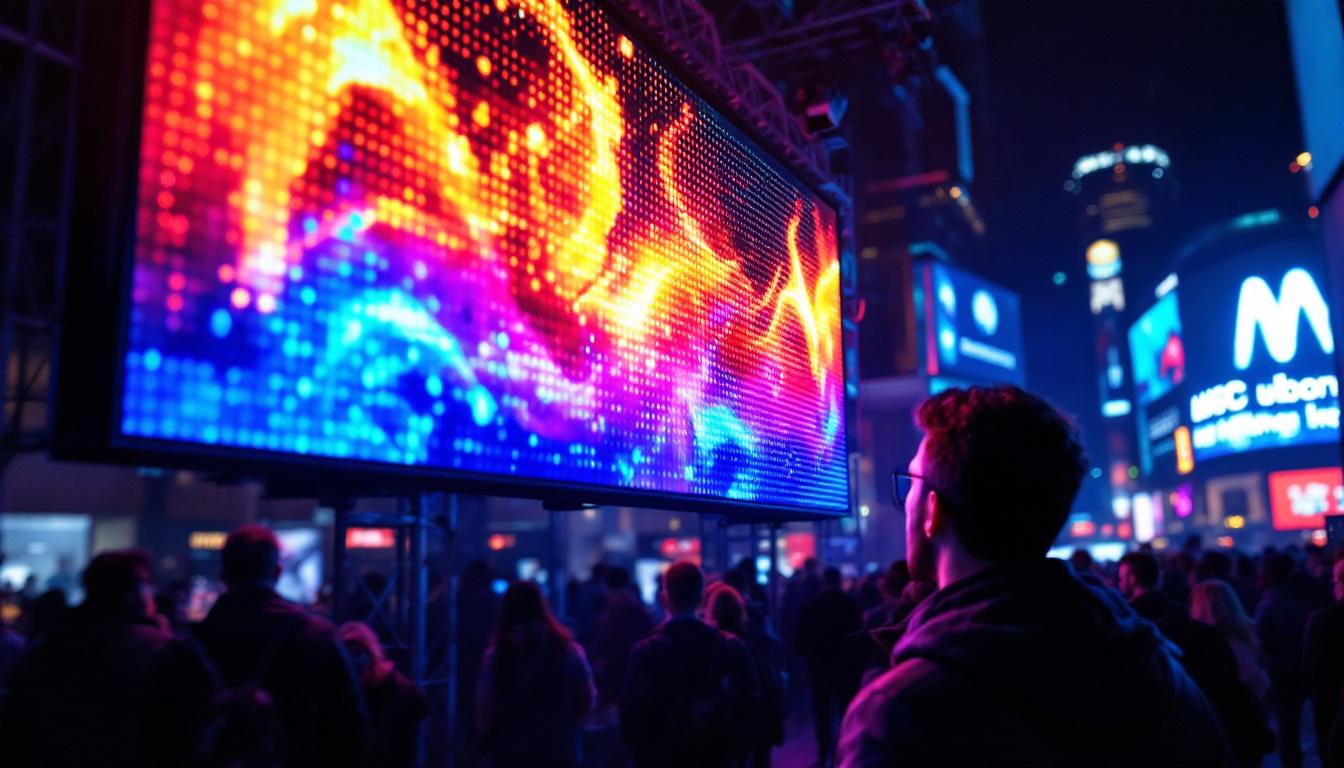
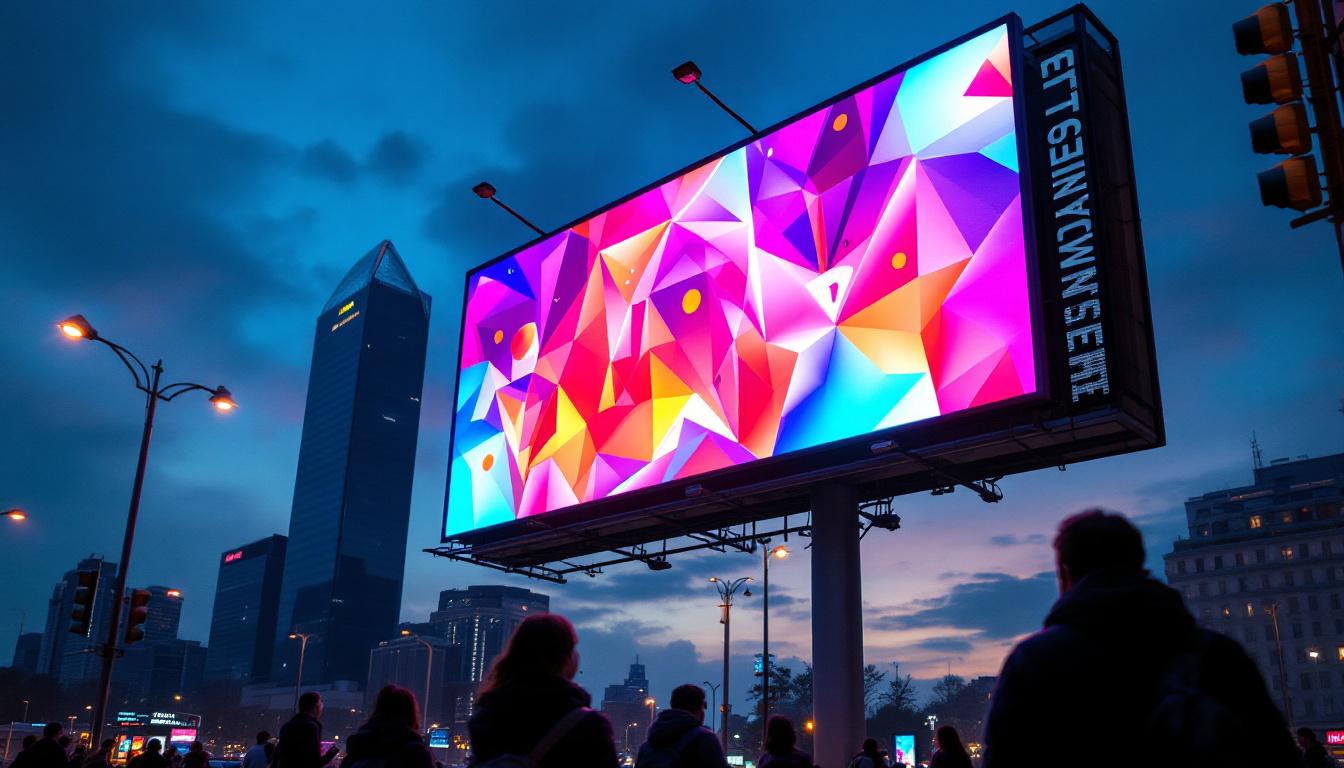
- Outdoor LED Displays: Built to withstand weather conditions, these displays feature higher brightness levels (often exceeding 5,000 nits) and robust protective casings. They are ideal for roadside advertising, stadium screens, and public information boards. Many outdoor models are also equipped with sensors that adjust brightness based on ambient light, ensuring optimal visibility at all times.
- Flexible LED Displays: Utilizing bendable substrates, these allow for creative installations on curved or irregular surfaces, expanding design possibilities. This flexibility opens up new avenues for artistic expression in architecture and event staging, enabling designers to create immersive environments that captivate audiences.
- Transparent LED Displays: These displays enable light to pass through, making them perfect for glass windows or storefronts where maintaining visibility is essential. This innovative technology allows businesses to showcase advertisements without obstructing the view of their products, striking a balance between marketing and aesthetics.
How LED Displays Work
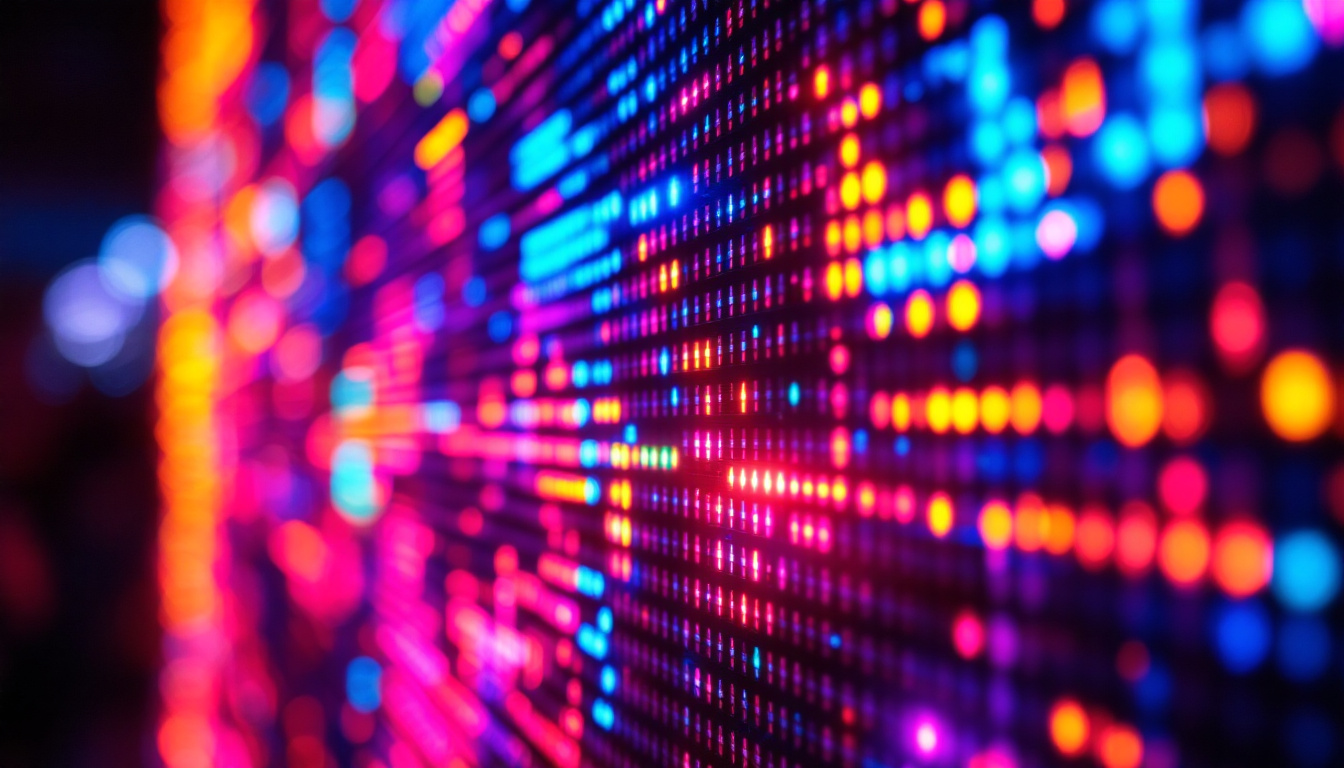
At the heart of an LED display is a matrix of individual LEDs grouped into pixels. Each pixel typically consists of red, green, and blue LEDs, which combine to produce a full spectrum of colors through a process called additive color mixing. This precise combination of colors allows for a wide range of hues and shades, making LED displays ideal for vibrant graphics and detailed imagery.
The display is controlled by a driver circuit that regulates the current to each LED, turning it on or off at varying intensities to create the desired image. Modern LED displays use scanning techniques and pulse-width modulation (PWM) to manage brightness and reduce power consumption. Additionally, advancements in digital signal processing have enabled real-time image adjustments, enhancing the overall quality of the display. This technology ensures that images remain sharp and clear, even when viewed from different angles or distances, making LED displays a preferred choice for both commercial and artistic applications.
Key Features and Advantages of LED Message Boards
Brightness and Visibility
One of the most significant advantages of LED displays is their exceptional brightness. Outdoor LED boards can reach brightness levels above 7,000 nits, ensuring content remains clear and readable even under direct sunlight. This capability is crucial for message boards located in busy urban areas or along highways, where ambient light conditions vary dramatically. Additionally, the advanced technology used in these displays allows for automatic brightness adjustment based on surrounding light conditions, further enhancing visibility at all times of the day.
Moreover, LED displays offer wide viewing angles, typically up to 160 degrees horizontally and vertically, allowing messages to be seen clearly from different perspectives without color distortion. This feature is particularly beneficial in crowded environments, such as stadiums or concert venues, where audiences are spread out and viewing from various angles. The result is a more inclusive experience, ensuring that everyone can access important information without straining to see the screen.
Energy Efficiency and Longevity
Compared to traditional lighting and display technologies, LEDs consume significantly less power. This energy efficiency translates into lower operating costs, making LED message boards a sustainable choice for businesses and municipalities. Furthermore, the reduced energy consumption contributes to a smaller carbon footprint, aligning with the growing emphasis on environmentally friendly practices in modern business operations.
In terms of lifespan, LEDs can last anywhere from 50,000 to 100,000 hours, depending on usage and environmental conditions. This durability reduces maintenance frequency and replacement costs, enhancing the overall return on investment. Many manufacturers also offer warranties that reflect the confidence in their products’ longevity, often ranging from 5 to 10 years. This assurance not only protects the initial investment but also provides peace of mind for organizations relying on consistent communication through these displays.
Dynamic Content and Flexibility
LED message boards excel in displaying dynamic content, including scrolling text, animations, videos, and real-time updates. This flexibility allows organizations to tailor messages based on time of day, audience, or special events. The integration of advanced software solutions enables users to schedule content in advance, ensuring that the right message reaches the right audience at the optimal time. For instance, a local school can display announcements for upcoming events during the morning rush, while a restaurant can showcase daily specials in the evening.
For example, a retail store can promote flash sales during peak hours, while a transportation hub can provide live updates on schedules and delays. The ability to change content remotely through software platforms adds convenience and efficiency to communication strategies. Additionally, many LED boards can integrate with social media feeds or news tickers, allowing organizations to engage with their audience in real-time and keep content fresh and relevant. This level of interactivity not only captures attention but also fosters a sense of community and connection among viewers, making LED message boards an invaluable tool in modern communication strategies.
Applications of LED Message Boards
Advertising and Marketing
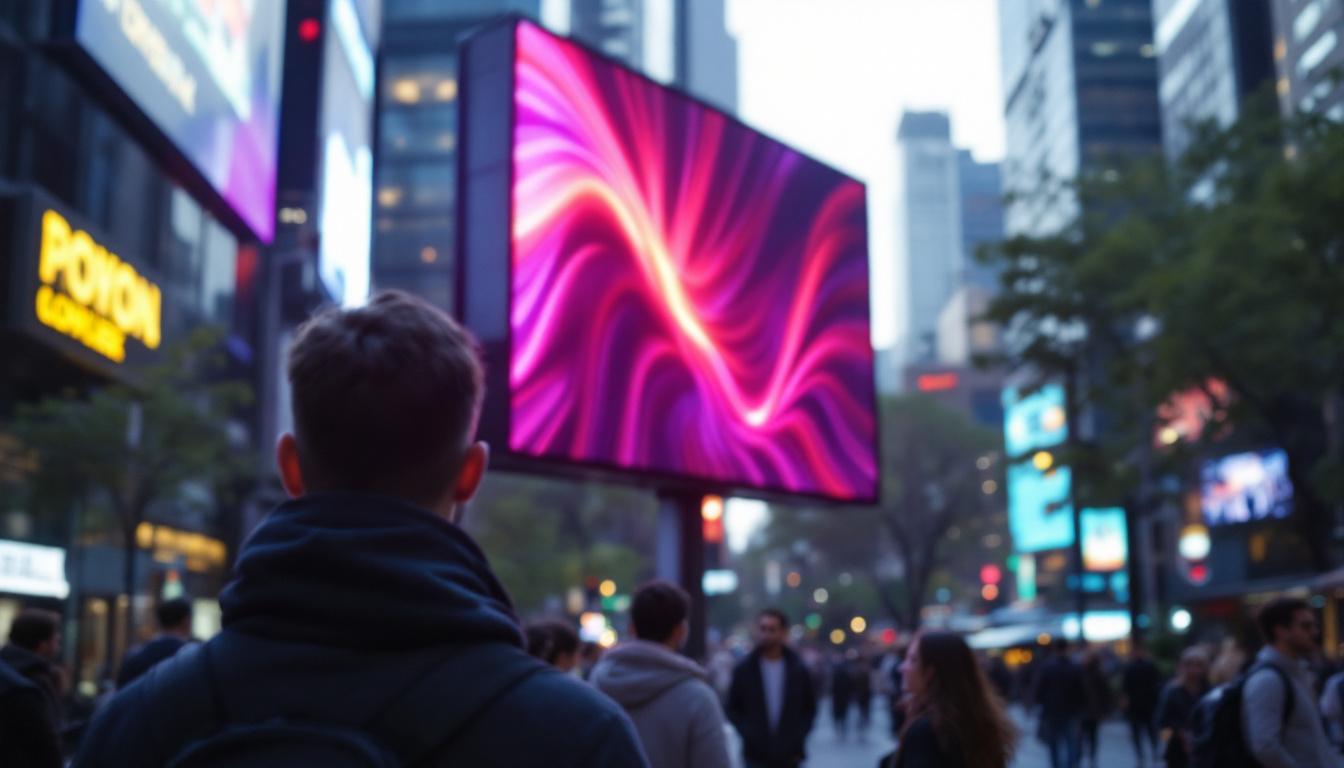
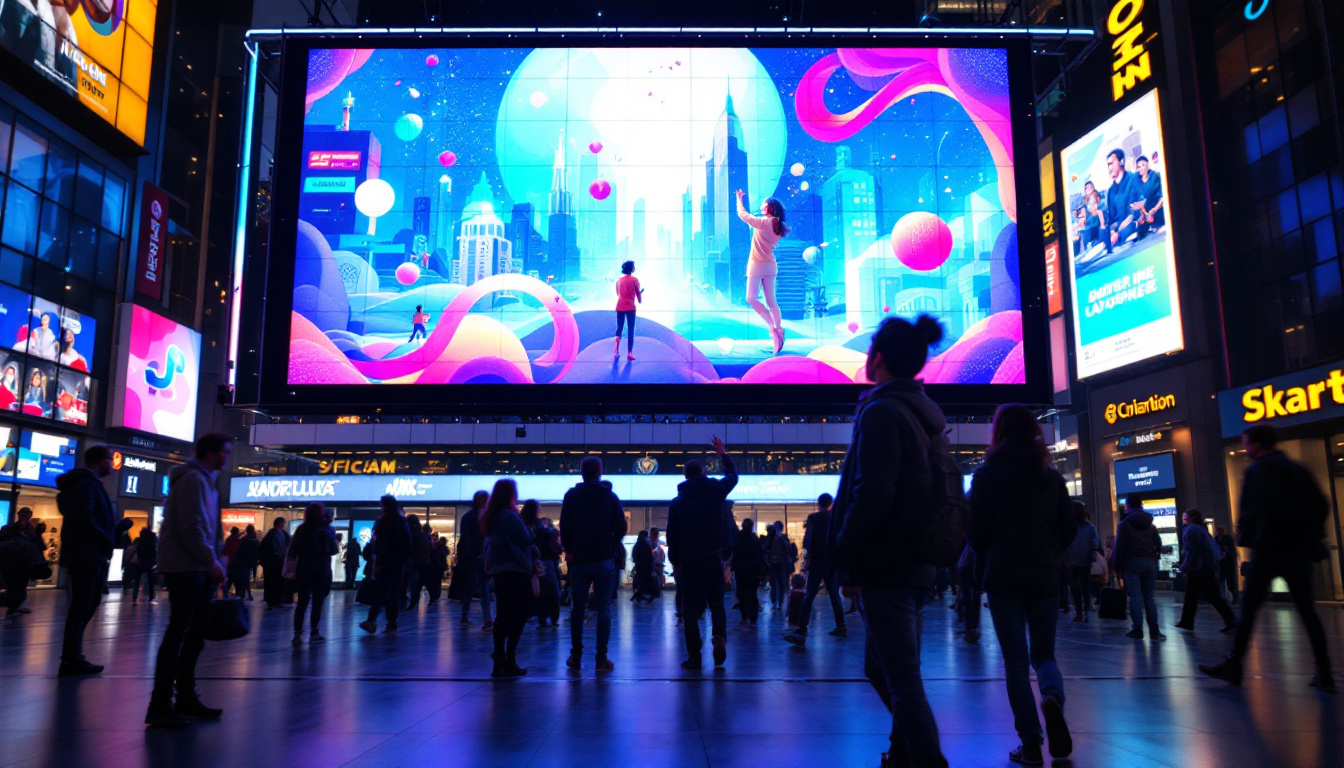
LED message boards have revolutionized outdoor advertising by offering eye-catching, high-impact visuals. According to a 2023 report by the Outdoor Advertising Association of America, digital out-of-home advertising, largely driven by LED displays, saw a 15% increase in revenue compared to the previous year.
Brands leverage LED boards in urban hotspots to engage consumers with vibrant campaigns that can be updated in real-time. This adaptability enables marketers to respond swiftly to market trends, seasonal promotions, or competitor activities.
Public Information and Safety
Municipalities and transportation authorities utilize LED message boards to communicate essential information such as traffic updates, weather alerts, and emergency notifications. The immediacy and clarity of LED displays help improve public safety and awareness.
For instance, during natural disasters or major events, authorities can broadcast evacuation routes or safety instructions quickly, potentially saving lives. The ability to program messages remotely also ensures timely dissemination without the need for physical intervention.
Corporate and Educational Environments
In corporate settings, LED message boards serve as effective tools for internal communication, displaying announcements, meeting schedules, and motivational content. Their modern appearance also enhances the aesthetic appeal of office spaces.
Educational institutions use LED displays to share event information, campus news, and emergency alerts. The dynamic nature of LED boards helps maintain student engagement and ensures critical messages reach the entire community promptly.
Choosing the Right LED Message Board
Assessing Display Resolution and Pixel Pitch
Resolution and pixel pitch are crucial factors when selecting an LED display. Pixel pitch refers to the distance between the centers of adjacent pixels, usually measured in millimeters. A smaller pixel pitch means higher resolution and sharper images, which is essential for close viewing distances.
For indoor message boards viewed from a few feet away, a pixel pitch of 1.5mm to 3mm is common. Outdoor displays, viewed from greater distances, can have larger pixel pitches ranging from 6mm to 20mm without compromising clarity.
Brightness Requirements
Consider the ambient lighting conditions where the LED board will be installed. Outdoor displays require higher brightness levels to remain visible in daylight, while indoor displays benefit from lower brightness to reduce glare and eye strain.
Durability and Weather Resistance
Outdoor LED message boards must be weatherproof, with protection against rain, dust, and temperature extremes. Look for displays with an IP65 rating or higher to ensure longevity and consistent performance in harsh environments.
Control Systems and Software
The ease of content management is a vital consideration. Modern LED displays come with user-friendly software platforms that allow scheduling, remote updates, and integration with other digital systems. Some advanced solutions support cloud-based control, enabling management from any location with internet access.
Future Trends in LED Display Technology
Mini-LED and Micro-LED Innovations
Emerging technologies like Mini-LED and Micro-LED promise to push the boundaries of display quality even further. These technologies use smaller LEDs to achieve higher pixel densities, resulting in ultra-sharp images with improved contrast and color accuracy.
Micro-LED displays, in particular, offer self-emissive properties similar to OLEDs but with better brightness and durability, making them a promising option for future message boards.
Integration with IoT and Smart Systems
LED message boards are increasingly being integrated into Internet of Things (IoT) ecosystems, allowing real-time data feeds and interactive capabilities. For example, smart city initiatives use connected LED displays to provide personalized information based on location or user preferences.
This integration enhances the utility of message boards beyond static communication, transforming them into dynamic hubs for information exchange.
Energy Harvesting and Sustainability
As sustainability becomes a priority, LED display manufacturers are exploring energy-harvesting technologies such as solar power integration. Combining LED message boards with renewable energy sources reduces environmental impact and operational costs, aligning with global green initiatives.
Conclusion
LED message boards have transformed the way information is communicated in public and private spaces. Their superior brightness, energy efficiency, and versatility make them an indispensable tool for advertising, public safety, corporate communication, and more. Understanding the underlying technology and key features helps organizations select the right LED display solutions tailored to their specific needs.
With ongoing advancements in LED technology and integration with smart systems, the future of LED message boards looks brighter than ever—offering richer visual experiences and smarter communication channels for audiences worldwide.
Illuminate Your Message with LumenMatrix
Ready to elevate your communication strategy with unparalleled brightness, energy efficiency, and dynamic content? LumenMatrix is at the forefront of LED display innovation, offering a comprehensive range of solutions tailored to your unique needs. From Indoor and Outdoor LED Walls to specialized displays for vehicles, sports, and even transparent applications, our mission is to transform your visual storytelling. Don’t just share your message—make it resonate with clarity and impact. Check out LumenMatrix LED Display Solutions and start creating captivating visual experiences today.