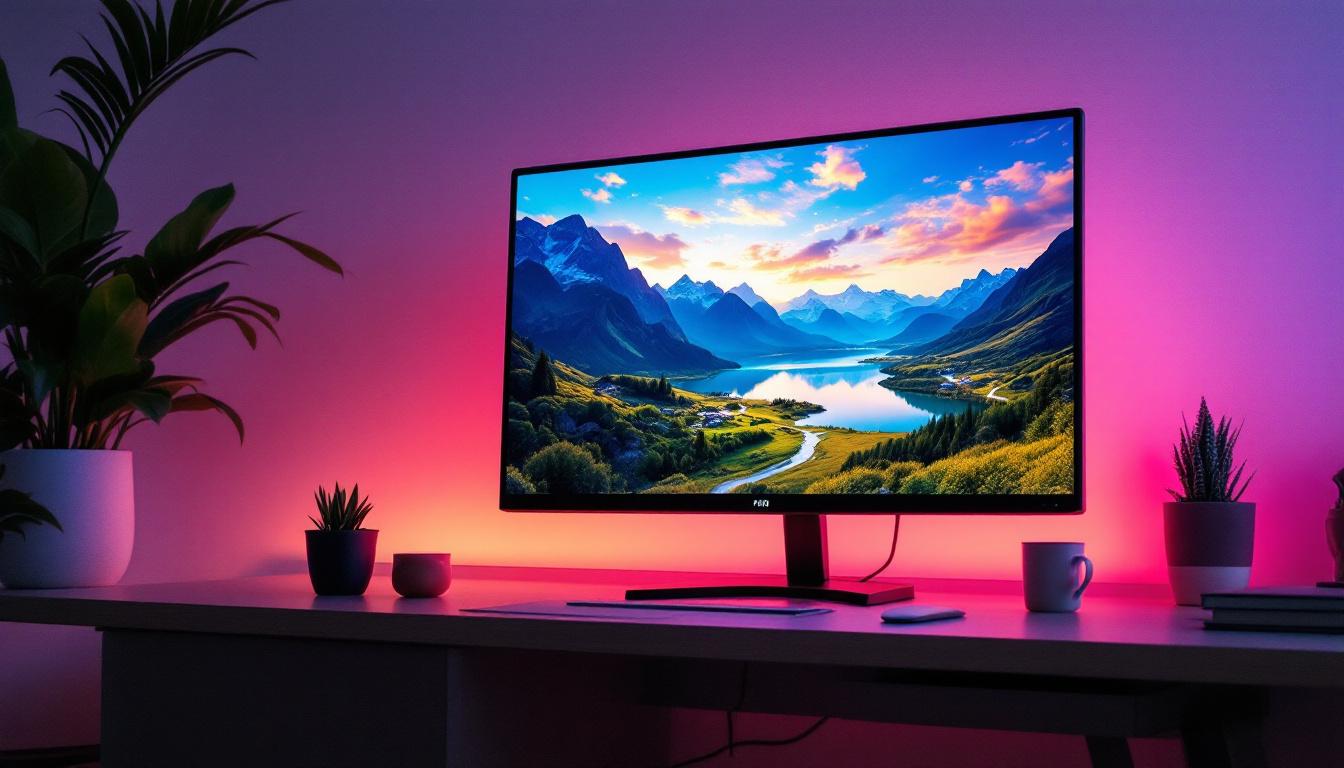
In today’s digital era, visual display technology plays a critical role across various industries—from corporate environments and retail spaces to entertainment venues and control rooms. Among the many display formats available, landscape monitor displays equipped with LED technology have emerged as a popular choice due to their superior brightness, color accuracy, and energy efficiency. This article delves into the nuances of landscape monitor displays, focusing on LED display technology, its advantages, applications, and the future trends shaping this dynamic field.
Understanding Landscape Monitor Displays
What Defines a Landscape Monitor Display?
A landscape monitor display refers to a screen oriented horizontally, with a width greater than its height. This orientation is the most common for computer monitors, televisions, and digital signage because it aligns well with human peripheral vision and the natural way we consume visual content. Landscape displays are especially suited for wide-format content such as spreadsheets, videos, and panoramic images.
While the orientation might seem straightforward, the technology behind these displays varies widely—from LCD and OLED to the increasingly prevalent LED technology. The choice of display technology affects image quality, energy consumption, and overall user experience. For instance, OLED displays offer deeper blacks and more vibrant colors compared to traditional LCDs, making them a popular choice for high-end televisions and professional graphic design monitors. Additionally, advancements in LED technology have led to thinner, lighter displays that can be used in a variety of settings, from home entertainment systems to large-scale outdoor advertising.
Why Landscape Orientation Matters
Landscape orientation enhances user interaction by providing a broader field of view. It is particularly advantageous in professional settings where multitasking is common, such as financial trading floors, video editing suites, and control rooms. The wider layout allows for multiple windows and applications to be open simultaneously, boosting productivity. This is particularly evident in industries that rely on data visualization, where analysts can display charts and graphs side by side for comprehensive analysis without the need to toggle between screens.
Moreover, in digital signage and advertising, landscape displays can capture audience attention more effectively by accommodating wider visuals and dynamic content layouts. This orientation also supports immersive experiences in gaming and entertainment. For example, many modern video games are designed with landscape displays in mind, utilizing the extra width to create expansive environments and detailed graphics that draw players into the action. Additionally, landscape monitors are increasingly being used in virtual reality setups, where the immersive experience is enhanced by the ability to view a wider field of vision, making the virtual world feel more realistic and engaging.
LED Display Technology: The Backbone of Modern Landscape Monitors
What is LED Display Technology?
LED stands for Light Emitting Diode, a semiconductor device that emits light when an electric current passes through it. In the context of displays, LED technology refers to the use of these diodes as the light source behind the screen. There are two primary types of LED displays: direct LED and edge-lit LED.
Direct LED displays have diodes placed directly behind the screen, providing uniform brightness and better contrast. Edge-lit LED displays position LEDs around the edges of the screen, which allows for thinner monitors but can sometimes result in uneven lighting. The choice between these two types often depends on the specific application and the desired visual quality, with direct LED displays typically favored for high-end applications where color accuracy is paramount.
Advantages of LED Displays in Landscape Monitors
LED technology offers several compelling benefits over traditional display technologies:
- Brightness and Visibility: LED displays can achieve higher brightness levels, making them ideal for environments with strong ambient light, such as outdoor digital signage or well-lit offices.
- Energy Efficiency: LEDs consume less power compared to older technologies like CCFL-backlit LCDs, reducing operational costs and environmental impact.
- Color Accuracy and Contrast: LED displays provide vibrant colors and deeper blacks, enhancing the overall viewing experience. This is critical for professional applications like photo editing and medical imaging.
- Longevity and Durability: LEDs have a longer lifespan and are more resistant to shock and vibration, making them suitable for rugged environments.
In addition to these advantages, LED displays are also known for their rapid response times, which is particularly beneficial for applications requiring fast-moving visuals, such as gaming or video editing. The ability to display high frame rates without motion blur enhances the viewer’s experience and allows for smoother transitions in dynamic content. Furthermore, the lightweight nature of LED technology facilitates easier installation and portability, making it a preferred choice for trade shows and temporary exhibitions.
Comparing LED with Other Display Technologies
While OLED displays are gaining popularity due to their exceptional contrast ratios and flexibility, LED displays remain dominant in many sectors due to their cost-effectiveness and brightness. LCD monitors with LED backlighting are the most common form of LED displays, combining the sharpness of LCD with the efficiency of LED lighting.
Compared to plasma displays, LED monitors are thinner, lighter, and more energy-efficient, which is why they have largely replaced plasma in consumer and commercial markets. Additionally, LED technology has evolved to include advancements such as local dimming, which enhances contrast by allowing specific areas of the screen to be dimmed while others remain bright. This feature is particularly useful in enhancing the viewing experience for movies and high-definition content, where dark scenes can be rendered more effectively without losing detail in brighter areas.
Applications of Landscape LED Displays Across Industries
Corporate and Professional Environments
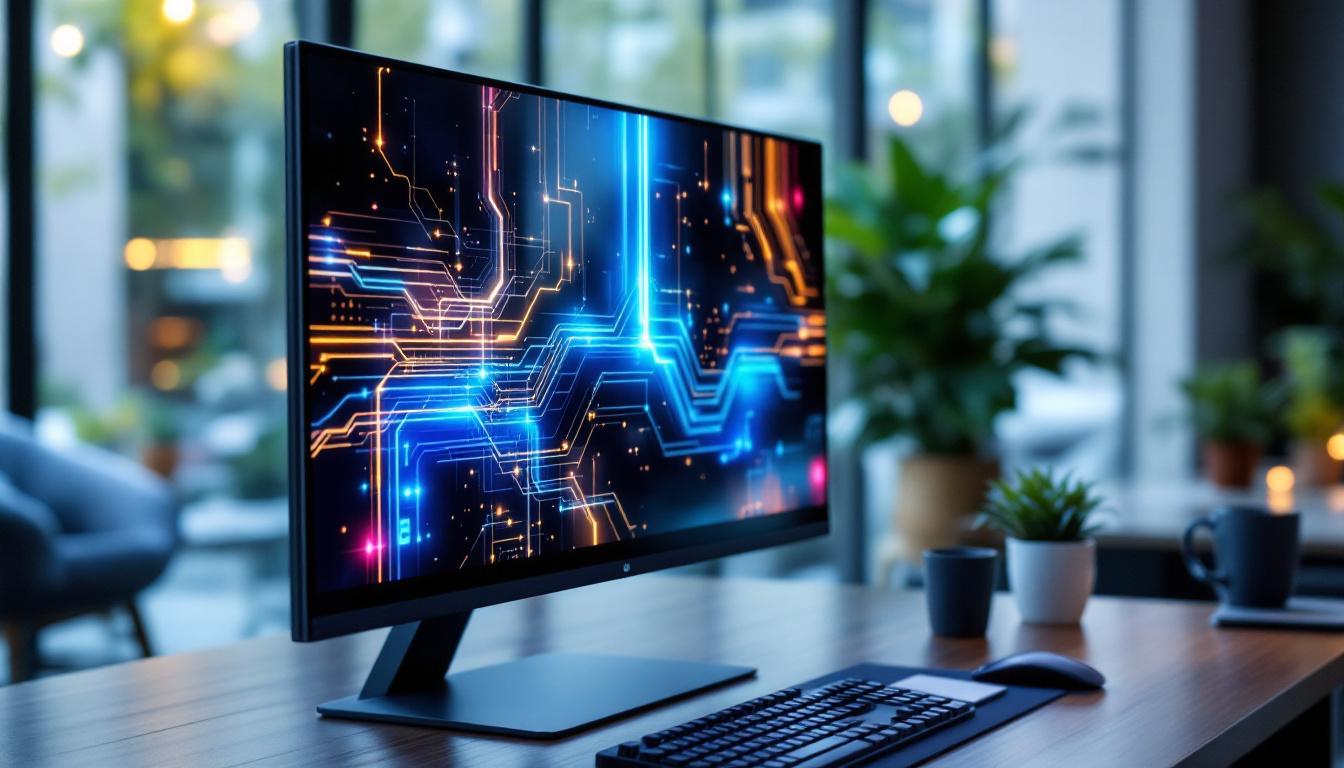
In offices and professional settings, landscape LED monitors are essential tools for productivity. They support multitasking by allowing users to open multiple applications side by side. High-resolution LED displays help professionals in graphic design, video production, and data analysis by delivering precise color reproduction and sharp image details.
Furthermore, LED monitors are increasingly used in conference rooms and collaboration spaces. Large-format LED displays facilitate presentations, video conferencing, and interactive meetings, enhancing communication and decision-making processes.
Retail and Advertising
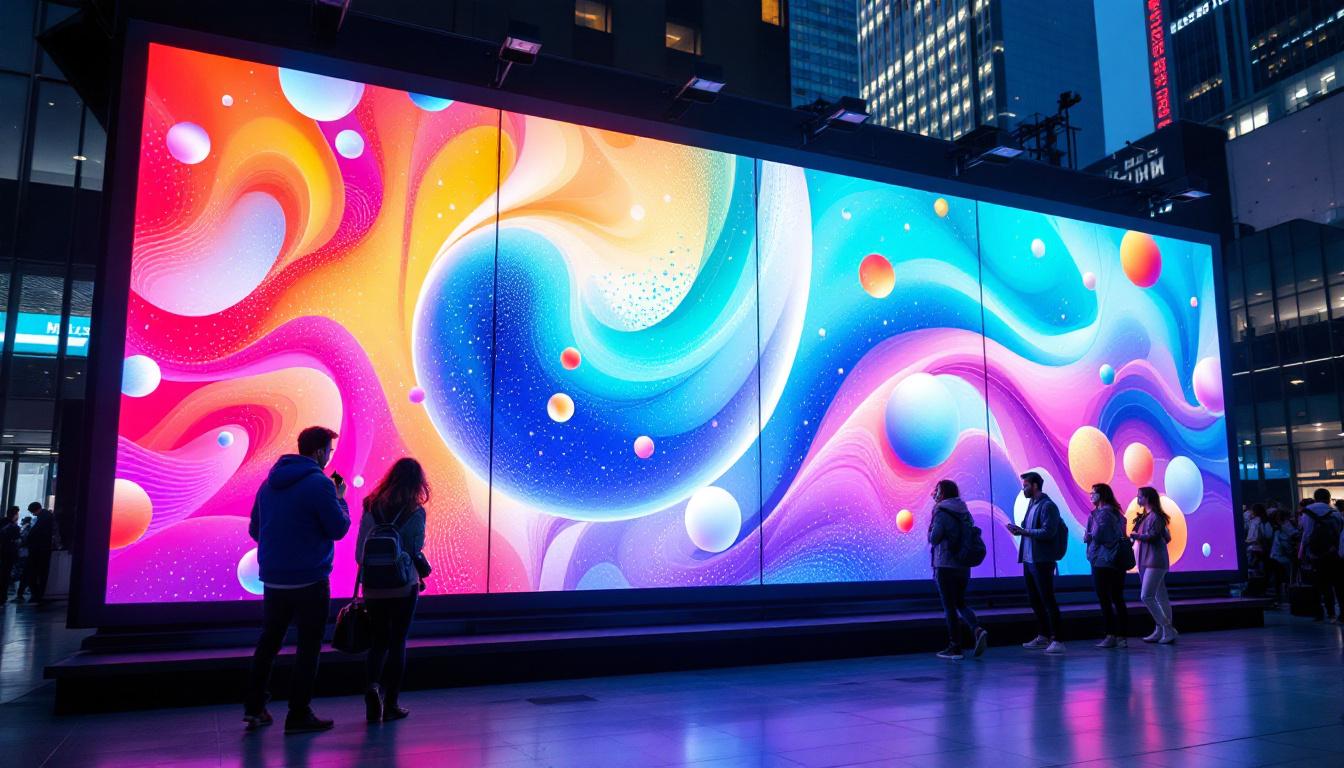
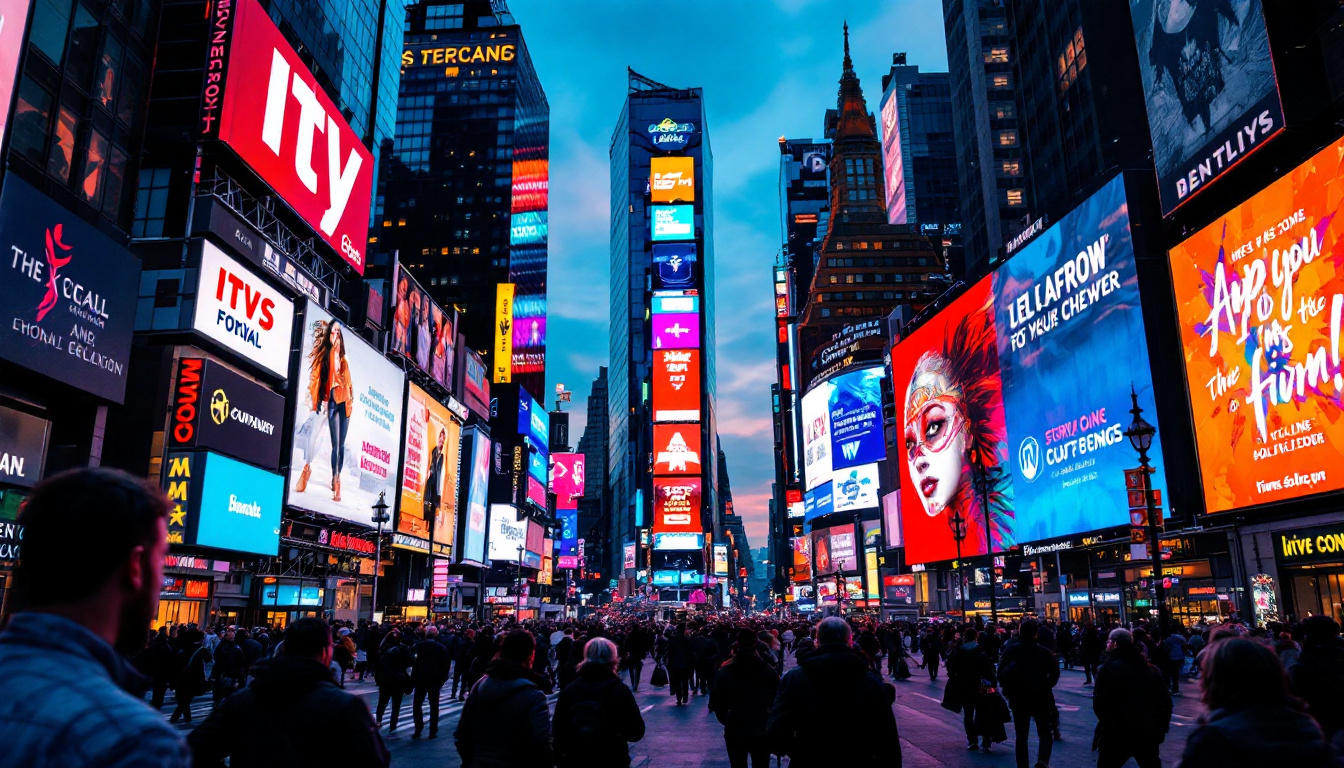
Retailers leverage landscape LED displays for dynamic digital signage that attracts customers and promotes products. The brightness and vivid colors of LED screens make advertisements stand out even in brightly lit environments, increasing engagement and sales.
According to a 2023 report by Grand View Research, the global digital signage market is expected to grow at a compound annual growth rate (CAGR) of 7.5% through 2030, driven largely by advancements in LED technology and demand for interactive displays.
Entertainment and Gaming
Landscape LED monitors are the preferred choice for gamers and entertainment enthusiasts due to their fast refresh rates, low latency, and color accuracy. High dynamic range (HDR) support in LED displays enhances the visual experience by delivering deeper contrasts and more lifelike images.
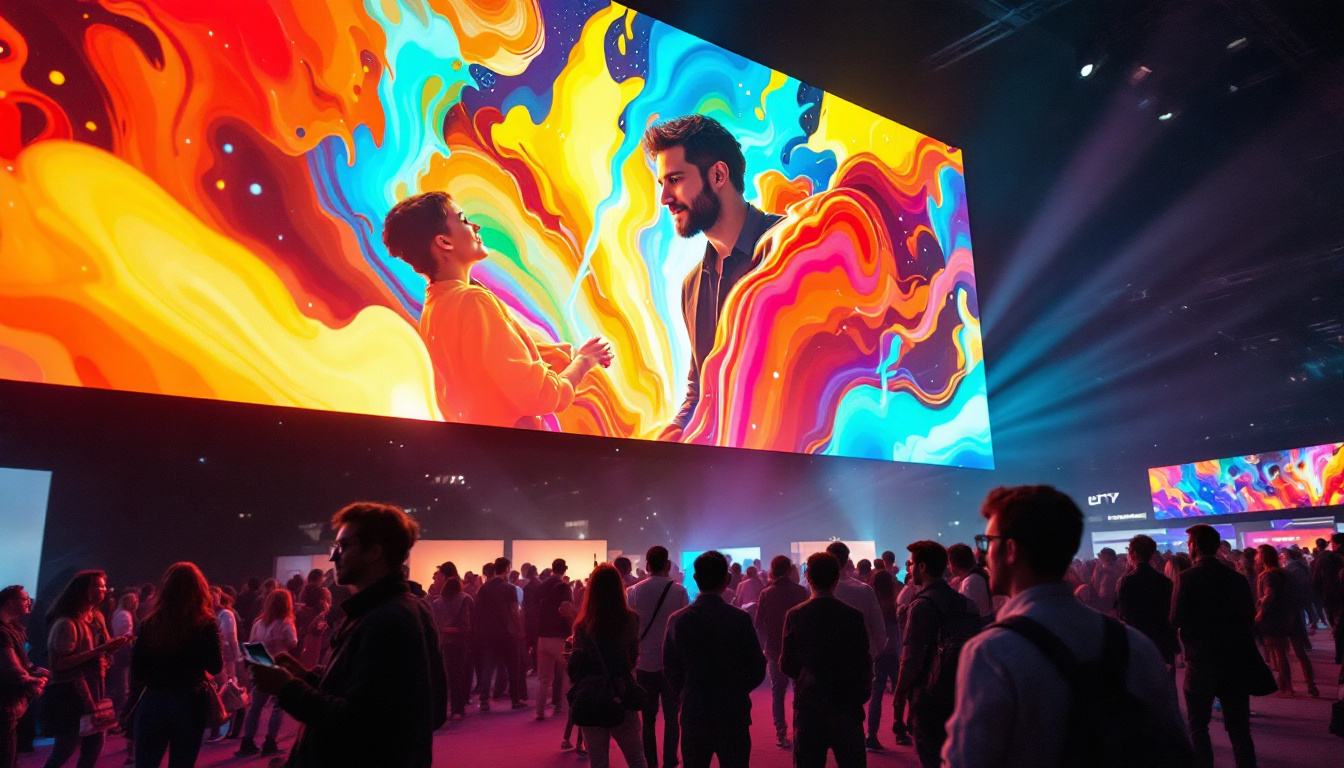
In cinemas and live event venues, large-scale LED video walls provide immersive viewing experiences, replacing traditional projection systems with brighter, sharper images that are visible from greater distances.
Control Rooms and Industrial Use
In mission-critical environments such as control rooms for utilities, transportation, and security, landscape LED displays provide reliable, high-visibility screens that display real-time data and video feeds. Their durability and long lifespan reduce downtime and maintenance costs.
Industrial applications also benefit from LED displays’ ability to operate under a wide range of temperatures and lighting conditions, ensuring consistent performance in challenging environments.
Key Features to Consider When Choosing a Landscape LED Monitor
Resolution and Screen Size
Resolution determines the clarity and detail of the image displayed. Common resolutions for landscape monitors include Full HD (1920×1080), Quad HD (2560×1440), and 4K UHD (3840×2160). Higher resolutions are crucial for tasks requiring fine detail, such as CAD design or video editing.
Screen size should be selected based on the intended use and workspace. Larger displays provide more screen real estate but require more desk space and higher processing power.
Refresh Rate and Response Time
For applications involving fast-moving images, such as gaming or video playback, a high refresh rate (measured in Hz) and low response time are essential to reduce motion blur and input lag. Typical refresh rates range from 60Hz to 240Hz, with professional gaming monitors often exceeding 144Hz.
Connectivity Options
Modern landscape LED monitors come equipped with various input ports including HDMI, DisplayPort, USB-C, and legacy VGA connectors. Multiple connectivity options ensure compatibility with a wide range of devices and facilitate multi-monitor setups.
Ergonomics and Adjustability
Adjustable stands that allow tilt, swivel, and height changes improve user comfort and reduce strain during extended use. Some monitors also support VESA mounts for flexible installation options.
Future Trends in Landscape LED Display Technology
Mini-LED and Micro-LED Innovations
Emerging technologies like Mini-LED and Micro-LED are set to revolutionize landscape displays. Mini-LED uses thousands of tiny LEDs for backlighting, offering improved contrast and local dimming capabilities. Micro-LED takes this further by using microscopic LEDs as individual pixels, delivering superior brightness, color accuracy, and energy efficiency without the burn-in issues associated with OLED.
Integration with Smart Technologies
Smart monitors with built-in AI capabilities are becoming more common, enabling features such as automatic brightness adjustment, eye strain reduction, and voice control. Integration with Internet of Things (IoT) platforms allows for seamless connectivity and enhanced user experiences.
Sustainability and Energy Efficiency
As environmental concerns grow, manufacturers are focusing on developing LED displays with lower power consumption and recyclable materials. Energy Star certification and other eco-labels are increasingly important criteria for buyers.
Conclusion
Landscape monitor displays utilizing LED technology represent a versatile and high-performance solution for a wide array of applications. Their combination of brightness, color fidelity, energy efficiency, and durability makes them an indispensable tool in professional, commercial, and entertainment settings. As LED technology continues to evolve, with innovations like Mini-LED and Micro-LED on the horizon, the future promises even more immersive and sustainable display experiences.
Choosing the right landscape LED monitor involves understanding the specific needs of the application, including resolution, size, refresh rate, and connectivity. Staying informed about the latest trends and technological advancements will ensure that users can maximize the benefits of LED displays in their environments.
Discover LumenMatrix’s Advanced LED Display Solutions
Ready to elevate your visual experience with the latest in LED technology? Look no further than LumenMatrix, a pioneer in the industry, committed to transforming your visual communication with our comprehensive range of LED display modules. From the immersive Indoor LED Wall Display to the dynamic Outdoor LED Wall Display, and from the versatile Vehicle LED Display to the innovative Custom LED Display options, LumenMatrix has the perfect solution to captivate your audience. Embrace the future of display technology and check out LumenMatrix LED Display Solutions today to share your message with unparalleled impact and precision.