In the rapidly evolving world of advertising and digital communication, LED displays have emerged as one of the most effective tools for capturing attention and delivering dynamic content. From bustling city centers to retail storefronts, LED ad displays are transforming how brands engage with audiences. This article delves into the technology behind LED displays, their applications, benefits, and considerations for businesses looking to invest in this vibrant advertising medium.
Understanding LED Display Technology
At its core, an LED display is a flat panel that uses light-emitting diodes (LEDs) as pixels to create images, videos, and text. Unlike traditional LCD screens that rely on backlighting, LEDs emit their own light, allowing for brighter and more vivid displays. This fundamental difference is what makes LED displays particularly suitable for outdoor and large-scale advertising. The ability to produce high-contrast images in various lighting conditions has revolutionized the way brands communicate their messages, making them more engaging and eye-catching.
Moreover, LED technology has advanced significantly over the years, leading to innovations such as dynamic content management systems that allow for real-time updates. This means that businesses can change their advertisements instantly based on time of day, weather conditions, or audience demographics, enhancing the effectiveness of their marketing strategies.
How LED Displays Work
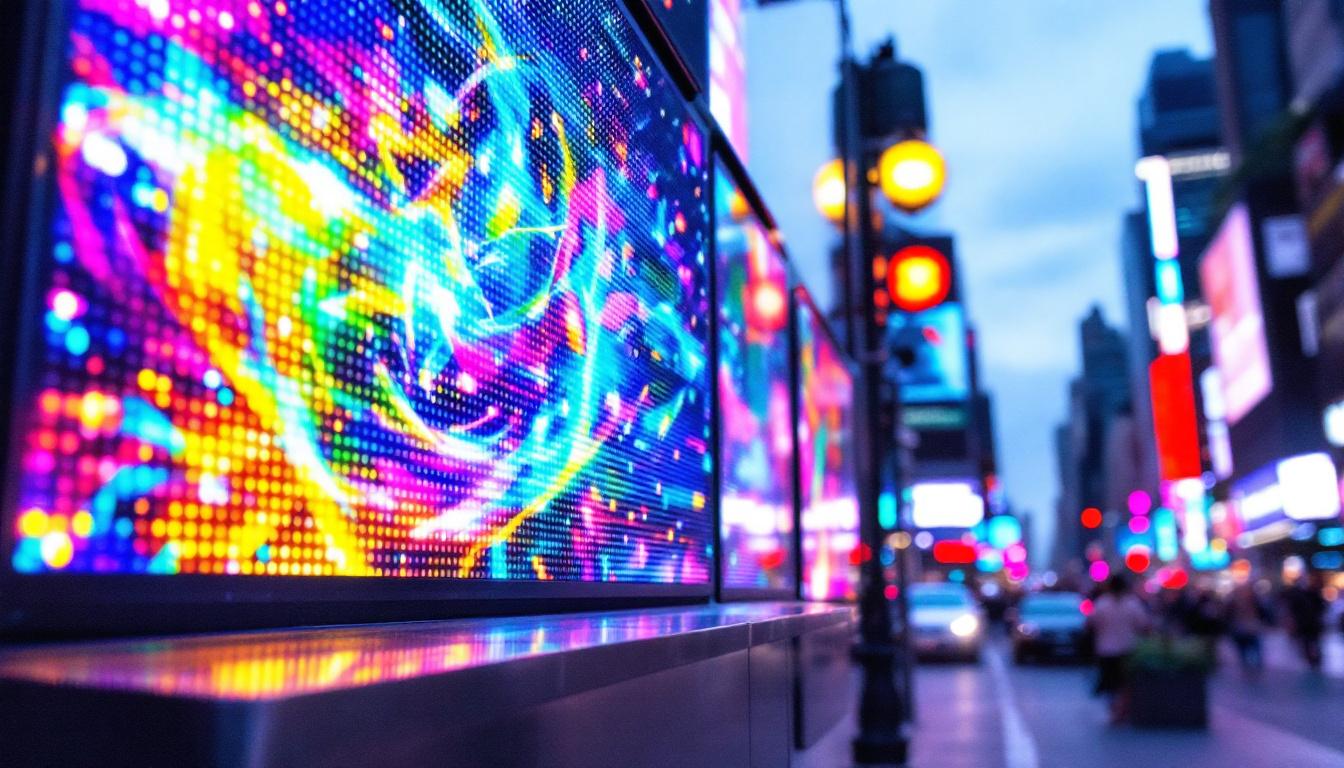
Each LED display consists of thousands to millions of tiny LEDs arranged in a grid. These LEDs can be red, green, and blue (RGB), and by adjusting the intensity of each color, the display can produce a full spectrum of colors. The control system sends signals to these LEDs, determining which lights turn on and at what brightness, thereby forming the desired image or video. This precise control over color and brightness is what allows LED displays to achieve such high levels of detail and vibrancy.
Modern LED displays use surface-mounted device (SMD) technology, where LEDs are mounted directly onto the circuit board. This allows for higher resolution and better color accuracy, crucial for detailed advertisements and branding messages. Additionally, advancements in processing technology have enabled smoother video playback and more complex visual effects, making LED displays not just a medium for static images but a canvas for dynamic storytelling.
Types of LED Displays
LED displays vary widely based on their design and intended use. The main categories include:
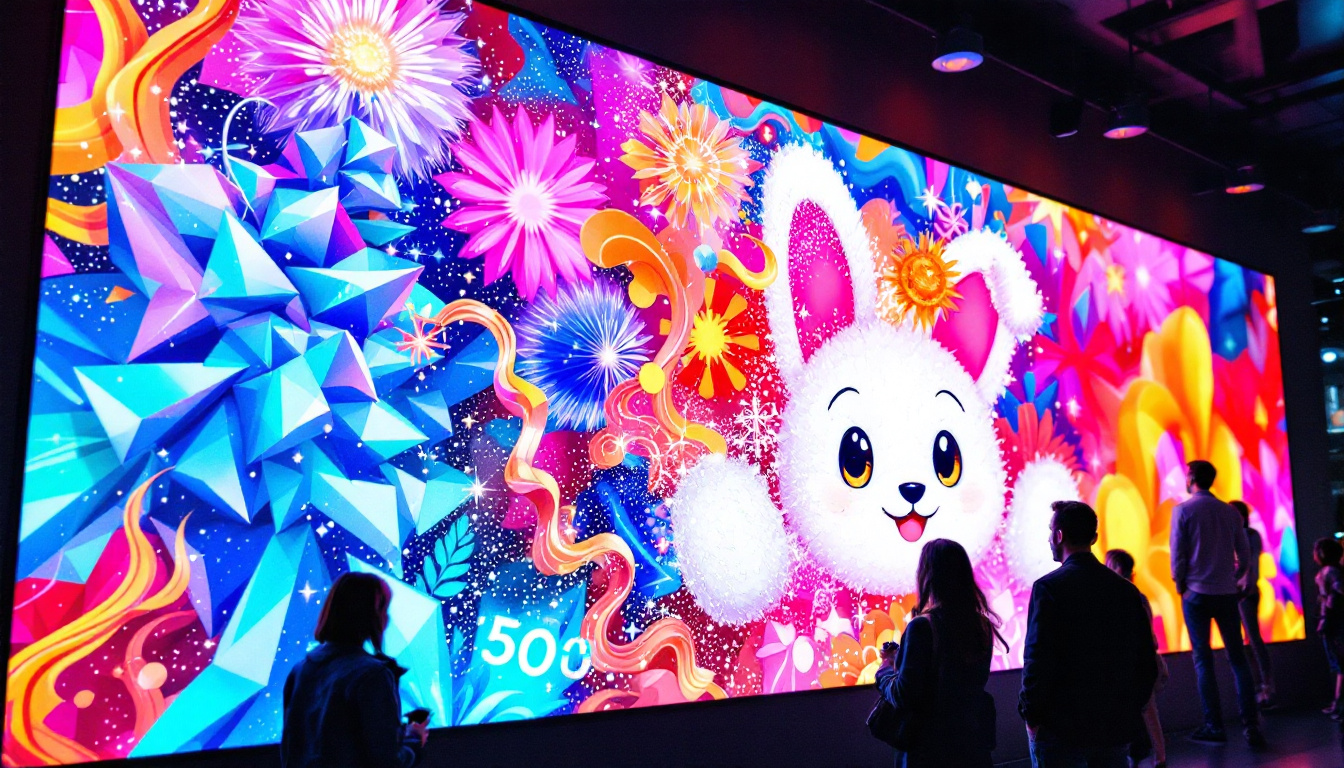
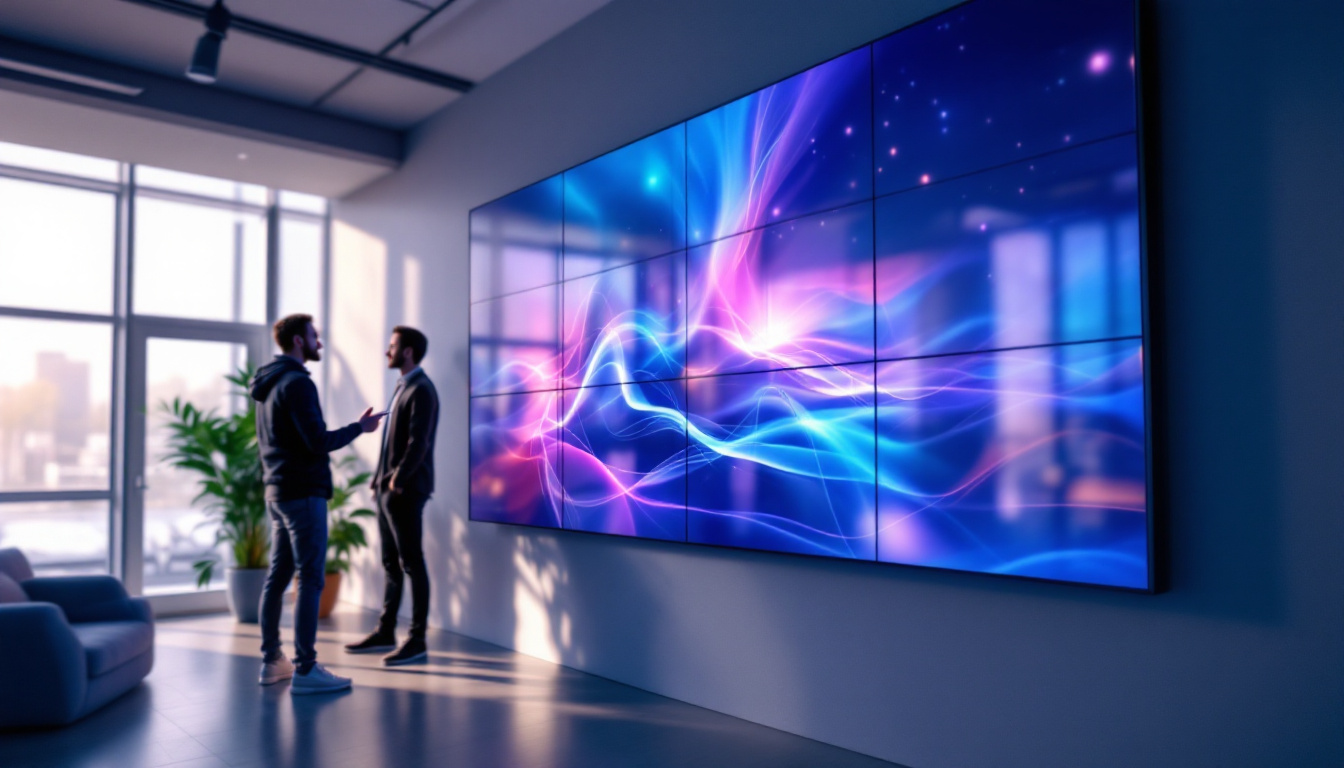
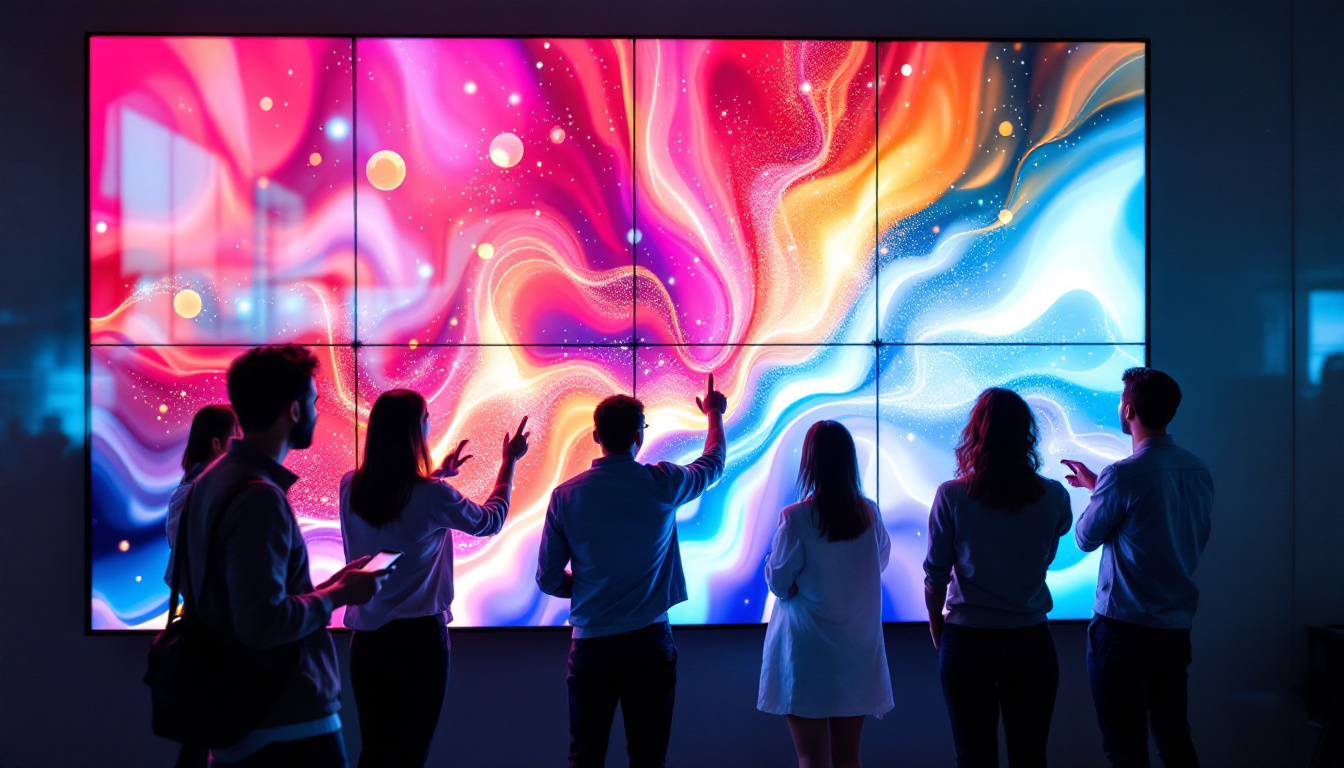
- Indoor LED Displays: Designed for close-range viewing, these displays have a smaller pixel pitch (distance between LEDs), providing sharper images in confined spaces such as retail stores, conference rooms, and airports. Their versatility allows for creative installations, including interactive displays that engage customers directly.
- Outdoor LED Displays: Built to withstand weather conditions and sunlight, these displays have higher brightness levels and durable casings. They are commonly found on billboards, stadiums, and urban advertising installations. The latest outdoor models are equipped with advanced cooling systems to ensure optimal performance even in extreme temperatures.
- Transparent LED Displays: These innovative screens allow light to pass through, making them ideal for shop windows and architectural applications where visibility both inside and outside is desired. This technology not only enhances aesthetic appeal but also creates new opportunities for advertising without obstructing views.
- Flexible LED Displays: Utilizing bendable panels, these displays can conform to curved surfaces, opening new creative possibilities for advertising and event staging. Their lightweight and adaptable nature makes them perfect for unique installations, such as immersive environments at trade shows or concerts.
As LED technology continues to evolve, we can expect even more exciting developments, such as higher resolutions, improved energy efficiency, and enhanced interactivity. These advancements will further solidify LED displays as a dominant force in visual communication, transforming not just advertising but also the way we experience information in our daily lives.
Applications of LED Ad Displays in Modern Advertising
LED ad displays have revolutionized advertising by offering dynamic, eye-catching content that can be updated in real time. Their versatility has led to widespread adoption across various sectors.
Outdoor Advertising and Digital Billboards
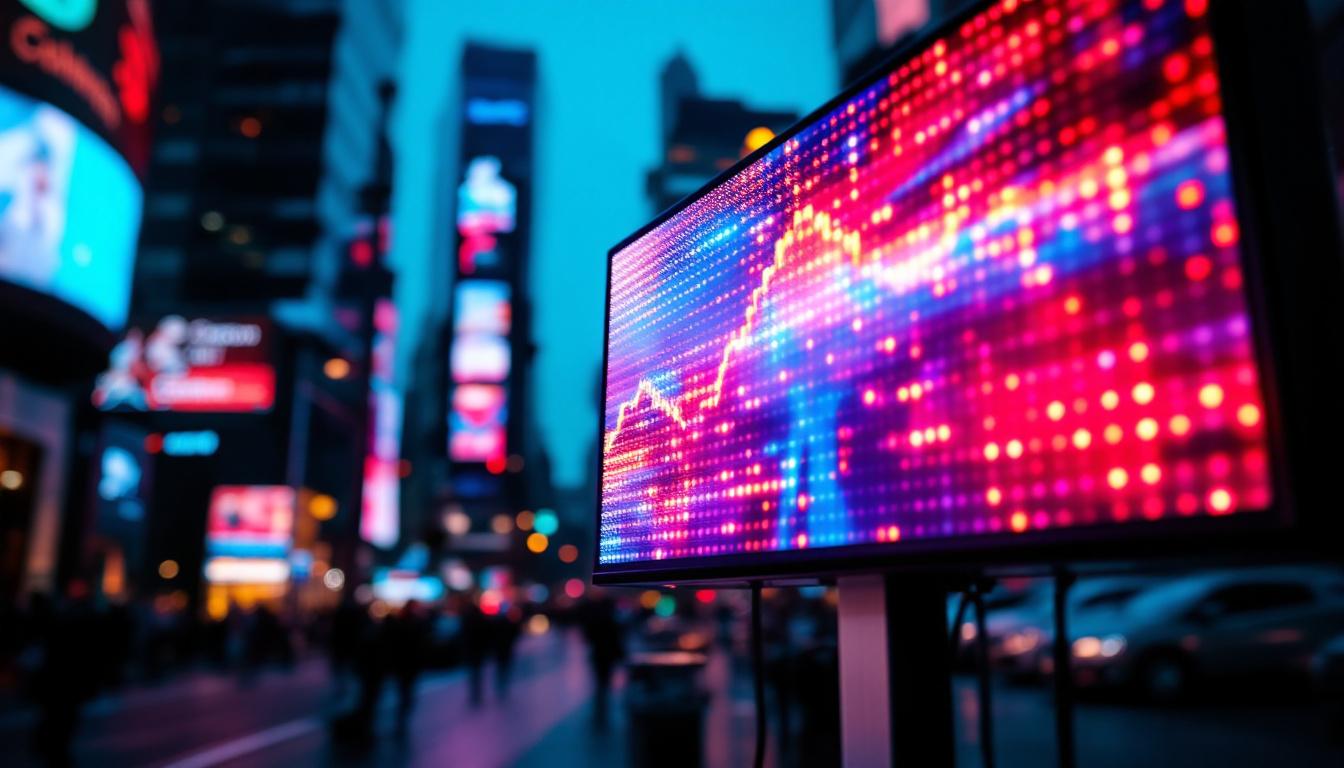
Digital billboards equipped with LED technology have become a staple in urban advertising. According to a 2023 report by the Outdoor Advertising Association of America (OAAA), digital out-of-home (DOOH) advertising, which includes LED billboards, grew by over 15% year-over-year, highlighting the medium’s increasing effectiveness and popularity.
LED billboards allow advertisers to rotate multiple ads in a single location, schedule content based on time of day or audience demographics, and even display interactive or real-time information such as weather updates or social media feeds.
Retail and Point-of-Sale Displays
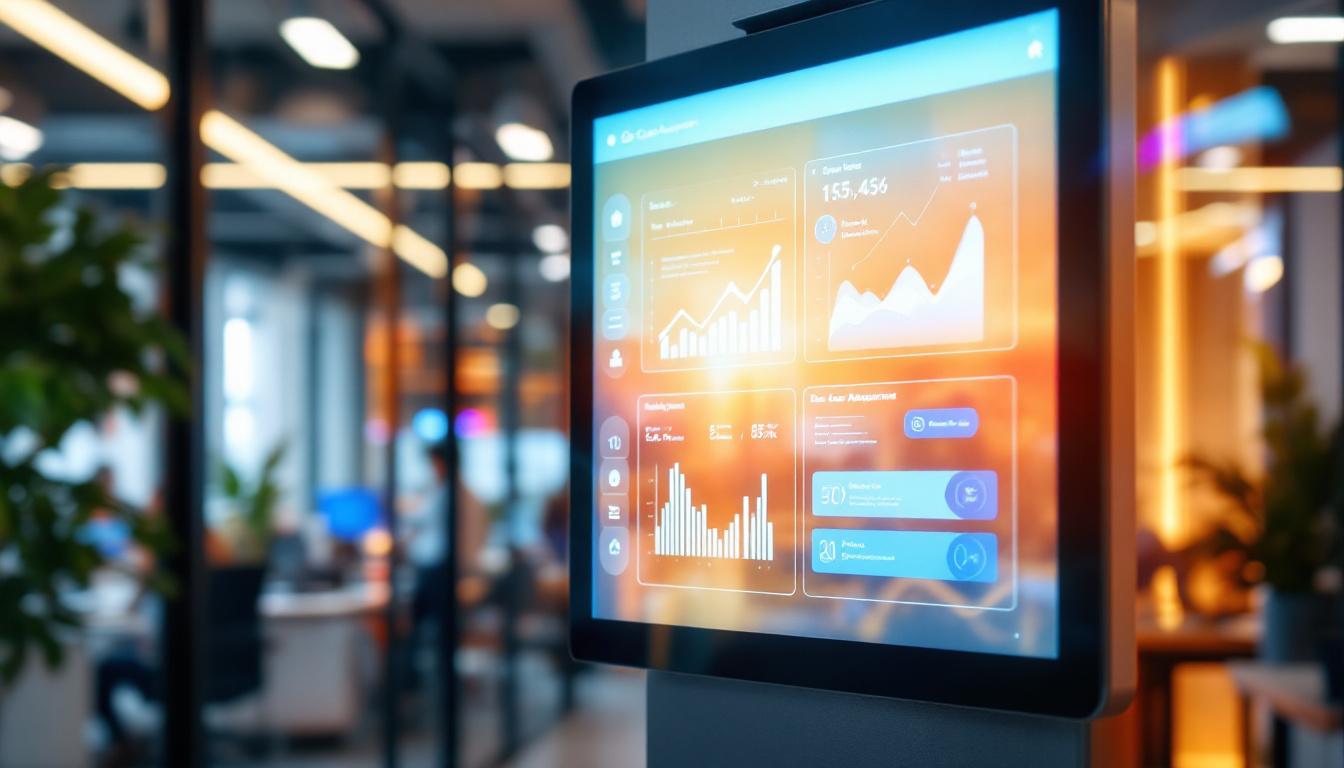
In retail environments, LED displays serve as powerful tools to attract customers and promote products. With their bright, vibrant visuals, these displays can highlight promotions, new arrivals, or brand messages in a way that static signs cannot match.
For example, fashion retailers often use indoor LED screens to showcase runway footage or seasonal collections, enhancing the shopping experience and driving engagement. Additionally, LED price tags and shelf displays are gaining traction for their ability to update pricing instantly and reduce manual labor.
Events, Sports, and Entertainment Venues
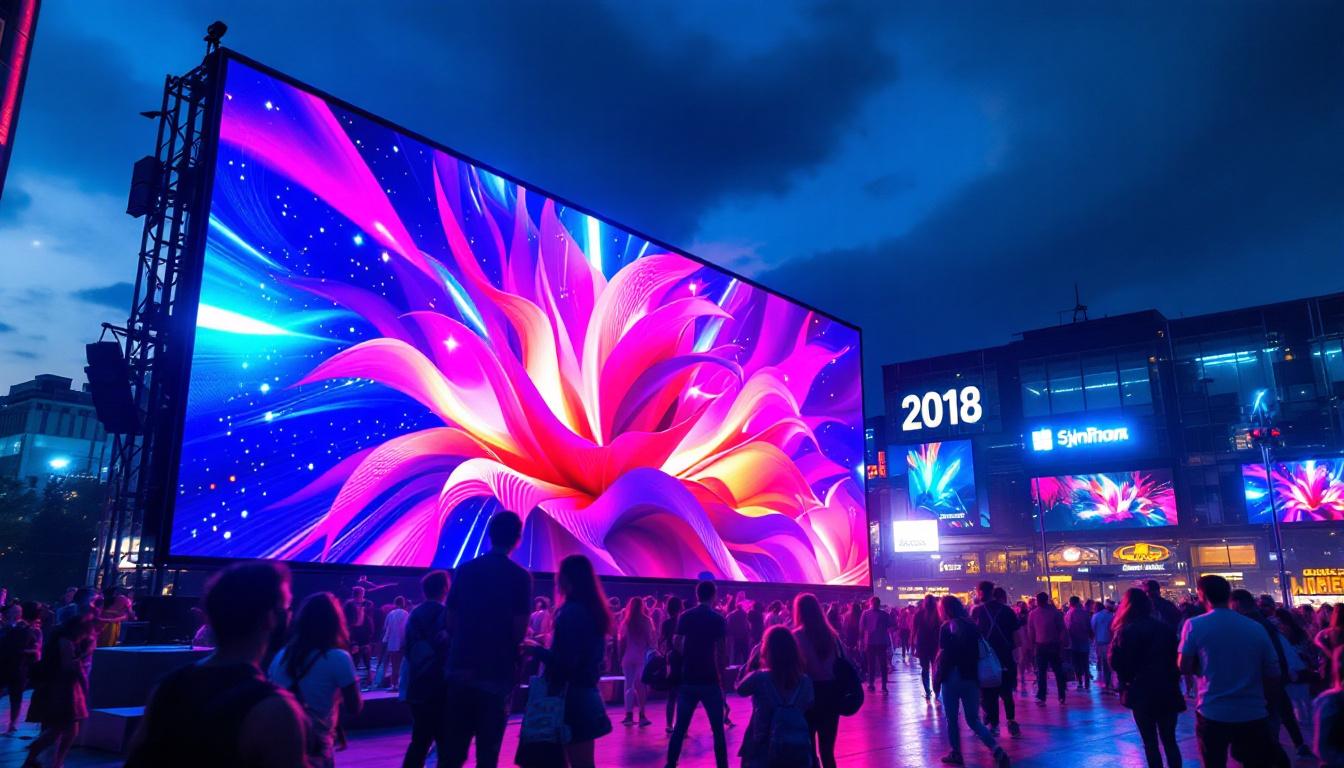
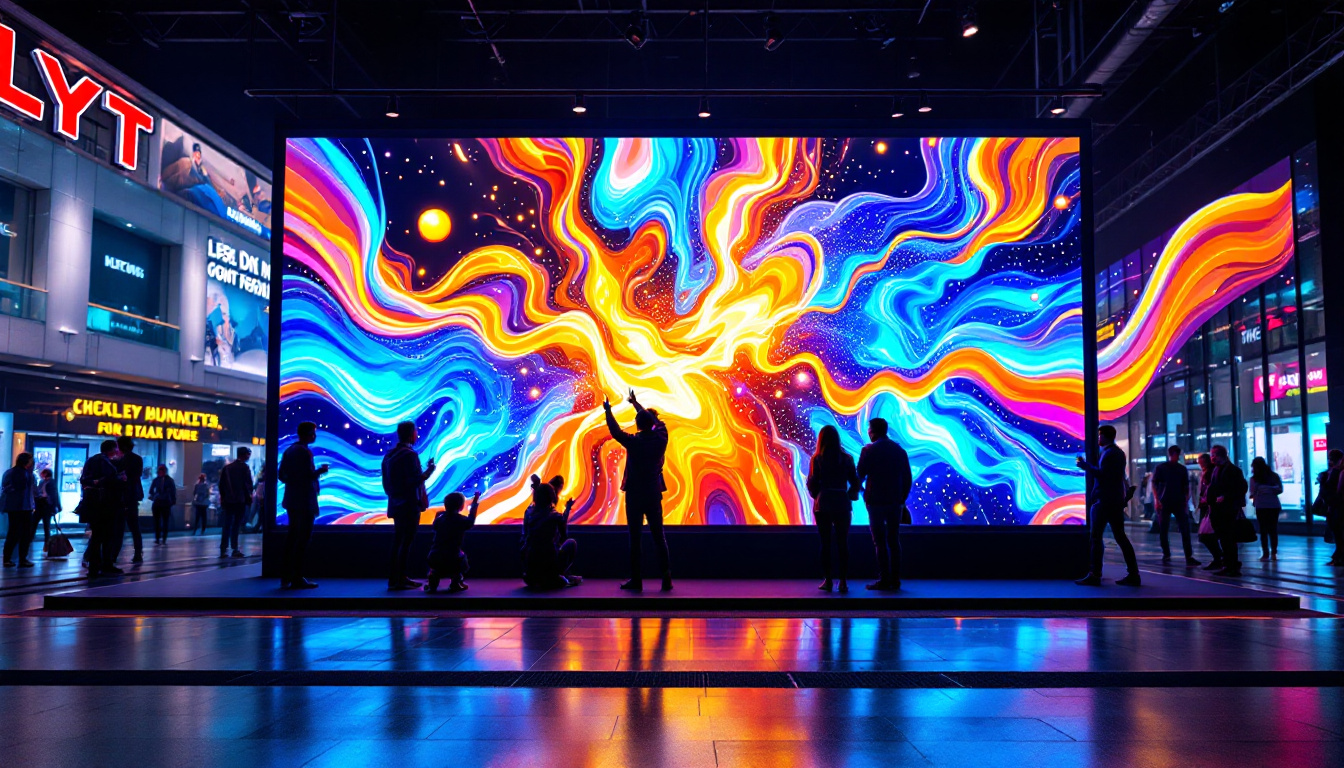
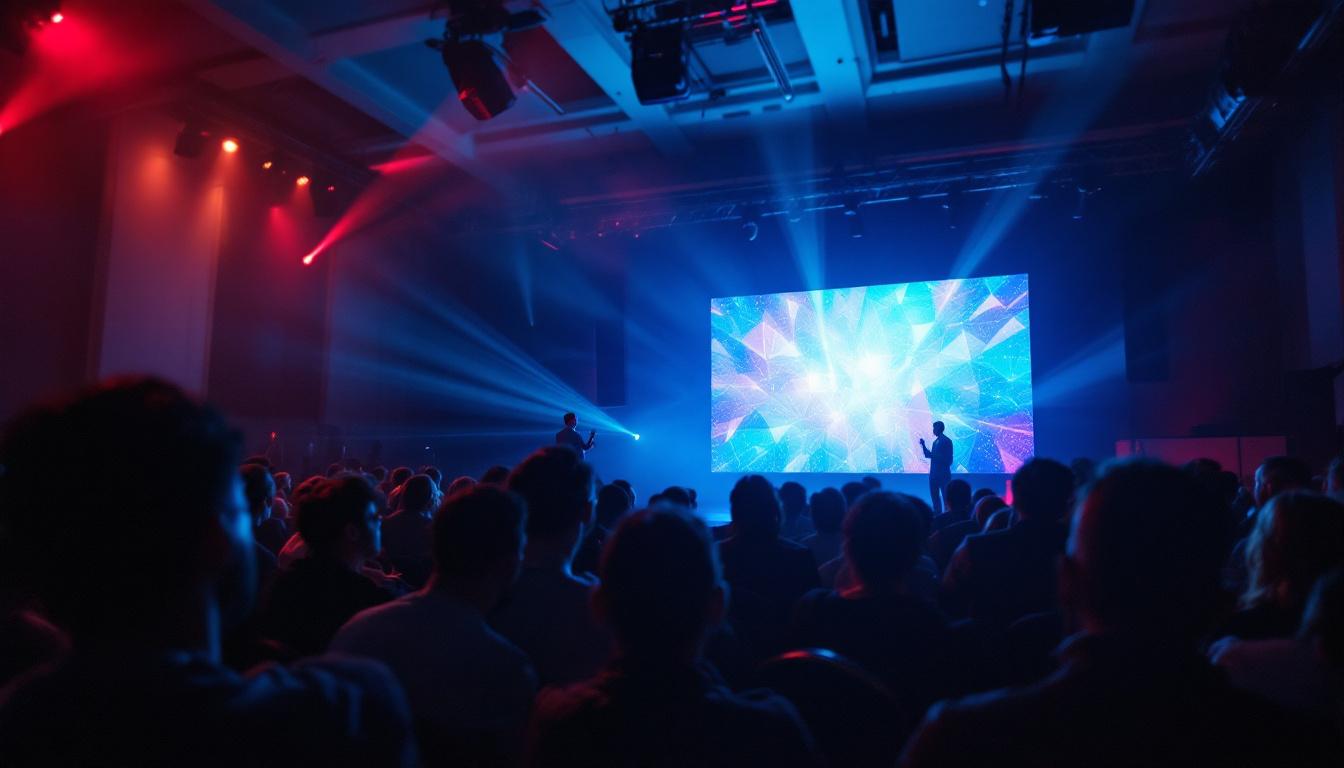
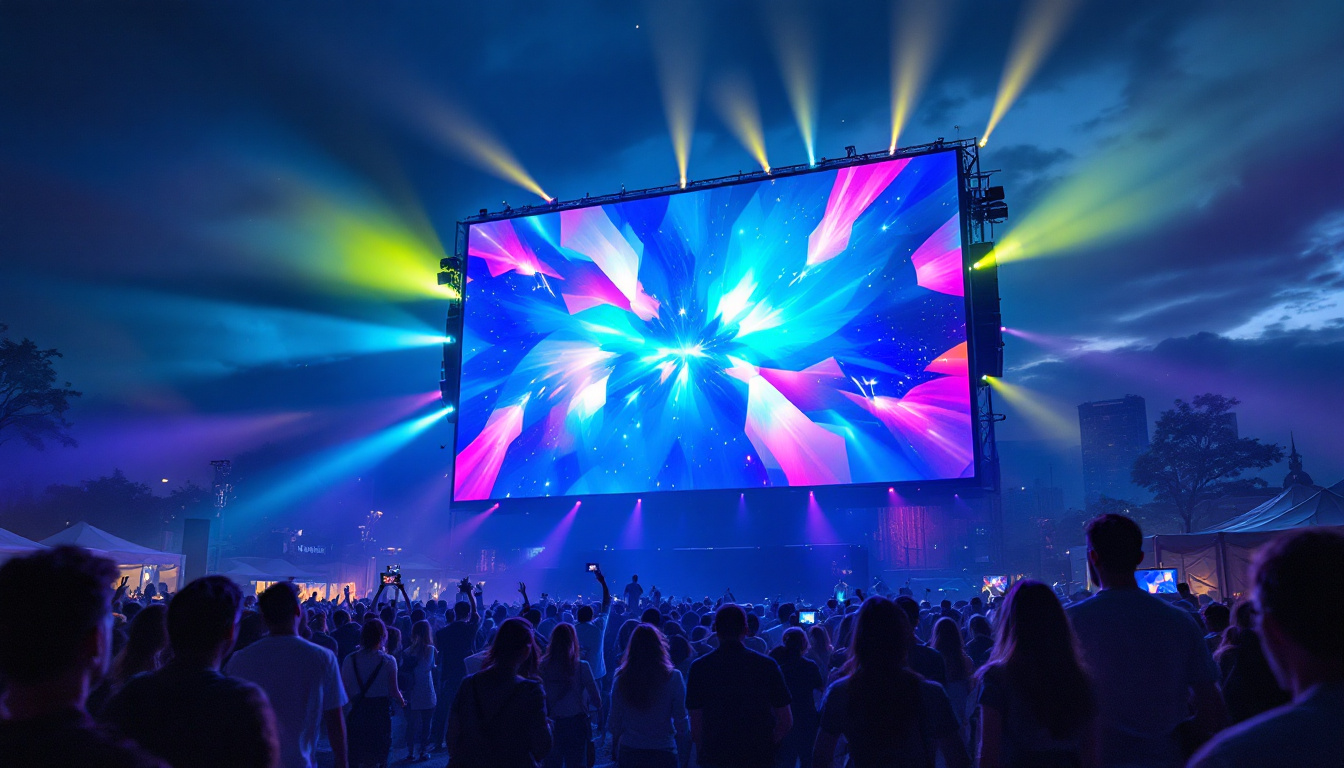
LED displays are integral to live events and venues, providing large-scale visuals that enhance the audience’s experience. From concert backdrops to stadium scoreboards, LED screens deliver high-resolution content visible from great distances.
Moreover, their ability to display dynamic content such as instant replays, advertisements, and interactive fan messages makes them invaluable for event organizers and sponsors alike.
Benefits of Using LED Ad Displays
Businesses and advertisers are increasingly turning to LED displays because they offer several compelling advantages over traditional advertising methods.
High Visibility and Brightness
LED displays are renowned for their brightness, often exceeding 5,000 nits for outdoor screens, which ensures visibility even in direct sunlight. This level of brightness is impossible to achieve with conventional LCD or projection-based displays, making LEDs ideal for outdoor advertising where ambient light can be a challenge.
Energy Efficiency and Longevity
Compared to older display technologies, LEDs consume less power while providing superior brightness and color quality. Advances in LED technology have also extended their lifespan, with many commercial displays rated for 100,000 hours or more of operation.
This energy efficiency translates into lower operating costs and reduced environmental impact, aligning with the growing emphasis on sustainable business practices.
Flexibility and Real-Time Content Updates
One of the most significant advantages of LED ad displays is their ability to change content instantly. Advertisers can update messages remotely, schedule campaigns, and tailor content to specific audiences or times of day.
This flexibility allows for more targeted marketing strategies and the ability to respond quickly to market trends or events, enhancing the relevance and effectiveness of advertising campaigns.
Durability and Weather Resistance
Outdoor LED displays are engineered to withstand harsh weather conditions, including rain, wind, and extreme temperatures. Their robust construction ensures minimal downtime and reliable performance, which is critical for advertisers relying on continuous exposure.
Key Considerations When Choosing an LED Ad Display
While LED displays offer many benefits, selecting the right solution requires careful consideration of several factors to ensure optimal performance and return on investment.
Pixel Pitch and Resolution
Pixel pitch, the distance between individual LEDs, directly affects the display’s resolution and viewing distance. Smaller pixel pitches provide higher resolution and are suitable for close-up viewing, while larger pitches are ideal for long-distance visibility.
For example, a retail store window display might use a pixel pitch of 2-3mm to deliver crisp images to pedestrians, whereas a highway billboard could use a pitch of 10mm or more to ensure visibility from afar.
Brightness and Contrast Ratio
Brightness levels must be matched to the display environment. Outdoor displays require high brightness to combat sunlight, while indoor screens can operate at lower levels to reduce eye strain and save energy.
Contrast ratio, the difference between the darkest and brightest parts of the image, also plays a crucial role in image quality and readability.
Installation and Maintenance
Proper installation is essential for safety and performance. LED displays often require specialized mounting structures, power supplies, and cooling systems. Maintenance considerations include ease of access for repairs and cleaning, as well as the availability of technical support.
Cost and Return on Investment
While LED displays can represent a significant upfront investment, their durability, energy efficiency, and advertising flexibility often lead to favorable long-term returns. Businesses should evaluate total cost of ownership, including installation, operation, and maintenance costs, alongside potential revenue gains from enhanced advertising capabilities.
The Future of LED Ad Displays
As technology continues to advance, LED displays are poised to become even more integral to advertising and communication strategies.
Integration with AI and Data Analytics
Emerging trends include the integration of artificial intelligence and data analytics to create highly personalized and context-aware advertising. For instance, some LED displays can adjust content based on audience demographics detected via cameras or respond to environmental factors like weather and traffic conditions.
Advancements in MicroLED and MiniLED Technologies
Newer LED technologies such as MicroLED and MiniLED promise even higher resolution, improved energy efficiency, and thinner, lighter displays. These innovations will expand the possibilities for creative advertising and seamless integration into various environments.
Interactive and Immersive Experiences
Future LED ad displays are expected to incorporate interactive features, enabling consumers to engage directly with content through touch, gesture, or mobile device integration. Combined with augmented reality (AR), these displays could transform passive advertising into immersive brand experiences.
Conclusion
LED ad displays represent a powerful convergence of technology and marketing, offering unparalleled brightness, flexibility, and durability. Their ability to deliver dynamic, targeted content in both indoor and outdoor environments makes them an indispensable tool for modern advertisers.
Understanding the technical aspects, applications, and strategic considerations of LED displays enables businesses to harness their full potential and stay ahead in a competitive advertising landscape. As innovations continue to emerge, LED displays will undoubtedly play a central role in shaping the future of visual communication.
Discover LumenMatrix’s Innovative LED Solutions
Ready to elevate your advertising strategy with the latest in LED technology? Look no further than LumenMatrix, a pioneer in crafting LED display modules that bring your brand to life. Whether you’re seeking an Indoor LED Wall Display for your retail space, an Outdoor LED Wall Display for impactful billboards, or any of our specialized solutions like Vehicle, Sports, or Floor LED Displays, LumenMatrix has you covered. Embrace the future of visual communication with our Custom, All-in-One, and Transparent LED Displays, designed to captivate and engage your audience. Check out LumenMatrix LED Display Solutions today and transform your message into an unforgettable visual experience.