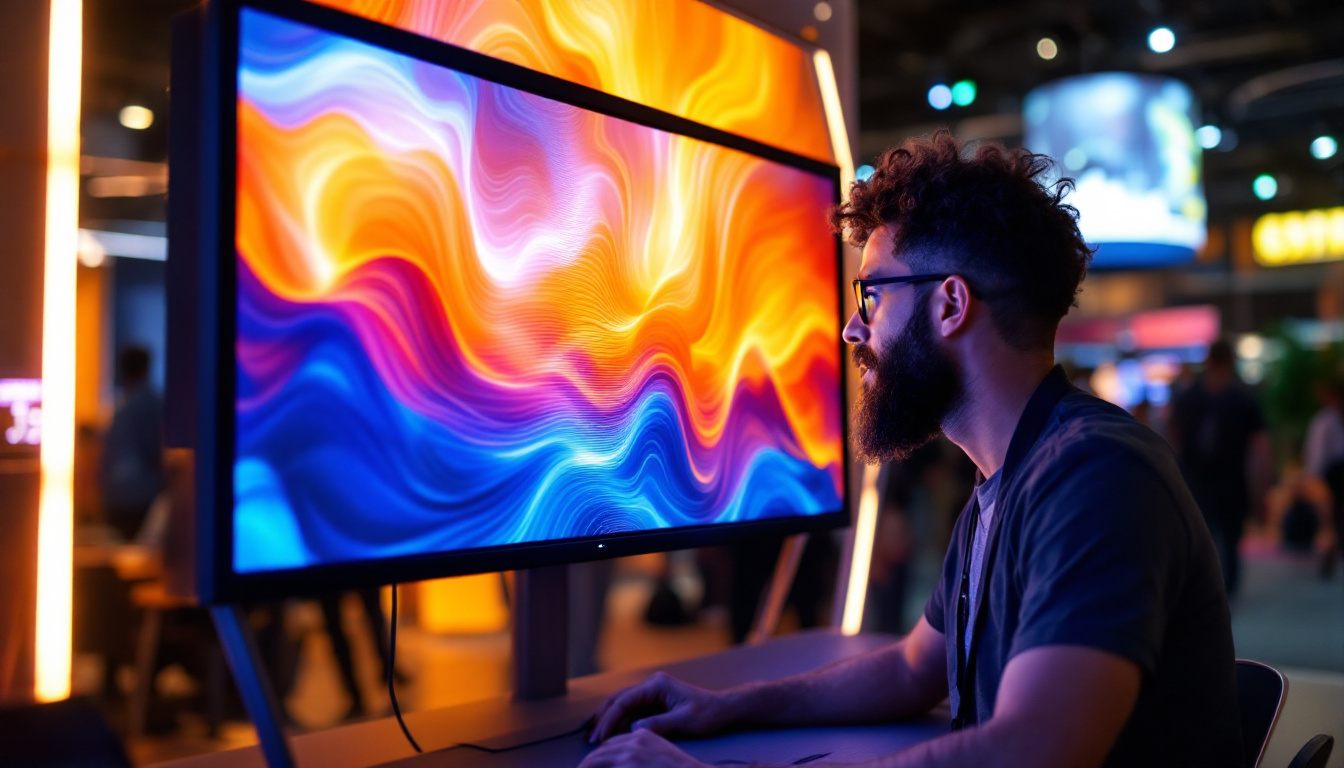
In today’s digital era, LED displays have become an integral part of our daily lives—from the smartphones in our pockets to the massive billboards lighting up cityscapes. But what exactly makes LED displays so prevalent, and how do they work? This article dives deep into the world of LED technology, exploring its fundamentals, advantages, applications, and future trends. Whether you’re a tech enthusiast, a business owner considering digital signage, or simply curious about the screens you interact with daily, understanding LED displays is essential.
What Is an LED Display?
At its core, an LED display is a flat panel display technology that uses light-emitting diodes (LEDs) as pixels to create images. Unlike traditional LCDs that rely on backlighting, LED displays produce light directly from each pixel, resulting in brighter and more vibrant images.
The term “LED display” often refers to two main types: direct-view LED displays and LED-backlit LCDs. Direct-view LED displays consist of thousands of tiny LEDs arranged in a grid, each acting as an individual pixel. In contrast, LED-backlit LCDs use LEDs to illuminate a liquid crystal display panel. This distinction is crucial because it affects image quality, energy consumption, and application suitability.
How LEDs Work
LEDs are semiconductor devices that emit light when an electric current passes through them. They consist of a chip of semiconducting material doped with impurities to create a p-n junction. When voltage is applied, electrons recombine with holes within the device, releasing energy in the form of photons—this process is called electroluminescence.
The color of the light depends on the materials used in the semiconductor. Modern LED displays combine red, green, and blue LEDs to produce a full spectrum of colors through additive color mixing. This RGB system allows for precise color reproduction, which is why LED displays are favored for high-quality visuals.
Advantages of LED Displays
LED technology offers several compelling benefits that have driven its widespread adoption across various industries. Understanding these advantages can help businesses and consumers make informed decisions when selecting display technologies.
Superior Brightness and Contrast
One of the most significant advantages of LED displays is their exceptional brightness. Direct-view LED panels can achieve brightness levels exceeding 1,000 nits, with some outdoor displays reaching over 5,000 nits. This makes them highly visible even in direct sunlight, a critical feature for outdoor advertising and public information displays.
Additionally, LEDs provide excellent contrast ratios. Because each LED can be individually turned off, LED displays can produce true blacks, unlike LCDs that rely on backlighting. This capability enhances image depth and realism, improving viewer experience in both indoor and outdoor environments.
Energy Efficiency and Longevity
LED displays are more energy-efficient compared to traditional display technologies such as plasma or CCFL-backlit LCDs. LEDs consume less power because they generate light directly without the need for bulky backlighting systems. This efficiency translates into lower operating costs, which is especially important for large-scale installations like digital billboards or stadium screens.
Moreover, LEDs have a longer lifespan—typically between 50,000 to 100,000 hours—meaning they can operate for years without significant degradation. This durability reduces maintenance costs and downtime, making LED displays a cost-effective solution over time.
Flexibility in Design and Application
LED displays are highly versatile. They come in various sizes and resolutions, from small wearable devices to massive video walls spanning thousands of square feet. Their modular design allows for seamless scaling and customization, enabling creative applications such as curved screens, transparent displays, and flexible panels.
This adaptability has opened new possibilities in retail, entertainment, transportation, and public spaces. For example, airports use LED signage for real-time flight information, while sports arenas deploy dynamic LED scoreboards and advertising panels that engage audiences.
Common Applications of LED Displays
LED displays have transformed how information and entertainment are delivered across multiple sectors. Here are some of the most prevalent applications that highlight the technology’s impact.
Consumer Electronics
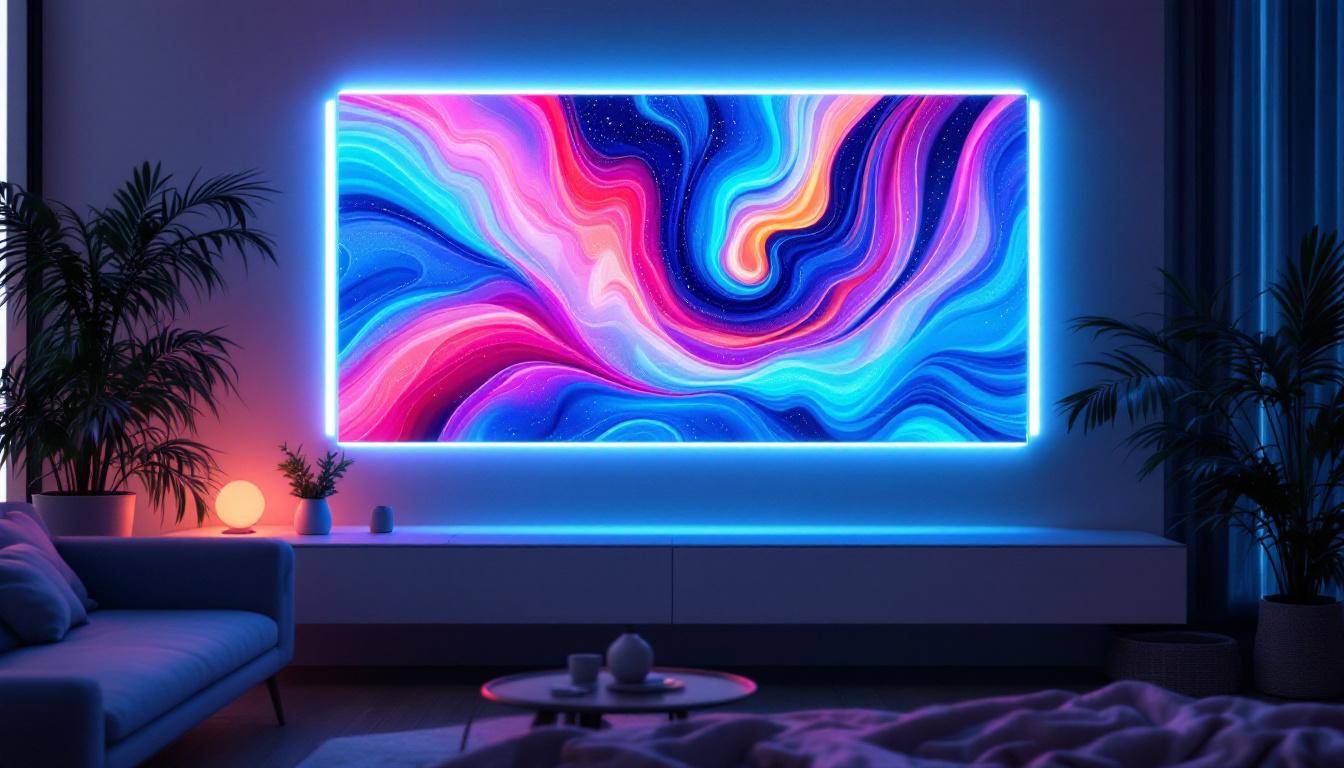
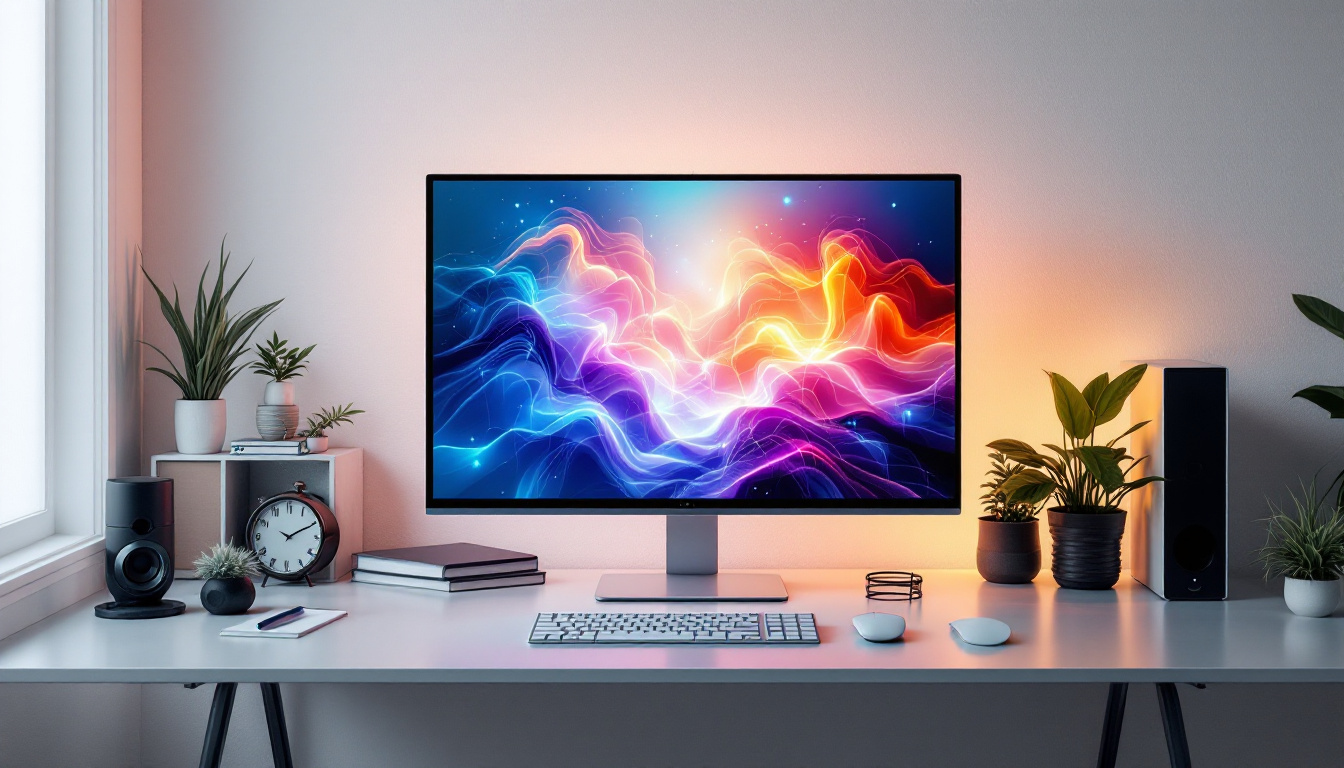
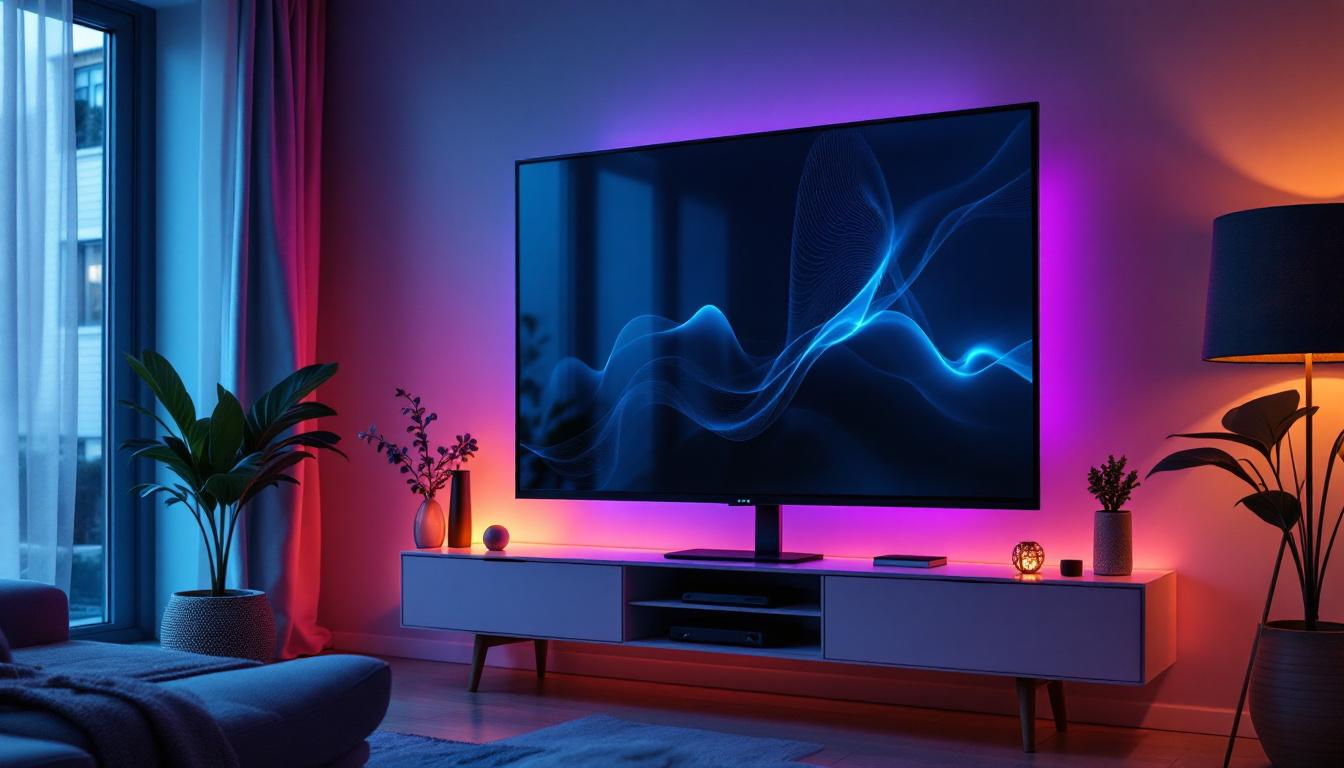
From smartphones and tablets to televisions and computer monitors, LED technology is foundational in consumer electronics. Most modern TVs use LED-backlit LCD panels, combining the cost-effectiveness of LCDs with the improved brightness and color accuracy of LEDs.
In mobile devices, OLED (Organic LED) displays—an advanced form of LED technology—offer even higher contrast ratios and flexibility, enabling curved and foldable screens. According to Statista, as of 2023, OLED displays accounted for over 40% of global smartphone shipments, underscoring their growing popularity.
Digital Signage and Advertising
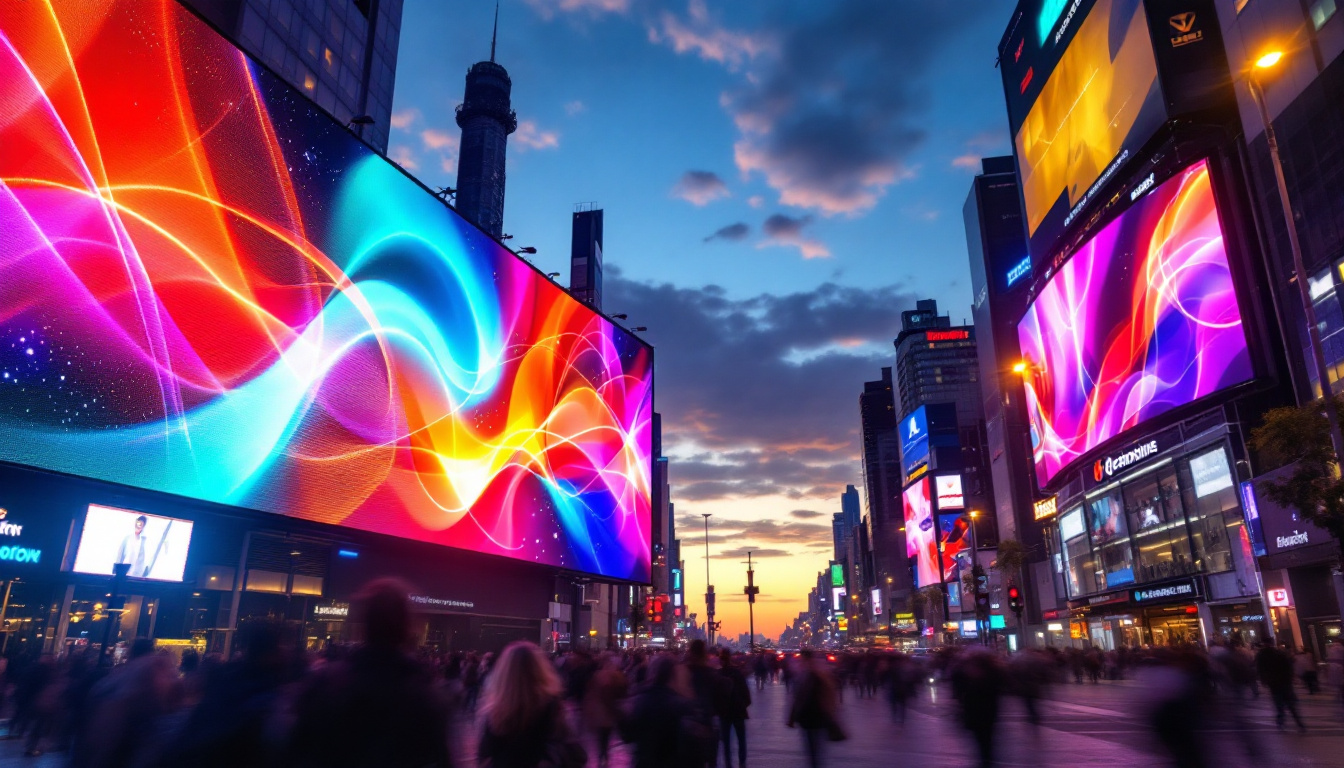
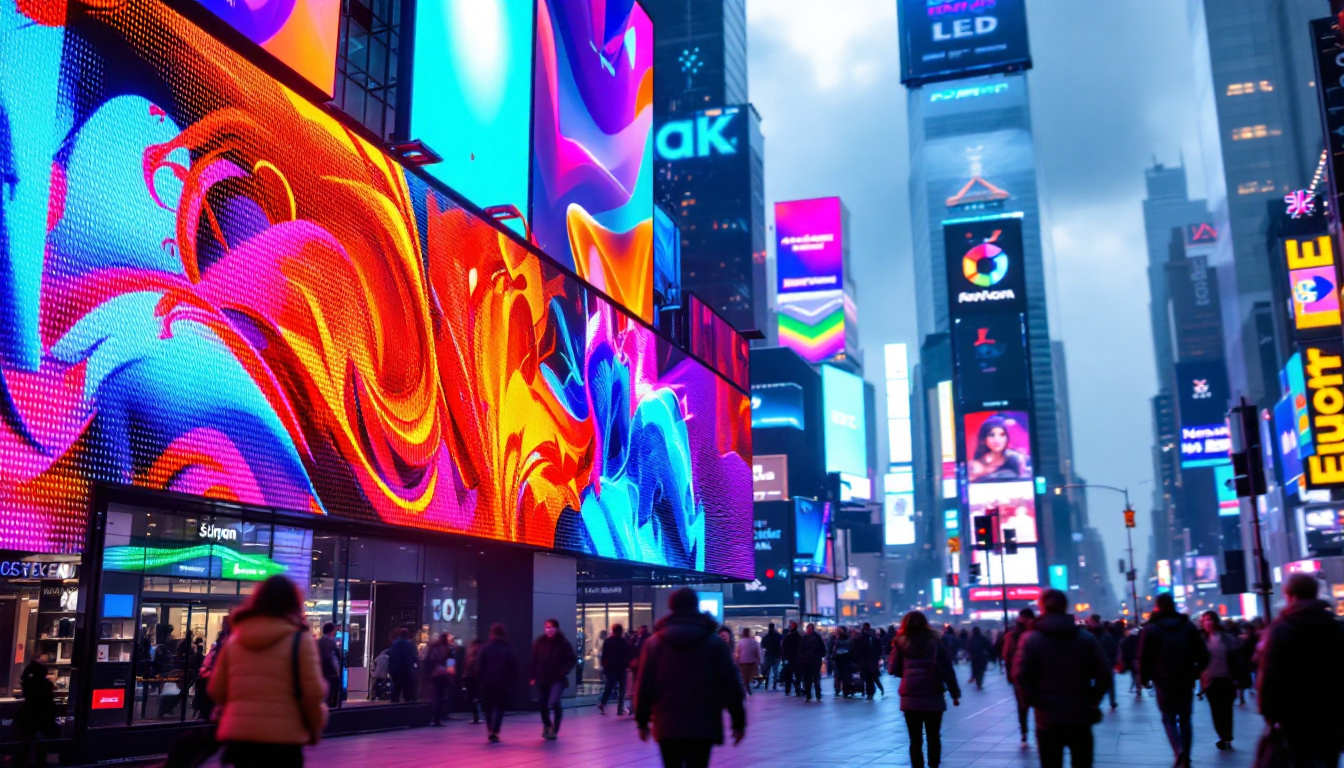
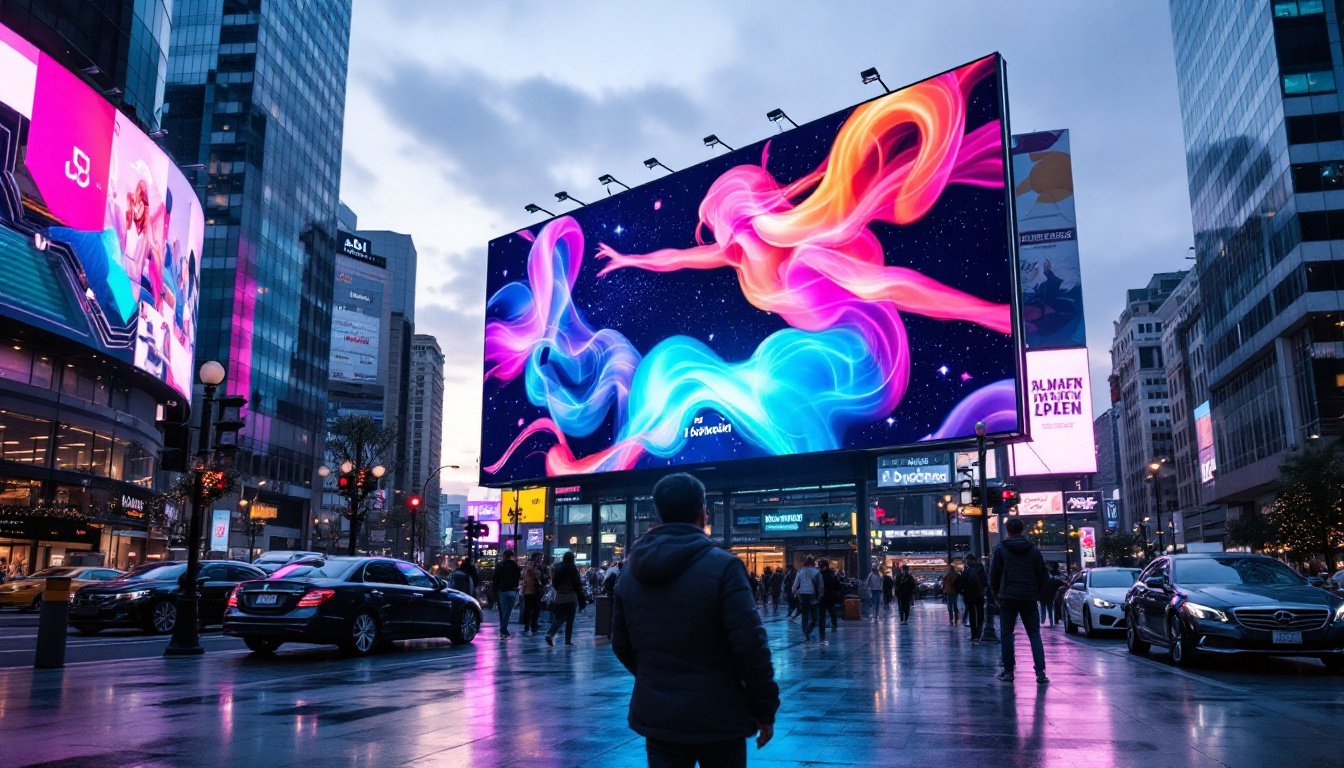
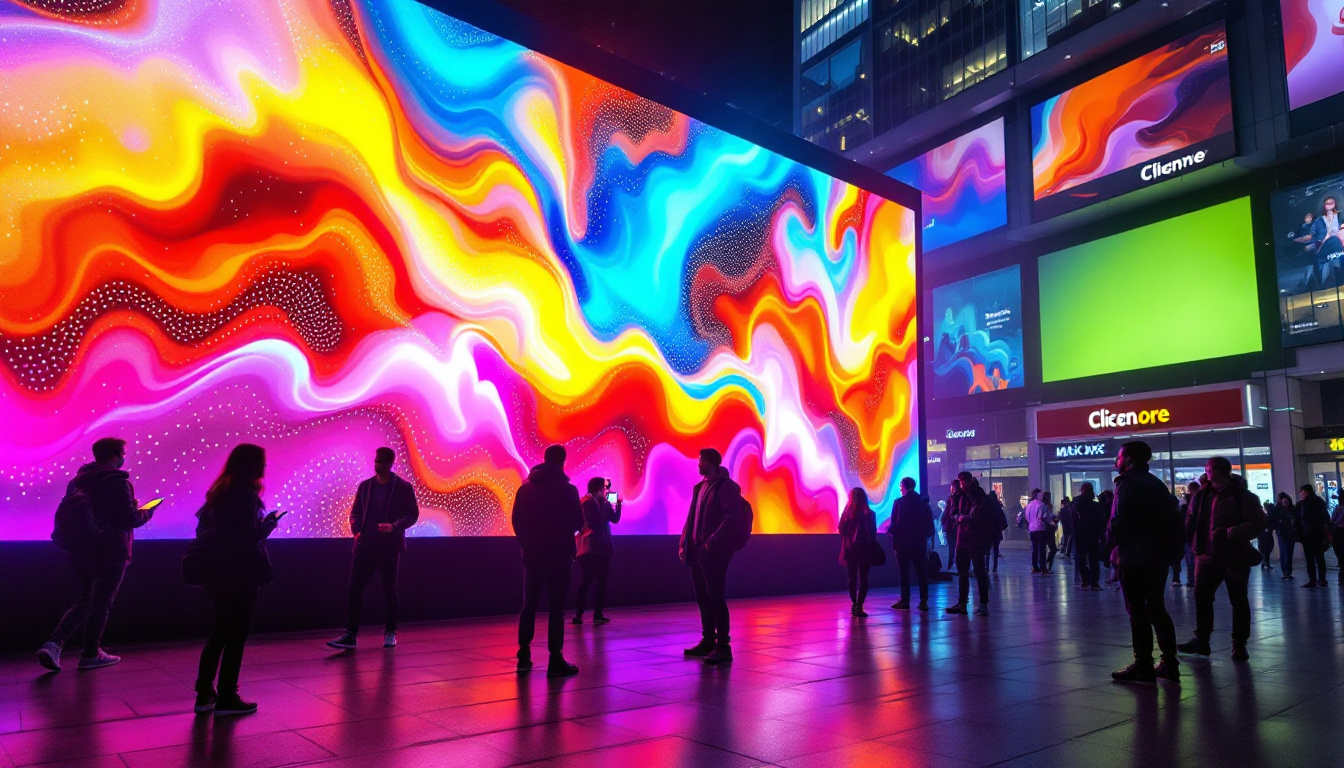
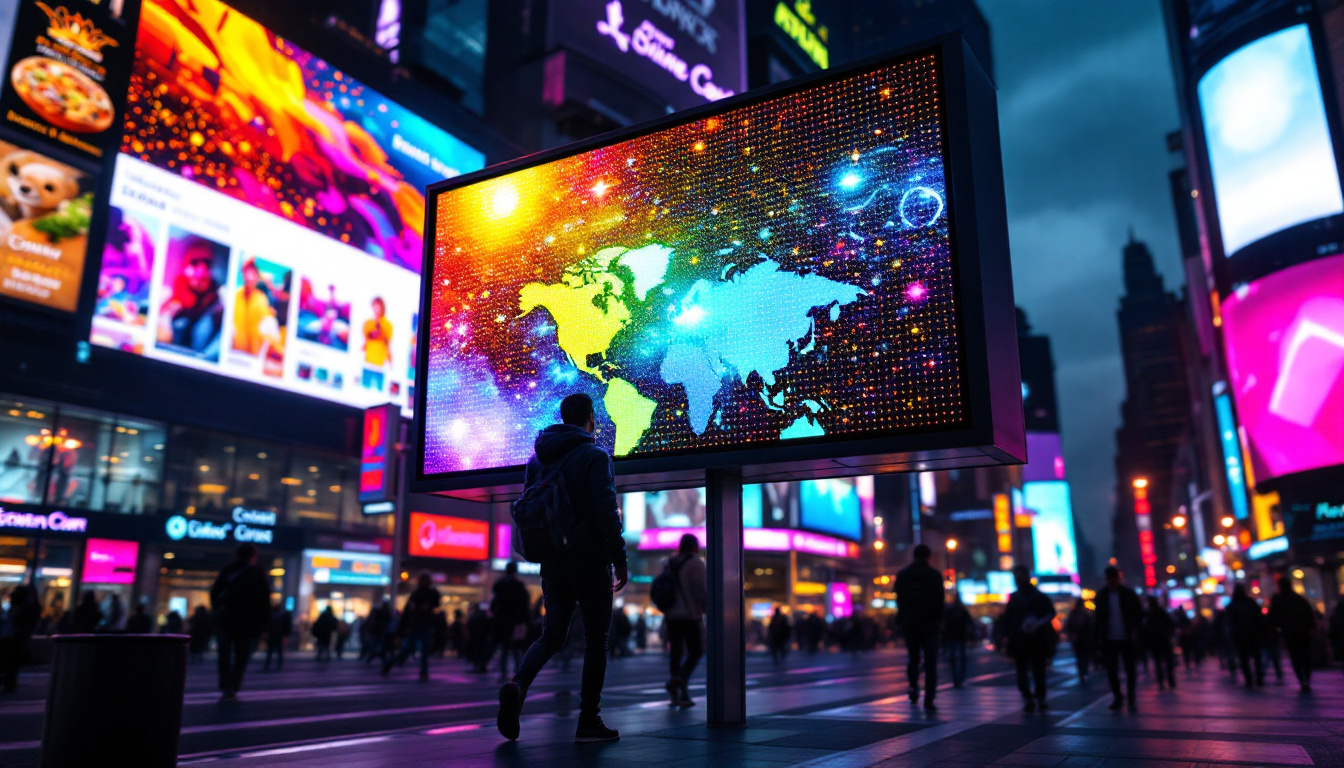
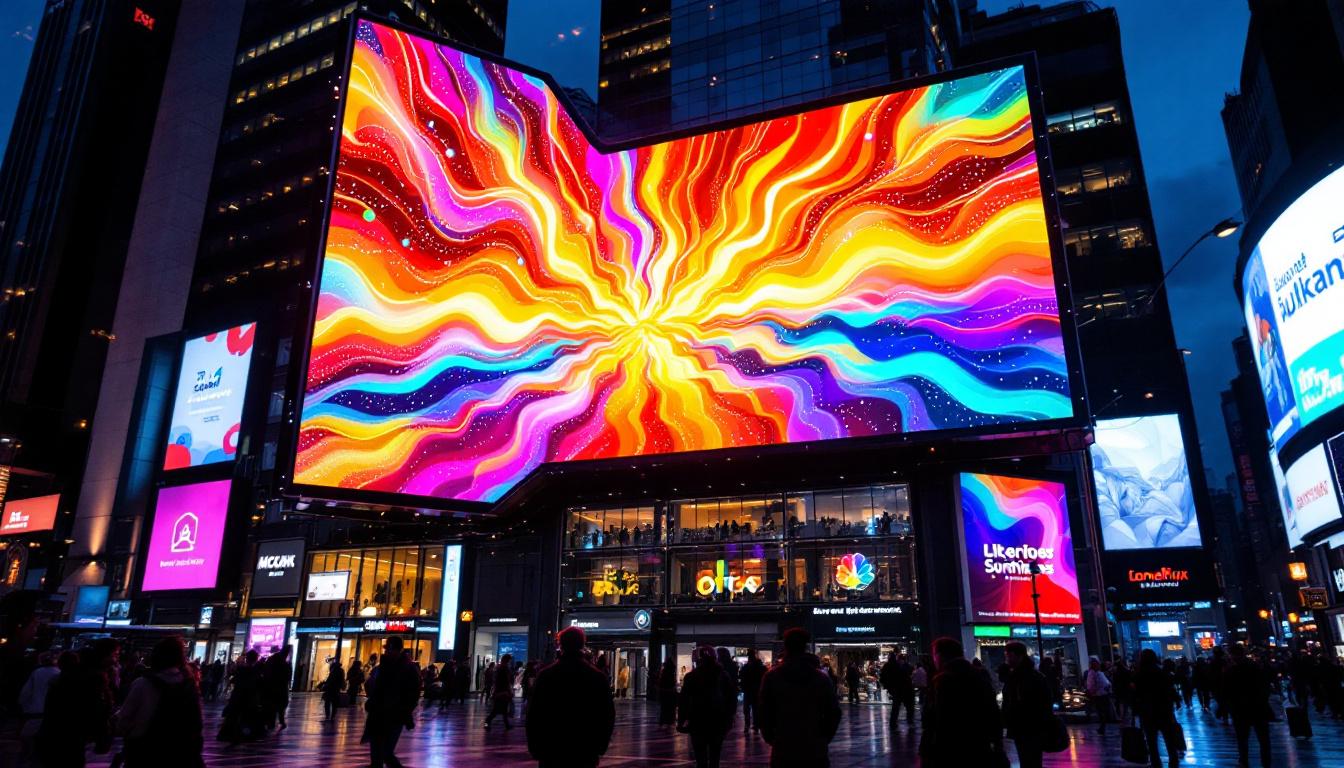
Outdoor and indoor digital signage is one of the fastest-growing markets for LED displays. Retailers, transportation hubs, and event venues leverage LED screens to capture attention and deliver dynamic content. The ability to update messages in real-time allows businesses to tailor advertising campaigns and improve customer engagement.
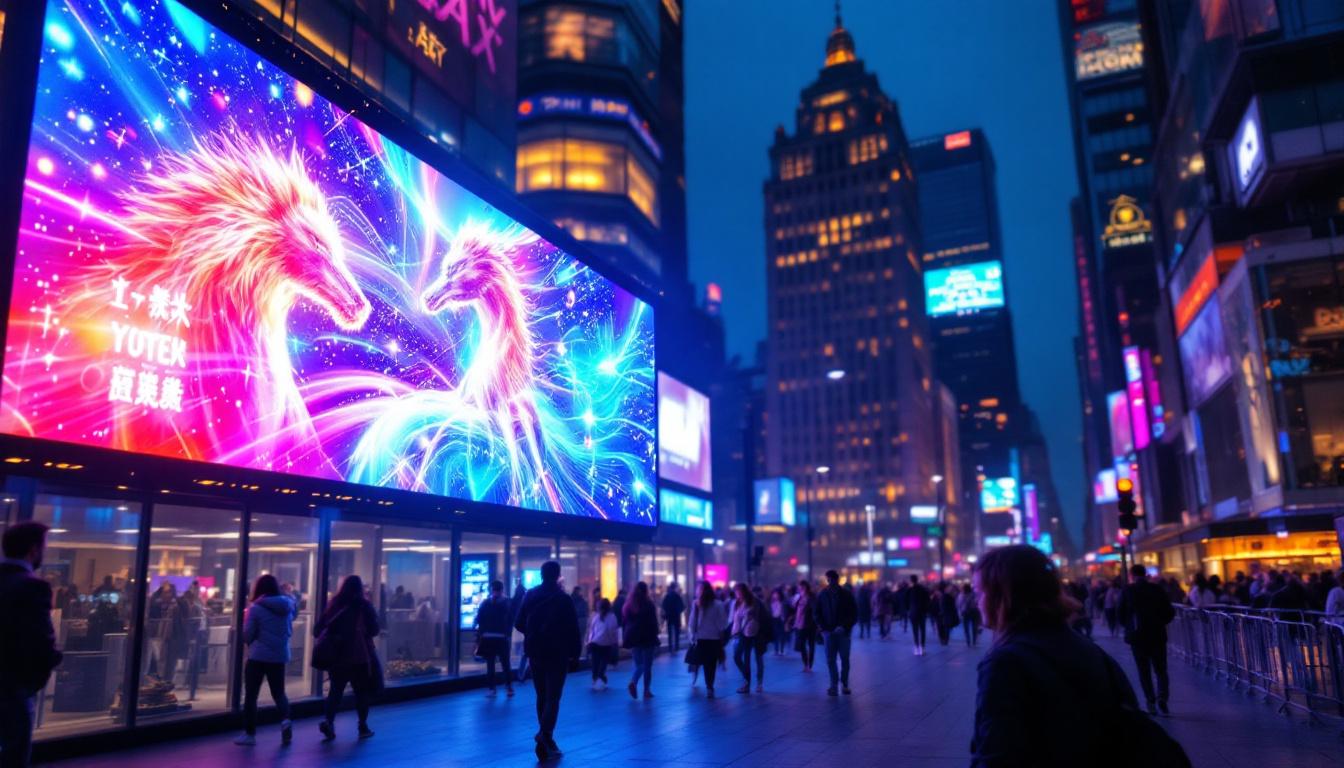
For instance, Times Square in New York City is famous for its massive LED billboards that create a vibrant, immersive environment. These displays not only promote brands but also provide public service announcements and event information.
Sports and Entertainment Venues
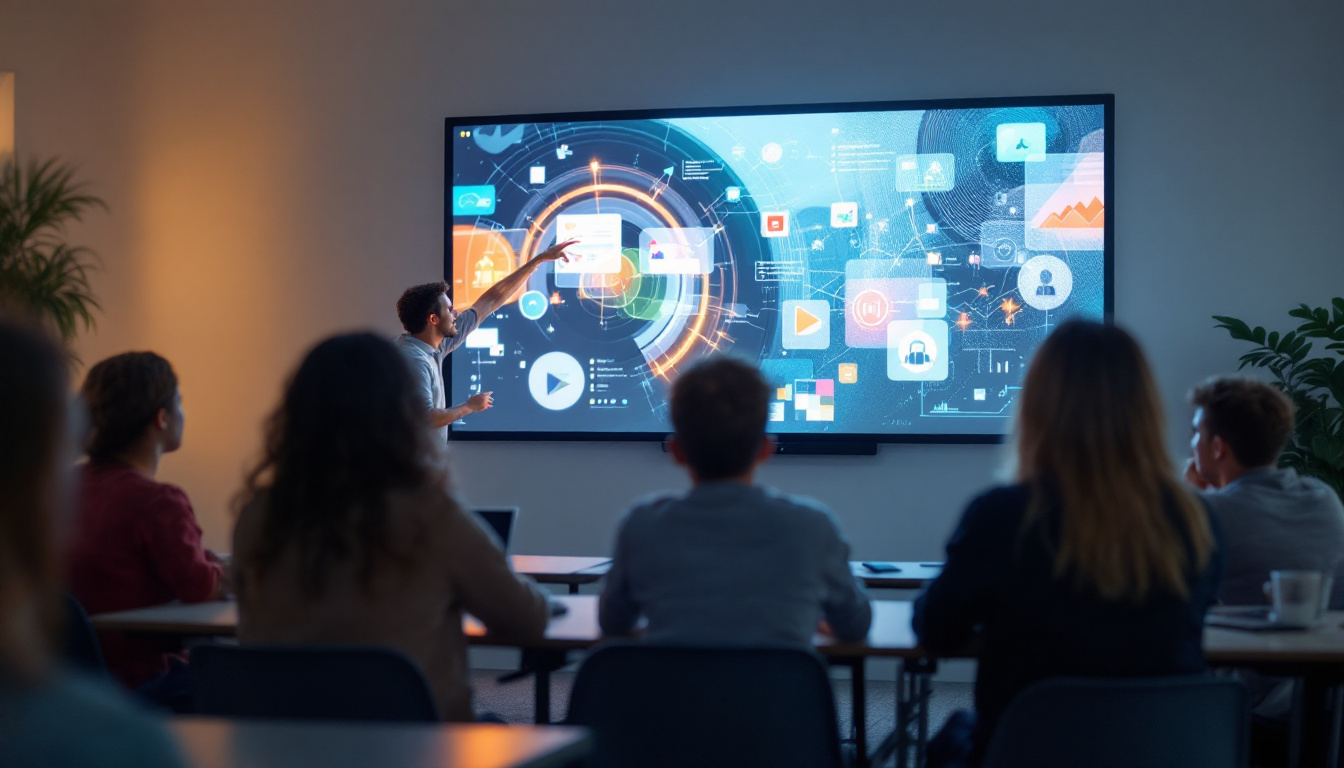
Stadiums and arenas use large-scale LED video walls to enhance the spectator experience. These screens display live game footage, instant replays, advertisements, and interactive content. The high brightness and wide viewing angles of LED displays ensure visibility from all seating areas, even under challenging lighting conditions.
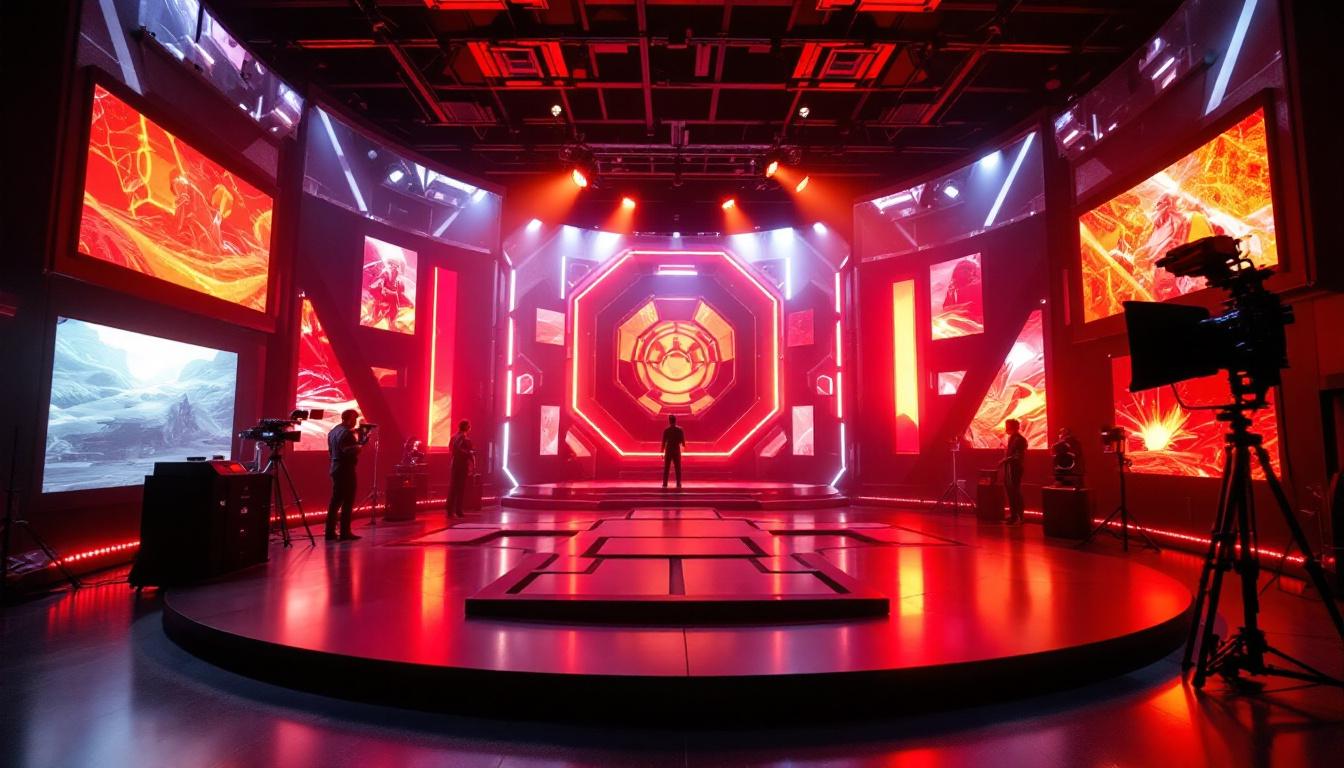
Concerts and theatrical productions also incorporate LED panels as dynamic backdrops, enabling creative visual effects that synchronize with performances. This integration of LED technology has revolutionized stage design and audience engagement.
Transportation and Public Information
LED displays play a critical role in transportation infrastructure. Airports, train stations, and bus terminals utilize LED signage for schedules, alerts, and directions. The clarity and reliability of LED screens help reduce passenger confusion and improve operational efficiency.
Moreover, traffic management systems use LED variable message signs to communicate road conditions, speed limits, and emergency warnings. These real-time updates enhance safety and traffic flow on busy highways.
Understanding LED Display Specifications
When evaluating LED displays, several technical specifications determine performance and suitability for specific applications. Familiarity with these terms helps consumers and professionals make better purchasing decisions.
Pixel Pitch
Pixel pitch refers to the distance between the centers of two adjacent LEDs, measured in millimeters. It directly influences the display’s resolution and viewing distance. Smaller pixel pitch means higher resolution and sharper images, making it ideal for close-up viewing.
For example, an indoor LED display used in a conference room might have a pixel pitch of 1.5 mm, while a large outdoor billboard designed to be viewed from hundreds of feet away could have a pixel pitch of 10 mm or more. Choosing the correct pixel pitch ensures optimal image quality without unnecessary cost.
Brightness and Contrast Ratio
Brightness is measured in nits (candelas per square meter) and indicates how much light the display emits. Higher brightness improves visibility in bright environments but may increase power consumption.
Contrast ratio measures the difference between the darkest black and the brightest white the display can produce. A higher contrast ratio contributes to more vivid and lifelike images. Direct-view LED displays generally offer superior contrast compared to other technologies.
Refresh Rate and Color Depth
The refresh rate, expressed in hertz (Hz), indicates how many times per second the display updates its image. Higher refresh rates reduce flicker and motion blur, which is essential for video playback and gaming applications.
Color depth refers to the number of colors the display can reproduce, typically measured in bits per channel. Most modern LED displays support 8-bit or higher color depth, enabling over 16 million colors for smooth gradients and accurate color representation.
Challenges and Considerations
Despite their many advantages, LED displays come with certain challenges that users and installers should consider to ensure optimal performance and longevity.
Initial Cost and Installation
High-quality LED displays, especially large direct-view panels, can require a significant upfront investment. The cost includes not only the display hardware but also installation, calibration, and sometimes structural modifications to support the panels.
However, the total cost of ownership tends to be favorable over time due to energy savings and reduced maintenance. Careful planning and consultation with experienced professionals can help balance budget constraints with performance needs.
Heat Management
LEDs generate heat during operation, which can affect performance and lifespan if not managed properly. Most LED display systems incorporate heat sinks, fans, or other cooling mechanisms to dissipate heat efficiently.
In outdoor environments, temperature fluctuations and exposure to weather elements require robust enclosures and protective coatings to prevent damage and maintain consistent performance.
Viewing Angle and Ambient Light
While LED displays generally offer wide viewing angles, image quality can degrade if viewed from extreme angles. This factor is crucial when designing installations intended for large audiences from multiple vantage points.
Ambient light conditions also impact perceived image quality. Although LEDs are bright, excessive glare or reflections on the screen surface can reduce visibility. Anti-reflective coatings and strategic placement help mitigate these issues.
The Future of LED Display Technology
LED technology continues to evolve rapidly, driven by advances in materials science, manufacturing, and digital processing. Several emerging trends promise to reshape the landscape of display technology in the coming years.
MicroLED and MiniLED Innovations
MicroLED and MiniLED are next-generation display technologies that use smaller LED components for improved resolution, brightness, and energy efficiency. MicroLEDs, in particular, offer self-emissive pixels similar to OLEDs but with higher durability and no risk of burn-in.
These innovations are expected to revolutionize premium TVs, augmented reality (AR) devices, and wearable displays, combining the best attributes of existing technologies.
Flexible and Transparent Displays
Advancements in flexible substrates and transparent LED panels are enabling new form factors and applications. Flexible LED displays can be curved, folded, or rolled, opening possibilities for innovative product designs and immersive environments.
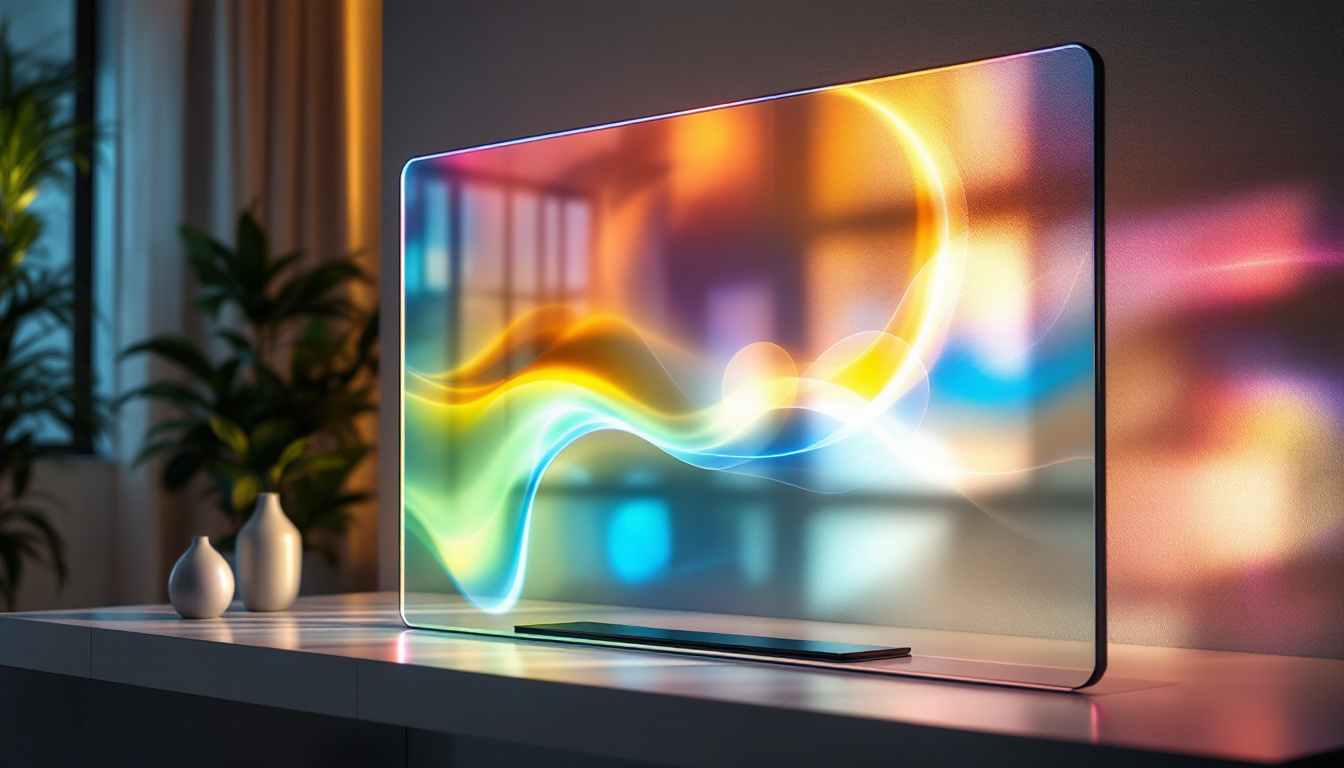
Transparent LED displays, which allow light to pass through while showing images, are gaining traction in retail windows, automotive heads-up displays, and architectural installations, blending digital content seamlessly with the physical world.
Integration with Smart Technologies
LED displays are increasingly integrated with Internet of Things (IoT) platforms, artificial intelligence (AI), and interactive sensors. This integration enables personalized content delivery, real-time analytics, and adaptive brightness control, enhancing user engagement and operational efficiency.
Smart LED displays can respond dynamically to environmental conditions, audience behavior, and contextual data, making them powerful tools for marketing, communication, and public safety.
Conclusion
LED displays represent a cornerstone of modern visual communication, offering unmatched brightness, color accuracy, and versatility. Their applications span consumer electronics, advertising, entertainment, transportation, and beyond, reflecting their transformative impact on how information is shared and experienced.
Understanding the technology behind LED displays, including their advantages, specifications, and challenges, empowers users to make informed choices and leverage their full potential. As innovations like MicroLED and flexible displays emerge, the future promises even more exciting possibilities for this dynamic technology.
Whether illuminating a city skyline or enhancing a smartphone screen, LED displays continue to brighten our world in remarkable ways.
Illuminate Your Space with LumenMatrix
Ready to elevate your visual experience with the brilliance of LED technology? Discover LumenMatrix’s innovative solutions that redefine the way we interact with digital displays. From vibrant Indoor and Outdoor LED Wall Displays to dynamic Vehicle and Sports LED Displays, and even customizable options like Floor and Transparent LED Displays, LumenMatrix is at the forefront of creating immersive visual communications. Embrace the future of display technology and check out LumenMatrix LED Display Solutions to captivate your audience and amplify your message with unparalleled clarity and impact.