In an era where visual communication dominates, personalized LED signs have become a cornerstone for businesses, events, and personal expression. These vibrant, customizable displays offer a dynamic way to capture attention, convey messages, and enhance brand visibility. But what exactly goes into an LED display, and why has it become such a popular choice for signage? This comprehensive guide will explore the technology behind LED signs, their applications, benefits, and how to choose the perfect personalized LED sign for your needs.
Understanding LED Technology
What is an LED Display?
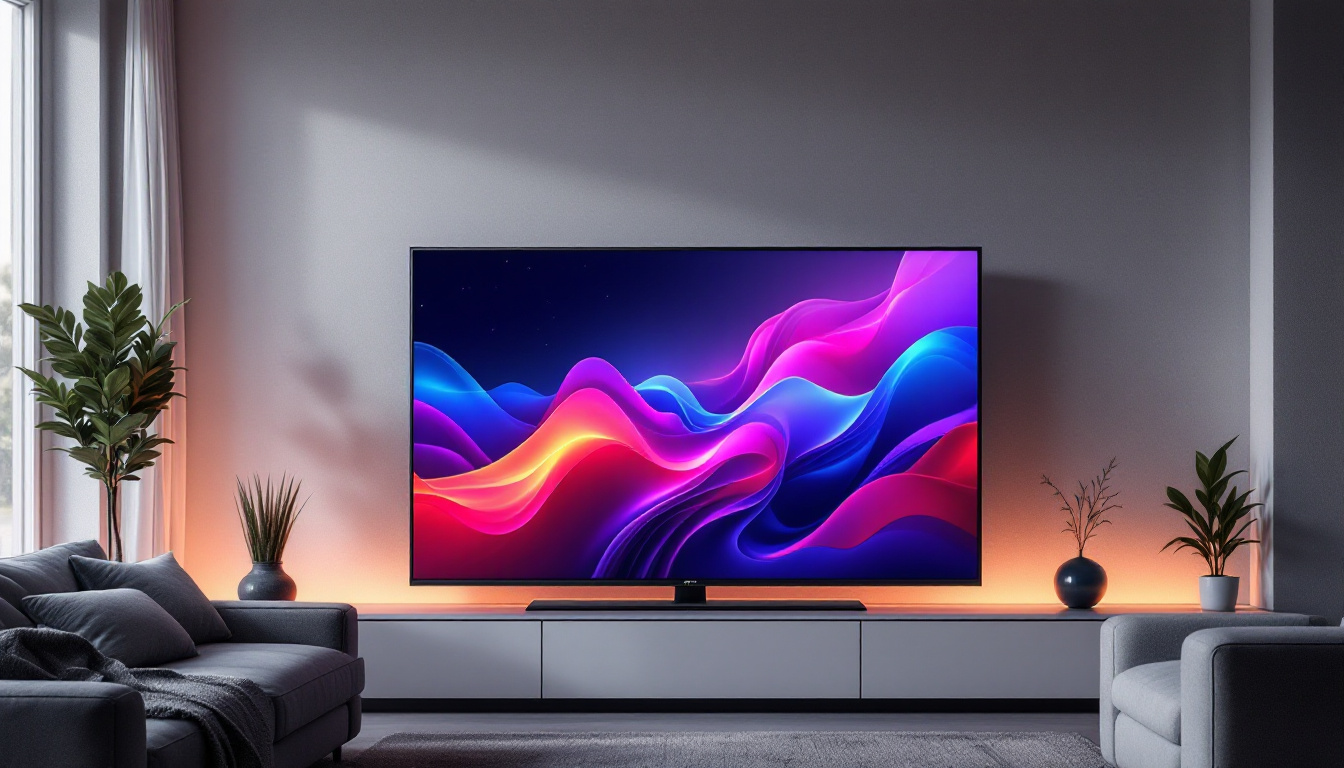
LED stands for Light Emitting Diode, a semiconductor device that emits light when an electric current passes through it. An LED display is a flat panel that uses an array of these tiny LEDs to create images, text, or videos. Unlike traditional neon or fluorescent signs, LED displays are energy-efficient, long-lasting, and capable of producing bright, vivid colors visible even in direct sunlight.
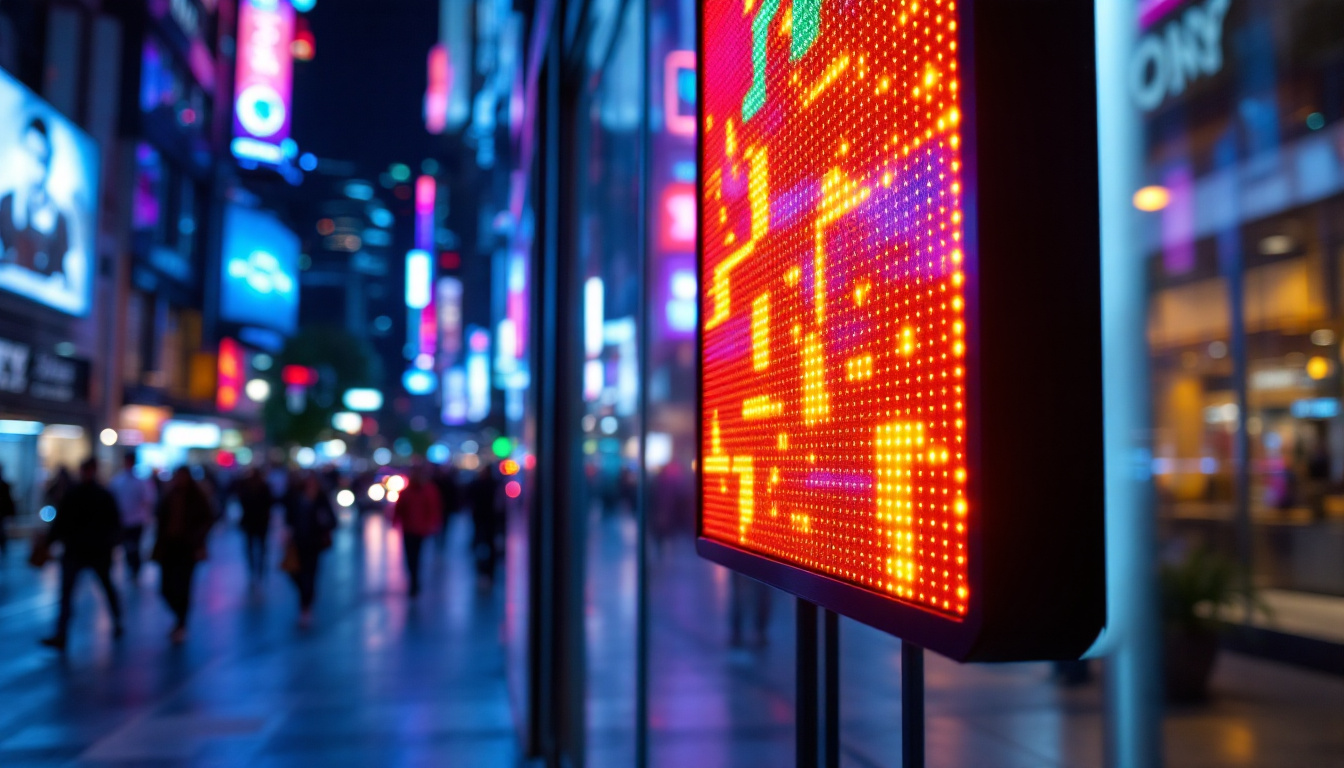
Each LED acts as a single pixel on the screen. By controlling the brightness and color of each diode, the display can render complex images and animations. Modern LED displays often use RGB (Red, Green, Blue) LEDs, which combine these three colors at varying intensities to produce a full spectrum of colors. This technology allows for impressive visual effects and seamless transitions, making LED displays a popular choice for everything from concerts to corporate events.
Furthermore, the versatility of LED technology extends beyond just visual appeal. The ability to program and control these displays remotely means that content can be updated in real-time, allowing businesses and organizations to communicate timely messages or advertisements efficiently. This dynamic capability is particularly beneficial in environments where information needs to be frequently changed, such as transportation hubs or digital signage in urban areas.
Types of LED Displays
LED displays come in various forms, tailored to different applications:
- Indoor LED Displays: Designed for controlled lighting environments, these displays have higher pixel density for sharper images and are commonly used in retail stores, conference rooms, and exhibitions. Their ability to showcase high-definition content makes them ideal for presentations and advertising, drawing customers’ attention effectively.
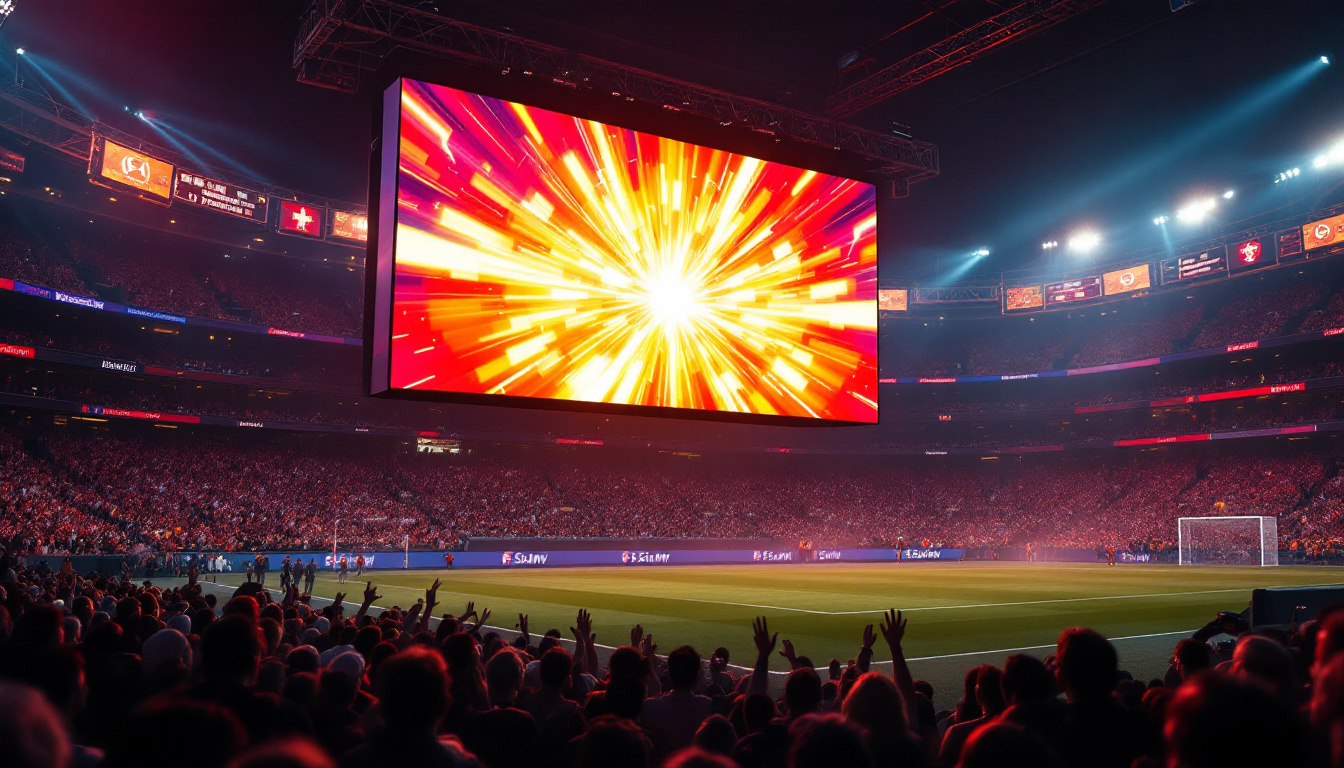
- Outdoor LED Displays: Built to withstand weather conditions, these have higher brightness levels (measured in nits) to remain visible under direct sunlight. They are often used for billboards, stadium screens, and storefront signage. The durability of outdoor displays is enhanced with protective coatings that resist moisture, dust, and UV damage, ensuring longevity even in harsh environments.
- Flexible LED Displays: These use bendable materials allowing the display to curve around surfaces, ideal for creative installations and architectural designs. Their adaptability opens up new possibilities in design, enabling artists and architects to integrate technology seamlessly into their work, transforming conventional spaces into interactive experiences.
- Transparent LED Displays: Embedded into glass or acrylic panels, these displays allow light to pass through, making them perfect for shop windows and building facades without obstructing views. This innovative design not only enhances the aesthetic appeal of commercial spaces but also provides a unique platform for advertising, allowing brands to showcase their products while maintaining visibility into the store.
In addition to these types, advancements in LED technology have led to the development of high-resolution displays that can deliver stunning visuals with incredible detail. The introduction of microLED and miniLED technologies is pushing the boundaries even further, offering higher brightness levels, improved contrast ratios, and greater energy efficiency. These innovations are paving the way for next-generation displays that will redefine how we experience visual content in both public and private settings.
The Advantages of Personalized LED Signs
Customization for Impactful Messaging
Personalized LED signs enable businesses and individuals to tailor their messages precisely. Whether it’s displaying a company logo, promotional offers, or event information, customization ensures that the content resonates with the target audience. Dynamic content capabilities allow for real-time updates, making these signs highly versatile.
For example, a restaurant can change its menu specials throughout the day, or a retail store can highlight flash sales instantly. This flexibility is a significant advantage over static signage, which requires physical replacement or modification.
Energy Efficiency and Longevity
Compared to traditional lighting and signage methods, LED signs consume significantly less power. According to the U.S. Department of Energy, LEDs use at least 75% less energy and last 25 times longer than incandescent lighting. This translates to lower operational costs and reduced environmental impact, making LED signs a sustainable choice.
Moreover, LEDs have a lifespan ranging from 50,000 to 100,000 hours, depending on usage and quality. This durability reduces maintenance and replacement frequency, providing long-term value.
Enhanced Visibility and Engagement
One of the most compelling benefits of LED signs is their brightness and clarity. With brightness levels often exceeding 5,000 nits for outdoor displays, LED signs remain visible in various lighting conditions, including bright daylight. The ability to display animations and videos also increases viewer engagement, which can lead to higher foot traffic and customer interaction.
Applications of Personalized LED Displays
Business and Retail
Retailers leverage personalized LED signs to attract customers and communicate promotions effectively. Digital window displays can showcase new arrivals or seasonal sales, while indoor LED panels enhance the shopping experience with interactive content. Businesses also use LED signs for brand reinforcement, displaying logos and slogans consistently.
Restaurants and cafes benefit from menu boards that can be updated instantly, reducing printing costs and allowing for creative presentation. In addition, LED signs can display social media feeds or customer reviews, fostering trust and engagement.
Events and Entertainment
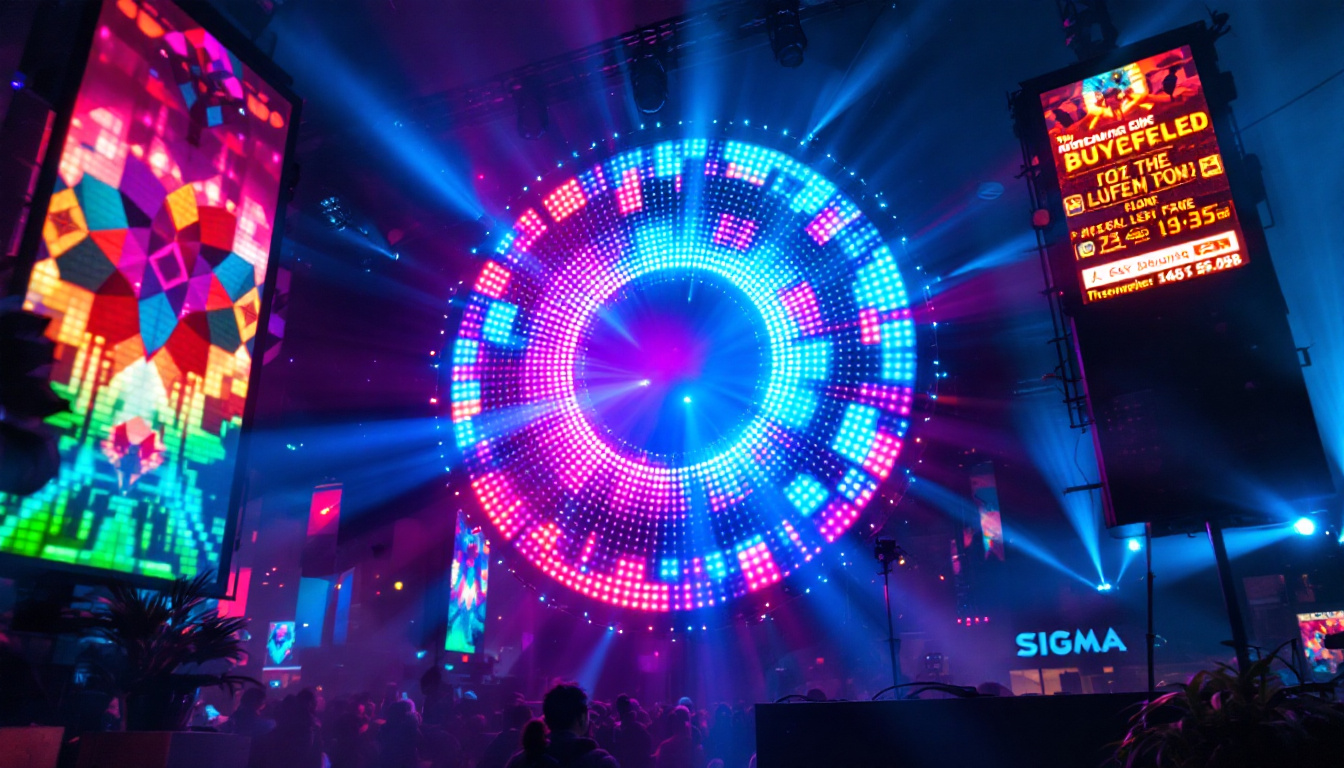
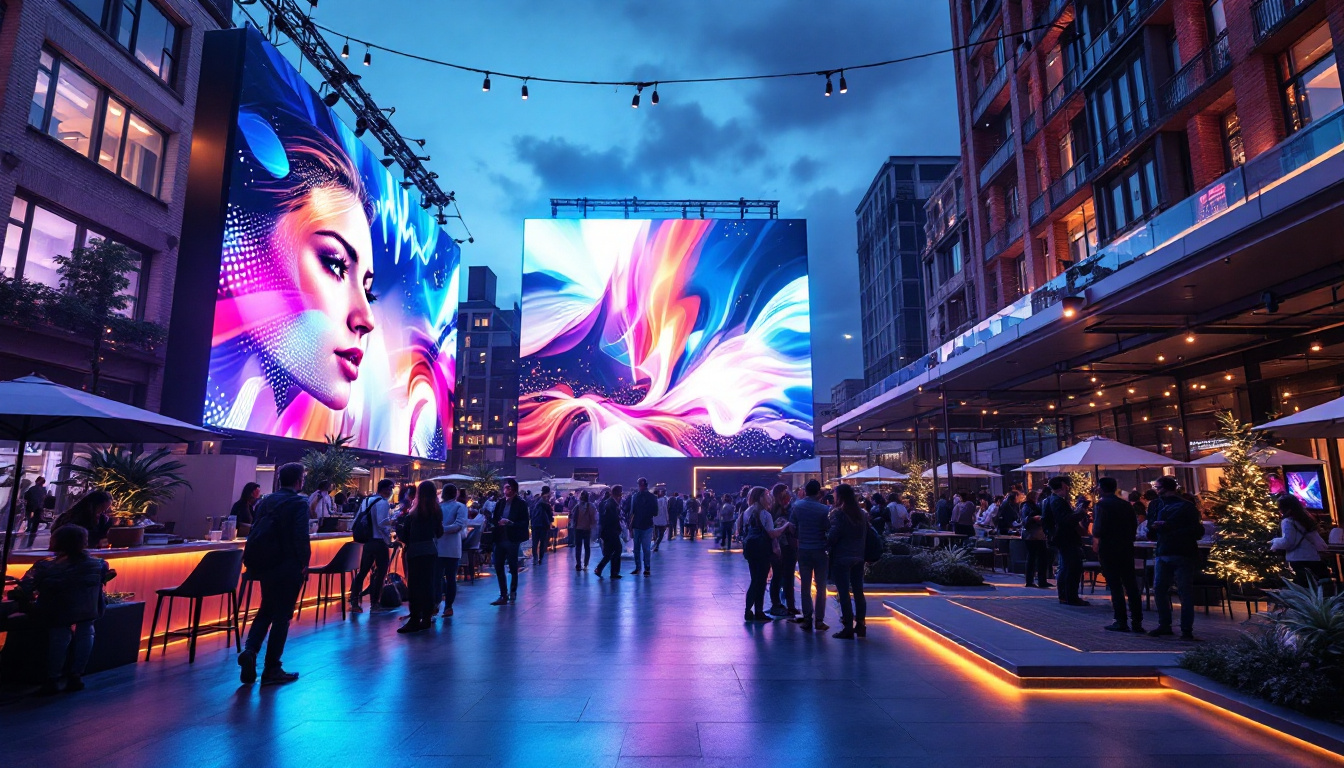
Concerts, sports events, and festivals often rely on large LED screens to provide live feeds, advertisements, and interactive content. Personalized LED signs at events can display schedules, sponsor messages, or crowd engagement activities, enhancing the overall experience.
Event organizers appreciate the portability and scalability of LED displays, which can be configured to fit various venue sizes and requirements. The high refresh rates and color accuracy ensure smooth video playback and vibrant visuals.
Corporate and Public Spaces
In corporate environments, LED displays are used for digital signage in lobbies, conference rooms, and office corridors. They serve as tools for internal communication, displaying announcements, performance metrics, or motivational content.
Public spaces such as airports, train stations, and city centers utilize LED signs for wayfinding, public service announcements, and advertising. The ability to update content remotely and instantly is crucial for managing information flow in these dynamic environments.
Choosing the Right Personalized LED Sign
Assessing Your Needs
Before investing in a personalized LED sign, it’s essential to evaluate the intended use, location, and audience. Consider the following factors:
- Indoor vs. Outdoor: Outdoor signs require weatherproofing and higher brightness, while indoor signs prioritize resolution and viewing distance.
- Size and Resolution: The size of the sign should match the viewing distance. Higher resolution is necessary for close-up viewing to ensure clarity.
- Content Type: Determine whether the sign will display static images, text, video, or interactive content.
- Budget: LED signs vary widely in cost depending on size, resolution, and features. Establish a budget that balances quality and functionality.
Key Specifications to Consider
Understanding technical specifications helps in making an informed choice:
- Pixel Pitch: The distance between individual LEDs, measured in millimeters. Smaller pixel pitch means higher resolution and sharper images.
- Brightness: Measured in nits, it determines visibility in different lighting conditions. Outdoor displays typically require 5,000 to 10,000 nits.
- Refresh Rate: Higher refresh rates reduce flicker and improve video quality, especially important for camera filming or dynamic content.
- Viewing Angle: The maximum angle at which the display remains visible without color distortion.
Installation and Maintenance
Proper installation is critical to maximize the lifespan and performance of an LED sign. Professional mounting ensures stability, optimal viewing angles, and safety compliance. Additionally, consider the ease of access for maintenance tasks such as cleaning and repairs.
Many manufacturers offer warranties and service packages, which can be valuable for long-term support. Regular maintenance, including dust removal and software updates, will keep the display functioning at peak performance.
Future Trends in Personalized LED Displays
Integration with Smart Technologies
The rise of the Internet of Things (IoT) is transforming LED signage. Smart LED displays can connect to cloud platforms, enabling remote management, automated content scheduling, and data-driven personalization. For instance, digital billboards can change advertisements based on weather, time of day, or audience demographics.
Advancements in Display Materials
Emerging technologies like MicroLED and MiniLED promise even higher brightness, improved color accuracy, and thinner, lighter panels. These innovations will expand the possibilities for creative and immersive signage solutions.
Environmental Sustainability
Manufacturers are increasingly focusing on eco-friendly production methods and recyclable materials. Energy-efficient designs and smart power management will continue to reduce the environmental footprint of LED displays.
Conclusion
Personalized LED signs represent a powerful tool for communication in today’s visually driven world. Their versatility, energy efficiency, and dynamic capabilities make them suitable for a wide range of applications—from retail and corporate environments to public spaces and entertainment venues. By understanding the technology, benefits, and key considerations, businesses and individuals can select the ideal LED display to enhance their message and engage their audience effectively.
As LED technology continues to evolve, the future holds exciting possibilities for more interactive, sustainable, and visually stunning displays. Investing in a personalized LED sign today not only boosts visibility but also positions brands and messages at the forefront of modern communication.
Discover LumenMatrix LED Display Solutions
Ready to elevate your visual communication with a personalized LED sign? LumenMatrix is at the forefront of LED display technology, offering a diverse range of solutions to captivate your audience and amplify your message. From Indoor and Outdoor LED Walls to innovative Transparent Displays, our products are designed to create immersive experiences and deliver your content with unparalleled clarity. Don’t miss the opportunity to transform your space and engage viewers like never before. Check out LumenMatrix LED Display Solutions today and lead the way in digital signage excellence.