Video Monitor: LED Display Explained
In today’s digital era, LED displays have become an integral part of how we consume visual content. From massive outdoor billboards to the screens on our smartphones and laptops, LED technology powers a vast array of video monitors. Understanding how LED displays work, their advantages, and their applications can help consumers, businesses, and technology enthusiasts make informed decisions when selecting display devices.
What is an LED Display?
LED stands for Light Emitting Diode, a semiconductor device that emits light when an electric current passes through it. An LED display is a flat panel display that uses these tiny diodes as pixels to produce images and videos. Unlike traditional LCD (Liquid Crystal Display) screens that require backlighting, LED displays use these diodes as their own light source, which offers several benefits in terms of brightness, energy efficiency, and color accuracy.
LED displays can be found in various forms, including:
- Direct-view LED displays: These consist of arrays of LEDs that emit light directly to the viewer. They are commonly used in large outdoor screens and video walls.
- LED-backlit LCD displays: These use LEDs as a backlight behind an LCD panel, improving brightness and contrast compared to older CCFL (cold cathode fluorescent lamp) backlighting.
Understanding these types is crucial because the term “LED display” often refers to different technologies depending on the context.
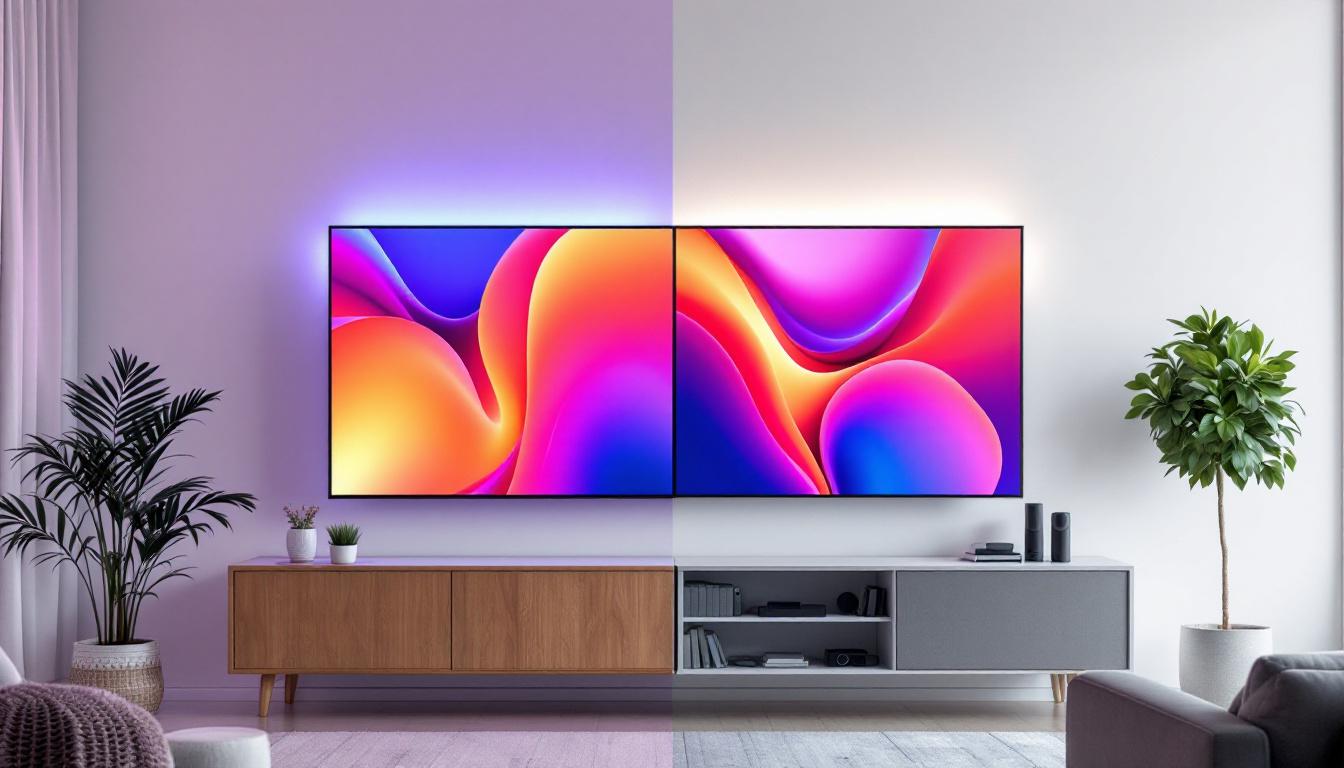
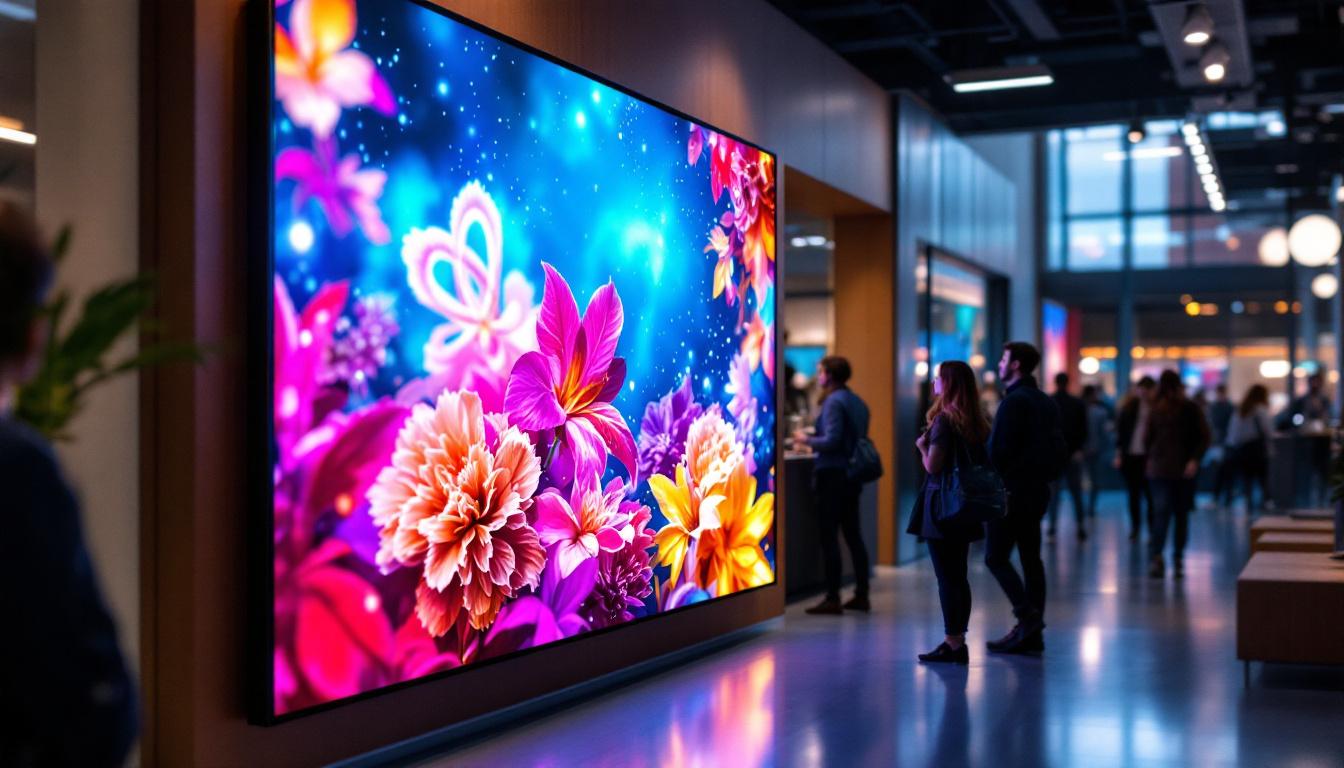
One of the most significant advantages of LED displays is their ability to deliver vibrant colors and high contrast ratios, which make them ideal for various applications, from advertising billboards to home entertainment systems. The color accuracy of LED displays is particularly notable, as they can reproduce a wider color gamut compared to traditional displays. This feature is especially beneficial in environments where visual fidelity is paramount, such as in graphic design, photography, and video production.
Moreover, LED technology has evolved rapidly, leading to innovations such as organic LED (OLED) and microLED displays. OLED displays utilize organic compounds that emit light, allowing for even thinner panels and deeper blacks, while microLED technology offers self-emissive pixels that can achieve incredible brightness and energy efficiency. These advancements continue to push the boundaries of display technology, making LED displays a popular choice for both commercial and consumer markets.
How LED Displays Work
The Basics of Light Emission
At the core of every LED display is the light-emitting diode. When an electric current passes through the diode, electrons recombine with holes inside the semiconductor material, releasing energy in the form of photons — the basic units of light. The color of the light depends on the semiconductor’s material composition, enabling LEDs to emit red, green, blue, or other colors. This process, known as electroluminescence, is highly efficient, allowing LEDs to produce more light per watt compared to traditional incandescent bulbs. This efficiency not only contributes to lower energy consumption but also results in longer lifespans for LED displays, often exceeding 50,000 hours of use, making them a sustainable choice for both consumers and businesses.
Pixels and Color Formation
Each pixel on an LED display is typically made up of three sub-pixels: red, green, and blue (RGB). By varying the intensity of each sub-pixel, the display can produce a wide range of colors through additive color mixing. This RGB system is the foundation of all color displays and allows for vibrant, accurate images. Additionally, advanced technologies such as color calibration and dynamic range adjustment further enhance the viewing experience by ensuring that colors remain consistent across different lighting conditions. This is particularly important in professional settings, such as graphic design and video production, where color accuracy is paramount.
Types of LED Displays
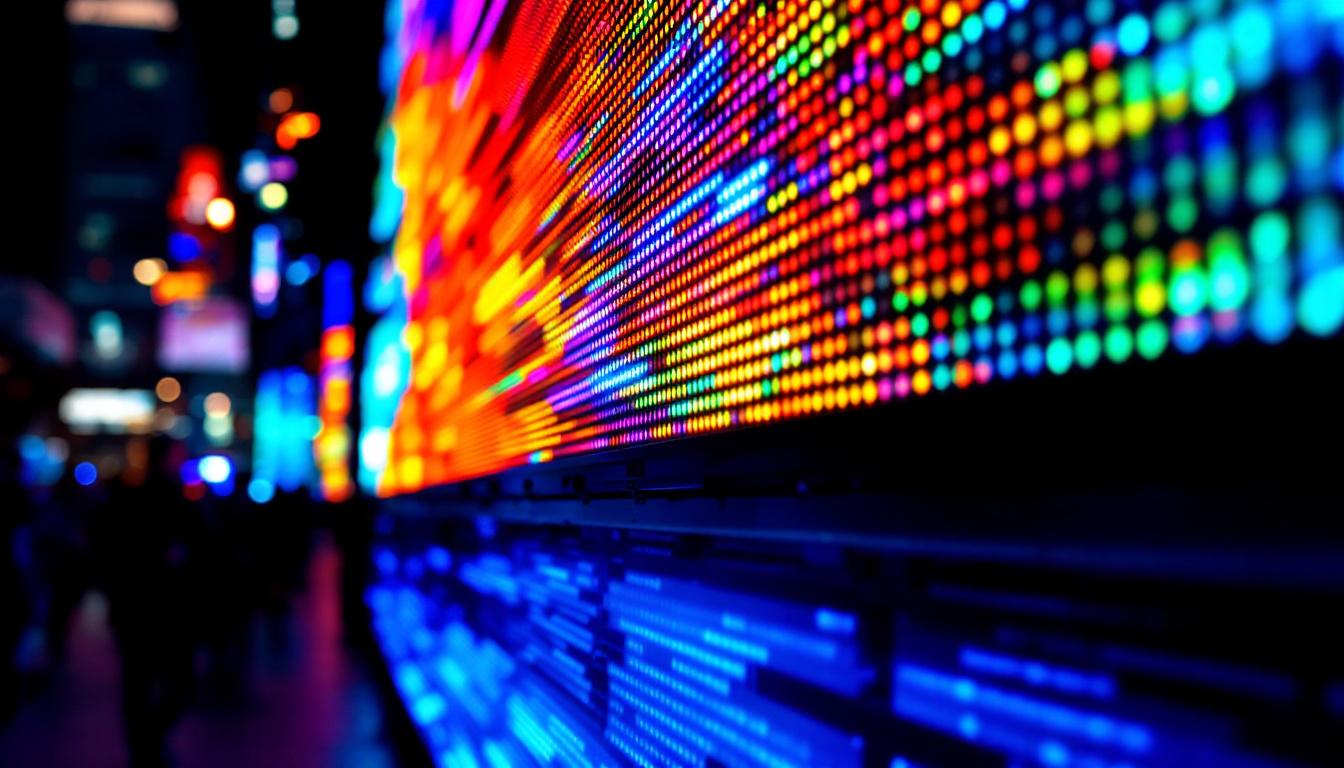
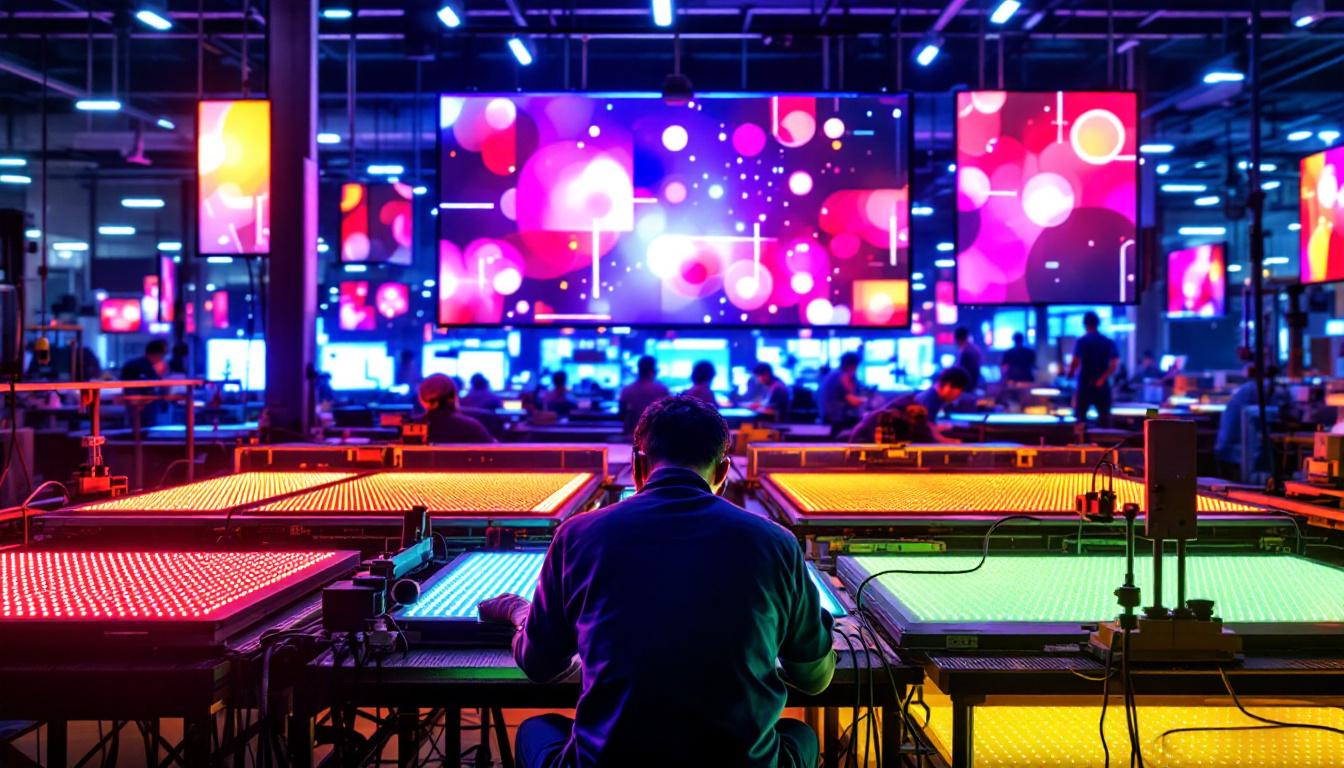
Direct-view LED displays use clusters of tiny LEDs arranged in a grid to form images. These are often modular, meaning individual panels can be combined to form large video walls. The pitch, or distance between LEDs, determines the display’s resolution and viewing distance suitability. Smaller pitch means higher resolution and closer viewing. These displays are commonly used in outdoor advertising and large event venues, where visibility from a distance is crucial. Furthermore, advancements in technology have led to the development of flexible LED displays, which can be bent or shaped to fit unconventional spaces, opening up new possibilities for creative installations.
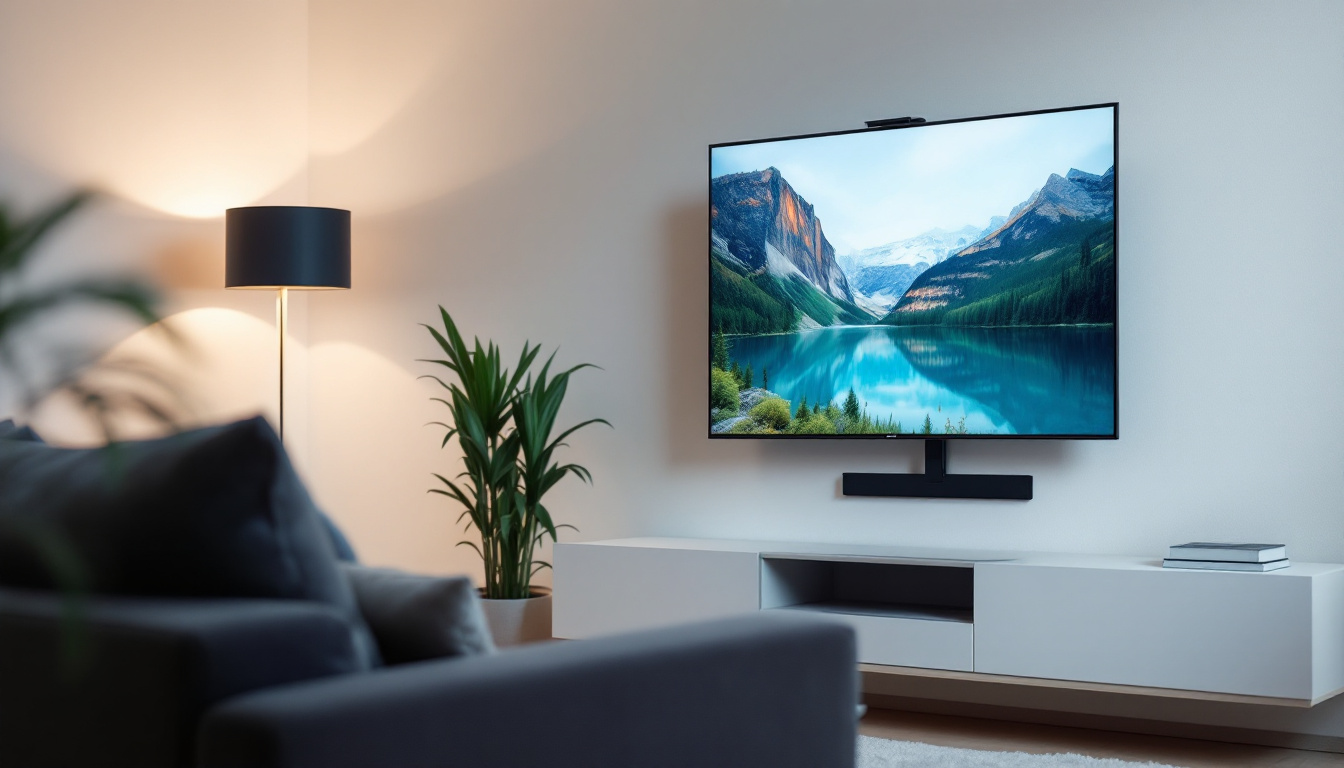
In contrast, LED-backlit LCDs use LEDs to illuminate an LCD panel. The LCD itself controls light passage through liquid crystals, modulating the image. This hybrid approach combines the benefits of LED lighting with the established LCD technology. LED-backlit displays offer improved contrast ratios and color accuracy compared to traditional fluorescent backlighting. Moreover, with the advent of local dimming technology, certain areas of the screen can be dimmed or brightened independently, enhancing the overall picture quality by providing deeper blacks and brighter whites, making them ideal for home theaters and gaming setups.
Advantages of LED Displays
Superior Brightness and Contrast
One of the most significant advantages of LED displays is their brightness. Direct-view LED screens can achieve brightness levels exceeding 5,000 nits, making them visible even in direct sunlight. This is why they are preferred for outdoor advertising and stadium screens.
Additionally, LED displays offer excellent contrast ratios. Since LEDs can be turned off completely to produce true blacks, the contrast between dark and bright areas is striking. This capability enhances image depth and realism, especially in HDR (High Dynamic Range) content.
Energy Efficiency and Longevity
Compared to older display technologies, LEDs consume less power. Their energy efficiency reduces operational costs, especially important for large-scale installations like digital billboards or control rooms. Moreover, LEDs have longer lifespans, often rated for over 100,000 hours of use, minimizing maintenance and replacement expenses.
Thin and Lightweight Design
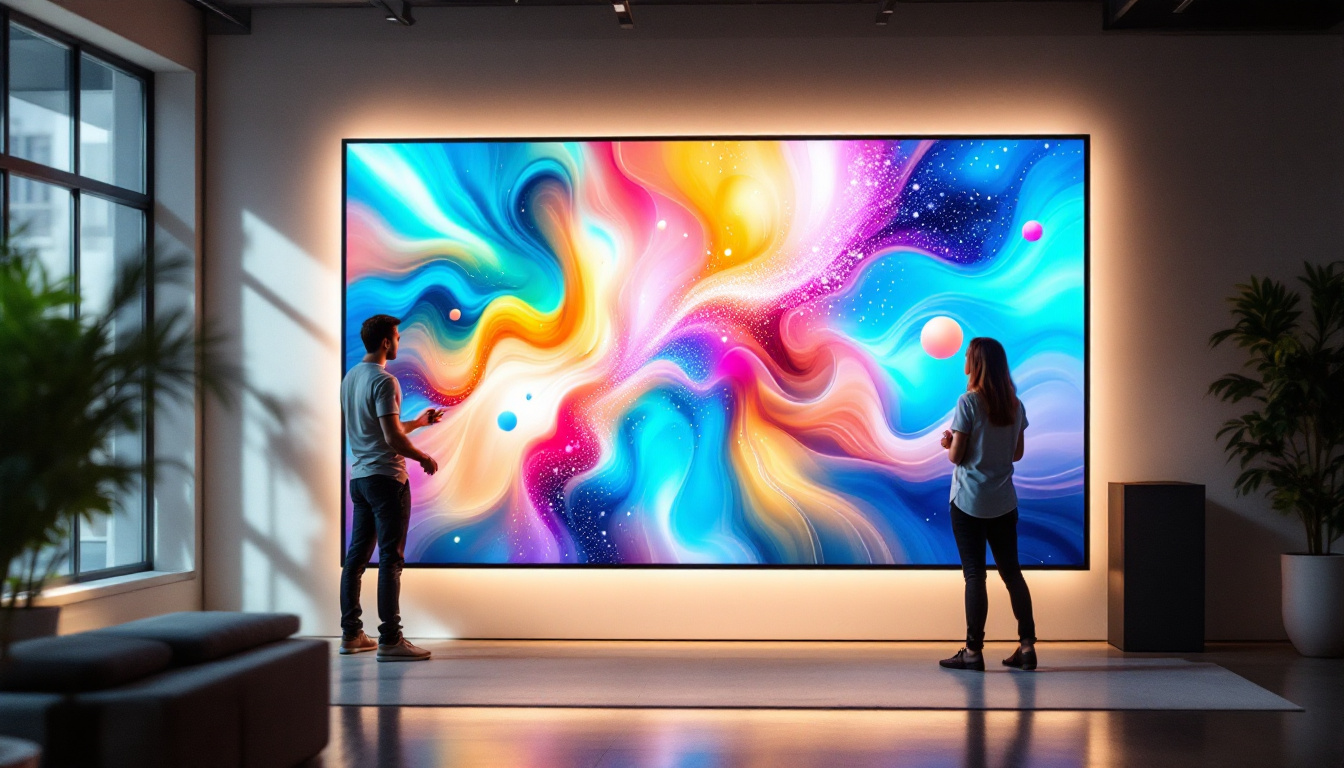
LED technology allows for slim and lightweight displays, which are easier to mount and integrate into various environments. This flexibility has driven innovation in consumer electronics, enabling ultra-thin TVs, monitors, and even foldable devices.
Wide Viewing Angles and Color Accuracy
Modern LED displays provide wide viewing angles without significant color shifting or brightness loss. This is particularly important in collaborative workspaces, retail environments, and public displays where multiple viewers observe the screen from different positions.
Applications of LED Displays
Outdoor Advertising and Digital Signage
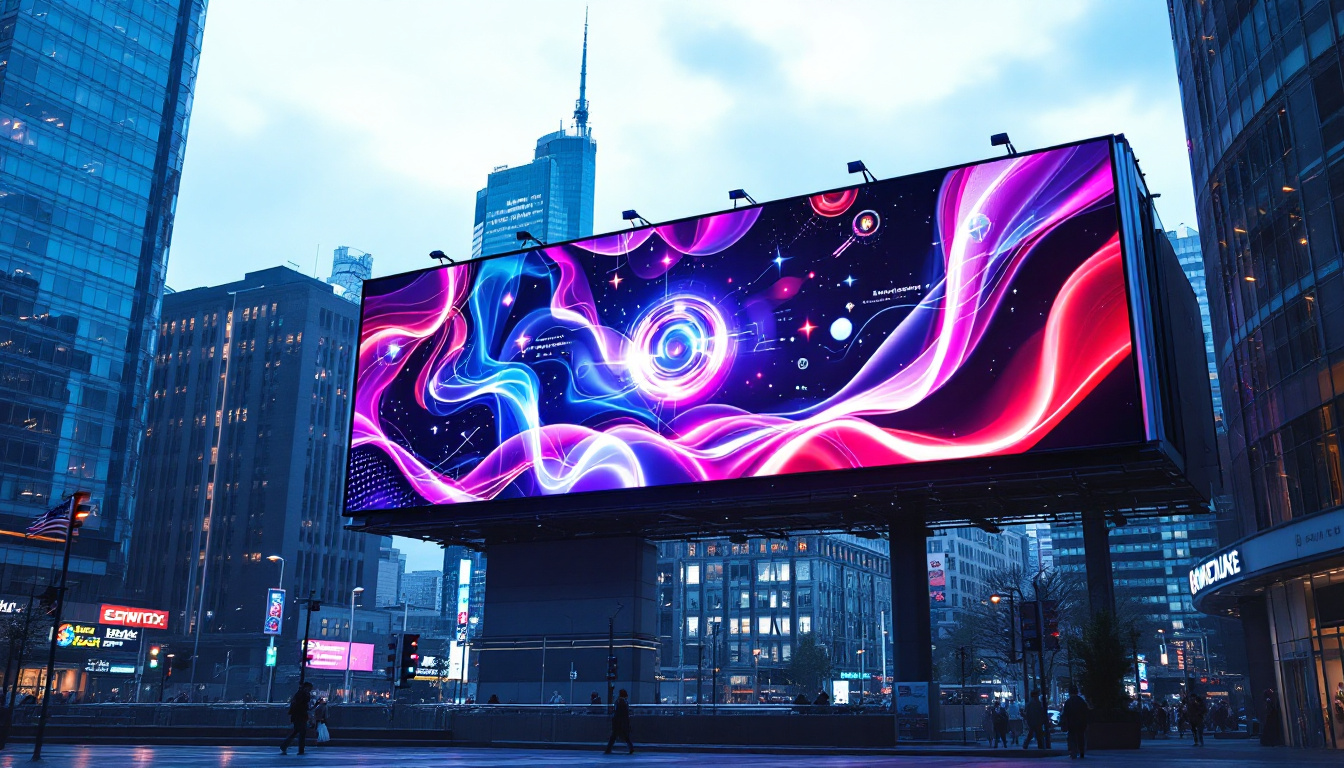
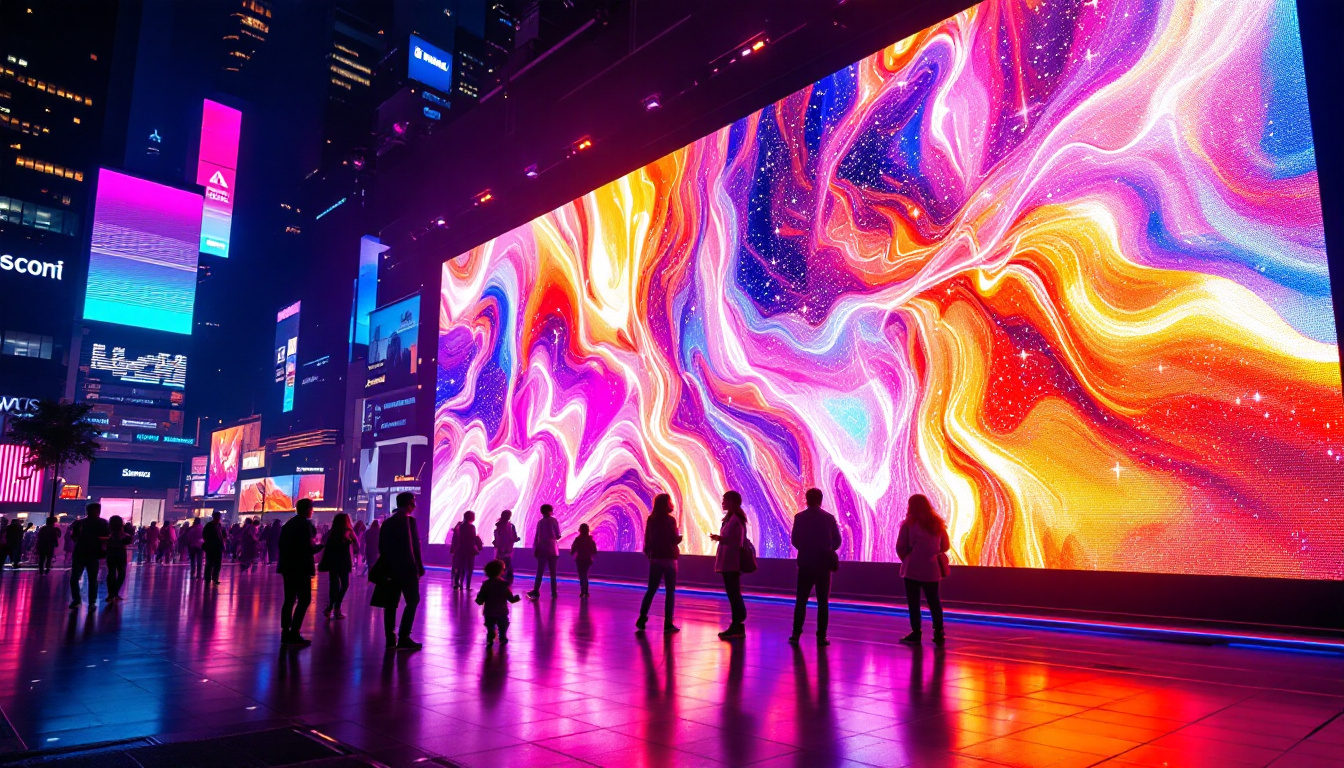
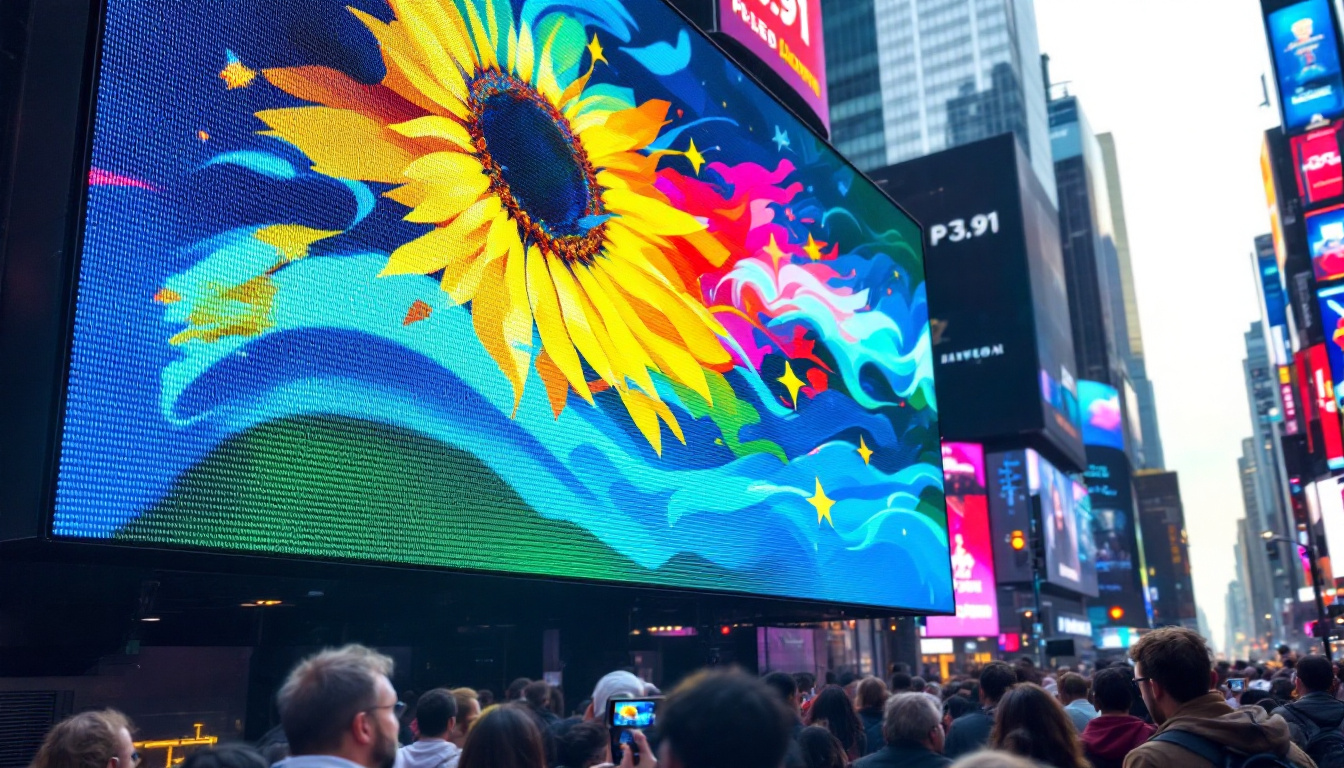
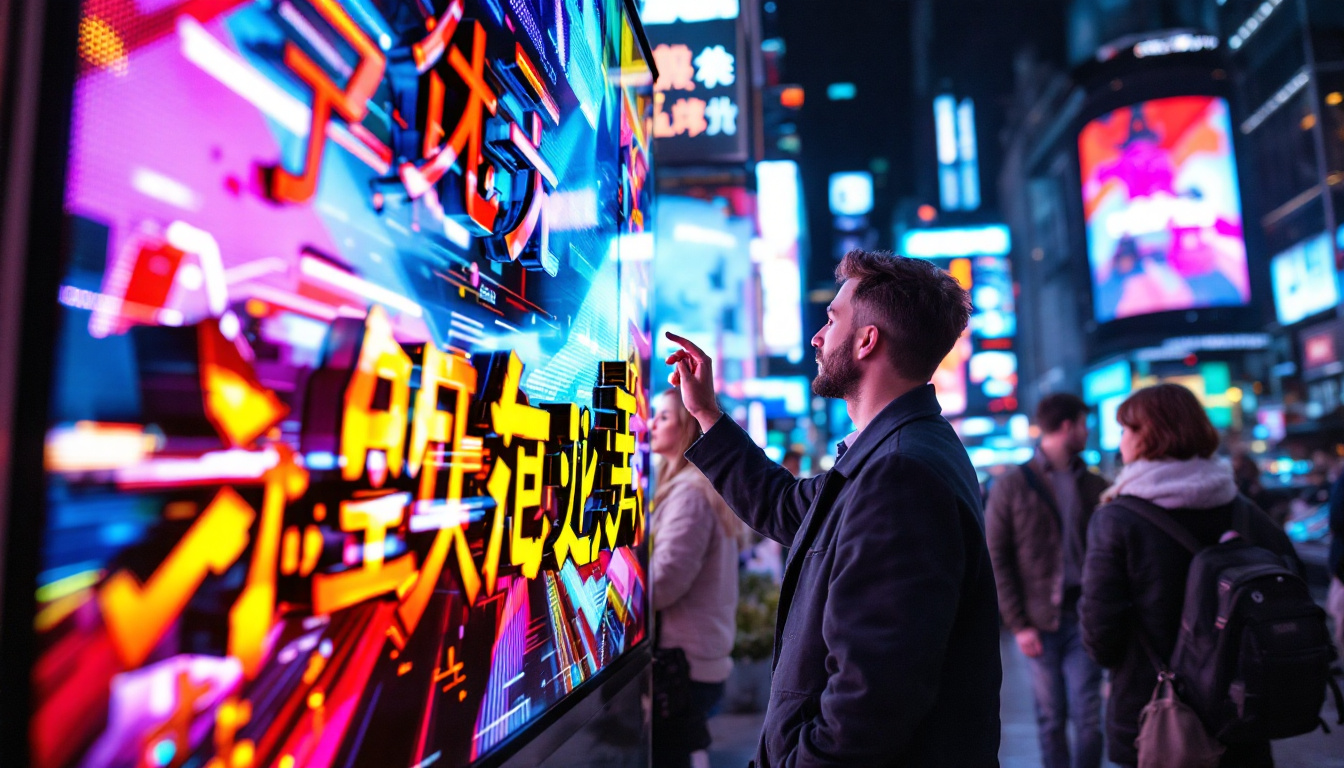
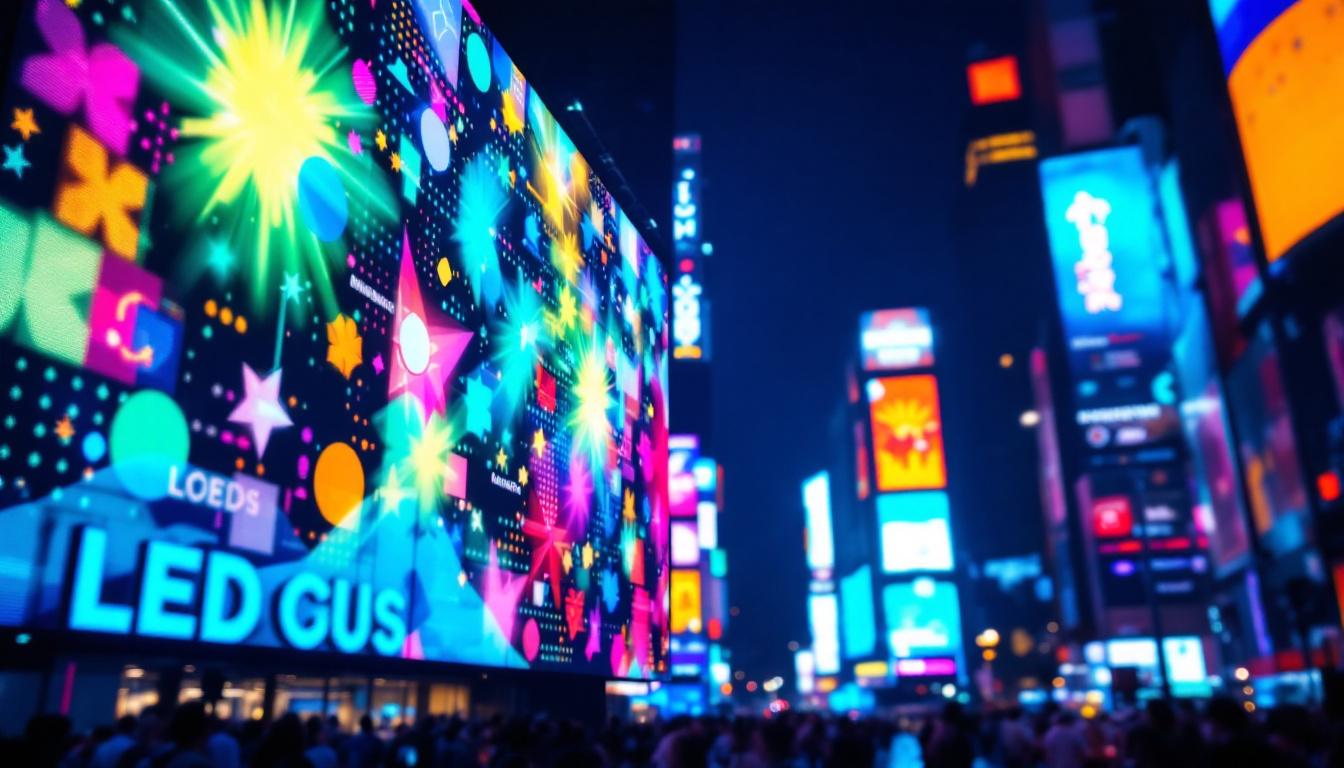
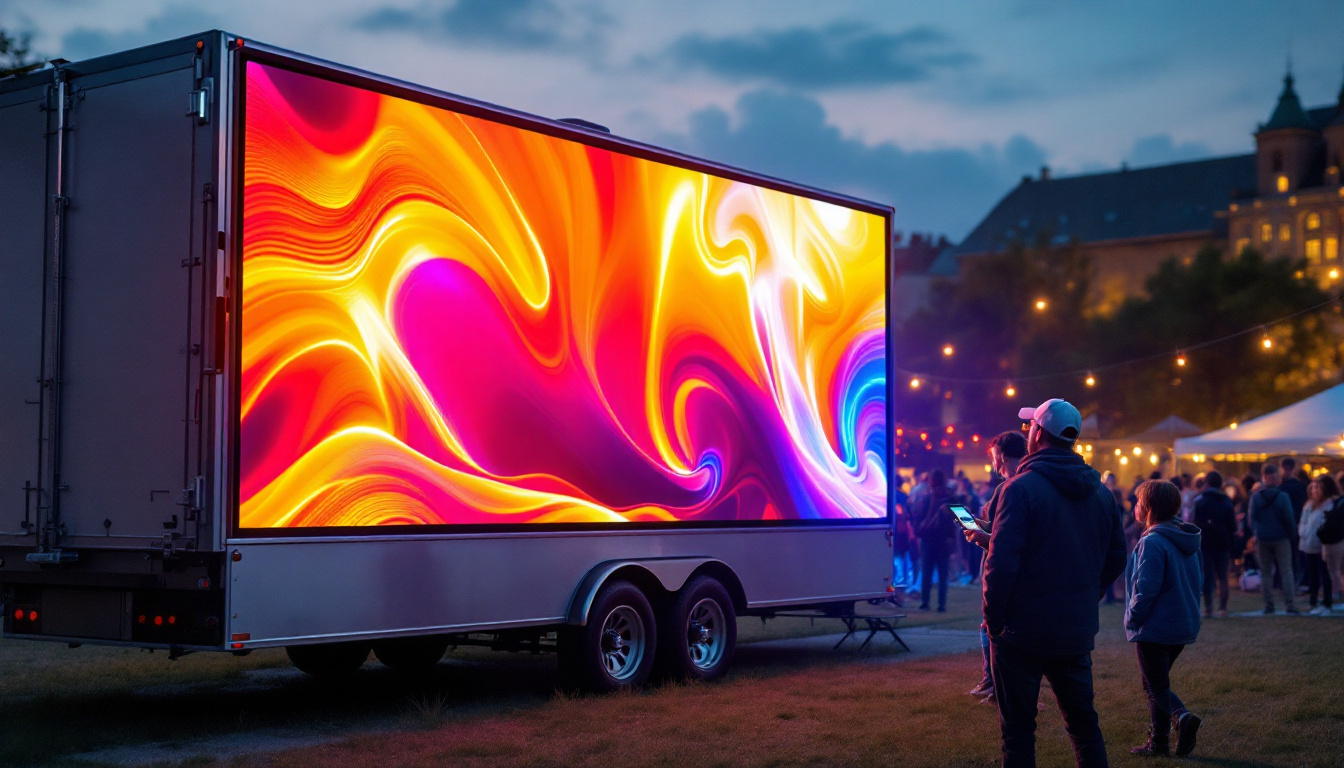
Perhaps the most visible use of LED displays is in outdoor advertising. Digital billboards, transit displays, and stadium screens rely on direct-view LED technology for their high brightness and durability. According to industry reports, the global digital signage market is projected to reach over $30 billion by 2027, driven largely by LED display adoption.
LED displays enable dynamic, eye-catching content that can be updated in real-time, providing advertisers with flexibility and engagement opportunities that static signs cannot match.
Consumer Electronics
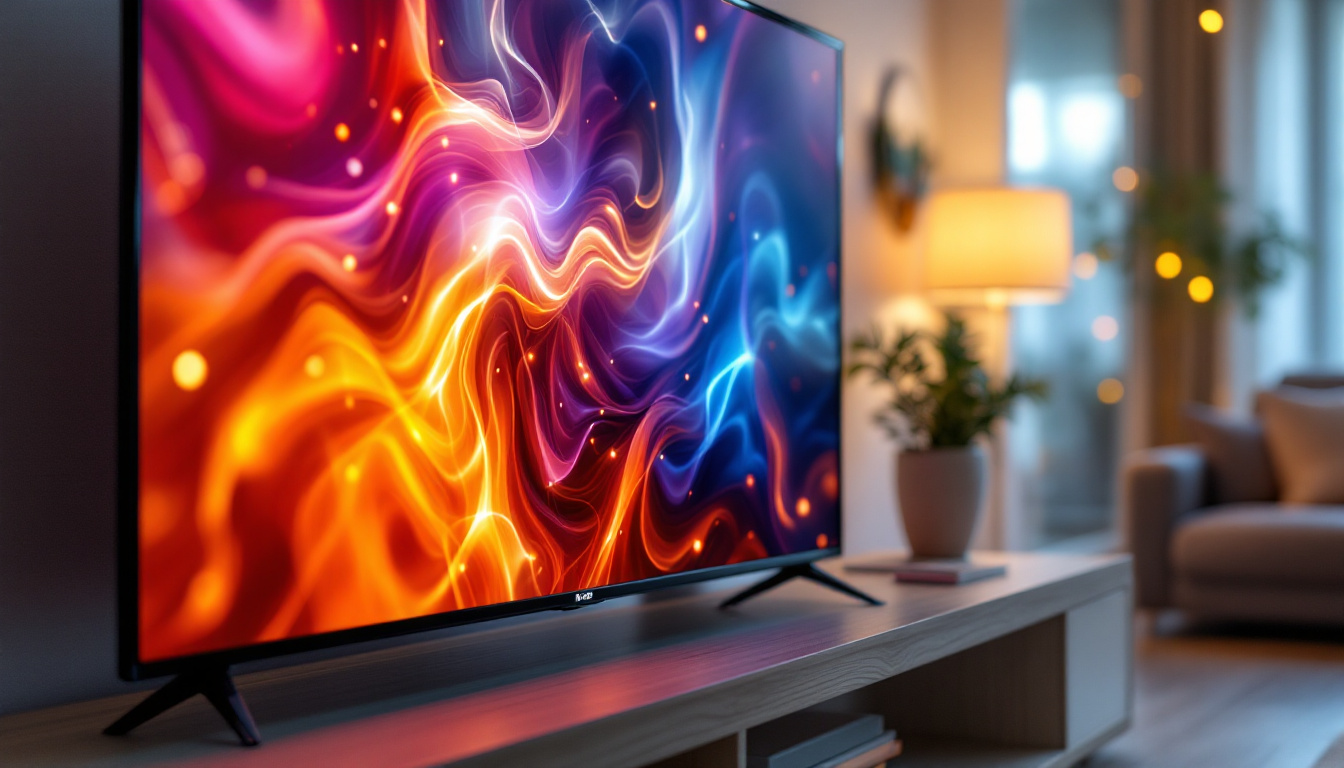
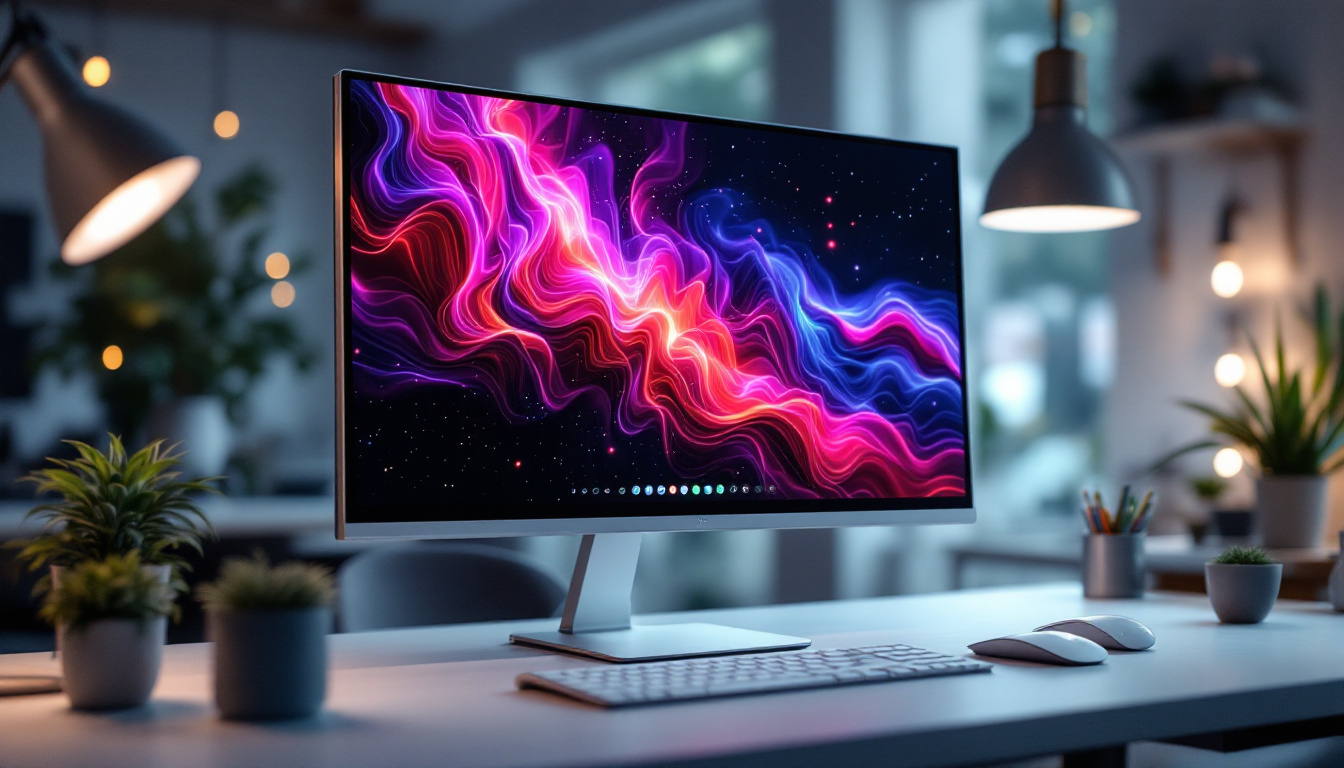
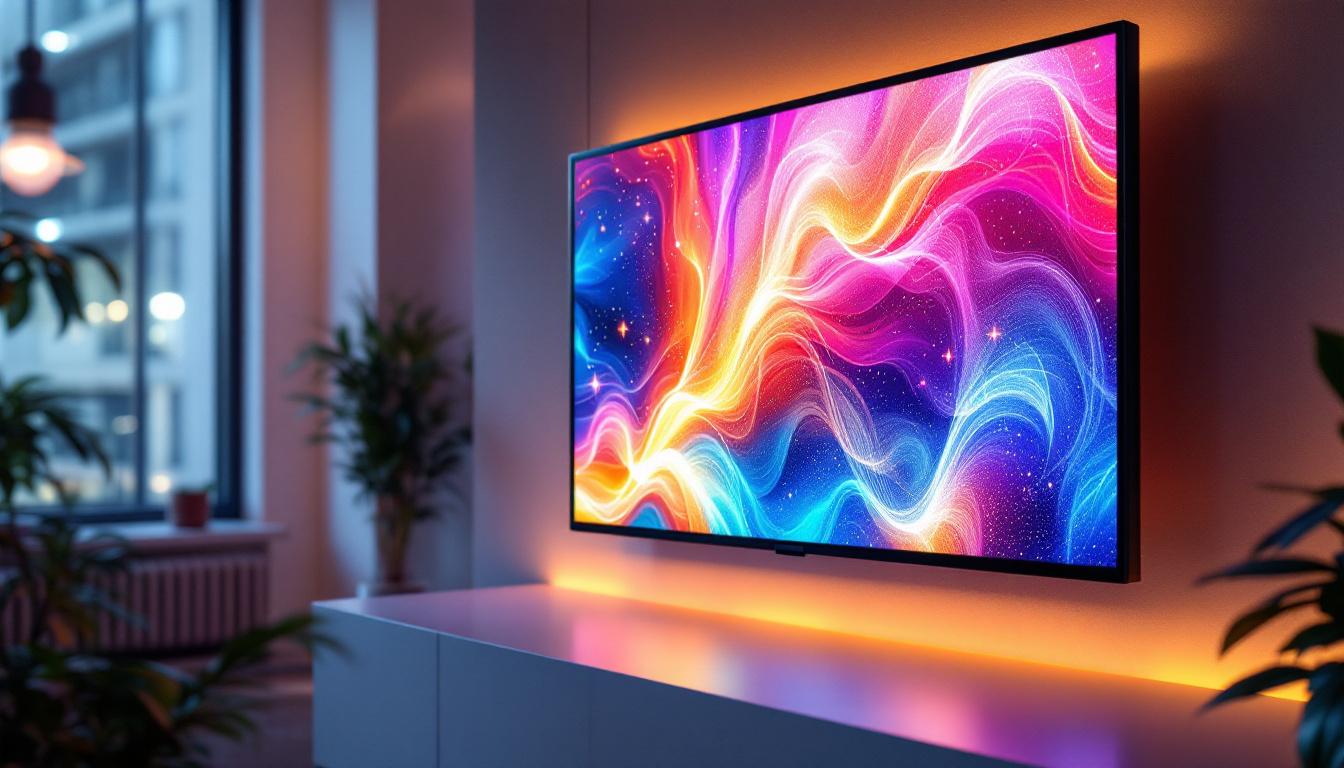
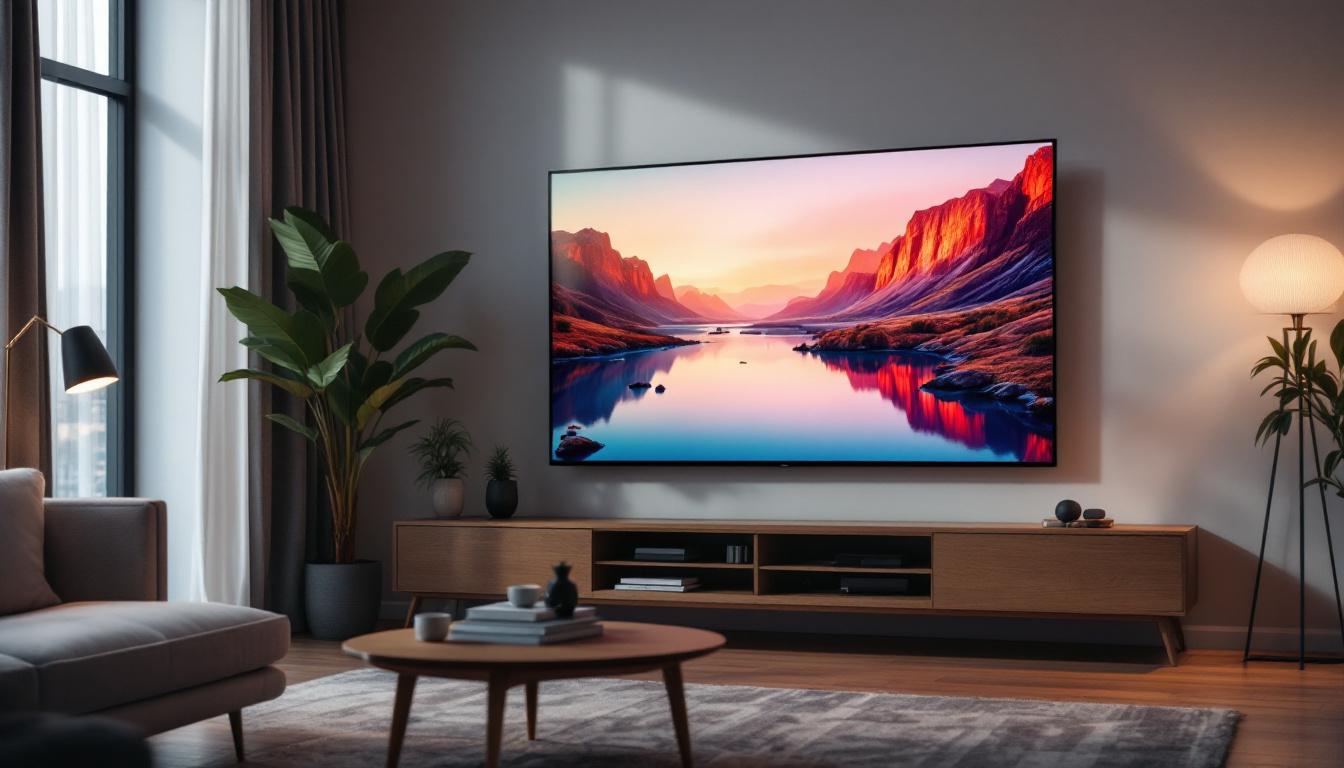
In the consumer market, LED-backlit LCDs dominate televisions, computer monitors, and mobile devices. The shift from CCFL backlighting to LEDs has improved picture quality while reducing power consumption. High-end TVs now often feature OLED (Organic LED) technology, which builds on LED principles but uses organic compounds to emit light, offering even better contrast and color performance.
Professional and Industrial Use
LED displays are also essential in professional environments such as broadcast studios, control rooms, and medical imaging. Their high resolution and color fidelity ensure accurate monitoring and analysis. For example, video monitors used in film production rely on LED technology to provide precise color grading capabilities.
Events and Entertainment
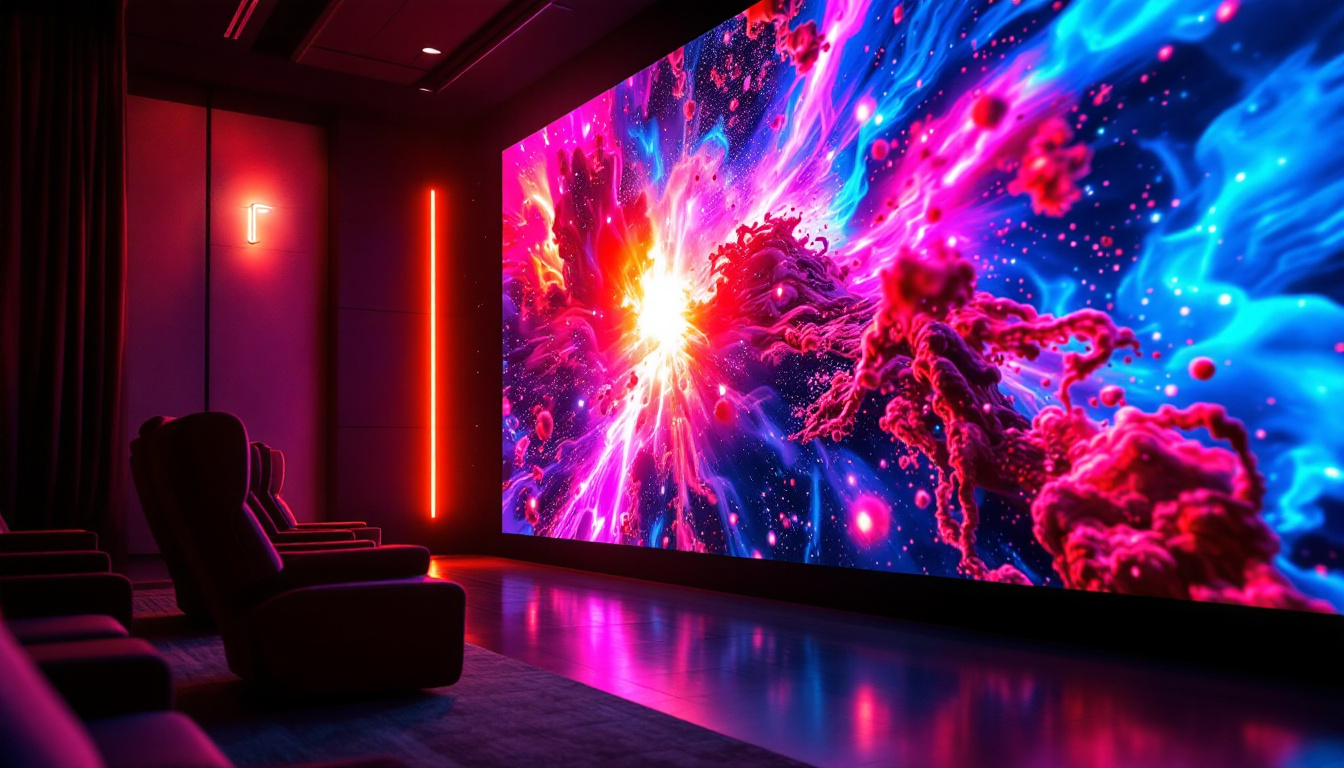
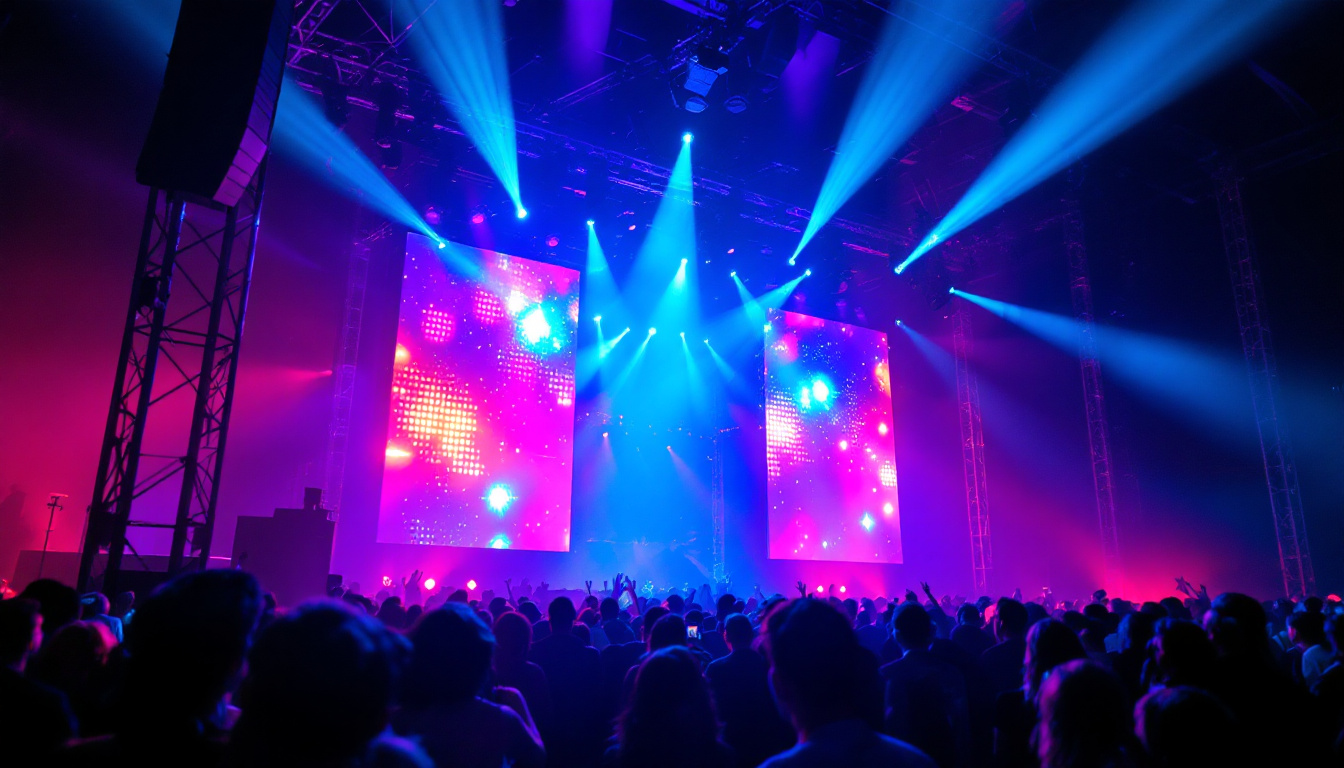
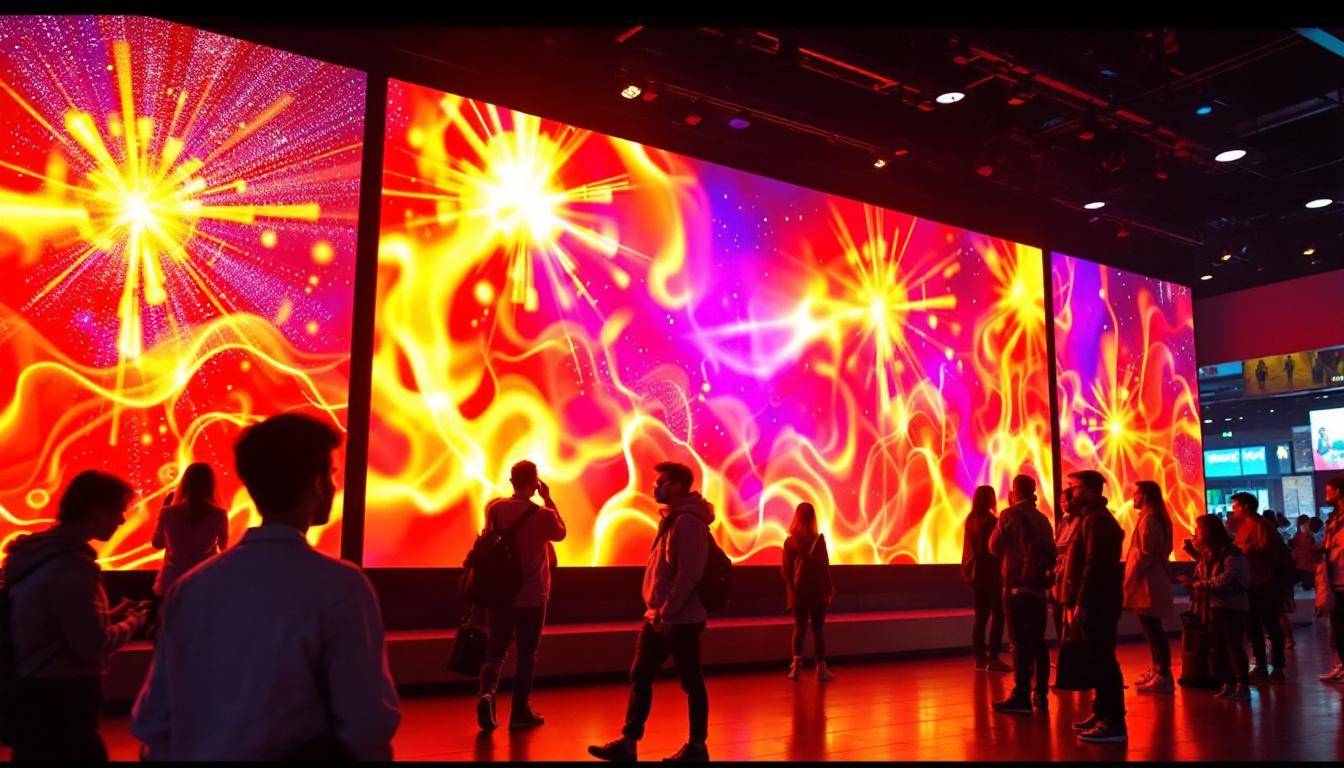
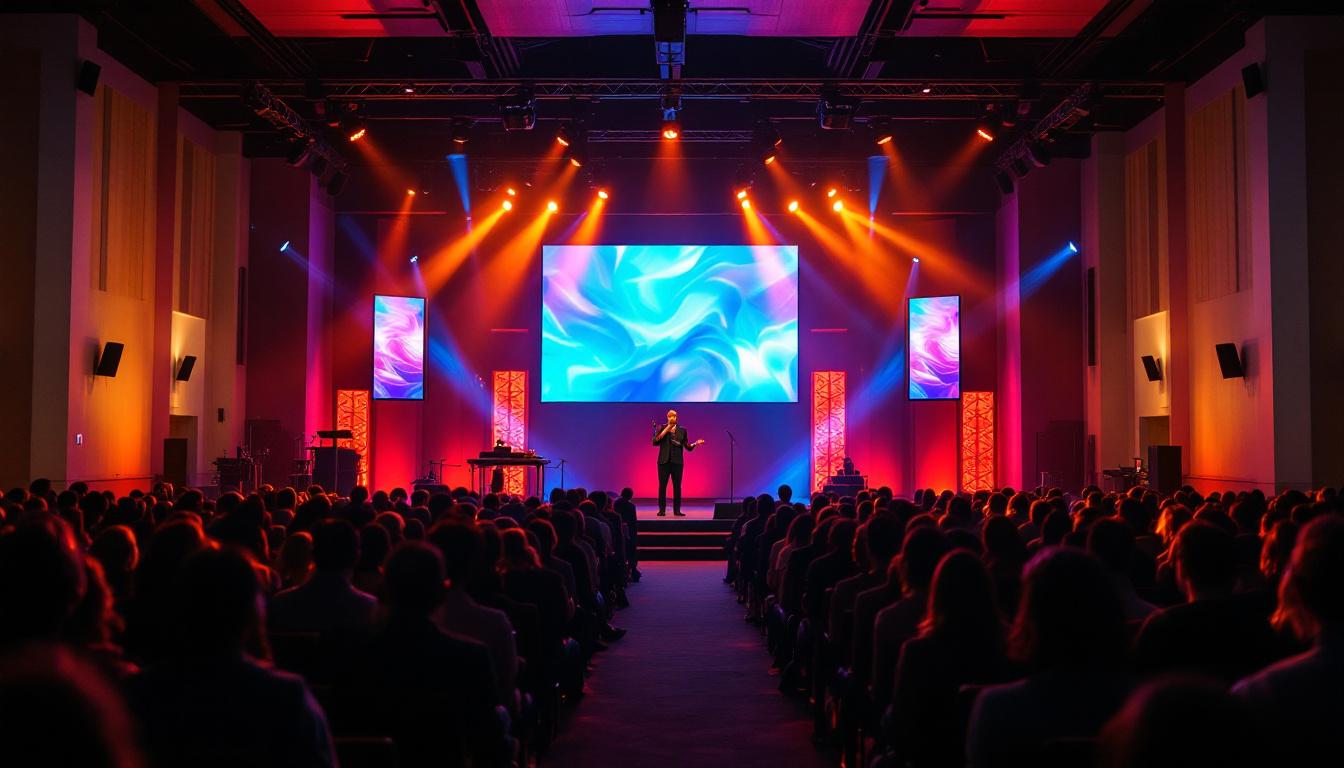
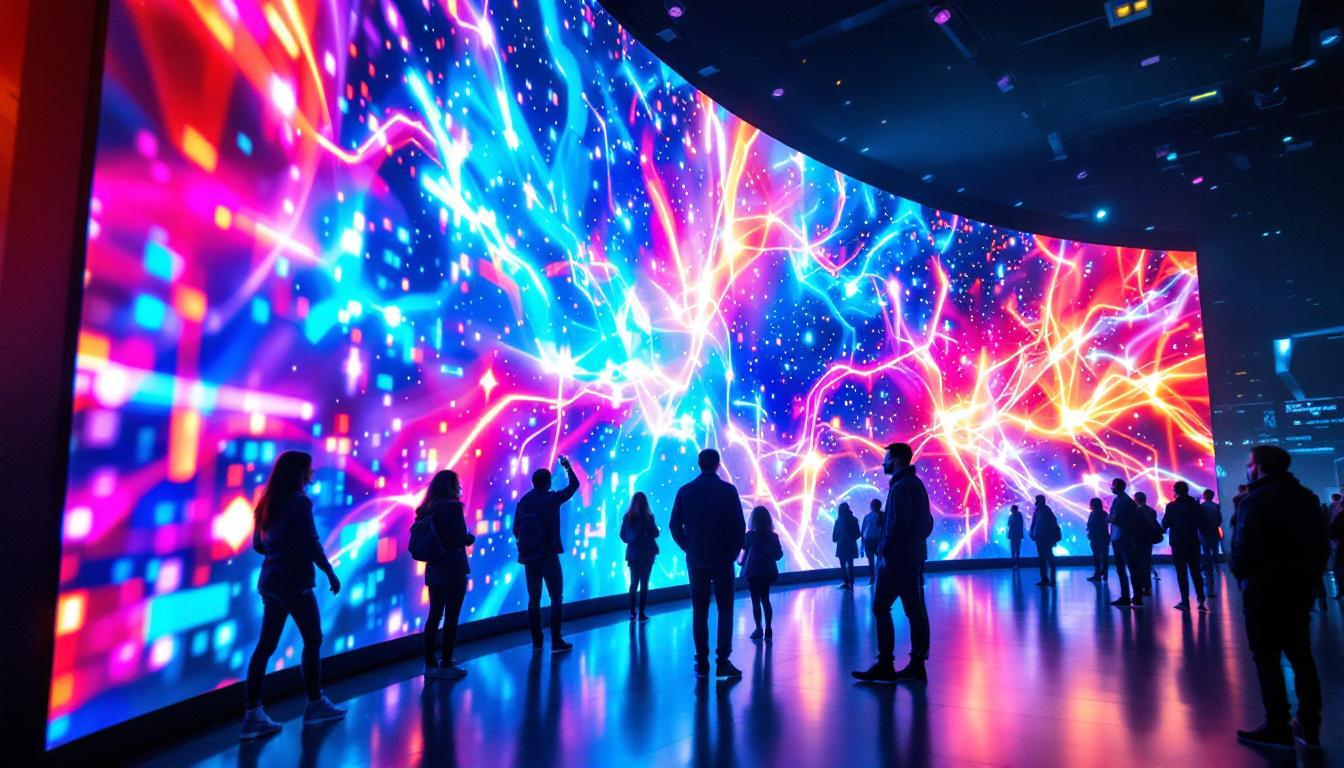
Concerts, theaters, and sports arenas utilize large LED video walls to enhance the audience experience. These displays can be customized in size and shape, offering immersive visuals that complement live performances and broadcasts.
Key Considerations When Choosing an LED Display
Resolution and Pixel Pitch
The resolution of an LED display is a critical factor that affects image clarity. For direct-view LED screens, pixel pitch determines how close viewers can be while still enjoying a sharp image. Smaller pixel pitches (e.g., 1.2mm to 2.5mm) are suitable for indoor use where viewers are close, whereas larger pitches (5mm and above) are common outdoors.
Brightness and Environment
Consider the ambient lighting conditions where the display will be installed. Outdoor environments require higher brightness levels to overcome sunlight, while indoor displays can operate at lower brightness, which helps conserve energy and extend lifespan.
Durability and Maintenance
LED displays intended for outdoor use must be weatherproof and resistant to dust, moisture, and temperature extremes. Additionally, modular designs that allow easy replacement of individual panels can reduce maintenance downtime and costs.
Color Accuracy and Calibration
For professional applications such as video editing or medical imaging, color accuracy is paramount. Look for displays with factory calibration and support for color management tools to ensure consistent and reliable performance.
The Future of LED Display Technology
LED technology continues to evolve rapidly. Innovations such as MicroLED and MiniLED are pushing the boundaries of display performance. MicroLED displays use microscopic LEDs to create pixels, offering superior brightness, contrast, and energy efficiency without the burn-in issues associated with OLEDs.
Moreover, flexible and transparent LED displays are emerging, enabling new form factors and applications. For instance, transparent LED panels can be integrated into glass surfaces for augmented reality or advertising without obstructing views.
Advancements in smart display integration, AI-driven content optimization, and networked digital signage systems are also enhancing how LED displays are used in marketing, communication, and entertainment.
Conclusion
LED displays have revolutionized the way video monitors are designed and used across multiple industries. Their superior brightness, energy efficiency, flexibility, and image quality make them the preferred choice for everything from outdoor advertising to high-end consumer electronics.
Understanding the fundamentals of LED technology, the types of displays available, and key performance factors empowers buyers and users to select the right display for their needs. As LED technology continues to advance, it promises even more exciting possibilities for immersive and dynamic visual experiences in the years ahead.
Discover LumenMatrix’s Advanced LED Display Solutions
Ready to experience the future of visual display technology? LumenMatrix is at the forefront of LED innovation, offering a comprehensive range of LED display modules designed to elevate your brand’s presence and captivate your audience. From vibrant Indoor and Outdoor LED Wall Displays to dynamic Vehicle and Sports LED Displays, our solutions are tailored to meet the diverse needs of any business. Immerse your viewers with our LED Poster, Floor, and Custom Displays, or streamline your message with our All-in-One and Transparent LED options. Embrace the power of cutting-edge digital signage with LumenMatrix and transform your visual communication. Check out LumenMatrix LED Display Solutions today and lead the way in creating unforgettable visual experiences.