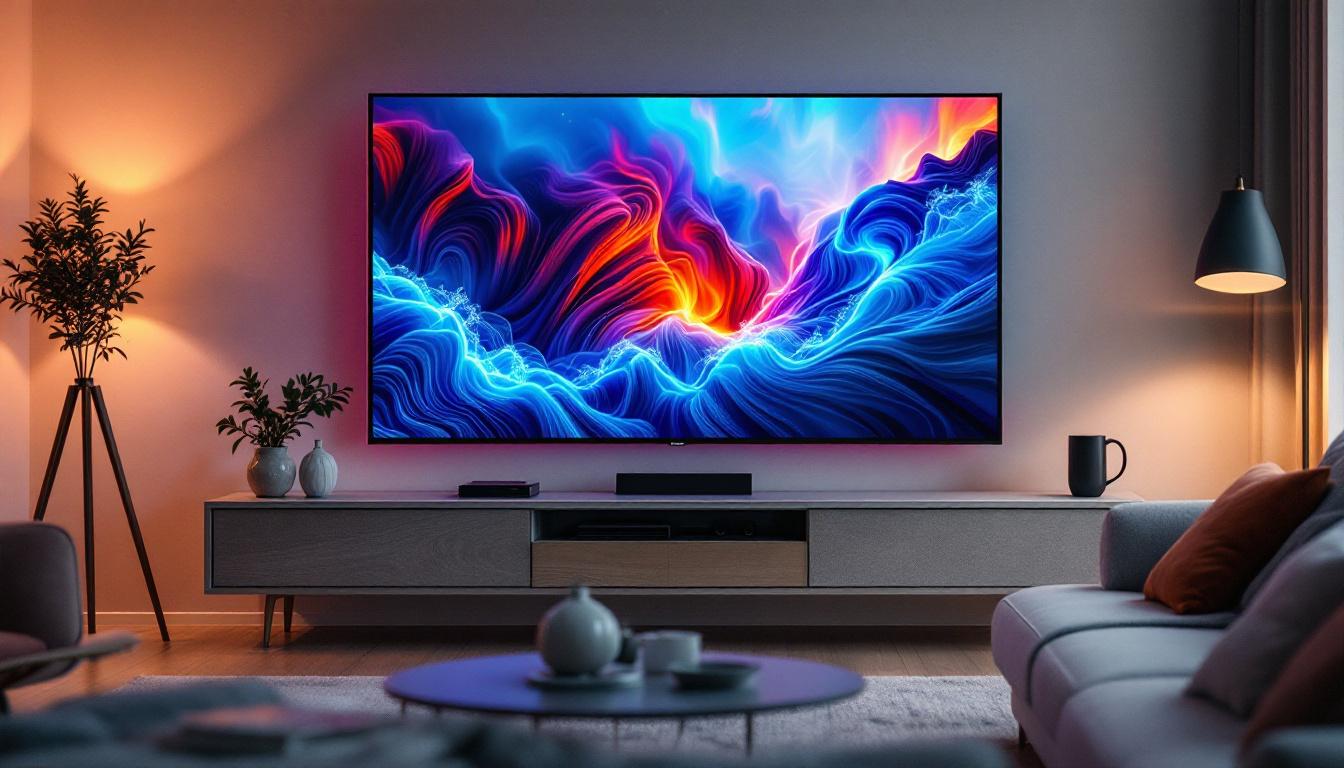
In recent years, LED technology has revolutionized the way we experience television. From vibrant colors to sharper images and energy efficiency, LED displays have become the standard for modern TVs. However, understanding what LED displays truly entail, how they work, and why they are preferred over other display technologies can help consumers make informed decisions when purchasing their next television. This article delves into the intricacies of LED displays in TVs, exploring their technology, advantages, types, and future trends.
Understanding LED Display Technology
LED stands for Light Emitting Diode, a semiconductor device that emits light when an electric current passes through it. In the context of television displays, LEDs are used as a backlight source for LCD (Liquid Crystal Display) panels, or in some cases, as individual pixels themselves, as seen in OLED and MicroLED technologies. This innovative approach to display technology has revolutionized the way we experience visual media, providing sharper images, vibrant colors, and a more immersive viewing experience.
Unlike traditional LCD TVs that use cold cathode fluorescent lamps (CCFLs) for backlighting, LED TVs employ LEDs which provide numerous benefits such as improved brightness, better contrast ratios, and lower power consumption. The term “LED TV” is somewhat of a misnomer, as the display itself is still an LCD panel; the LEDs are primarily responsible for illuminating the screen. This distinction is important for consumers to understand, as it highlights the advancements in energy efficiency and image quality that LED technology brings to the table.
How LED Backlighting Works
In an LED-backlit LCD TV, the liquid crystal layer controls the passage of light from the LEDs behind it. The LEDs emit light that passes through color filters and liquid crystals to produce the final image. By adjusting the orientation of the liquid crystals, the display can control the intensity and color of each pixel. This precise manipulation allows for a wider color gamut and more accurate color reproduction, making LED displays particularly appealing for watching films and playing video games.
There are two main configurations for LED backlighting: edge-lit and direct-lit (or full-array). Edge-lit LED TVs place LEDs along the edges of the screen, allowing light to spread across the panel. Direct-lit LED TVs have LEDs evenly distributed behind the entire screen, enabling better control over brightness and contrast. Additionally, many direct-lit models incorporate local dimming technology, which allows specific areas of the screen to dim or brighten independently, enhancing the depth of blacks and improving overall picture quality. This feature is especially beneficial for viewers who enjoy watching content in darker environments, as it minimizes light bleed and enhances the viewing experience.
Moreover, the evolution of LED technology has led to the development of advanced features such as HDR (High Dynamic Range), which further enhances the contrast and color accuracy of images displayed on LED screens. HDR content takes advantage of the improved brightness capabilities of LED displays, allowing for a more dynamic range of colors and details in both the brightest and darkest scenes. As more content becomes available in HDR formats, the demand for LED technology continues to grow, solidifying its place as a leading choice for modern television displays.
The Advantages of LED TVs Over Other Display Technologies
LED TVs offer several advantages over older technologies such as CCFL-backlit LCDs and plasma displays. These benefits contribute to their widespread adoption and popularity among consumers.
Energy Efficiency and Longevity
LEDs consume significantly less power than CCFLs, making LED TVs more energy-efficient. This efficiency not only reduces electricity bills but also contributes to environmental sustainability. Additionally, LEDs have a longer lifespan, often exceeding 50,000 hours, which means the TV can maintain its brightness and performance over many years without requiring backlight replacement.
Improved Picture Quality
LED backlighting allows for higher brightness levels and better contrast ratios. With technologies like local dimming, where specific zones of LEDs dim independently, LED TVs can produce deeper blacks and more vivid colors. This capability enhances the viewing experience, especially in dark scenes, by reducing the “washed out” effect common in older LCD TVs.
Slimmer and Lighter Designs
Because LEDs are smaller and more versatile than CCFL tubes, manufacturers can design thinner and lighter televisions. This has led to sleek, modern TV designs that are easier to mount on walls and fit into various living spaces.
Types of LED Displays in TVs
While most LED TVs use LED backlighting for LCD panels, there are several variations and emerging technologies that use LEDs differently, each with unique characteristics and benefits.
Edge-Lit LED TVs
Edge-lit LED TVs position the LEDs along the edges of the screen. Light is then diffused across the panel using light guides. This design allows for ultra-thin TVs and is generally less expensive to manufacture. However, edge-lit models may suffer from uneven brightness and less effective local dimming compared to full-array models.
Full-Array LED TVs with Local Dimming
Full-array LED TVs have a grid of LEDs placed directly behind the entire screen. This setup allows for precise control of brightness in different zones, known as local dimming. By dimming LEDs in dark areas of the screen while keeping bright areas illuminated, these TVs achieve superior contrast and black levels. Full-array models tend to be thicker and more expensive but offer significantly better picture quality.
Mini-LED TVs
Mini-LED technology is an advancement of full-array LED backlighting, using thousands of tiny LEDs instead of hundreds. This allows for even more precise local dimming and improved brightness control. Mini-LED TVs deliver exceptional contrast and HDR (High Dynamic Range) performance, rivaling some OLED displays while maintaining the benefits of LED technology.
MicroLED and OLED: The Next Generation
MicroLED and OLED (Organic Light Emitting Diode) represent newer display technologies that differ fundamentally from traditional LED-backlit LCDs. In OLED TVs, each pixel emits its own light, allowing for perfect blacks and infinite contrast ratios. MicroLED uses microscopic LEDs as individual pixels, combining the benefits of OLED’s self-emissive nature with the brightness and longevity of LEDs.
While OLED and MicroLED are not technically “LED TVs” in the traditional sense, they are often discussed alongside LED technology due to their use of light-emitting diodes. These technologies are rapidly gaining popularity in premium TV markets.
Key Features to Consider When Buying an LED TV
Understanding the nuances of LED display technology can help consumers choose the best TV for their needs. Several critical features influence the overall performance and viewing experience.
Resolution and Screen Size
Resolution determines the number of pixels on the screen, affecting image sharpness. Common resolutions include Full HD (1080p), 4K UHD (3840×2160), and increasingly, 8K UHD. Larger screen sizes benefit from higher resolutions to maintain image clarity. For example, a 55-inch or larger TV is best paired with 4K resolution or higher.
HDR Support
High Dynamic Range (HDR) enhances the contrast and color range of a TV, making images more lifelike. Popular HDR formats include HDR10, Dolby Vision, and HLG. An LED TV with strong HDR performance will deliver brighter highlights and richer colors, improving the overall viewing experience.
Refresh Rate and Motion Handling
The refresh rate, measured in hertz (Hz), indicates how many times the image is updated per second. Higher refresh rates (120Hz or more) provide smoother motion, especially important for fast-paced content like sports and gaming. Some LED TVs also include motion interpolation technology to reduce blur.
Smart TV Capabilities
Most modern LED TVs come with smart features, allowing users to stream content from platforms like Netflix, YouTube, and Amazon Prime Video directly on the TV. The quality of the smart interface, app availability, and voice control options are important considerations.
Challenges and Limitations of LED TVs
While LED TVs offer many benefits, they also have some limitations compared to other display technologies.
Black Levels and Contrast
Even with local dimming, LED-backlit LCDs cannot achieve the perfect black levels of OLED displays because the backlight can cause some light bleed. This can result in less depth in dark scenes, especially in environments with controlled lighting.
Viewing Angles
LED TVs often have narrower viewing angles compared to OLEDs. Colors and contrast may degrade when viewed from the side, which can be a drawback in wide seating arrangements.
Potential for Uniformity Issues
Edge-lit LED TVs may suffer from uneven brightness or “clouding” where some areas of the screen appear brighter than others. Full-array and mini-LED models mitigate this issue but at a higher cost.
The Future of LED Display Technology in TVs
The LED TV market continues to evolve rapidly, driven by innovations that enhance picture quality, energy efficiency, and user experience.
Advances in Mini-LED and MicroLED
Mini-LED technology is becoming more mainstream, offering a cost-effective way to achieve near-OLED picture quality. Meanwhile, MicroLED promises unparalleled brightness, color accuracy, and longevity, though it remains expensive and primarily targeted at premium segments.
Integration with AI and Smart Features
Artificial intelligence is increasingly integrated into LED TVs to optimize picture settings based on content and ambient lighting conditions. AI-powered upscaling improves the appearance of lower-resolution content, while voice assistants and smart home integration enhance usability.
Environmental Considerations
Manufacturers are focusing on sustainable production methods and recyclable materials to reduce the environmental impact of LED TVs. Energy efficiency standards continue to improve, making LED TVs more eco-friendly over their lifecycle.
Conclusion
LED display technology has transformed the television industry by offering improved picture quality, energy efficiency, and sleek designs. Whether through edge-lit, full-array, or cutting-edge mini-LED configurations, LED TVs cater to a wide range of consumer needs and budgets. While challenges like black level limitations and viewing angles remain, ongoing innovations promise to bridge these gaps. Understanding the fundamentals of LED displays empowers consumers to select the right TV that balances performance, features, and price for an exceptional viewing experience.
Explore Cutting-Edge LED Displays with LumenMatrix
Ready to elevate your viewing experience with the latest in LED display technology? LumenMatrix is at the forefront of innovation, offering a diverse range of LED display modules designed to bring your visual communication to life. From captivating Indoor LED Wall Displays to dynamic Outdoor LED Wall Displays, and from versatile Vehicle LED Displays to sleek LED Poster Displays, our solutions are crafted to enhance engagement and brand visibility. Discover the transformative power of LED Sports Displays, interactive Floor LED Displays, and the clarity of our All-in-One and Custom LED Display options. Experience the future of visual storytelling with our LED Transparent Displays. Check out LumenMatrix LED Display Solutions today and join the revolution in high-impact, energy-efficient display technology.