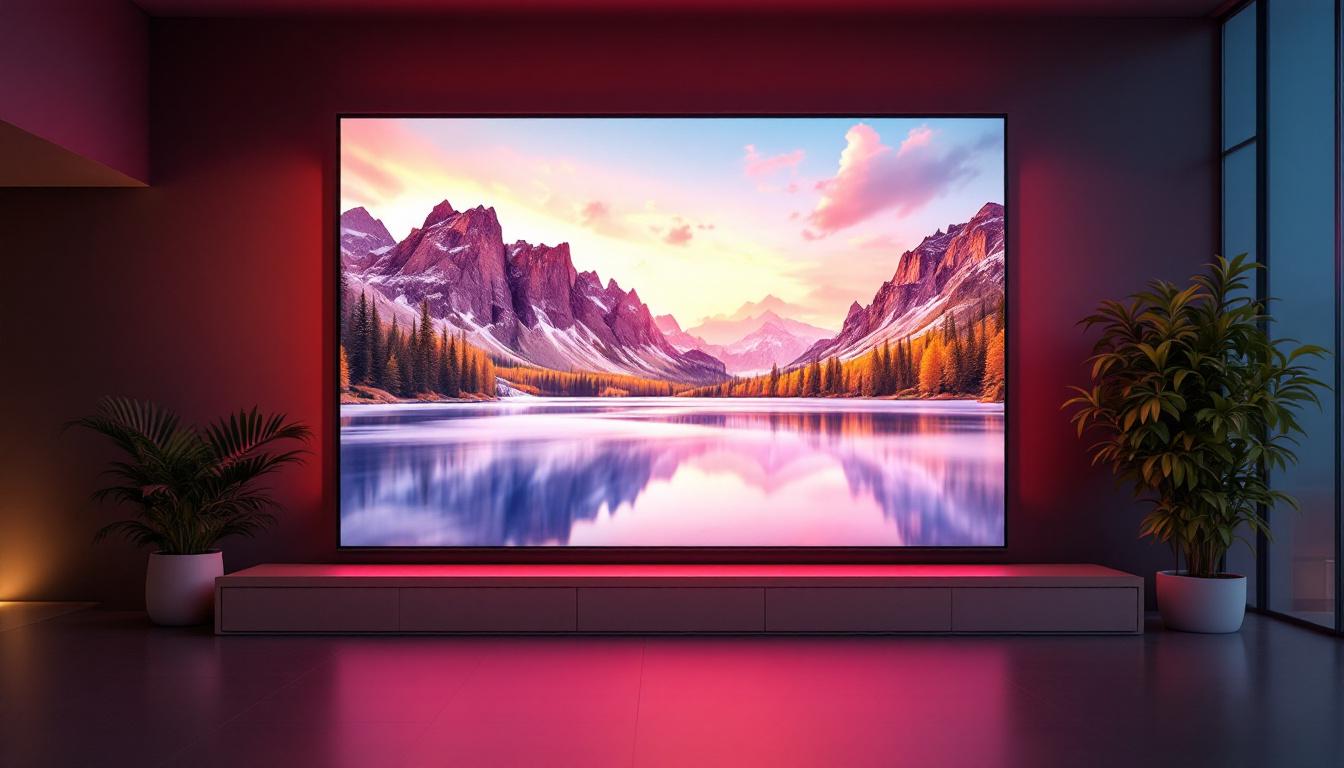
8K Wallpaper: LED Display Explained
As display technology continues to evolve at a rapid pace, 8K resolution has emerged as the new frontier in visual clarity and detail. Coupled with advancements in LED display technology, 8K wallpaper displays are transforming the way we experience digital imagery, from home entertainment to commercial advertising. This article delves into the fundamentals of 8K resolution, the intricacies of LED displays, and how these two technologies combine to deliver breathtaking visuals that redefine modern viewing standards.
Understanding 8K Resolution: The Next Level of Visual Detail
8K resolution refers to a display resolution of approximately 7,680 x 4,320 pixels, totaling over 33 million pixels on a single screen. This is four times the pixel count of 4K (Ultra HD) and sixteen times that of Full HD (1080p). To put this into perspective, an 8K display offers such fine detail that individual pixels are virtually indistinguishable to the human eye at typical viewing distances.
The leap from 4K to 8K isn’t just about pixel count; it’s about enhancing image depth, texture, and realism. For example, in applications such as medical imaging, architectural visualization, and high-end video production, the increased resolution allows for more precise detail recognition and editing capabilities.
However, to fully appreciate 8K resolution, the content itself must be produced or upscaled to match this standard. As of 2024, native 8K content remains limited but is steadily growing, driven by advancements in camera technology and streaming platforms adopting higher bandwidth capabilities.
Why 8K Matters for Wallpapers and Displays
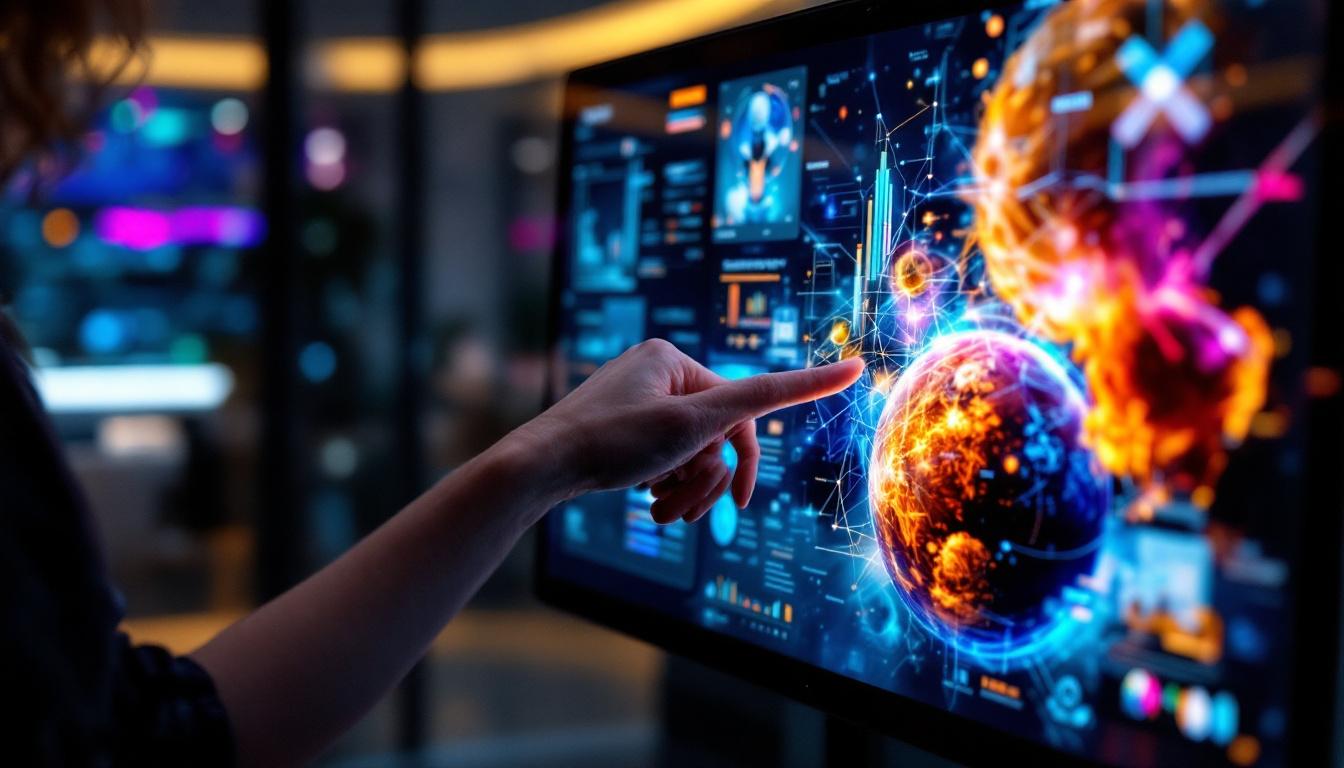
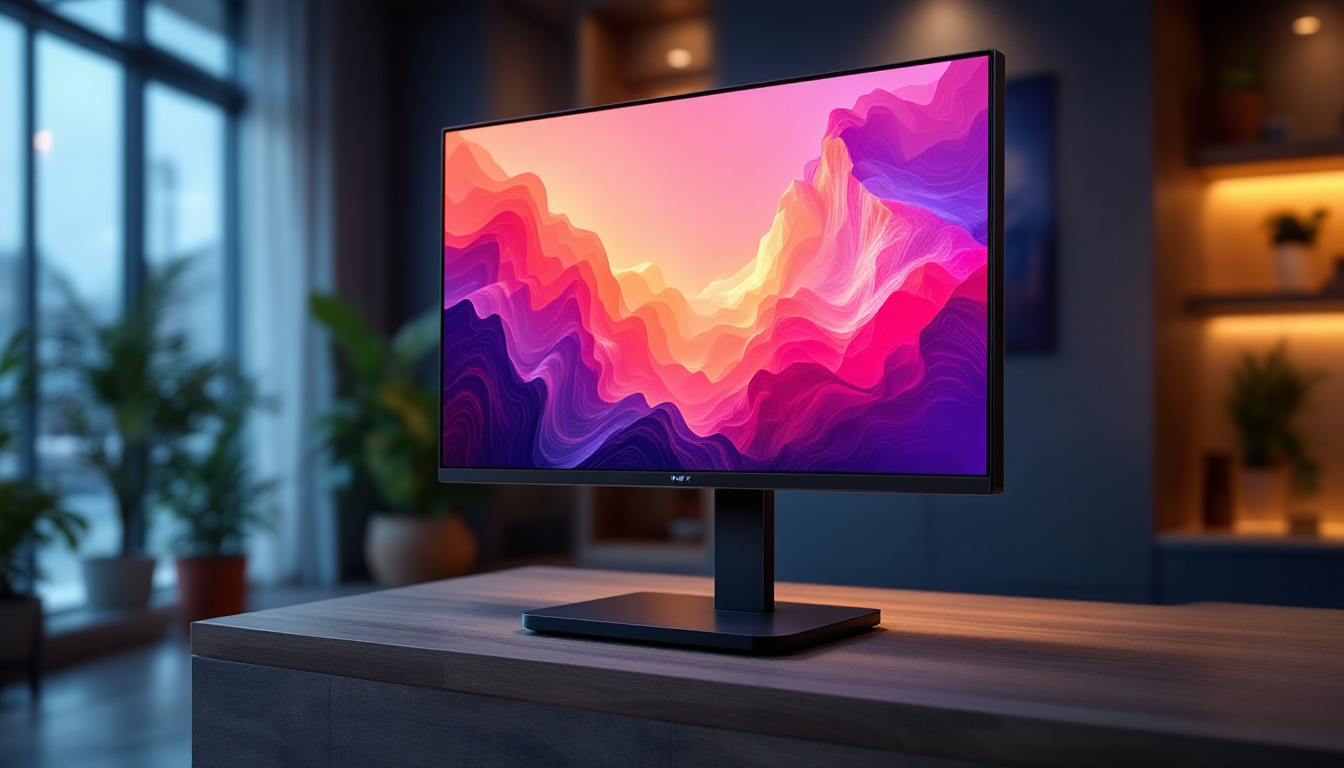
When it comes to wallpapers—whether on personal devices, digital signage, or large-scale installations—the resolution determines how crisp and immersive the image appears. An 8K wallpaper on a large LED display can transform a room or public space by delivering vivid, lifelike visuals that maintain sharpness even when viewed up close.
For consumers, this means more immersive home theater experiences and the ability to display art or photography with unprecedented clarity. For businesses, it translates to eye-catching advertising and branding opportunities that stand out in crowded environments.
Moreover, the benefits of 8K resolution extend beyond mere aesthetics. In the realm of gaming, for example, 8K displays promise to elevate the gaming experience by providing hyper-realistic environments and characters that draw players deeper into the virtual world. Game developers are increasingly designing titles that leverage the capabilities of 8K graphics, allowing for a more engaging and lifelike experience that can captivate audiences like never before.
Additionally, as 8K technology becomes more accessible, it is likely to influence the way we consume media. Streaming services are beginning to explore the potential of 8K content, which could lead to a significant shift in how films, documentaries, and live events are produced and presented. With the right infrastructure in place, viewers may soon find themselves watching their favorite shows and movies in stunning detail that enhances storytelling and emotional impact, making every frame a visual masterpiece.
LED Display Technology: The Backbone of Modern High-Resolution Screens
Light Emitting Diode (LED) technology has revolutionized display manufacturing by offering brighter, more energy-efficient, and longer-lasting screens compared to traditional LCD or plasma displays. LEDs function by emitting light when an electric current passes through semiconductor materials, enabling precise control over brightness and color.
In the context of 8K displays, LED technology plays a crucial role in delivering the high pixel density required without sacrificing brightness or color accuracy. There are several types of LED displays commonly used in 8K applications, including OLED, MicroLED, and traditional LED-backlit LCDs.
OLED vs. MicroLED vs. LED-Backlit LCD
OLED (Organic LED) displays use organic compounds that emit light when electrified, allowing each pixel to be individually lit or turned off. This results in perfect blacks, high contrast ratios, and vibrant colors. OLED panels are popular in high-end TVs and monitors but can be expensive to produce at 8K sizes. Furthermore, the flexibility of OLED technology has led to innovations such as curved and rollable screens, expanding the possibilities for design and application in both consumer electronics and commercial displays.
MicroLED is an emerging technology that uses microscopic LEDs to create each pixel. It combines the best features of OLED and traditional LEDs—offering excellent brightness, color accuracy, and longevity without the burn-in issues sometimes seen in OLEDs. MicroLED is considered the future of large-scale, high-resolution displays but is still in the early stages of commercial availability. Its modular nature allows for customizable screen sizes and shapes, making it an attractive option for installations ranging from personal devices to expansive digital signage in public spaces.
LED-backlit LCDs remain the most common and cost-effective technology. These displays use an LCD panel to modulate light from an LED backlight. While they generally don’t achieve the same contrast levels as OLED or MicroLED, advancements in local dimming and quantum dot technology have significantly improved their performance. Quantum dots, in particular, enhance color reproduction by emitting specific wavelengths of light when illuminated by the LED backlight, resulting in a broader color gamut and more vibrant images. This has made LED-backlit LCDs a popular choice for a wide range of applications, from budget-friendly televisions to professional monitors used in graphic design and video editing.
As the demand for high-resolution content continues to grow, the competition among these technologies is intensifying. Manufacturers are constantly innovating, pushing the boundaries of what is possible in display technology. For instance, the integration of artificial intelligence in display calibration processes is becoming more prevalent, allowing screens to automatically adjust their settings for optimal viewing experiences based on ambient light conditions and content type. This level of sophistication not only enhances user experience but also contributes to energy savings, making modern displays more sustainable.
How 8K and LED Display Technologies Combine to Create Stunning Wallpapers
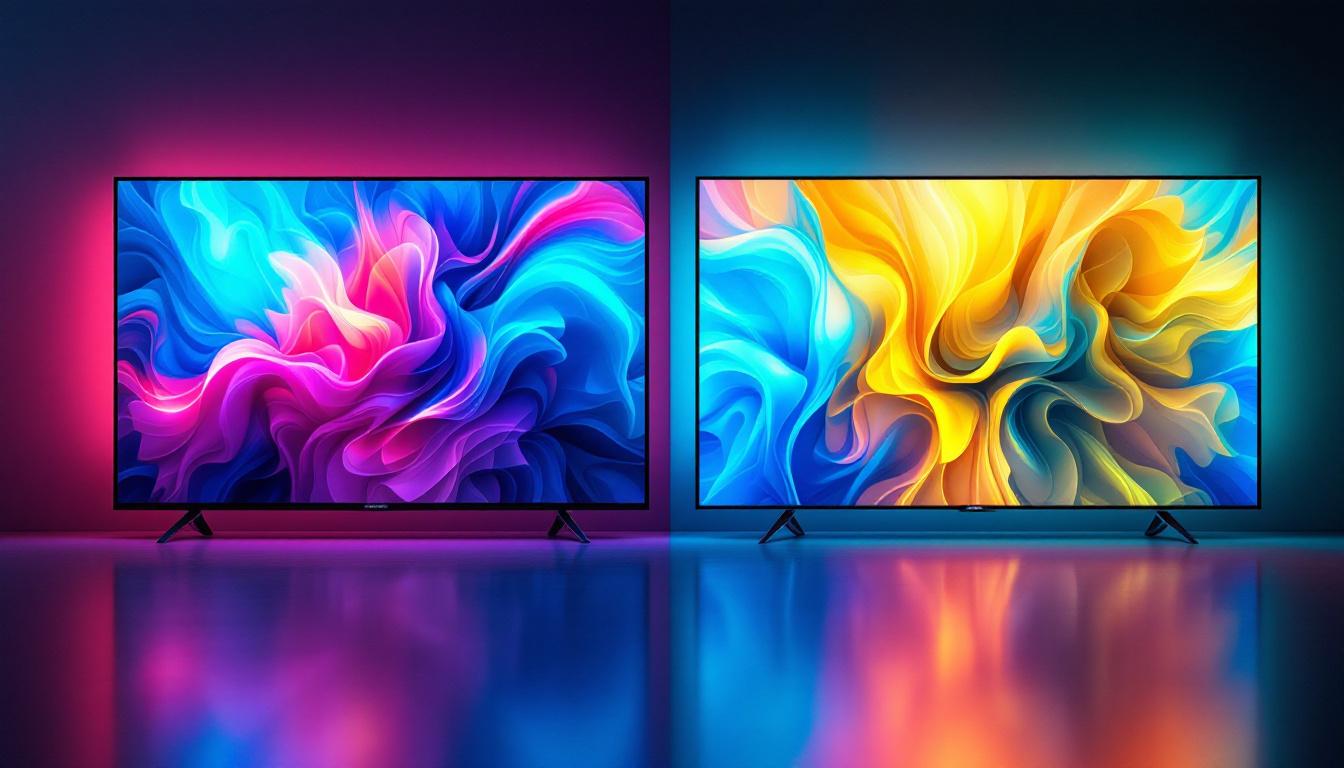
The synergy between 8K resolution and LED display technology enables the creation of wallpapers that are not only high in pixel count but also rich in color, brightness, and contrast. This combination is particularly impactful in large-format displays where maintaining image quality across a vast surface is challenging.
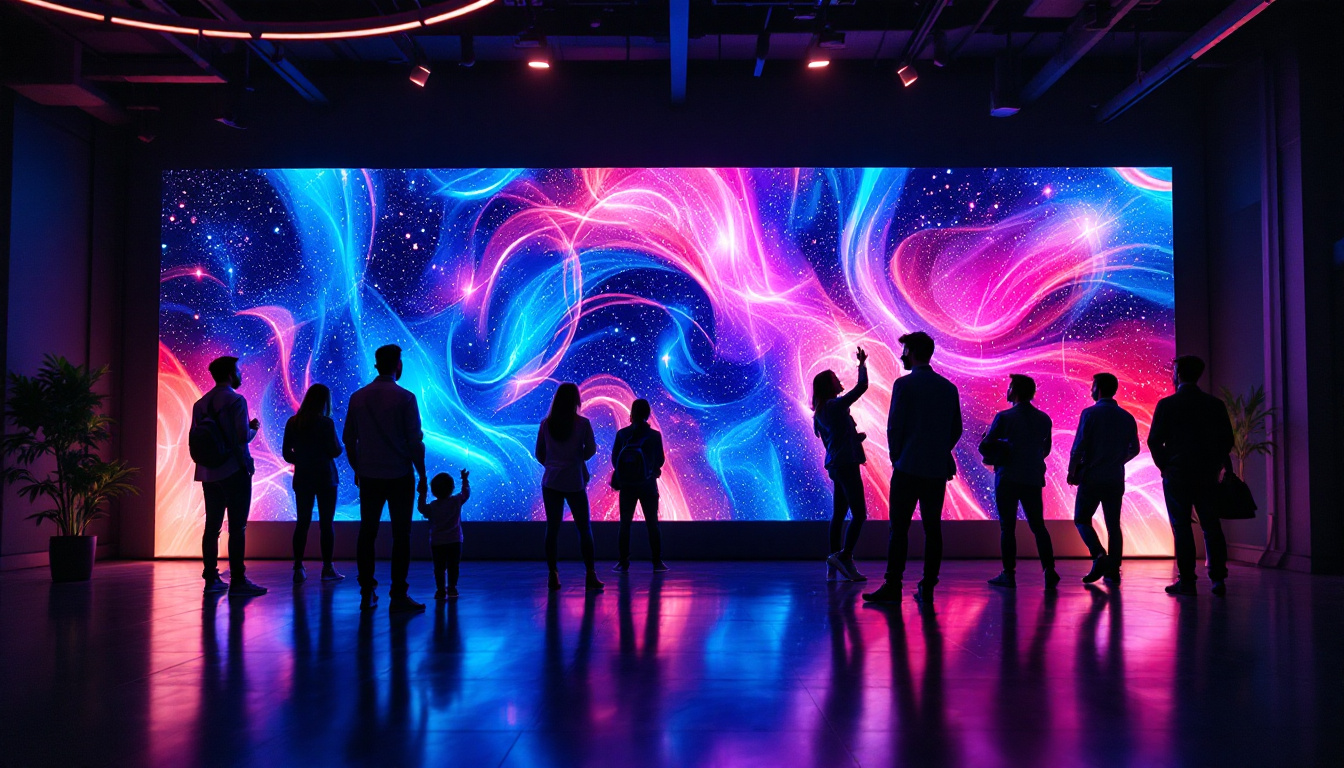
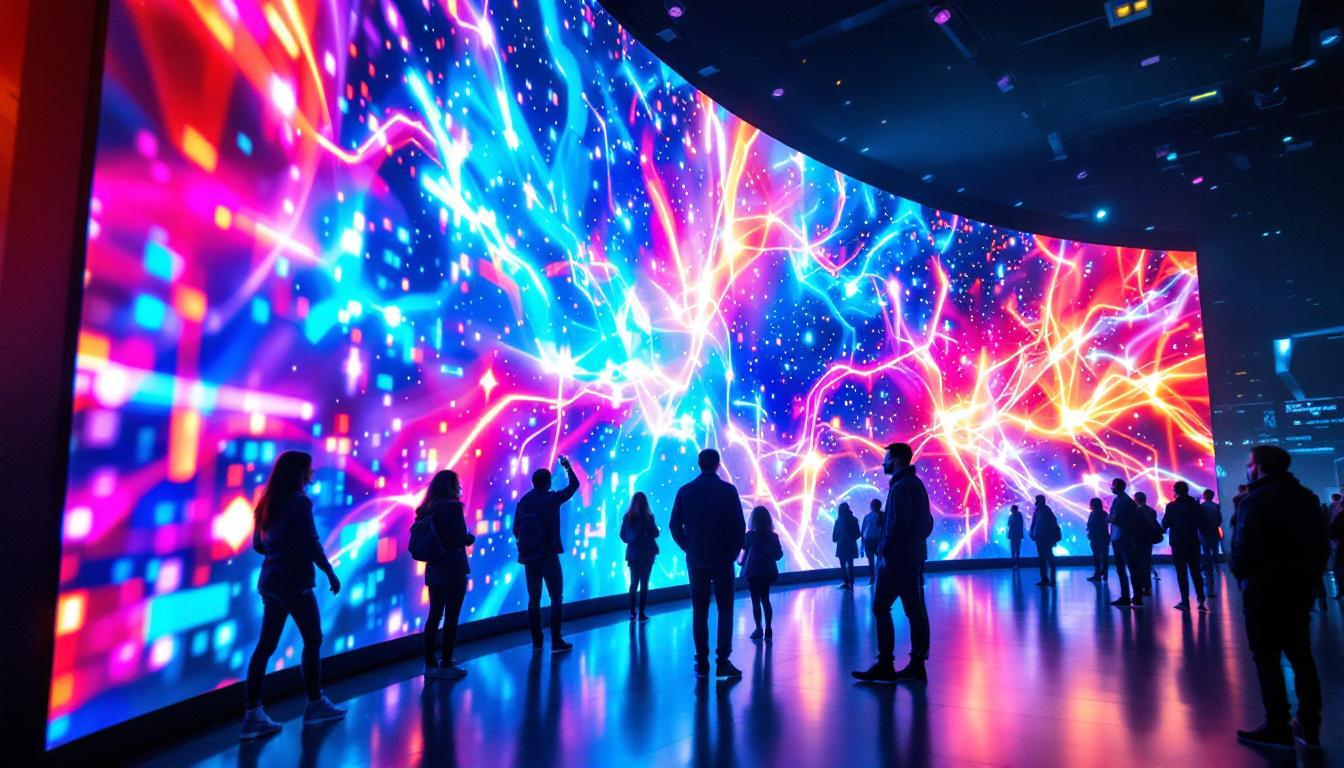
For instance, an 8K LED wallpaper in a corporate lobby or luxury hotel can serve as a dynamic art piece, showcasing nature scenes, abstract designs, or branded content with exceptional clarity. The LED technology ensures that the colors remain vivid and consistent, even in brightly lit environments, while the 8K resolution preserves fine details.
Applications of 8K LED Wallpapers
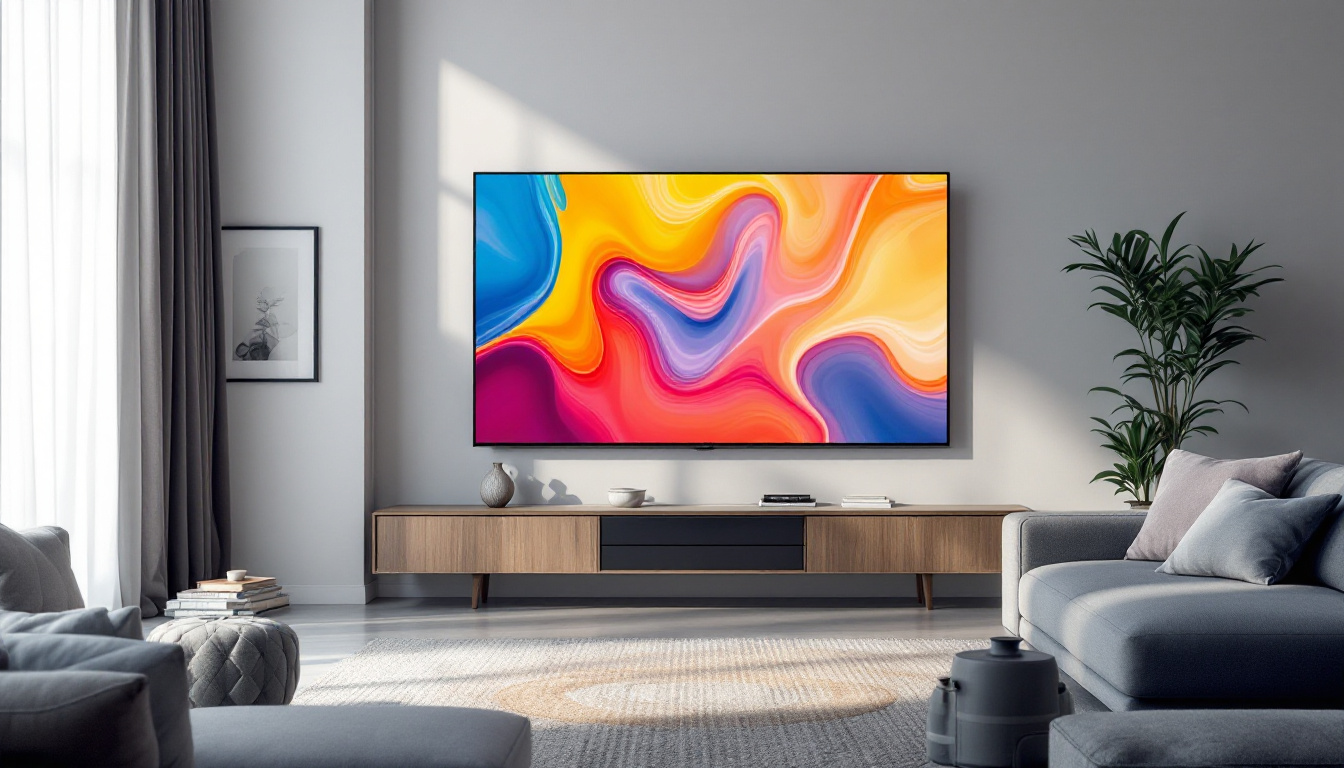
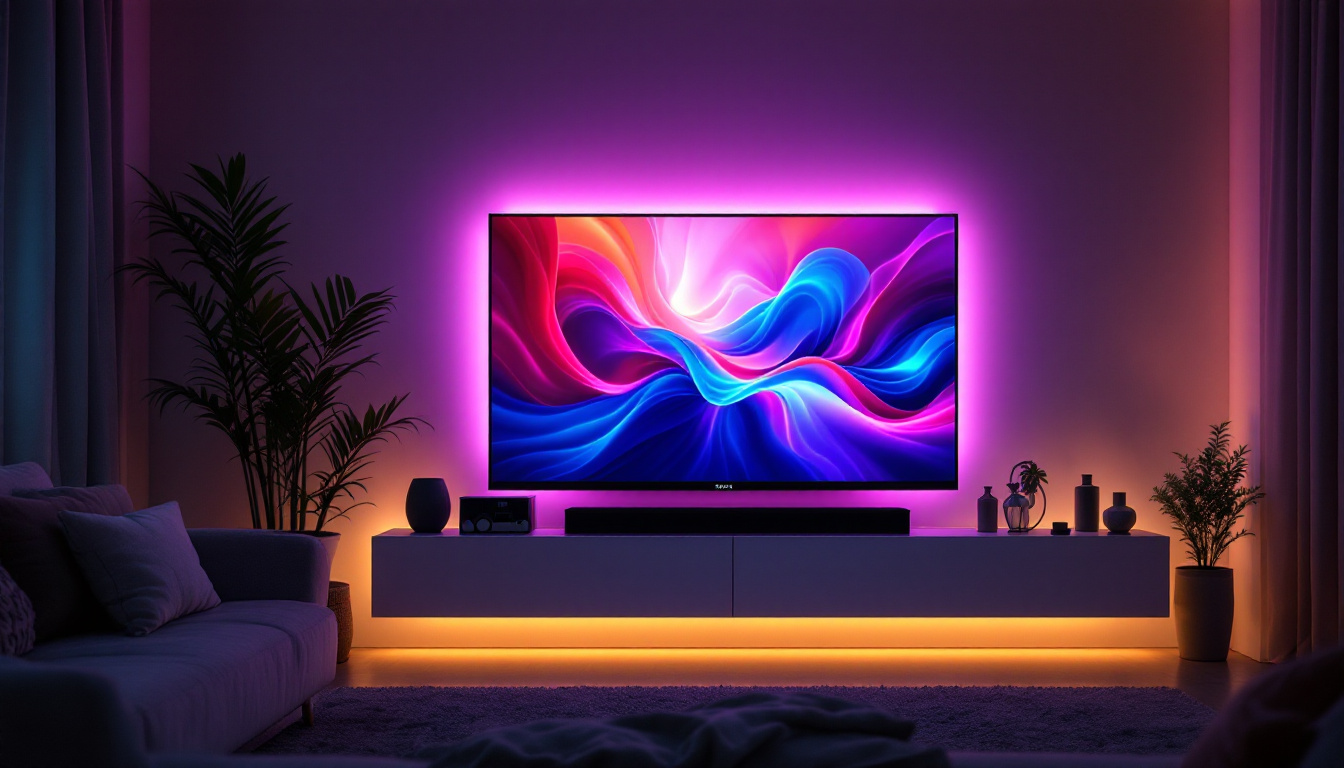
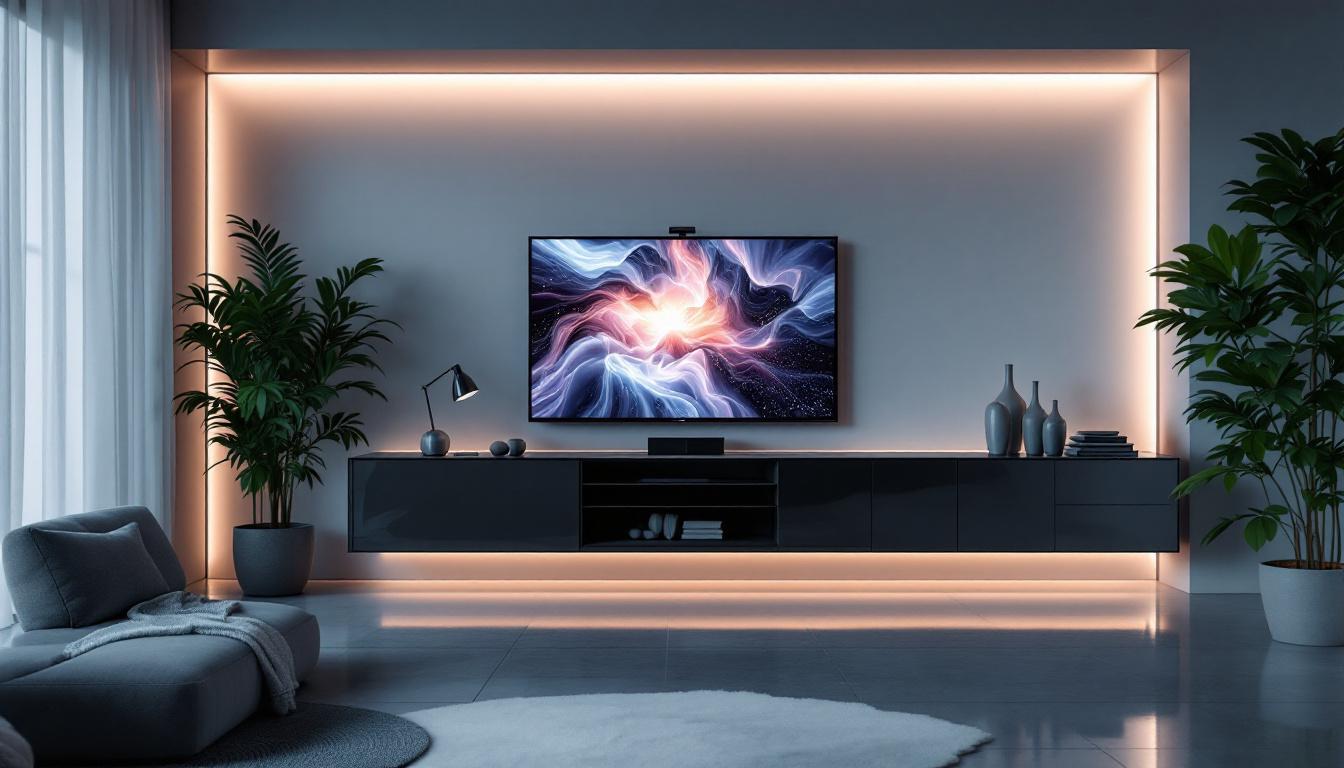
Residential Use: High-end home theaters and smart homes are adopting 8K LED wallpaper displays to create immersive environments. These displays can be integrated seamlessly into walls, offering a sleek, modern aesthetic without the bulk of traditional screens.
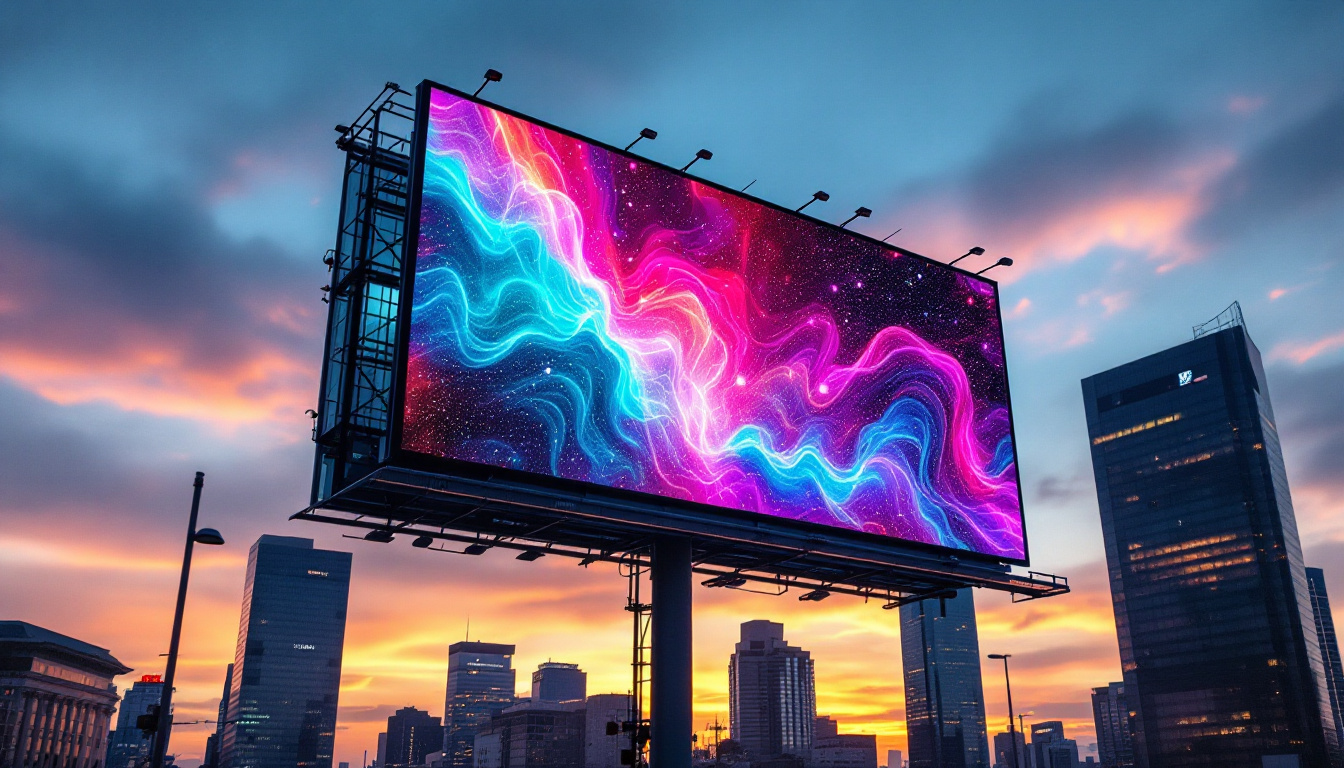
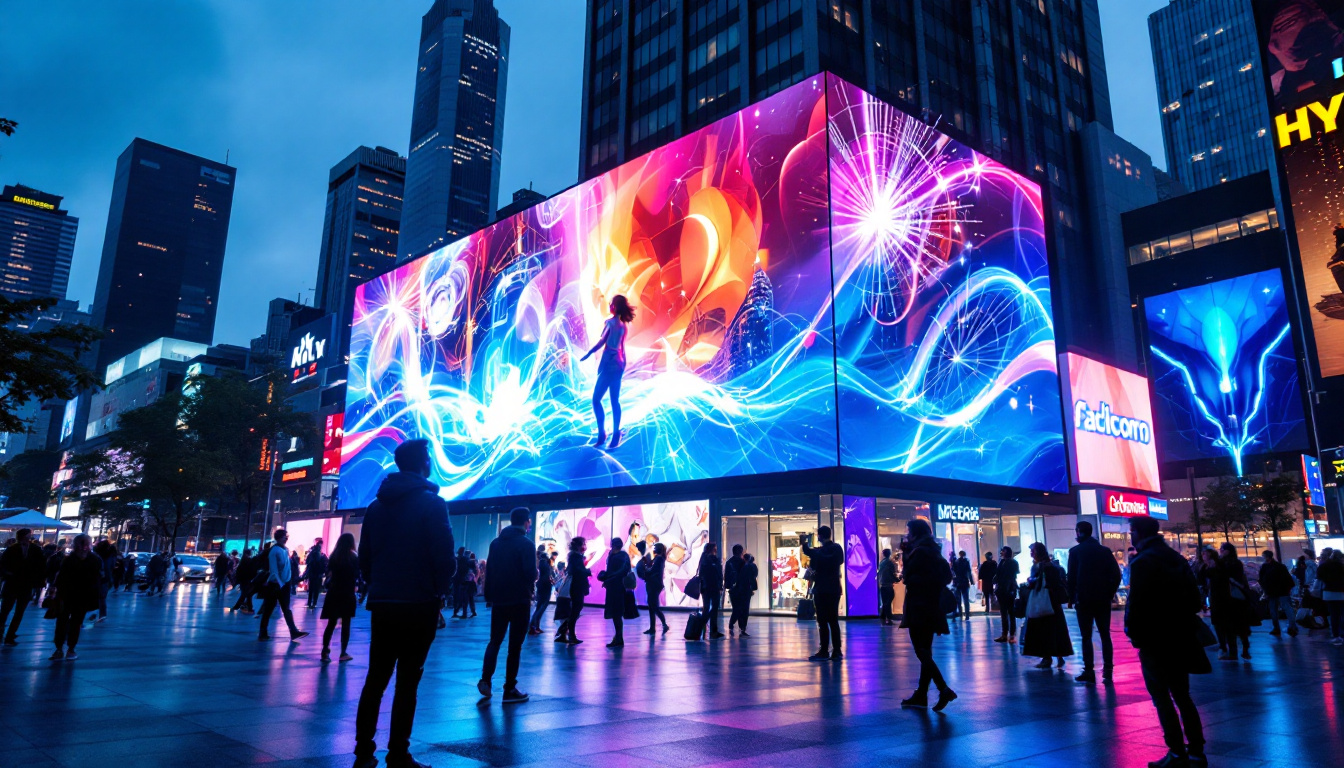
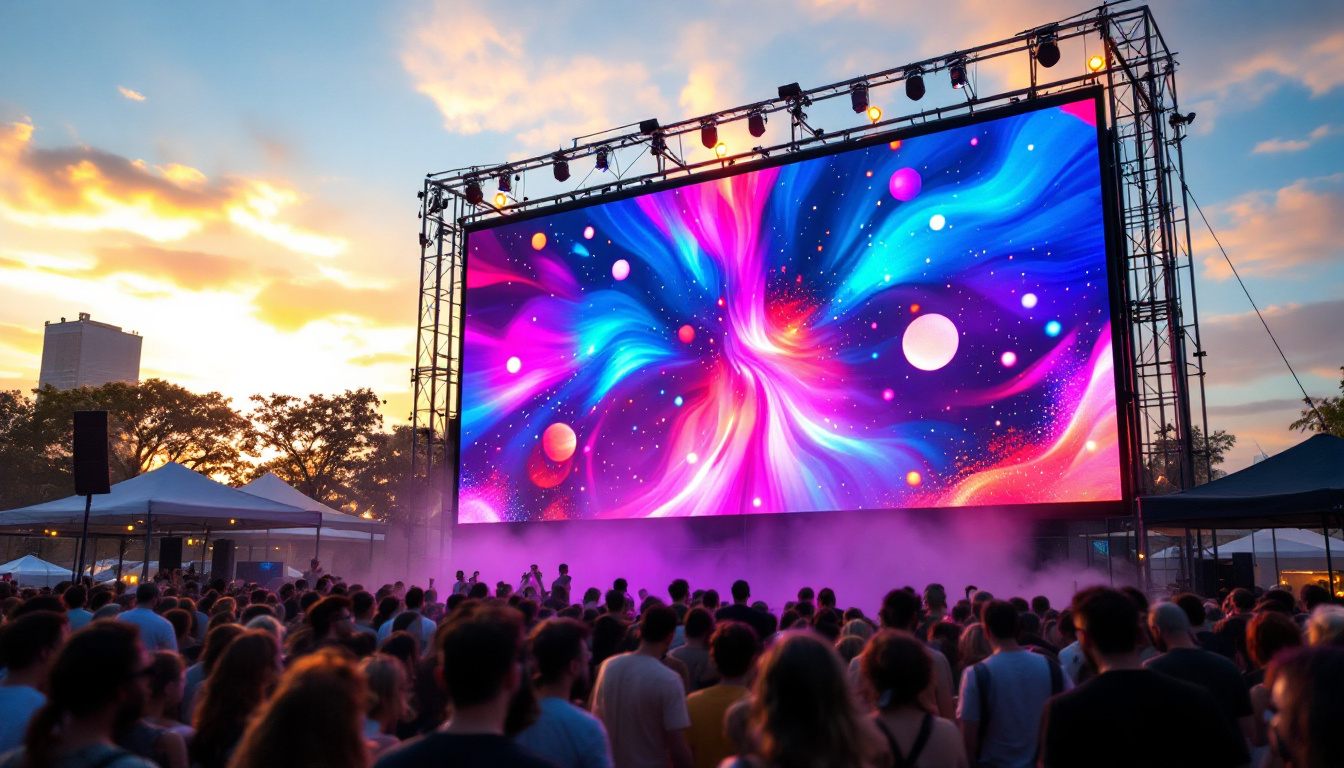
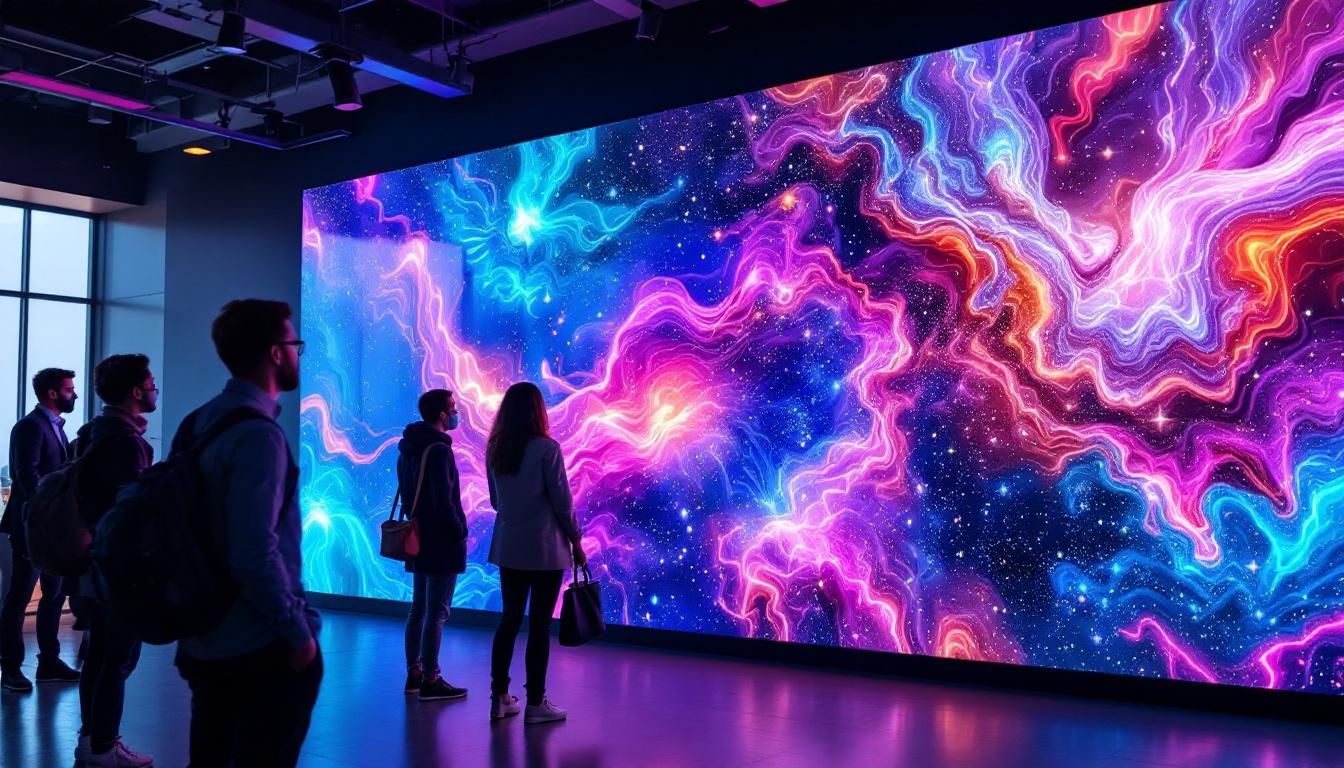
Commercial and Public Spaces: Retail stores, airports, museums, and event venues utilize 8K LED wallpapers to captivate visitors with dynamic content. The high resolution ensures that promotional material and informational displays are clear and engaging, even at close range.
Creative Industries: Photographers, designers, and digital artists benefit from 8K LED displays for showcasing portfolios or working on detailed projects where color accuracy and resolution are paramount.
Challenges and Considerations in Implementing 8K LED Wallpapers
Despite the impressive capabilities of 8K LED wallpaper displays, several challenges must be addressed to maximize their potential. These include content availability, hardware costs, and technical requirements.
Content Creation and Bandwidth
Producing native 8K content requires advanced cameras, editing software, and significant storage capacity. Additionally, streaming or transferring 8K content demands high bandwidth—often exceeding 100 Mbps for smooth playback. As a result, many users rely on upscaling lower-resolution content, which can affect image quality.
Cost and Installation Complexity
8K LED displays, especially those using OLED or MicroLED technology, are currently expensive to manufacture and install. The complexity increases when integrating these displays as wallpaper, requiring precise mounting, calibration, and sometimes custom fabrication to fit specific wall dimensions.
Viewing Distance and Practicality
While 8K resolution offers incredible detail, the benefits are most noticeable at close viewing distances or on very large screens. For smaller displays or typical viewing distances, the difference between 4K and 8K may be subtle, leading some to question the cost-effectiveness of upgrading.
The Future of 8K LED Wallpaper Displays
The trajectory of display technology suggests that 8K LED wallpapers will become more accessible and prevalent in the coming years. As production costs decrease and content creation tools improve, the adoption of 8K displays will expand beyond niche markets.
Emerging technologies like MicroLED promise to overcome current limitations related to brightness, lifespan, and scalability, making it feasible to deploy ultra-high-resolution wallpapers in a variety of settings. Moreover, advancements in AI-driven upscaling and compression techniques will help bridge the content gap, enabling more users to enjoy 8K visuals without requiring native 8K files.
Ultimately, 8K LED wallpaper displays represent a fusion of cutting-edge resolution and lighting technology, poised to redefine how people interact with digital imagery in both personal and professional environments.
Conclusion
8K wallpaper displays powered by advanced LED technology offer an unparalleled viewing experience characterized by exceptional detail, vibrant colors, and impressive brightness. While challenges such as content availability and cost remain, ongoing innovations are steadily making this technology more accessible and practical.
Whether for immersive home entertainment, striking commercial installations, or creative professional use, understanding the capabilities and nuances of 8K LED displays is essential for anyone looking to invest in the future of visual technology. As the ecosystem around 8K content and hardware matures, these displays will undoubtedly become a staple in high-end digital experiences worldwide.
Discover the Future of Visual Experience with LumenMatrix
Ready to elevate your visual experience to unprecedented heights? LumenMatrix invites you to explore our comprehensive range of LED display solutions, designed to bring your 8K wallpaper visions to life. From immersive Indoor LED Wall Displays to vibrant Outdoor LED Wall Displays, and from dynamic Vehicle LED Displays to innovative Custom LED Displays, our technology is crafted to captivate and engage. Experience the revolution in visual communication with LumenMatrix’s cutting-edge digital signage and LED displays. Check out LumenMatrix LED Display Solutions today and transform your space into a beacon of high-definition brilliance.