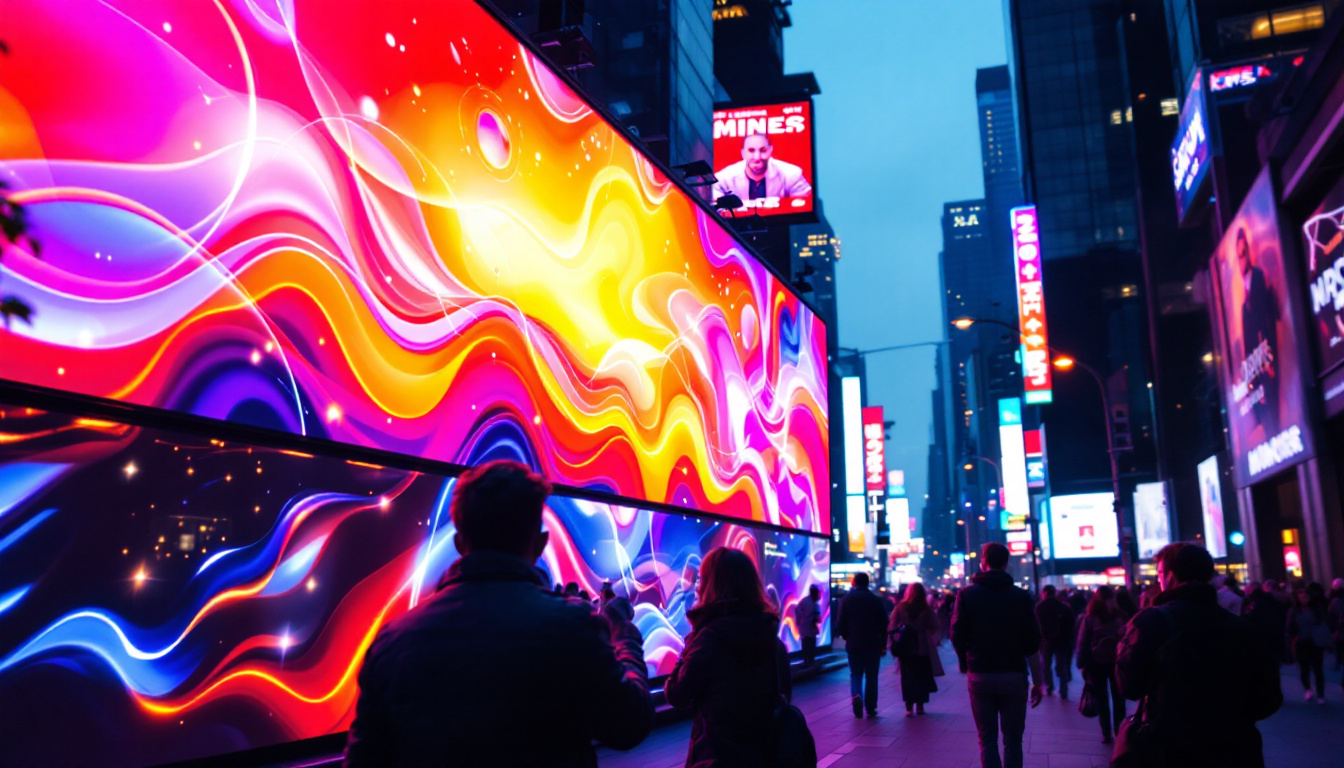
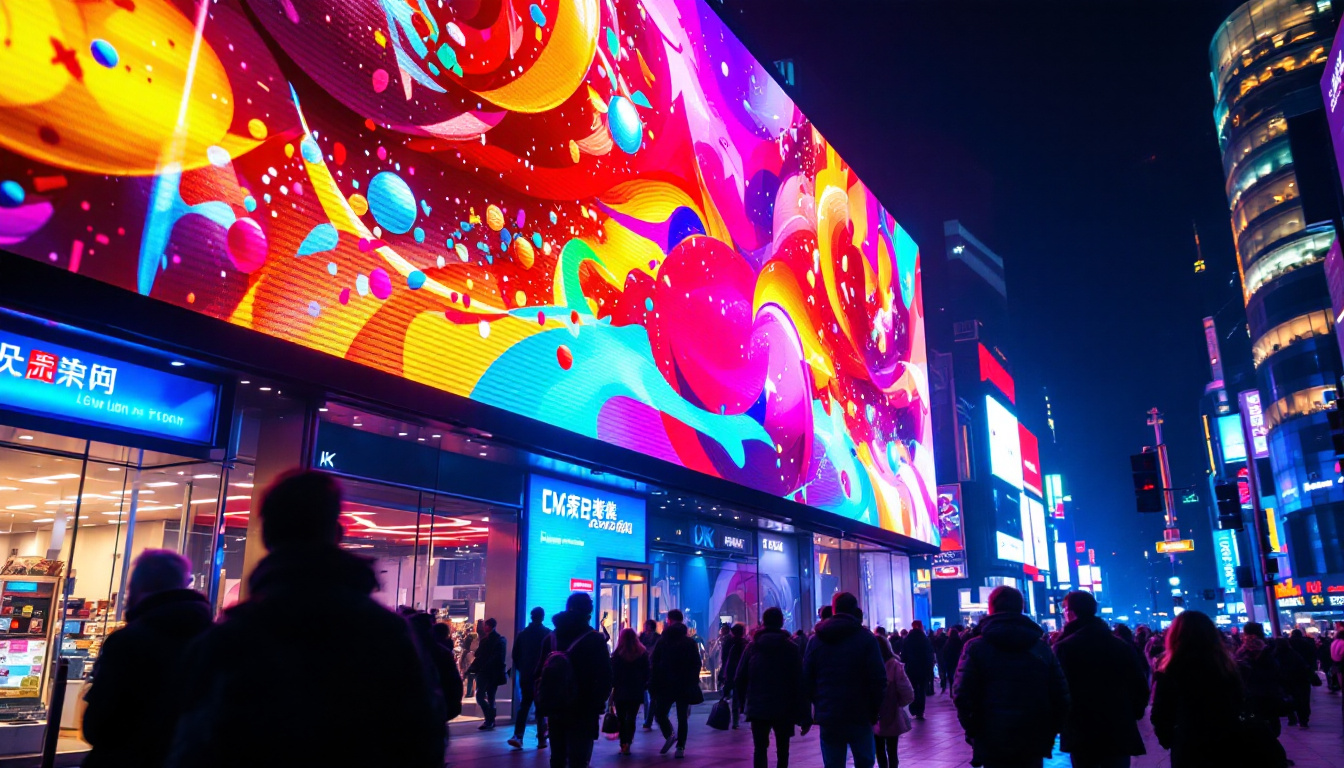
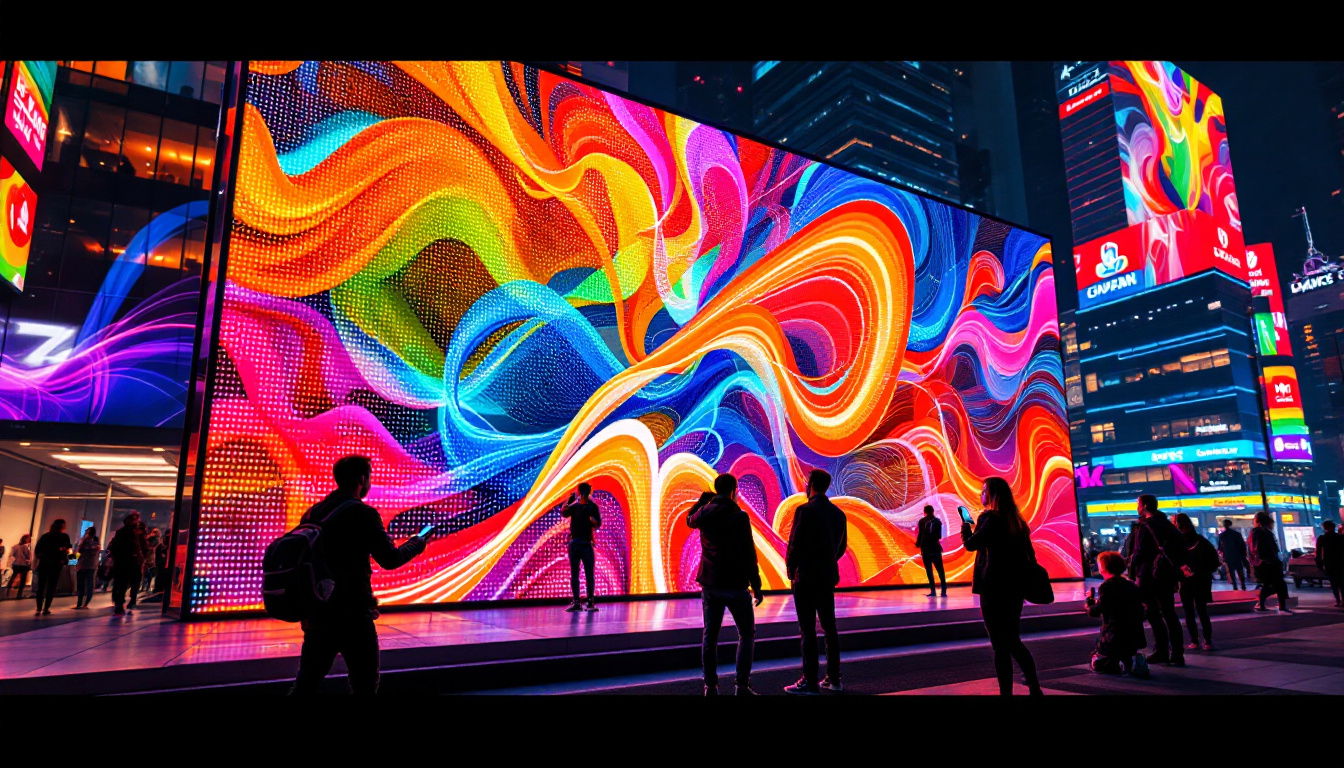
In today’s fast-paced and visually driven marketplace, businesses are constantly seeking innovative ways to capture attention and communicate effectively with customers. Outdoor LED signs have emerged as a powerful tool for businesses of all sizes, offering vibrant, dynamic, and highly visible displays that can transform storefronts and public spaces. This article explores the technology behind outdoor LED signs, their benefits, applications, and key considerations for businesses looking to invest in this impactful form of advertising.
Understanding Outdoor LED Signs: What Are They?
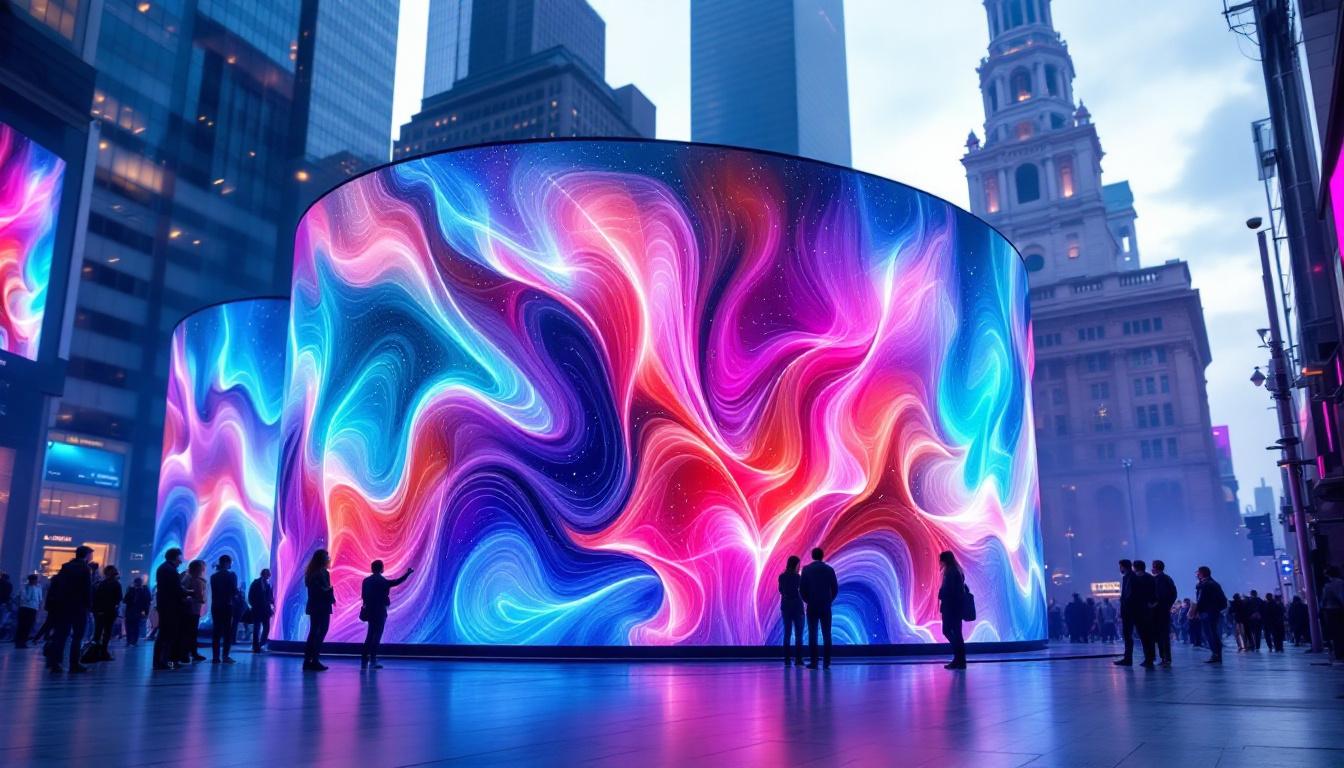
Outdoor LED signs, also known as LED display boards or digital billboards, are electronic signs that use light-emitting diodes (LEDs) to display text, images, and videos. Unlike traditional static signs, LED signs can change their content dynamically, allowing businesses to update messages in real-time and tailor their communication to different times of day, promotions, or events.
The core technology behind these signs involves thousands of tiny LEDs arranged in a grid. Each LED acts as a pixel, and by controlling the brightness and color of each pixel, the sign can produce vivid, high-resolution images visible even in direct sunlight. This makes LED signs particularly effective for outdoor use, where visibility and durability are critical.
How LED Technology Works
LEDs are semiconductor devices that emit light when an electric current passes through them. They are highly energy-efficient compared to traditional incandescent or fluorescent bulbs, which translates into lower operating costs for businesses. Additionally, LEDs have a long lifespan—often exceeding 50,000 hours—reducing maintenance and replacement expenses.
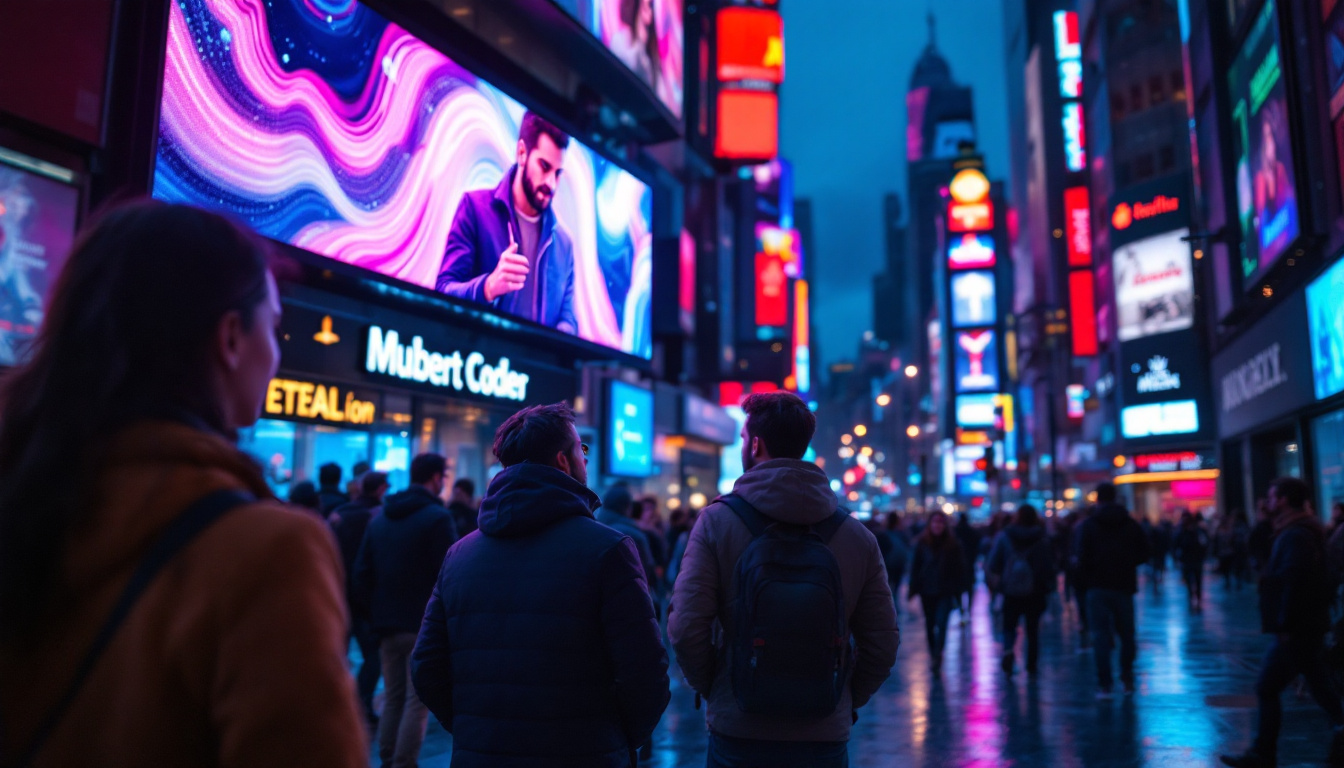
Outdoor LED signs typically use full-color RGB (red, green, blue) LEDs, which can combine to produce millions of colors. This capability allows for eye-catching animations, videos, and colorful graphics that stand out in busy urban environments or along highways.
Moreover, the adaptability of outdoor LED signs extends beyond mere visuals; they can be programmed to display a variety of content types, including live feeds such as weather updates, social media posts, or even news headlines. This versatility makes them a powerful tool for engaging with the public and keeping information fresh and relevant. For instance, a restaurant could showcase its daily specials or a retail store could announce flash sales, all while capturing the attention of passersby in a vibrant and dynamic manner.
In addition to their functional benefits, outdoor LED signs also contribute to the aesthetic appeal of a location. Many cities are embracing digital signage as a way to enhance urban landscapes, integrating these bright and colorful displays into public art initiatives or community events. As technology continues to evolve, the potential applications for outdoor LED signs are expanding, paving the way for innovative advertising strategies and interactive experiences that can transform how businesses connect with their audience.
“`html
Benefits of Outdoor LED Signs for Businesses
Businesses that invest in outdoor LED signs gain access to a versatile marketing tool that offers numerous advantages over traditional signage. Here are some of the key benefits:
1. Enhanced Visibility and Engagement
Outdoor LED signs are designed to be bright and attention-grabbing. According to a study by the Outdoor Advertising Association of America (OAAA), digital billboards can increase brand recall by up to 47% compared to static signs. The dynamic nature of LED signs also helps to maintain viewer interest, as changing content naturally draws more attention than a static display.
For businesses located in high-traffic areas, LED signs can significantly boost foot traffic by making the storefront more noticeable. This is especially important for restaurants, retail stores, and service providers competing in crowded markets. The vibrant colors and animations can create a sense of urgency, enticing passersby to stop and engage with the business. Additionally, incorporating social media feeds or live updates can further enhance interaction, allowing customers to feel connected and informed.
2. Flexibility and Real-Time Updates
One of the greatest advantages of LED signs is the ability to update content instantly. Whether promoting a flash sale, announcing new hours, or displaying weather alerts, businesses can tailor their messaging on the fly without the need for costly and time-consuming sign replacements.
This flexibility also enables businesses to schedule different messages throughout the day or week, optimizing communication for different customer segments or peak times. For example, a coffee shop might advertise breakfast specials in the morning and happy hour deals in the afternoon. This adaptability not only keeps the content fresh but also allows businesses to respond to current events or trends, ensuring that their messaging remains relevant and engaging to their audience.
3. Cost-Effectiveness Over Time
While the initial investment in an outdoor LED sign can be higher than traditional signage, the long-term savings and increased revenue potential often justify the cost. LED signs consume less power, require minimal maintenance, and eliminate the recurring expenses of printing and installing new signs.
Moreover, the ability to run multiple promotions and messages on a single sign maximizes the return on investment by turning the sign into a 24/7 marketing asset. With the right strategy, businesses can leverage LED signs to promote seasonal products, special events, or community involvement, further enhancing their brand image and customer loyalty. Over time, the cumulative effect of these promotions can lead to a significant increase in sales, making the initial expenditure a wise investment.
4. Durability and Weather Resistance
Outdoor LED signs are built to withstand harsh weather conditions, including rain, snow, wind, and extreme temperatures. Many are rated with an IP65 or higher waterproof certification, ensuring reliable operation year-round. This durability makes them a dependable choice for businesses in diverse climates.
In addition to weather resistance, LED signs are often constructed with robust materials that can endure physical impacts and vandalism, making them suitable for high-traffic urban environments. Their longevity means that businesses can enjoy years of service without the need for frequent replacements, further enhancing their cost-effectiveness. Furthermore, many manufacturers offer warranties that cover repairs or replacements, providing additional peace of mind for business owners investing in this technology.
“`
Applications of Outdoor LED Signs in Business
Outdoor LED signs are highly versatile and can be tailored to suit a wide range of industries and business needs. Here are some common applications:
Retail Stores and Shopping Centers
Retailers use LED signs to promote sales, new arrivals, and special events. Shopping centers often install large LED displays to advertise multiple stores and create an engaging environment that attracts shoppers.
Restaurants and Food Services
Restaurants benefit from LED signs by showcasing menus, daily specials, and limited-time offers. Drive-thru establishments use LED displays to improve order accuracy and speed by clearly presenting menu options.
Entertainment Venues and Theaters
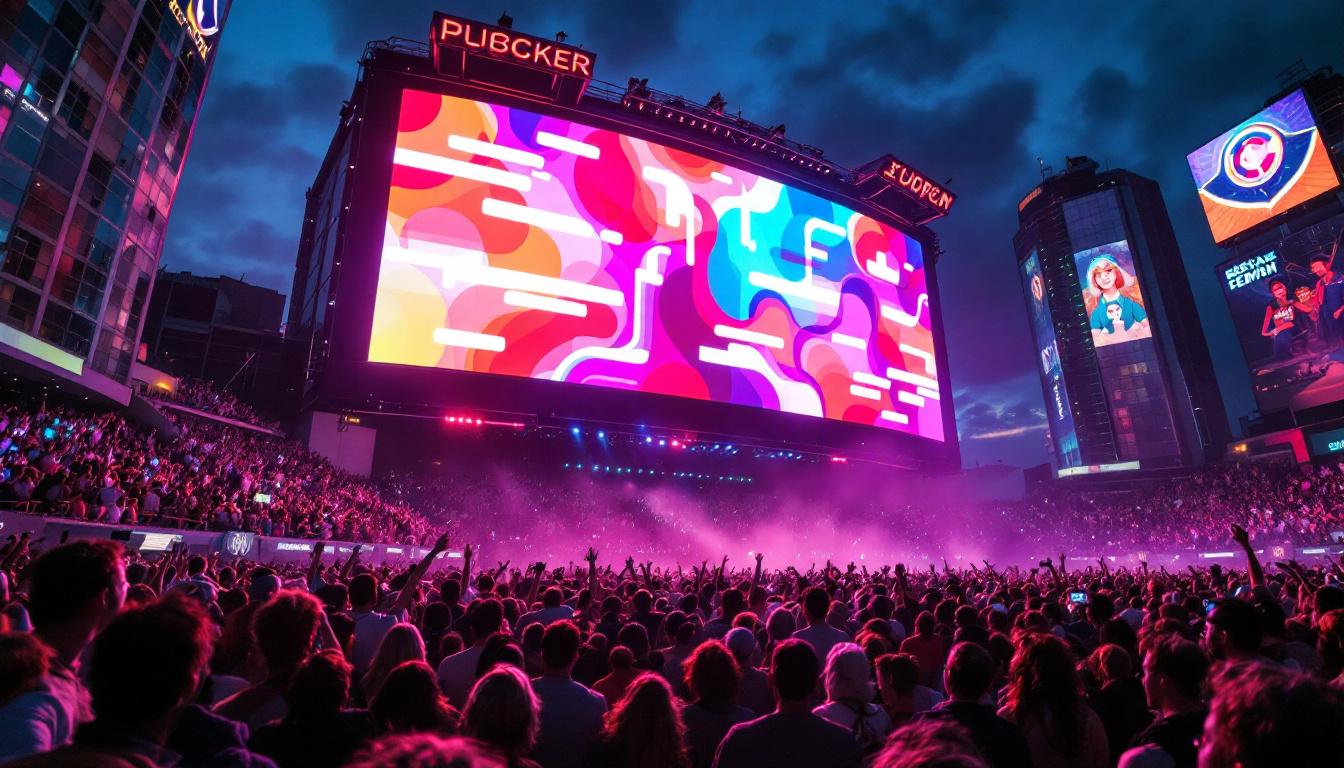
Theaters, concert halls, and sports arenas use LED signs to announce upcoming events, ticket availability, and showtimes. The dynamic nature of LED displays enhances the excitement and anticipation for visitors.
Transportation and Gas Stations
Gas stations use LED signs to display fuel prices clearly and attract passing motorists. Public transportation hubs employ LED displays to provide real-time updates on schedules and service changes.
Corporate and Office Buildings
Corporate campuses and office buildings utilize LED signs for branding, wayfinding, and communicating important announcements to employees and visitors.
Key Considerations When Choosing an Outdoor LED Sign
Investing in an outdoor LED sign requires careful planning to ensure the sign meets business needs and local regulations. Here are essential factors to consider:
1. Resolution and Pixel Pitch
The resolution of an LED sign is determined by its pixel pitch, which is the distance between individual LEDs measured in millimeters. A smaller pixel pitch means higher resolution and sharper images, which is important for signs viewed up close. For signs designed to be seen from a distance, a larger pixel pitch may be sufficient and more cost-effective.
2. Brightness and Visibility
Brightness is measured in nits, with outdoor LED signs typically ranging from 5,000 to 10,000 nits to ensure visibility in direct sunlight. Adjustable brightness controls are important to optimize visibility during different times of day and to comply with local lighting ordinances.
3. Size and Placement
The size of the LED sign should be appropriate for the viewing distance and location. Larger signs are more visible but come with higher costs and may require permits. Placement should maximize exposure to target audiences while considering safety and zoning restrictions.
4. Content Management System (CMS)
A user-friendly CMS allows businesses to easily update and schedule content remotely. Many modern LED signs come with cloud-based platforms that enable real-time control from smartphones or computers, streamlining content management.
5. Regulatory Compliance
Local governments often regulate outdoor signage to control brightness, size, and operating hours. It is crucial to check zoning laws and obtain necessary permits before installation to avoid fines or forced removal.
Future Trends in Outdoor LED Signage
The outdoor LED signage industry continues to evolve with technological advancements that enhance functionality and user experience. Some emerging trends include:
Integration with Artificial Intelligence
AI-powered LED signs can analyze audience demographics and environmental conditions to deliver personalized and context-aware content. For example, signs might adjust messaging based on weather, time of day, or nearby events to maximize relevance and engagement.
Energy-Efficient Innovations
New LED technologies are improving energy efficiency even further, incorporating solar power and smart sensors that reduce brightness during low-traffic hours, lowering operational costs and environmental impact.
Interactive and Touch-Enabled Displays
Interactive LED signs allow customers to engage directly with the display through touch or motion sensors, opening new possibilities for experiential marketing and customer interaction.
Conclusion
Outdoor LED signs represent a dynamic and effective way for businesses to communicate with customers, enhance brand visibility, and drive engagement. Their combination of brightness, flexibility, and durability makes them a valuable investment in today’s competitive marketplace. By understanding the technology, benefits, and key considerations outlined in this article, businesses can make informed decisions that maximize the impact of their outdoor advertising efforts.
As LED technology continues to advance, the potential for creative and interactive signage solutions will only grow, offering exciting opportunities for businesses to connect with their audiences in innovative ways.
“`html
Discover LumenMatrix’s Innovative LED Display Solutions
Ready to elevate your business’s outdoor advertising and create unforgettable visual experiences? Look no further than LumenMatrix, a pioneer in LED display technology. Our extensive range of products, from vibrant Outdoor LED Wall Displays to interactive Floor LED Displays, is designed to capture attention and convey your message with unparalleled clarity. Embrace the future of visual communication with our Custom LED Displays and All-in-One LED Display solutions. Don’t miss the opportunity to transform your brand’s visibility. Check out LumenMatrix LED Display Solutions today and start making a lasting impression!
“`