In the world of modern display technology, the terms “LED” and “LCD” are often used interchangeably, yet they represent distinct concepts that influence how screens perform and look. Understanding the differences between LED and LCD displays is crucial for consumers, professionals, and tech enthusiasts aiming to make informed decisions when purchasing televisions, monitors, or digital signage. This article delves deep into the technology behind LED and LCD displays, explaining their differences, advantages, disadvantages, and practical applications.
Understanding LCD Technology
Liquid Crystal Display (LCD) technology has been a staple in display manufacturing for decades. At its core, an LCD screen uses liquid crystals that do not emit light by themselves but manipulate light to produce images. These crystals align in response to electric currents, controlling the passage of light through them to create the desired colors and images.
Most LCDs require a backlight to illuminate the screen since the liquid crystals are not self-luminous. Traditionally, cold cathode fluorescent lamps (CCFLs) were used as backlights, but modern LCDs predominantly use LED backlighting, which is where some confusion arises between “LED” and “LCD” displays.
How LCDs Work
The structure of an LCD panel includes several layers: a backlight source, polarizing filters, glass substrates, liquid crystals, and color filters. The backlight shines through the liquid crystal layer, which twists and untwists to block or allow light. By controlling these crystals precisely, the display can produce a wide range of colors and shades.
LCDs are widely used in televisions, computer monitors, smartphones, and many other devices due to their relatively low cost, thin profile, and energy efficiency compared to older CRT technology. The advancements in LCD technology have also led to the development of various types of displays, such as IPS (In-Plane Switching) and TN (Twisted Nematic) panels, each offering different viewing angles, color accuracy, and response times. IPS panels, for instance, are favored for their superior color reproduction and wider viewing angles, making them ideal for graphic design and professional use, while TN panels are often chosen for gaming due to their faster response times and lower costs.
Moreover, the evolution of LCD technology has paved the way for innovations like 4K and 8K resolutions, which provide stunning clarity and detail in images. These high-definition displays have transformed the viewing experience, allowing users to enjoy content with remarkable precision. As manufacturers continue to push the boundaries of LCD technology, we can expect further enhancements in color accuracy, refresh rates, and energy efficiency, solidifying LCD’s place in the ever-evolving landscape of display technology.
What Does LED Mean in Displays?
Light Emitting Diode (LED) technology refers to a type of lighting used primarily as a backlight in LCD screens. However, the term “LED display” is sometimes used to describe two different technologies, which can cause confusion:
- LED-backlit LCD displays: These are LCD screens that use LED lights as their backlight instead of CCFLs.
- True LED displays: These use arrays of LEDs as individual pixels, such as in large outdoor screens or advanced microLED displays.
When consumers hear “LED TV” or “LED display,” it usually refers to an LCD panel with LED backlighting rather than a display made entirely of LEDs.
LED Backlighting in LCDs
LED backlighting offers several advantages over CCFL backlighting:
- Energy Efficiency: LEDs consume less power, contributing to longer battery life in portable devices and lower electricity bills for TVs and monitors.
- Thinner Panels: LED backlights are smaller and can be arranged more flexibly, allowing for slimmer and lighter screens.
- Improved Brightness and Contrast: LEDs can achieve higher brightness levels and better contrast ratios, especially when combined with local dimming techniques.
- Environmental Benefits: LEDs do not contain mercury, unlike CCFLs, making them safer and more eco-friendly.
Types of LED Backlighting
Within LED-backlit LCDs, there are several configurations that impact the display’s performance and cost:
Edge-Lit LED Displays
Edge-lit LED displays place LEDs along the edges of the screen, and light is distributed across the panel using light guides. This design allows for very thin displays and is common in many consumer TVs and monitors.
However, edge lighting can sometimes lead to uneven brightness and less precise local dimming, which affects contrast and black levels.
Full-Array LED Displays
Full-array LED displays have LEDs arranged directly behind the entire screen area. This allows for more uniform lighting and better control over brightness zones, improving contrast and black levels significantly.
Full-array displays often support local dimming, where specific zones of LEDs dim or brighten independently, enhancing picture quality, especially in dark scenes.
Mini-LED and MicroLED Technologies
Recent advancements have introduced mini-LED and microLED technologies, which use smaller LEDs to increase the number of dimming zones and improve image quality further.
Mini-LEDs can have thousands of tiny LEDs behind the screen, enabling extremely precise local dimming and superior contrast. MicroLEDs take this a step further by using microscopic LEDs as individual pixels, offering perfect blacks, high brightness, and excellent color accuracy without the need for a backlight.
Comparing LED and LCD Displays: What’s the Difference?
To clarify the often-misunderstood terminology, it’s essential to distinguish between the display panel technology and the lighting method:
- LCD: Refers to the liquid crystal panel itself, which manipulates light to form images but does not emit light.
- LED: Refers to the light source used to illuminate the LCD panel or, in some cases, to the pixels themselves in true LED displays.
Thus, an “LED display” is typically an LCD display illuminated by LEDs, not a fundamentally different panel technology.
Performance Differences
When comparing LED-backlit LCDs to older CCFL-backlit LCDs, LED models generally offer better brightness, contrast, and energy efficiency. However, when comparing LED-backlit LCDs to other display technologies such as OLED (Organic Light Emitting Diode), the differences become more nuanced:
- Black Levels: OLED displays can turn off individual pixels completely, resulting in perfect blacks, whereas LED-backlit LCDs rely on backlight dimming, which may cause some light bleed.
- Color Accuracy: High-end LED-backlit LCDs with quantum dot technology can rival OLEDs in color volume and accuracy.
- Brightness: LED-backlit LCDs often achieve higher peak brightness levels, making them better suited for bright rooms.
- Burn-in Risk: OLEDs can suffer from burn-in over time, while LED-backlit LCDs generally do not.
Applications of LED and LCD Displays
Both LED and LCD technologies are widely used across various industries and devices, each chosen for specific strengths:
Consumer Electronics
Most modern televisions, computer monitors, laptops, and smartphones use LCD panels with LED backlighting. The combination balances cost, image quality, and energy efficiency, making it ideal for mass-market devices.
High-end TVs often use full-array local dimming or mini-LED backlighting to enhance picture quality, catering to home theater enthusiasts.
Digital Signage and Outdoor Displays
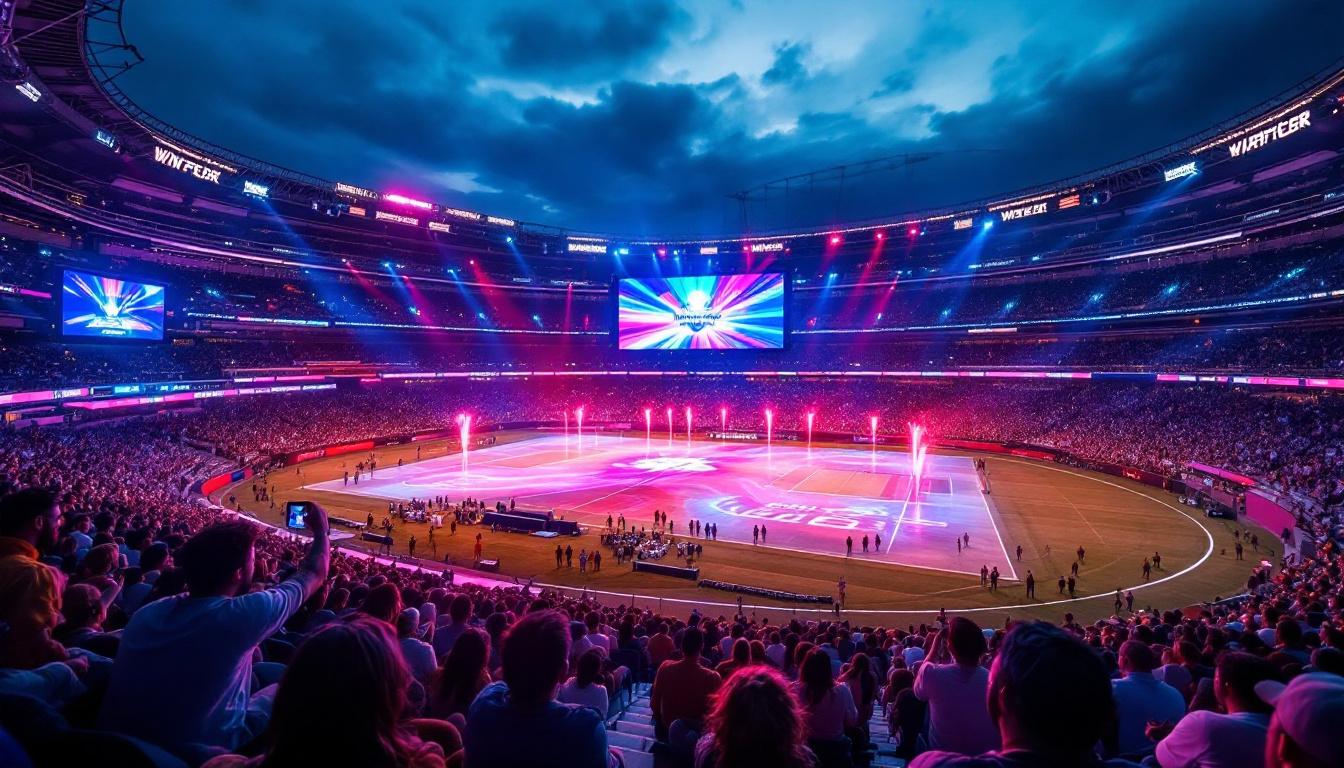
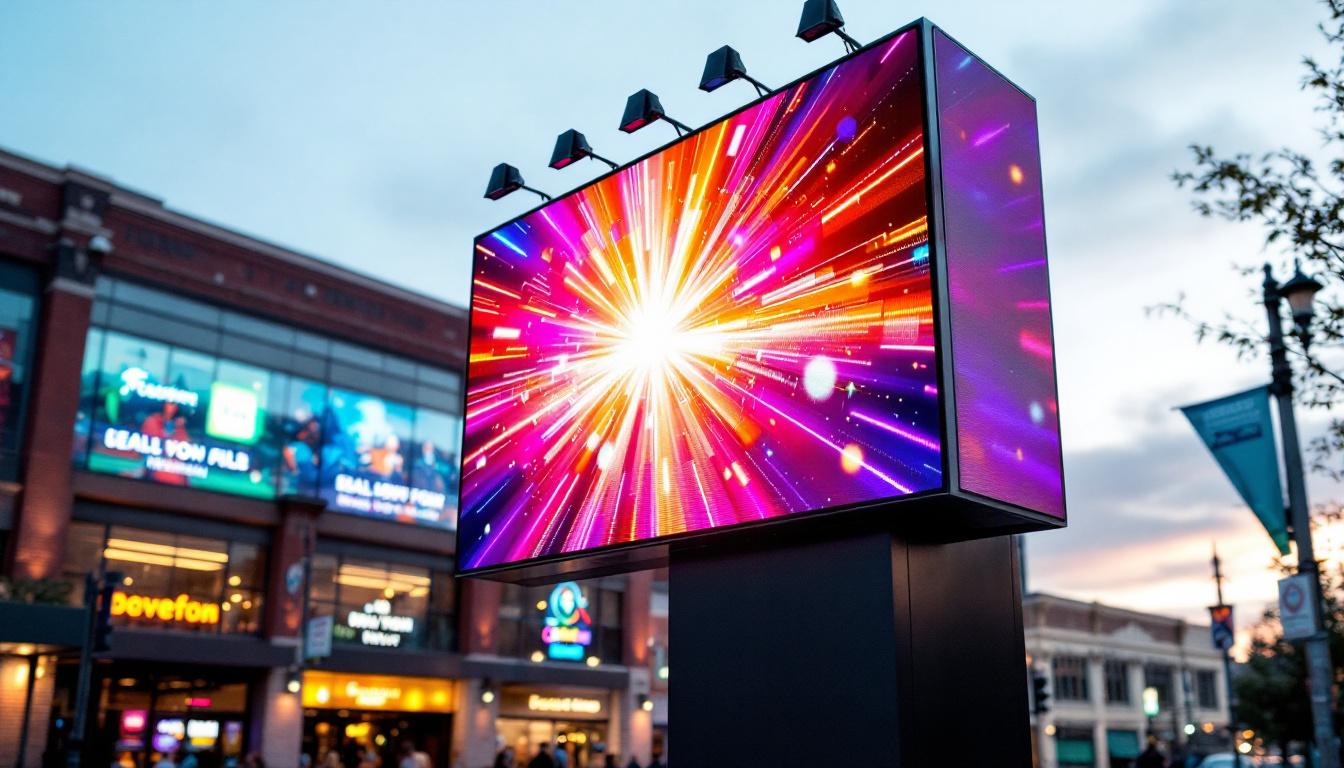
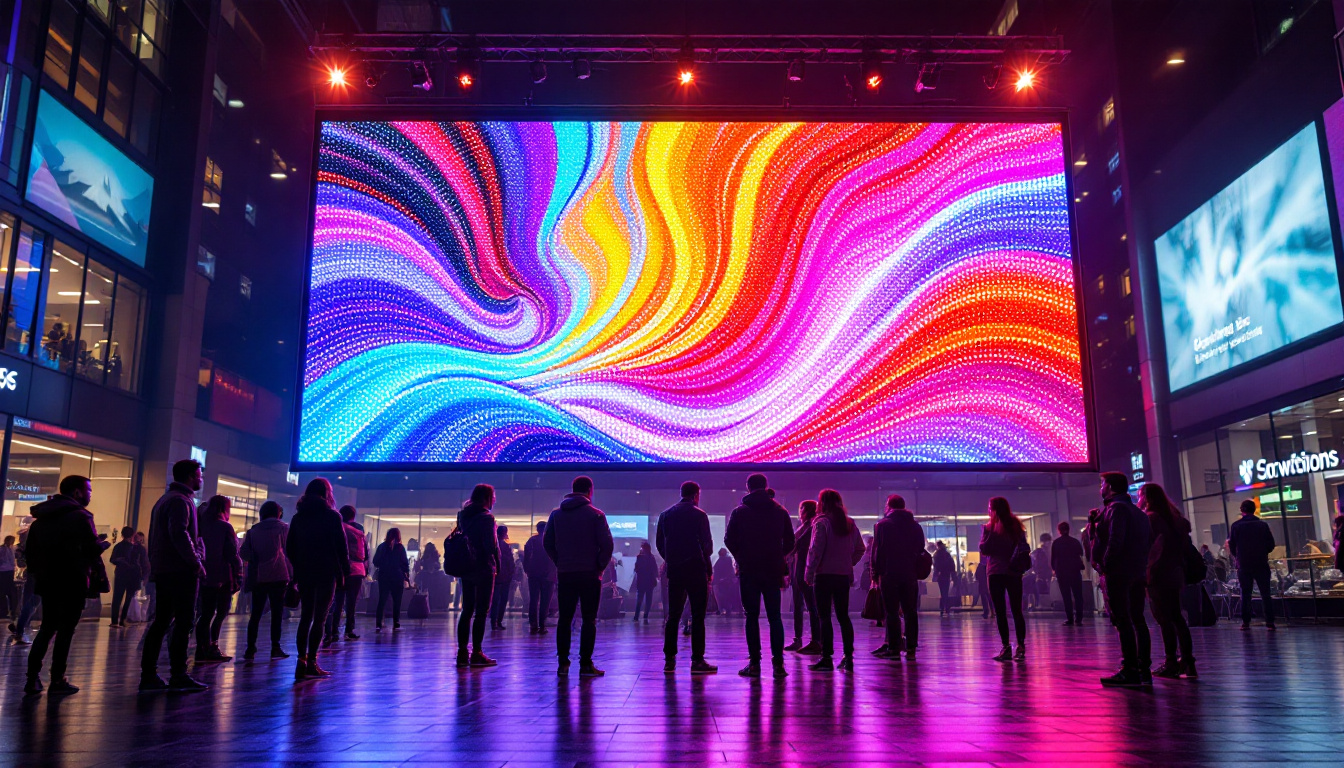
True LED displays, which use arrays of LEDs as pixels, are common in large outdoor screens, stadium displays, and billboards. These displays offer excellent brightness and visibility in direct sunlight, durability, and scalability.
Advances in microLED technology are expected to revolutionize this space by providing higher resolution and better color performance in large-format displays.
Professional and Industrial Uses
In professional environments such as medical imaging, graphic design, and broadcasting, high-quality LED-backlit LCDs with precise color calibration are essential.
Industrial applications may use ruggedized LCDs with LED backlighting for control panels, instrumentation, and vehicle displays due to their reliability and visibility under various lighting conditions.
Choosing the Right Display: Factors to Consider
When selecting between different types of LED and LCD displays, several factors should guide the decision-making process:
Purpose and Environment
Consider where and how the display will be used. For bright rooms or outdoor settings, LED-backlit LCDs with high brightness are preferable. For dark-room viewing and cinema-quality images, OLED or mini-LED displays might be better.
Budget
LED-backlit LCDs are generally more affordable than OLED or microLED displays. Edge-lit models tend to be less expensive than full-array or mini-LED variants.
Image Quality Requirements
Higher-end LED-backlit LCDs with local dimming and quantum dot technology offer excellent color and contrast. For critical color work or premium home theater setups, investing in these technologies pays off.
Longevity and Maintenance
LED-backlit LCDs typically have long lifespans and low maintenance. OLEDs can degrade faster, especially if static images are displayed for extended periods.
Future Trends in LED and LCD Technology
The display industry continues to evolve rapidly, with several promising trends shaping the future:
Mini-LED and MicroLED Expansion
Mini-LED technology is becoming more mainstream, appearing in laptops, TVs, and monitors, offering a significant leap in contrast and brightness control. MicroLED, while still emerging, promises to combine the best features of OLED and LED technologies without their drawbacks.
Quantum Dot Enhancements
Quantum dot technology, which uses nanocrystals to enhance color accuracy and brightness, is increasingly integrated into LED-backlit LCDs, pushing image quality closer to that of OLEDs.
Flexible and Transparent Displays
Advancements in LCD and LED materials are enabling flexible, foldable, and transparent displays, opening new possibilities for design and user interaction.
Conclusion
Understanding the difference between LED and LCD displays is essential for navigating today’s complex display market. While LCD refers to the liquid crystal panel technology, LED primarily describes the lighting method used to illuminate these panels or, in some cases, the pixels themselves.
LED-backlit LCDs have become the standard for most consumer and professional displays due to their balance of cost, energy efficiency, and image quality. Emerging technologies like mini-LED and microLED promise to further enhance performance, offering brighter, more colorful, and more efficient displays in the near future.
By considering factors such as usage environment, budget, and image quality needs, consumers and professionals can select the display technology that best fits their requirements, ensuring a satisfying viewing experience for years to come.
Discover Cutting-Edge LED Displays with LumenMatrix
Ready to experience the future of display technology? LumenMatrix is at the forefront of LED innovation, offering a wide array of LED display solutions tailored to meet your needs. From vibrant Indoor and Outdoor LED Wall Displays to dynamic Vehicle and Sports LED Displays, and even customizable options like Floor and Transparent LED Displays, LumenMatrix has the perfect solution to elevate your visual communication. Embrace the power of LED and transform your space with displays that captivate and engage. Check out LumenMatrix LED Display Solutions and see how we can help you make a lasting impression.