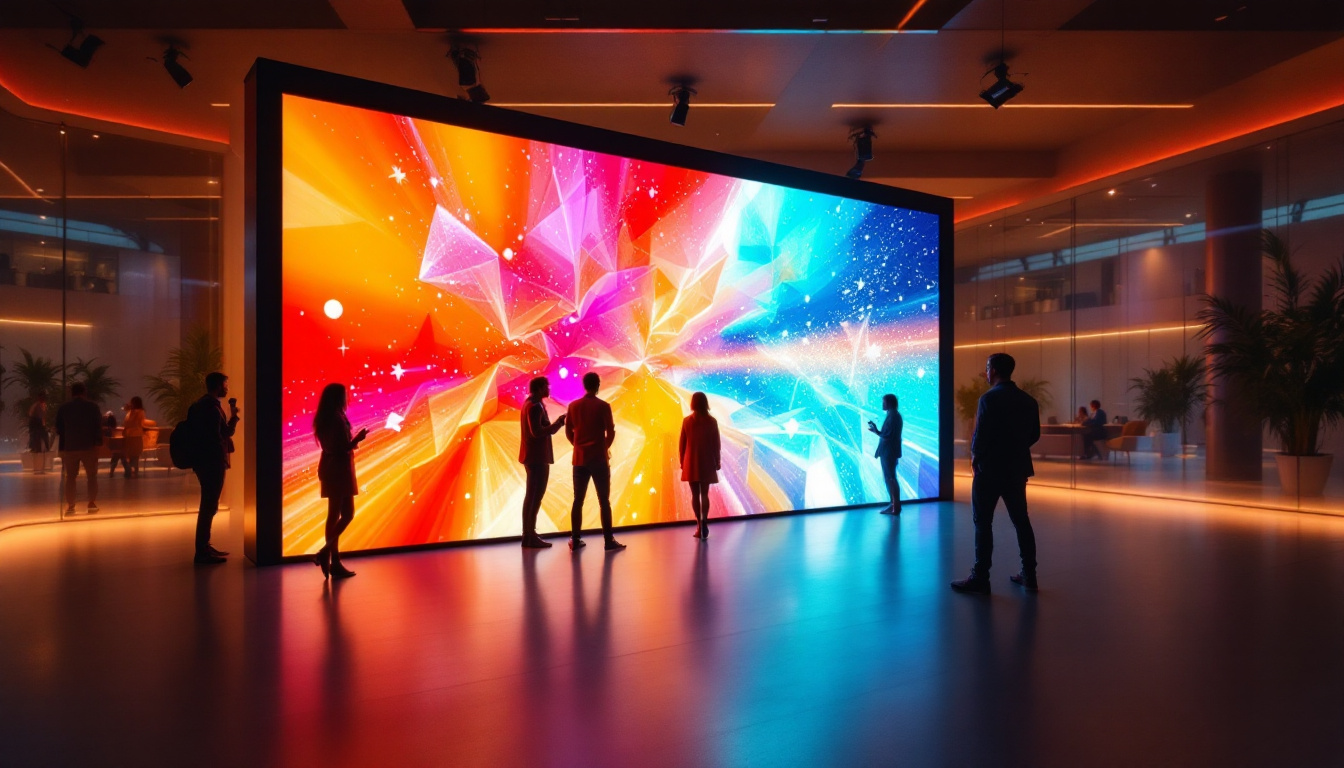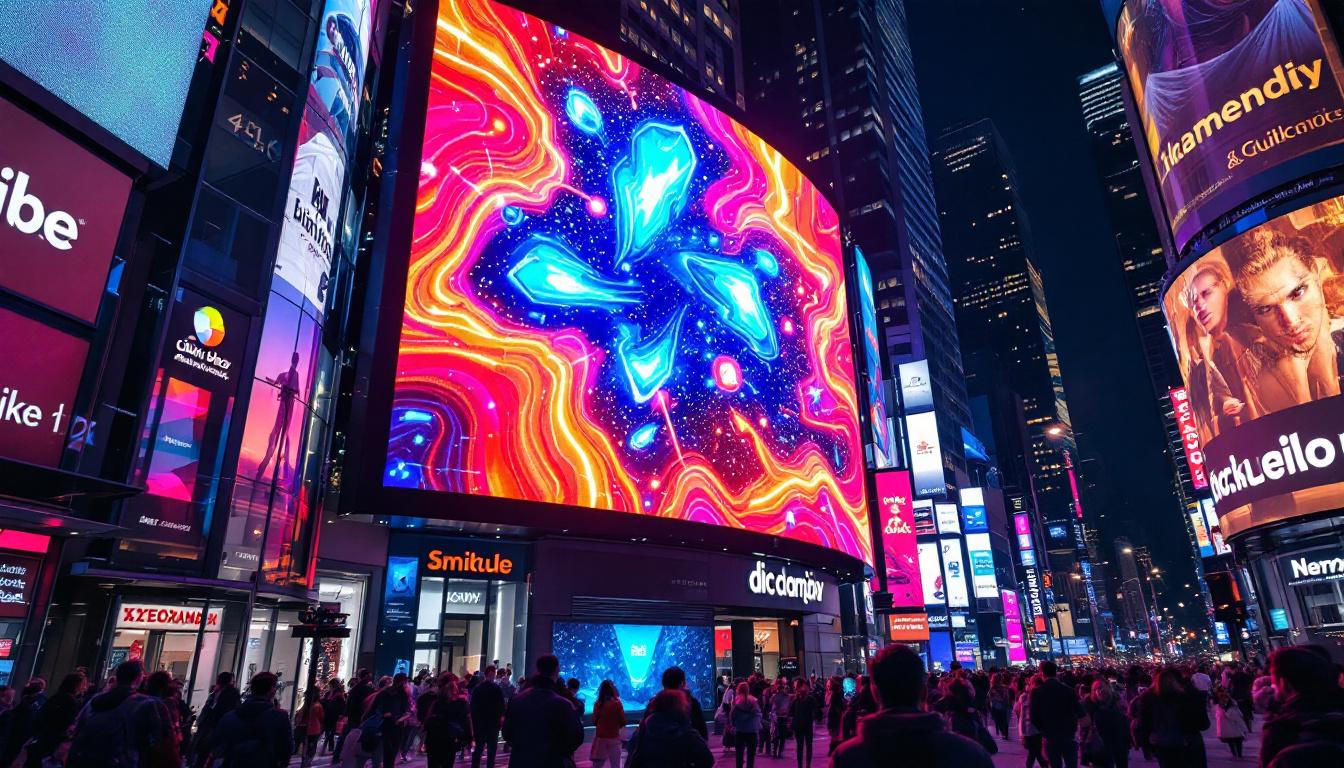
In the rapidly evolving world of visual technology, LED displays have emerged as one of the most versatile and widely used solutions for both commercial and personal applications. From vibrant billboards lighting up cityscapes to the screens on smartphones and televisions, LED technology is at the heart of modern display systems. This article delves into what LED displays are, how they work, their various types, and why they have become the preferred choice in many industries.
Understanding LED Display Technology
What Does LED Stand For?
LED stands for Light Emitting Diode. An LED is a semiconductor device that emits light when an electric current passes through it. Unlike traditional incandescent bulbs that produce light by heating a filament, LEDs generate light through electroluminescence, making them more energy-efficient and longer-lasting.
In the context of displays, LEDs serve as the fundamental light source that creates images and videos by illuminating pixels. Each pixel in an LED display typically consists of red, green, and blue (RGB) LEDs, which combine in varying intensities to produce a full spectrum of colors. This RGB configuration allows for the creation of millions of color variations, enabling displays to render intricate images and vibrant graphics that captivate viewers.
Moreover, the compact size of LEDs allows for thinner and lighter display designs, paving the way for innovations in various applications, from smartphones to large-scale outdoor billboards. The durability of LEDs also contributes to their widespread use, as they are less prone to breakage compared to traditional display technologies, making them ideal for both indoor and outdoor environments.
How Do LED Displays Work?
LED displays function by controlling the brightness and color of individual LEDs arranged in a grid to form images. When electrical signals are sent to the display, they instruct each LED to emit light at a specific intensity and color. By rapidly adjusting these signals, the display can show dynamic images, videos, and text.
The process involves a complex interplay of hardware and software components. The display’s controller translates digital content into signals that manage each LED’s operation. This precise control allows for high-resolution images with vivid colors and sharp contrast. Additionally, advancements in technology have introduced features like local dimming, which enhances contrast by adjusting the brightness of specific areas of the display, further improving the visual experience.
Furthermore, LED displays can be categorized into different types based on their application and configuration. For instance, direct-view LED displays are commonly used for large outdoor advertising, while OLED (Organic LED) displays, a subset of LED technology, offer superior color accuracy and flexibility, making them popular in high-end televisions and mobile devices. The versatility of LED technology continues to evolve, leading to innovations such as transparent displays and flexible screens, which promise to redefine how we interact with visual media.
Types of LED Displays
Direct View LED Displays
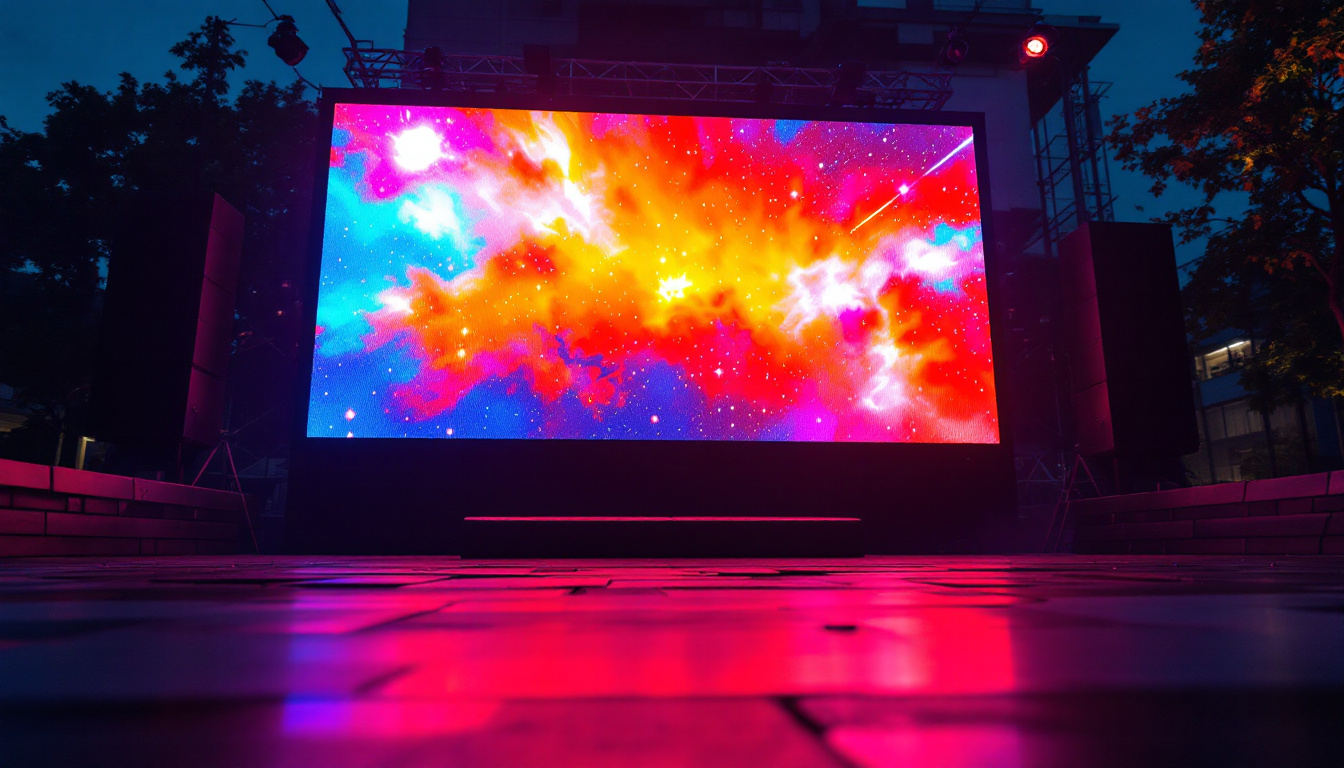
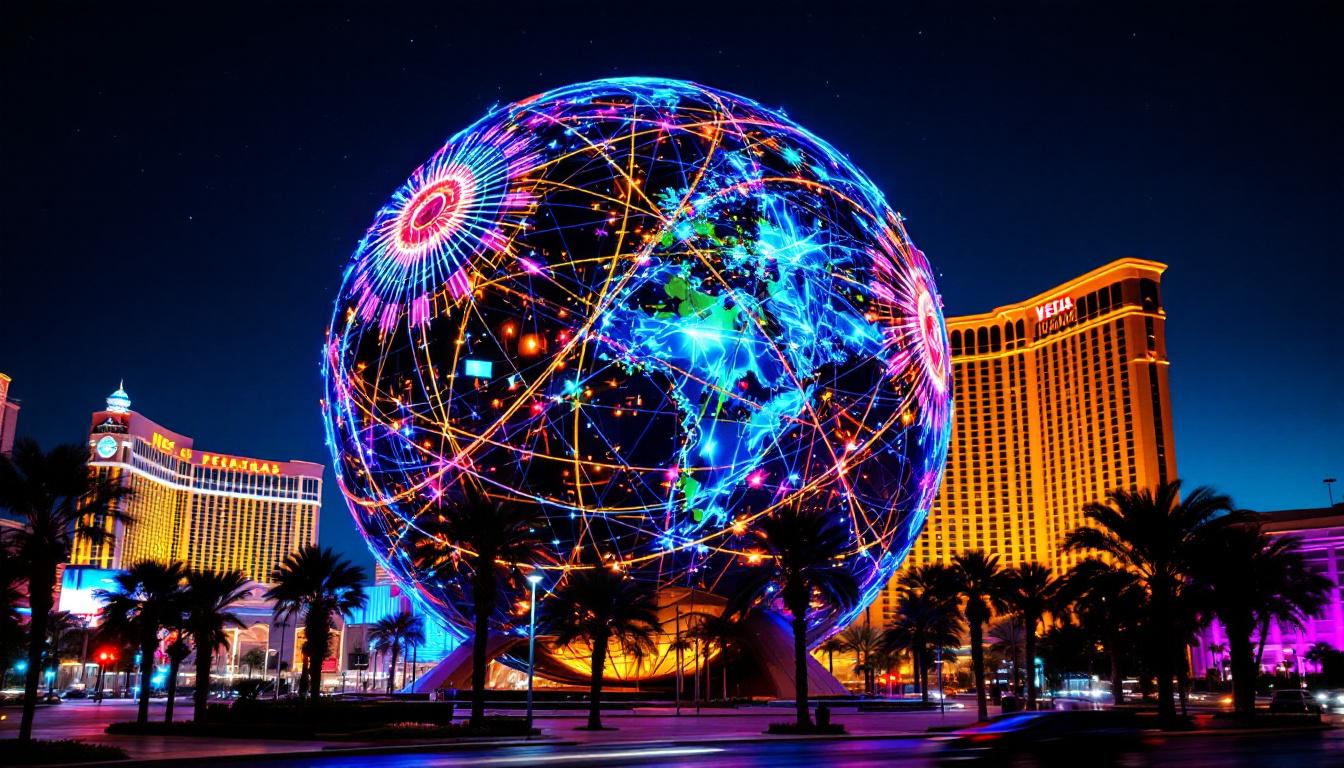
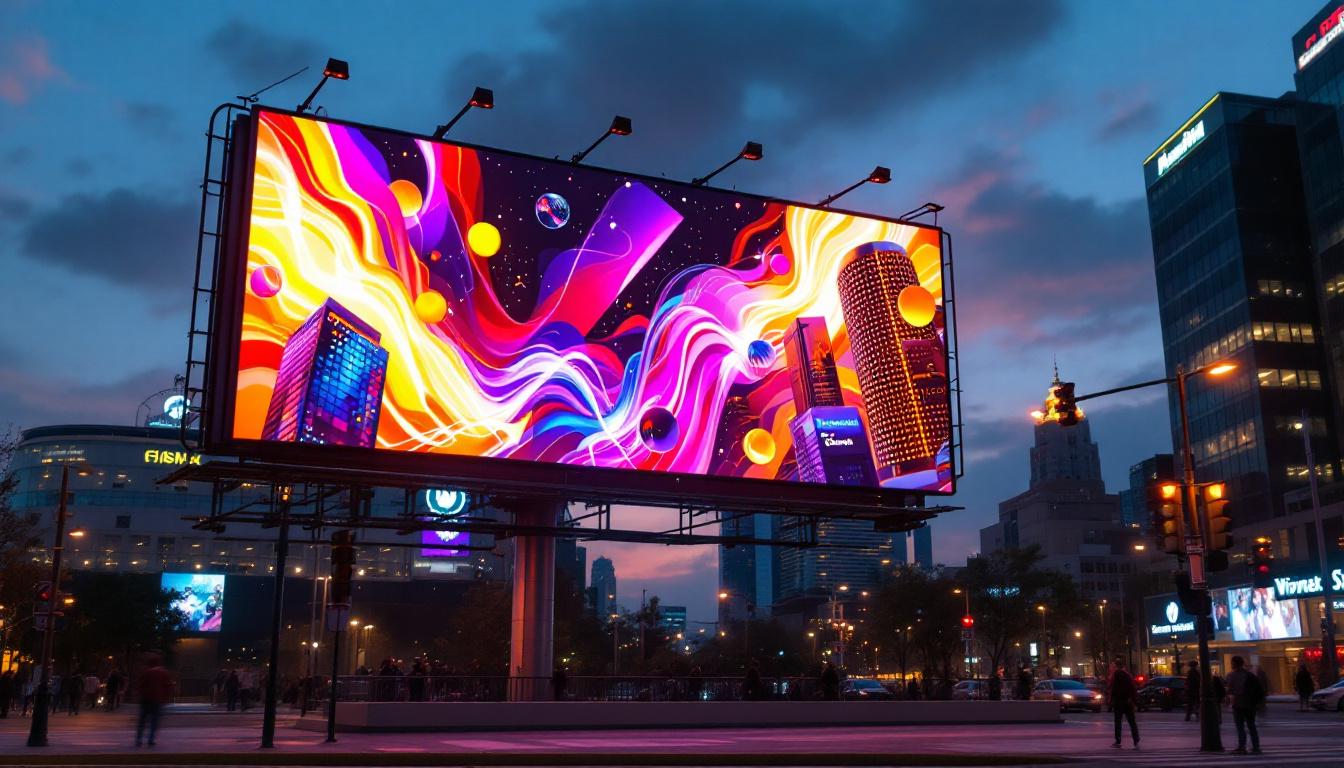
Direct View LED (DV-LED) displays are composed of individual LEDs that are visible to the naked eye and arranged closely together to form a seamless screen. These are commonly used for large-format displays such as outdoor billboards, stadium screens, and digital signage. Because the LEDs themselves emit light, DV-LED displays offer exceptional brightness and visibility, even in direct sunlight.
One of the key advantages of direct view LED displays is their scalability. Panels can be combined to create screens of virtually any size, making them ideal for venues requiring large, high-impact visuals. Additionally, their durability and weather resistance make them suitable for outdoor environments.
LED-Backlit LCD Displays
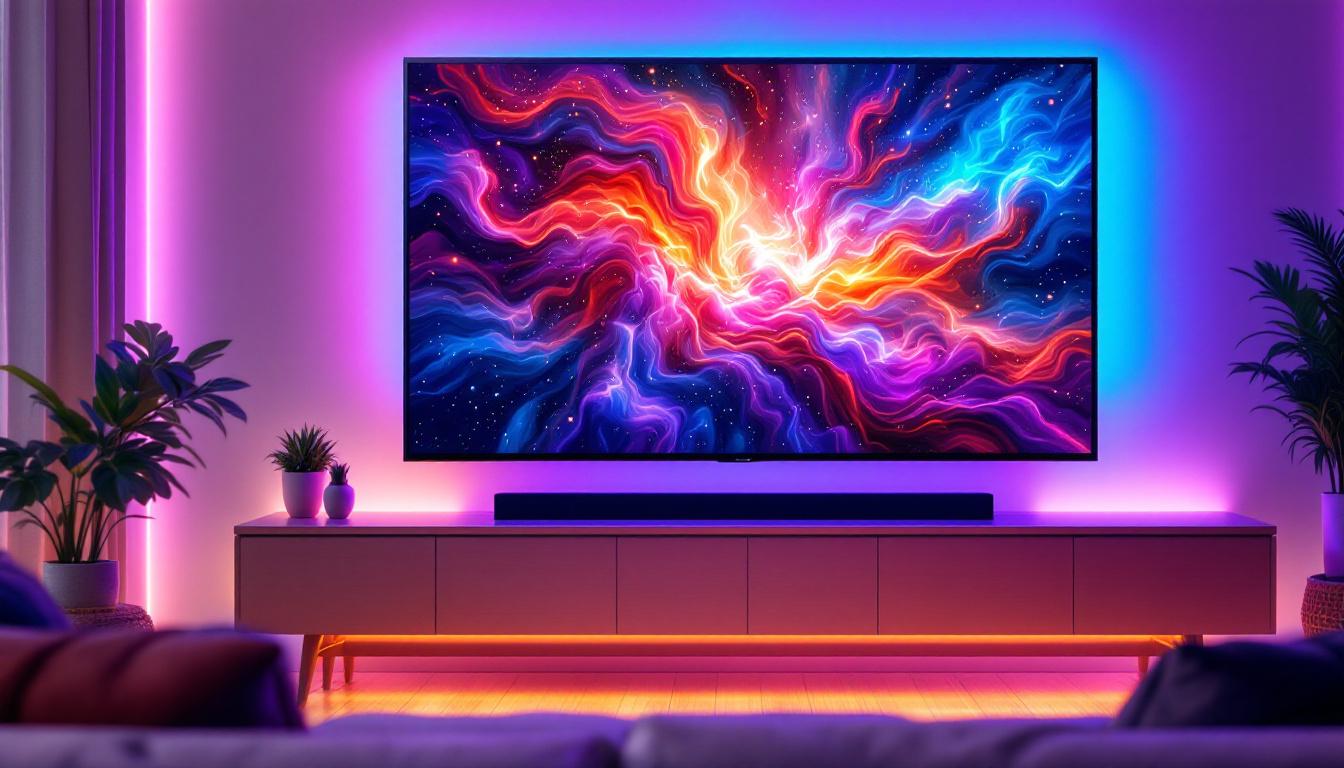
Many consumer electronics, including televisions, computer monitors, and smartphones, use LED-backlit LCD (Liquid Crystal Display) technology. In these displays, LEDs serve as a backlight behind an LCD panel, which controls the image by blocking or allowing light through liquid crystals.
This approach leverages the energy efficiency and long lifespan of LEDs while benefiting from the precise image control of LCD technology. LED-backlit LCDs can be found in a wide range of devices, offering improved brightness, contrast, and color accuracy compared to older CCFL (cold cathode fluorescent lamp) backlighting.
MicroLED Displays
MicroLED is an emerging display technology that uses microscopic LEDs to form individual pixels. Unlike traditional LED displays, which rely on clusters of LEDs for each pixel, MicroLEDs are tiny enough to provide higher pixel density and better image quality.
This technology promises significant improvements in brightness, contrast, and energy efficiency, rivaling or surpassing OLED (Organic Light Emitting Diode) displays. Although still in the early stages of commercial adoption, MicroLED displays are expected to revolutionize high-end televisions, augmented reality devices, and wearable technology.
Advantages of LED Displays
Energy Efficiency and Longevity
One of the most significant benefits of LED displays is their energy efficiency. LEDs consume far less power than traditional display technologies, such as incandescent bulbs or CCFL backlights. This efficiency translates into lower operating costs and reduced environmental impact, which is increasingly important for businesses and consumers alike.
Moreover, LEDs have a longer operational lifespan, often exceeding 50,000 hours. This durability reduces maintenance and replacement costs, making LED displays a cost-effective choice over time.
Brightness and Visibility
LED displays are renowned for their high brightness levels, which can reach up to several thousand nits. This makes them highly visible in bright environments, including direct sunlight. For outdoor advertising and public information displays, this visibility is crucial for attracting attention and conveying messages effectively.
In addition, LED displays offer excellent contrast ratios and vibrant color reproduction. The ability to produce deep blacks and bright colors enhances image clarity and viewer engagement.
Design Flexibility and Scalability
LED technology allows for a wide range of design options. Displays can be made flexible, curved, or even transparent, enabling innovative applications in architecture, retail, and entertainment. The modular nature of LED panels also means that screens can be scaled to any size, from small indoor signs to massive outdoor video walls.
This flexibility supports creative marketing campaigns and immersive experiences that were previously difficult or impossible to achieve with traditional display technologies.
Common Applications of LED Displays
Advertising and Digital Signage
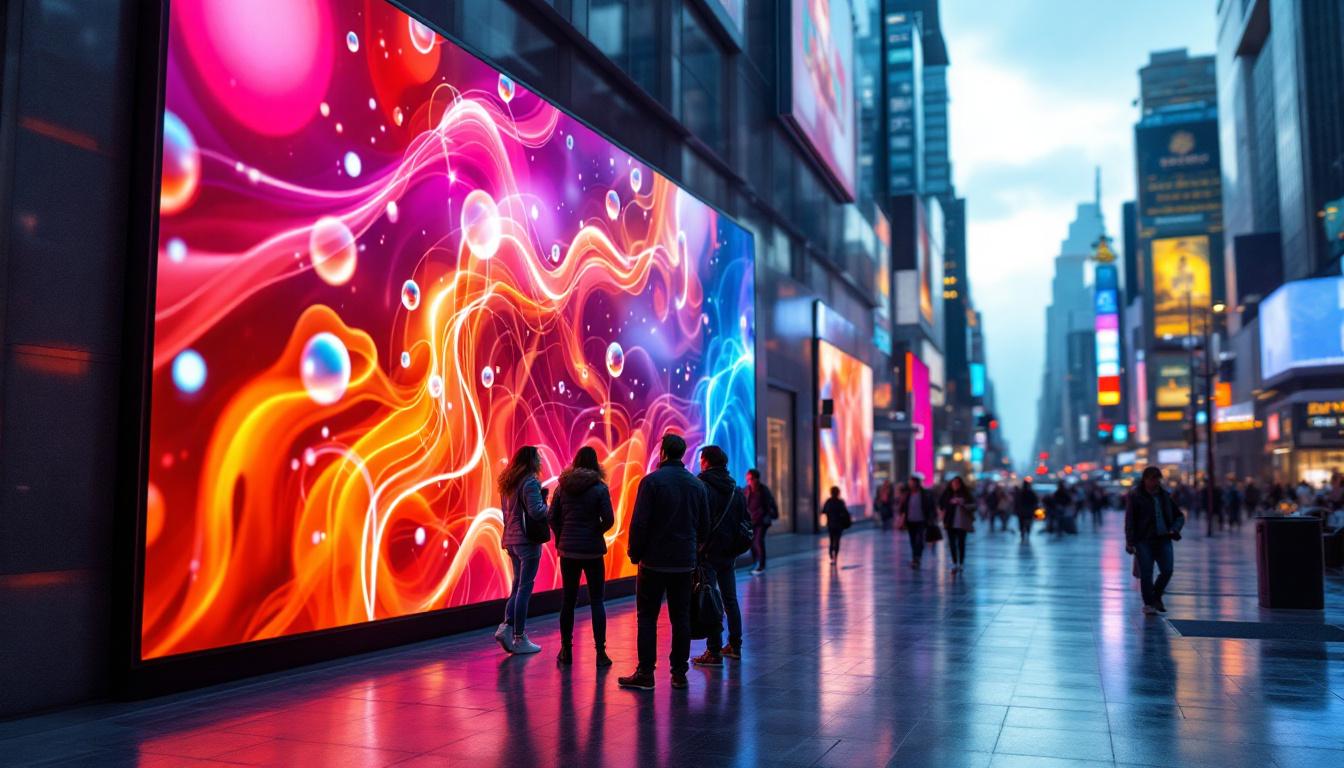
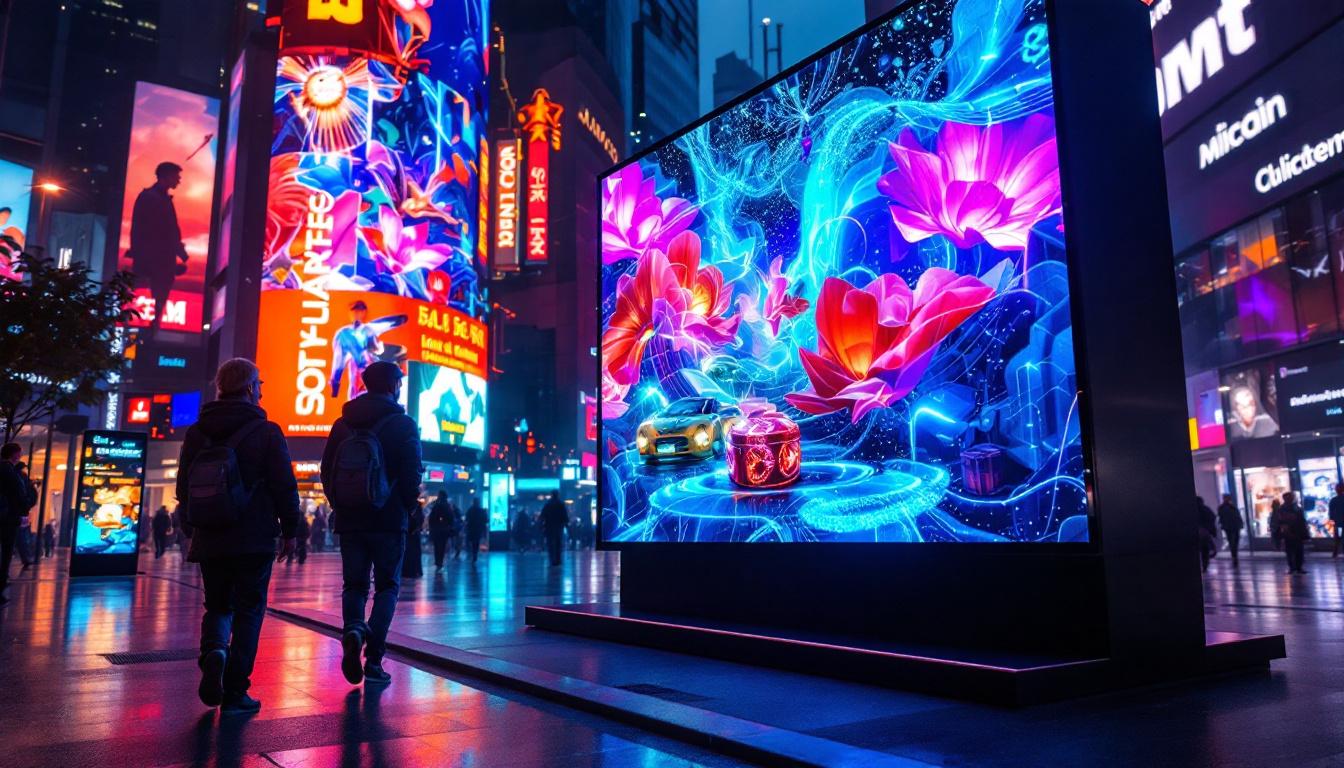
LED displays dominate the advertising industry, especially for outdoor digital billboards and signage. Their brightness, durability, and ability to display dynamic content make them ideal for capturing the attention of passersby. Cities worldwide, including Times Square in New York and Shibuya Crossing in Tokyo, showcase iconic LED billboards that have become landmarks in their own right.
Digital signage powered by LED displays is also widely used in retail stores, airports, and transportation hubs to provide real-time information, promotions, and wayfinding assistance.
Entertainment and Sports Venues
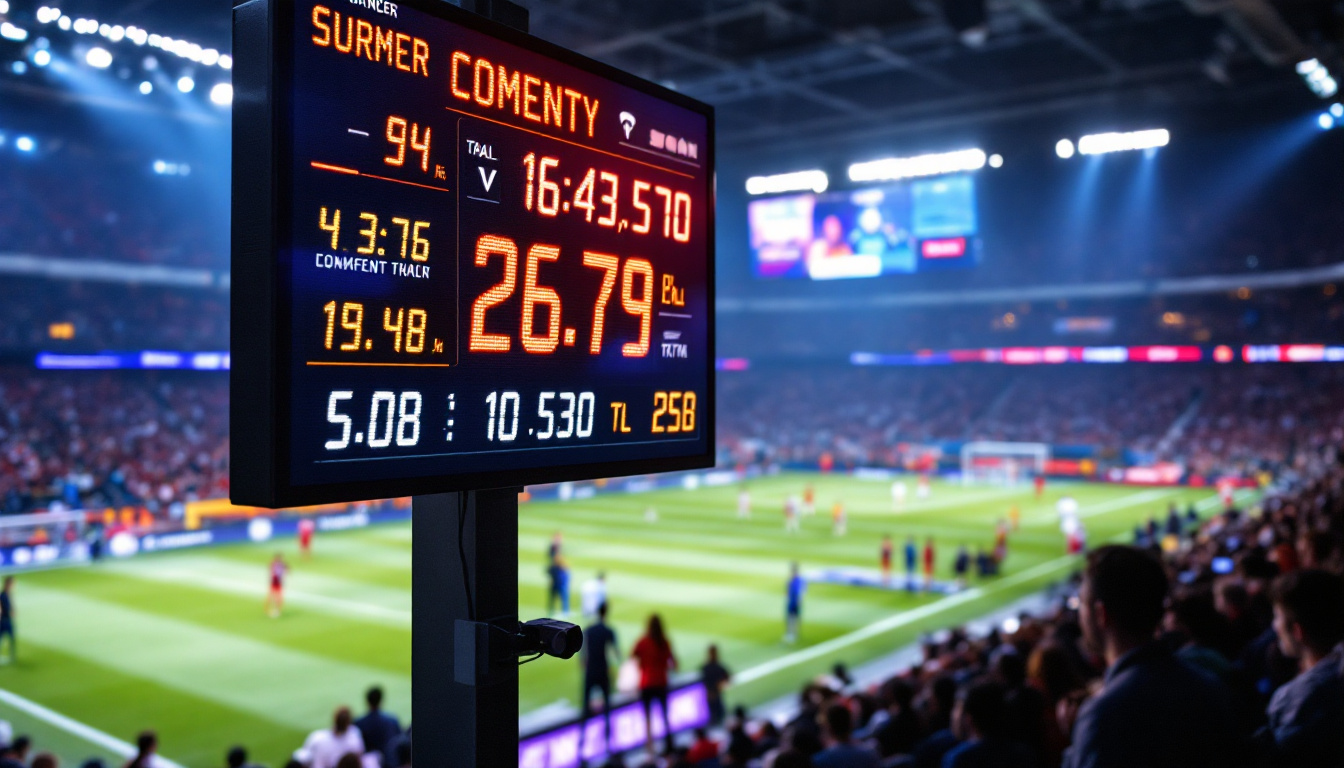
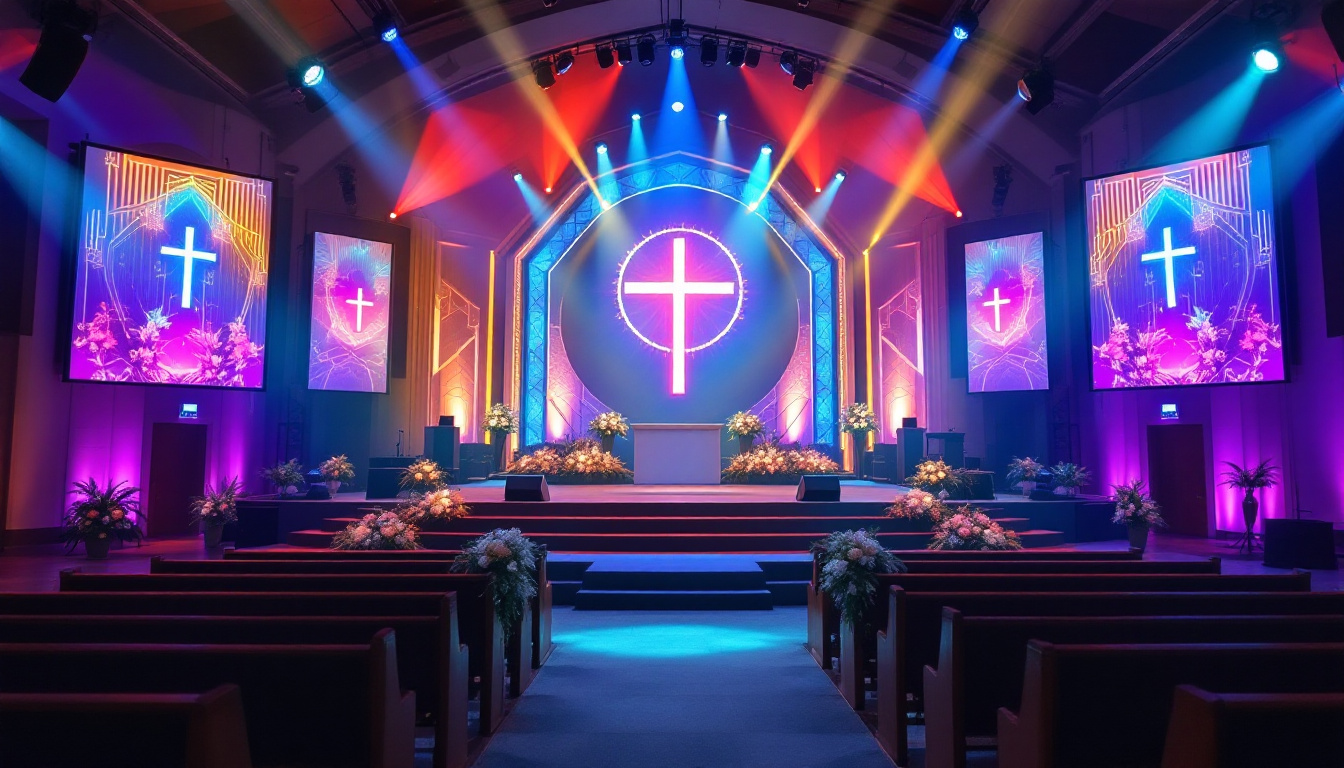
In stadiums, arenas, and concert venues, LED displays provide large-scale video screens that enhance the spectator experience. These screens display live action, replays, scores, and advertisements, ensuring that every seat has a clear view of the content.
LED technology’s ability to handle high refresh rates and vivid colors makes it well-suited for fast-moving sports and dynamic entertainment events.
Consumer Electronics
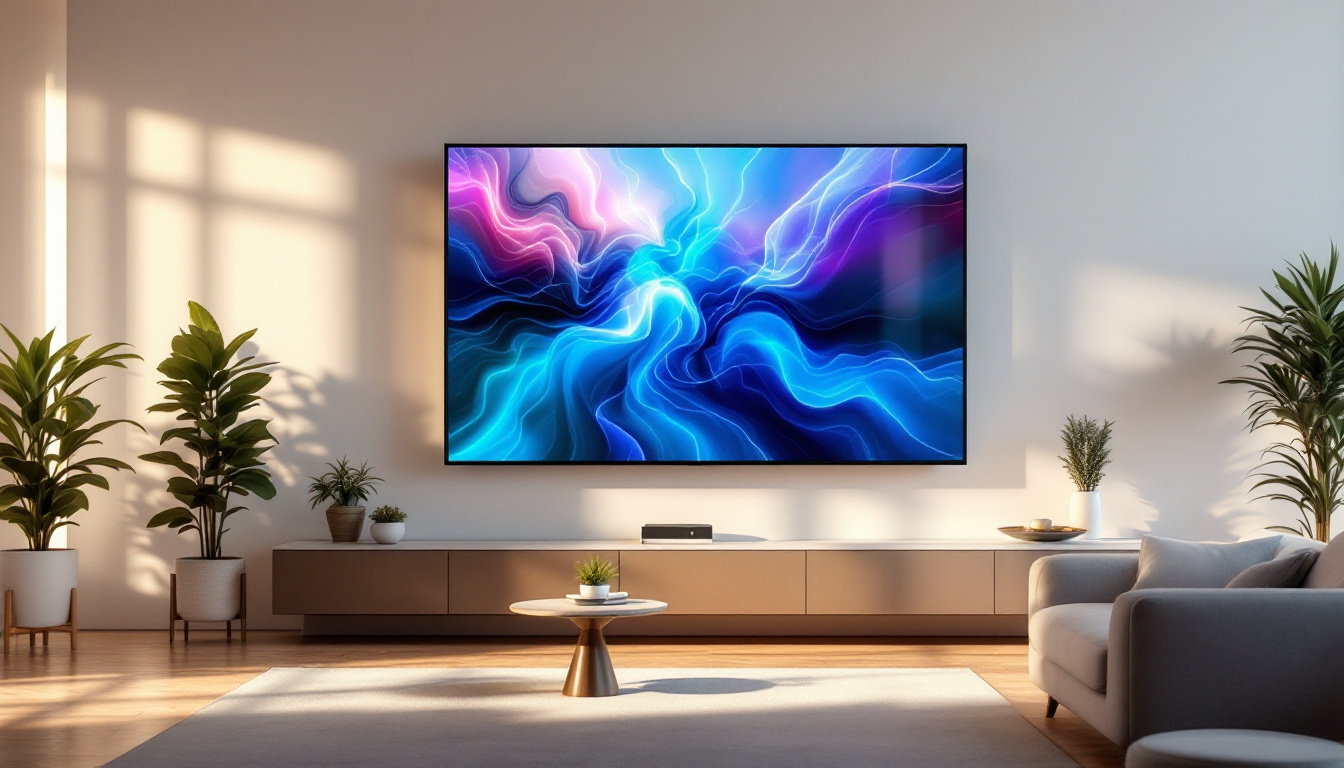
From smartphones and tablets to televisions and computer monitors, LED technology is integral to modern consumer electronics. LED-backlit LCDs offer improved picture quality, energy savings, and thinner designs compared to older display types.
Emerging technologies like MicroLED are poised to further enhance the visual experience on personal devices, delivering brighter screens with more accurate colors and longer battery life.
Challenges and Considerations
Cost and Complexity
While LED displays offer numerous benefits, they can be more expensive to manufacture and install compared to some alternative technologies. High-resolution direct view LED displays, in particular, require precise engineering and quality control to ensure uniform brightness and color accuracy across large surfaces.
Additionally, integrating LED displays into existing infrastructure may involve technical challenges, such as power supply management and heat dissipation, which require expert planning and execution.
Environmental Impact
Despite their energy efficiency, LED displays still consume electricity and involve the use of electronic components that must be responsibly sourced and recycled. As LED technology continues to advance, manufacturers and users alike are focusing on sustainable practices to minimize environmental footprints.
The Future of LED Display Technology
Advancements in Resolution and Color Accuracy
Ongoing research and development are pushing the boundaries of LED display performance. Higher pixel densities, improved color calibration, and enhanced dynamic range are making LED displays more lifelike and immersive than ever before.
Technologies such as quantum dot enhancement and advanced color filters are being integrated with LED displays to achieve cinema-grade color fidelity, appealing to professional markets and discerning consumers.
Integration with Smart Technologies
LED displays are increasingly being integrated with smart technologies, including IoT (Internet of Things) connectivity and AI-driven content management. This integration allows for real-time data-driven advertising, interactive experiences, and adaptive brightness control based on ambient conditions.
Such smart displays are transforming public spaces, retail environments, and workplaces by delivering personalized and context-aware content.
Emergence of Flexible and Transparent Displays
Innovations in flexible and transparent LED displays are opening new possibilities in design and functionality. Flexible LED panels can be wrapped around curved surfaces or folded, while transparent displays can overlay digital content onto glass surfaces without obstructing views.
These developments are expected to revolutionize sectors such as automotive, architecture, and augmented reality, blending digital and physical worlds seamlessly.
Conclusion
LED display technology has fundamentally transformed how visual information is presented and consumed across a wide range of applications. Its combination of energy efficiency, brightness, design flexibility, and durability makes it a compelling choice for advertisers, event organizers, manufacturers, and consumers alike.
As LED technology continues to evolve, with innovations like MicroLED and smart integration, the future promises even more immersive, efficient, and versatile displays. Understanding the fundamentals of LED displays is essential for businesses and individuals looking to leverage this powerful technology in an increasingly digital world.
Explore Cutting-Edge LED Displays with LumenMatrix
Ready to elevate your visual experience with the latest in LED display technology? LumenMatrix is at the forefront of innovation, offering a diverse range of LED display solutions tailored to your needs. From captivating Indoor and Outdoor LED Wall Displays to dynamic Vehicle and Sports LED Displays, and from versatile LED Poster and Floor Displays to Custom and All-in-One LED solutions, we have you covered. Our LED Transparent Displays are designed to revolutionize visual communication and engagement. Don’t miss out on the opportunity to transform your space and captivate your audience. Check out LumenMatrix LED Display Solutions and discover how we can help you share your message with unparalleled impact and clarity.