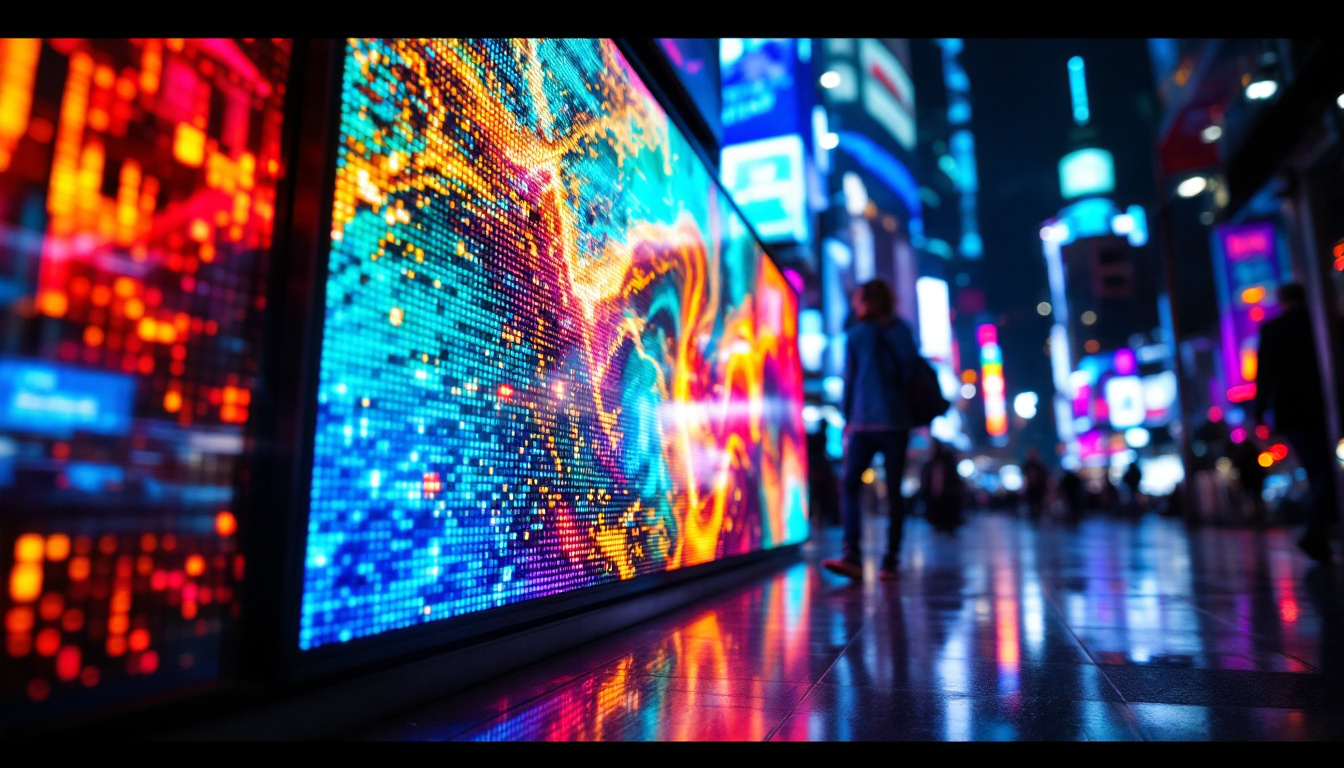
In today’s digital age, screens are everywhere—from the smartphones in our pockets to the massive billboards lighting up city streets. Among the various display technologies, LED displays have become a dominant force, powering everything from computer monitors and televisions to large-scale outdoor advertising. But what exactly is an LED display, and why has it become so popular? This article delves into the fundamentals of LED technology, explores its advantages and limitations, and provides insights into how it shapes the viewing experience across different devices.
Understanding LED Display Technology
What Does LED Stand For?
LED stands for Light Emitting Diode, a semiconductor device that emits light when an electric current passes through it. Unlike traditional display technologies that rely on fluorescent backlighting or cathode ray tubes, LED displays use these tiny diodes as individual light sources. This fundamental difference is what gives LED displays their unique properties, such as improved brightness, energy efficiency, and color accuracy. The compact size of LEDs also allows for thinner and lighter displays, making them ideal for modern applications where space and weight are critical factors.
How LED Displays Work
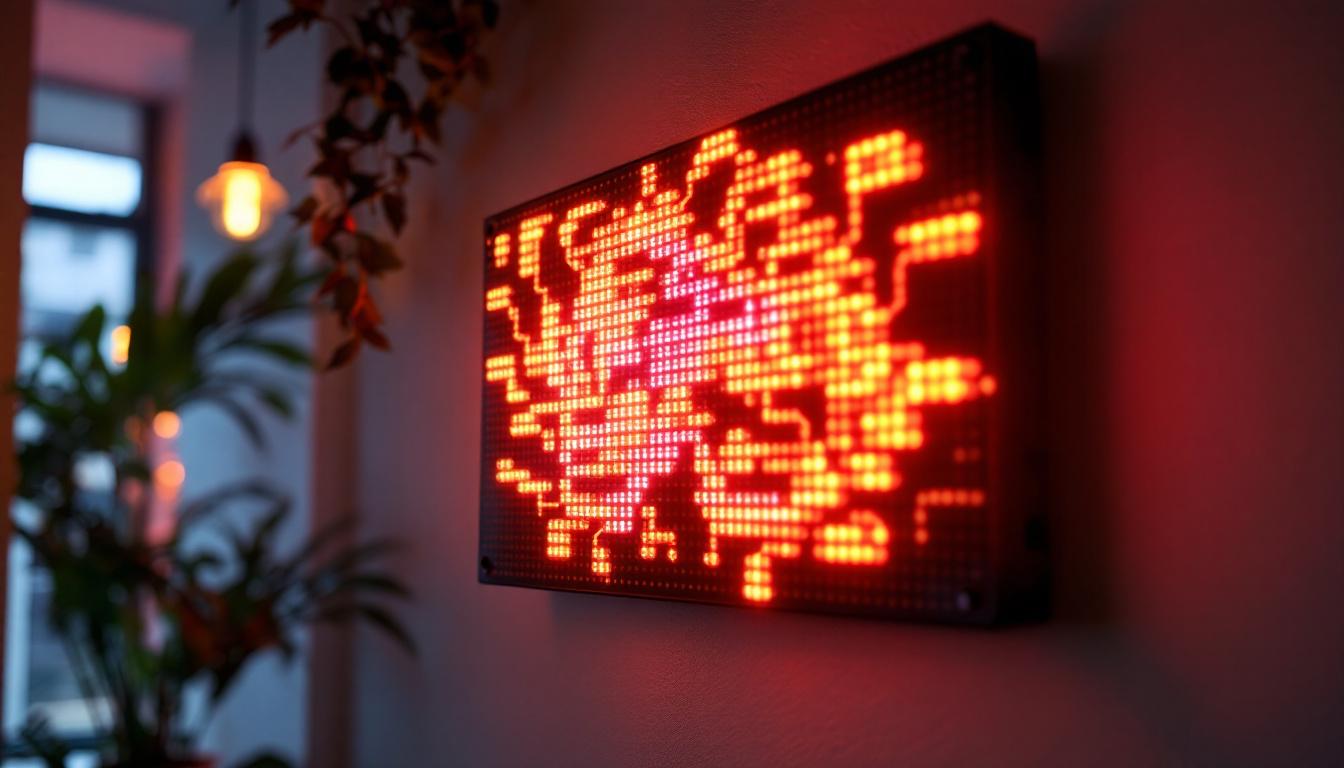
At its core, an LED display is composed of numerous tiny LEDs arranged in a matrix. Each LED can emit light in various colors, typically red, green, or blue (RGB). By controlling the intensity of these individual diodes, the display can reproduce a wide range of colors and images. This process is known as additive color mixing, where combining different intensities of red, green, and blue light creates the full spectrum of colors visible to the human eye. The precision in color reproduction is particularly beneficial for applications requiring high fidelity, such as graphic design, photography, and video production.
There are two main types of LED displays used in monitors and screens: direct LED and edge-lit LED. Direct LED displays feature LEDs placed directly behind the screen, providing uniform backlighting and better contrast. Edge-lit LED displays position LEDs along the edges of the screen, using light guides to distribute illumination evenly. Each approach has its own benefits and trade-offs in terms of thickness, cost, and picture quality. Furthermore, advancements in technology have led to the development of local dimming features in direct LED displays, which enhance contrast by dimming or turning off specific zones of the backlight, resulting in deeper blacks and more vibrant colors.
LED vs. Other Display Technologies
Before the rise of LED technology, LCD (Liquid Crystal Display) screens dominated the market, often using CCFL (Cold Cathode Fluorescent Lamp) backlighting. While LCD refers to the panel technology, LED describes the backlighting method. This distinction is important because many so-called “LED TVs” are actually LCD panels lit by LEDs rather than traditional fluorescent lamps. The shift to LED backlighting has significantly improved the energy efficiency of these displays, allowing for lower power consumption and longer lifespans, which is particularly appealing for consumers looking to reduce their environmental footprint.
In contrast, OLED (Organic Light Emitting Diode) displays use organic compounds that emit light when electrically stimulated, eliminating the need for backlighting altogether. OLEDs offer superior contrast ratios and deeper blacks but tend to be more expensive and have shorter lifespans compared to LED-backlit LCDs. This makes OLED technology particularly attractive for high-end televisions and smartphones, where display quality is paramount. Additionally, the flexibility of OLED technology allows for innovative designs, such as curved and foldable screens, paving the way for new possibilities in display applications that were previously unimaginable.
Advantages of LED Displays in Monitors and Screens
Brightness and Energy Efficiency
One of the most significant advantages of LED displays is their ability to produce high brightness levels while consuming less power. LEDs are inherently more energy-efficient than fluorescent lamps, which translates into lower electricity bills and reduced environmental impact. For example, modern LED monitors can achieve brightness levels exceeding 400 nits, suitable for well-lit environments, whereas older CCFL-backlit screens often maxed out around 250-300 nits.
This efficiency also benefits portable devices such as laptops and tablets, where battery life is crucial. LED backlighting helps extend usage time without compromising display quality, making it a preferred choice for mobile computing.
Color Accuracy and Contrast
LED displays generally offer better color reproduction than older technologies. With precise control over individual diodes, these screens can display more vibrant and accurate colors, which is especially important for professionals in graphic design, photography, and video editing. Some high-end LED monitors support wide color gamuts like Adobe RGB or DCI-P3, enabling them to render colors closer to real-world hues.
Additionally, direct LED displays with local dimming capabilities can selectively dim or brighten specific screen areas, enhancing contrast ratios. This feature allows for deeper blacks and brighter whites, improving overall image quality and making content more visually striking.
Thin and Lightweight Designs
LED technology has enabled manufacturers to create thinner and lighter monitors and screens. Edge-lit LED displays, in particular, allow for ultra-slim profiles that contribute to sleek device designs. This trend is evident in modern laptops, where the screen thickness has been significantly reduced without sacrificing brightness or color performance.
Applications of LED Displays Across Different Devices
Computer Monitors and Laptops
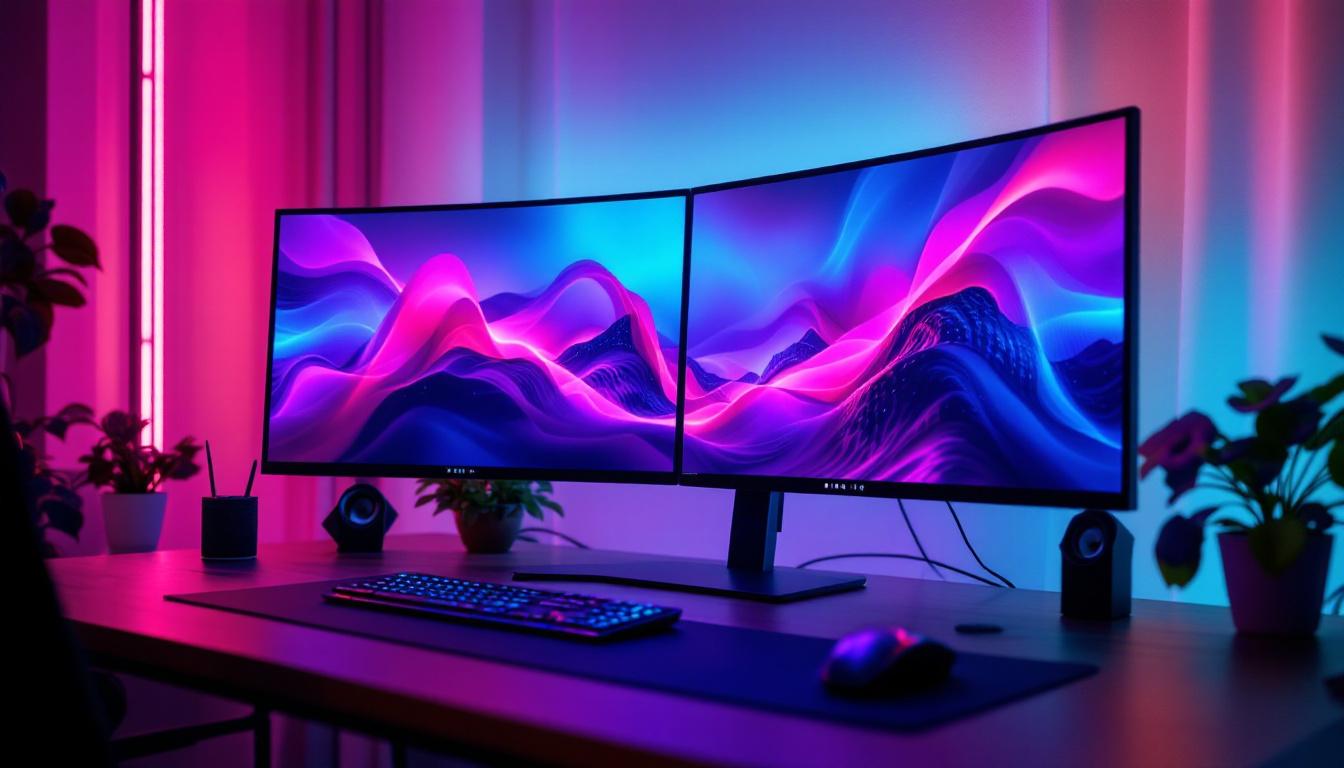
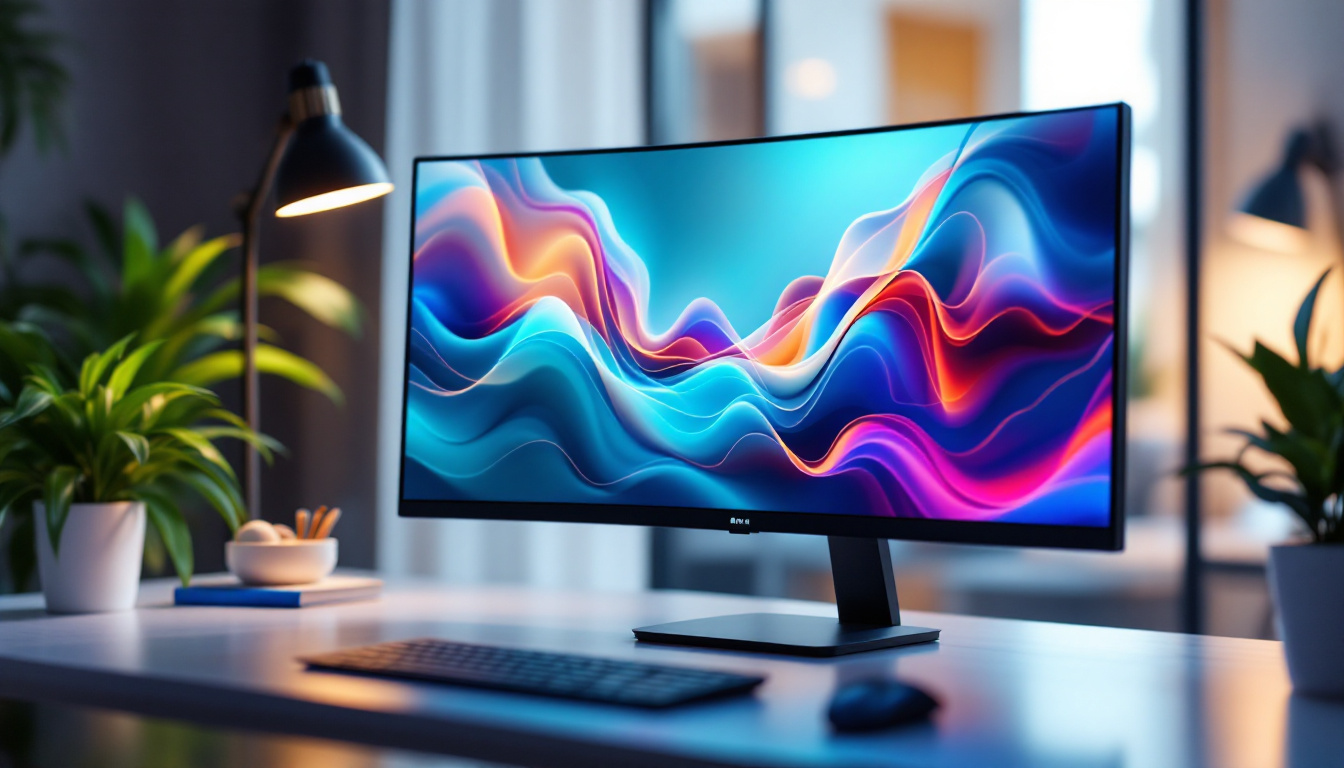
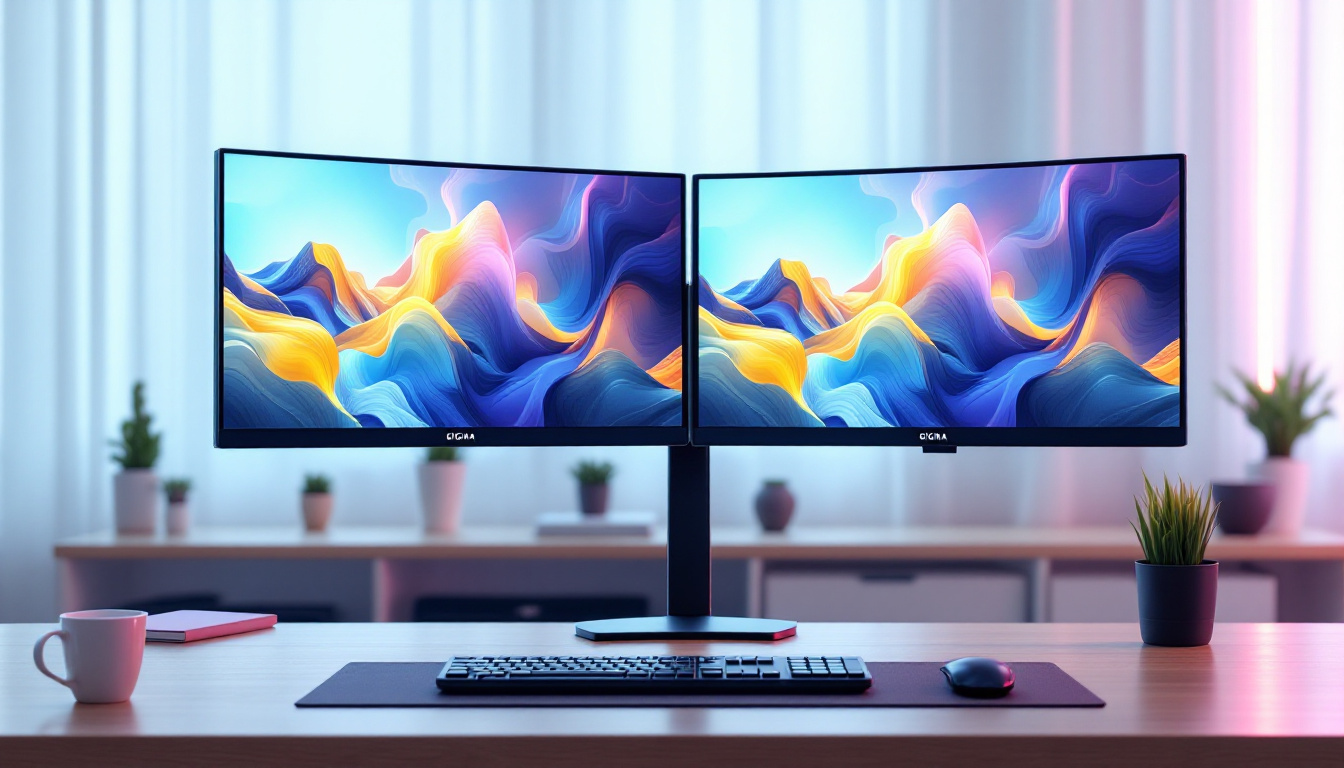
LED-backlit LCD monitors have become the standard in both consumer and professional markets. Their combination of energy efficiency, brightness, and color accuracy makes them suitable for a wide range of uses—from everyday office work to high-end gaming and creative production. Gaming monitors, for instance, often incorporate LED technology with high refresh rates and low response times to deliver smooth and immersive experiences.
Laptops benefit from LED displays by offering better battery life and improved screen visibility in various lighting conditions. The ability to produce vivid colors and high contrast ratios also enhances multimedia consumption and content creation on the go.
Televisions and Home Entertainment
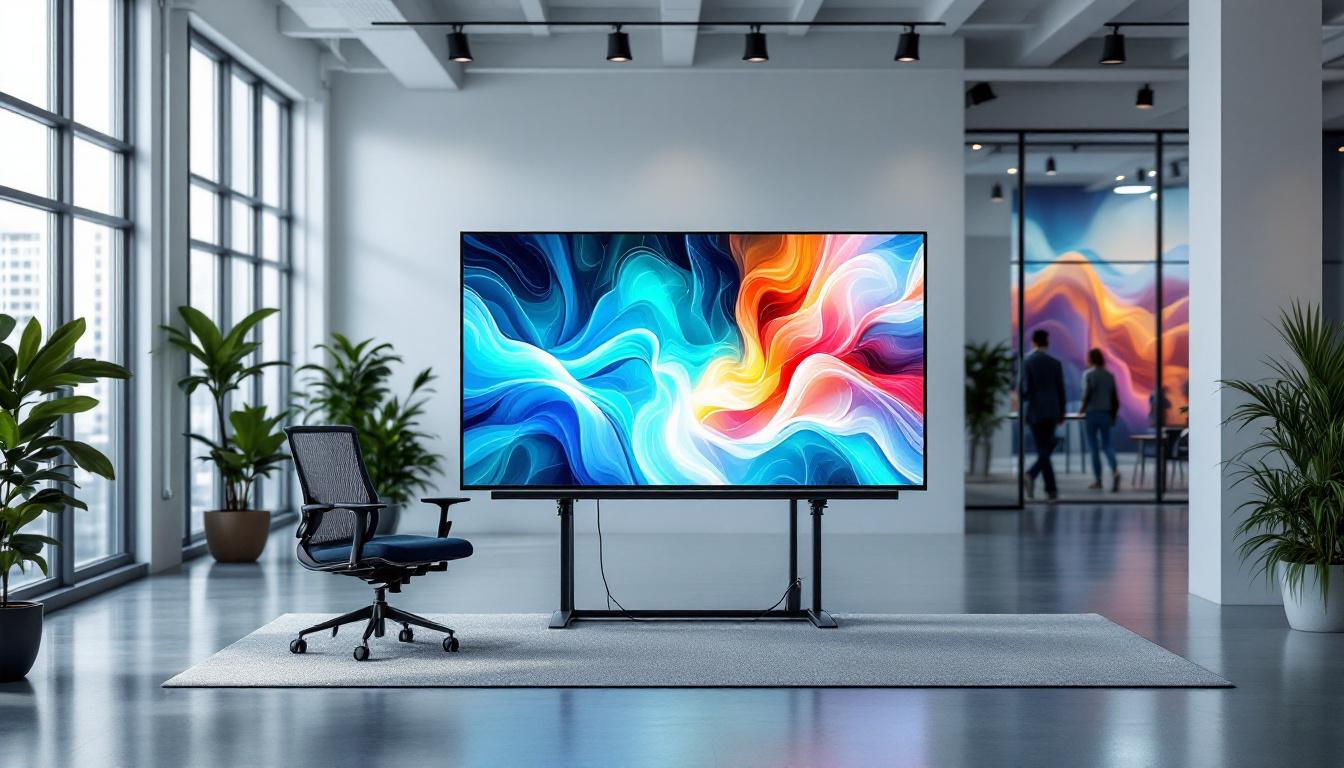
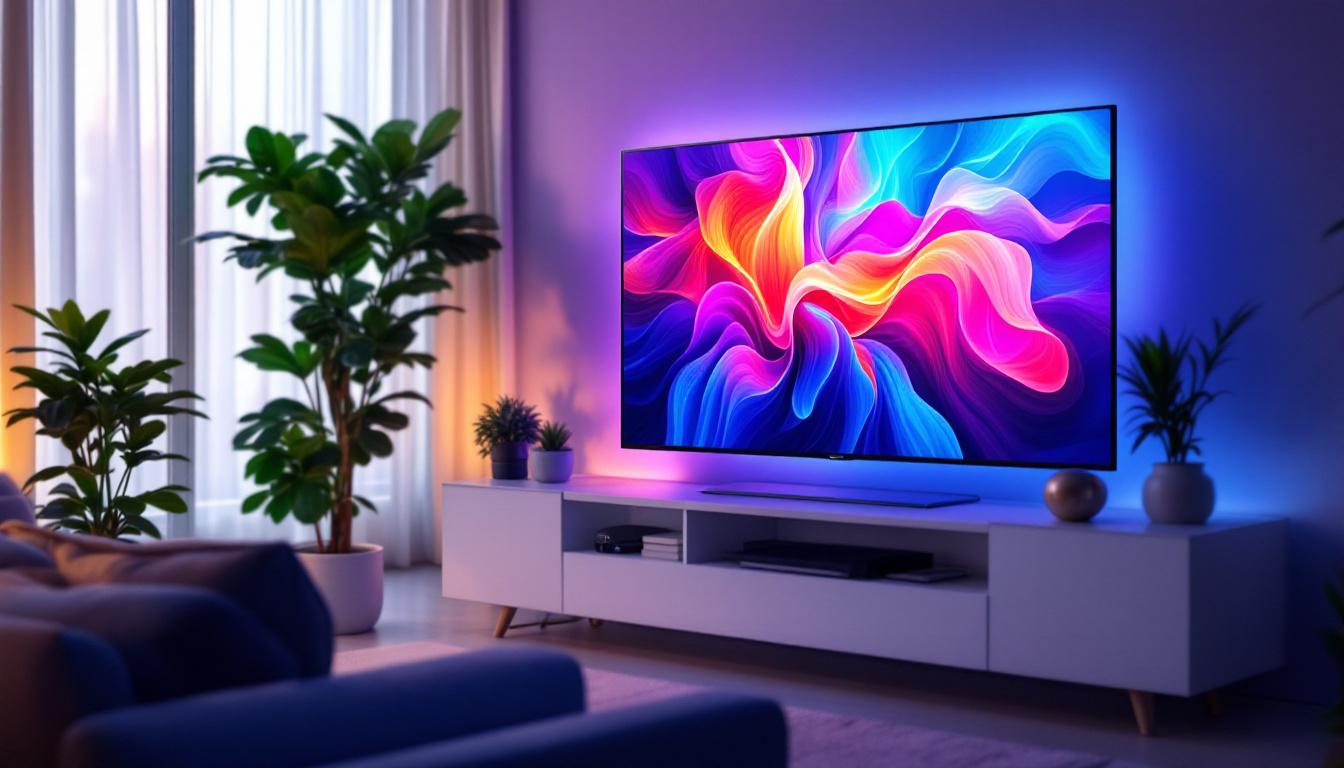
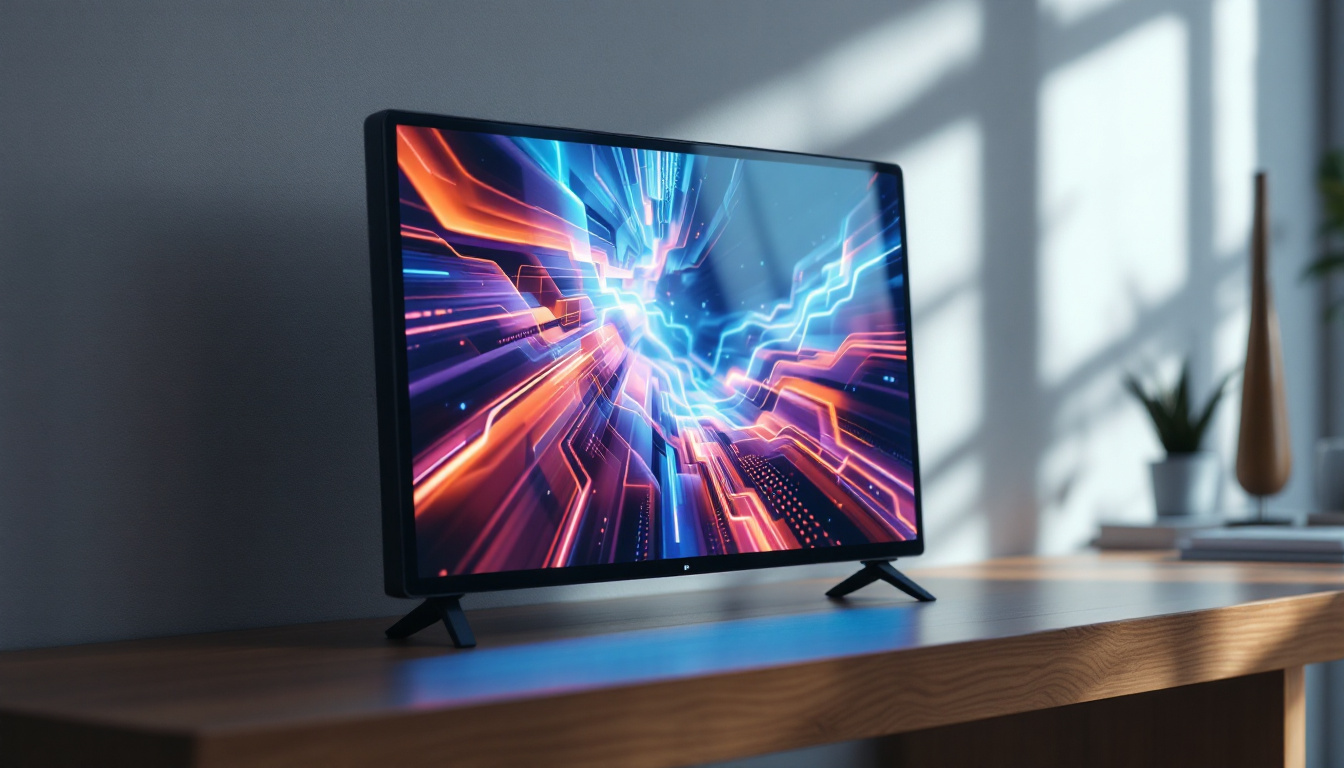
In the television market, LED displays dominate due to their affordability and performance. LED-backlit LCD TVs provide bright, colorful images suitable for living rooms and home theaters. Advanced models use full-array local dimming to improve picture quality, competing closely with OLED TVs in terms of contrast and color fidelity.
Moreover, LED technology supports the integration of 4K and even 8K resolutions, delivering ultra-high-definition content with exceptional detail. This capability aligns with the growing demand for streaming services and next-generation gaming consoles that require superior display performance.
Outdoor and Commercial Displays
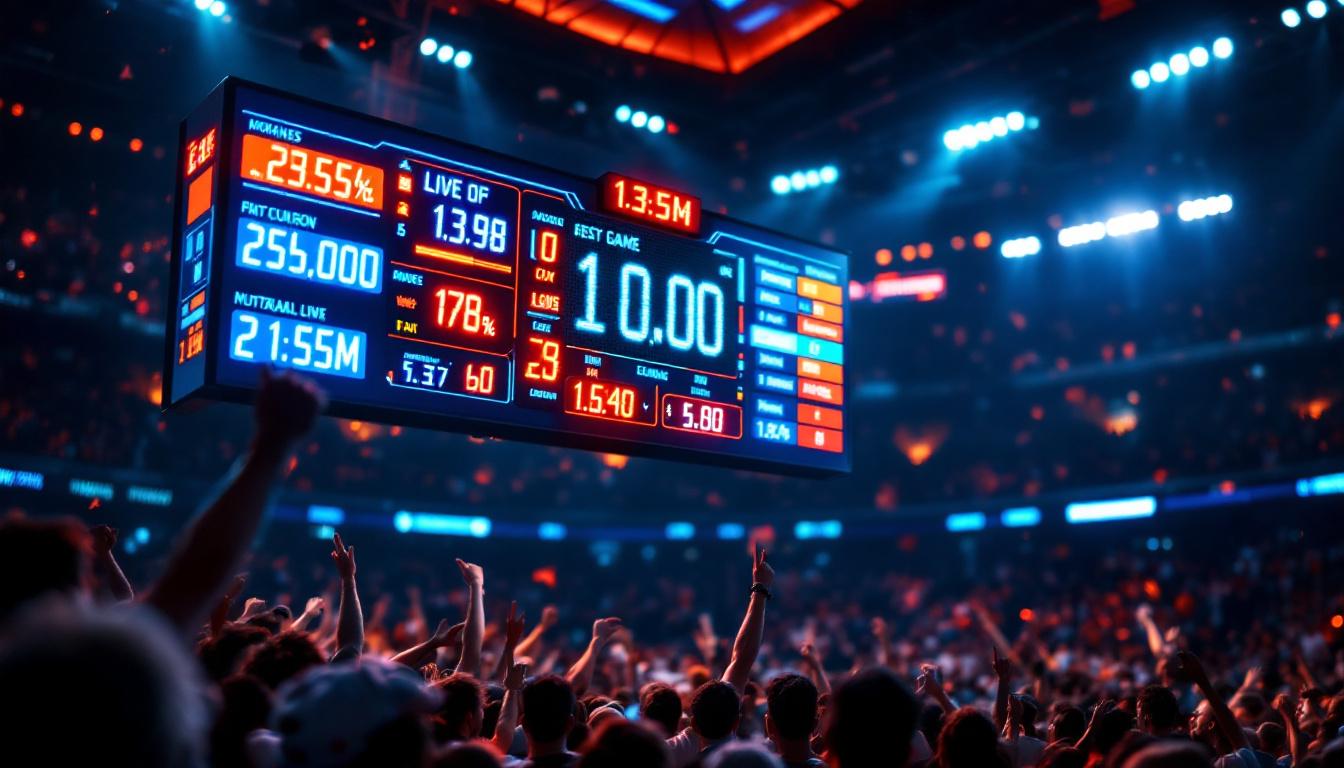
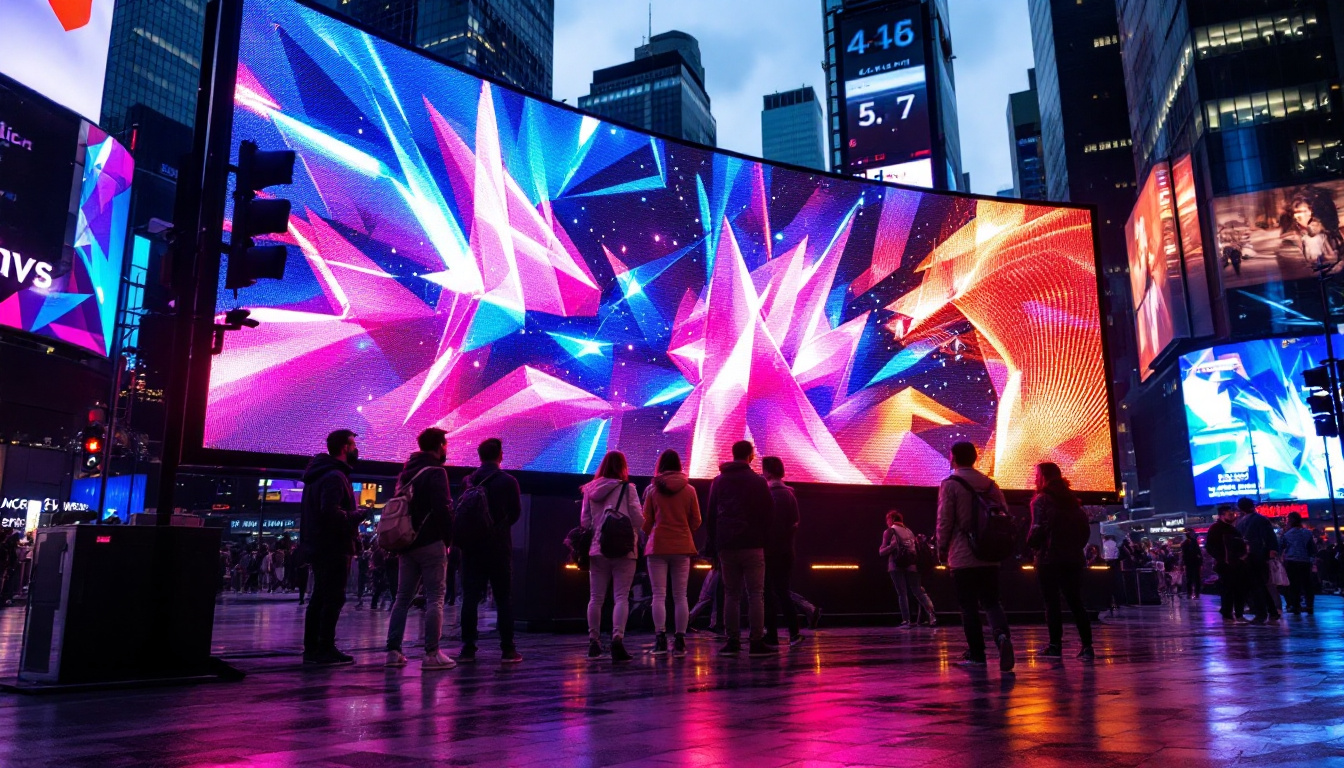
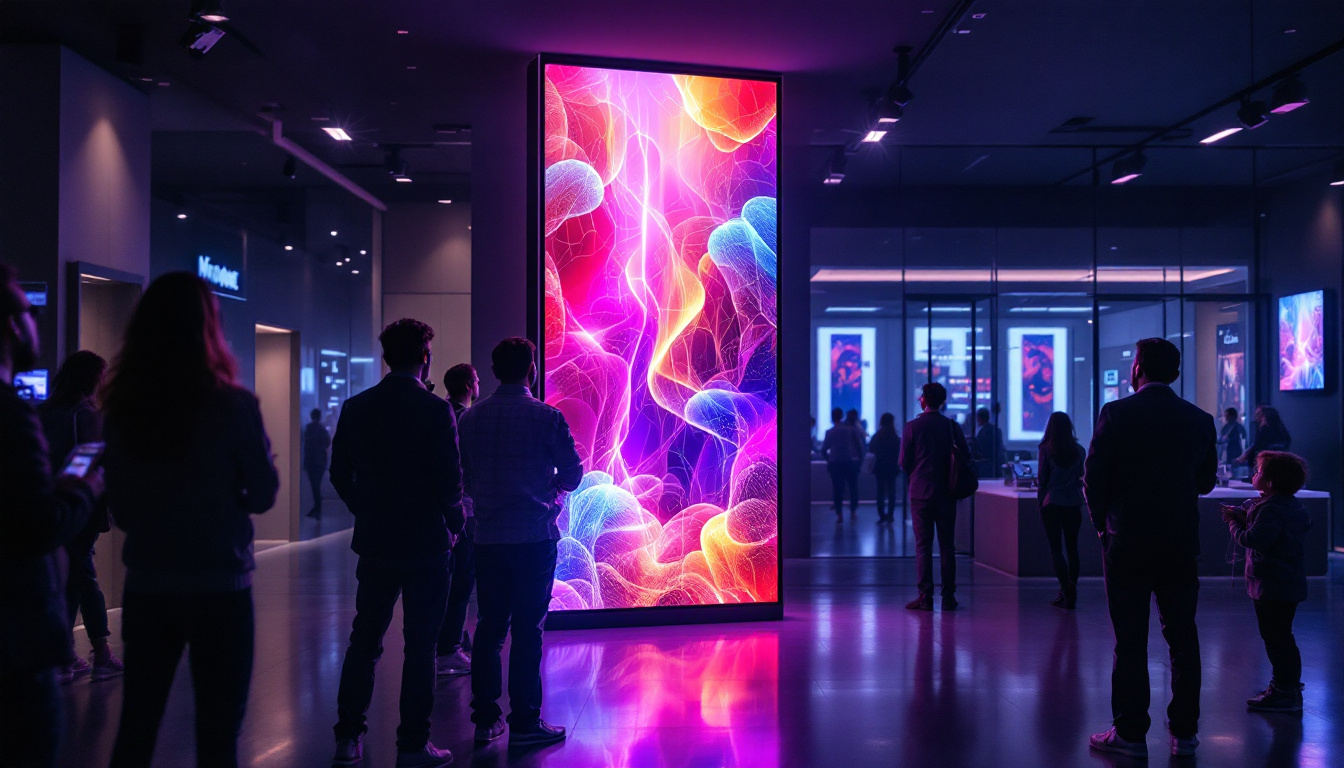
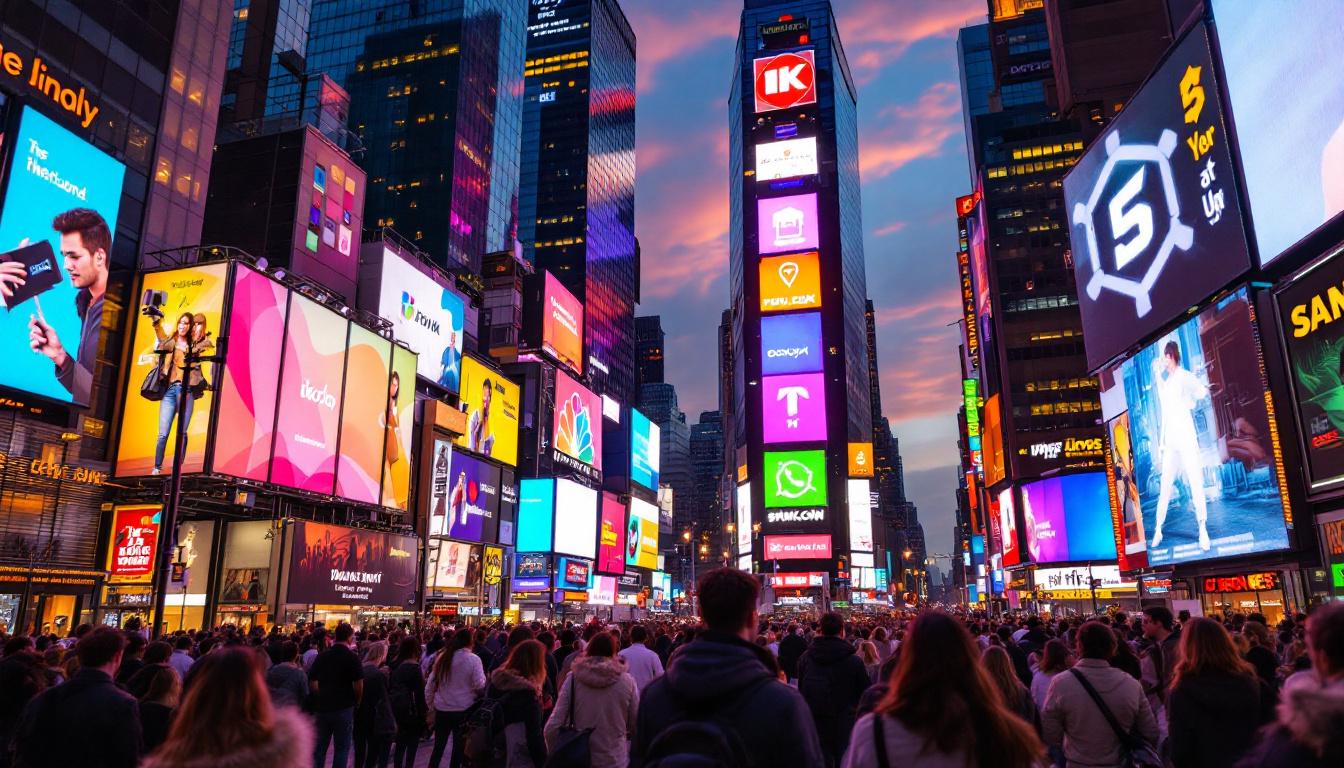
LED displays are widely used in outdoor advertising, stadium screens, and public information boards. Their high brightness and durability make them ideal for environments exposed to sunlight and harsh weather conditions. Unlike LCDs, which struggle with glare and visibility outdoors, LED displays maintain clarity and color vibrancy even in direct sunlight.
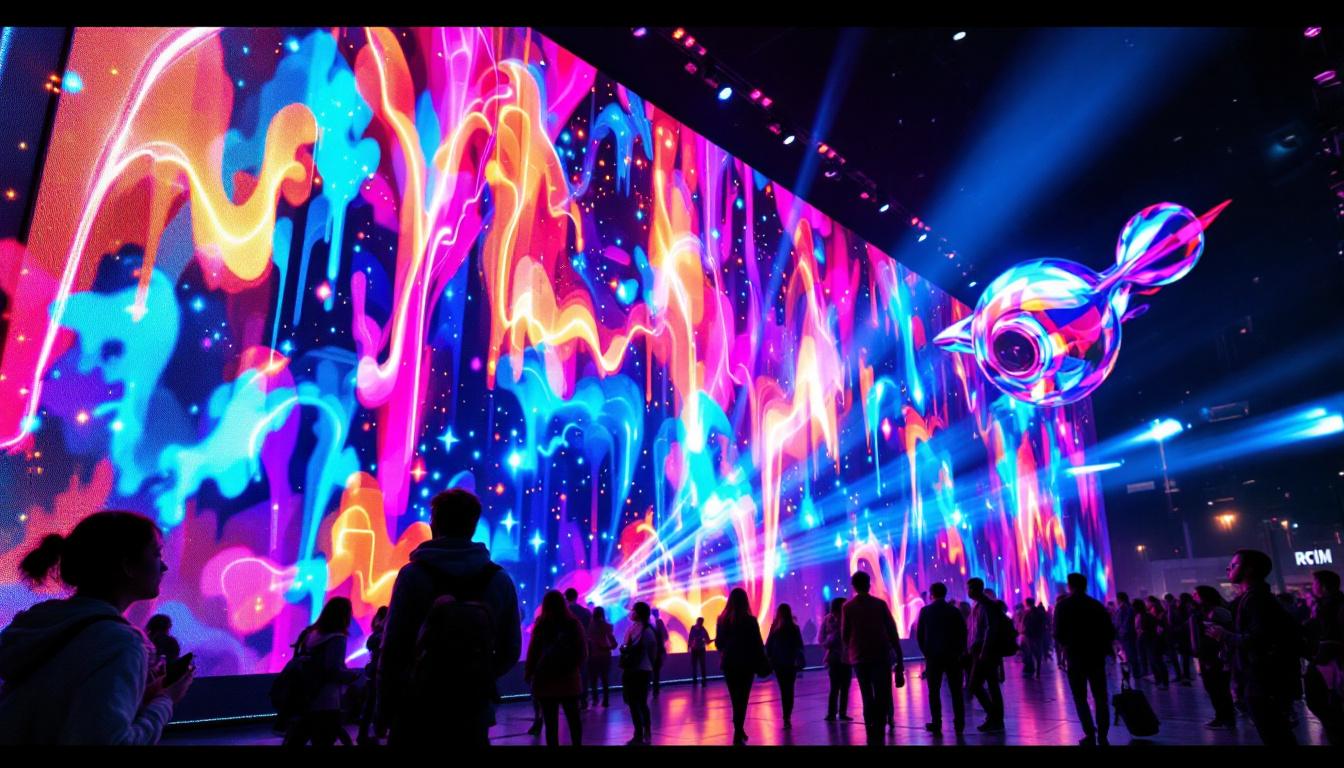
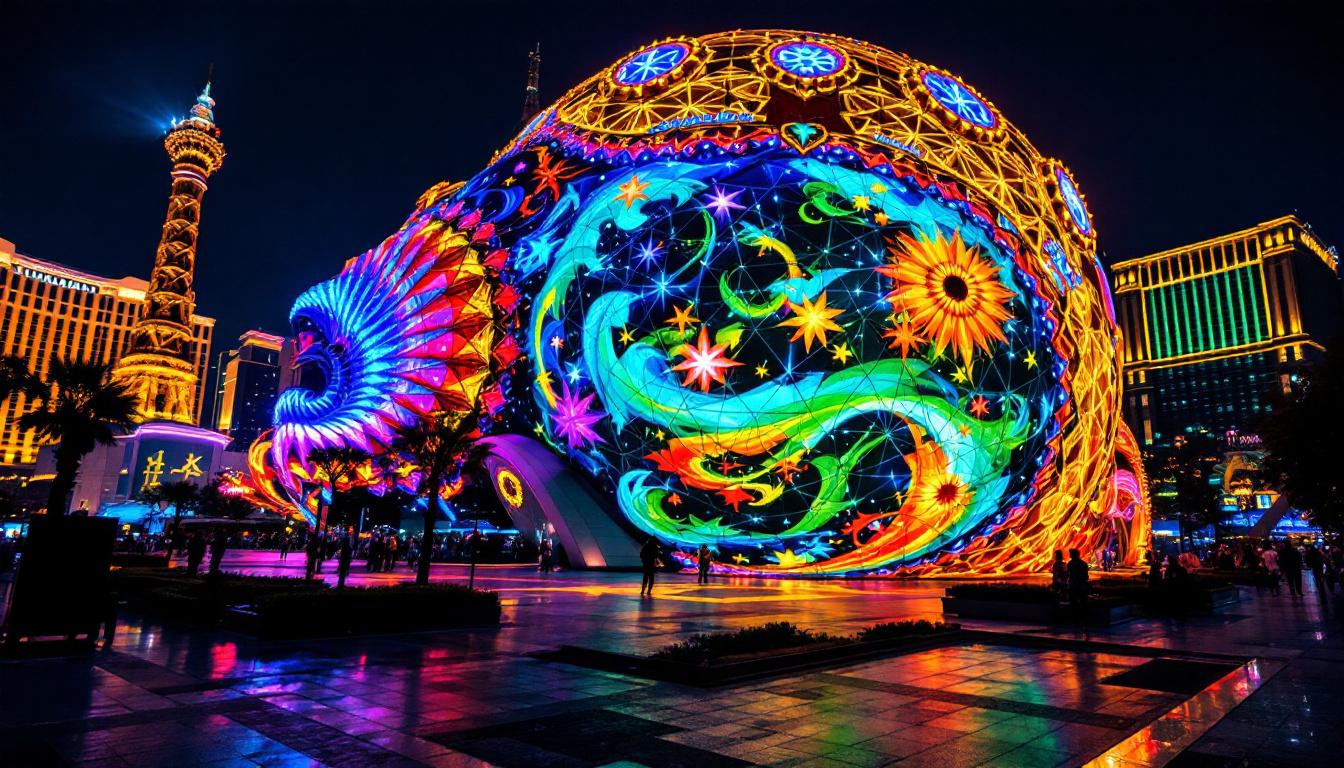
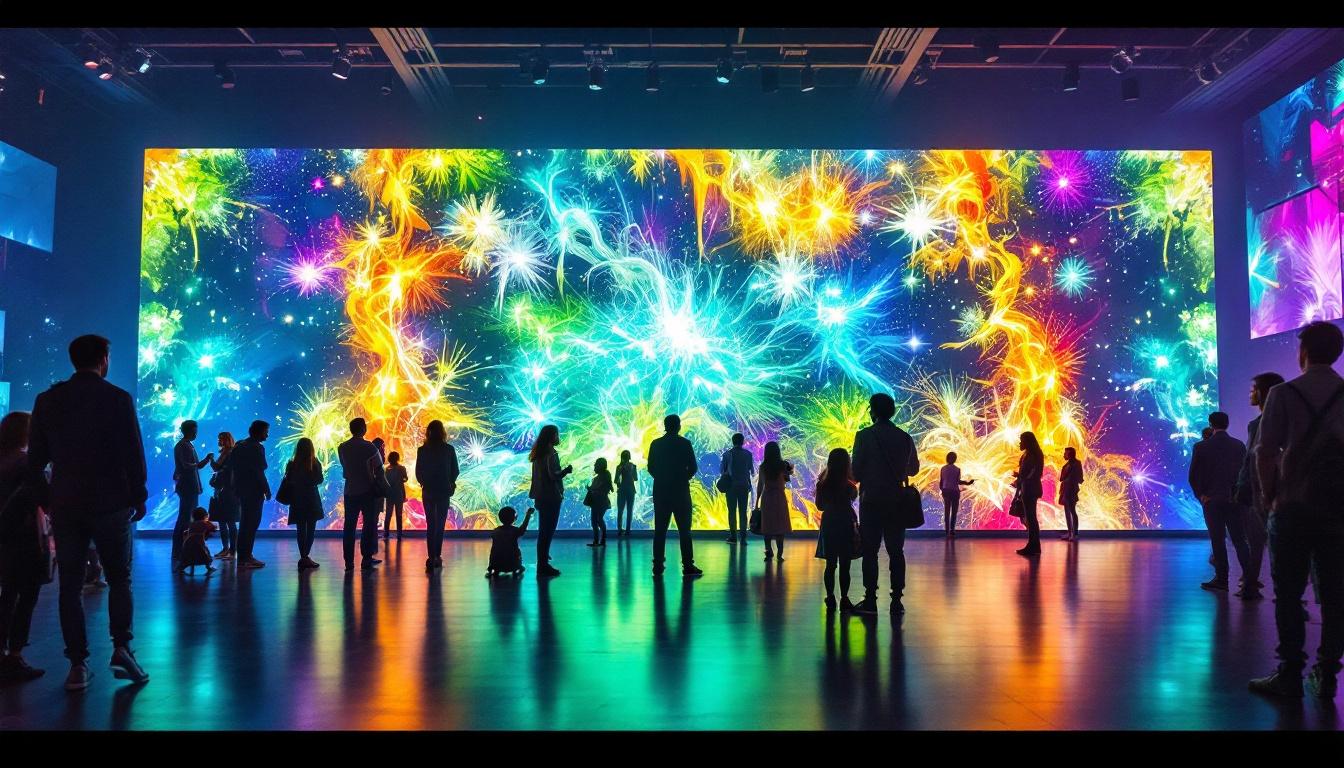
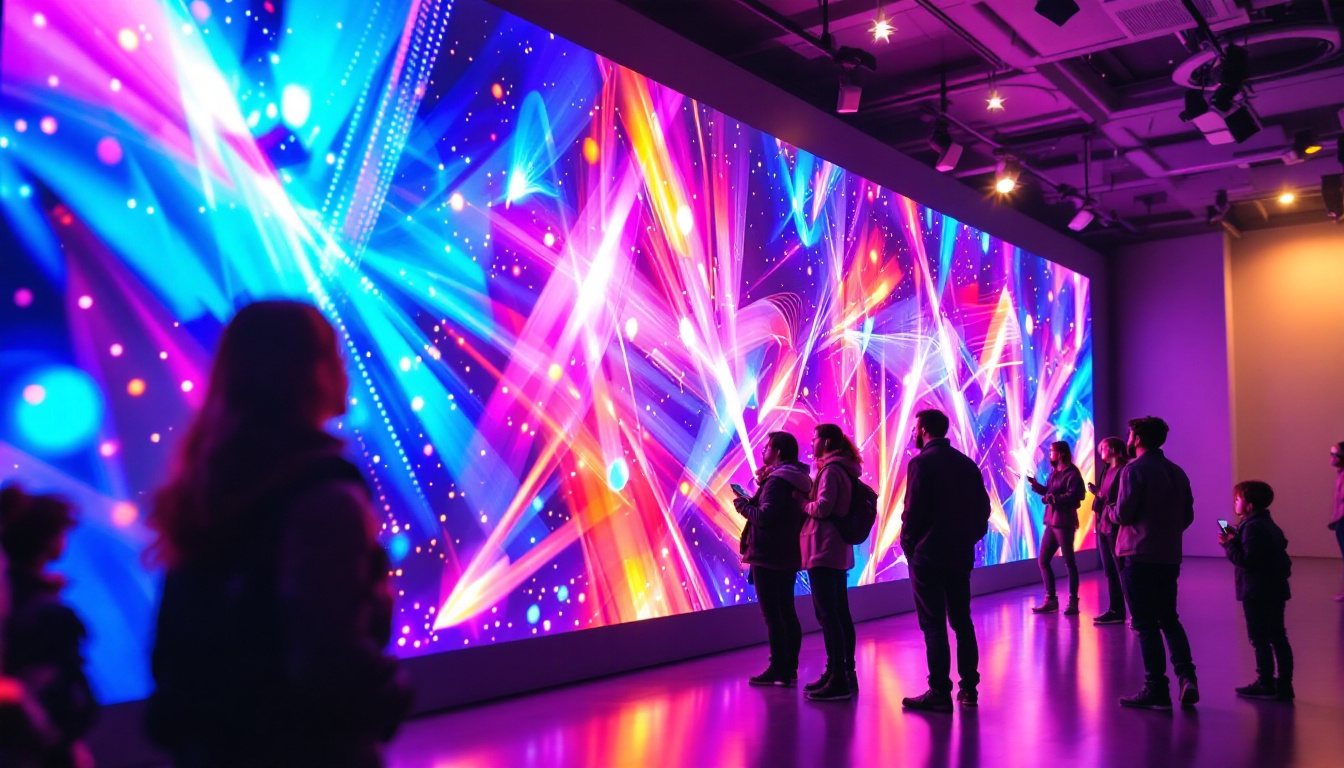
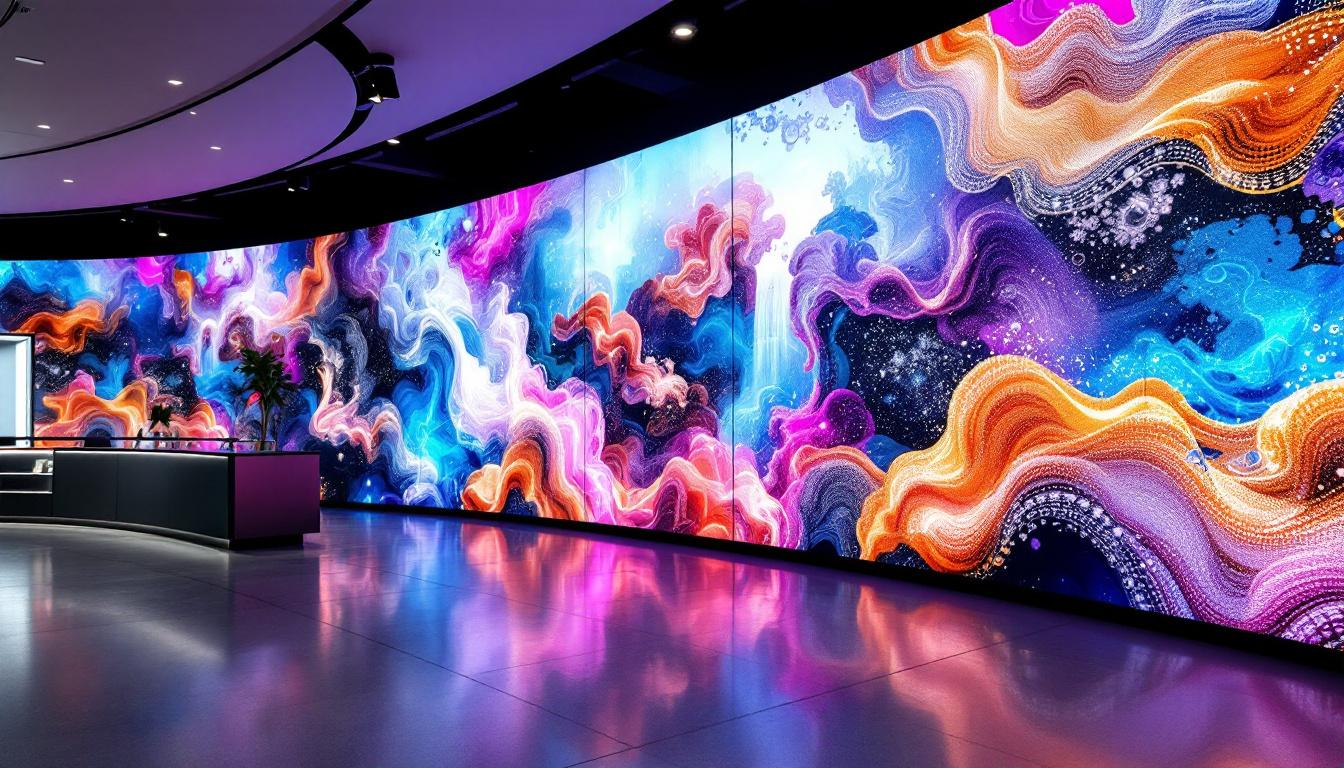
Large-scale LED video walls can be customized in size and shape, providing flexible solutions for marketing, events, and entertainment venues. The modular nature of LED panels allows for easy maintenance and scalability, which is essential for commercial applications.
Limitations and Considerations of LED Displays
Cost Factors
While LED displays have become more affordable over time, high-end models with advanced features like full-array local dimming, high refresh rates, or wide color gamuts can still command premium prices. Consumers and businesses must balance budget constraints with desired performance levels when selecting LED monitors or screens.
Potential for Backlight Bleeding
One common issue with LED-backlit LCDs is backlight bleeding, where light leaks around the edges or corners of the screen. This phenomenon can reduce contrast and cause uneven brightness, particularly noticeable in dark scenes. Although manufacturers have made strides in minimizing this problem, it remains a consideration for users seeking the best possible image quality.
Viewing Angles and Color Shift
LED displays, especially those based on LCD panels, can suffer from limited viewing angles. Colors and brightness may shift when viewed from extreme angles, which can be problematic in multi-user environments or large rooms. Technologies such as IPS (In-Plane Switching) panels help mitigate this issue by providing wider viewing angles and more consistent color reproduction.
The Future of LED Display Technology
Mini-LED and Micro-LED Innovations
Emerging technologies like Mini-LED and Micro-LED are pushing the boundaries of LED displays even further. Mini-LED uses thousands of tiny LEDs for backlighting, enabling more precise local dimming and higher contrast ratios. This technology is already appearing in premium monitors and TVs, offering performance closer to OLED without some of its drawbacks.
Micro-LED takes this a step further by using microscopic LEDs as individual pixels, eliminating the need for a separate backlight. This approach promises exceptional brightness, color accuracy, and longevity, potentially revolutionizing display technology in the coming years.
Integration with Smart and Flexible Displays
LED technology is also being integrated into smart displays and flexible screens. Innovations in materials and manufacturing processes allow for bendable and foldable LED panels, opening new possibilities for device design and user interaction. These developments could lead to versatile gadgets that adapt to different use cases and environments.
Conclusion
LED displays have transformed the way we interact with digital content, offering a compelling combination of brightness, color accuracy, energy efficiency, and design flexibility. From everyday computer monitors to massive outdoor screens, LED technology continues to evolve and improve, meeting the diverse needs of consumers and industries alike. Understanding the principles behind LED displays and their advantages helps users make informed decisions when selecting devices, ensuring the best possible viewing experience.
As advancements like Mini-LED and Micro-LED gain traction, the future promises even more impressive displays that blend performance with innovation. Whether for work, entertainment, or advertising, LED displays remain at the forefront of visual technology, illuminating our digital world with clarity and vibrancy.
Discover LumenMatrix’s Innovative LED Solutions
Ready to experience the pinnacle of LED display technology? LumenMatrix is at the forefront of innovation, offering a wide array of LED solutions that bring your content to life. Whether you need an Indoor LED Wall Display for a corporate event, an Outdoor LED Wall Display for impactful advertising, or any of our specialized displays like Vehicle, Sports, or Floor LED Displays, LumenMatrix has the cutting-edge technology to elevate your visual presence. Embrace the future of digital signage with our Custom, All-in-One, and Transparent LED Displays, designed to captivate and engage your audience. Check out LumenMatrix LED Display Solutions today and transform your visual communication into an unforgettable experience.