In today’s digital age, LED displays have become ubiquitous — from giant billboards towering over cityscapes to the sleek screens on smartphones and laptops. Among the many factors that influence the viewing experience, widescreen dimensions play a crucial role. Understanding how LED display dimensions work, especially in widescreen formats, is essential for industries ranging from advertising to home entertainment and even corporate presentations.
This article delves into the technical and practical aspects of widescreen LED displays. It explains what widescreen dimensions mean, how they are measured, and why they matter. Whether you’re a business owner considering a digital signage upgrade or a tech enthusiast curious about display technology, this comprehensive guide will illuminate the key concepts behind widescreen LED displays.
Understanding LED Display Technology
What is an LED Display?
LED stands for Light Emitting Diode, a semiconductor device that emits light when an electric current passes through it. LED displays consist of thousands to millions of these tiny diodes arranged in a grid to form images and videos. Unlike traditional LCD screens, which rely on backlighting, LED displays generate their own light, resulting in brighter images, deeper blacks, and better energy efficiency.
LED technology is versatile and is used in various formats, including:
- Direct View LED (DVLED): Large-scale displays where each pixel is an individual LED or cluster of LEDs.
- LED-backlit LCD: Common in consumer electronics, where LEDs provide the backlight for an LCD panel.
- MicroLED: An emerging technology that offers even higher resolution and brightness by using microscopic LEDs.
Why LED Displays Are Preferred for Widescreen Formats
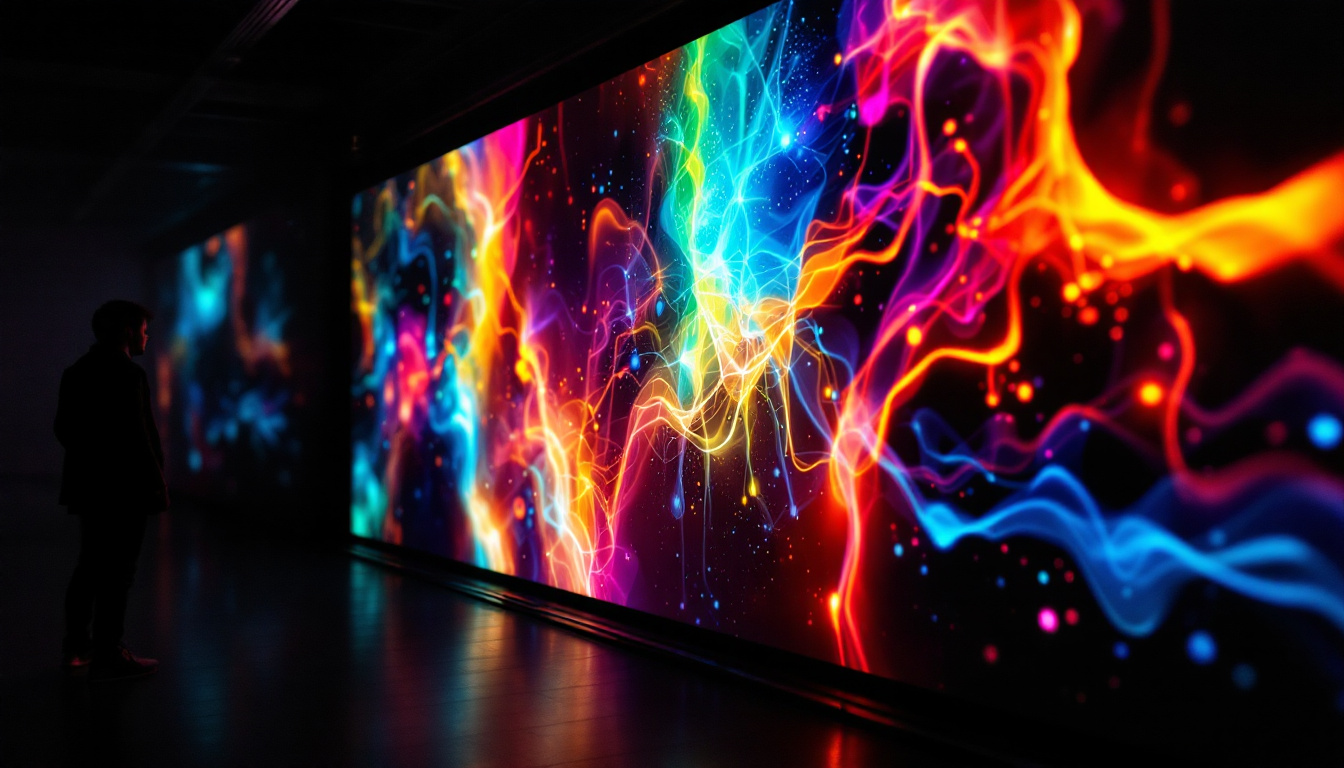
LED displays are particularly well-suited for widescreen formats because of their scalability and brightness. Large LED walls can be custom-built to virtually any size and aspect ratio, making them ideal for widescreen applications such as cinemas, stadiums, and outdoor advertising.
Additionally, LED displays maintain consistent brightness and color accuracy across wide viewing angles, ensuring that audiences experience vivid images regardless of their position relative to the screen. This advantage is critical in widescreen setups where the screen spans a broad horizontal field.
Moreover, LED technology is continually evolving, with advancements in pixel density and color reproduction enhancing the viewing experience even further. For instance, the introduction of HDR (High Dynamic Range) capabilities in LED displays allows for a greater range of colors and contrast ratios, making images appear more lifelike. This is particularly beneficial in environments where visual impact is crucial, such as live events or immersive installations, where every detail can captivate the audience.
Another significant aspect of LED displays is their durability and longevity. Unlike traditional display technologies, which may suffer from burn-in or degradation over time, LED displays are designed to withstand the rigors of continuous operation. This resilience makes them a preferred choice for both indoor and outdoor applications, where they can endure varying weather conditions and still deliver high-quality visuals. As a result, businesses and organizations can invest in LED technology with confidence, knowing that they are choosing a solution that combines performance with reliability.
What Are Widescreen Dimensions?
Defining Aspect Ratio
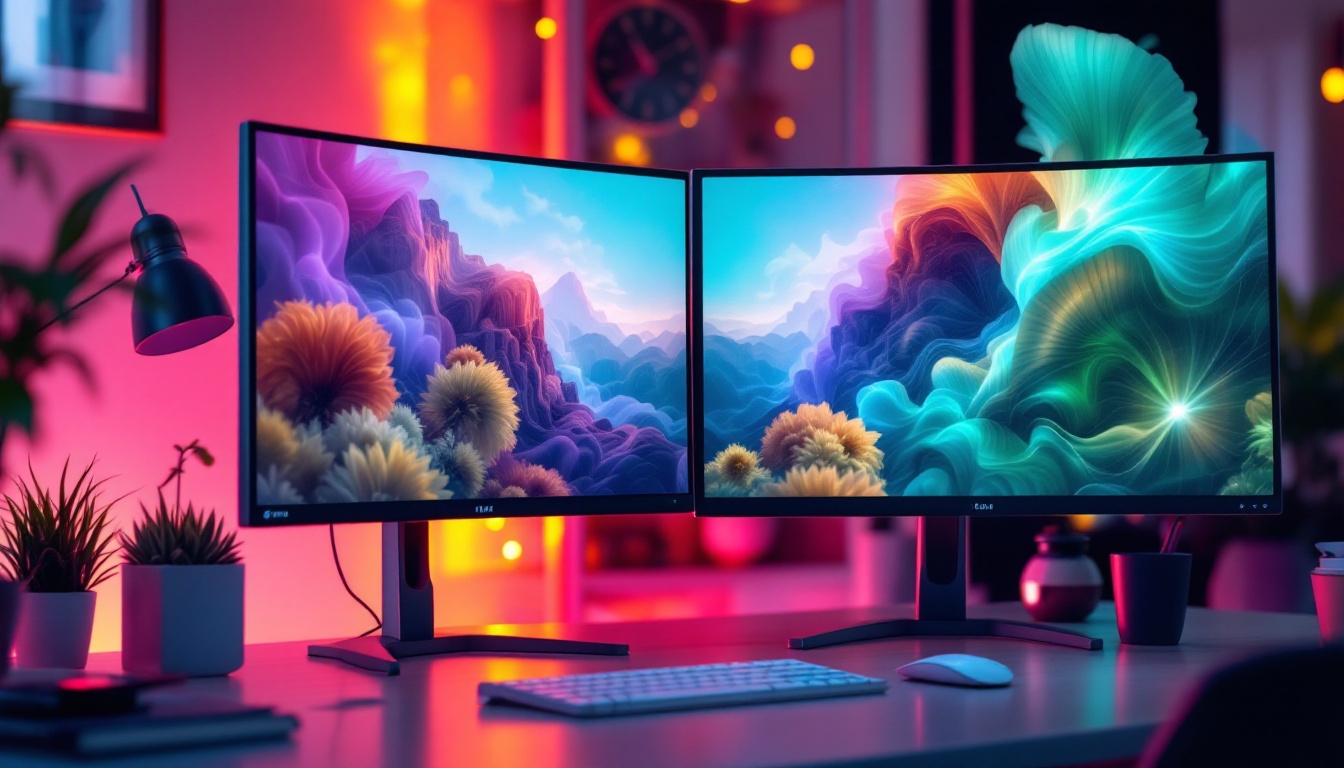
The term “widescreen” primarily refers to a display’s aspect ratio — the proportional relationship between its width and height. Aspect ratio is expressed as two numbers separated by a colon, such as 16:9 or 21:9. These numbers represent the ratio of width to height, not the actual pixel count or size.
For example, a 16:9 aspect ratio means the screen is 16 units wide for every 9 units of height. This ratio has become the standard for HDTVs, computer monitors, and many smartphone displays. In contrast, older television formats used a 4:3 aspect ratio, which is more square-shaped.
Common Widescreen Aspect Ratios
Understanding the variety of widescreen aspect ratios is key to selecting the right LED display for your needs. Some of the most common widescreen ratios include:
- 16:9 (Standard Widescreen): The most widely used aspect ratio for televisions, monitors, and streaming content.
- 21:9 (Ultra-Widescreen): Popular in cinematic displays and some gaming monitors, offering a more immersive experience.
- 32:9 (Super Ultra-Widescreen): Used for panoramic displays and specialized applications such as control rooms and simulators.
Each aspect ratio serves different purposes. For instance, 16:9 is ideal for general multimedia consumption, while 21:9 and beyond cater to cinematic presentations and multitasking environments.
Pixel Dimensions vs. Physical Dimensions
It’s important to distinguish between pixel dimensions and physical dimensions when discussing widescreen LED displays. Pixel dimensions refer to the number of pixels horizontally and vertically (e.g., 1920×1080 pixels), while physical dimensions refer to the actual size of the display in inches, meters, or feet.
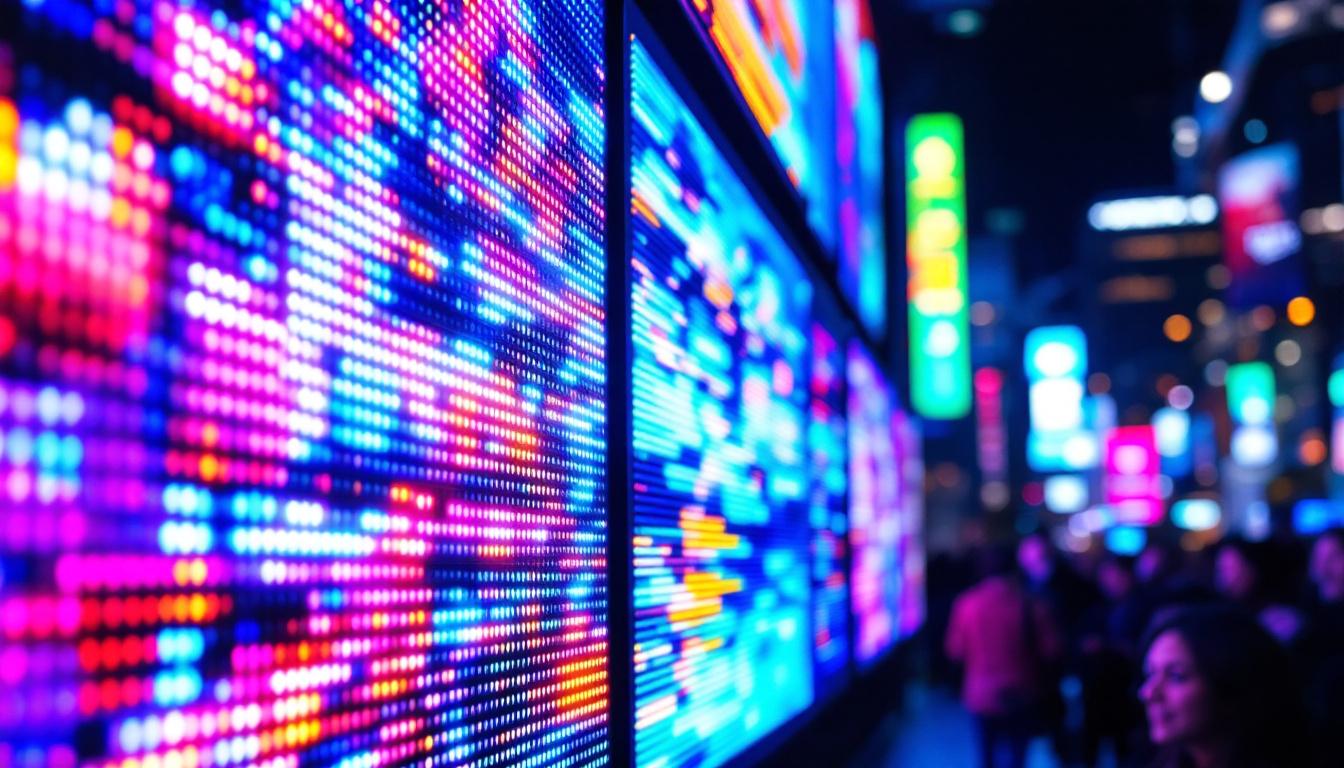
For LED displays, especially large-scale ones, pixel pitch — the distance between the centers of two adjacent pixels — is a critical factor. Smaller pixel pitch means higher resolution and finer image detail, but it also increases cost and complexity. Choosing the right balance depends on viewing distance and application.
Applications of Widescreen LED Displays
Digital Signage and Advertising
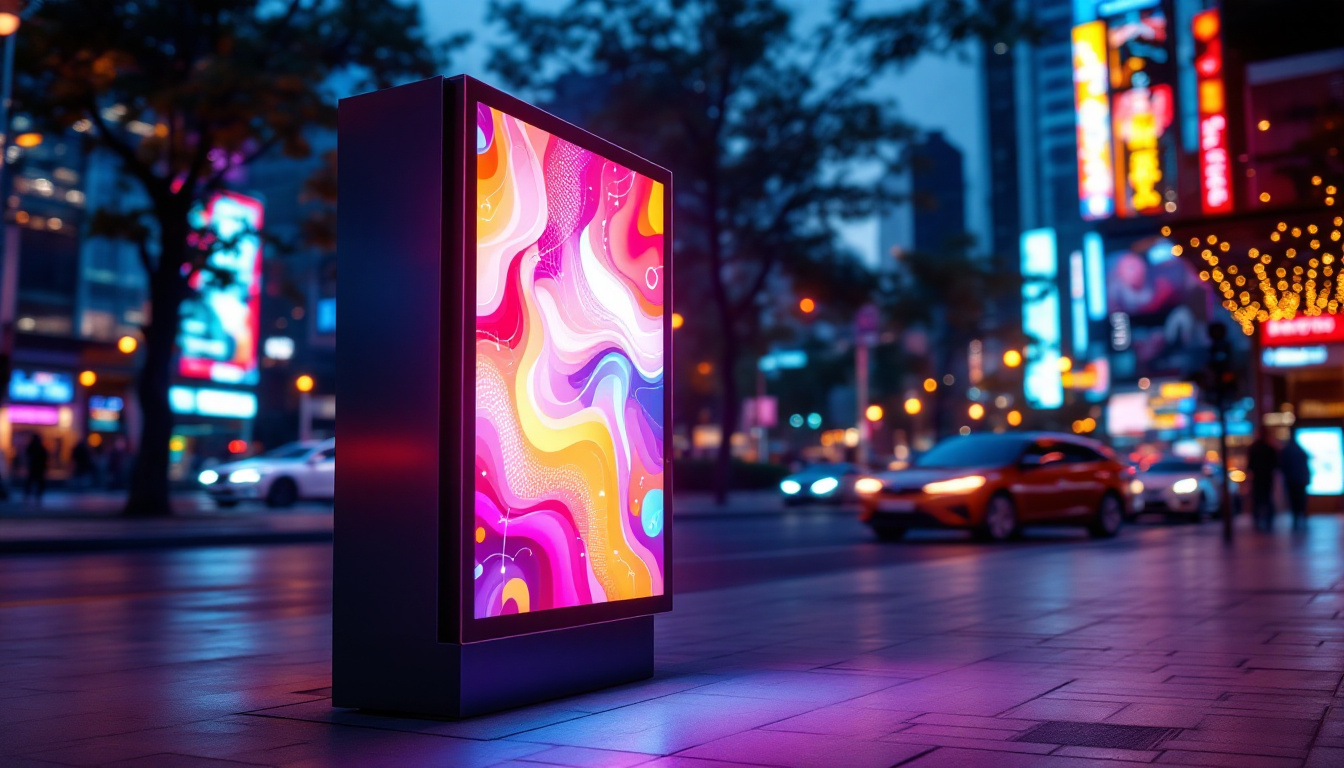
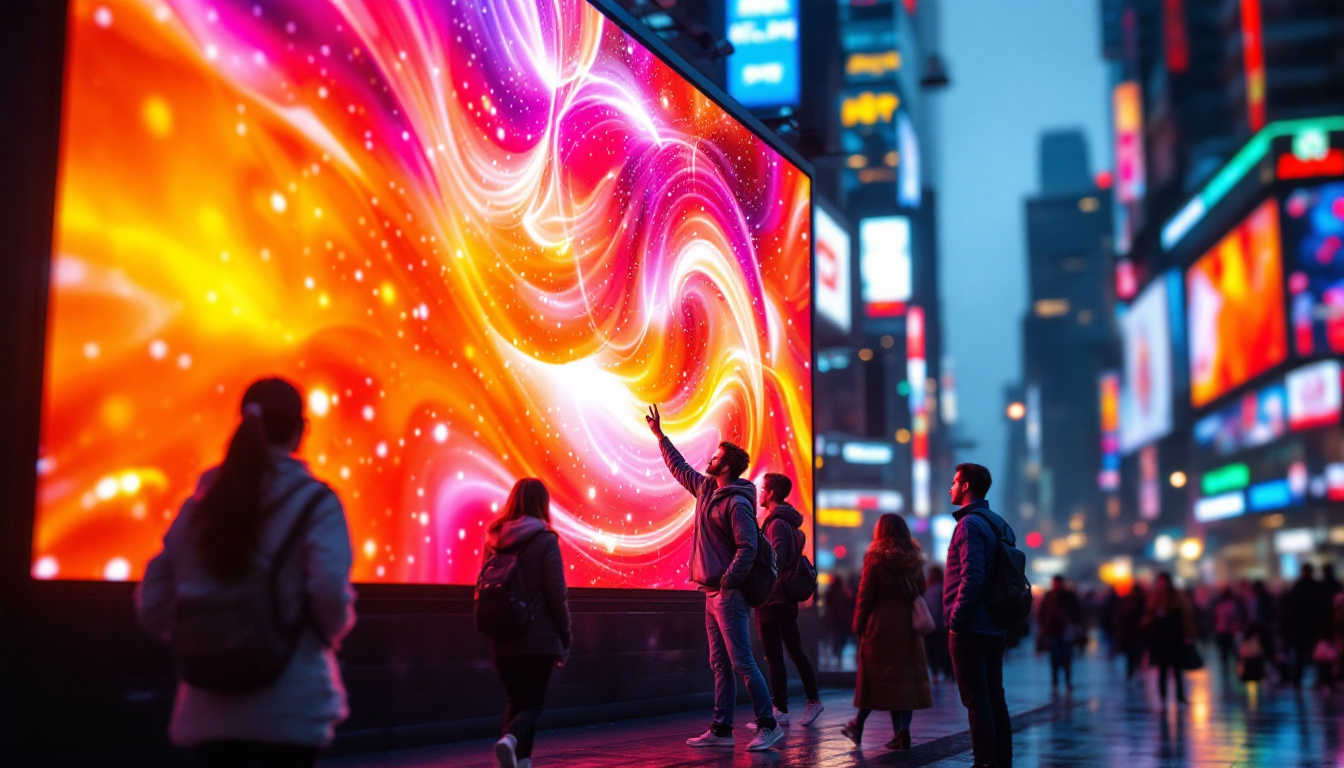
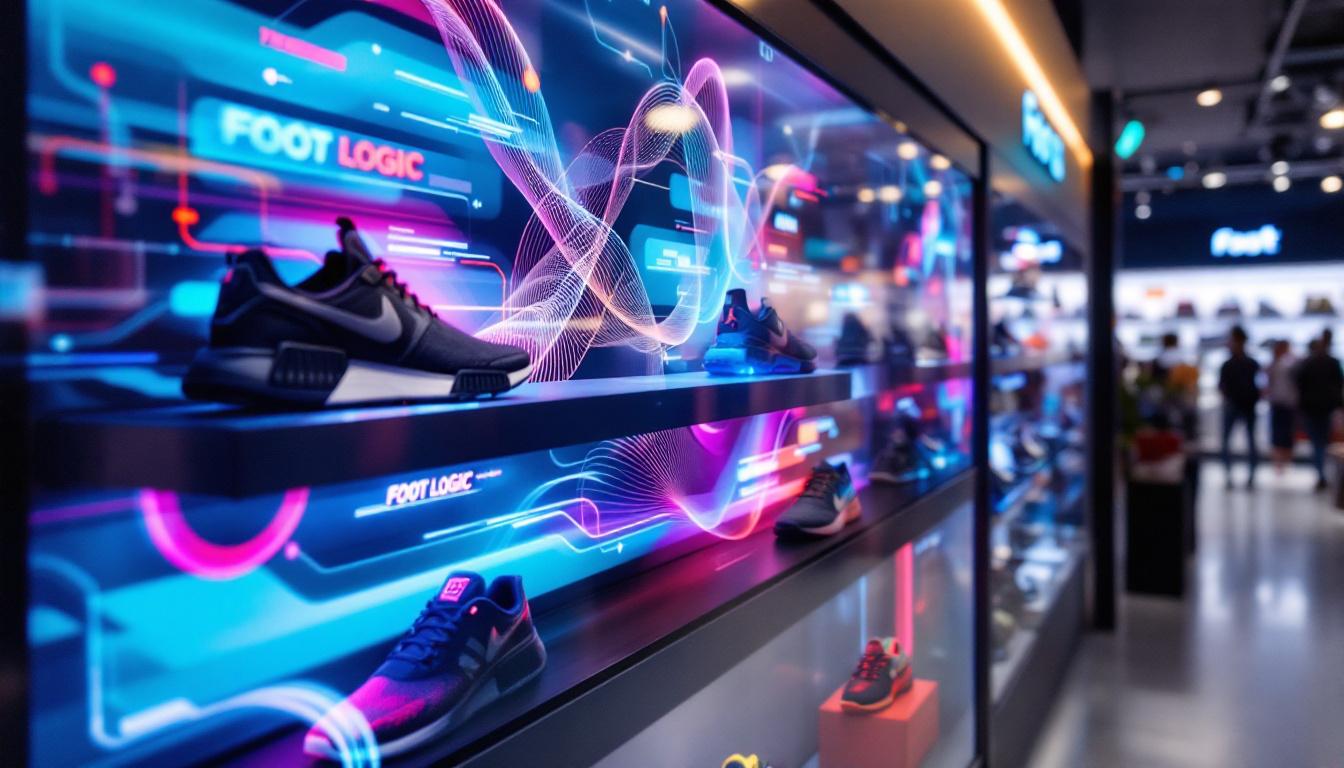
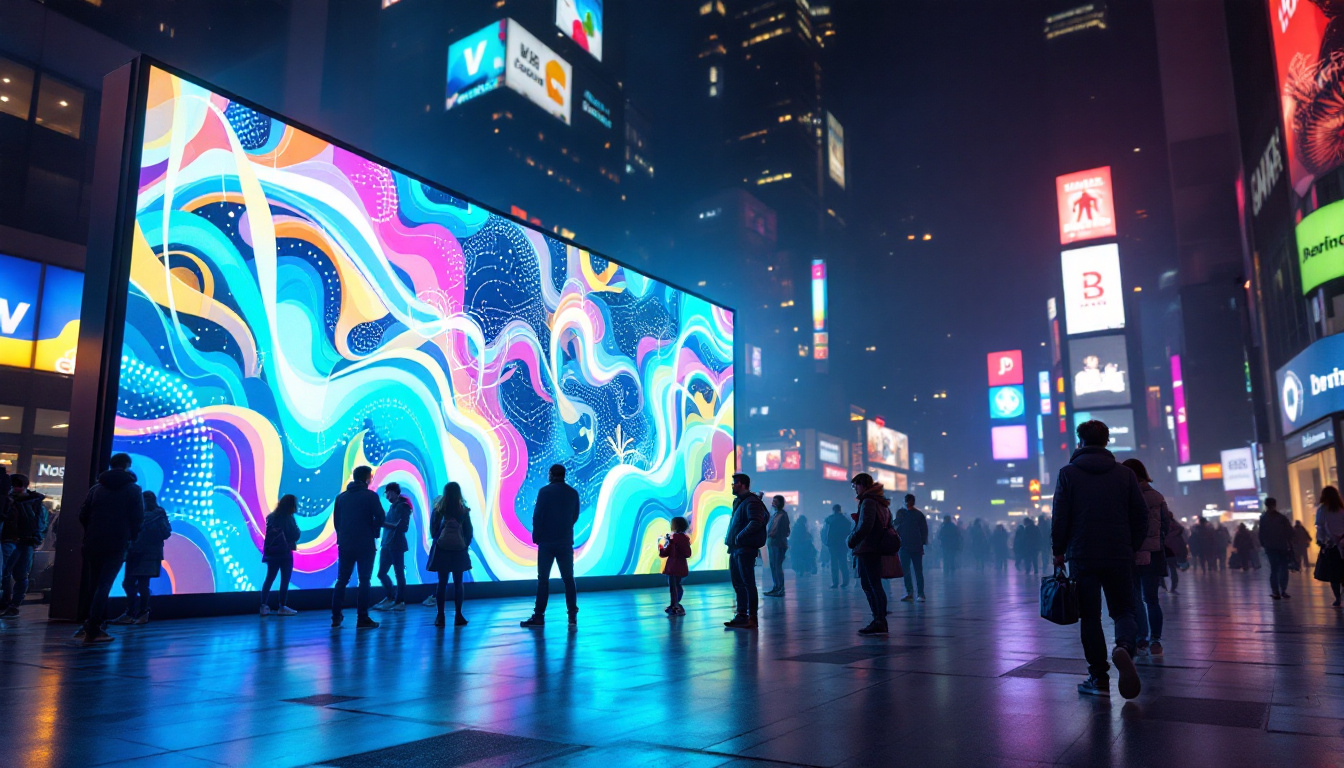
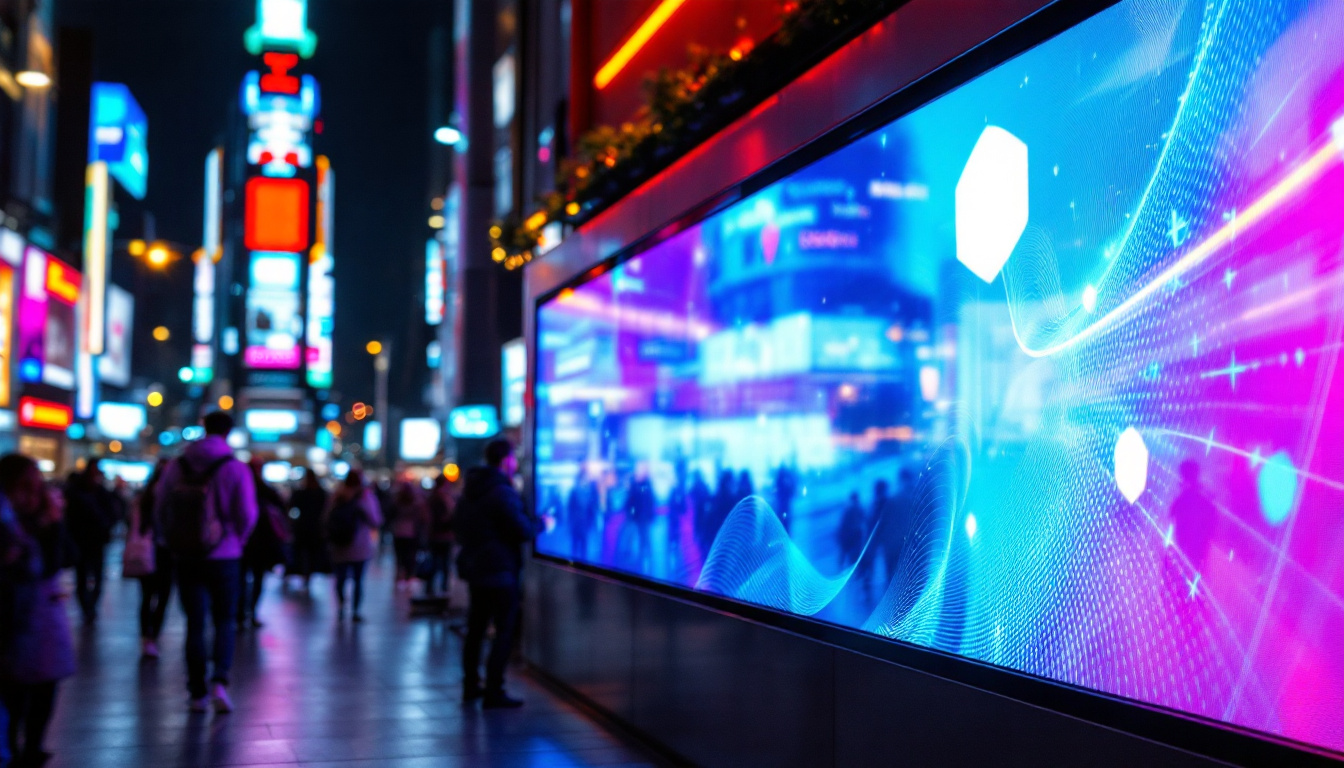
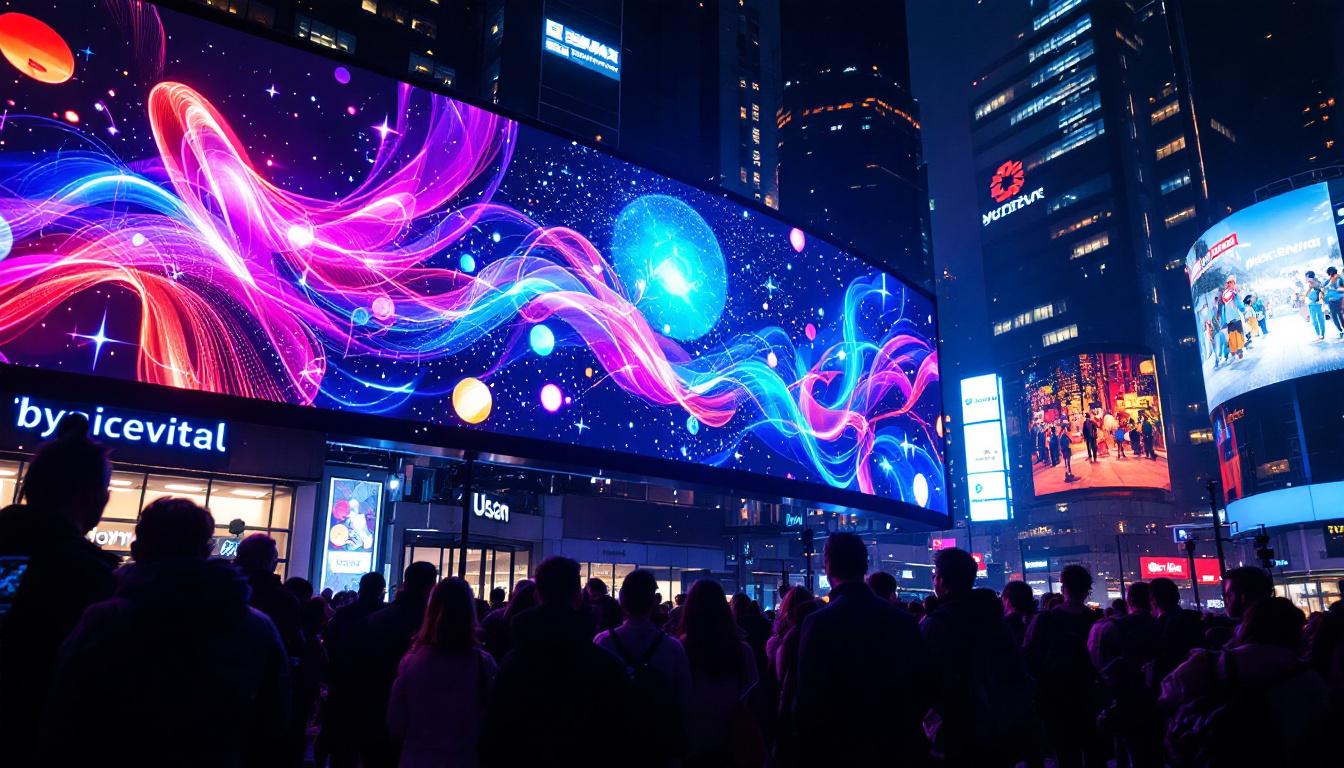
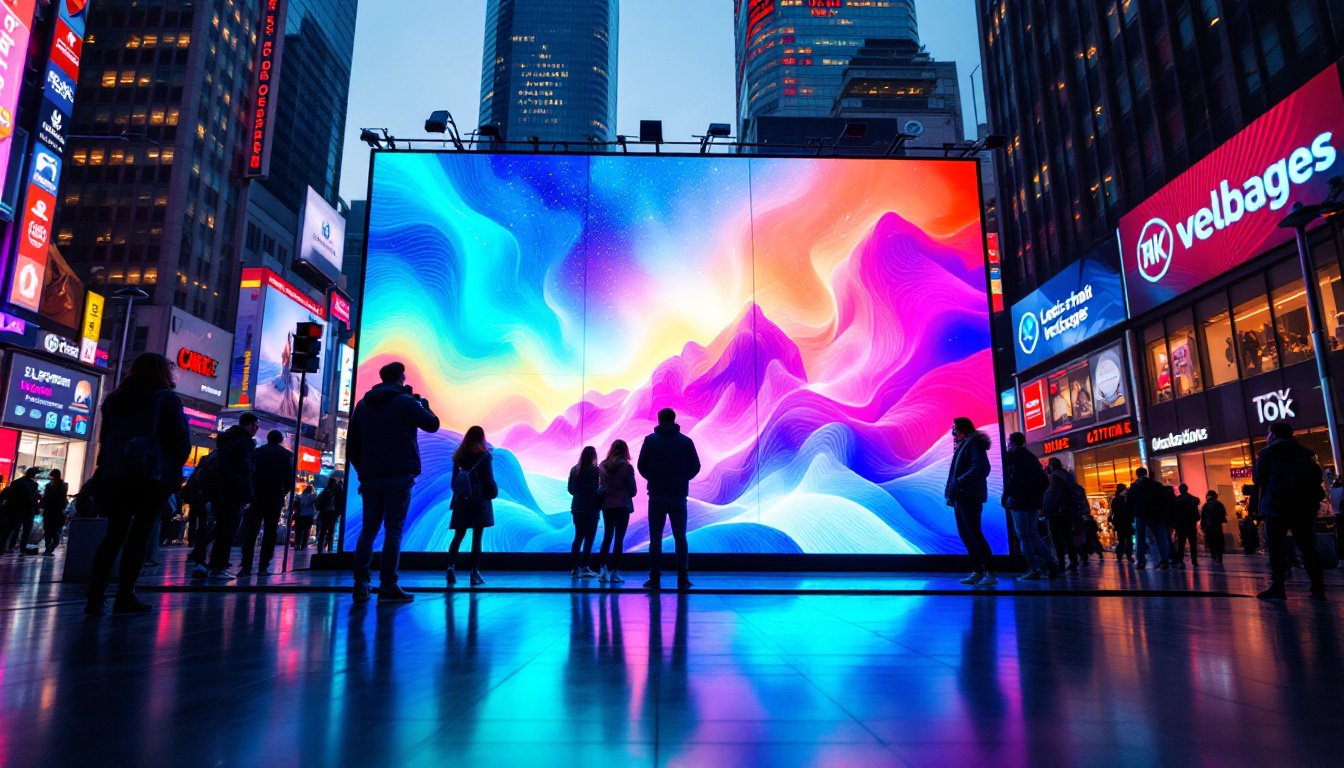
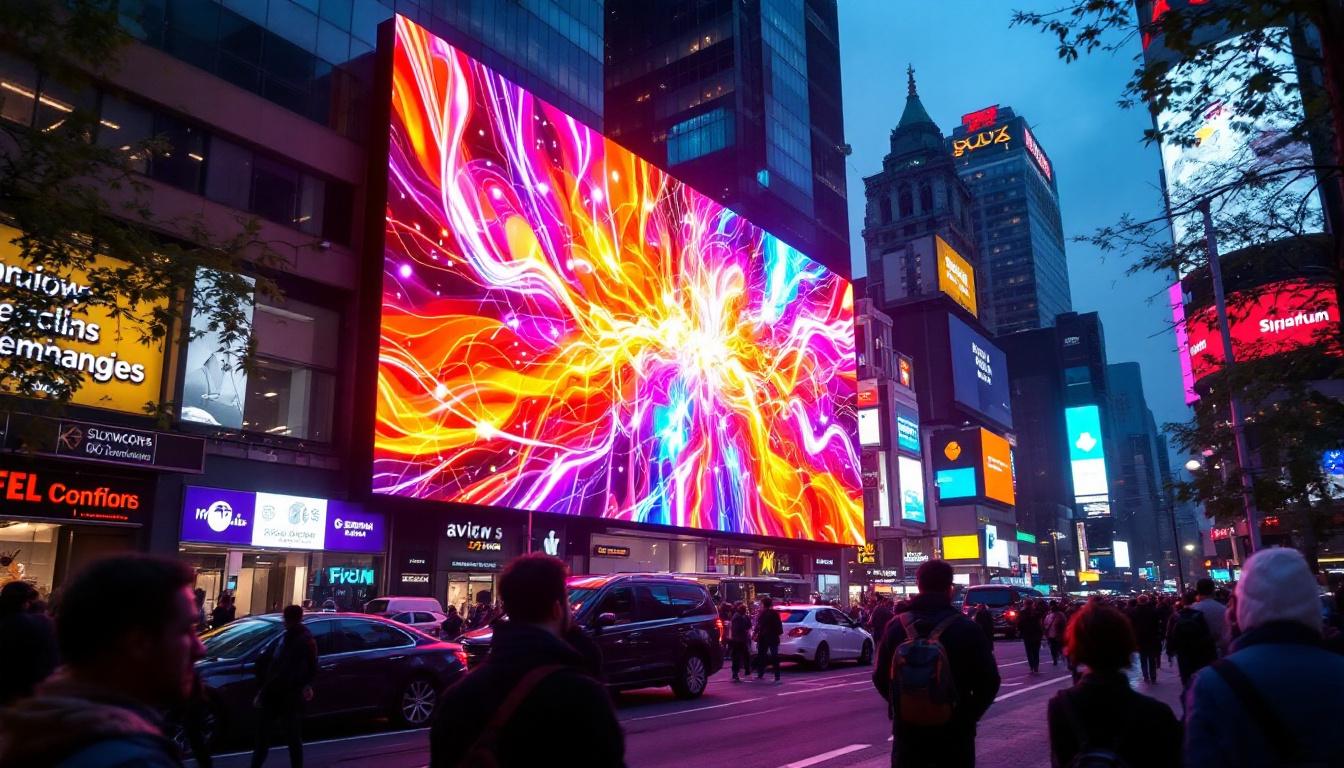
Widescreen LED displays dominate the digital signage market. Their ability to deliver bright, high-contrast images makes them perfect for outdoor advertising, retail displays, and public information boards. For example, Times Square in New York City features numerous massive LED billboards with 16:9 or wider aspect ratios, capturing the attention of millions daily.
Advertisers often prefer widescreen formats because they allow for more dynamic content layouts, combining video, text, and images seamlessly. The flexibility in dimensions also means displays can be tailored to fit unique architectural spaces.
Entertainment and Cinemas
In the entertainment industry, widescreen LED displays are revolutionizing cinemas and home theaters. Ultra-widescreen formats like 21:9 mimic the aspect ratio used in many films, providing a more immersive viewing experience without black bars on the top and bottom of the screen.
LED cinema screens, such as Samsung’s Onyx series, offer superior brightness and contrast compared to traditional projection, enhancing picture quality even in well-lit environments. These screens are often configured in widescreen dimensions to match movie content perfectly.
Corporate and Event Displays
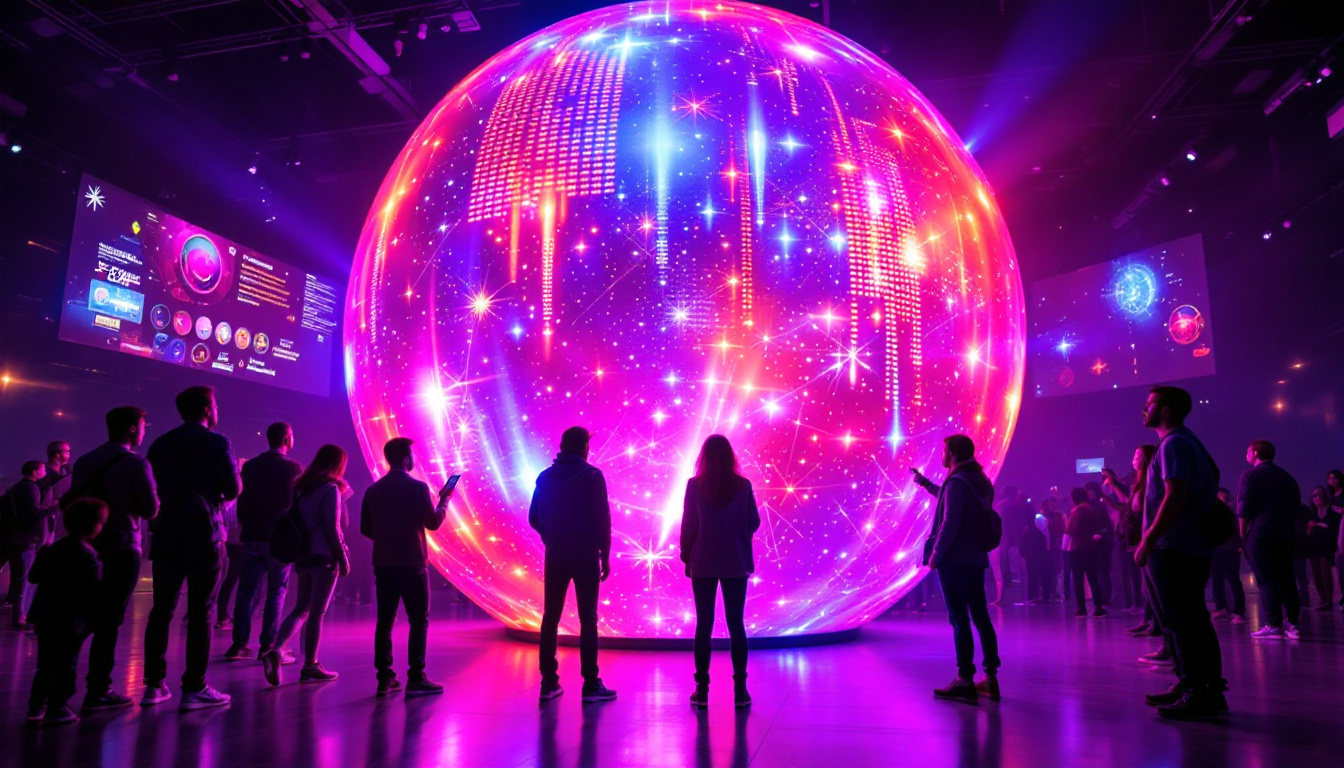
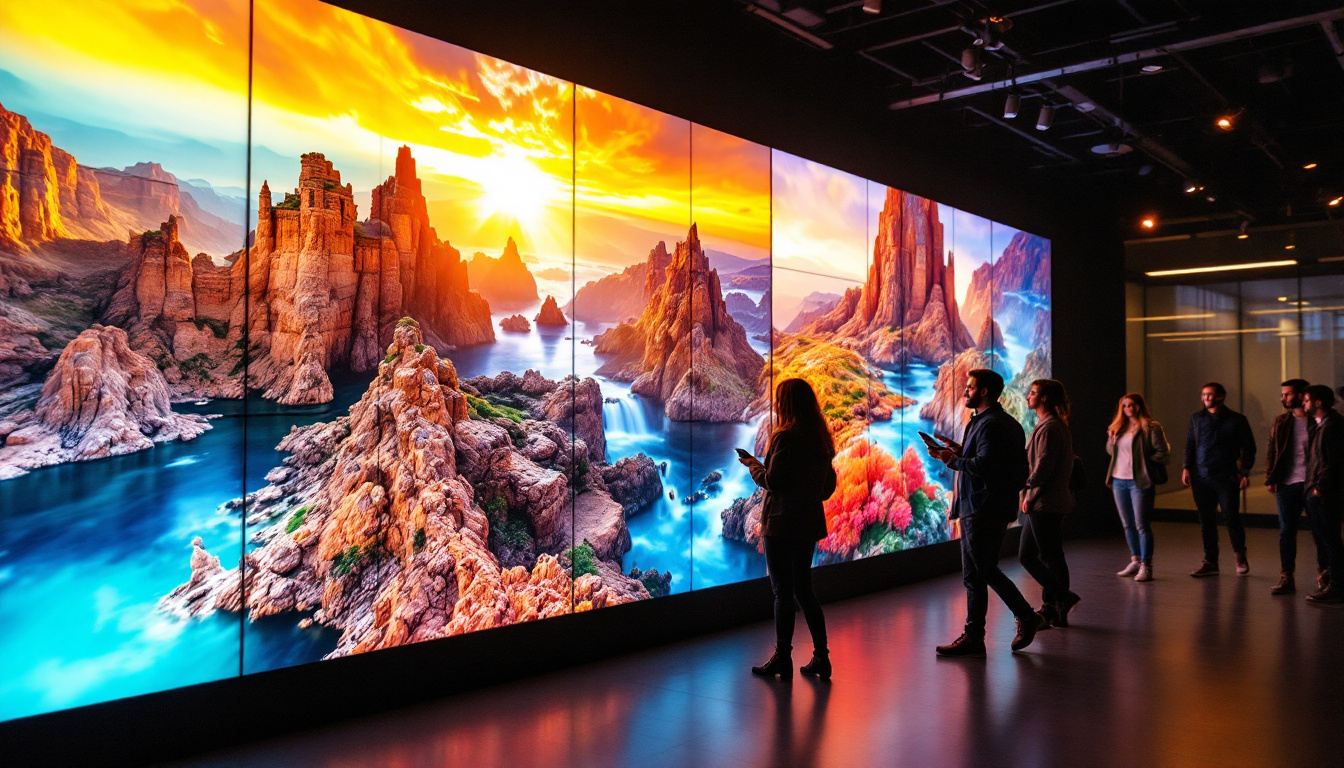
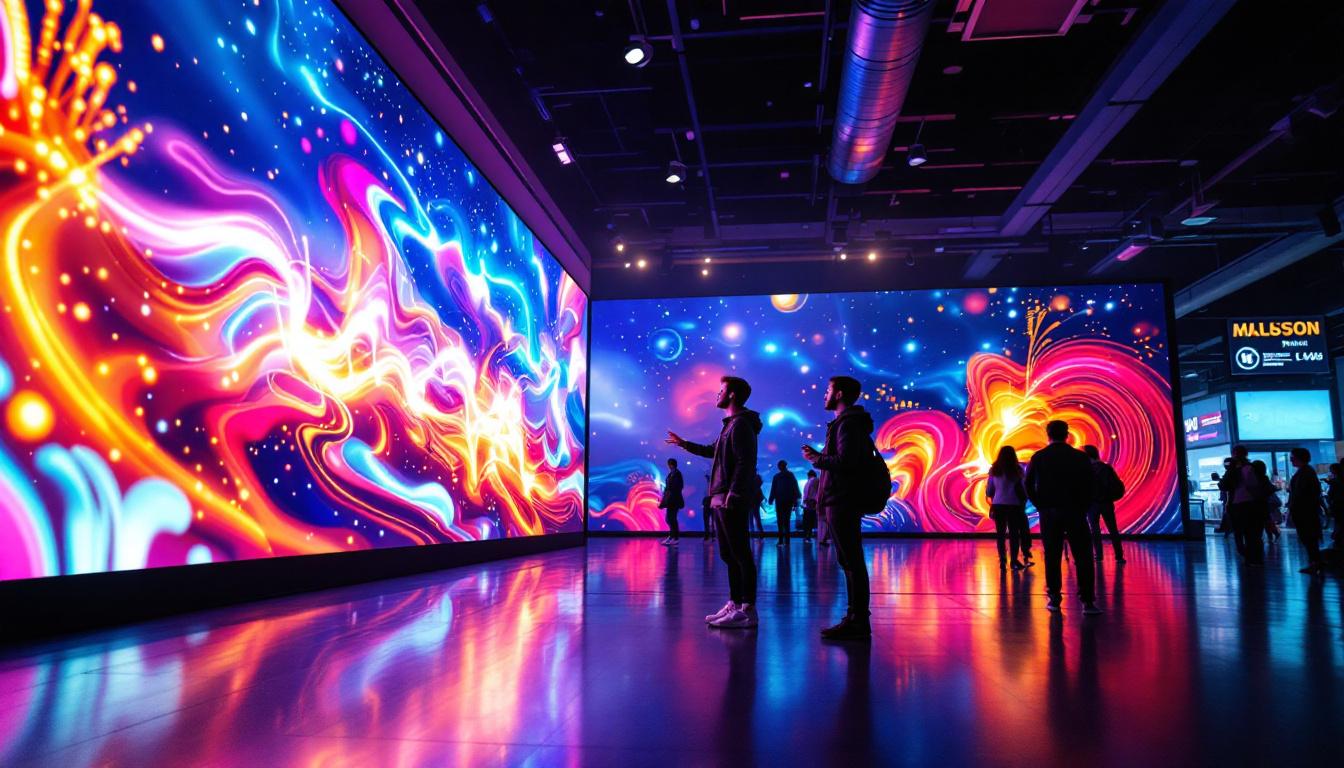
For corporate events, conferences, and exhibitions, widescreen LED displays provide versatile solutions for presentations, live streaming, and interactive content. Large LED walls can be assembled in custom widescreen formats to fit stages or auditoriums, ensuring all attendees have a clear view.
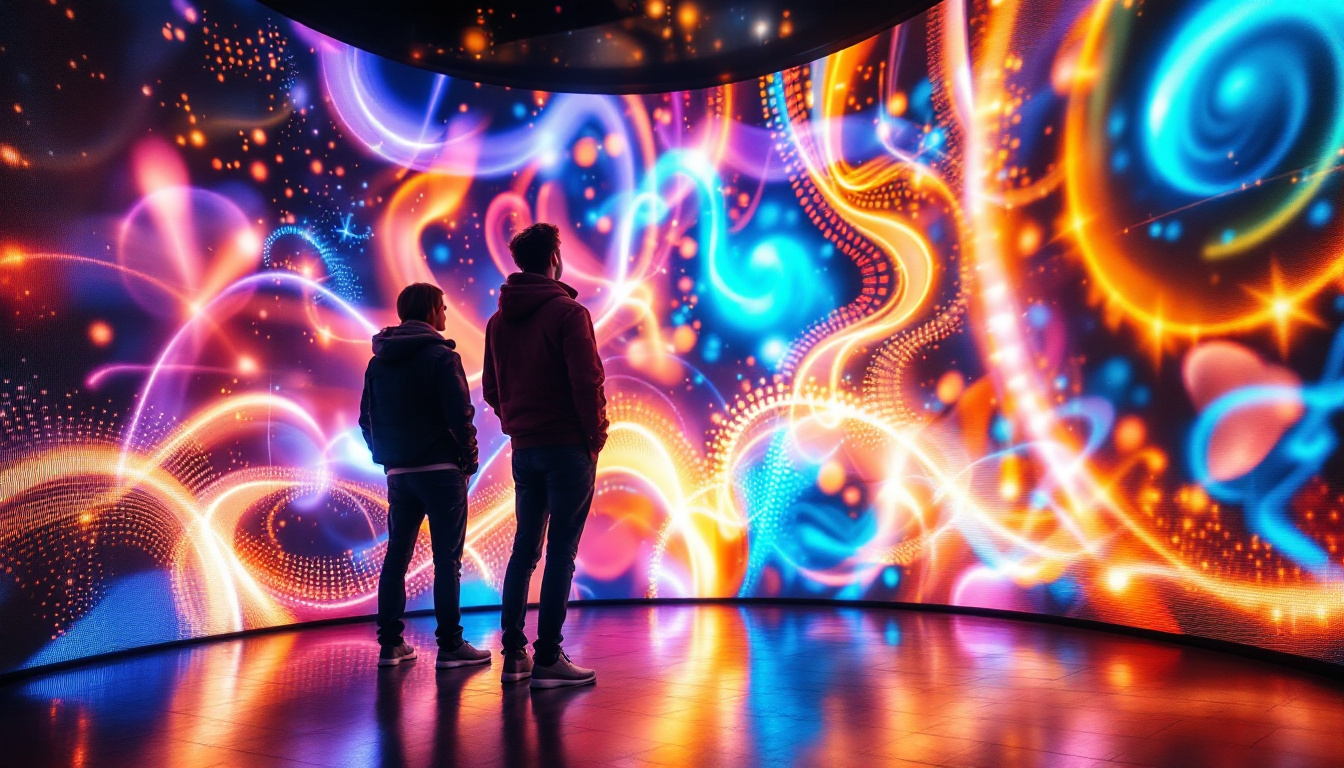
Moreover, the modular nature of LED panels allows event organizers to create curved or angled widescreen setups, enhancing audience engagement and visual impact.
Choosing the Right Widescreen Dimensions for Your LED Display
Consider Viewing Distance and Environment
The optimal widescreen dimensions and resolution depend heavily on the viewing distance and environment. For example, a large outdoor billboard viewed from hundreds of feet away can have a larger pixel pitch and still appear sharp. Conversely, indoor displays viewed from closer distances require finer pixel pitches to avoid visible pixelation.
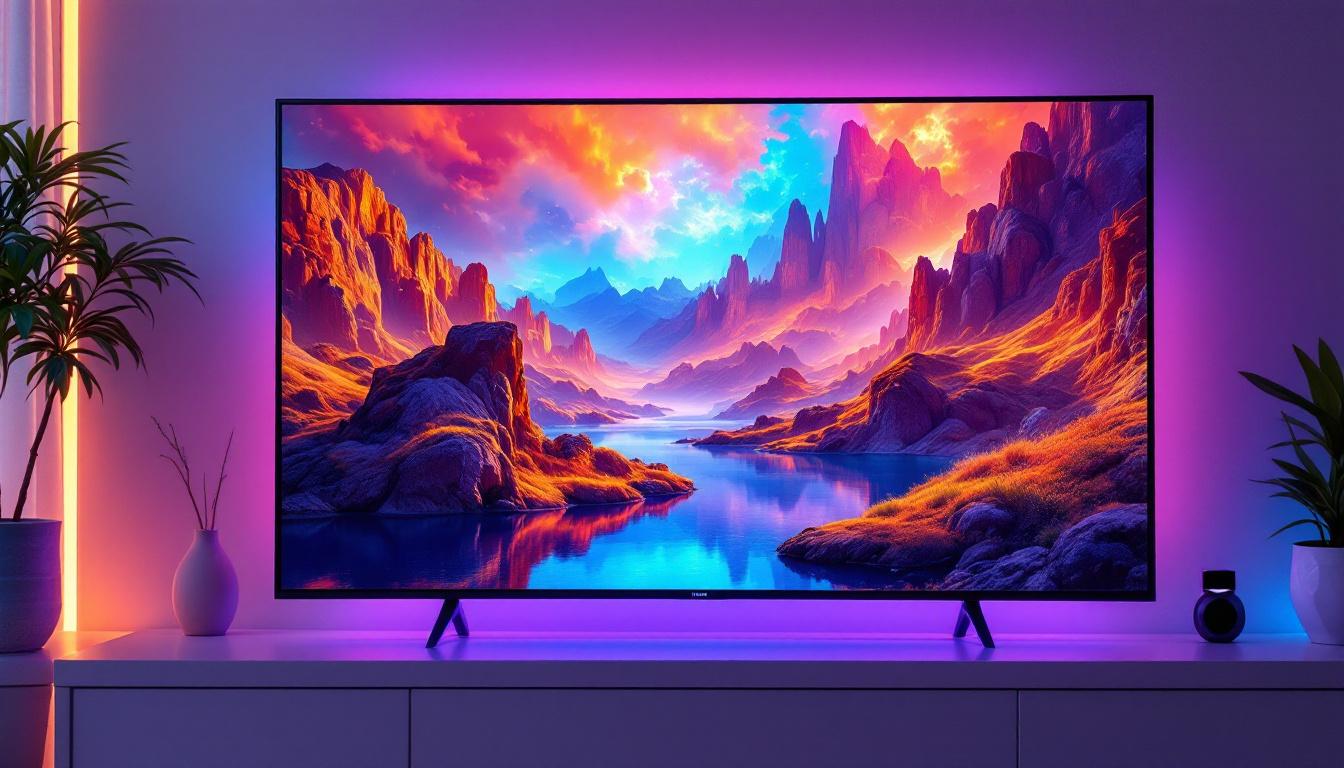
Understanding the typical viewing distance helps determine the necessary resolution and aspect ratio. For instance, a 16:9 LED display with 4K resolution (3840×2160 pixels) is ideal for close-range viewing, such as in retail or corporate settings.
Match Content and Purpose
Choosing the right widescreen aspect ratio also involves considering the type of content you plan to display. If your content is primarily video or television broadcasts, 16:9 is the natural choice. For cinematic content or immersive gaming, ultra-widescreen formats like 21:9 provide a better fit.
In some cases, custom aspect ratios may be necessary for unique architectural or branding requirements. Many LED manufacturers offer bespoke solutions to accommodate these needs.
Budget and Installation Constraints
Cost is always a factor when selecting LED displays. Larger screens with higher resolutions and smaller pixel pitches come at a premium. Additionally, installation logistics, such as available wall space, structural support, and power requirements, can influence the feasible dimensions.
Working with experienced LED display providers can help balance these factors to achieve the best widescreen solution within your budget and physical constraints.
Future Trends in Widescreen LED Displays
MicroLED and Higher Resolutions
The future of widescreen LED displays lies in emerging technologies like MicroLED, which promises even greater brightness, contrast, and energy efficiency. MicroLED displays can achieve extremely high resolutions with tiny pixel pitches, making them ideal for ultra-widescreen formats in both commercial and consumer applications.
As production costs decrease, MicroLED could become the standard for large widescreen displays, offering unparalleled image quality and durability.
Flexible and Curved Displays
Another exciting trend is the development of flexible and curved LED panels. These allow widescreen displays to wrap around corners or create immersive environments such as 360-degree video walls. Such innovations open new possibilities for advertising, entertainment, and interactive experiences.
Integration with Smart Technologies
Widescreen LED displays are increasingly integrated with smart technologies, including AI-driven content management, real-time analytics, and interactive touch capabilities. This integration enhances the effectiveness of widescreen digital signage and event displays by enabling personalized content delivery and responsive user engagement.
Conclusion
Widescreen dimensions are a fundamental aspect of LED display technology, influencing everything from image quality to user experience. Understanding aspect ratios, pixel pitch, and the specific needs of your application is essential for selecting the right widescreen LED display.
As LED technology continues to evolve, widescreen displays will become even more versatile, immersive, and impactful across industries. Whether for advertising, entertainment, or corporate use, investing in the right widescreen LED display can significantly enhance visual communication and audience engagement.
By staying informed about current standards and emerging trends, businesses and consumers alike can make smarter decisions that maximize the benefits of widescreen LED technology.
Discover the Future of Widescreen LED Displays with LumenMatrix
Ready to elevate your visual experience with the latest in widescreen LED display technology? LumenMatrix is at the forefront of innovation, offering a diverse range of solutions tailored to meet your unique needs. From captivating Indoor LED Wall Displays to dynamic Outdoor LED Wall Displays, and from versatile Vehicle LED Displays to sleek LED Poster Displays, our products are designed to make your brand stand out. Embrace the power of cutting-edge LED Sports Displays, interactive Floor LED Displays, and the creativity of Custom LED Displays. Experience the convenience of All-in-One LED Displays and the stunning visuals of LED Transparent Displays. Transform your visual communication and engage your audience like never before. Check out LumenMatrix LED Display Solutions today and join the revolution in display technology.