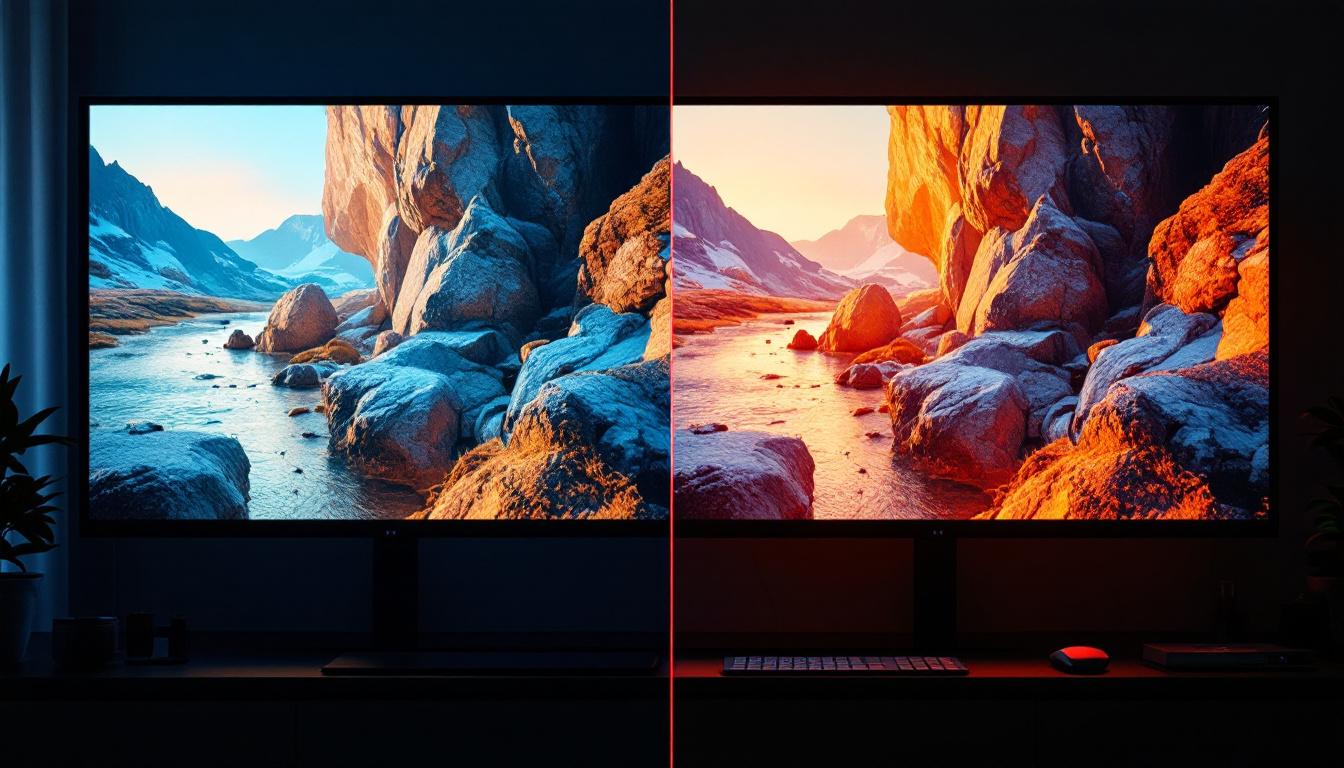
Flat panel monitors have become the standard in both professional and consumer environments, replacing older bulky CRT displays with sleek, energy-efficient screens. Among the various types of flat panel technologies, LED displays stand out for their superior image quality, energy efficiency, and versatility. This article delves into the intricacies of LED flat panel monitors, explaining how they work, their advantages and limitations, and what to consider when choosing one.
Understanding Flat Panel Monitor Technologies
The Evolution from CRT to Flat Panels
Before the advent of flat panel monitors, Cathode Ray Tube (CRT) technology dominated the display market. CRTs, while capable of delivering good image quality, were bulky, heavy, and consumed significant power. The transition to flat panel displays began in the late 1990s and early 2000s with the introduction of Liquid Crystal Display (LCD) technology, which offered a much slimmer profile and lower power consumption.
Flat panel monitors use thin layers of materials to create images, resulting in lighter and more compact screens. Among flat panels, several technologies exist, including LCD, OLED, and plasma. However, LCDs with LED backlighting have become the most prevalent due to their balance of performance, cost, and energy efficiency. The rapid advancement in manufacturing techniques has also played a crucial role in making these technologies more accessible to consumers, leading to a wider adoption across various applications, from personal computing to professional graphics work.
Moreover, the shift to flat panel technology has not only transformed the aesthetics of monitors but has also influenced the design of workspaces and entertainment systems. With their sleek profiles, flat panels can be mounted on walls, saving valuable desk space and allowing for more versatile arrangements. This has been particularly beneficial in environments like offices and homes, where maximizing space is essential. The integration of flat panel displays into everyday life has also paved the way for innovations in multitasking and productivity, enabling users to work with multiple applications side by side on larger screens.
What is an LED Display?
Despite the name, LED displays in the context of flat panel monitors typically refer to LCD screens that use Light Emitting Diodes (LEDs) as their backlight source. This is different from true LED displays, such as those used in large outdoor screens, which use individual LEDs to form the image directly.
In an LED-backlit LCD monitor, the display panel itself is made up of liquid crystals that modulate light to produce images. The LEDs provide the illumination needed for the liquid crystals to function. This technology replaced older Cold Cathode Fluorescent Lamps (CCFLs) used in early LCDs, resulting in thinner, brighter, and more energy-efficient screens. The introduction of LED backlighting has also led to improvements in color accuracy and contrast ratios, making images appear more vibrant and lifelike. Furthermore, advancements like local dimming technology allow for specific areas of the screen to be dimmed or brightened independently, enhancing the overall viewing experience, especially in dark scenes.
As consumers become more discerning about display quality, manufacturers have responded by developing various types of LED technologies, such as edge-lit and full-array backlighting. Edge-lit displays use LEDs positioned along the edges of the screen, while full-array displays have a grid of LEDs behind the entire screen for more uniform lighting. This diversification has enabled users to choose monitors that best suit their needs, whether for gaming, graphic design, or general use, thus highlighting the importance of understanding these technologies in making informed purchasing decisions.
How LED Flat Panel Monitors Work
The Role of Liquid Crystals and Backlighting
At the heart of an LCD panel are liquid crystals, which have properties between those of liquids and solid crystals. These crystals can be manipulated by electric currents to control the passage of light. However, liquid crystals do not emit light themselves; they require a light source behind them to be visible.
This is where the LED backlighting comes in. The LEDs illuminate the liquid crystal layer from behind (in most cases), and the crystals adjust the light’s intensity and color to form the image displayed on the screen. The combination of liquid crystal modulation and LED illumination creates the vibrant images seen on modern flat panel monitors.
Types of LED Backlighting
There are two primary methods of LED backlighting used in flat panel monitors: edge-lit and direct-lit (or full-array).
- Edge-Lit LED: LEDs are positioned along the edges of the screen, and light is spread across the display using light guides. This allows for thinner monitors but can lead to uneven brightness and less precise local dimming.
- Direct-Lit (Full-Array) LED: LEDs are placed directly behind the entire screen area, enabling better control over brightness and contrast through local dimming zones. This results in improved picture quality, especially in darker scenes.
Choosing between these two depends on the intended use, budget, and desired image quality.
Advantages of LED Flat Panel Monitors
Energy Efficiency and Environmental Impact
One of the most significant benefits of LED-backlit monitors is their energy efficiency. Compared to older CCFL-backlit LCDs and CRTs, LED displays consume substantially less power. According to the U.S. Department of Energy, LED monitors can use up to 40% less energy than CCFL LCDs, contributing to lower electricity bills and reduced environmental impact.
Additionally, LEDs do not contain mercury, unlike CCFLs, making them safer to dispose of and more environmentally friendly.
Improved Image Quality
LED backlighting offers superior brightness levels and better color accuracy compared to older technologies. Modern LED monitors can achieve brightness levels exceeding 400 nits, which is essential for clear visibility in brightly lit environments.
Furthermore, full-array LED backlighting with local dimming enhances contrast ratios, enabling deeper blacks and more vibrant colors. This is particularly beneficial for professionals in graphic design, video editing, and gaming, where color fidelity and contrast are critical.
Slimmer and Lighter Designs
LED technology allows for thinner and lighter monitor designs. Edge-lit LED monitors can be just a few millimeters thick, making them ideal for minimalist setups and portable devices. This slim profile also contributes to better heat dissipation and quieter operation, as less cooling is required.
Limitations and Considerations
Color Accuracy and Viewing Angles
While LED-backlit LCD monitors have improved significantly, they still rely on liquid crystal technology, which can limit viewing angles and color accuracy compared to OLED displays. Colors may shift or wash out when viewed from extreme angles, which can be a concern in collaborative work environments or multi-monitor setups.
For users requiring the highest color accuracy, such as professional photographers or video editors, it is essential to select monitors with high-quality IPS (In-Plane Switching) panels and factory calibration.
Backlight Bleeding and Uniformity Issues
One common issue with LED-backlit monitors is backlight bleeding, where light leaks around the edges or corners of the screen, causing uneven brightness. This is more prevalent in edge-lit displays due to their lighting design.
Direct-lit monitors reduce this problem but tend to be thicker and more expensive. Buyers should consider this trade-off based on their priorities.
Cost Factors
LED monitors come in a wide price range, influenced by factors such as panel type, resolution, refresh rate, and backlighting method. While basic LED monitors are affordable and widely available, high-end models with advanced features like HDR (High Dynamic Range), 4K resolution, and wide color gamut can be costly.
It is important to balance budget with the intended use case to avoid overspending on features that may not be necessary.
Choosing the Right LED Flat Panel Monitor
Assessing Your Needs
Before purchasing an LED flat panel monitor, it is crucial to evaluate the primary use cases. For general office work, a standard Full HD (1920×1080) monitor with edge-lit LED backlighting may suffice. For gaming, higher refresh rates (120Hz or more) and low response times are important, along with good color reproduction.
Creative professionals should prioritize color accuracy, resolution (such as 4K or higher), and wide color gamut support (Adobe RGB or DCI-P3). Business users may also consider ergonomic features like adjustable stands and blue light filters to reduce eye strain.
Resolution and Screen Size
Screen resolution and size directly impact the viewing experience. Common resolutions include Full HD, Quad HD (2560×1440), and 4K UHD (3840×2160). Larger screens paired with higher resolutions provide more workspace and sharper images but may require more powerful graphics hardware.
Typical monitor sizes range from 21 to 32 inches, with ultrawide monitors gaining popularity for multitasking. Selecting the right size depends on desk space and viewing distance.
Connectivity and Additional Features
Modern LED monitors offer various connectivity options such as HDMI, DisplayPort, USB-C, and legacy VGA. USB-C ports with Power Delivery are particularly useful for laptop users, enabling video, data transfer, and charging through a single cable.
Additional features like built-in speakers, HDR support, flicker-free technology, and adjustable stands can enhance usability and comfort.
The Future of Flat Panel Displays
Emerging Technologies
While LED-backlit LCD monitors dominate the market today, emerging technologies like OLED and MicroLED are poised to challenge their supremacy. OLED displays offer perfect blacks and wide viewing angles due to their self-emissive pixels, but they currently face challenges with longevity and cost.
MicroLED technology promises the benefits of OLED without some of its drawbacks, such as burn-in, but remains in early stages of commercialization.
Trends in Display Innovation
Manufacturers continue to innovate in areas such as higher refresh rates, better HDR performance, and improved color accuracy. Additionally, flexible and transparent displays, as well as integration with augmented reality (AR) and virtual reality (VR) systems, are areas of active development.
For consumers and professionals alike, staying informed about these advancements helps in making future-proof investments.
Conclusion
LED flat panel monitors represent a mature, versatile, and widely accessible display technology that balances image quality, energy efficiency, and design elegance. Understanding how LED backlighting works, along with the advantages and limitations of these monitors, empowers buyers to make informed decisions tailored to their needs.
Whether for everyday computing, professional creative work, or immersive gaming, selecting the right LED monitor involves considering factors such as panel type, resolution, backlighting method, and additional features. As display technology continues to evolve, LED monitors remain a reliable and cost-effective choice for high-quality visual experiences.
Discover the Future of Visual Experience with LumenMatrix
Ready to elevate your visual experience with the latest in LED display technology? Look no further than LumenMatrix, a pioneer in crafting LED display modules that transform any space into a dynamic environment. Whether you’re in need of an Indoor LED Wall Display for your office, an Outdoor LED Wall Display for high-impact advertising, or any of our specialized solutions like Vehicle, Sports, or Floor LED Displays, LumenMatrix has you covered. Embrace the future of digital signage and create unforgettable visual narratives with our Custom, All-in-One, and LED Transparent Displays. Check out LumenMatrix LED Display Solutions today and see how we can help you communicate with clarity and captivate your audience like never before.