In today’s fast-paced business environment, digital signage has become an essential tool for communication, advertising, and customer engagement. Choosing the right display technology is crucial to maximize impact and ensure long-term reliability. Among the various options available, LED displays stand out as a superior choice for digital signage applications. This article explores why LED displays are considered the best TVs for digital signage, breaking down their technology, benefits, and practical considerations.
Understanding Digital Signage and Its Importance
Digital signage refers to the use of digital screens to display multimedia content such as advertisements, information, menus, and interactive content in public or private spaces. It is widely used in retail stores, airports, corporate offices, healthcare facilities, and many other environments. The primary goal is to capture attention, convey messages effectively, and enhance the customer or visitor experience.
With the global digital signage market projected to reach over $32 billion by 2027, businesses are investing heavily in high-quality displays that deliver vibrant visuals and reliable performance. The choice of display technology directly influences the effectiveness of digital signage campaigns, making it essential to understand the strengths and limitations of each option.
One of the key advantages of digital signage is its ability to provide real-time updates and dynamic content. For instance, in a retail environment, businesses can change promotions or highlight new products instantly, allowing them to respond quickly to market trends or customer preferences. This flexibility not only keeps the content fresh and engaging but also maximizes the potential for driving sales. Furthermore, digital signage can incorporate interactive elements, enabling customers to engage with the content through touchscreens or mobile integration, which enhances the overall shopping experience.
Moreover, the integration of advanced technologies such as artificial intelligence and data analytics is revolutionizing the digital signage landscape. These technologies allow businesses to tailor their messaging based on audience demographics, location, and even time of day. For example, a fast-food restaurant might display breakfast menus in the morning and switch to lunch specials as the day progresses. This level of personalization not only increases the relevance of the content displayed but also fosters a deeper connection with the audience, ultimately leading to improved customer satisfaction and loyalty.
Why LED Displays Are Ideal for Digital Signage
Superior Brightness and Visibility
One of the standout features of LED displays is their exceptional brightness. Unlike traditional LCD or plasma TVs, LED screens can achieve brightness levels exceeding 1,000 nits, making them clearly visible even in brightly lit environments or direct sunlight. This is particularly important for outdoor signage or locations with significant ambient light, where visibility is critical to attracting attention.
High brightness ensures that content remains vibrant and readable throughout the day, reducing the need for additional lighting or protective shading. This advantage translates into better engagement and higher return on investment for businesses using digital signage. Furthermore, the ability to adjust brightness levels dynamically allows for optimal viewing experiences at different times of the day, ensuring that messages are always clear and impactful. Whether it’s a bustling city street or a sunny outdoor event, LED displays can adapt to their surroundings, making them a versatile choice for any advertising strategy.
Energy Efficiency and Longevity
LED technology is known for its energy efficiency compared to other display types. LEDs consume less power while delivering superior brightness and color accuracy. This efficiency reduces operational costs, especially for installations running 24/7, such as in transportation hubs or retail environments.
Moreover, LED displays have a longer lifespan, often rated for 50,000 to 100,000 hours of use. This durability means fewer replacements and lower maintenance costs over time, making LED TVs a cost-effective solution for digital signage. The reduced need for frequent replacements not only saves money but also minimizes environmental impact, aligning with sustainability goals that many companies strive to achieve. As businesses increasingly seek eco-friendly solutions, the longevity and low energy consumption of LED displays position them as a responsible choice in the digital signage landscape.
Vibrant Colors and High Contrast Ratios
Color accuracy and contrast are vital for creating visually appealing content that grabs attention. LED displays offer a wide color gamut and excellent contrast ratios, producing deep blacks and bright whites. This capability enhances image clarity and sharpness, which is essential for displaying detailed graphics, videos, and text.
Businesses benefit from this feature by delivering more impactful advertisements and clearer informational content, which can improve customer comprehension and engagement. The ability to showcase rich, vibrant colors can evoke emotions and create memorable experiences for viewers, making it easier for brands to connect with their audience. Additionally, the high refresh rates of LED displays ensure smooth transitions and animations, further enhancing the visual experience and keeping viewers captivated. As a result, companies can leverage these advanced visual capabilities to craft compelling narratives that resonate with potential customers, ultimately driving sales and brand loyalty.
Types of LED Displays for Digital Signage
Direct View LED (DVLED) Displays
Direct View LED displays consist of an array of tiny LEDs that emit light directly to form images. These displays are modular, scalable, and can be custom-sized to fit any space. DVLED screens are commonly used for large-format digital signage such as billboards, stadium screens, and large indoor displays.
The key advantages of DVLED include ultra-high brightness, seamless image quality without bezels, and excellent viewing angles. However, they tend to be more expensive upfront and require professional installation and calibration.
LED-Backlit LCD TVs
Most commercial digital signage solutions use LED-backlit LCD TVs, which combine an LCD panel with LED backlighting. These displays are widely available, cost-effective, and easier to install compared to DVLED. They offer good brightness levels and color reproduction suitable for indoor signage applications.
While LED-backlit LCDs may not match the brightness or contrast of DVLED, they provide a versatile and practical option for businesses with moderate signage needs or budget constraints.
Key Features to Consider When Choosing an LED TV for Digital Signage
Screen Size and Resolution
Selecting the appropriate screen size depends on the viewing distance and the environment. Larger screens are necessary for spacious areas or outdoor locations to ensure content is visible from afar. Resolution is equally important; Full HD (1080p) is the minimum standard, but 4K UHD displays are increasingly popular for their sharpness and detail, especially in high-traffic areas.
Higher resolution screens allow for more flexible content layouts, including split screens and detailed imagery, enhancing the overall effectiveness of digital signage.
Durability and Weather Resistance
For outdoor digital signage, durability is paramount. LED TVs designed for outdoor use typically feature weatherproof enclosures, IP ratings to resist dust and moisture, and temperature control systems. These features ensure reliable operation in harsh conditions, from rain and snow to extreme heat.
Indoor displays should also be robust enough to handle continuous operation and potential physical contact, especially in public spaces.
Connectivity and Content Management
Modern digital signage requires seamless integration with content management systems (CMS). LED TVs with multiple input options such as HDMI, USB, Ethernet, and wireless connectivity enable easy content updates and remote management. Some displays come with built-in media players or support for third-party CMS platforms, simplifying deployment and maintenance.
Choosing a display with robust connectivity options ensures flexibility and scalability as signage needs evolve.
Practical Applications and Case Studies
Retail Environments
Retailers use LED digital signage to promote products, announce sales, and enhance the shopping experience. For example, a major electronics retailer implemented large LED-backlit LCD displays in their stores, resulting in a 30% increase in customer engagement with promotional content. The bright, colorful screens attracted attention and encouraged impulse purchases.
LED displays also enable dynamic content updates, allowing retailers to tailor messaging based on time of day, inventory levels, or special events.
Transportation Hubs
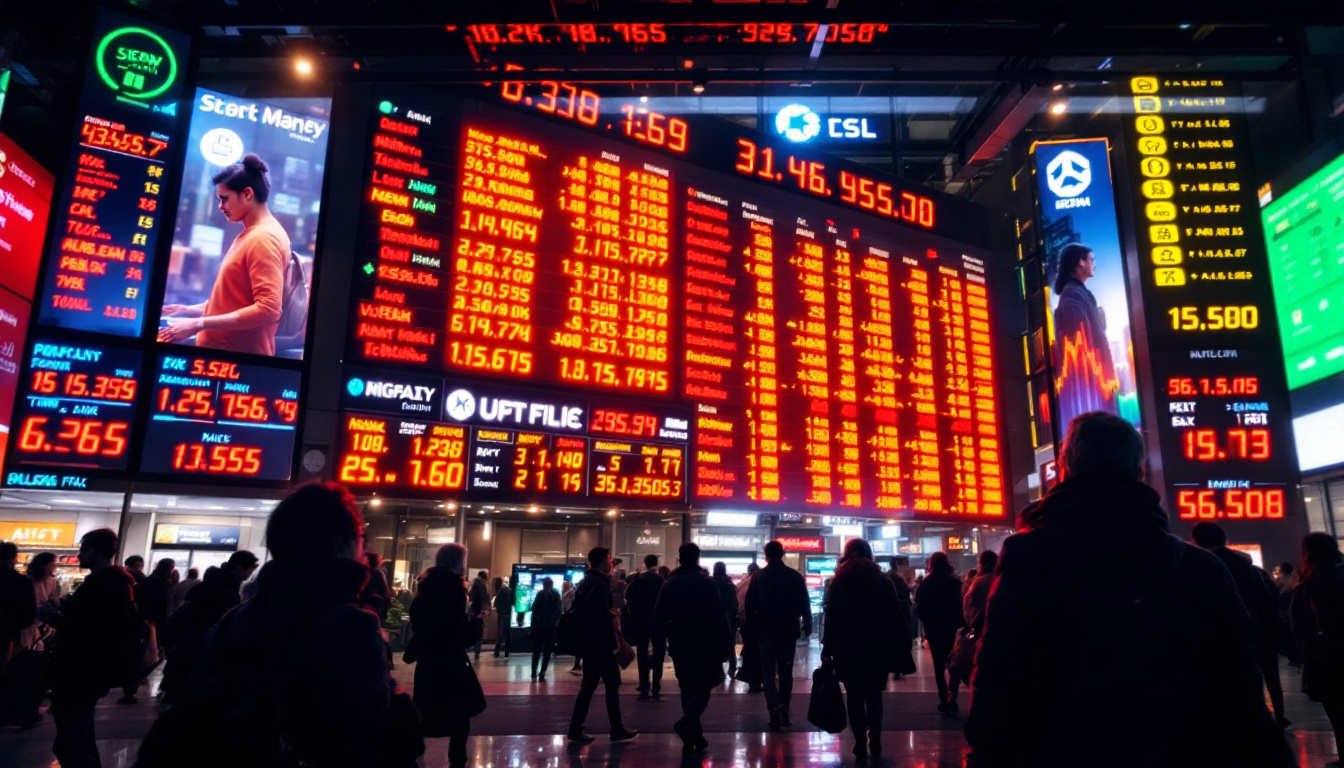
Airports and train stations rely heavily on digital signage for wayfinding, schedules, and emergency notifications. Direct View LED displays are often used in these environments due to their high brightness and wide viewing angles. A leading international airport upgraded to DVLED screens for their departure boards, improving visibility and passenger satisfaction, especially in areas with challenging lighting conditions.
Corporate and Educational Settings
In corporate offices and educational institutions, LED digital signage supports internal communications, event announcements, and interactive directories. These environments benefit from LED-backlit LCD TVs that offer sharp image quality and easy integration with existing IT infrastructure.
For example, a university deployed LED digital signage across campus to streamline event promotion and enhance wayfinding, resulting in positive feedback from students and staff alike.
Future Trends in LED Digital Signage
MicroLED Technology
MicroLED is an emerging display technology that promises even greater brightness, color accuracy, and energy efficiency than traditional LED displays. By using microscopic LEDs as individual pixels, MicroLED screens offer unparalleled image quality and flexibility in size and shape.
Although still in the early stages of commercial adoption, MicroLED has the potential to revolutionize digital signage by enabling ultra-thin, lightweight, and highly durable displays suitable for a wide range of applications.
Interactive and Smart Displays
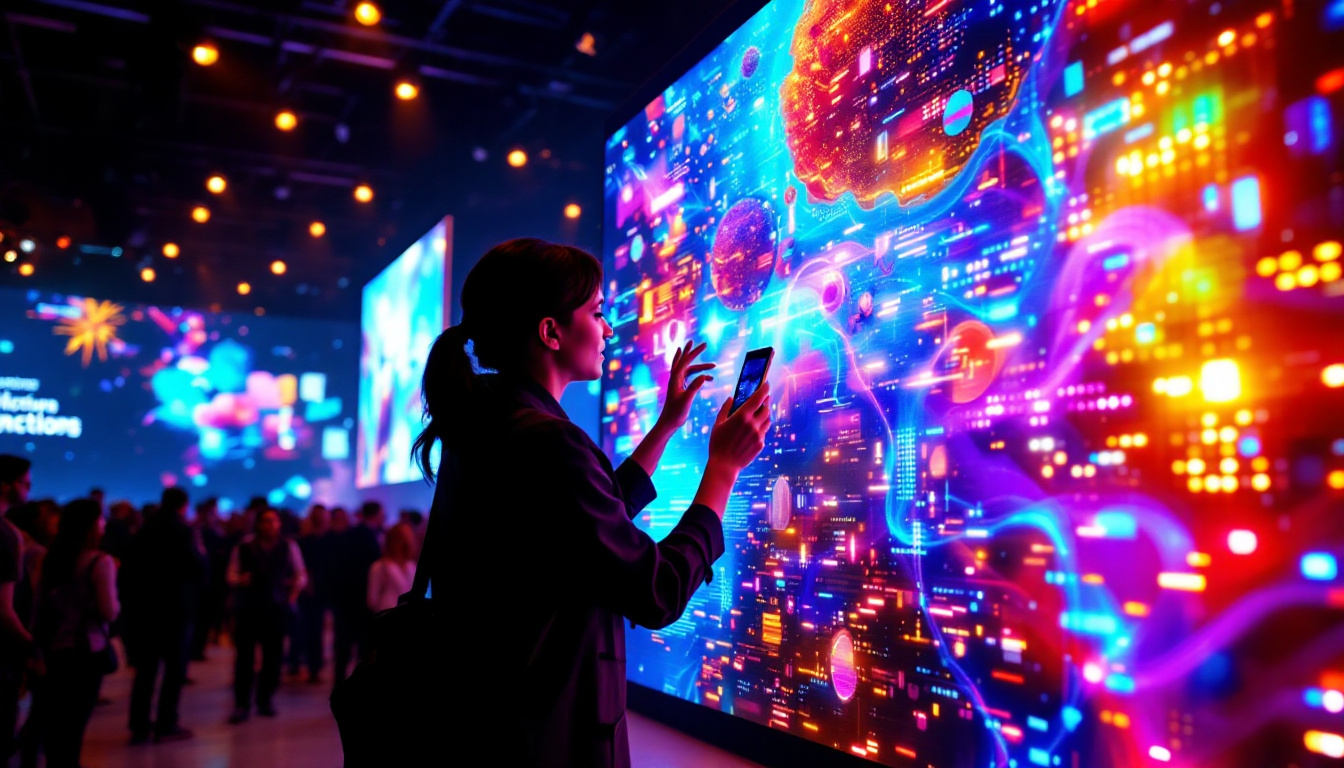
The integration of touchscreens, sensors, and AI-driven content management is transforming LED digital signage into interactive experiences. Smart displays can adapt content based on audience demographics, behavior, or environmental factors, increasing relevance and engagement.
Businesses leveraging these technologies can deliver personalized messaging and gather valuable analytics to optimize their marketing strategies.
Conclusion: Choosing the Best LED TV for Your Digital Signage Needs
LED displays offer unmatched advantages for digital signage, including superior brightness, energy efficiency, vibrant colors, and durability. Whether opting for large-scale Direct View LED installations or versatile LED-backlit LCD TVs, businesses can find solutions tailored to their specific environments and goals.
When selecting the best TV for digital signage, consider factors such as screen size, resolution, durability, connectivity, and the nature of your content. Staying informed about emerging technologies like MicroLED and interactive displays will also help future-proof your investment.
Ultimately, the right LED display can elevate your digital signage strategy, driving engagement, enhancing communication, and delivering measurable business results.
Discover LumenMatrix’s Advanced LED Display Solutions
Ready to take your digital signage to the next level? LumenMatrix is at the forefront of LED display innovation, offering a comprehensive range of products designed to meet any visual communication need. From vibrant Indoor LED Wall Displays to dynamic Outdoor LED Wall Displays, and from mobile Vehicle LED Displays to sleek LED Poster Displays, our solutions are crafted to captivate and engage your audience. Experience the future of digital signage with our LED Sports Displays, interactive Floor LED Displays, and the versatility of Custom and All-in-One LED Display options. Don’t just communicate—mesmerize with LumenMatrix’s LED Transparent Displays. Check out LumenMatrix LED Display Solutions today and transform your space into a visual spectacle.