In the evolving world of visual display technology, understanding the nuances between projector screens and LED displays is crucial for making informed decisions—whether for home theaters, corporate presentations, or large-scale events. This article delves into the key aspects of projector size screens and LED displays, explaining their differences, advantages, and practical applications.
Understanding Projector Size Screens
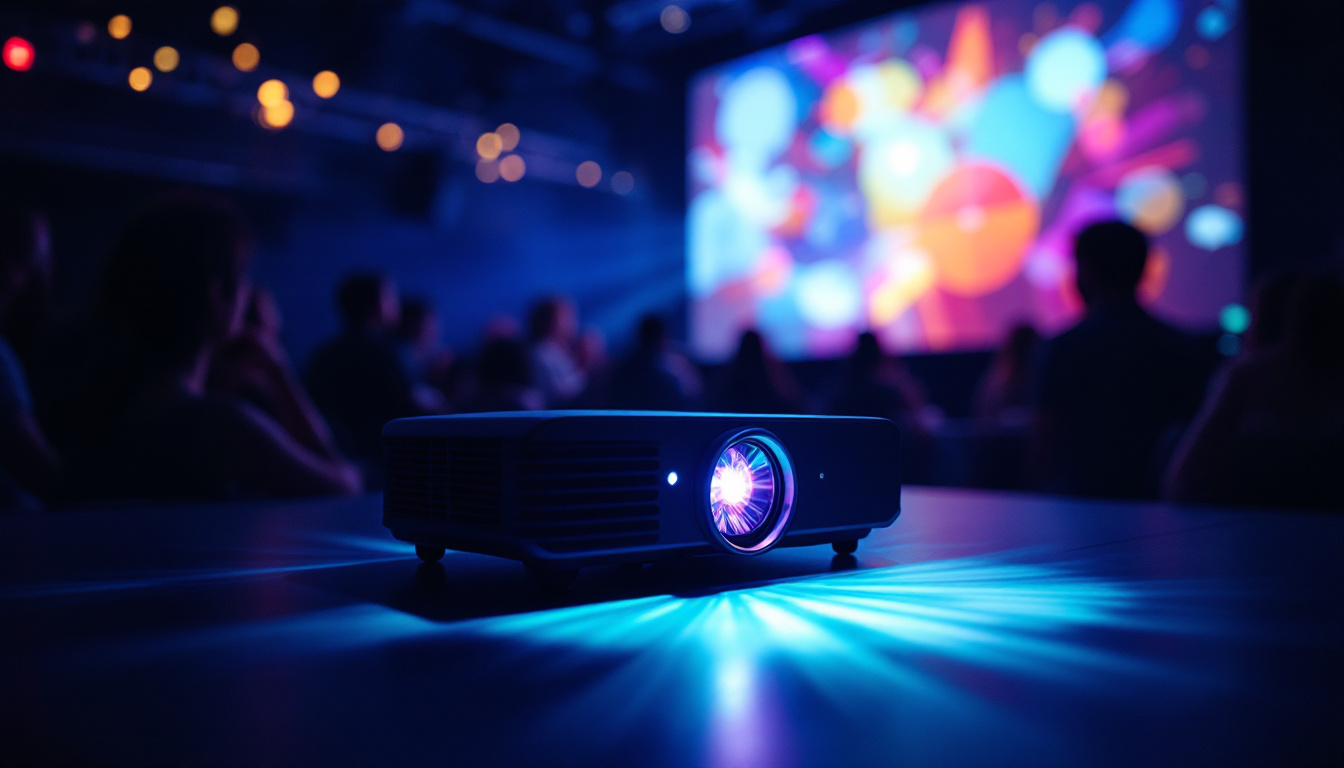
Projector size screens have been a staple in both professional and personal environments for decades. They consist of a projector device that casts images or videos onto a flat surface, typically a dedicated screen or a wall. The size of the projected image can vary widely, depending on the projector’s specifications and the distance from the screen. This versatility makes projectors an attractive option for a range of applications, from home movie nights to large-scale presentations in auditoriums.
How Projector Screens Work
Projectors use a light source to project images through lenses onto a screen. The image size is adjustable by changing the distance between the projector and the screen, known as the throw distance. For example, a short-throw projector can create a large image from a short distance, making it ideal for smaller rooms. Conversely, long-throw projectors are better suited for larger venues, allowing for expansive images that can fill a wide screen without distortion.
Screen size is measured diagonally, similar to TVs, and common sizes range from 60 inches to over 300 inches. The flexibility in screen size is one of the key benefits of projectors, allowing users to customize their viewing experience based on space and purpose. Additionally, the aspect ratio of the screen, whether 16:9 for widescreen or 4:3 for standard, also plays a crucial role in how content is displayed, affecting everything from movies to presentations.
Types of Projector Screens
Projector screens come in various types, including fixed-frame, pull-down, and portable screens. Fixed-frame screens are ideal for dedicated home theaters or conference rooms, providing a taut, flat surface for optimal image quality. Pull-down screens offer flexibility and are often used in multi-purpose spaces, allowing users to retract the screen when not in use, thus conserving space and maintaining the room’s aesthetics. Portable screens are lightweight and easy to set up, perfect for presentations on the go, and can be set up in minutes, making them a favorite among traveling professionals.
In addition to these common types, there are also specialized screens designed for specific environments, such as ambient light rejecting screens that enhance visibility in well-lit rooms. These screens are engineered to reflect light from the projector while absorbing ambient light, resulting in a clearer image. Furthermore, some screens are designed for outdoor use, featuring weather-resistant materials and enhanced durability to withstand the elements, making them perfect for outdoor movie nights or presentations in parks. The variety of projector screens available ensures that there is a suitable option for virtually any setting or requirement, enhancing the overall viewing experience.
LED Displays: A Modern Alternative
LED (Light Emitting Diode) displays have surged in popularity as an alternative to traditional projector setups. Unlike projectors, LED displays are self-illuminating panels that produce bright, vibrant images without the need for external light sources.
How LED Displays Work
LED displays consist of millions of tiny LEDs arranged in a matrix. Each LED emits light individually, allowing for precise control over brightness and color. This results in sharper images and higher contrast ratios compared to projector screens, especially in well-lit environments.
LED technology has advanced rapidly, with modern displays offering resolutions from Full HD (1080p) to 8K, catering to various needs from small conference rooms to massive stadium screens. The pixel density of these displays allows for incredibly detailed visuals, making them suitable for applications that require high fidelity, such as medical imaging and graphic design. Furthermore, the flexibility in size and shape of LED panels means they can be customized to fit unique spaces, whether it’s a curved screen for an immersive experience or a large wall display for advertising.
Advantages of LED Displays Over Projectors
One major advantage of LED displays is their brightness. While projectors rely on ambient light conditions and can struggle in bright rooms, LED displays maintain consistent visibility regardless of lighting. This makes them ideal for venues with uncontrolled lighting or outdoor events.
Additionally, LED displays offer superior color accuracy and faster refresh rates, which are critical for applications such as gaming, live broadcasts, and digital signage. Their durability and low maintenance requirements also contribute to lower total cost of ownership over time. Unlike projectors, which often require bulb replacements and regular calibration, LED displays are designed for longevity, with many models boasting lifespans of over 100,000 hours. This reliability is particularly beneficial for businesses that depend on constant operation, such as retail environments and transportation hubs, where downtime can lead to significant losses.
Moreover, LED displays are increasingly incorporating smart technology, allowing for features such as remote management and integration with content management systems. This means users can easily update content, monitor performance, and adjust settings from anywhere, enhancing the overall user experience and operational efficiency. As the demand for high-quality visual communication continues to grow, LED displays are poised to become the standard across various industries, from education to entertainment.
Comparing Projector Screens and LED Displays
When deciding between a projector screen and an LED display, several factors come into play, including image size, environment, budget, and intended use.
Image Size and Viewing Experience
Projectors excel at producing very large images at a relatively low cost. For instance, it is common to see projector screens exceeding 200 inches diagonally in home theaters or auditoriums. LED displays, while available in large sizes, often come in modular panels that can be combined to achieve massive dimensions, sometimes exceeding 500 inches diagonally in commercial settings.
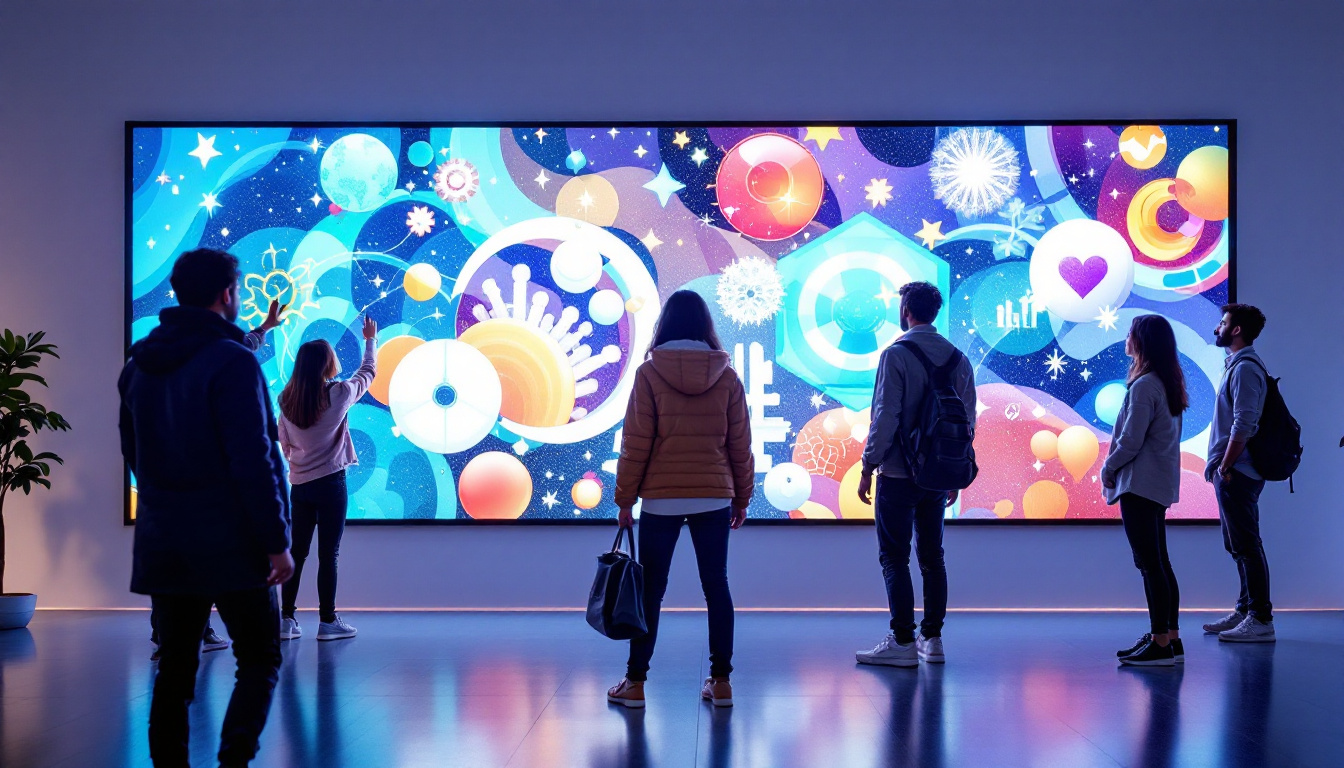
However, for ultra-large displays, LED technology tends to be more scalable and offers better image uniformity. Projectors can suffer from issues like image distortion or reduced brightness at extreme sizes. Additionally, the viewing experience can be significantly enhanced with LED displays due to their ability to produce vibrant colors and deep blacks, which are crucial for high-definition content. This makes LED displays particularly appealing for applications such as video walls in retail spaces or immersive gaming setups where visual fidelity is paramount.
Environmental Considerations
Lighting conditions heavily influence the choice between projectors and LED displays. Projectors require controlled lighting environments to perform optimally, as ambient light can wash out the image. Conversely, LED displays are bright enough to be visible even in direct sunlight, making them suitable for outdoor advertising or sports arenas.
Moreover, the installation environment plays a significant role in the decision-making process. For example, projectors may require a dedicated space with appropriate mounting options and screen placement to avoid obstructions and ensure optimal viewing angles. In contrast, LED displays can be more versatile in terms of installation, as they can be mounted on walls, hung from ceilings, or even used as free-standing units, providing flexibility in various settings from corporate offices to public exhibitions.
Cost and Maintenance
Initial costs for projectors and screens are generally lower than LED displays, especially for smaller screen sizes. However, projectors require periodic maintenance such as lamp replacements and cleaning. LED displays have higher upfront costs but benefit from longer lifespans and less frequent maintenance.
Furthermore, while the initial investment for LED displays can be daunting, the total cost of ownership may balance out over time due to their energy efficiency and durability. LED displays consume less power compared to traditional projectors, which can lead to significant savings on electricity bills, especially in commercial applications where the displays are in constant use. Additionally, the robust nature of LED technology means they are less susceptible to damage from environmental factors, making them a more reliable choice for high-traffic areas or locations prone to wear and tear.
Applications and Use Cases
Understanding where each technology shines helps in selecting the right solution for specific needs.
Home Theaters and Entertainment
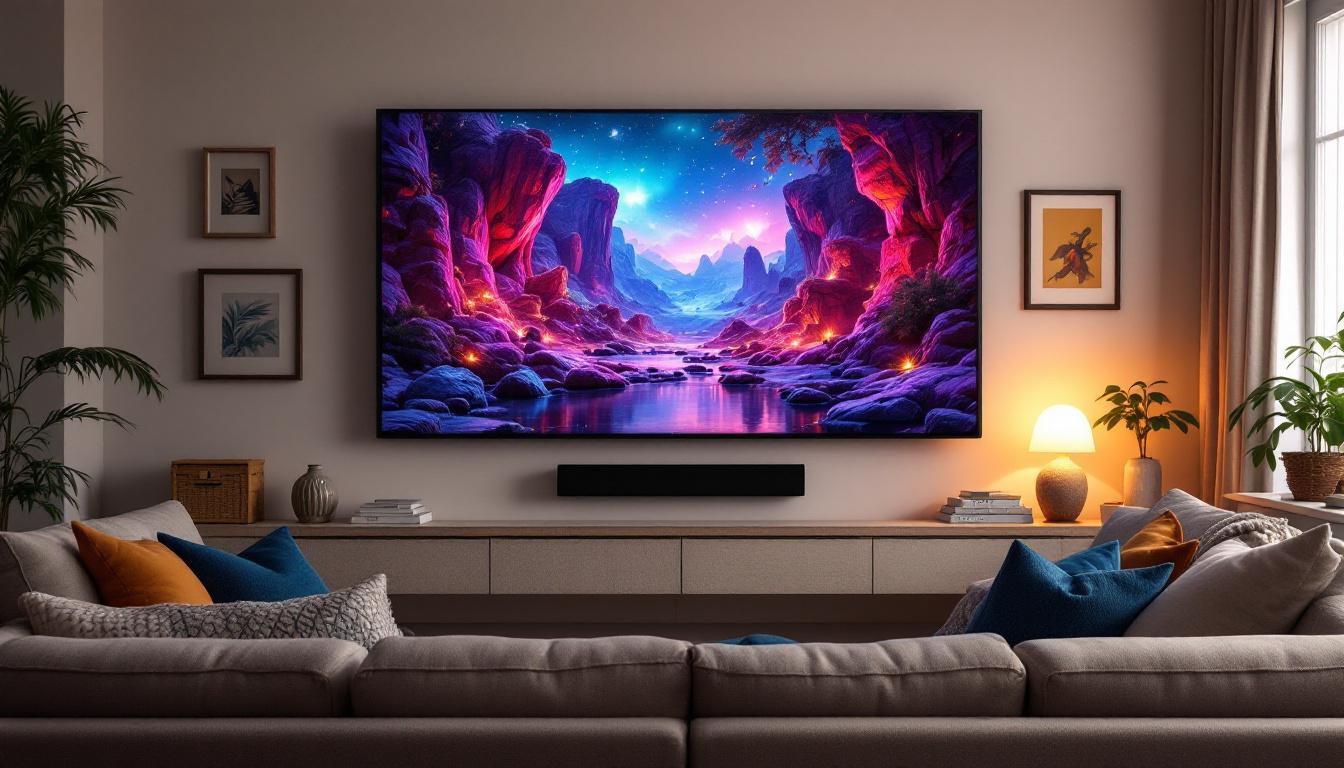
Projectors remain the preferred choice for home theaters due to their ability to create cinema-sized images in a relatively compact space. The immersive experience of a large projected image is difficult to replicate with a single LED panel, especially on a budget.
Corporate and Educational Settings
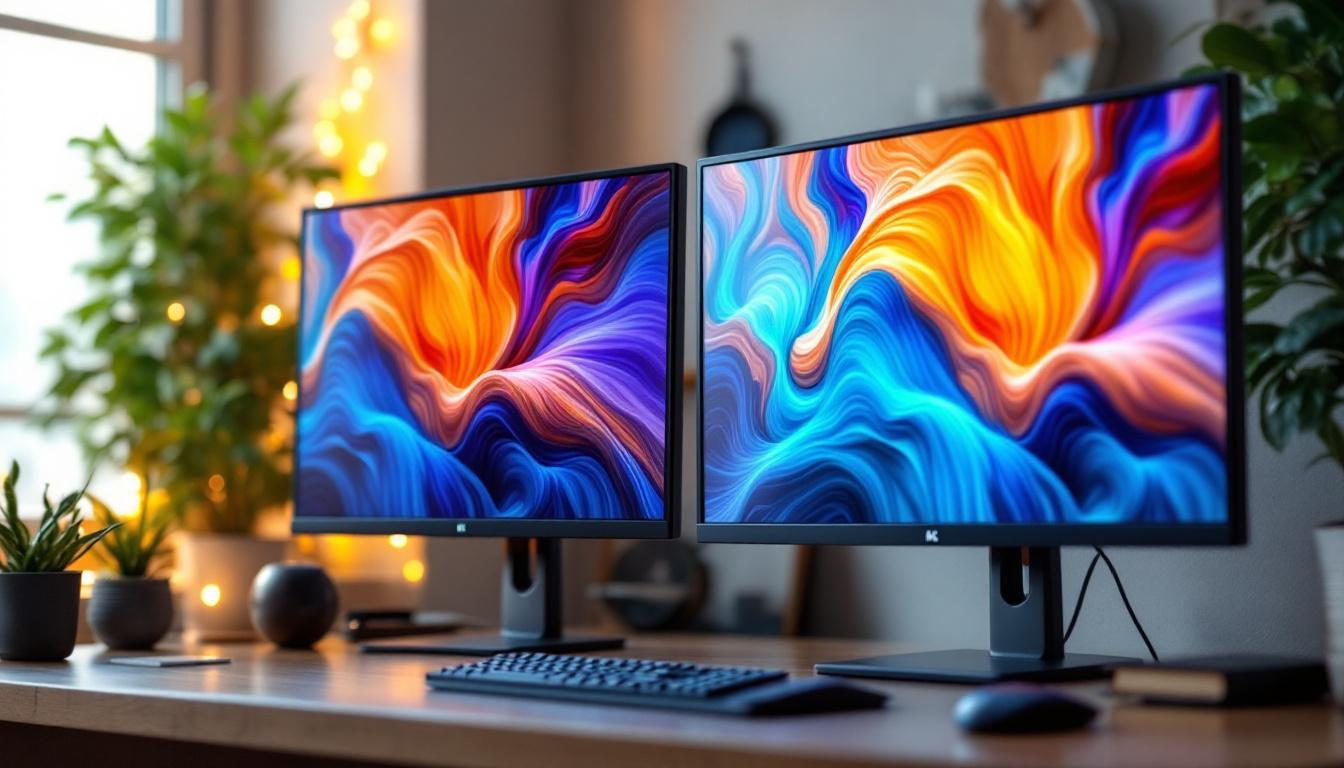
Both projectors and LED displays are used in corporate boardrooms and classrooms. Projectors are common for presentations where portability and cost-effectiveness are important. LED displays, however, are gaining traction for their clarity and ease of use, especially in well-lit conference rooms.
Outdoor and Large Venue Displays
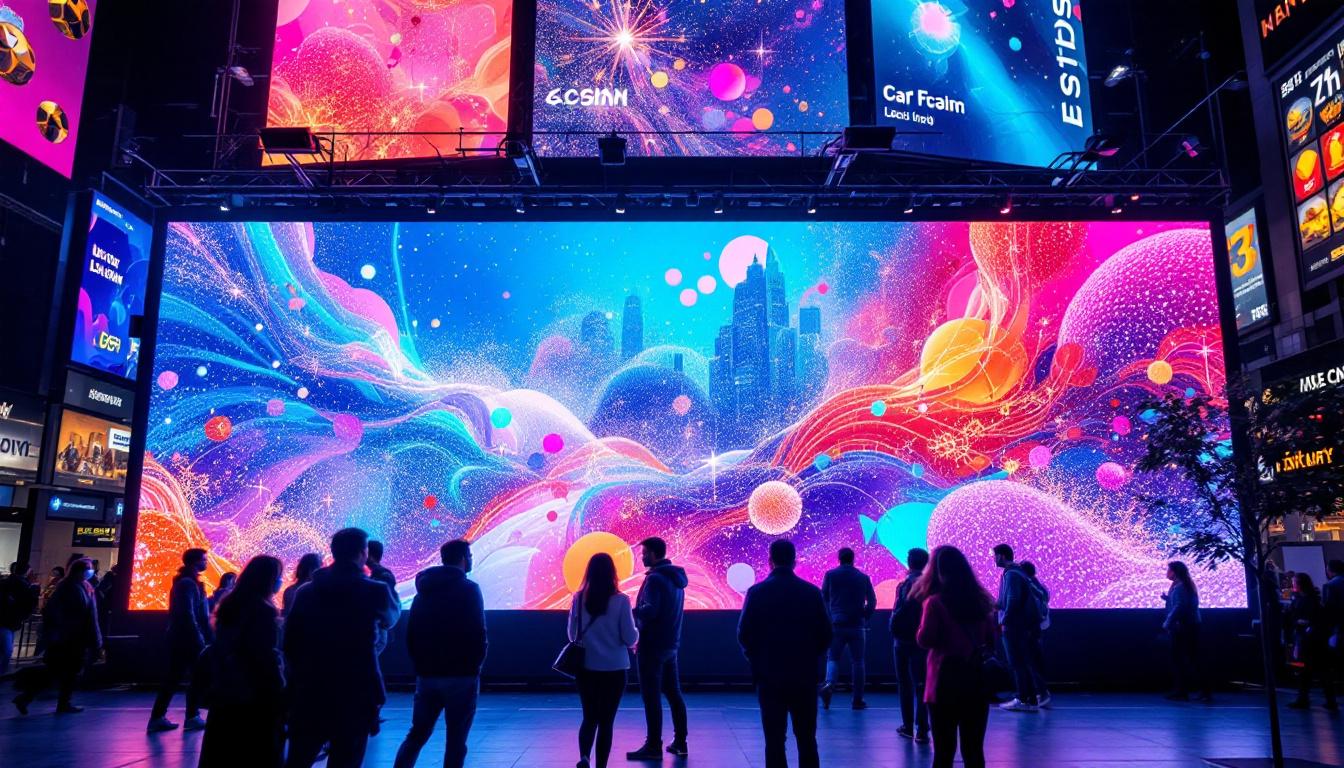
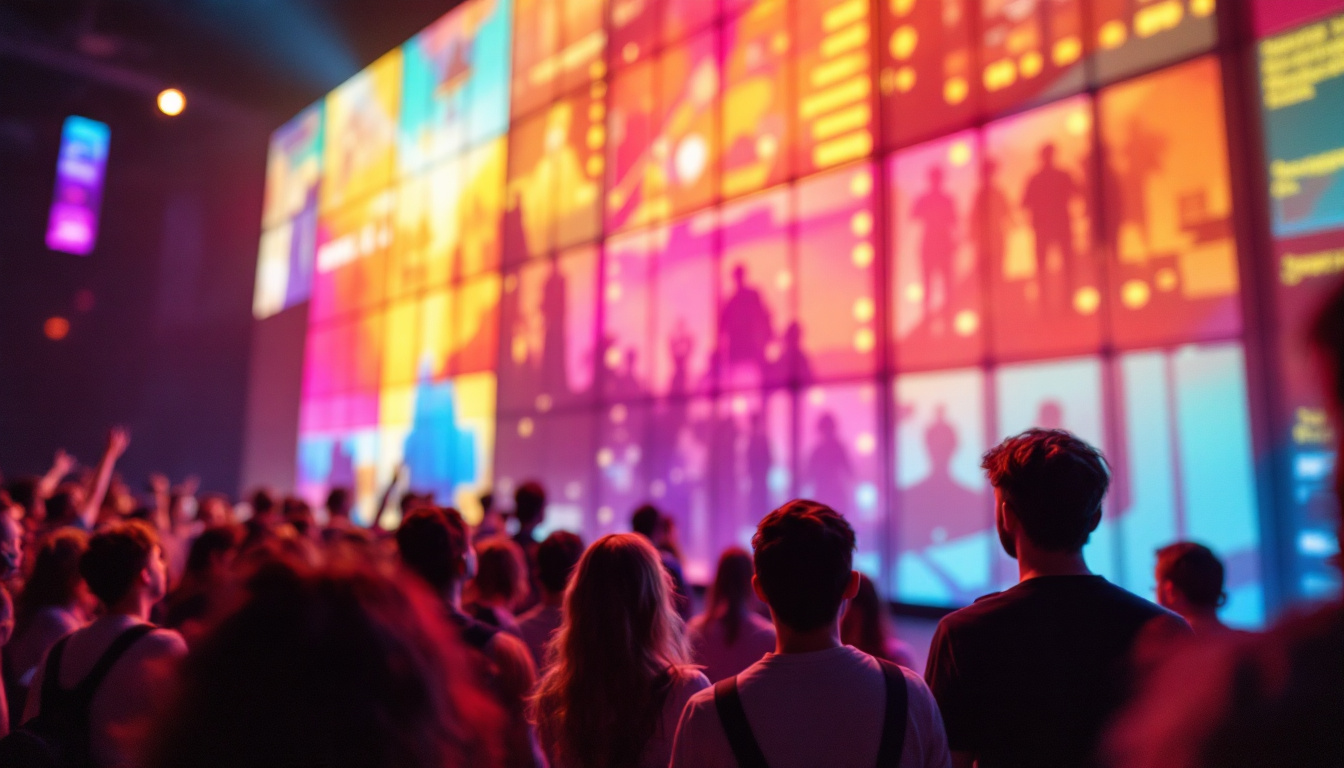
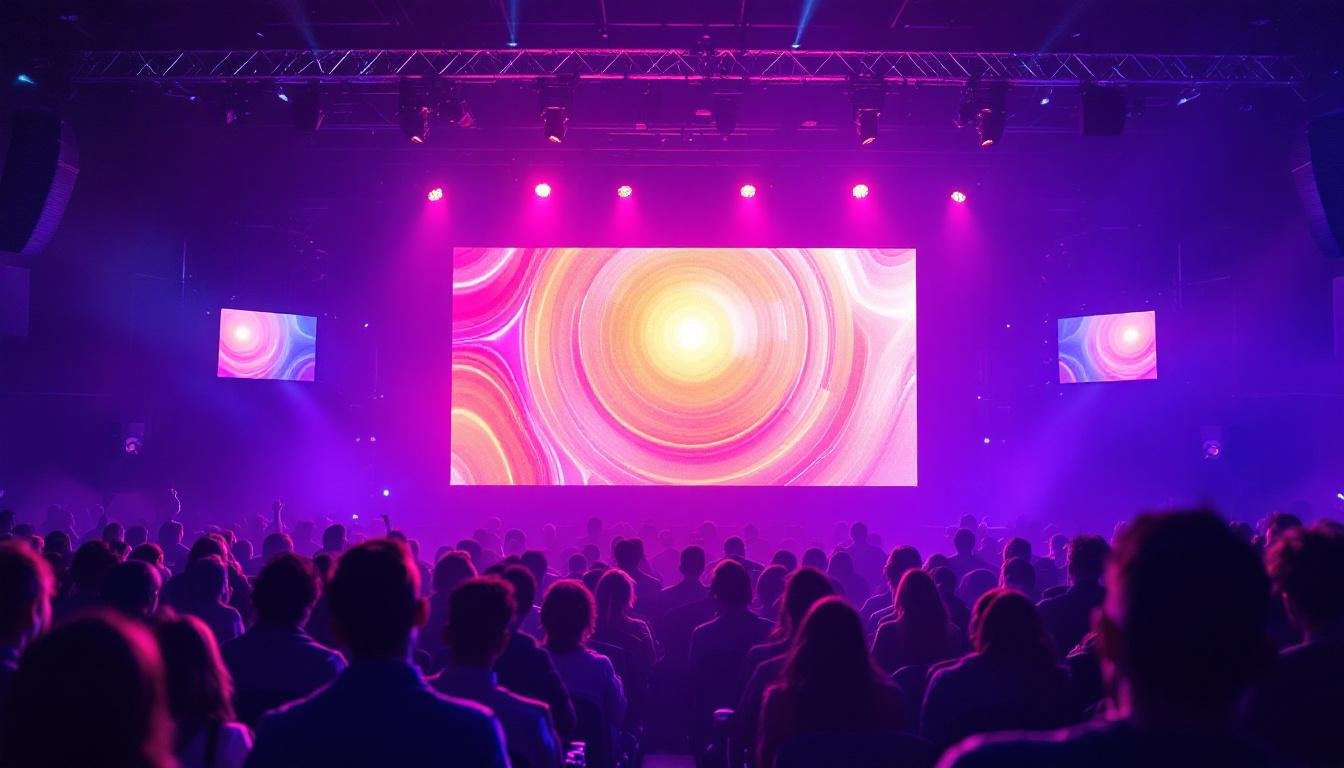
LED displays dominate outdoor advertising, sports stadiums, and concert venues due to their brightness and scalability. Their ability to function in varying weather conditions and lighting makes them indispensable for large-scale visual communication.
Future Trends in Display Technology
The display technology landscape continues to evolve, with innovations blurring the lines between projectors and LED displays.
MicroLED and MiniLED
Emerging technologies like MicroLED and MiniLED promise even better brightness, energy efficiency, and color accuracy. MicroLED displays, in particular, offer the potential for ultra-thin, flexible screens that could revolutionize both consumer and commercial markets.
Laser Projectors
Laser projectors are enhancing traditional projection by providing higher brightness and longer lifespan compared to lamp-based projectors. This innovation narrows the gap between projectors and LED displays, especially in environments where large image size and brightness are critical.
Integration and Hybrid Solutions
Hybrid display systems combining LED panels with projection technology are also emerging, offering the benefits of both worlds. These systems can provide dynamic content with high brightness and large size, tailored to complex venue requirements.
Conclusion
Choosing between a projector size screen and an LED display depends on multiple factors, including desired image size, ambient lighting, budget, and specific application needs. Projectors offer flexible, large-scale images at a lower initial cost, ideal for controlled environments like home theaters. LED displays provide superior brightness, color accuracy, and durability, making them the go-to choice for bright, high-visibility settings such as outdoor venues and corporate spaces.
As technology advances, the distinctions between these display options continue to evolve, offering users more choices and better performance. Understanding the strengths and limitations of each will ensure the best investment for any visual display requirement.
Discover LumenMatrix’s Advanced LED Display Solutions
Ready to elevate your visual experience with the latest in LED display technology? Look no further than LumenMatrix, where innovation meets excellence. Our diverse range of LED display modules, from Indoor and Outdoor LED Wall Displays to specialized solutions like Vehicle LED Displays and LED Sports Displays, is designed to captivate and engage your audience. Whether you’re looking to create an immersive environment with our Floor LED Display or make a bold statement with a Custom LED Display, LumenMatrix has the expertise to bring your vision to life. Don’t miss the opportunity to transform your space and communicate with impact. Check out LumenMatrix LED Display Solutions today and see the difference cutting-edge technology can make.