Custom LCD: LED Display Explained
In today’s digital age, visual display technology plays a pivotal role in how information is communicated across various industries. From advertising billboards to medical devices, and from automotive dashboards to wearable technology, displays are everywhere. Among the most popular and versatile display types are Custom LCDs and LED displays. While often mentioned together, these technologies have distinct characteristics and applications. This article delves into the fundamentals of Custom LCD and LED displays, explaining their differences, advantages, and how custom solutions can be tailored to meet specific needs.
Understanding Display Technologies: LCD vs. LED
What is an LCD?
LCD stands for Liquid Crystal Display, a technology that uses liquid crystals sandwiched between two layers of glass or plastic. These crystals do not emit light themselves but manipulate light to create images. The basic principle involves controlling the alignment of liquid crystals using electric currents to either block or allow light to pass through colored filters, thus producing images. LCDs are widely used in devices such as smartphones, computer monitors, televisions, and instrument panels.
One of the key benefits of LCD technology is its ability to produce sharp images with high resolution and excellent color reproduction. Additionally, LCDs consume relatively low power compared to older display technologies like cathode ray tubes (CRTs), making them ideal for portable devices.
What is an LED Display?
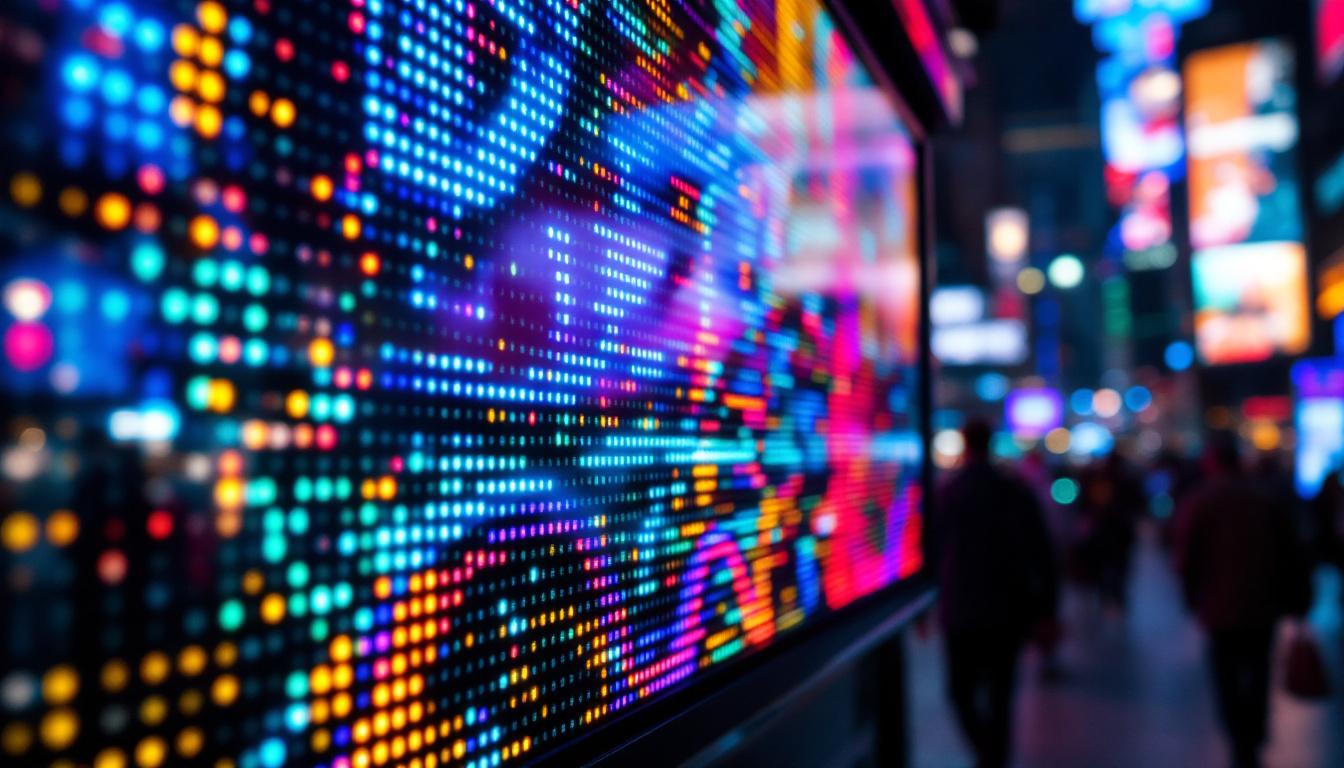
LED stands for Light Emitting Diode. Unlike LCDs, LED displays use tiny diodes that emit light when an electric current passes through them. These diodes can be arranged in a matrix to form images, text, or video content. LED displays are self-illuminating, meaning they do not require a backlight as LCDs do. This results in brighter displays with better contrast, especially in outdoor or brightly lit environments.
LED technology is highly versatile and scalable, from small indicator lights to massive outdoor billboards. The ability to produce vibrant colors and high brightness levels makes LED displays particularly popular in advertising, sports arenas, and public information systems.
How Do Custom LCD and LED Displays Differ?
While both LCD and LED displays are used to present visual information, their underlying technologies differ significantly. LCDs rely on liquid crystals and a backlight, often provided by LEDs themselves, whereas LED displays use arrays of light-emitting diodes as the primary light source.
Custom LCDs are typically designed to meet specific size, resolution, and interface requirements, often incorporating touch capabilities or specialized filters. Custom LED displays, on the other hand, focus on brightness, pixel pitch (the distance between diodes), and durability, especially for outdoor use.
Understanding these differences is crucial for businesses and designers when selecting the right display technology for their applications.
The Advantages of Custom LCD Displays
Tailored Size and Resolution
One of the major benefits of custom LCD displays is the ability to tailor size and resolution to fit unique applications. Whether it’s a compact screen for a handheld medical device or a large, high-resolution panel for industrial control systems, custom LCDs can be engineered to meet precise specifications.
For example, in the automotive industry, custom LCDs are used for instrument clusters and infotainment systems, where size constraints and specific aspect ratios are critical. Customization ensures optimal readability and integration with the vehicle’s dashboard design.
Enhanced Visual Performance
Custom LCDs can incorporate advanced features such as high contrast ratios, wide viewing angles, and specialized coatings to reduce glare or enhance durability. These enhancements improve user experience, especially in environments with challenging lighting conditions.
Additionally, custom LCDs can support various color gamuts and brightness levels, ensuring that the display meets the exact visual requirements of the application. This is particularly important in professional fields like medical imaging or graphic design, where color accuracy is paramount.
Integration of Touch and Other Functionalities
Modern custom LCDs often integrate touchscreens, enabling interactive user interfaces. Capacitive and resistive touch technologies can be embedded based on the application’s needs, whether for rugged industrial environments or sleek consumer electronics.
Furthermore, custom LCDs can include additional functionalities such as sunlight-readable displays, anti-reflective coatings, and even embedded sensors, making them highly versatile for specialized use cases.
Why Choose Custom LED Displays?
Superior Brightness and Visibility
Custom LED displays excel in environments where brightness and visibility are critical. Because LEDs emit their own light, they can achieve brightness levels far beyond what is possible with LCD backlighting. This makes them ideal for outdoor signage, stadium screens, and transportation hubs.
For instance, outdoor digital billboards often use custom LED displays with high nits (brightness units) to ensure content remains visible even under direct sunlight. The ability to adjust brightness dynamically also helps in reducing power consumption during nighttime or low-light conditions.
Durability and Longevity
LEDs are known for their robustness and long operational life, often exceeding 50,000 hours of use. Custom LED displays can be engineered to withstand harsh environmental conditions, including extreme temperatures, moisture, and physical impacts.
This durability makes them a preferred choice for industrial applications, outdoor advertising, and transportation systems where maintenance access is limited or costly.
Flexible Design and Scalability
Custom LED displays offer remarkable flexibility in design. They can be configured in virtually any size or shape, from small wearable devices to massive video walls spanning hundreds of square meters. Pixel pitch can be adjusted to balance resolution and viewing distance, ensuring optimal image clarity.
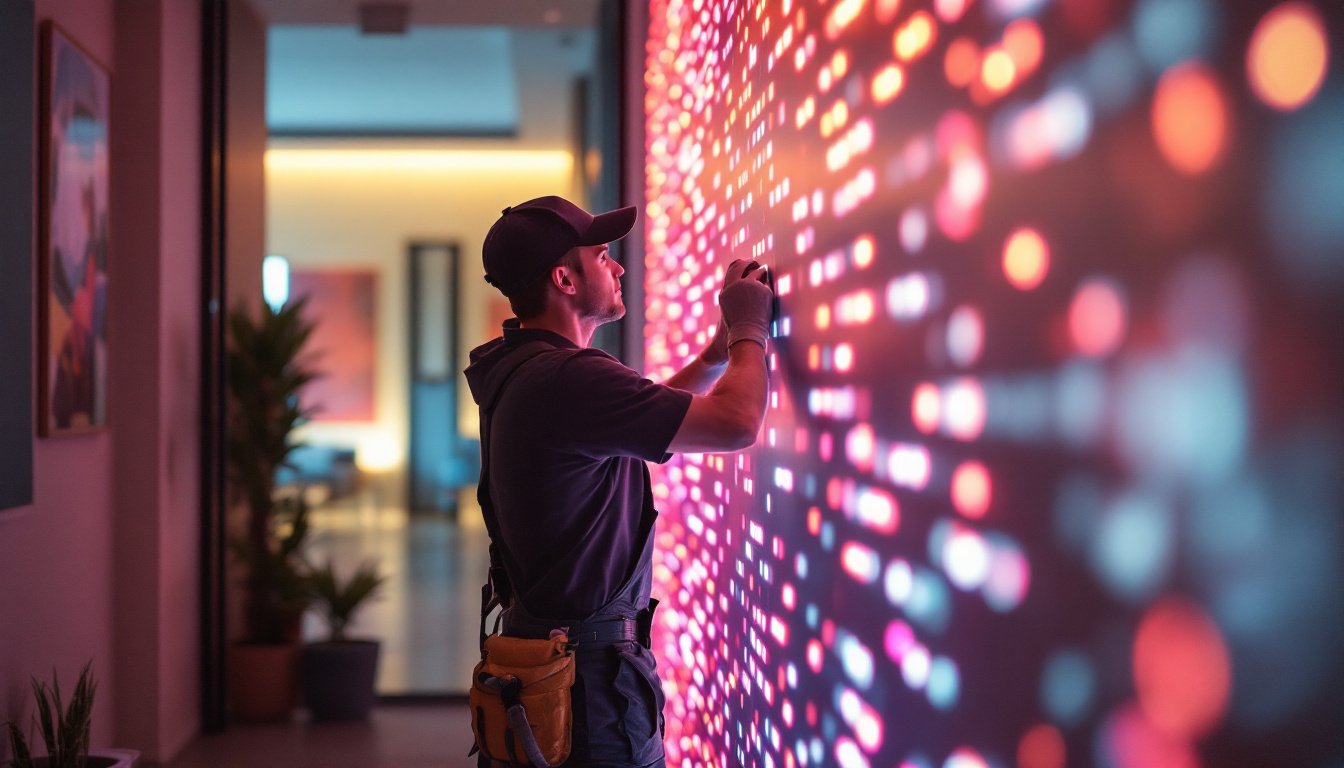
Moreover, modular LED panels allow for easy scalability and maintenance. Individual modules can be replaced without dismantling the entire display, reducing downtime and operational costs.
Applications of Custom LCD and LED Displays
Consumer Electronics
In consumer electronics, custom LCDs dominate the market for smartphones, tablets, laptops, and televisions. Their ability to deliver sharp images with vibrant colors and low power consumption makes them ideal for portable devices.
LED technology is also used in consumer products, primarily as backlighting for LCD screens or in LED TVs where arrays of LEDs provide the display pixels themselves. Customization in this sector focuses on improving screen resolution, touch responsiveness, and energy efficiency.
Industrial and Medical Equipment
Custom LCDs are widely used in industrial control panels, medical monitors, and diagnostic devices. These applications often require displays that can operate reliably in challenging environments, with features like sunlight readability, chemical resistance, and precise color calibration.
LED displays in industrial settings are typically used for status indicators, warning signals, and large-format information boards. Their brightness and durability make them suitable for factory floors and outdoor installations.
Advertising and Public Information
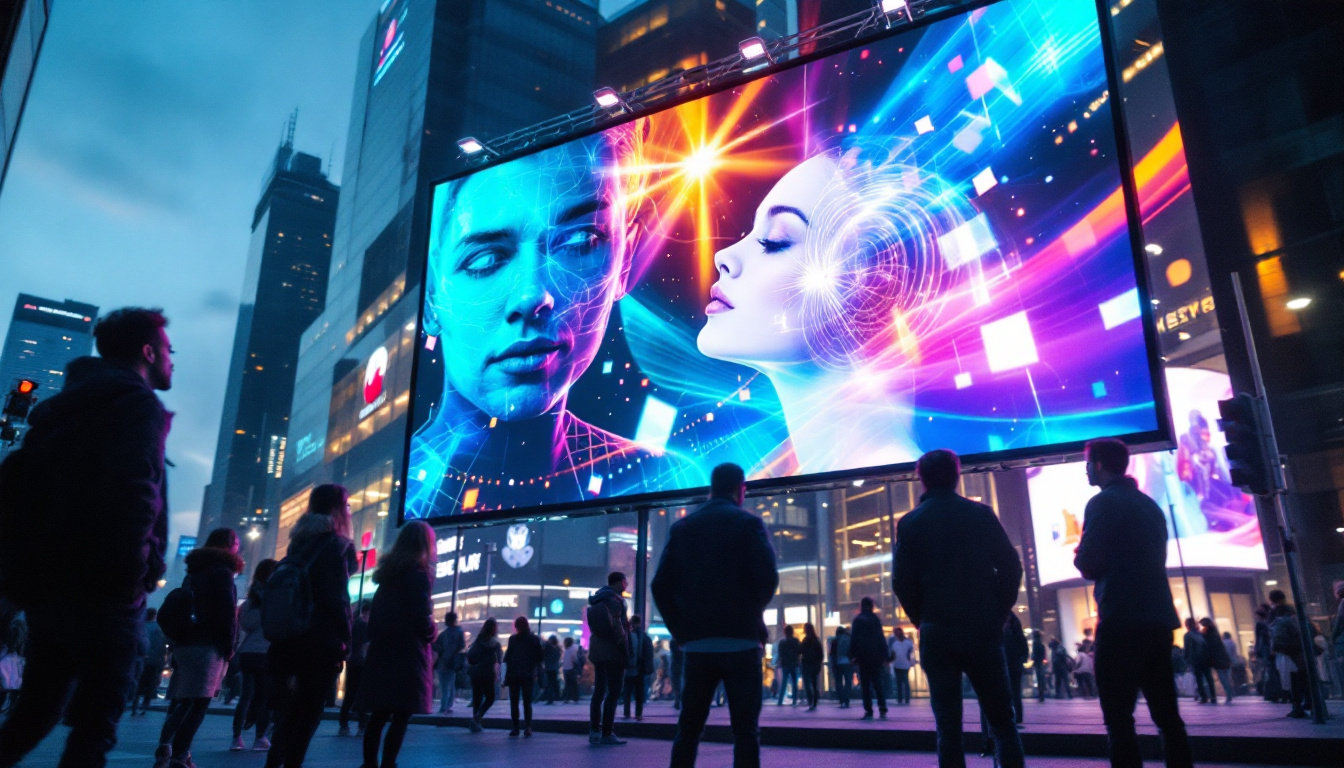
Custom LED displays have revolutionized outdoor advertising and public information systems. Digital billboards, transit station displays, and event screens rely on high-brightness LED technology to attract attention and convey messages effectively.
In contrast, custom LCDs are often used for indoor advertising displays, kiosks, and digital signage where controlled lighting environments allow for high-resolution content presentation.
Automotive and Transportation
Both custom LCD and LED displays play critical roles in automotive and transportation sectors. LCDs are commonly used for instrument clusters, infotainment systems, and heads-up displays, offering clear and customizable interfaces for drivers.
LED displays are employed in exterior vehicle lighting, traffic signals, and information boards. Their brightness and reliability ensure safety and visibility in various weather and lighting conditions.
Design Considerations for Custom Displays
Choosing the Right Technology
Selecting between custom LCD and LED displays depends on the specific application requirements. Factors such as viewing environment, power consumption, size constraints, and budget must be carefully evaluated.
For instance, if high brightness and outdoor visibility are priorities, custom LED displays are typically the better choice. Conversely, for applications requiring high resolution and color accuracy in controlled lighting, custom LCDs may be preferable.
Power Efficiency and Thermal Management
Power consumption is a critical consideration, especially for battery-operated devices. LCDs generally consume less power than LED displays when displaying static images, but LED displays can be more efficient for dynamic content due to their ability to adjust brightness pixel-by-pixel.
Thermal management is also essential, as both LCD and LED displays generate heat during operation. Custom designs often incorporate heat sinks, ventilation, or advanced materials to ensure longevity and performance.
Interface and Connectivity
Custom displays must integrate seamlessly with the host device or system. This involves selecting appropriate interface standards such as HDMI, DisplayPort, LVDS, or MIPI DSI. Additionally, touch interfaces and control electronics must be compatible with the overall system architecture.
Designers should also consider future-proofing by supporting firmware updates and scalable connectivity options.
The Future of Custom LCD and LED Displays
Emerging Technologies and Trends
Display technology continues to evolve rapidly. Innovations such as OLED (Organic Light Emitting Diode), MicroLED, and Quantum Dot displays are pushing the boundaries of brightness, color accuracy, and energy efficiency.
Custom LCD and LED displays are also benefiting from advances in flexible and transparent displays, enabling new form factors and applications. For example, foldable smartphones and wearable devices are becoming more prevalent thanks to these developments.
Environmental and Sustainability Considerations
As sustainability becomes a priority, manufacturers are focusing on reducing the environmental impact of display production and operation. Custom displays are increasingly designed with recyclable materials, lower power consumption, and longer lifespans.
Energy-efficient LED backlighting and low-power LCD panels contribute to greener electronics, aligning with global efforts to reduce carbon footprints.
Customization as a Competitive Advantage
In a crowded market, the ability to offer tailored display solutions provides a significant competitive edge. Custom LCD and LED displays allow companies to differentiate their products, improve user experience, and meet niche market demands.
Whether it’s a rugged display for industrial automation or a high-definition screen for luxury automotive interiors, customization enables innovation and customer satisfaction.
Conclusion
Custom LCD and LED displays are integral components of modern technology, each offering unique advantages that cater to diverse applications. Understanding the differences between these technologies, their strengths, and design considerations is essential for selecting the right display solution.
From consumer electronics to industrial systems, advertising to automotive, custom displays enhance functionality, aesthetics, and user engagement. As display technology continues to advance, the possibilities for customization and innovation will only expand, driving new opportunities across industries.
For businesses and designers seeking to harness the power of visual communication, investing in custom LCD and LED displays is a strategic decision that can deliver lasting value and impact.
Discover Cutting-Edge Custom LED Displays with LumenMatrix
Ready to elevate your visual communication strategy? LumenMatrix is at the forefront of LED display innovation, offering a wide array of solutions tailored to your unique needs. From mesmerizing Indoor LED Walls to dynamic Vehicle LED Displays, and from interactive Floor LED Displays to transparent LED solutions, our products are designed to captivate and engage your audience. Embrace the future of display technology and check out LumenMatrix LED Display Solutions today to create unforgettable visual experiences that leave a lasting impression.