In today’s fast-paced world, capturing attention quickly and effectively is crucial for businesses and organizations. Digital signage has emerged as a powerful communication tool, with LED displays leading the charge due to their brightness, versatility, and durability. This article delves into the world of LED digital signage solutions, explaining how they work, their benefits, and why they have become indispensable in various industries.
Understanding LED Displays: The Technology Behind Digital Signage
What is an LED Display?
LED stands for Light Emitting Diode, a semiconductor device that emits light when an electric current passes through it. LED displays consist of thousands to millions of these tiny diodes arranged in a matrix to form images, videos, or text. Unlike traditional LCD or projection screens, LED displays generate their own light, which results in higher brightness and better contrast ratios.
The technology can be divided into two main types: direct-view LED and LED-backlit LCD. Direct-view LED displays use the diodes themselves to create the image, making them ideal for large-scale outdoor and indoor signage. LED-backlit LCDs, on the other hand, use LEDs as a light source behind an LCD panel, common in smaller screens like televisions and monitors. The versatility of LED technology has led to its widespread adoption across various industries, from retail and advertising to transportation and entertainment, where vibrant visuals are crucial for capturing audience attention.
How Do LED Displays Work?
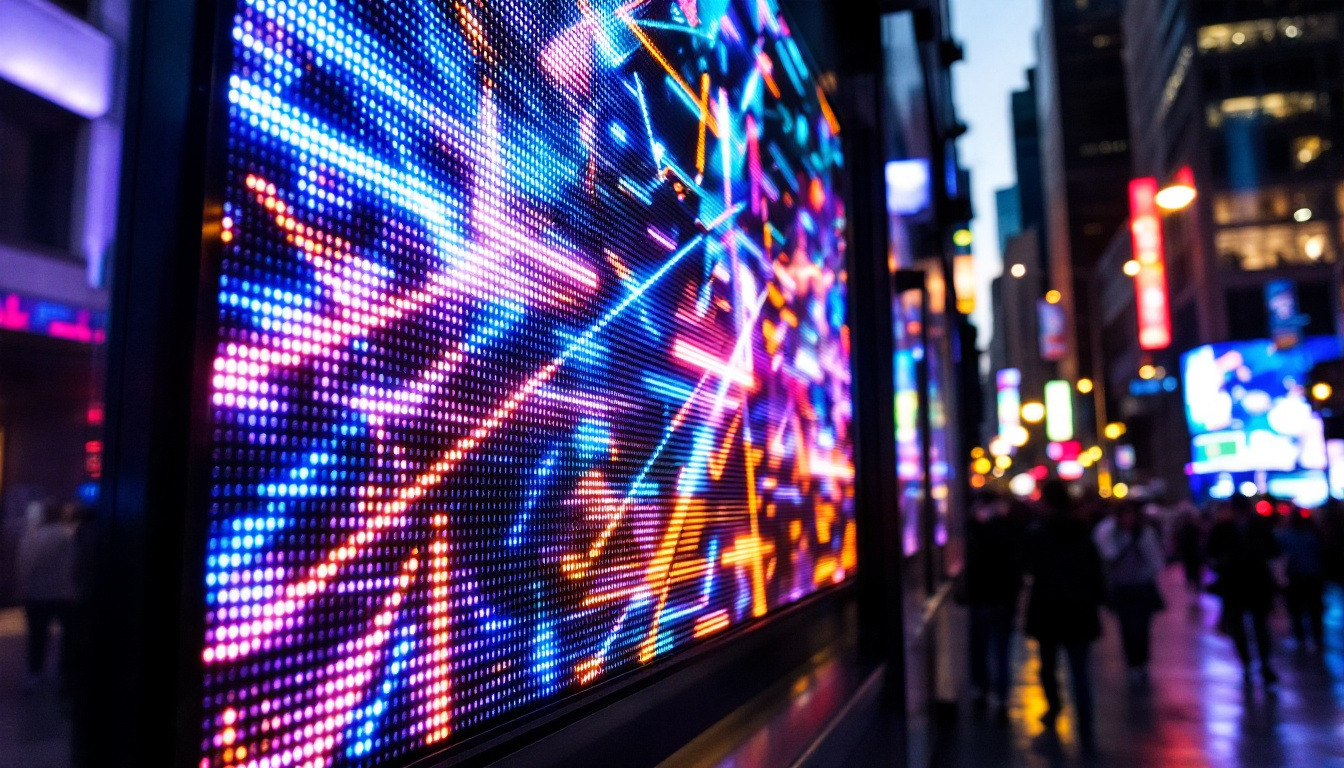
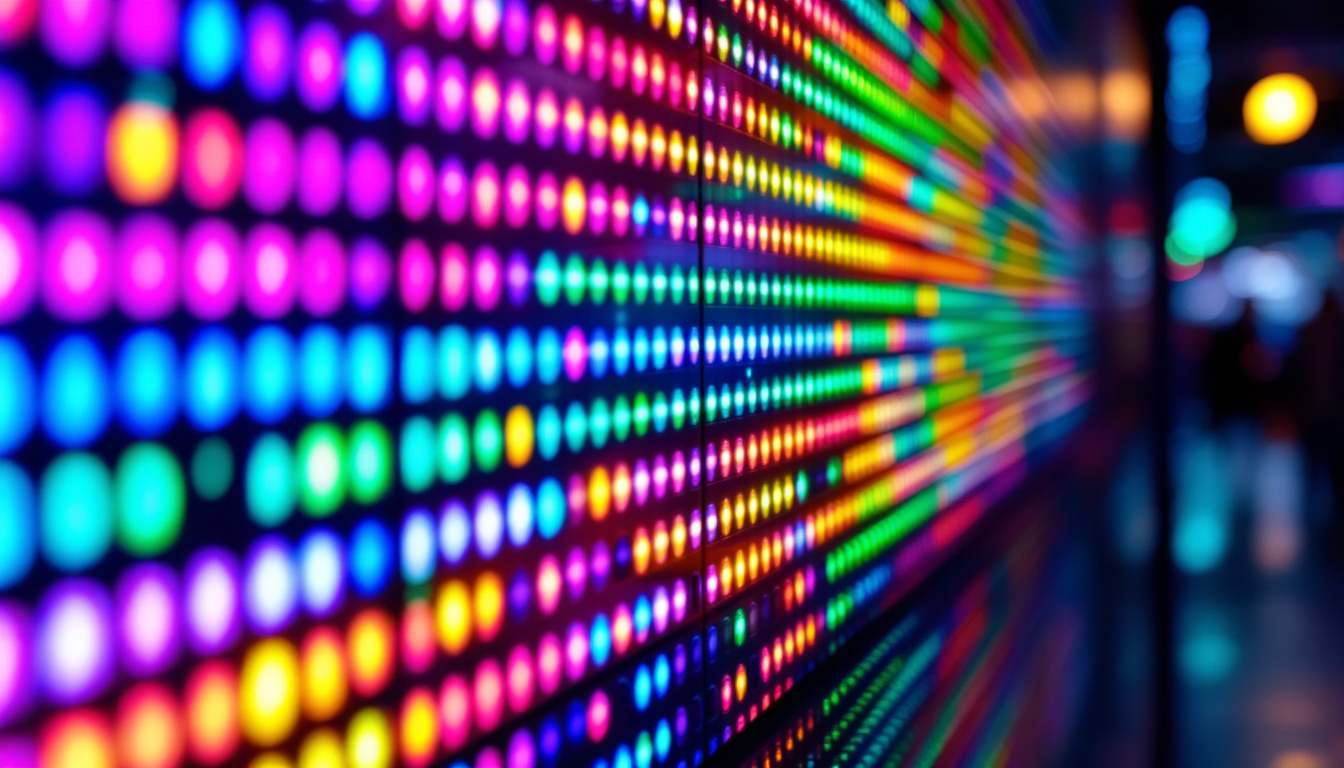
Each LED pixel is made up of red, green, and blue diodes that combine to produce a full spectrum of colors through varying intensities. By controlling the brightness of each diode, the display can render detailed images and smooth video playback. The refresh rate and pixel pitch — the distance between individual pixels — determine the display’s resolution and clarity. Higher pixel density results in sharper images, making LED displays particularly effective for close viewing distances, such as in shopping malls or concert venues.
Modern LED displays use advanced control systems to manage content delivery, brightness adjustment, and color calibration. These systems allow for real-time updates, dynamic content scheduling, and integration with various media sources, making LED signage a flexible and dynamic communication medium. Additionally, many LED displays are equipped with sensors that can adjust brightness based on ambient light conditions, ensuring optimal visibility at all times. This adaptability not only enhances user experience but also contributes to energy efficiency, as displays can reduce power consumption when full brightness is not necessary.
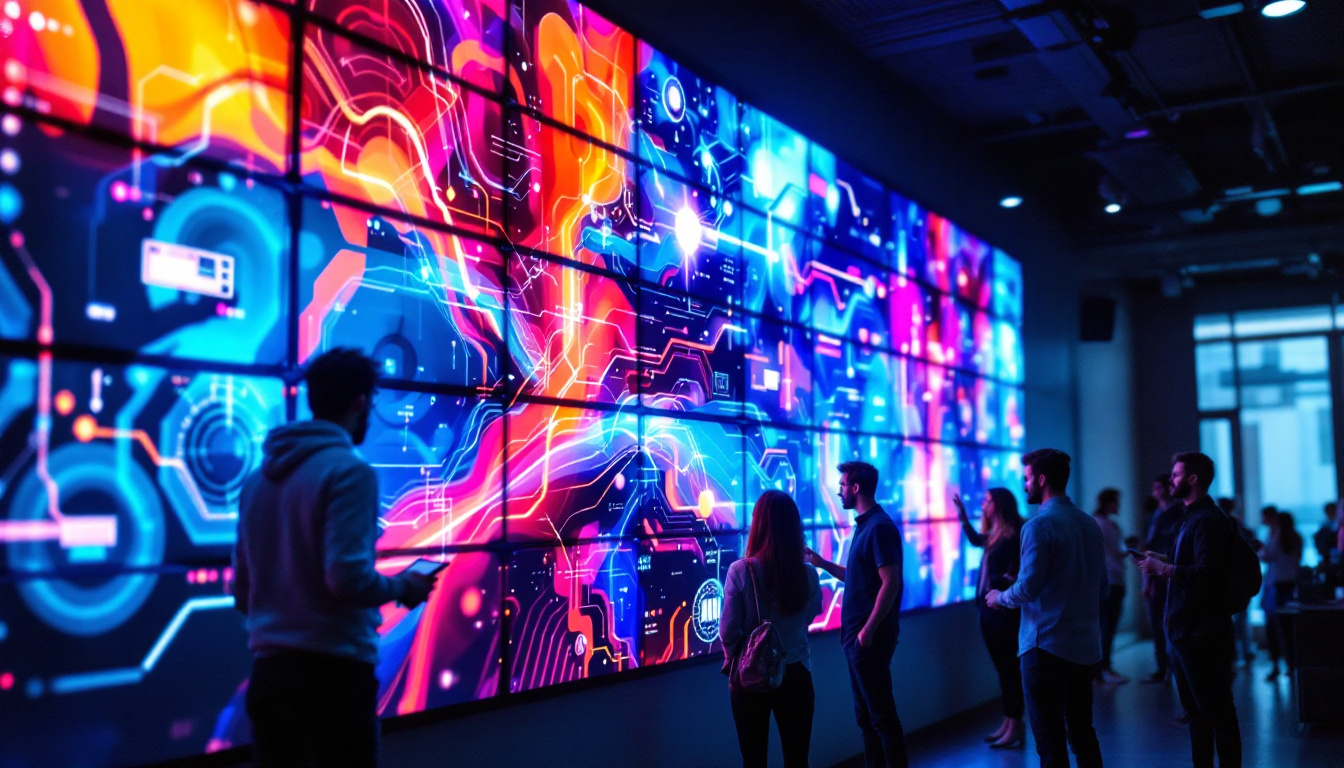
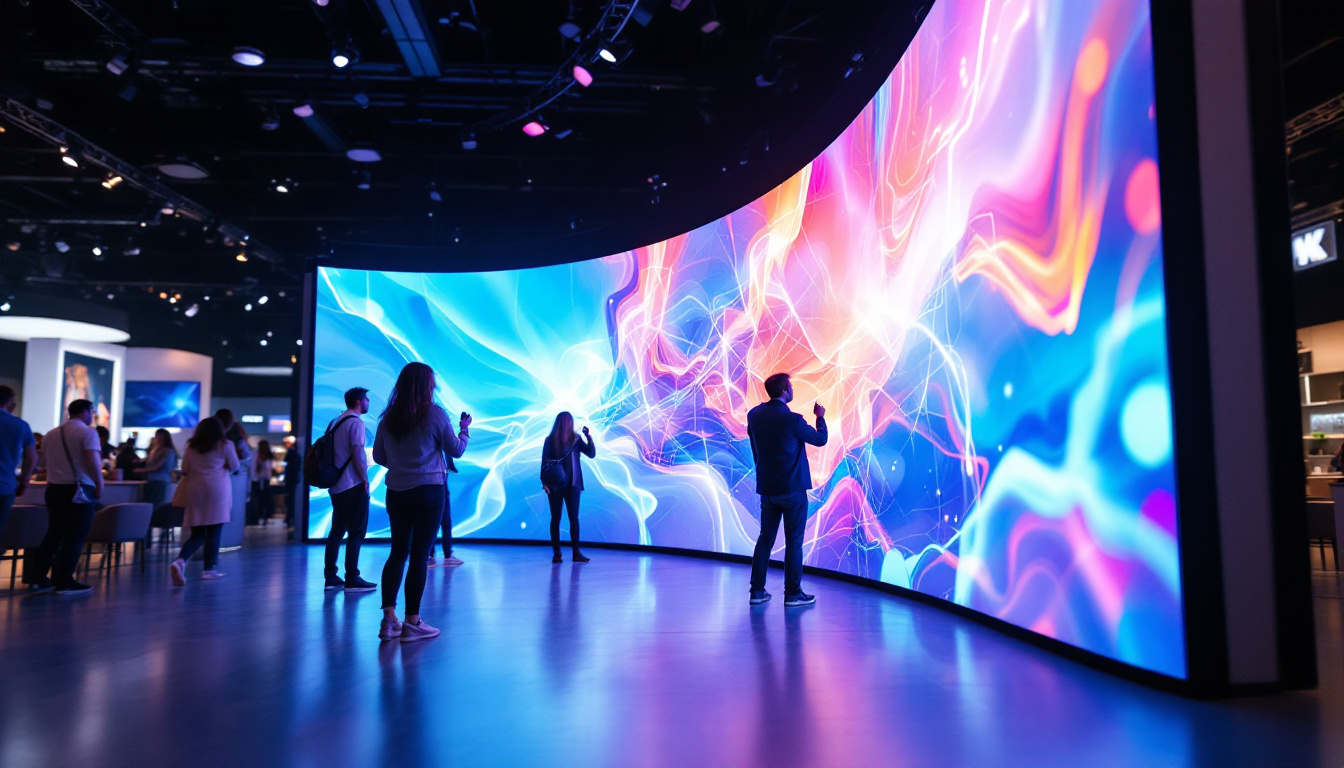
Moreover, the modular nature of LED technology allows for seamless scaling and customization. Businesses can create unique configurations, from large video walls to intricate shapes, catering to specific branding needs and spatial constraints. This flexibility has revolutionized the way companies approach advertising and information dissemination, enabling them to engage audiences in more interactive and visually appealing ways. As technology continues to evolve, we can expect even more innovative applications of LED displays, further enhancing their role in modern communication strategies.
The Advantages of LED Digital Signage Solutions
Exceptional Brightness and Visibility
One of the most significant advantages of LED displays is their brightness. With luminance levels often exceeding 5,000 nits, LED signage remains highly visible even under direct sunlight. This feature makes them ideal for outdoor advertising, transportation hubs, and retail environments where ambient light can be challenging.
In comparison, traditional LCD screens typically max out around 500-700 nits, which can be insufficient for outdoor use. The superior brightness of LED displays ensures that messages are clear and eye-catching, increasing viewer engagement and recall. Furthermore, the color accuracy and vibrancy of LED displays enhance the overall visual experience, making advertisements not just seen but felt. This is particularly important in competitive markets where capturing attention quickly can lead to higher conversion rates.
Energy Efficiency and Longevity
LED technology is known for its energy efficiency. LEDs consume significantly less power than traditional lighting and display technologies, reducing operational costs over time. According to the U.S. Department of Energy, LEDs use at least 75% less energy than incandescent lighting, and this efficiency translates well into digital signage applications.
Moreover, LED displays have a long lifespan, often exceeding 100,000 hours of operation. This durability means fewer replacements and lower maintenance costs, making them a cost-effective investment for businesses seeking long-term solutions. The reduced need for frequent replacements not only saves money but also minimizes environmental impact, aligning with sustainability goals that many companies are now prioritizing. Additionally, the ability to control brightness and power consumption dynamically allows businesses to optimize energy use further, especially during off-peak hours.
Flexibility and Scalability
LED displays come in various sizes and configurations, from small indoor panels to massive outdoor billboards. Their modular design allows for easy scalability — multiple panels can be combined seamlessly to create larger screens or unique shapes tailored to specific environments.
This adaptability is particularly valuable in retail, stadiums, corporate lobbies, and public spaces where customized digital signage solutions can enhance brand presence and customer experience. For instance, in a retail setting, an LED display can be configured to showcase a rotating selection of products, promotions, or even live social media feeds, creating an interactive experience that draws customers in. Additionally, the ability to easily update content in real-time means that businesses can respond quickly to market trends or customer preferences, ensuring that their messaging remains relevant and engaging. This level of flexibility is a game-changer in the fast-paced world of advertising and customer engagement.
Applications of LED Digital Signage Across Industries
Retail and Advertising
Retailers leverage LED signage to attract customers, promote products, and enhance in-store experiences. Dynamic content such as flash sales, product demos, and interactive promotions can be displayed in high resolution, driving foot traffic and increasing sales conversion rates.
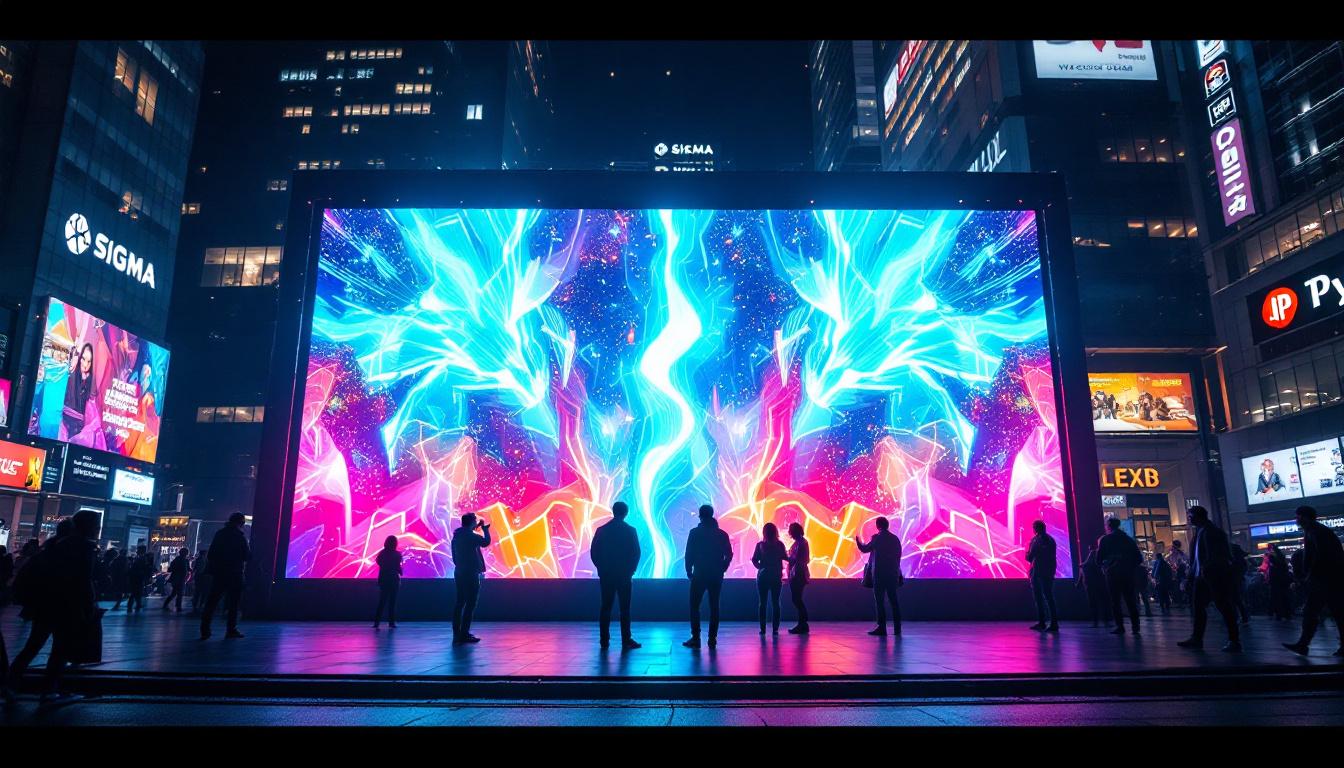
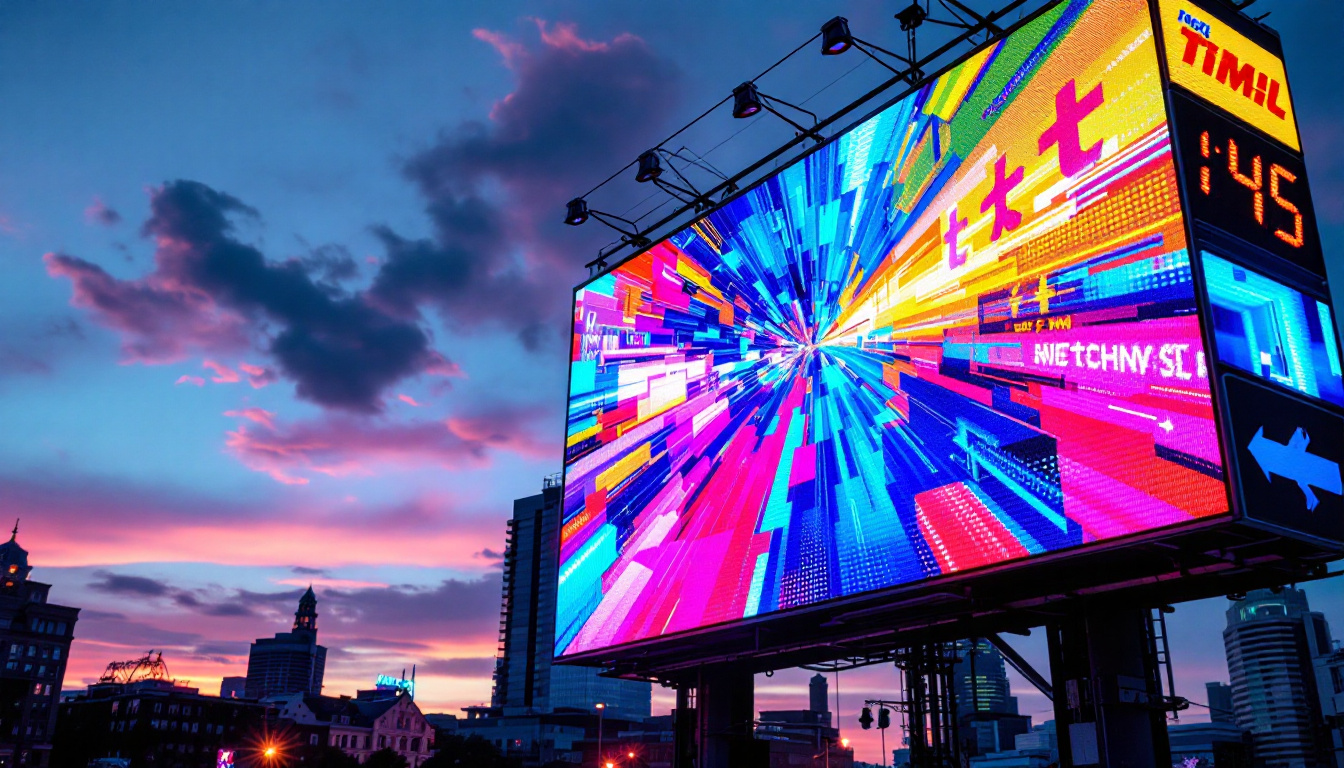
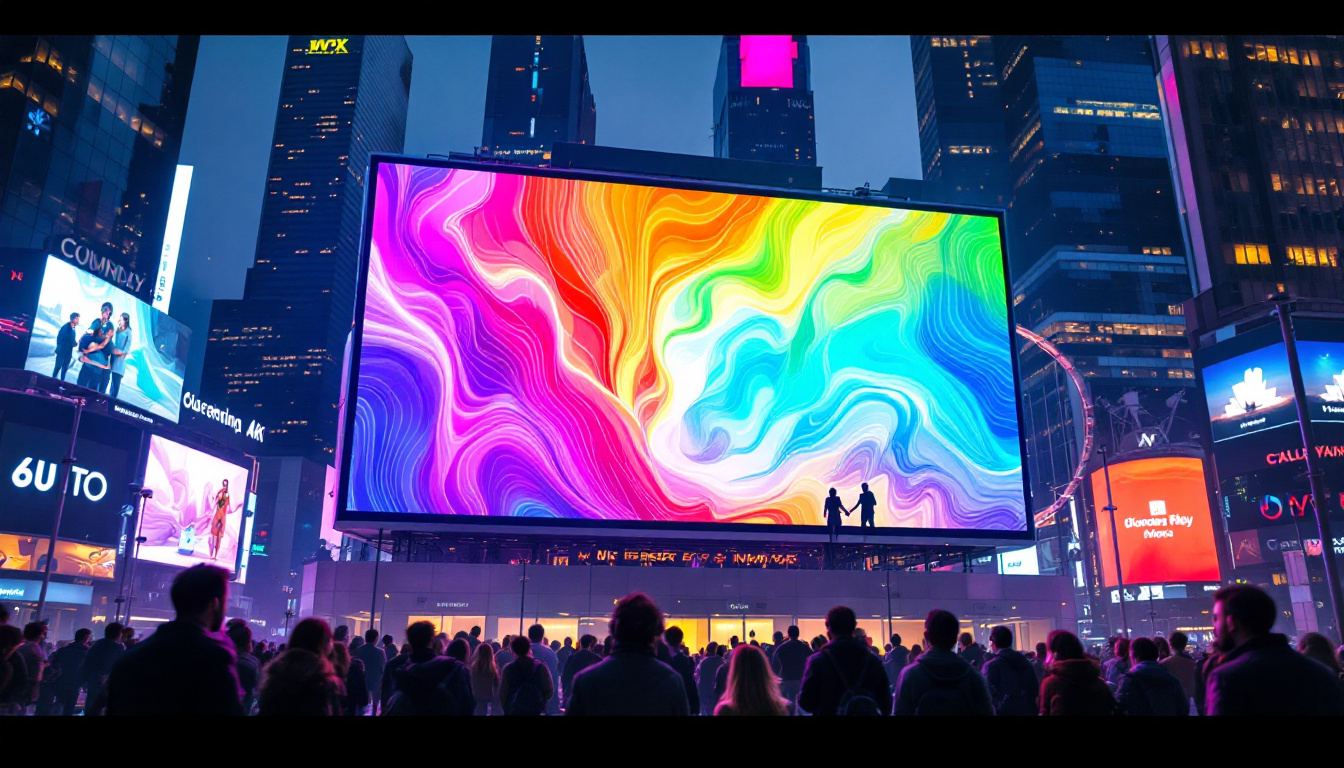
Outdoor LED billboards have transformed the advertising landscape, enabling brands to deliver targeted, real-time campaigns. For example, Times Square in New York City is renowned for its massive LED displays that combine advertising with entertainment, attracting millions of viewers daily.
Transportation and Public Information
Airports, train stations, and bus terminals utilize LED signage to provide real-time updates on schedules, delays, and safety information. The high visibility and reliability of LED displays ensure passengers receive timely and clear communication, improving overall travel experience.
Additionally, LED signs are used in traffic management systems to display warnings, speed limits, and directional information, contributing to road safety and efficient traffic flow.
Corporate and Educational Environments
In corporate settings, LED displays serve as digital notice boards, presentation screens, and branding tools. They facilitate internal communication, event promotion, and visitor engagement. Educational institutions use LED signage to display announcements, event schedules, and emergency alerts, enhancing campus communication.
The ability to update content remotely and instantly makes LED signage particularly useful in dynamic environments where information changes frequently.
Choosing the Right LED Display Solution
Considerations for Indoor vs. Outdoor Use
When selecting an LED display, it is essential to consider the environment. Outdoor LED displays require higher brightness, weatherproof enclosures, and robust construction to withstand elements such as rain, wind, and dust. Indoor displays prioritize resolution and viewing distance, with lower brightness levels suitable for controlled lighting conditions.
For example, an outdoor billboard may have a pixel pitch of 10mm or more, balancing visibility and cost, while an indoor retail display might use a 1.5mm pixel pitch for crisp detail at close range.
Resolution and Pixel Pitch
Resolution is critical to ensuring content clarity. Pixel pitch directly affects resolution; smaller pixel pitch means higher resolution but also higher cost. Businesses must balance budget constraints with desired image quality and viewing distance.
For applications where viewers are close to the screen, such as in retail or corporate lobbies, a fine pixel pitch (1-2 mm) is preferred. For large outdoor signage viewed from a distance, a coarser pitch (10-20 mm) is sufficient.
Content Management Systems (CMS)
The effectiveness of LED signage depends not only on hardware but also on the software used to manage content. A robust CMS allows users to schedule, update, and customize content easily. Features such as remote access, multi-screen synchronization, and analytics integration enhance the value of LED signage solutions.
Choosing a CMS that supports various media formats and integrates with existing business systems can streamline operations and maximize the impact of digital signage.
Future Trends in LED Digital Signage
Integration with AI and Data Analytics
Artificial intelligence is beginning to transform digital signage by enabling personalized and context-aware content delivery. For instance, facial recognition and audience analytics can tailor advertisements based on demographics, time of day, or weather conditions.
Data-driven signage increases engagement and ROI by ensuring that content resonates with the target audience, making LED displays smarter and more effective communication tools.
Advancements in MicroLED and Flexible Displays
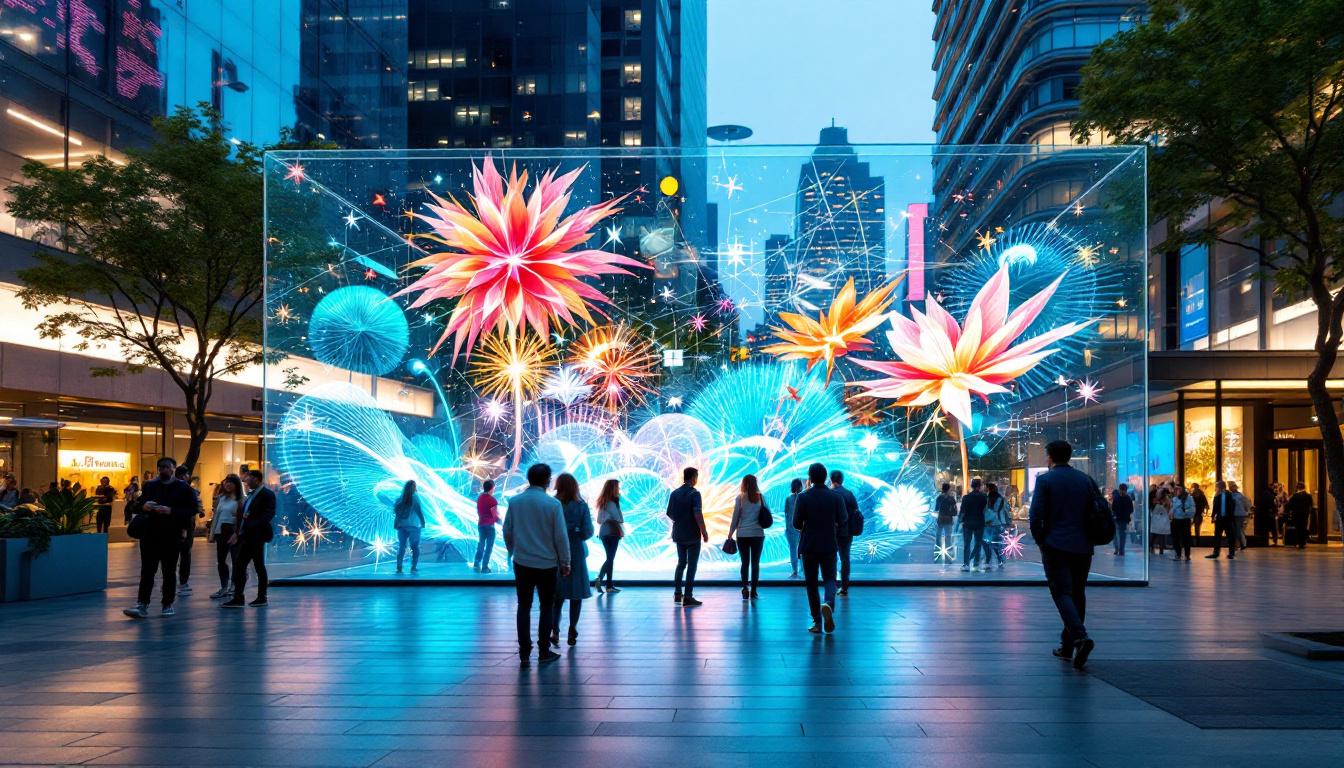
Emerging technologies like MicroLED promise even higher brightness, better color accuracy, and longer lifespans with lower power consumption. Additionally, flexible and transparent LED displays are opening new possibilities for creative installations in retail, architecture, and entertainment.
These innovations will expand the versatility of LED digital signage, allowing for immersive and interactive experiences that captivate audiences in novel ways.
Sustainability and Eco-Friendly Solutions
As environmental concerns grow, manufacturers are focusing on sustainable LED solutions that reduce energy consumption and use recyclable materials. Energy-efficient designs and smart power management systems contribute to lowering the carbon footprint of digital signage installations.
Businesses adopting green technologies not only reduce costs but also enhance their corporate social responsibility profiles, appealing to eco-conscious consumers.
Conclusion
LED digital signage solutions have revolutionized the way businesses and organizations communicate with their audiences. Their superior brightness, energy efficiency, flexibility, and scalability make them an ideal choice for a wide range of applications, from retail and advertising to transportation and corporate communication.
Understanding the technology, benefits, and factors to consider when choosing an LED display can help decision-makers invest wisely in digital signage that delivers maximum impact. As advancements continue in AI integration, display technology, and sustainability, LED signage will remain at the forefront of innovative communication strategies.
For businesses aiming to stand out in a crowded marketplace, embracing LED digital signage is not just an option — it’s a strategic imperative.
Illuminate Your Message with LumenMatrix
Ready to elevate your brand’s visibility and captivate your audience with unparalleled clarity? LumenMatrix is at the forefront of LED display innovation, offering a diverse range of solutions tailored to your unique needs. From Indoor and Outdoor LED Wall Displays to specialized options like Vehicle, Sports, and Floor LED Displays, our mission is to revolutionize your visual communication. Discover the transformative power of our Custom, All-in-One, and Transparent LED Displays. Check out LumenMatrix LED Display Solutions today and step into the future of dynamic and engaging digital signage.