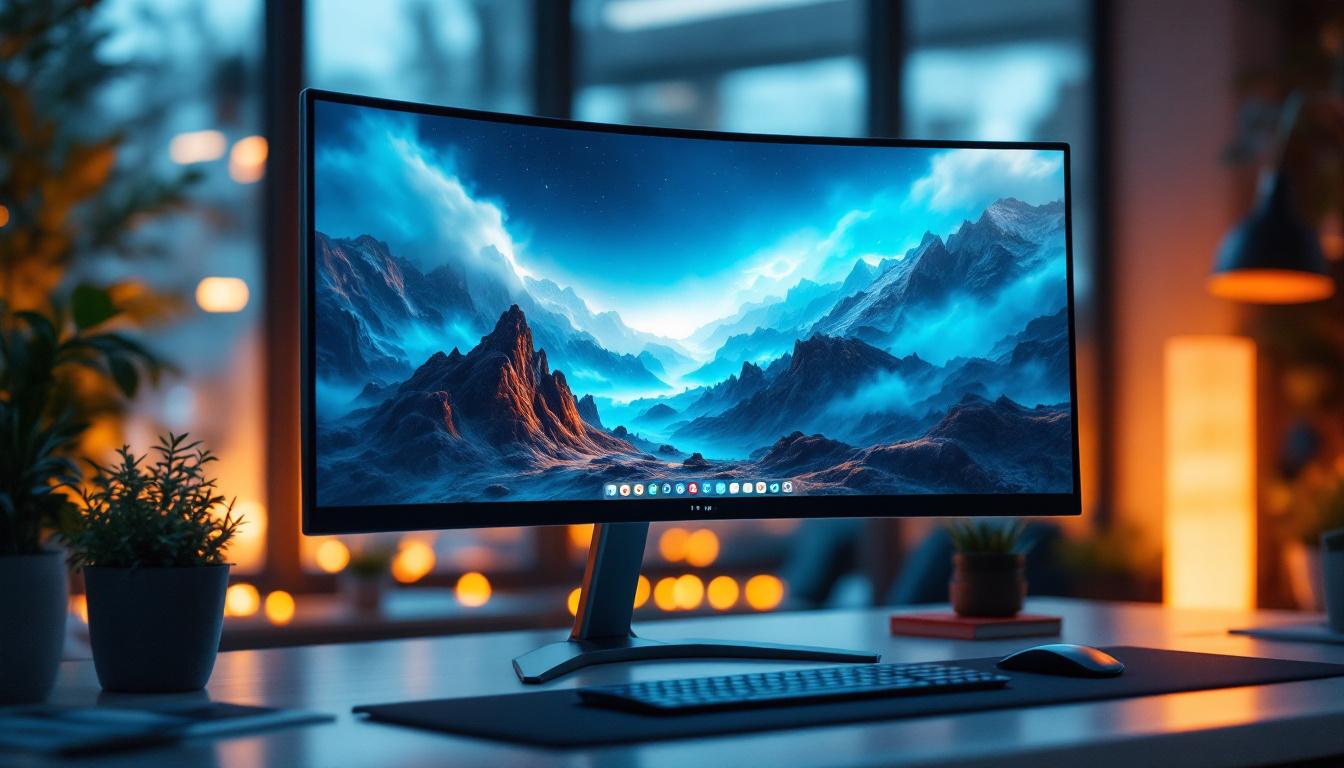
In recent years, the computing landscape has witnessed remarkable innovations designed to enhance user experience, productivity, and aesthetics. One such innovation is the all-in-one curved computer featuring LED displays. Combining sleek design with advanced display technology, these systems are reshaping how professionals and casual users interact with their digital environments. This article delves into the intricacies of all-in-one curved computers, focusing on their LED display technology, and explores why they are becoming a popular choice for modern users.
Understanding All-In-One Curved Computers
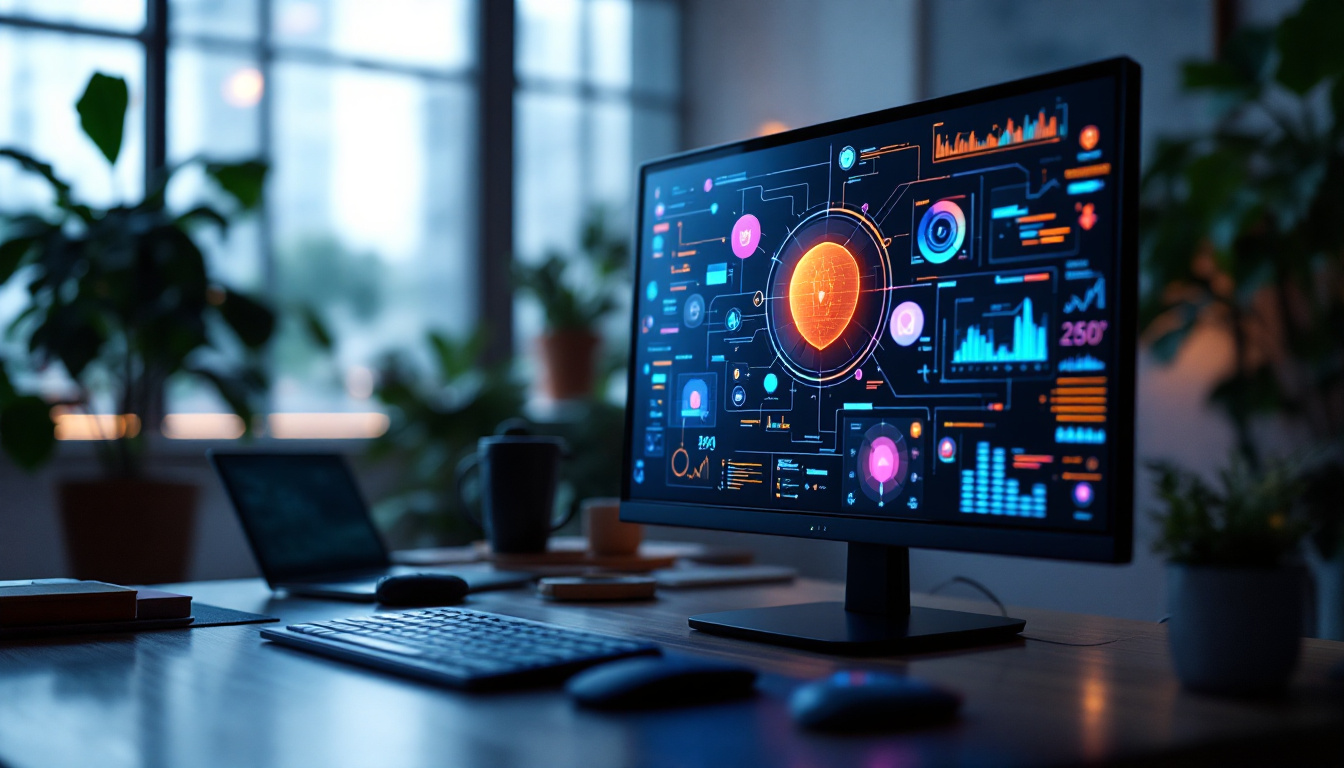
All-in-one (AIO) computers integrate the monitor and the computer components into a single unit, eliminating the need for separate towers and multiple cables. This compact design simplifies setup and reduces clutter, making it ideal for both home and office environments. When combined with a curved display, these systems offer an immersive visual experience that traditional flat monitors often cannot match.
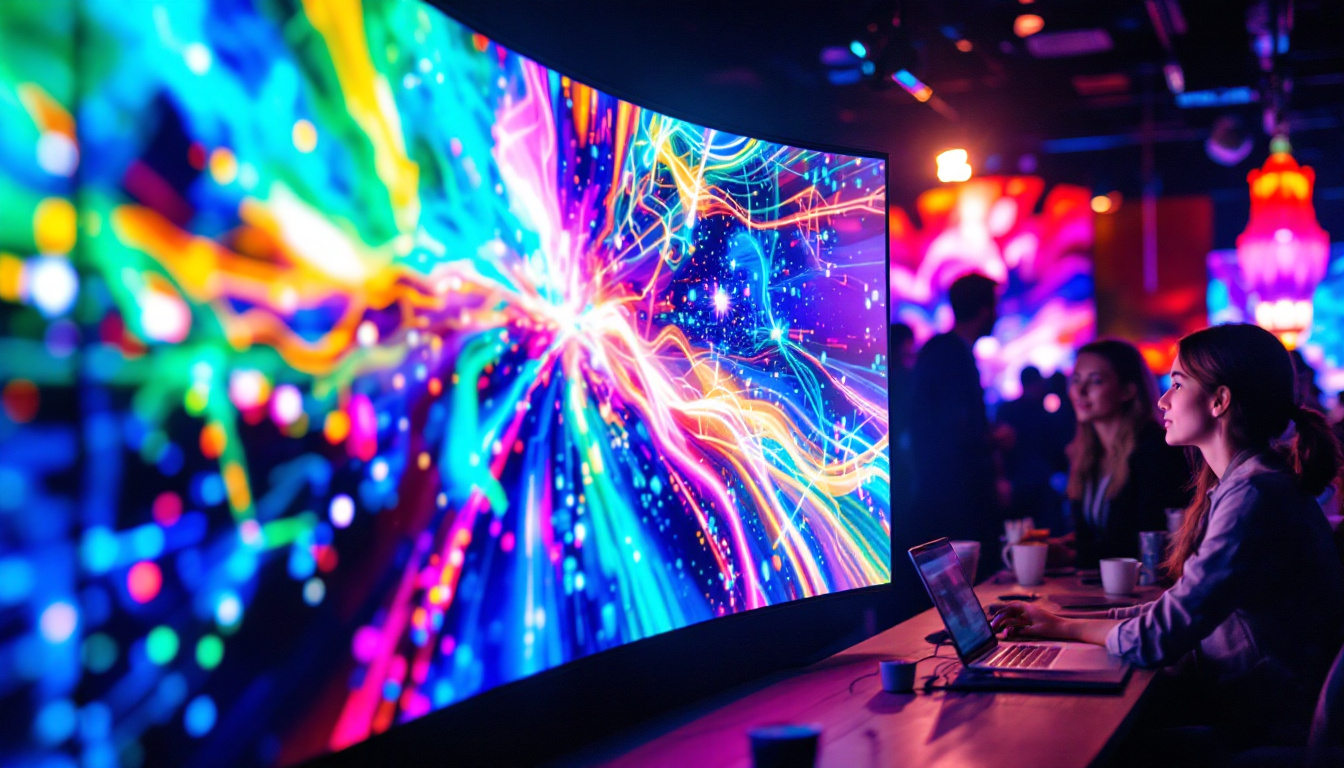
The curved form factor follows the natural curvature of the human eye, providing a wider field of view and reducing distortion at the edges of the screen. This design enhances comfort during extended use by minimizing eye strain and improving focus. For professionals in fields such as graphic design, video editing, and gaming, the curved all-in-one computer offers a compelling blend of functionality and ergonomics.
Key Advantages of Curved AIO Computers
Curved AIO computers bring several benefits to the table:
- Enhanced Immersion: The curvature wraps the display around the user’s line of sight, creating a more engaging visual environment.
- Improved Viewing Angles: Curved screens maintain consistent color and contrast across the display, reducing reflections and glare.
- Space Efficiency: With all components housed behind the display, these systems save desk space and reduce cable clutter.
- Modern Aesthetics: The sleek, minimalist design complements contemporary office and home setups.
In addition to these advantages, curved AIO computers often come equipped with advanced features that enhance their usability. Many models include touch-screen capabilities, allowing for intuitive navigation and interaction with applications. This feature is particularly beneficial for creative professionals who rely on precision and direct manipulation of design elements. Furthermore, integrated speakers and high-quality webcams are common in these systems, making them suitable for video conferencing and multimedia consumption without the need for additional peripherals.
Another noteworthy aspect of curved AIO computers is their ability to support high-resolution displays, such as 4K or even 5K options. This level of detail is essential for tasks that demand precision, such as photo editing or 3D modeling. The vibrant colors and sharp images provided by these displays can significantly enhance the user experience, making every project feel more lifelike. Additionally, many models offer customizable settings that allow users to adjust brightness, contrast, and color profiles, ensuring optimal viewing conditions for any environment or task.
The Role of LED Displays in Curved All-In-One Computers
At the heart of any all-in-one curved computer is its display technology. LED (Light Emitting Diode) displays have become the standard due to their superior brightness, energy efficiency, and color accuracy compared to older LCD technologies. Understanding how LED displays work and their advantages is crucial to appreciating why they are integral to modern curved AIO computers.
What is an LED Display?
LED displays use an array of light-emitting diodes as a backlighting source for the screen. Unlike traditional LCDs that rely on cold cathode fluorescent lamps (CCFLs), LED displays offer better control over brightness and contrast. The LEDs illuminate liquid crystal pixels, which modulate light to produce images on the screen.
There are two primary types of LED backlighting used in monitors:
- Edge-Lit LED: LEDs are positioned around the edges of the display, and light is distributed across the screen using light guides. This design allows for thinner panels but may have less uniform brightness.
- Full-Array LED: LEDs are placed directly behind the entire screen, enabling local dimming zones that improve contrast and black levels.
Benefits of LED Displays in Curved AIO Computers
LED technology enhances the curved all-in-one computer experience in several ways:
- Brightness and Clarity: LED displays can achieve higher brightness levels, making them suitable for various lighting conditions.
- Energy Efficiency: LEDs consume less power than CCFL backlights, contributing to lower energy bills and longer device lifespan.
- Color Accuracy and Range: Modern LED displays support wide color gamuts and high color fidelity, essential for creative professionals.
- Thin and Lightweight Design: LED backlighting allows manufacturers to produce slimmer and lighter displays, aligning with the sleek profile of AIO systems.
Curved Display Specifications to Consider
When selecting an all-in-one curved computer, understanding the key display specifications is vital to ensure the device meets your needs. These specifications directly impact the visual experience and performance.
Screen Size and Curvature Radius
Curved displays come in various sizes, typically ranging from 24 inches to 34 inches or more for all-in-one systems. The curvature is measured by the radius (R), with common values being 1800R, 1500R, or 1000R. The smaller the radius, the more pronounced the curve.
A 1800R curve is gentle and suitable for general productivity, while a 1000R curve offers a more immersive experience, especially beneficial for gaming or detailed design work. However, a tighter curve may not be comfortable for all users, so personal preference and desk setup should guide the choice.
Resolution and Pixel Density
Resolution determines the number of pixels displayed on the screen, affecting sharpness and detail. Common resolutions for curved AIO computers include Full HD (1920×1080), Quad HD (2560×1440), and 4K Ultra HD (3840×2160).
Higher resolution displays provide crisper images and more screen real estate, which is advantageous for multitasking and detailed work. Pixel density, measured in pixels per inch (PPI), also influences image clarity; higher PPI values result in finer details.
Refresh Rate and Response Time
While refresh rate and response time are often associated with gaming monitors, they are relevant for all users. The refresh rate indicates how many times per second the display updates its image, measured in Hertz (Hz). A standard 60Hz is sufficient for most tasks, but higher refresh rates (120Hz or 144Hz) offer smoother motion, beneficial for video playback and gaming.
Response time measures how quickly pixels change color, affecting motion blur. Lower response times (1ms to 5ms) reduce ghosting effects, enhancing visual clarity during fast-moving scenes.
Applications and Use Cases for Curved AIO Computers with LED Displays
The combination of curved design and LED display technology makes all-in-one computers versatile tools across various professional and personal applications.
Creative Professionals
Graphic designers, video editors, and photographers benefit from the enhanced color accuracy and wide viewing angles of LED curved displays. The immersive curvature helps in focusing on detailed work by reducing peripheral distractions and providing a consistent image across the screen.
Many curved AIO models support color calibration and cover wide color gamuts such as Adobe RGB and DCI-P3, critical for color-critical projects.
Business and Productivity
For office environments, curved AIO computers improve multitasking by offering expansive screen real estate without the bezels of multi-monitor setups. The ergonomic benefits reduce eye fatigue during long work sessions, increasing overall productivity.
Additionally, the minimalist design of these systems complements modern office aesthetics and simplifies cable management.
Entertainment and Gaming
Curved LED displays enhance gaming experiences by providing a panoramic field of view and vivid visuals. Although all-in-one systems may not always match the performance of custom gaming rigs, many models offer powerful processors and dedicated graphics cards suitable for casual to mid-level gaming.
Streaming movies and videos also benefit from the high contrast ratios and vibrant colors of LED curved displays, creating a more cinematic experience.
Choosing the Right All-In-One Curved Computer
Selecting the ideal curved AIO computer involves balancing performance, display quality, and budget. Here are some factors to consider:
Performance Specifications
Ensure the system has a processor and memory configuration that meets your workload demands. For creative work, a multi-core processor and at least 16GB of RAM are recommended. For general productivity, 8GB of RAM and a mid-range processor may suffice.
Display Quality
Prioritize displays with high resolution, accurate color reproduction, and an appropriate curvature radius. If possible, test the screen in person to evaluate comfort and visual appeal.
Connectivity and Expansion
Look for multiple USB ports, HDMI outputs, and audio jacks to accommodate peripherals. Some AIO systems also offer Thunderbolt or USB-C ports for faster data transfer and external device compatibility.
Ergonomics and Adjustability
Adjustable stands that allow tilting, swiveling, and height changes improve comfort. Some models also support VESA mounts for customized setups.
Future Trends in Curved AIO Computers and LED Displays
The evolution of display and computing technology continues to push the boundaries of what all-in-one curved computers can offer. Emerging trends include:
Mini-LED and Micro-LED Technology
Mini-LED backlighting enhances contrast and brightness by using thousands of tiny LEDs, enabling more precise local dimming. Micro-LED technology promises even better performance with self-emissive pixels, higher brightness, and longer lifespan, potentially revolutionizing future curved displays.
Higher Refresh Rates and Adaptive Sync
Increasingly, curved AIO computers are adopting higher refresh rates and technologies like NVIDIA G-Sync and AMD FreeSync to reduce screen tearing and stuttering, improving visual smoothness.
Integration of Touch and Pen Input
Some curved all-in-one computers now offer touchscreens with stylus support, catering to artists and designers who require direct interaction with their displays.
AI-Enhanced Display Calibration
Artificial intelligence is being integrated into display calibration processes, allowing dynamic adjustments based on ambient lighting and content type, ensuring optimal viewing conditions at all times.
Conclusion
All-in-one curved computers equipped with LED displays represent a significant advancement in computing technology, combining aesthetic appeal with functional excellence. Their immersive curved screens, powered by efficient and vibrant LED technology, cater to a diverse range of users—from creative professionals and office workers to gamers and multimedia enthusiasts.
By understanding the key features, benefits, and specifications of these systems, users can make informed decisions that align with their needs and preferences. As display technologies continue to evolve, the future of curved all-in-one computers looks promising, offering even more immersive and visually stunning experiences.
Discover LumenMatrix’s Innovative LED Displays
Ready to elevate your digital experience with the immersive world of curved all-in-one computers? LumenMatrix is at the forefront of LED display technology, offering a wide array of solutions that bring your content to life. From the comfort of your home to the dynamic environment of your workplace, our LED displays are designed to captivate and engage. Experience the future of visual communication with our Indoor LED Wall Display, Outdoor LED Wall Display, and more. Check out LumenMatrix LED Display Solutions today and transform the way you see, work, and play.