In the rapidly evolving world of digital signage and display technology, LED displays have become a cornerstone for delivering vibrant, dynamic visual content. Among the many innovations in this space, the “Msg Sphere Date” feature represents a fascinating intersection of messaging, spherical display technology, and date-specific content presentation. This article delves into the technical and practical aspects of LED displays, with a particular focus on how Msg Sphere Date functions, its applications, and why it matters in today’s digital communication landscape.
Understanding LED Display Technology
What is an LED Display?
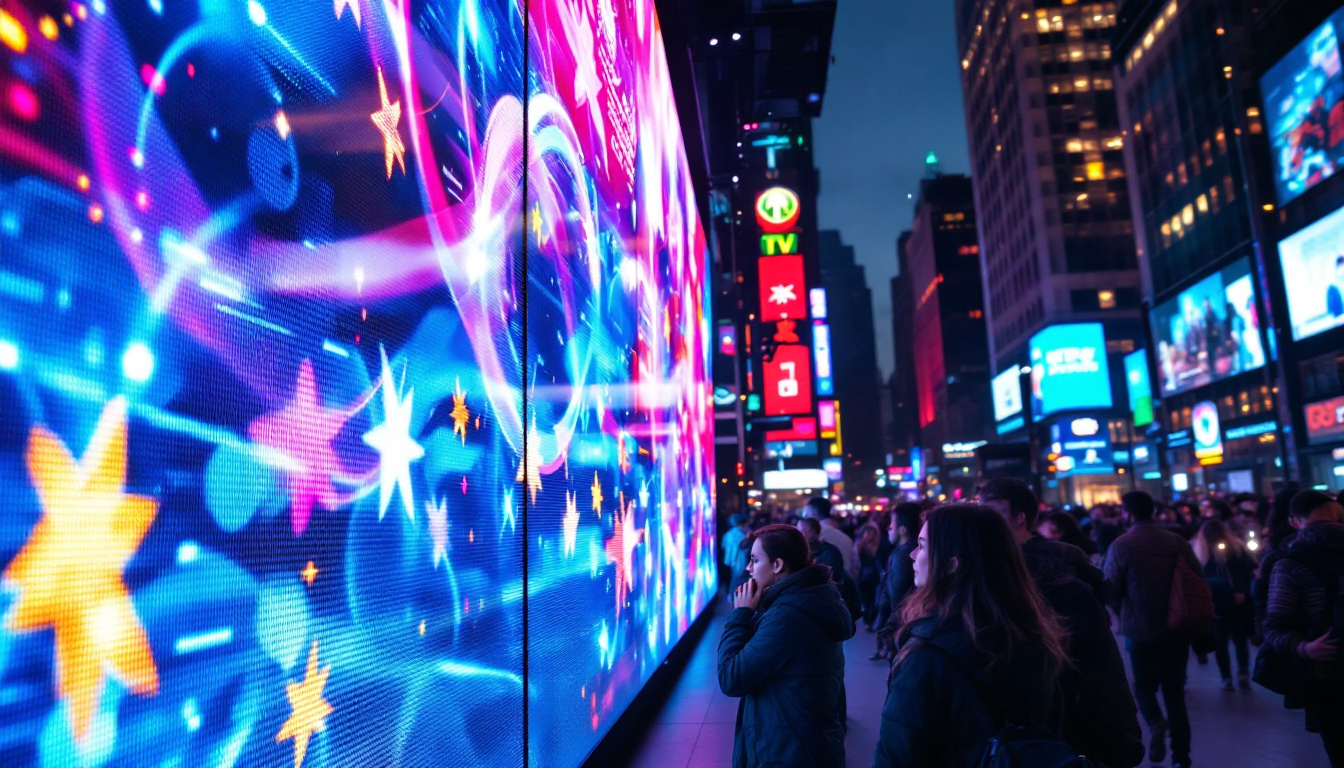
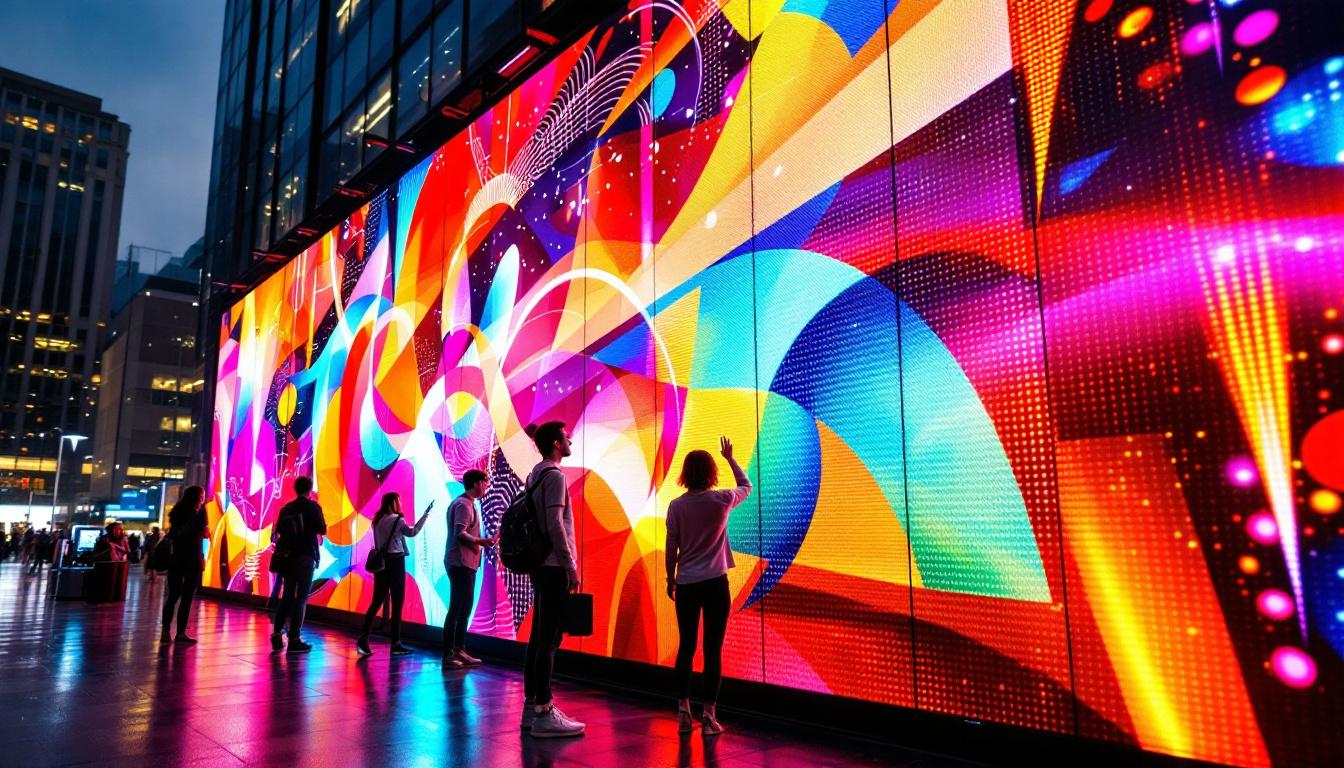
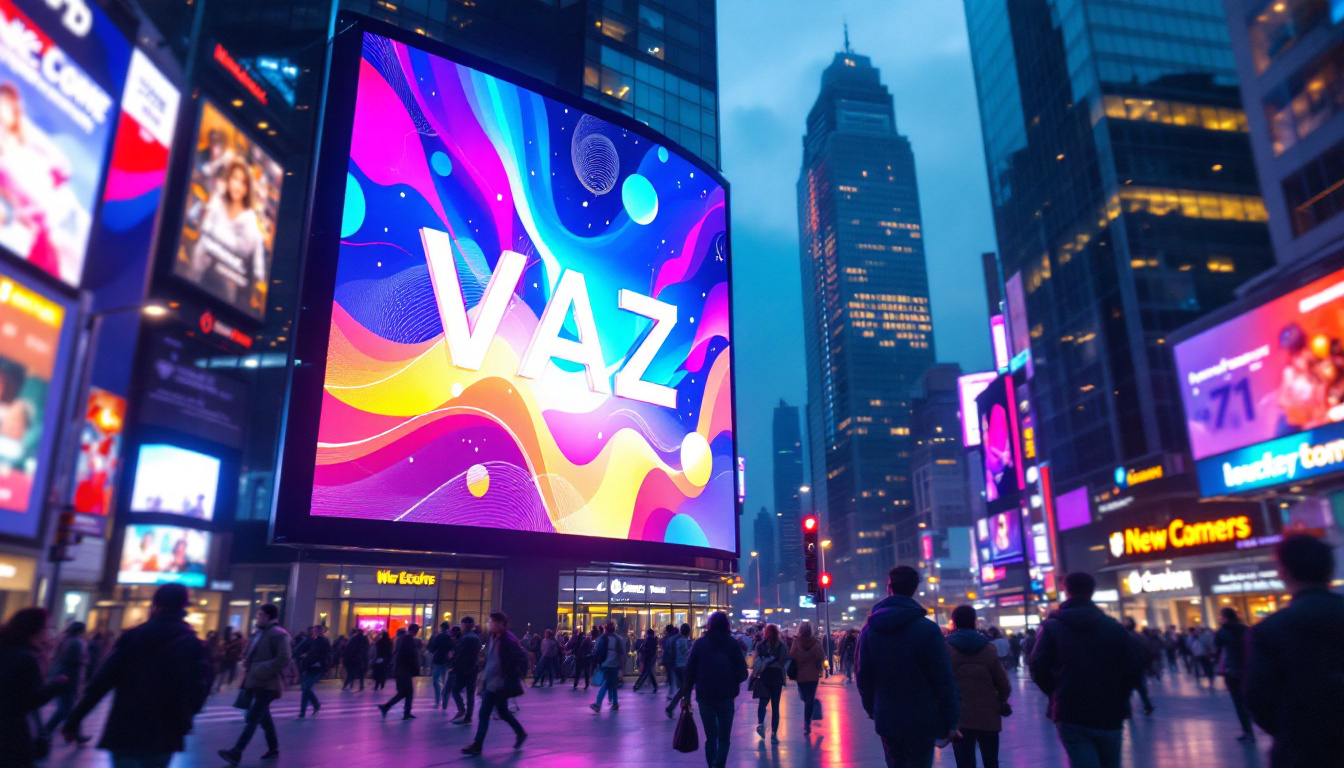
LED, or Light Emitting Diode, displays are screens composed of numerous tiny light sources that emit light when an electric current passes through them. Unlike traditional LCDs, which rely on backlighting, LEDs produce their own light, allowing for higher brightness, better contrast, and more vivid colors. This makes LED displays ideal for a variety of environments, from indoor advertising to large-scale outdoor billboards. The technology has evolved significantly over the years, with advancements in materials and manufacturing processes leading to even more efficient and effective displays.
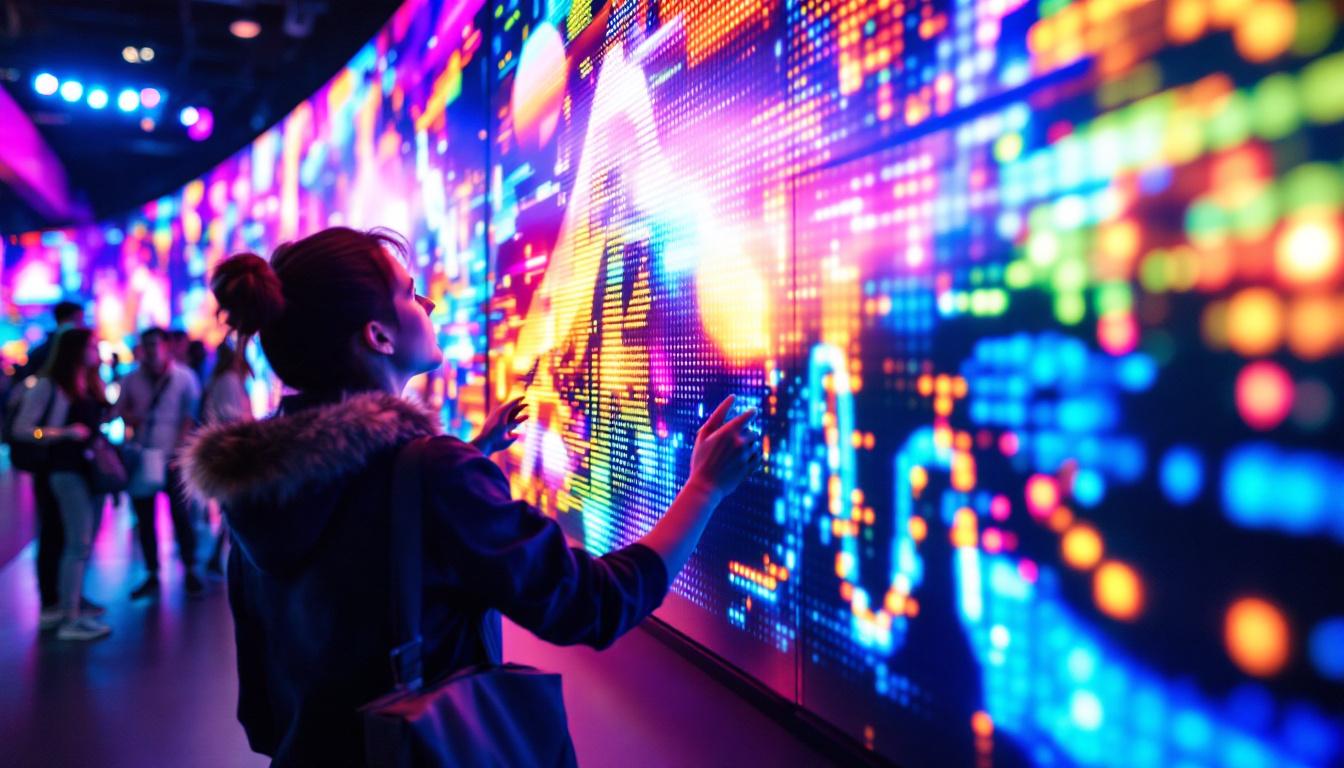
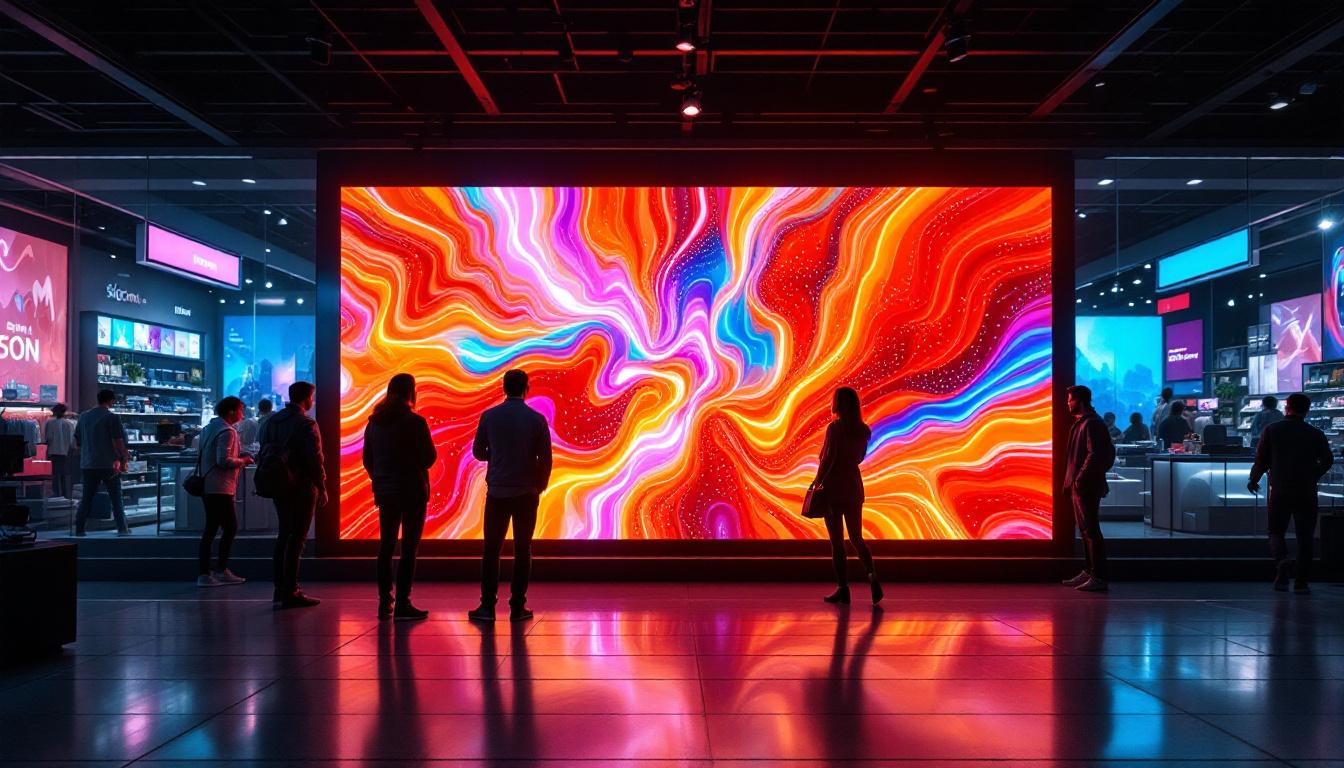
Modern LED displays are modular, consisting of panels that can be assembled into virtually any size or shape. This flexibility has led to creative applications, including curved and spherical displays, which offer immersive viewing experiences. Additionally, the integration of smart technology into LED displays has enabled features such as touch sensitivity and interactive capabilities, enhancing user engagement and making them suitable for exhibitions, trade shows, and interactive installations.
Key Advantages of LED Displays
LED technology offers several critical benefits that have driven its widespread adoption:
- Brightness and Visibility: LEDs can achieve brightness levels exceeding 5,000 nits, making them visible even under direct sunlight.
- Energy Efficiency: LEDs consume significantly less power than traditional lighting and display technologies, reducing operational costs.
- Durability and Longevity: LED modules typically last 50,000 to 100,000 hours, making them a cost-effective long-term investment.
- Color Accuracy and Flexibility: With precise control over each diode, LED displays can render millions of colors with high fidelity.
Moreover, LED displays are increasingly being recognized for their environmental benefits. As they consume less energy, they contribute to lower carbon footprints, making them a more sustainable choice for businesses and organizations aiming to reduce their environmental impact. Additionally, many manufacturers are now focusing on using recyclable materials in their products, further enhancing the eco-friendliness of LED technology. This shift not only appeals to environmentally conscious consumers but also aligns with global efforts to promote sustainability across various industries.
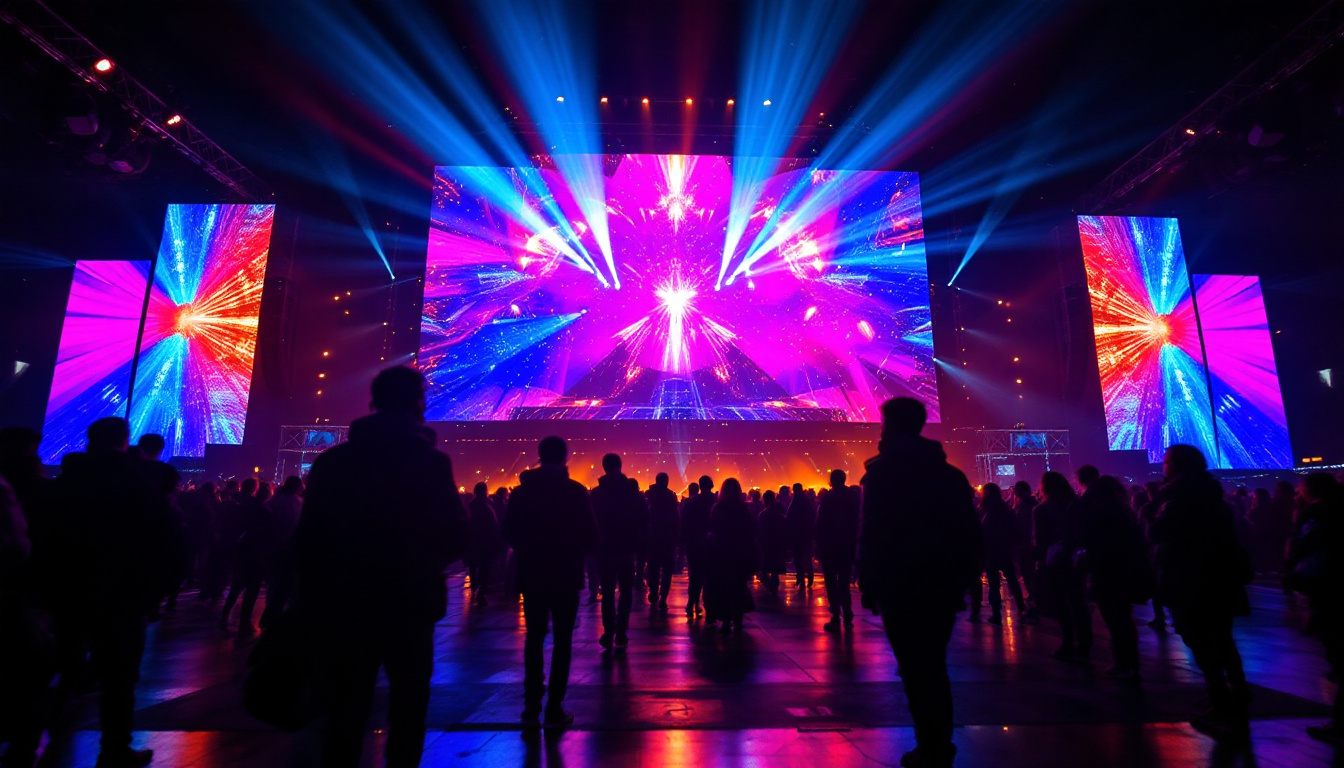
Another noteworthy advantage of LED displays is their adaptability to various content types and formats. From high-definition video content to dynamic graphics and static images, LED displays can seamlessly switch between different media, making them versatile tools for marketing and communication. This adaptability is particularly valuable in fast-paced environments, such as sports arenas and concert venues, where real-time updates and engaging visuals are essential for capturing audience attention and enhancing the overall experience.
The Rise of Spherical LED Displays
What Are Spherical LED Displays?
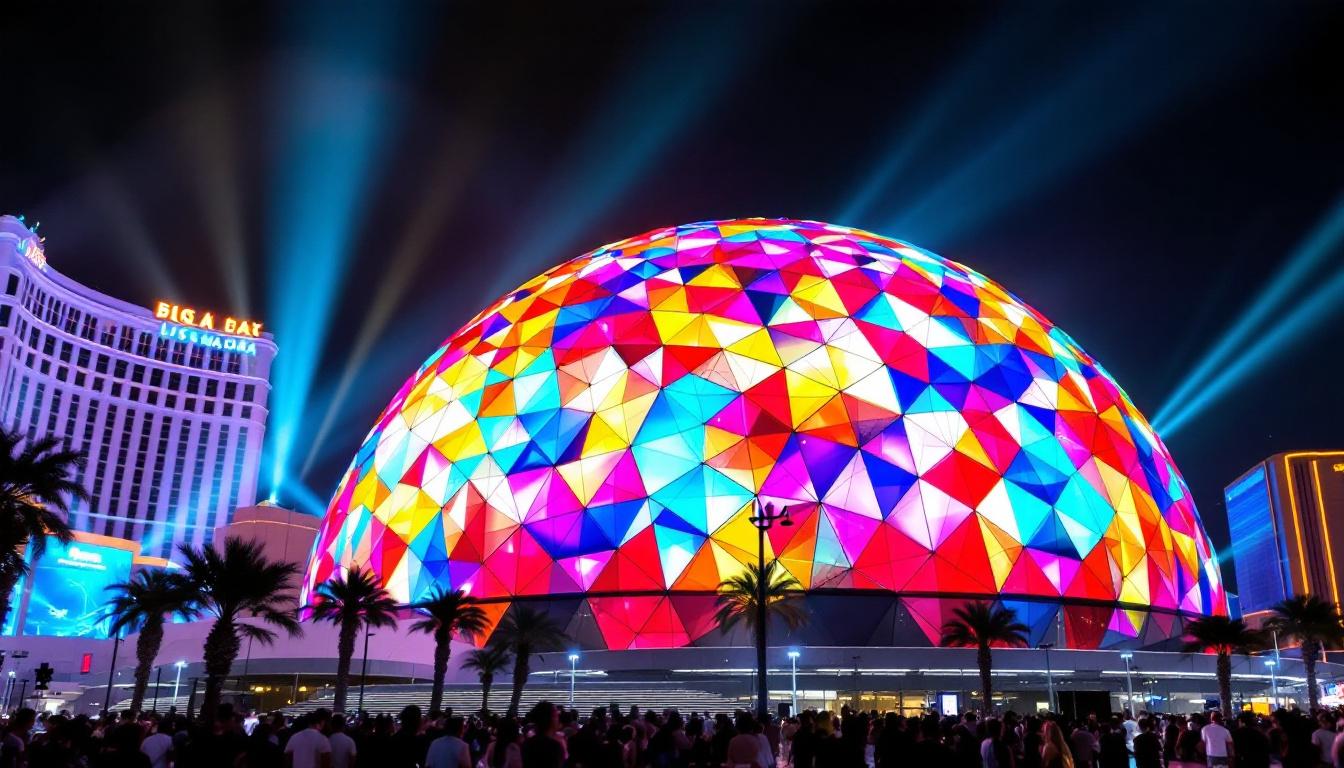
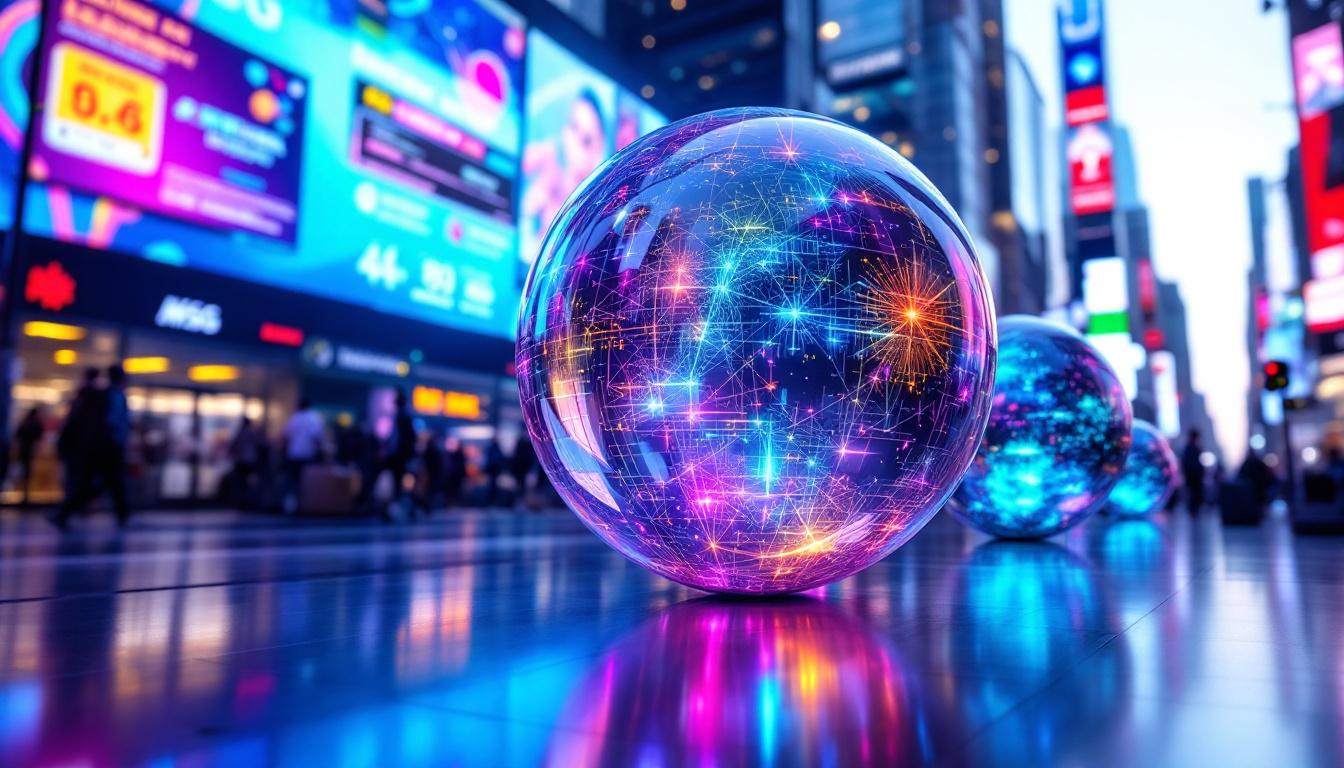
Spherical LED displays are a unique form of digital signage where LED panels are arranged to form a globe-like or spherical shape. This design allows content to be viewed from multiple angles, creating an engaging and immersive experience. These displays are often used in public spaces, museums, exhibitions, and corporate environments to showcase dynamic content in a visually striking manner.
The spherical form factor challenges traditional flat-screen display paradigms, requiring specialized hardware and software to map images and videos accurately onto a curved surface without distortion.
Technological Challenges and Solutions
Creating a spherical LED display involves overcoming several technical hurdles:
- Pixel Mapping: Content must be warped and adjusted to fit the curved surface seamlessly, which requires advanced software algorithms.
- Panel Curvature: LED modules must be designed or adapted to fit curved frames, often involving custom manufacturing processes.
- Viewing Angles: LEDs have varying optimal viewing angles; spherical displays must ensure consistent brightness and color fidelity from all perspectives.
Innovations in flexible LED modules and real-time content rendering have enabled the rise of these spherical displays, making them more accessible and reliable than ever before.
Decoding the “Msg Sphere Date” Feature
What Does “Msg Sphere Date” Mean?
The term “Msg Sphere Date” refers to a specific functionality within spherical LED displays that integrates dynamic messaging with date-specific content. Essentially, it allows operators to schedule and display messages or visual content on the spherical display tied to particular dates or timeframes. This capability is crucial for event-driven marketing, public announcements, or time-sensitive information dissemination.
For example, a spherical display in a shopping mall might show promotional content for a holiday sale only during the relevant dates, automatically switching to different messages afterward without manual intervention.
How Does Msg Sphere Date Work Technically?
At its core, Msg Sphere Date relies on sophisticated content management systems (CMS) that interface with the LED display hardware. These systems allow users to:
- Schedule Content: Upload messages, images, or videos and assign them to specific dates or time ranges.
- Automate Playback: The CMS triggers the display of scheduled content automatically, ensuring timely and accurate messaging.
- Customize Display Parameters: Adjust brightness, animation speed, and transition effects based on time of day or event type.
Integration with calendar APIs and real-time clocks ensures synchronization, making Msg Sphere Date a powerful tool for managing dynamic content on spherical LED displays.
Applications and Benefits of Msg Sphere Date in LED Displays
Event Marketing and Promotions
One of the most prominent uses of Msg Sphere Date is in event marketing. Retailers, event organizers, and advertisers leverage this feature to deliver targeted messages that align with specific dates, such as product launches, seasonal sales, or special events. The spherical display’s eye-catching format combined with timely messaging significantly enhances audience engagement.
For instance, during the holiday season, a Msg Sphere Date-enabled display can cycle through festive greetings, promotional offers, and countdowns to key shopping days, all scheduled in advance for seamless execution.
Public Information and Announcements
Municipalities and public institutions use spherical LED displays with Msg Sphere Date functionality to communicate important information such as weather alerts, public health updates, or event schedules. The ability to automate date-specific content ensures that critical messages are displayed precisely when needed, reducing the risk of outdated or irrelevant information being shown.
Corporate and Educational Environments
In corporate settings, spherical LED displays can be used in lobbies or meeting areas to showcase company news, event calendars, or motivational content that changes based on the date. Educational institutions similarly benefit by displaying academic calendars, exam schedules, or event announcements dynamically, improving communication with students and staff.
Design Considerations for Implementing Msg Sphere Date LED Displays
Content Creation and Formatting
Designing content for spherical LED displays requires careful attention to how images and text wrap around the curved surface. Content creators must use specialized software tools that simulate the spherical environment, allowing for accurate preview and adjustment before deployment.
When incorporating Msg Sphere Date, content must be modular and adaptable, with clear scheduling parameters. Designers should consider readability, contrast, and animation pacing to ensure messages are effective regardless of viewing angle.
Hardware and Installation Factors
Choosing the right LED modules and control systems is essential for reliable Msg Sphere Date functionality. Factors such as pixel pitch (the distance between LEDs), resolution, and brightness must align with the intended viewing distance and environment.
Installation also requires structural support capable of safely holding the spherical display, as well as environmental protections if the display is outdoors. Integration with network infrastructure is critical for remote content updates and scheduling.
Maintenance and Operational Efficiency
Regular maintenance ensures the longevity and performance of spherical LED displays. This includes cleaning, firmware updates, and hardware inspections. The Msg Sphere Date feature can improve operational efficiency by automating content changes, reducing the need for manual intervention and minimizing downtime.
The Future of LED Displays and Msg Sphere Date Integration
Advancements in LED Technology
Emerging trends in LED display technology promise even greater capabilities for Msg Sphere Date applications. MicroLED and miniLED technologies offer higher resolutions and improved energy efficiency, enabling more detailed and vibrant spherical displays.
Additionally, flexible and transparent LED panels are expanding design possibilities, allowing for more creative and interactive spherical installations.
AI and Data-Driven Content Scheduling
Artificial intelligence and machine learning are beginning to play a role in content management systems. Future Msg Sphere Date implementations could leverage AI to optimize message scheduling based on real-time data such as audience demographics, weather conditions, or social media trends, further enhancing engagement and relevance.
Integration with IoT and Smart City Infrastructure
As cities become smarter, spherical LED displays with Msg Sphere Date capabilities may integrate with Internet of Things (IoT) networks to provide hyper-localized and context-aware messaging. This could include dynamic public transport updates, emergency alerts, or personalized advertisements based on location and time.
Conclusion
LED displays have transformed the way organizations communicate visually, and the advent of spherical LED technology has opened new frontiers in immersive digital signage. The Msg Sphere Date feature adds a powerful layer of automation and precision, enabling date-specific messaging that enhances the relevance and impact of displayed content.
Whether for marketing, public information, or corporate communication, understanding the technical underpinnings and practical applications of Msg Sphere Date in LED displays is essential for anyone looking to harness the full potential of this innovative technology. As LED technology continues to evolve, the integration of intelligent scheduling and dynamic content management will become increasingly vital in delivering compelling, timely, and effective visual experiences.
Discover the Future of LED Displays with LumenMatrix
Ready to elevate your visual communication strategy with the latest in LED display technology? LumenMatrix is at the forefront of creating immersive experiences that captivate and engage. From dynamic Indoor and Outdoor LED Wall Displays to innovative solutions like Vehicle LED Displays, LED Posters, and even Custom LED Displays, we have the technology to bring your vision to life. Embrace the power of Msg Sphere Date and other advanced features with our comprehensive range of LED solutions. Check out LumenMatrix LED Display Solutions today and transform your space into a beacon of interactive storytelling.