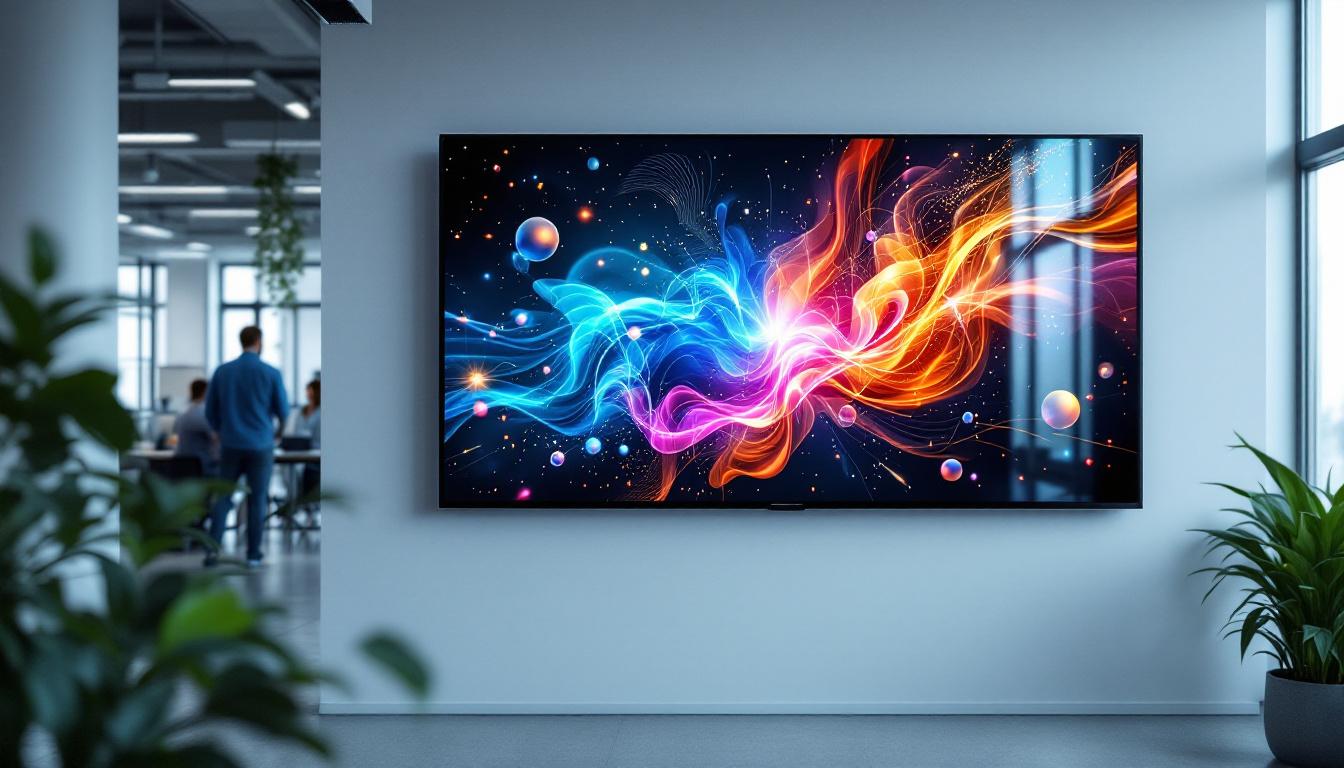
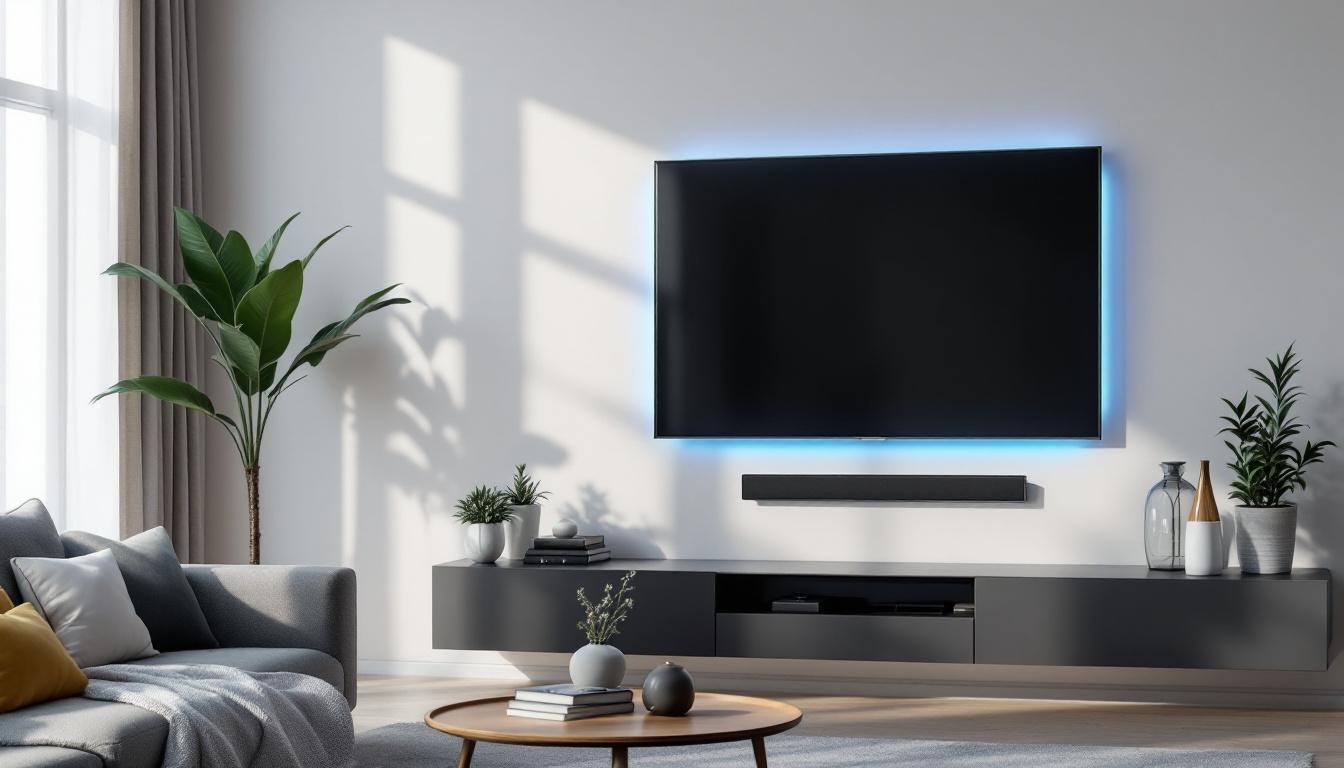
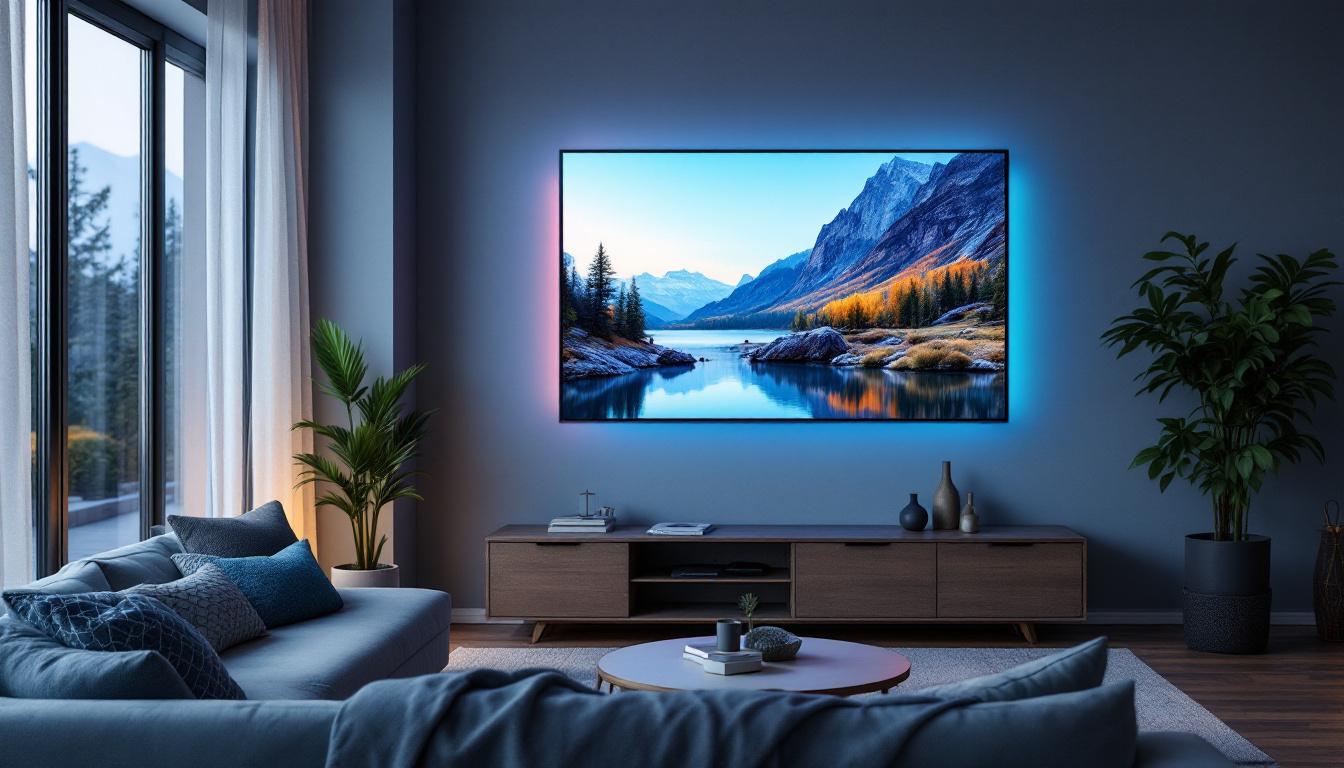
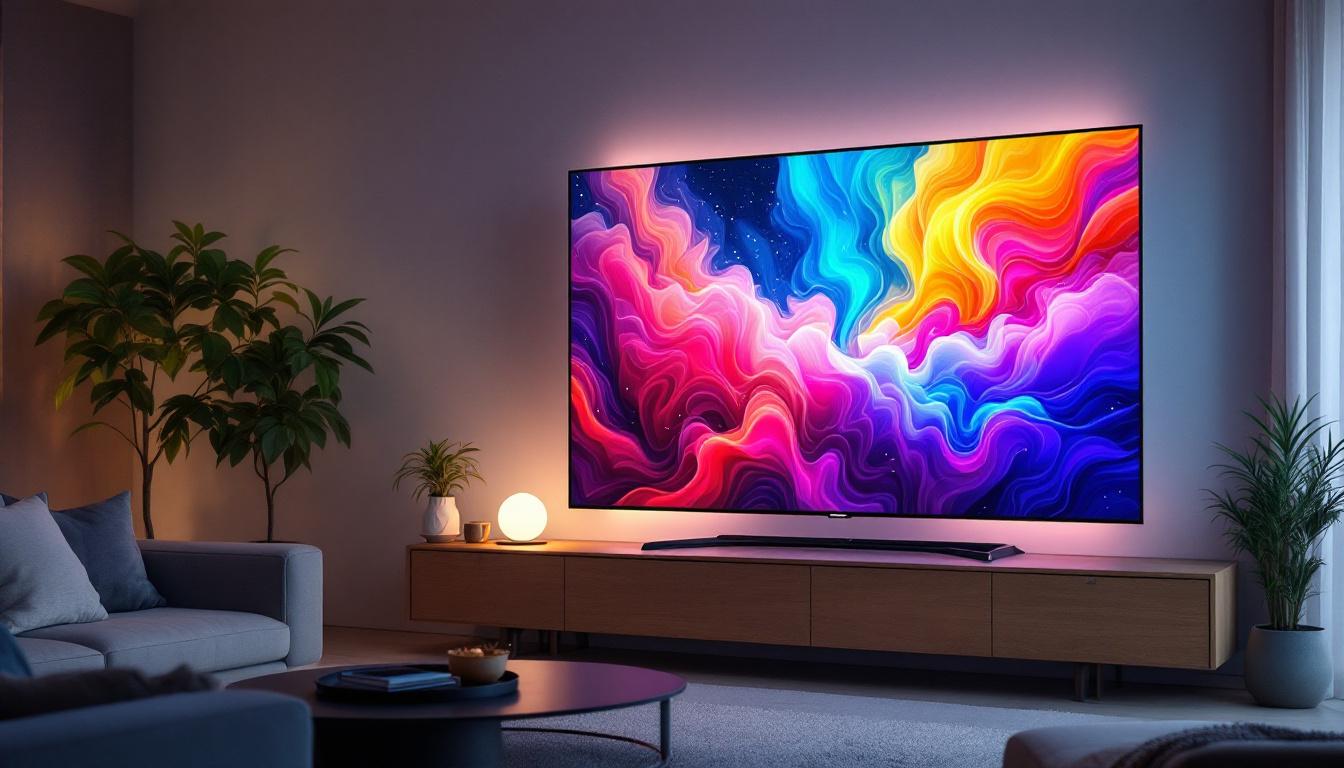
In today’s world of home entertainment, the terms LCD and LED TVs are often used interchangeably, yet they refer to distinct technologies that impact picture quality, energy efficiency, and overall viewing experience. Understanding the differences and the underlying technology of LED displays can help consumers make informed decisions when purchasing a television. This article delves deep into the world of LCD LED TVs, explaining what LED displays are, how they work, and why they have become the dominant technology in modern televisions.
Understanding the Basics: What is an LCD LED TV?
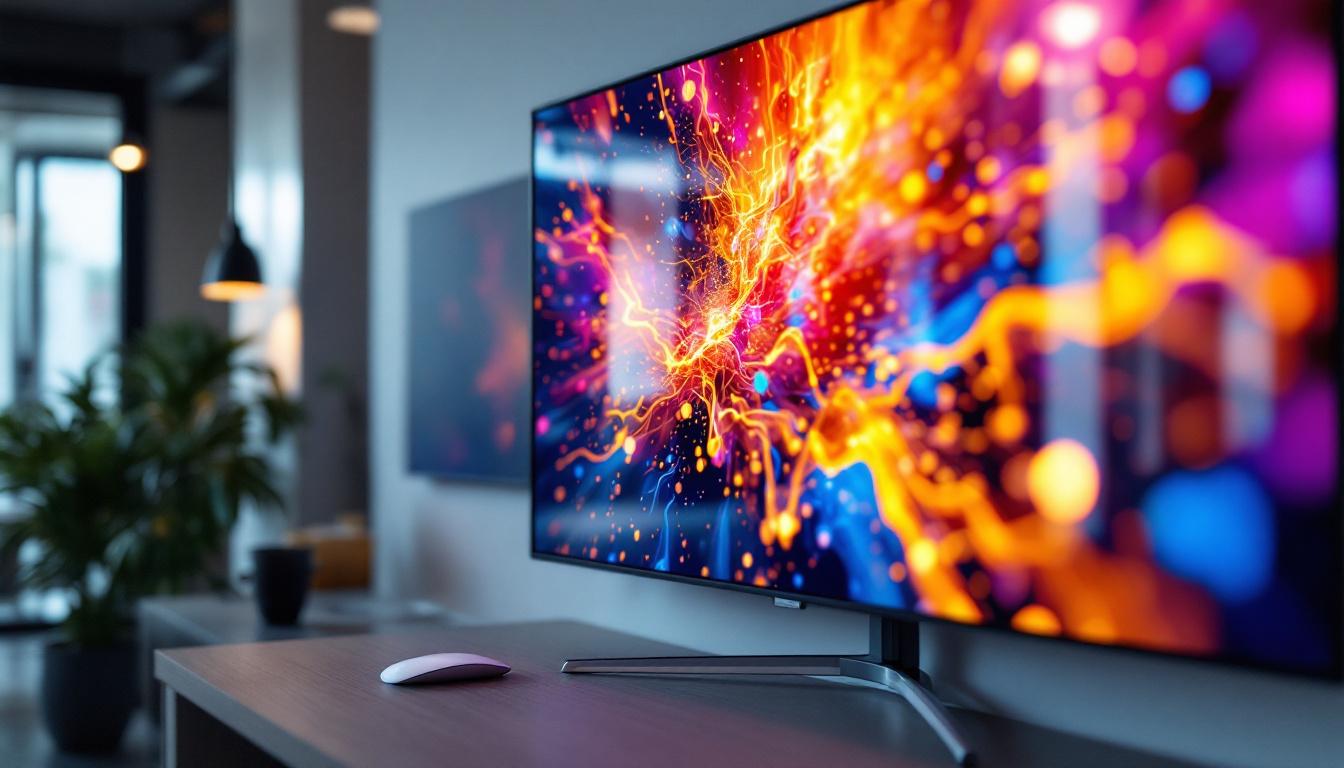
At its core, an LCD LED TV is a type of television that uses Liquid Crystal Display (LCD) technology for the screen, combined with Light Emitting Diode (LED) backlighting. The term “LED TV” is somewhat of a marketing shorthand; these televisions are essentially LCD screens illuminated by LEDs rather than older fluorescent backlighting.
LCD panels themselves do not emit light. Instead, they rely on a backlight to illuminate the pixels. Early LCD TVs used Cold Cathode Fluorescent Lamps (CCFLs) for this purpose. However, LED backlighting has largely replaced CCFLs due to its superior efficiency, brightness, and color accuracy.
In summary, an LCD LED TV consists of an LCD panel that modulates light and an LED backlight that provides the illumination necessary to display images on the screen.
How LCD Panels Work
Liquid crystals in the LCD panel act as shutters that control the passage of light. Each pixel contains liquid crystals that can be twisted or aligned by applying an electric current, allowing varying amounts of light to pass through colored filters. This process creates the colors and images seen on the screen.
However, since liquid crystals do not emit light themselves, a backlight is essential. The quality and type of backlighting significantly influence the TV’s brightness, contrast, and color reproduction.
LED Backlighting Explained
LED backlighting uses arrays of light-emitting diodes positioned behind or around the edges of the LCD panel. These LEDs serve as the light source, shining through the liquid crystals to produce the visible image. LED backlighting offers several advantages over older CCFL technology:
- Energy Efficiency: LEDs consume less power, reducing electricity usage and heat output.
- Improved Brightness: LEDs can achieve higher brightness levels, enhancing visibility in bright rooms.
- Better Color Accuracy: LED backlights can be tuned to produce a wider color gamut.
- Thinner Panels: LEDs are smaller and more versatile, allowing for slimmer TV designs.
Types of LED Backlighting: Edge-lit vs. Full-array
Not all LED backlights are created equal. The positioning and control of the LEDs behind the LCD panel can dramatically affect picture quality. The two main types of LED backlighting are edge-lit and full-array, each with distinct characteristics.
Edge-lit LED TVs
In edge-lit LED TVs, the LEDs are positioned along the edges of the screen, usually at the top and bottom or on the sides. Light is then diffused across the screen using light guides and reflectors. This design allows manufacturers to create very thin and lightweight TVs.
However, edge-lit TVs can suffer from uneven brightness and less precise control over contrast because the light source is not directly behind the pixels. This can lead to issues like “clouding” or “light bleeding” where bright areas bleed into darker zones.
Full-array LED TVs
Full-array LED TVs feature a grid of LEDs placed directly behind the entire LCD panel. This arrangement allows for more uniform backlighting and better control of brightness and contrast.
Many full-array TVs also incorporate local dimming technology, which can dim or brighten specific zones independently. This results in deeper blacks, higher contrast ratios, and an overall more vibrant picture.
While full-array LED TVs tend to be thicker and more expensive than edge-lit models, they are generally preferred by enthusiasts seeking superior picture quality.
Why LED Displays Dominate the Market
LED-backlit LCD TVs have become the standard in the television market for several compelling reasons. Their combination of performance, cost-effectiveness, and versatility has made them the preferred choice for both manufacturers and consumers.
Energy Efficiency and Environmental Impact
Compared to older CCFL-backlit LCD TVs and plasma displays, LED TVs consume significantly less power. According to the U.S. Department of Energy, LED TVs can use up to 40% less energy than CCFL models. This not only reduces electricity bills but also lessens the environmental footprint of home entertainment.
Additionally, LEDs contain no mercury, unlike CCFLs, making them safer to dispose of and more environmentally friendly.
Improved Picture Quality
LED backlighting has enabled manufacturers to achieve higher brightness levels, better contrast ratios, and wider color gamuts. These improvements translate to a more immersive viewing experience, especially when watching high dynamic range (HDR) content.
Local dimming in full-array LED TVs enhances black levels and contrast, bringing out details in dark scenes that were previously lost. This is particularly important for movie enthusiasts and gamers who demand high-fidelity visuals.
Design Flexibility
LED backlighting allows for thinner and lighter TV designs, which are easier to mount on walls and fit into modern living spaces. The slim profiles also contribute to a more aesthetically pleasing setup.
Advanced LED Technologies in Modern TVs
As LED technology evolves, manufacturers have introduced several innovations to further enhance picture quality and user experience. Understanding these advancements can help consumers identify the best TV for their needs.
Quantum Dot Technology
Quantum Dot (QD) technology uses nanocrystals that emit precise colors when illuminated by an LED backlight. QD-enhanced LED TVs, often branded as QLED, offer a wider color gamut and higher brightness compared to standard LED TVs.
This technology improves color accuracy and vibrancy, making it ideal for HDR content and bright viewing environments.
Mini-LED Backlighting
Mini-LED technology uses thousands of tiny LEDs as the backlight, allowing for even more precise local dimming and improved contrast. This results in deeper blacks and less halo effect around bright objects on dark backgrounds.
Mini-LED TVs bridge the gap between traditional LED and OLED displays, offering many of the benefits of OLED at a lower cost and without the risk of burn-in.
Micro-LED: The Future of LED Displays
Micro-LED technology represents the next frontier in LED displays. Unlike LCD LED TVs, Micro-LED panels consist of microscopic LEDs that emit their own light, eliminating the need for a separate backlight and liquid crystals.
This self-emissive technology offers perfect blacks, infinite contrast ratios, and exceptional brightness. Although currently expensive and primarily used in large commercial displays, Micro-LED is expected to become more accessible in consumer TVs over the next decade.
Comparing LED TVs with Other Display Technologies
While LED-backlit LCD TVs dominate the market, other display technologies such as OLED and QLED offer alternative advantages. Understanding these differences can guide buyers toward the best option for their viewing preferences.
LED vs. OLED
Organic Light Emitting Diode (OLED) TVs use self-emissive pixels that produce their own light, enabling perfect black levels and exceptional contrast. OLED displays typically offer better viewing angles and faster response times than LED TVs.
However, OLEDs are generally more expensive and can be susceptible to burn-in with static images. LED TVs, especially those with full-array local dimming or Mini-LED backlights, provide excellent brightness and longevity, making them suitable for bright rooms and varied content.
LED vs. QLED
QLED TVs are essentially LED TVs enhanced with Quantum Dot technology. They deliver brighter images and a wider color spectrum than standard LED TVs. While QLEDs cannot match OLED’s perfect blacks, they often outperform OLEDs in bright environments.
QLED TVs tend to be more affordable than OLEDs and are available in larger screen sizes, making them a popular choice for many consumers.
Choosing the Right LCD LED TV for Your Needs
When selecting an LCD LED TV, several factors should be considered to ensure the best viewing experience and value for money.
Screen Size and Resolution
Screen size should be chosen based on room size and viewing distance. For most living rooms, TVs between 55 and 75 inches are popular. Resolution is equally important; 4K UHD has become the standard, offering four times the pixels of Full HD for sharper images.
Backlighting Type and Local Dimming
Full-array LED TVs with local dimming provide superior contrast and black levels compared to edge-lit models. While they may be pricier, the improved picture quality is often worth the investment.
HDR Support
High Dynamic Range (HDR) enhances the contrast and color range of compatible content. Look for TVs that support popular HDR formats such as HDR10, Dolby Vision, or HDR10+ for the best experience.
Smart Features and Connectivity
Modern LED TVs come equipped with smart platforms that provide access to streaming services, apps, and voice control. Ensure the TV supports your preferred ecosystem and has sufficient HDMI and USB ports for your devices.
Budget Considerations
While high-end LED TVs offer excellent performance, there are many affordable models that deliver good picture quality for everyday viewing. Balancing features with price is key to finding the right TV.
Conclusion
LCD LED TVs represent a mature and versatile technology that continues to evolve, offering consumers a wide range of options for home entertainment. By combining liquid crystal displays with LED backlighting, these TVs provide bright, energy-efficient, and high-quality images suitable for various viewing environments.
Understanding the nuances of LED backlighting, such as the difference between edge-lit and full-array designs, as well as emerging technologies like Quantum Dots and Mini-LEDs, empowers buyers to select a television that meets their specific needs and preferences.
As display technology advances, LED TVs remain a reliable and popular choice, balancing performance, affordability, and design. Whether for casual viewing, gaming, or cinematic experiences, an LCD LED TV can deliver impressive picture quality and lasting value.
Discover the Future of Visual Experience with LumenMatrix
As you consider upgrading your home entertainment system or enhancing your business’s visual communication, LumenMatrix stands at the forefront of LED display innovation. With a diverse range of solutions including Indoor and Outdoor LED Wall Displays, Vehicle LED Displays, and specialized options like LED Sports and Floor Displays, LumenMatrix is committed to transforming your viewing experience. Embrace the latest in LED technology and let your visuals make a powerful statement. Check out LumenMatrix LED Display Solutions today and step into a world where clarity, engagement, and cutting-edge design meet.