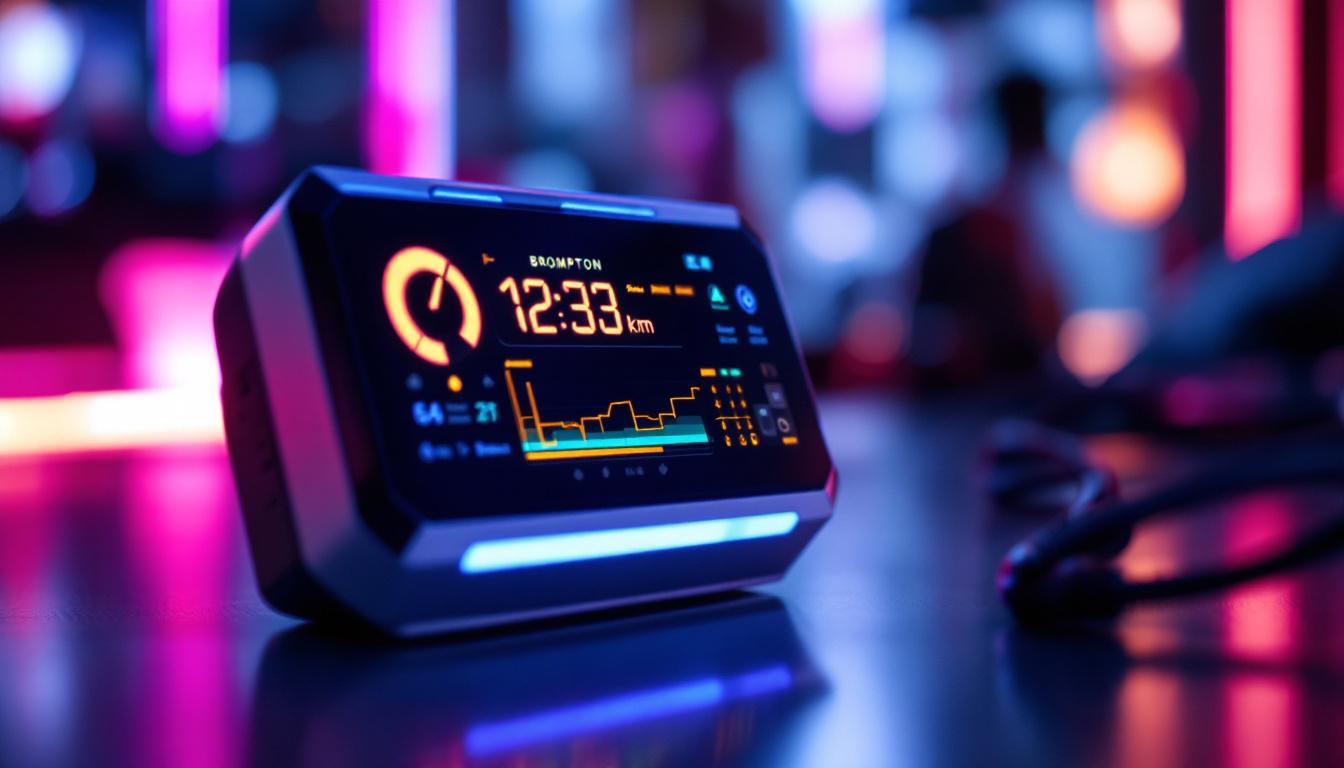
In the rapidly evolving world of display technology, LED displays have become a cornerstone for numerous applications, from consumer electronics to industrial devices. Among the various sizes available, the 0.9-inch LED display stands out for its compactness and versatility. This article delves into what makes the 0.9-inch LED display unique, its technical specifications, applications, and the factors influencing its growing popularity.
Understanding the 0.9-Inch LED Display
At its core, a 0.9-inch LED display refers to the diagonal measurement of the screen, which is just under one inch. Despite its small size, these displays pack impressive features that make them suitable for a wide range of uses. From smartwatches to compact electronic devices, the versatility of a 0.9-inch LED display allows manufacturers to create sleek and functional products without compromising on performance.
LED, or Light Emitting Diode, technology is known for its energy efficiency, brightness, and durability. Unlike traditional LCDs, LED displays use tiny light-emitting diodes to create images, resulting in superior contrast and color vibrancy even in compact formats. This makes them particularly appealing for applications where space is at a premium, yet high-quality visuals are essential, such as in medical devices, automotive dashboards, and portable gaming consoles.
Technical Specifications and Features
The 0.9-inch LED display typically features a resolution that balances clarity with power consumption. Commonly, these displays come in resolutions such as 128×64 pixels, which is sufficient for displaying text, simple graphics, and icons clearly. This resolution allows for crisp readability, ensuring that users can quickly interpret information at a glance, which is crucial in fast-paced environments.
Key features often include:
- High Brightness: LEDs provide excellent brightness levels, often exceeding 1000 nits, making the display easily readable in various lighting conditions.
- Low Power Consumption: Ideal for battery-powered devices, these displays consume minimal energy, extending device runtime.
- Wide Viewing Angles: Ensures visibility from multiple angles without significant color distortion.
- Fast Response Time: Suitable for dynamic content and real-time updates.
Materials and Manufacturing
Manufacturing a 0.9-inch LED display involves precise assembly of micro-LEDs or OLEDs, depending on the technology used. Advances in semiconductor fabrication have allowed for increasingly smaller and more efficient diodes, contributing to the compactness and performance of these displays. The use of advanced materials, such as indium gallium nitride (InGaN) for blue LEDs, has also enhanced the color range and brightness, making these displays even more appealing for various applications.
Additionally, the integration of flexible substrates in some models enables curved or irregular display shapes, expanding design possibilities for product developers. This flexibility not only allows for innovative product designs but also opens up opportunities for wearables that conform to the human body, enhancing comfort and usability. As technology continues to evolve, we can expect even more advancements in the design and functionality of 0.9-inch LED displays, paving the way for new applications in the ever-growing tech landscape.
Applications of 0.9-Inch LED Displays
The small size and efficient performance of 0.9-inch LED displays make them highly adaptable across various industries. Their ability to deliver clear visuals in a compact form factor is especially valued in devices where space is at a premium.
Wearable Technology
One of the most prominent uses of 0.9-inch LED displays is in wearable devices such as smartwatches, fitness trackers, and health monitors. The display size is ideal for showing essential information like time, notifications, heart rate, and step counts without overwhelming the user or draining the battery.
For example, many entry-level smartwatches utilize 0.9-inch OLED or LED displays to balance cost, readability, and battery life, making wearable tech more accessible to a broader audience. Furthermore, advancements in display technology have enabled these small screens to offer vibrant colors and high contrast ratios, enhancing user experience and making it easier for users to interact with their devices, even in bright sunlight.
Industrial and Medical Devices
In industrial environments, compact LED displays are used for control panels, handheld diagnostic tools, and measurement devices. Their robustness and visibility in diverse lighting conditions ensure reliable operation in demanding settings.
Medical devices also benefit from these displays, particularly portable monitors and diagnostic instruments where clear, quick-read data presentation is critical for patient care. The integration of 0.9-inch displays in devices such as glucose monitors and portable ECG machines allows healthcare professionals to monitor vital signs and health metrics efficiently. The compact size ensures that these devices remain lightweight and easy to handle, which is crucial in emergency situations where every second counts.
Consumer Electronics and IoT Devices
Small LED displays are increasingly integrated into IoT (Internet of Things) devices, including smart home appliances, remote controls, and compact gadgets. The 0.9-inch size is perfect for providing status updates, alerts, or simple user interfaces without adding bulk.
Additionally, these displays are popular in digital badges, key fobs, and other personal electronics where minimalism and functionality are essential. As the trend towards smart homes continues to grow, the demand for compact displays that can seamlessly blend into everyday objects is also on the rise. For instance, smart thermostats and security systems often use 0.9-inch displays to convey critical information at a glance, allowing users to monitor their home environment effortlessly. This integration not only enhances user experience but also contributes to the overall aesthetic appeal of modern gadgets, making them both functional and stylish.
Advantages and Limitations of 0.9-Inch LED Displays
While the 0.9-inch LED display offers numerous benefits, it is important to consider both its strengths and limitations to determine suitability for specific applications.
Advantages
- Compact Size: Enables integration into small devices without compromising design or ergonomics.
- Energy Efficiency: Low power consumption extends battery life, crucial for portable electronics.
- High Visibility: Brightness and contrast ensure readability in various environments, including outdoors.
- Durability: LEDs are resistant to shock and vibration, enhancing device longevity.
Additionally, the compact size of the 0.9-inch LED display allows for innovative design possibilities in consumer electronics. For example, wearables like smartwatches and fitness trackers can utilize this small display to provide essential information without adding bulk to the device. This is particularly beneficial for users who prioritize comfort and style, as the sleek design can seamlessly blend into everyday wear. Furthermore, the energy efficiency of these displays not only prolongs battery life but also contributes to a more sustainable approach to technology, reducing the frequency of charging and the overall environmental impact.
Limitations
- Limited Resolution: The small screen size restricts the amount of information or detail that can be displayed effectively.
- Color Range: Some 0.9-inch LED displays may offer limited color depth compared to larger or more advanced screens.
- Cost Considerations: While generally affordable, high-quality micro-LED displays can be more expensive than comparable LCDs.
Moreover, the limited resolution of 0.9-inch LED displays can pose challenges for applications requiring detailed graphics or text. This limitation may hinder their effectiveness in scenarios such as medical devices or sophisticated user interfaces where clarity is paramount. Users may find it difficult to read fine print or intricate designs, which can lead to frustration or misinterpretation of critical information. Additionally, while the cost of these displays can be competitive, the investment in high-quality micro-LED technology may not always justify the benefits for budget-conscious projects, particularly when larger, more affordable alternatives are available.
Choosing the Right 0.9-Inch LED Display for Your Project
When selecting a 0.9-inch LED display, several factors should be taken into account to ensure optimal performance and user experience.
Resolution and Display Type
Depending on the application, choosing between monochrome, RGB, or OLED variants can impact visual quality and power consumption. For simple text or icon display, monochrome or single-color LEDs may suffice. For richer visuals, RGB or OLED options provide enhanced color and contrast.
Power Requirements
Understanding the power budget is critical, especially for battery-operated devices. Some LED displays offer adjustable brightness settings or sleep modes to conserve energy.
Interface and Compatibility
Ensure the display’s communication protocol (SPI, I2C, parallel) aligns with the device’s microcontroller or processor for seamless integration. Availability of development libraries and documentation can also accelerate product development.
Environmental Considerations
Consider factors such as operating temperature range, humidity resistance, and mechanical durability based on the intended use environment. Industrial-grade displays may offer enhanced protection against harsh conditions.
The Future of 0.9-Inch LED Displays
As display technology continues to advance, the capabilities of small LED displays like the 0.9-inch variant are expected to improve significantly. Emerging trends include micro-LED technology, which promises higher brightness, better energy efficiency, and longer lifespan compared to traditional OLEDs.
Furthermore, integration with flexible and transparent substrates could open new avenues for wearable and embedded applications, allowing displays to conform to unconventional shapes and surfaces.
Research into new materials and manufacturing techniques is also driving down costs, making high-quality small LED displays more accessible to a wider range of products and industries.
Conclusion
The 0.9-inch LED display is a small yet powerful component that plays a vital role in modern electronic devices. Its combination of compact size, energy efficiency, and high visibility makes it an excellent choice for wearables, industrial tools, medical devices, and IoT gadgets.
Understanding the technical aspects, applications, and limitations of these displays helps designers and engineers make informed decisions when incorporating them into their products. With ongoing advancements in LED technology, the future holds exciting possibilities for even more versatile and capable 0.9-inch displays.
Discover LumenMatrix’s Advanced LED Display Solutions
Ready to elevate your project with the latest in LED display technology? LumenMatrix offers a comprehensive range of innovative LED display modules designed to bring your vision to life. From captivating Indoor LED Walls to dynamic Vehicle LED Displays and beyond, our solutions are crafted to enhance engagement and deliver your message with unparalleled clarity. Experience the future of visual communication with LumenMatrix and make a lasting impression. Check out LumenMatrix LED Display Solutions today and see the difference cutting-edge technology can make.