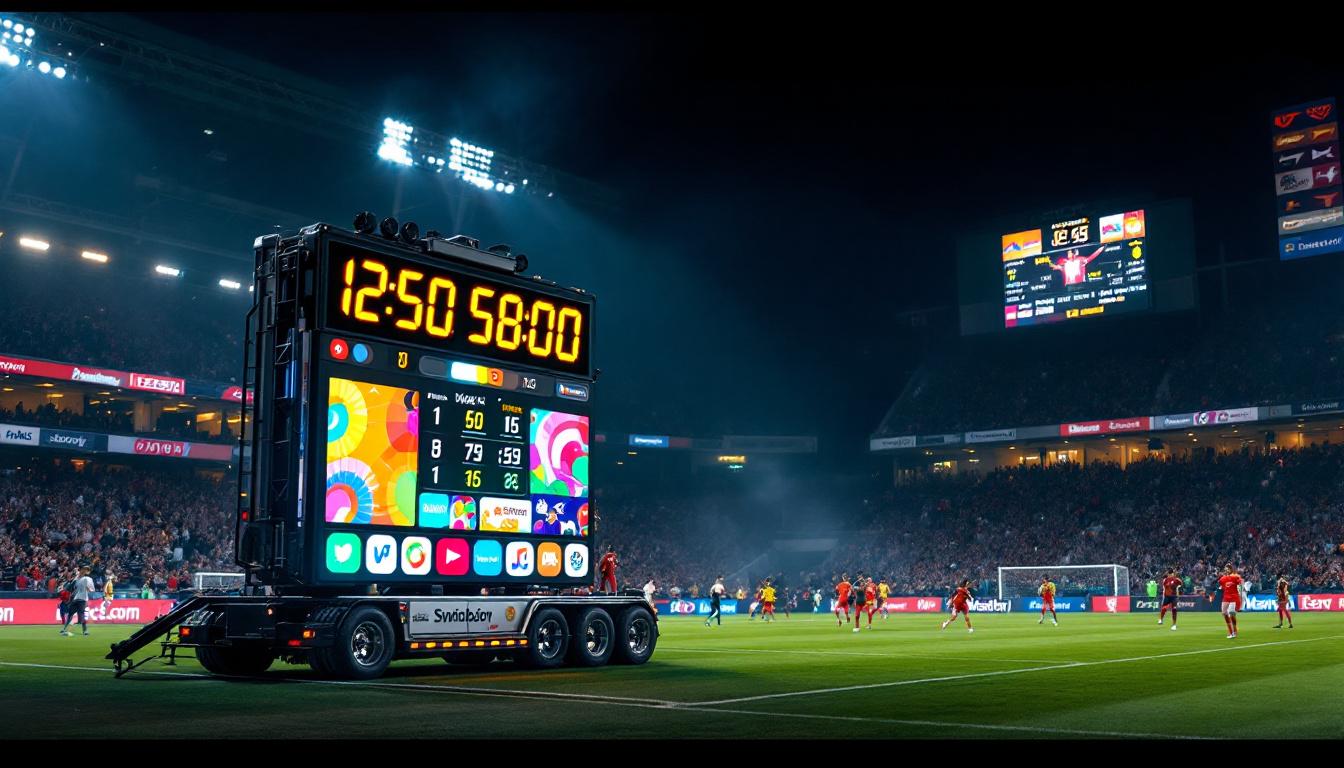
In the dynamic world of sports and live events, visibility and real-time information delivery are paramount. Mobile scoreboards with LED displays have revolutionized how scores, statistics, and announcements are communicated to audiences, players, and officials alike. These versatile devices combine cutting-edge technology with portability, making them indispensable for a wide range of applications—from local community sports to professional leagues and large-scale events.
This article delves into the fundamentals of mobile LED scoreboards, exploring their technology, benefits, and practical considerations. Whether you’re an event organizer, sports facility manager, or technology enthusiast, understanding how these displays work and why they matter can help you make informed decisions about integrating them into your operations.
Understanding LED Technology in Mobile Scoreboards
What is an LED Display?
LED stands for Light Emitting Diode, a semiconductor device that emits light when an electric current passes through it. LED displays are composed of numerous tiny LEDs arranged in a grid, each acting as a pixel to form images, text, or video. Unlike traditional LCD or projection displays, LEDs offer superior brightness, contrast, and energy efficiency, making them ideal for outdoor and mobile applications.
The brightness of LED displays is a critical factor, especially in outdoor environments where sunlight can wash out less intense screens. Mobile scoreboards typically use high-intensity LEDs that can reach brightness levels of 5,000 to 8,000 nits or more, ensuring clear visibility even in direct sunlight.
Types of LED Displays Used in Mobile Scoreboards
Mobile scoreboards primarily utilize two types of LED technologies: SMD (Surface-Mounted Device) and DIP (Dual In-line Package) LEDs.
- SMD LEDs are compact and combine red, green, and blue diodes in a single package. This technology allows for higher resolution and better color blending, resulting in sharper images and smoother video playback. SMD LEDs are common in modern mobile scoreboards due to their versatility and superior visual quality.
- DIP LEDs consist of individual red, green, and blue LEDs housed separately. While DIP LEDs can achieve very high brightness levels, their resolution and color accuracy are generally lower compared to SMD. They are often found in older or more budget-friendly mobile scoreboard models.
Choosing between SMD and DIP depends on the intended use, budget, and desired image quality. For instance, professional sports events with large audiences benefit from the enhanced clarity of SMD displays.
Key Features and Advantages of Mobile LED Scoreboards
Portability and Flexibility
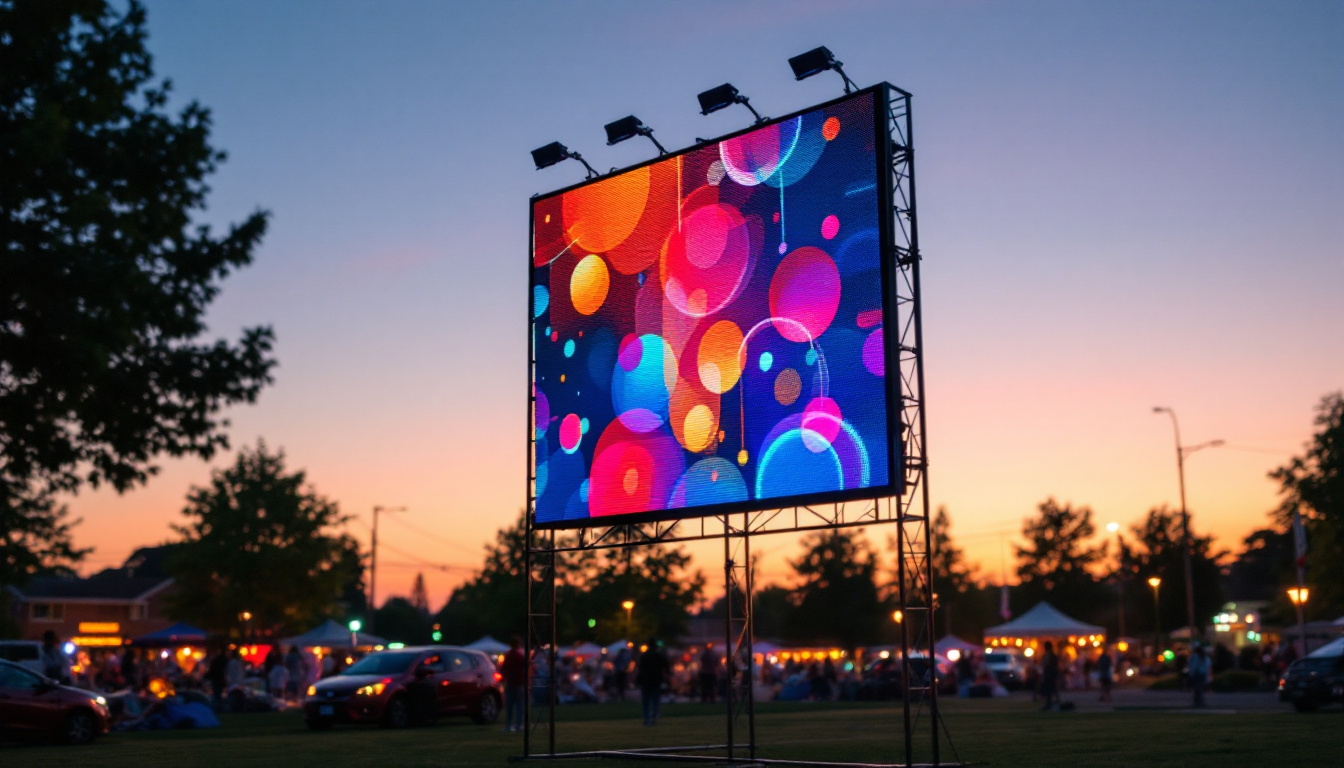
One of the defining characteristics of mobile scoreboards is their portability. These units are designed to be easily transported and set up in various locations, often mounted on trailers, trucks, or wheeled carts. This mobility allows event organizers to deploy scoreboards wherever needed, from temporary sports fields to festival grounds.
Modern mobile scoreboards are engineered with lightweight materials and compact designs to facilitate quick assembly and disassembly. Many models come with adjustable stands or hydraulic lifts, enabling optimal positioning for maximum audience visibility.
Real-Time Data Display and Connectivity
Mobile LED scoreboards excel at delivering real-time information. They can display scores, timers, player statistics, advertisements, and live video feeds, making them versatile communication tools. Connectivity options such as Wi-Fi, Bluetooth, and cellular networks enable remote control and instant updates from smartphones, tablets, or dedicated control consoles.
For example, during a soccer match, the scoreboard operator can update the score, time remaining, and player substitutions instantly, ensuring spectators stay informed throughout the game. Additionally, integration with event management software allows automated updates, reducing human error and enhancing operational efficiency.
Durability and Weather Resistance
Outdoor events expose mobile scoreboards to varying weather conditions, including rain, wind, dust, and extreme temperatures. To withstand these challenges, mobile LED scoreboards are built with rugged enclosures, often rated with IP65 or higher for water and dust resistance.
The LED modules themselves are sealed to prevent moisture ingress, and the structural components are made from corrosion-resistant materials such as aluminum or stainless steel. This durability ensures reliable performance and longevity, minimizing maintenance costs and downtime.
Applications of Mobile LED Scoreboards Across Industries
Sports and Athletics
Sports remain the primary domain for mobile LED scoreboards. From youth leagues to professional tournaments, these displays provide essential information that enhances the spectator experience. Mobile scoreboards are used in a variety of sports including football, basketball, baseball, tennis, and track and field.
For instance, the National Collegiate Athletic Association (NCAA) often employs mobile LED scoreboards for outdoor events, ensuring that fans can follow the action clearly regardless of their seating location. The ability to display dynamic content such as instant replays or sponsor messages also adds value for event organizers and advertisers.
Concerts and Festivals
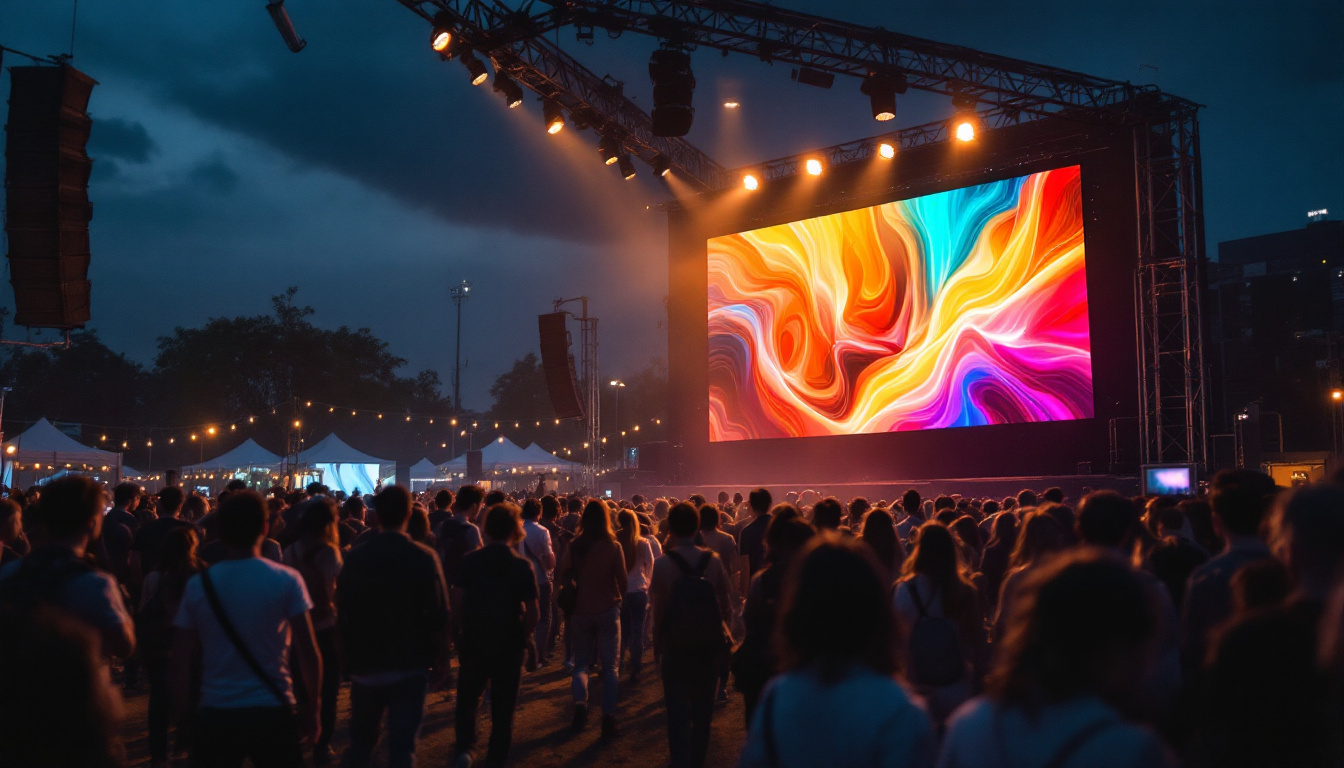
Beyond sports, mobile LED scoreboards are increasingly popular at concerts, festivals, and other large gatherings. They serve as information hubs, displaying schedules, safety announcements, and promotional content. Their bright, eye-catching visuals help guide crowds and enhance overall event management.
For example, music festivals with multiple stages use mobile LED displays to update attendees about performance times and venue changes. This real-time communication reduces confusion and improves the attendee experience.
Corporate and Community Events
Mobile LED scoreboards also find applications in corporate events, trade shows, and community gatherings. They can be used for countdown timers, interactive presentations, or displaying key messages. Their portability allows companies to leverage high-impact visuals without investing in permanent installations.
Community sports leagues benefit from affordable mobile scoreboards that can be shared among multiple venues, fostering engagement and professionalism at the grassroots level.
Choosing the Right Mobile LED Scoreboard: Factors to Consider
Resolution and Pixel Pitch
Resolution refers to the number of pixels on the display, while pixel pitch is the distance between the centers of adjacent pixels, measured in millimeters. A smaller pixel pitch means higher resolution and finer image detail, which is crucial for displays viewed from close distances.
For mobile scoreboards, the choice of pixel pitch depends on typical viewing distances. For example, a pixel pitch of 6 to 10 mm is suitable for audiences located 20 to 50 feet away, common in community sports fields. Professional stadiums with larger viewing distances may use pixel pitches of 10 mm or greater.
Size and Aspect Ratio
The physical size of the scoreboard must align with the venue and audience size. Larger displays provide better visibility but require more power and may be less portable. Aspect ratio, the proportional relationship between width and height, affects how content is displayed. Common aspect ratios include 16:9 for video content and square formats for traditional scoreboards.
Careful consideration of size and aspect ratio ensures that the scoreboard meets both functional and aesthetic requirements.
Power Requirements and Battery Life
Mobile LED scoreboards can be powered via generators, vehicle batteries, or external electrical sources. Battery-powered models offer greater flexibility but require efficient power management to sustain long event durations. Advances in LED technology have reduced power consumption, but organizers should plan for backup power solutions to avoid interruptions.
Control Systems and User Interface
The ease of controlling the scoreboard is a vital factor. Modern systems offer wireless remote controls, smartphone apps, and cloud-based platforms for seamless operation. Intuitive user interfaces reduce training time and minimize errors during live events.
Some advanced scoreboards integrate with third-party software for automated data input, such as official scoring systems or timing devices, enhancing accuracy and efficiency.
Maintenance and Best Practices for Mobile LED Scoreboards
Regular Cleaning and Inspection
Maintaining the clarity and performance of LED displays requires regular cleaning to remove dust, dirt, and moisture. Using appropriate cleaning materials and methods prevents damage to the LED modules and protective coatings.
Routine inspections should check for loose connections, damaged pixels, and structural integrity. Early detection of issues helps avoid costly repairs and ensures uninterrupted operation.
Software Updates and Calibration
Firmware and software updates improve functionality, security, and compatibility with new devices. Keeping the control systems up to date is essential for optimal performance.
Calibration ensures color accuracy and uniform brightness across the display. Many manufacturers provide calibration tools or services to maintain visual consistency over time.
Storage and Transportation
Proper storage protects mobile scoreboards from environmental damage when not in use. Using protective covers, secure packaging, and climate-controlled storage areas extends the lifespan of the equipment.
During transportation, securing the scoreboard against shocks and vibrations prevents mechanical damage. Following manufacturer guidelines for handling is crucial.
The Future of Mobile LED Scoreboards
Advancements in Display Technology
Emerging technologies such as MicroLED and MiniLED promise even higher brightness, better energy efficiency, and thinner form factors. These innovations will likely enhance the performance and design of future mobile scoreboards.
Additionally, flexible and transparent LED displays are being developed, opening new possibilities for creative scoreboard designs and integration with architectural elements.
Integration with Smart Technologies
Integration with artificial intelligence (AI), augmented reality (AR), and Internet of Things (IoT) platforms is set to transform how mobile scoreboards operate. For example, AI-driven analytics can automatically update scores and statistics, while AR could provide interactive experiences for spectators.
IoT connectivity will enable real-time monitoring of scoreboard health and remote troubleshooting, reducing downtime and maintenance costs.
Sustainability and Energy Efficiency
As environmental concerns grow, manufacturers are focusing on sustainable materials and energy-saving designs. Solar-powered mobile scoreboards and recyclable components are becoming more common, aligning with global efforts to reduce carbon footprints.
Event organizers increasingly prioritize eco-friendly solutions, making sustainability a key consideration in future scoreboard procurement.
Conclusion
Mobile scoreboards with LED displays represent a powerful fusion of technology, convenience, and communication. Their ability to deliver bright, clear, and dynamic content in diverse environments makes them invaluable tools for sports, entertainment, and corporate events. Understanding the underlying LED technology, key features, and practical considerations helps stakeholders select the right solution tailored to their needs.
As LED technology continues to evolve, mobile scoreboards will become even more versatile, intelligent, and sustainable, enhancing the way audiences engage with live events worldwide.
Discover the Future of Visual Engagement with LumenMatrix
Ready to elevate your live event experience with the latest in LED display technology? LumenMatrix is at the forefront of innovation, offering a comprehensive range of LED display solutions that bring your content to life. From vibrant Indoor and Outdoor LED Wall Displays to dynamic Vehicle and Sports LED Displays, our products are designed to capture attention and deliver messages with unparalleled clarity. Explore our cutting-edge Floor, Custom, All-in-One, and Transparent LED Displays to discover how LumenMatrix can transform your visual communication. Check out LumenMatrix LED Display Solutions today and step into a world where technology meets imagination.