When discussing LED displays, precise measurements are crucial for understanding their size, resolution, and application. One common measurement that often arises is the conversion between inches and millimeters, particularly when referring to the pitch or size of LED modules. This article delves into the conversion of 0.9 inches to millimeters and explores how this measurement relates to LED display technology, providing a comprehensive understanding for professionals, enthusiasts, and consumers alike.
Understanding the Conversion: 0.9 Inches to Millimeters
In the realm of LED displays, measurements are often given in inches or millimeters depending on the region or manufacturing standards. Converting between these units is essential for accurate specification and comparison.
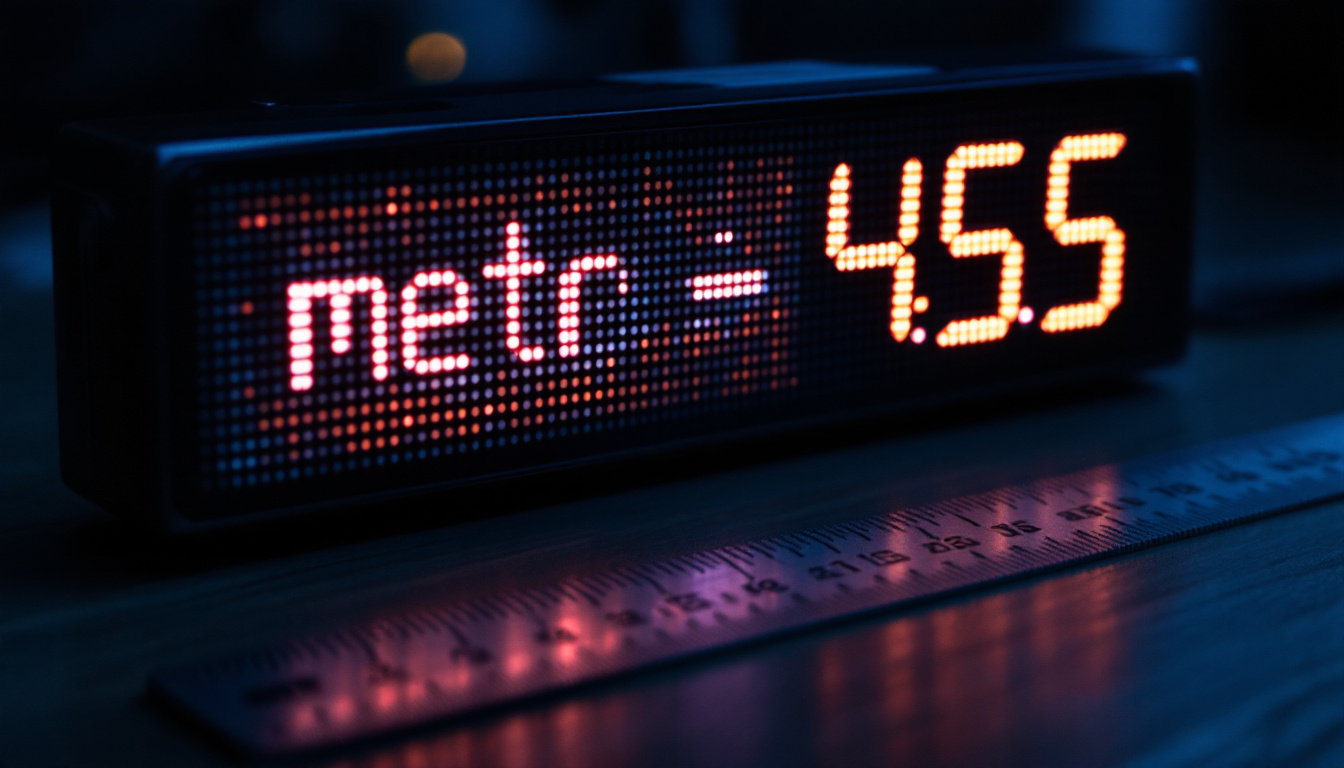
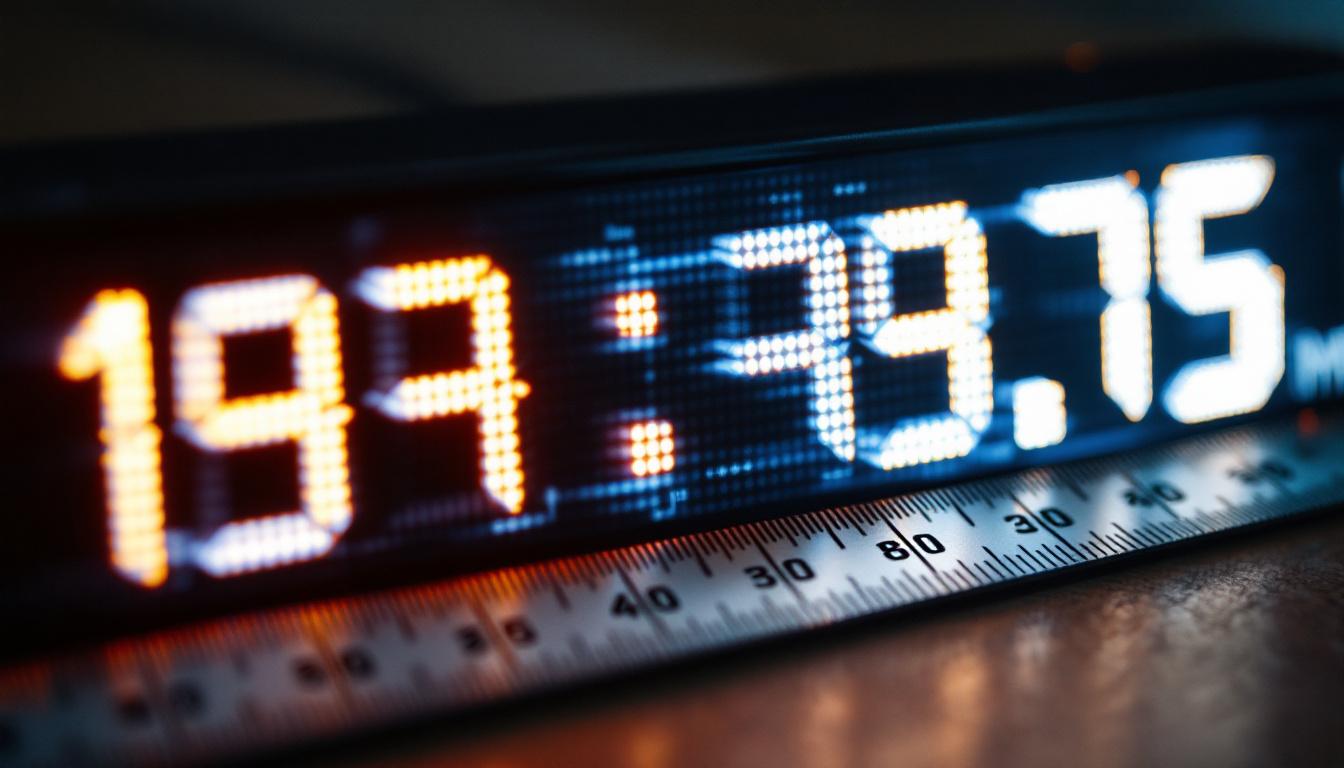
One inch is defined as exactly 25.4 millimeters. Therefore, to convert 0.9 inches to millimeters, the calculation is straightforward:
0.9 inches × 25.4 mm/inch = 22.86 mm
This means that 0.9 inches is equivalent to 22.86 millimeters. This conversion is fundamental when discussing pixel pitch or module size in LED displays, as manufacturers may list specifications in either unit.
Why Accurate Conversion Matters in LED Displays
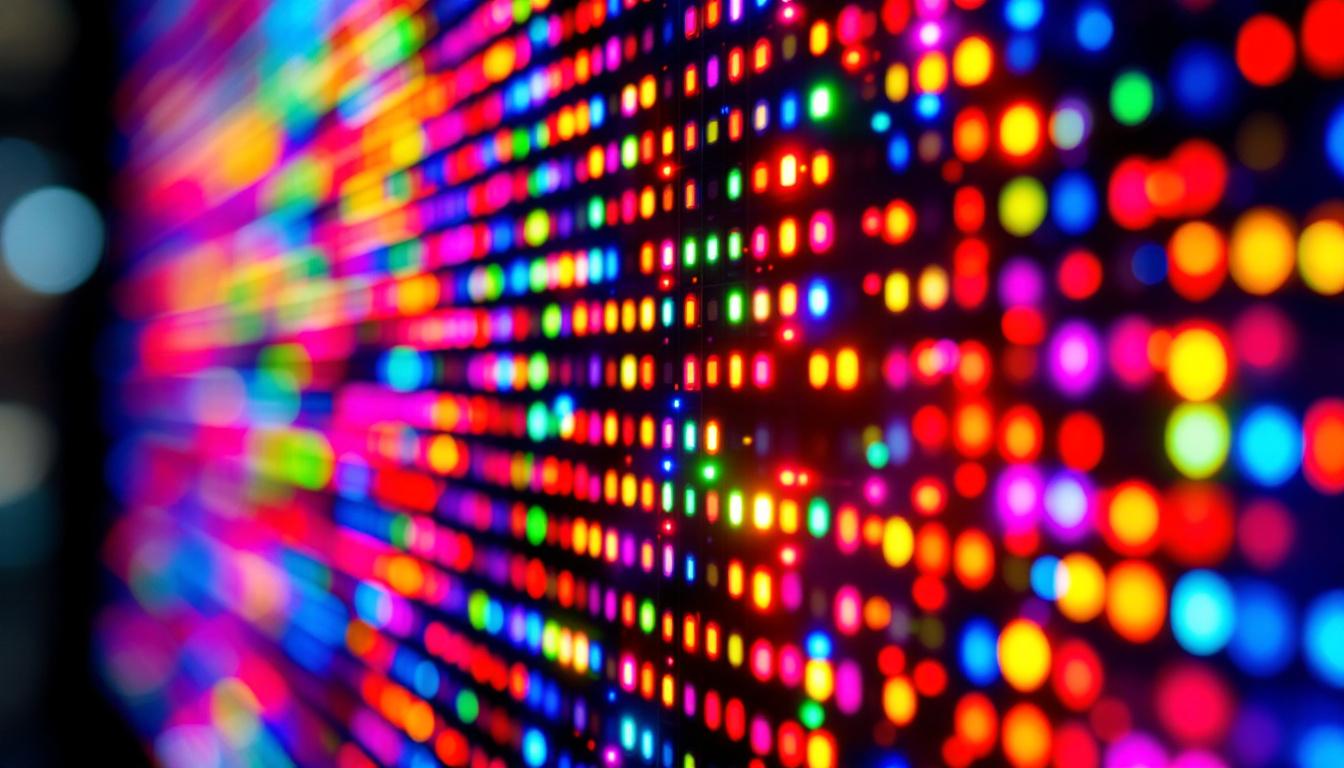
LED display technology relies heavily on precise measurements to ensure optimal performance. The pixel pitch, which is the distance from the center of one LED cluster (pixel) to the next, directly affects the resolution and viewing distance of the display.
For instance, a pixel pitch of 0.9 inches (22.86 mm) indicates relatively large spacing between pixels, which is suitable for displays viewed from a greater distance, such as outdoor billboards. Conversely, smaller pixel pitches enable higher resolution and closer viewing distances, essential for indoor or close-up applications.
Understanding these conversions not only aids in selecting the right display for a specific application but also plays a crucial role in the design and layout of digital signage. For example, when planning an installation, designers must consider the viewing angle and distance to ensure that the audience can appreciate the content without distortion or pixelation. Furthermore, as technology evolves, the demand for higher resolution displays continues to rise, making it increasingly important for professionals in the industry to be fluent in both measurement systems.
Additionally, the implications of these conversions extend beyond mere specifications. They influence the manufacturing process, where precision in measurements can affect the quality and longevity of the LED displays. A slight miscalculation in pixel pitch can lead to uneven light distribution and affect the overall visual experience. Therefore, staying informed about these conversions and their significance is crucial for anyone involved in the design, production, or installation of LED technology.
The Role of Pixel Pitch in LED Display Quality
Pixel pitch is a critical specification that determines the clarity and detail of an LED display. It is typically measured in millimeters, making the conversion from inches important for international understanding and procurement.
What is Pixel Pitch?
Pixel pitch refers to the distance between the centers of two adjacent pixels on an LED display. This measurement affects the density of LEDs per square meter, which in turn influences the display’s resolution.
A smaller pixel pitch means more pixels per unit area, resulting in finer image detail and sharper visuals. Conversely, a larger pixel pitch reduces resolution but can increase brightness and visibility from longer distances.
How Does 0.9 Inches (22.86 mm) Pixel Pitch Compare?
A pixel pitch of 22.86 mm is considered quite large in modern LED display standards. For context, contemporary indoor LED displays often feature pixel pitches ranging from 0.9 mm to 4 mm, while outdoor displays typically range from 4 mm to 20 mm.
Therefore, a 0.9-inch (22.86 mm) pixel pitch would be more common in large-scale outdoor displays where viewers are positioned far from the screen. At this size, the display can achieve high brightness and durability but sacrifices image sharpness when viewed up close.
Moreover, the choice of pixel pitch is not solely about resolution; it also involves considering the intended viewing environment. For instance, venues such as stadiums or concert arenas benefit from larger pixel pitches, as they allow for a more robust display that can withstand the elements while still delivering vibrant visuals to a large audience. In contrast, environments like shopping malls or exhibition centers, where viewers are often closer to the display, would require smaller pixel pitches to ensure that the images remain crisp and clear, enhancing the overall viewer experience.
Additionally, advancements in LED technology have led to the development of high-density displays that can maintain brightness and color accuracy even at smaller pixel pitches. This innovation allows for greater flexibility in design and application, enabling displays to be used in a variety of settings, from immersive digital signage to high-resolution video walls. As the demand for high-quality visuals continues to grow, understanding pixel pitch becomes increasingly vital for both manufacturers and consumers alike, ensuring that the right display is chosen for each unique application.
Applications of 0.9 Inch (22.86 mm) Pixel Pitch LED Displays
Understanding where a 0.9-inch pixel pitch LED display fits in the market helps clarify its practical uses and advantages.
Outdoor Advertising and Billboards
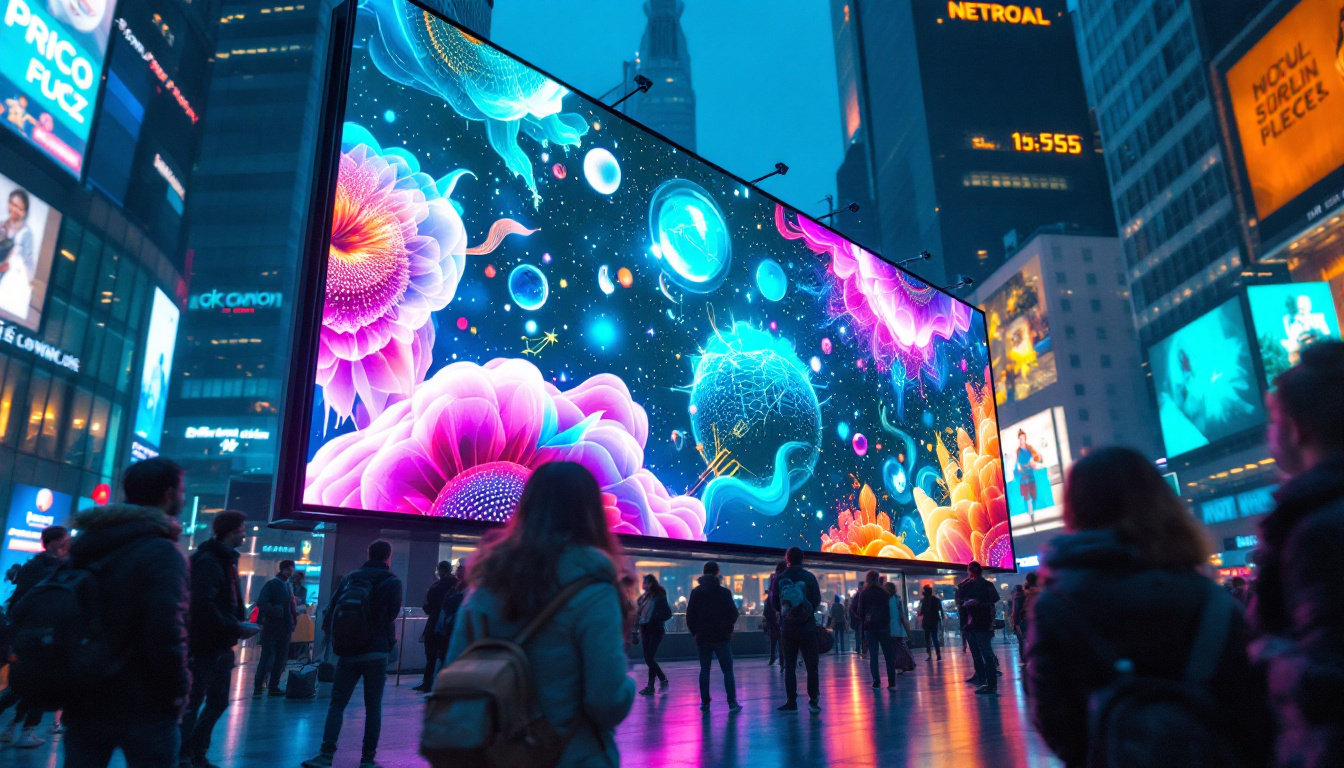
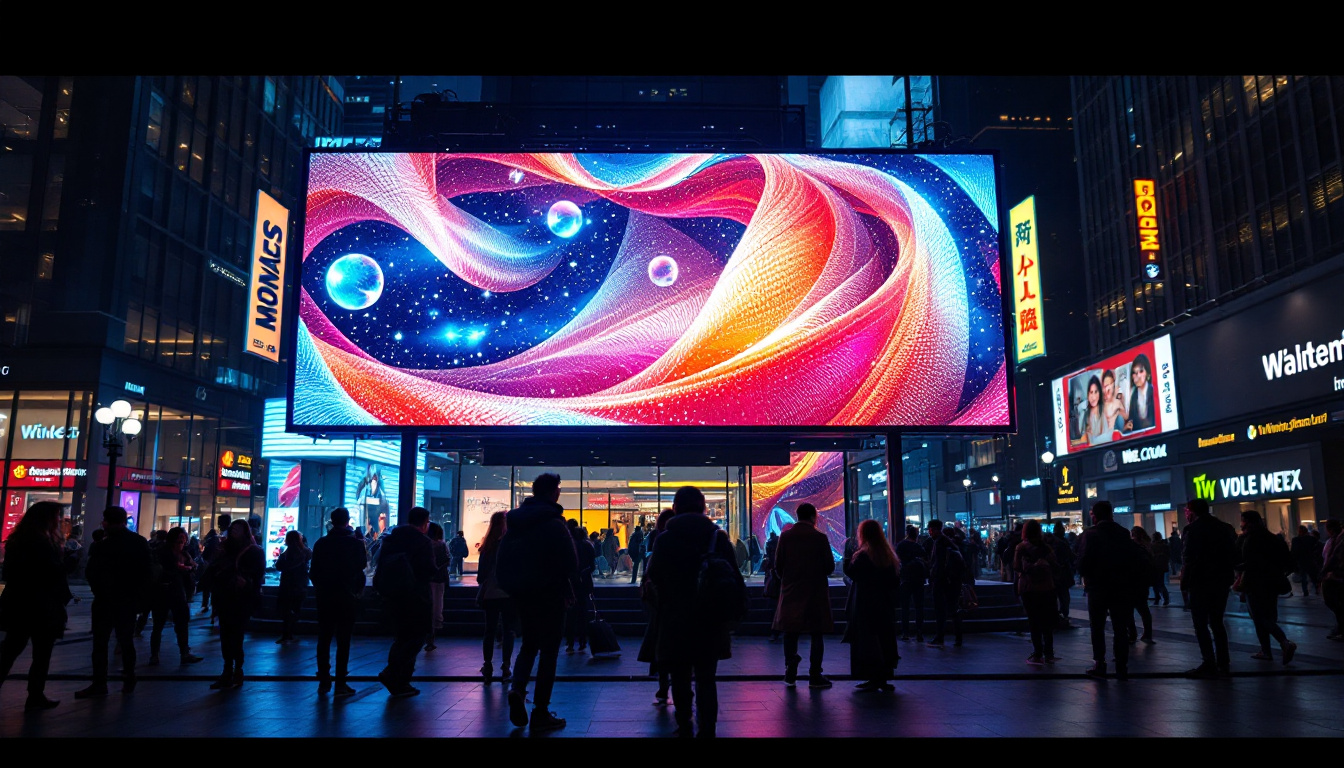
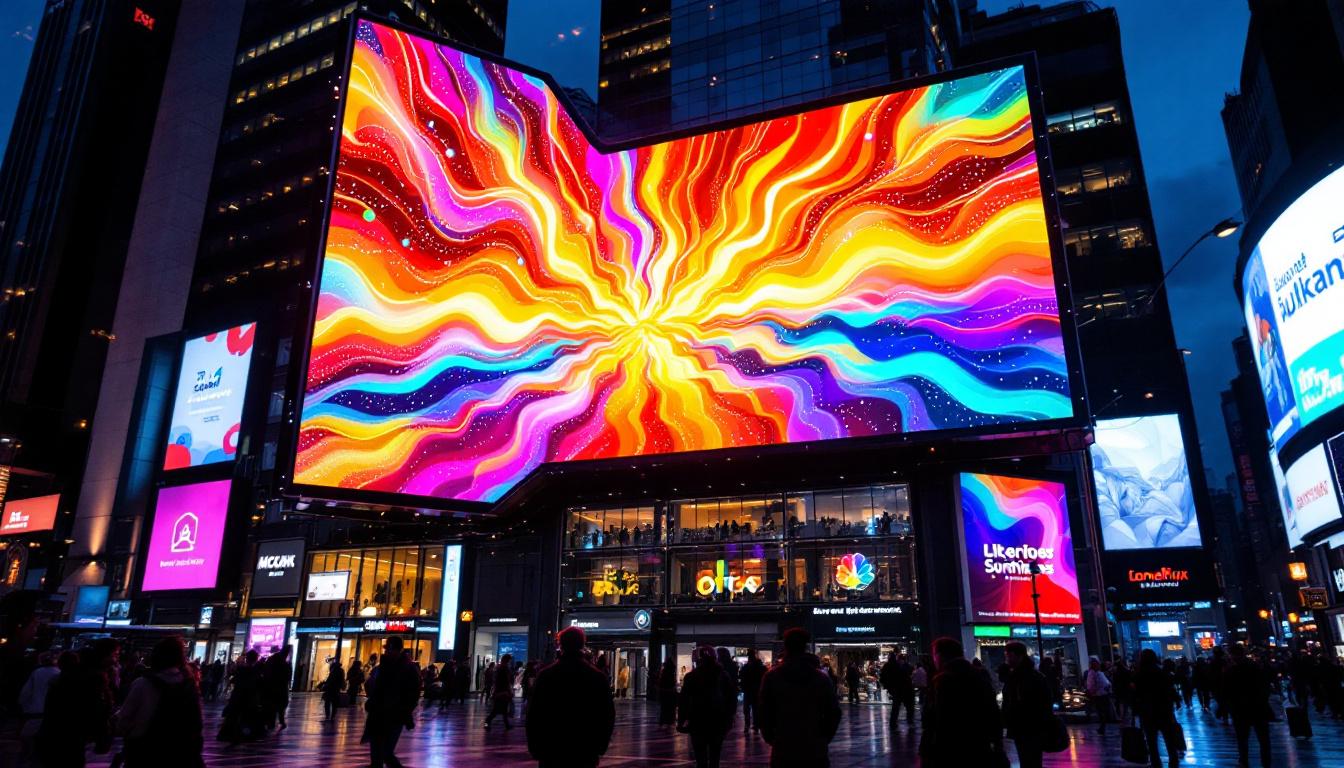
Large outdoor LED billboards often utilize pixel pitches around or larger than 20 mm. A 22.86 mm pitch fits well within this category, offering visibility from hundreds of feet away. These displays are designed to be bright enough to compete with sunlight and weather-resistant for all-year use.
For example, highway billboards and stadium perimeter displays commonly use pixel pitches in this range to maximize visibility and impact without the need for extremely high resolution. The brightness levels of these displays can reach up to 10,000 nits, ensuring that advertisements remain vibrant and eye-catching even in direct sunlight. Additionally, the robust construction of these displays allows them to withstand harsh weather conditions, such as heavy rain, snow, and extreme temperatures, making them a reliable choice for long-term outdoor use.
Industrial and Transportation Signage
Transportation hubs such as airports, train stations, and bus terminals sometimes employ LED displays with larger pixel pitches for informational signage. The 0.9-inch pitch allows for clear visibility from a distance while maintaining cost-effectiveness.
Similarly, industrial environments may use such displays for safety messages and operational information, where durability and visibility are prioritized over fine detail. In these settings, the displays can be programmed to show real-time data, such as flight schedules or train arrivals, ensuring that travelers have access to up-to-date information. Furthermore, the ability to customize content on these displays allows for dynamic messaging that can adapt to changing conditions, such as delays or emergencies, enhancing overall communication and safety in busy environments.
Limitations for Close-Range Viewing
While a 0.9-inch pixel pitch LED display excels in long-distance visibility, it is not suitable for applications requiring close-up viewing. The relatively large pixel spacing results in visible gaps between pixels, which can degrade image quality and readability when viewed from short distances.
For indoor applications or digital signage where viewers are within a few feet, pixel pitches below 4 mm are generally recommended to ensure crisp and clear visuals. This limitation highlights the importance of selecting the appropriate pixel pitch based on the intended viewing distance, as it directly impacts the effectiveness of the display. In environments like retail stores or conference rooms, where detailed graphics and text are essential, opting for a finer pixel pitch ensures that the audience receives a high-quality visual experience, ultimately enhancing engagement and communication.
Technical Considerations in LED Display Design
Beyond pixel pitch, several technical factors influence the performance and suitability of LED displays with a 0.9-inch pitch.
Brightness and Contrast
Displays with larger pixel pitches typically incorporate higher-powered LEDs to achieve the brightness necessary for outdoor visibility. A 22.86 mm pitch display can reach brightness levels exceeding 5,000 nits, ensuring legibility in direct sunlight.
Contrast ratios are also important, with modern LED technologies employing advanced dimming and calibration to maintain image quality under varying ambient light conditions.
Power Consumption and Heat Dissipation
Large-pitch LED displays consume significant power due to the high brightness LEDs used. Efficient power management and heat dissipation mechanisms are essential to maintain longevity and performance.
Designs often include heat sinks, ventilation, and energy-efficient components to mitigate thermal buildup, which can otherwise reduce LED lifespan and cause color shifts.
Durability and Weather Resistance
Outdoor LED displays with a 0.9-inch pitch must withstand harsh environmental conditions, including rain, dust, temperature fluctuations, and UV exposure. Enclosures are typically rated with IP65 or higher to ensure protection against water and dust ingress.
Robust construction materials and coatings also prevent corrosion and physical damage, ensuring reliable operation over years of outdoor use.
Future Trends in LED Display Pixel Pitch and Size
The LED display industry continues to evolve with advances in technology driving smaller pixel pitches and higher resolution displays.
Miniaturization and Higher Resolution
Recent innovations have enabled pixel pitches as low as 0.5 mm, primarily for indoor applications such as control rooms, broadcast studios, and retail environments. These ultra-fine pitches provide stunning image clarity but come at a higher cost.
While 0.9-inch (22.86 mm) pixel pitch displays remain relevant for specific outdoor uses, the trend toward smaller pitches is expected to continue, offering more versatile and visually impressive options.
Flexible and Transparent LED Displays
Emerging technologies include flexible and transparent LED panels, which open new possibilities for architectural integration and creative advertising. These displays often feature smaller pixel pitches and innovative form factors, expanding beyond traditional rigid modules.
Energy Efficiency and Smart Integration
Energy-efficient LEDs and smart control systems are becoming standard, enabling dynamic brightness adjustment, content optimization, and remote monitoring. These features enhance the usability and sustainability of LED displays across all pixel pitches.
Conclusion
Converting 0.9 inches to millimeters yields 22.86 mm, a measurement that plays a significant role in understanding LED display specifications, particularly pixel pitch. A 0.9-inch pixel pitch is characteristic of large-scale outdoor LED displays designed for long-distance visibility, offering high brightness and durability but limited close-range resolution.
For professionals selecting or designing LED displays, grasping the implications of this measurement is essential for matching display technology to application needs. As LED technology advances, pixel pitches continue to shrink, enhancing resolution and expanding use cases, but larger pitches like 22.86 mm maintain their importance in specific outdoor and industrial contexts.
Ultimately, accurate measurement conversions and a deep understanding of pixel pitch help ensure the right LED display solution is chosen, balancing performance, cost, and application requirements for optimal results.
Discover Cutting-Edge LED Display Solutions with LumenMatrix
As you consider the importance of pixel pitch and the intricate details that go into selecting the perfect LED display, remember that LumenMatrix is at the forefront of LED display innovation. Our comprehensive range of products, from Indoor and Outdoor LED Wall Displays to specialized solutions like Vehicle LED Displays and LED Sports Displays, are designed to meet your unique visual communication needs. Whether you’re looking to captivate your audience with a Floor LED Display or make a bold statement with a Custom LED Display, LumenMatrix has the technology to bring your vision to life. We invite you to Check out LumenMatrix LED Display Solutions and experience the future of digital signage today.