In the rapidly evolving world of digital signage and display technology, LED displays have become a cornerstone for everything from advertising billboards to stadium screens and indoor video walls. Among the many specifications that define an LED display’s performance and suitability for various applications, terms like “1.2” and “1.4” often surface, particularly in discussions about pixel pitch. Understanding what these numbers mean and how they impact the quality and use of LED displays is crucial for businesses, event organizers, and technology enthusiasts alike.
Understanding LED Display Basics
LED, or Light Emitting Diode, displays are composed of thousands to millions of tiny LEDs arranged in a grid. Each LED acts as a single pixel or part of a pixel that emits light when an electric current passes through it. Unlike traditional LCD or projection displays, LED displays produce their own light, resulting in brighter images, better contrast, and superior visibility in various lighting conditions.
LED technology has advanced significantly over the past decade, with improvements in brightness, energy efficiency, and resolution. These advances have made LED displays the preferred choice for both indoor and outdoor applications, from small retail signage to massive outdoor advertising boards that can be seen clearly even in direct sunlight.
What Does Pixel Pitch Mean?
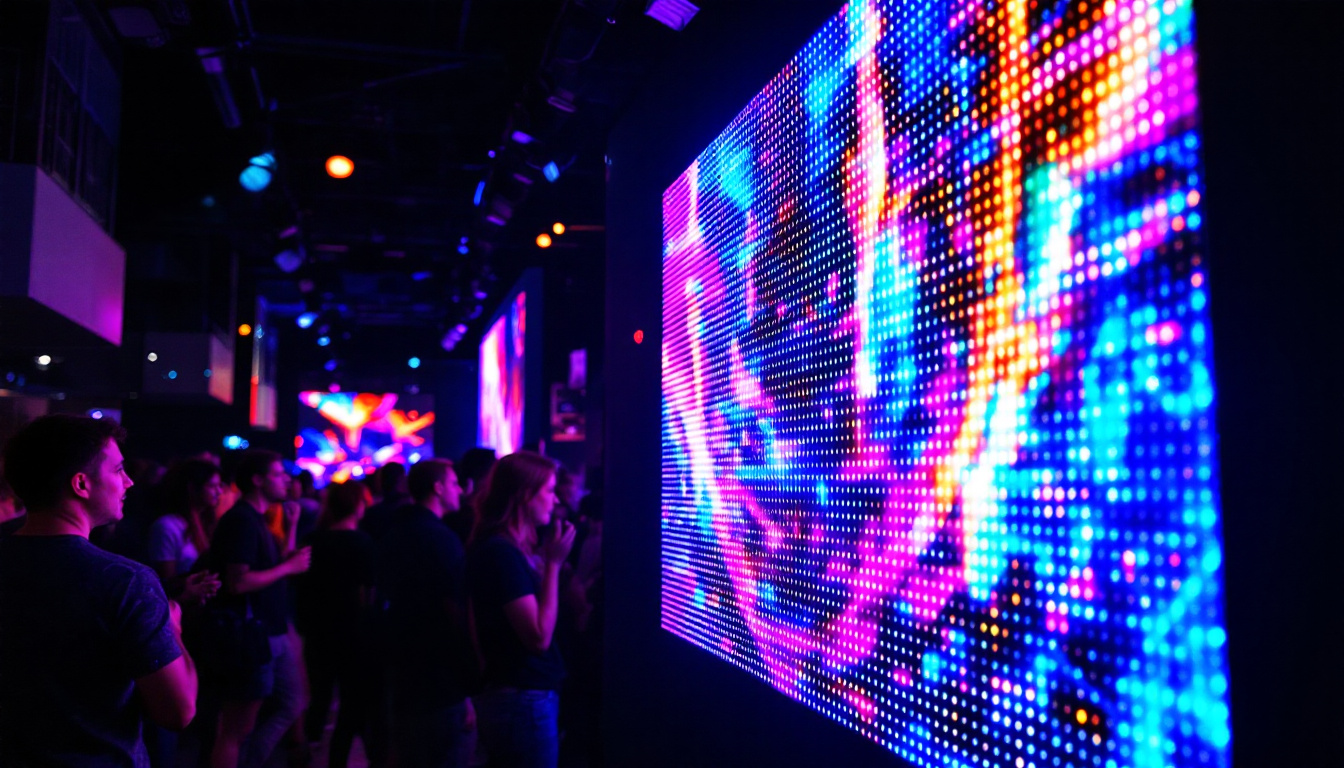
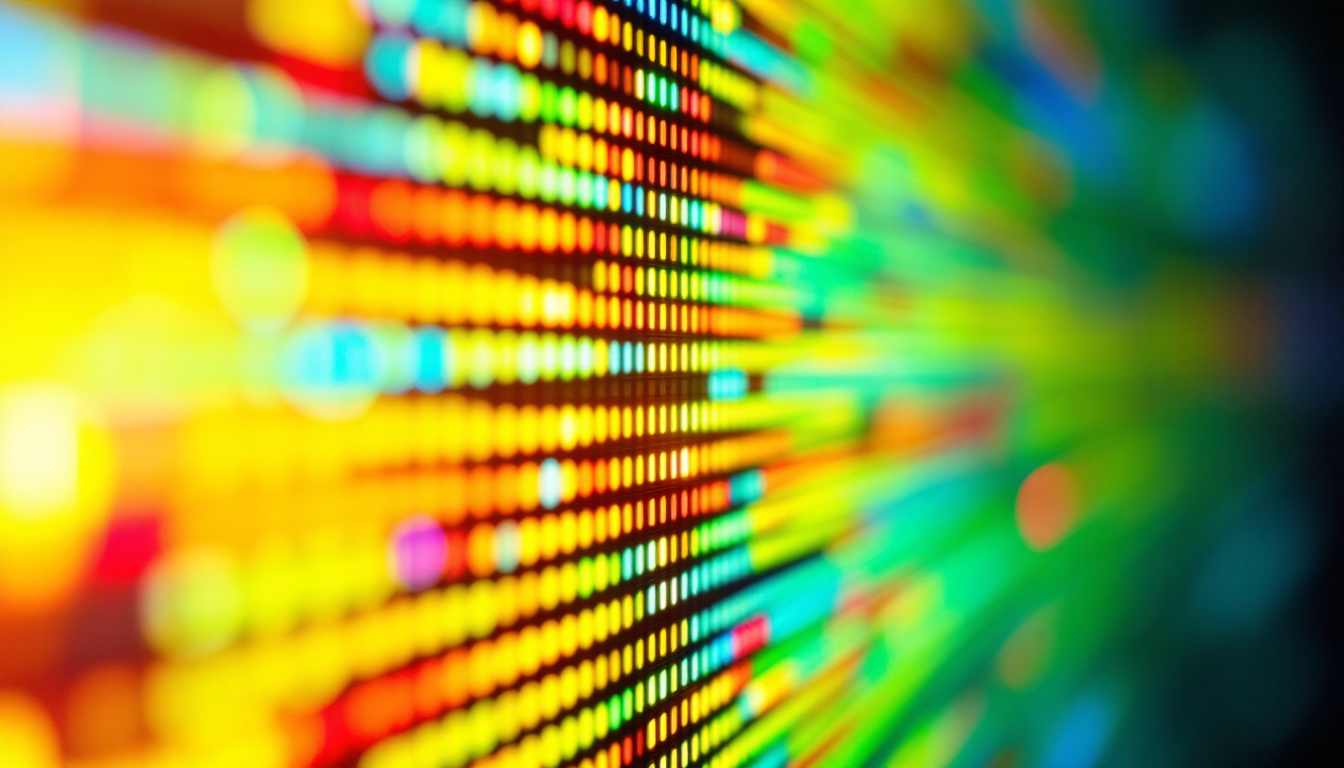
One of the most critical specifications in LED displays is the pixel pitch, often represented by numbers like 1.2 or 1.4. Pixel pitch refers to the distance from the center of one LED cluster (or pixel) to the center of the next, measured in millimeters. For example, a 1.2 mm pixel pitch means there is 1.2 millimeters between the centers of adjacent pixels.
This measurement directly affects the display’s resolution and viewing distance. A smaller pixel pitch means more pixels per unit area, resulting in higher resolution and sharper images, especially when viewed up close. Conversely, a larger pixel pitch means fewer pixels per unit area, which is suitable for displays intended to be viewed from a greater distance.
Decoding the Numbers: 1.2 vs 1.4 Pixel Pitch
The numbers 1.2 and 1.4 in LED displays typically refer to pixel pitch values measured in millimeters. While the difference between 1.2 mm and 1.4 mm might seem minor, it can significantly influence the display’s performance and application.
Resolution and Image Clarity
A 1.2 mm pixel pitch LED display has pixels spaced closer together than a 1.4 mm display. This tighter spacing means the 1.2 mm display can achieve a higher pixel density, offering crisper, more detailed images. For example, a 1.2 mm pitch screen measuring 2 meters by 1 meter will have approximately 1,666 pixels horizontally and 833 pixels vertically, whereas a 1.4 mm pitch display of the same size will have fewer pixels, resulting in lower resolution.
This difference becomes especially noticeable in applications where viewers are close to the screen, such as indoor retail displays, control rooms, or corporate meeting spaces. In these environments, the higher resolution of a 1.2 mm pitch display can make text, graphics, and videos appear smoother and more visually appealing.
Viewing Distance Considerations
Pixel pitch also determines the optimal viewing distance for an LED display. A common rule of thumb is that the minimum viewing distance (in meters) is roughly equal to the pixel pitch (in millimeters) multiplied by 1.5 to 2. For a 1.2 mm pitch, the ideal minimum viewing distance is about 1.8 to 2.4 meters, while for a 1.4 mm pitch, it’s approximately 2.1 to 2.8 meters.
Choosing the correct pixel pitch based on anticipated viewing distance ensures viewers experience the best possible image quality without seeing individual pixels. For example, a 1.2 mm pitch display is ideal for environments where viewers are within a couple of meters, whereas a 1.4 mm pitch display suits slightly larger spaces where viewers stand a bit farther away.
Cost and Energy Efficiency
Generally, LED displays with smaller pixel pitches like 1.2 mm tend to be more expensive than those with larger pitches such as 1.4 mm. This is due to the increased number of LEDs and more complex manufacturing processes required for higher pixel density. Additionally, a 1.2 mm pitch display may consume more power because it contains more LEDs per square meter.
However, the cost difference is often justified by the superior image quality and versatility of smaller pixel pitch displays, especially in premium indoor applications. When budgeting for an LED display, it’s essential to balance cost considerations with the desired visual performance and viewing environment.
Applications of 1.2 and 1.4 Pixel Pitch LED Displays
Understanding the practical applications of 1.2 mm and 1.4 mm pixel pitch LED displays helps businesses and organizations make informed decisions about which technology best suits their needs.
Indoor Corporate and Retail Environments
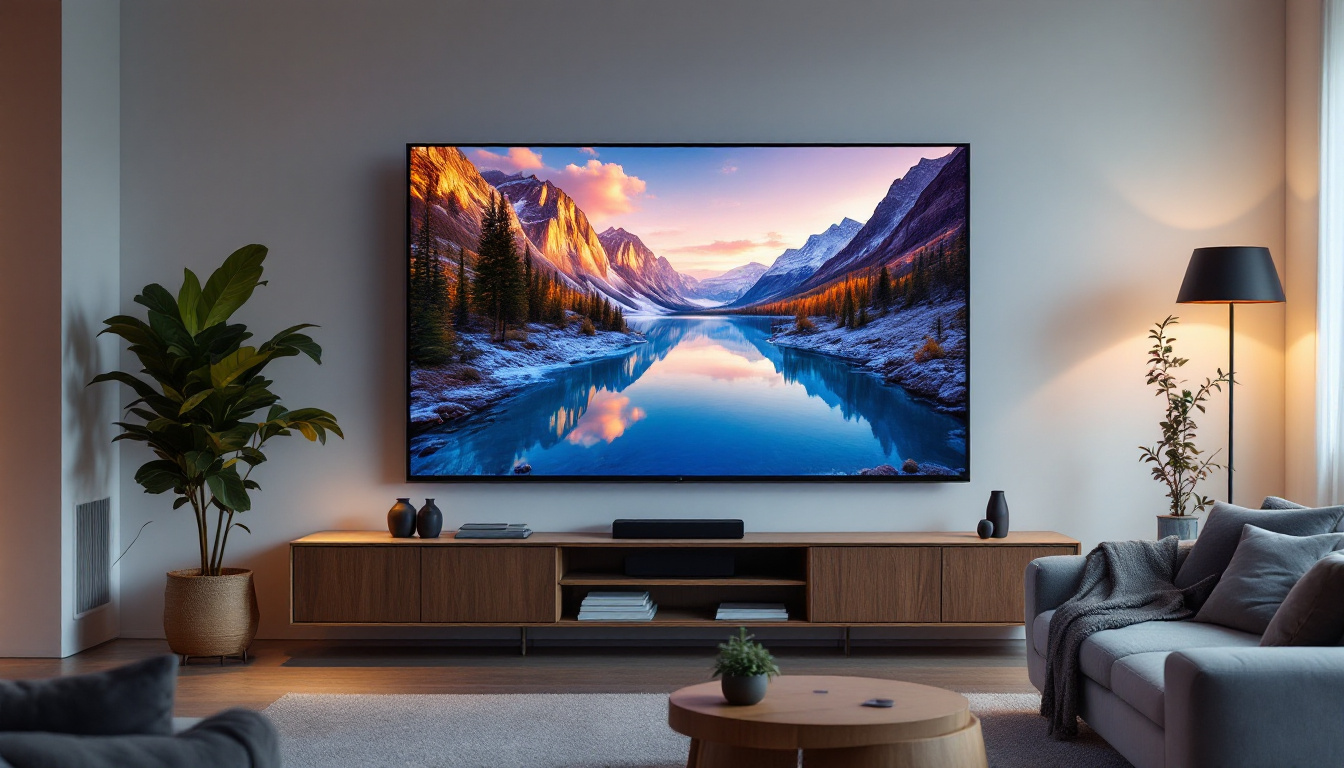
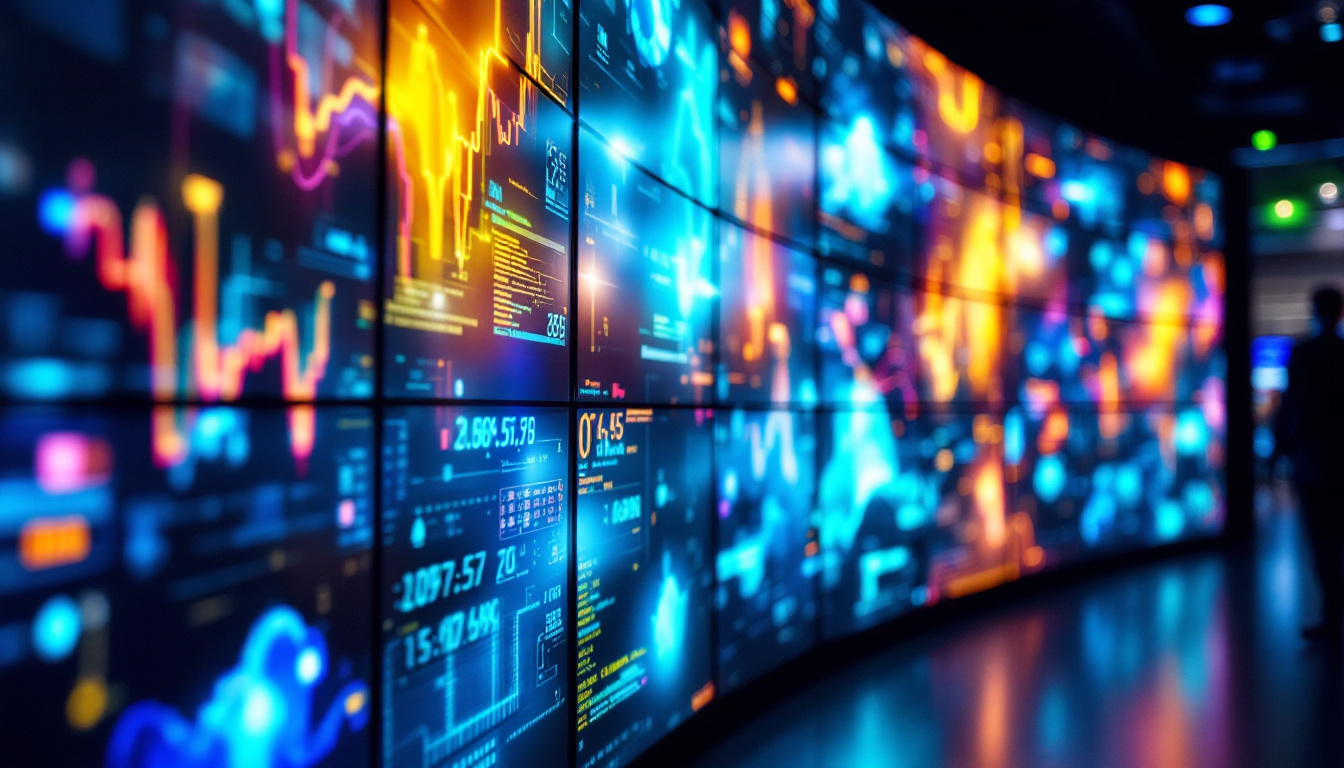
In corporate settings such as boardrooms, auditoriums, and control rooms, clarity and detail are paramount. A 1.2 mm pixel pitch LED display is often the preferred choice because it delivers high-resolution images that facilitate detailed presentations, data visualization, and video conferencing.
Retail environments also benefit from 1.2 mm displays, especially in high-end stores where product visuals and promotional content require sharp, vibrant imagery to attract customers. The ability to display fine details up close enhances the overall shopping experience and can influence purchasing decisions.
Broadcast Studios and Event Venues
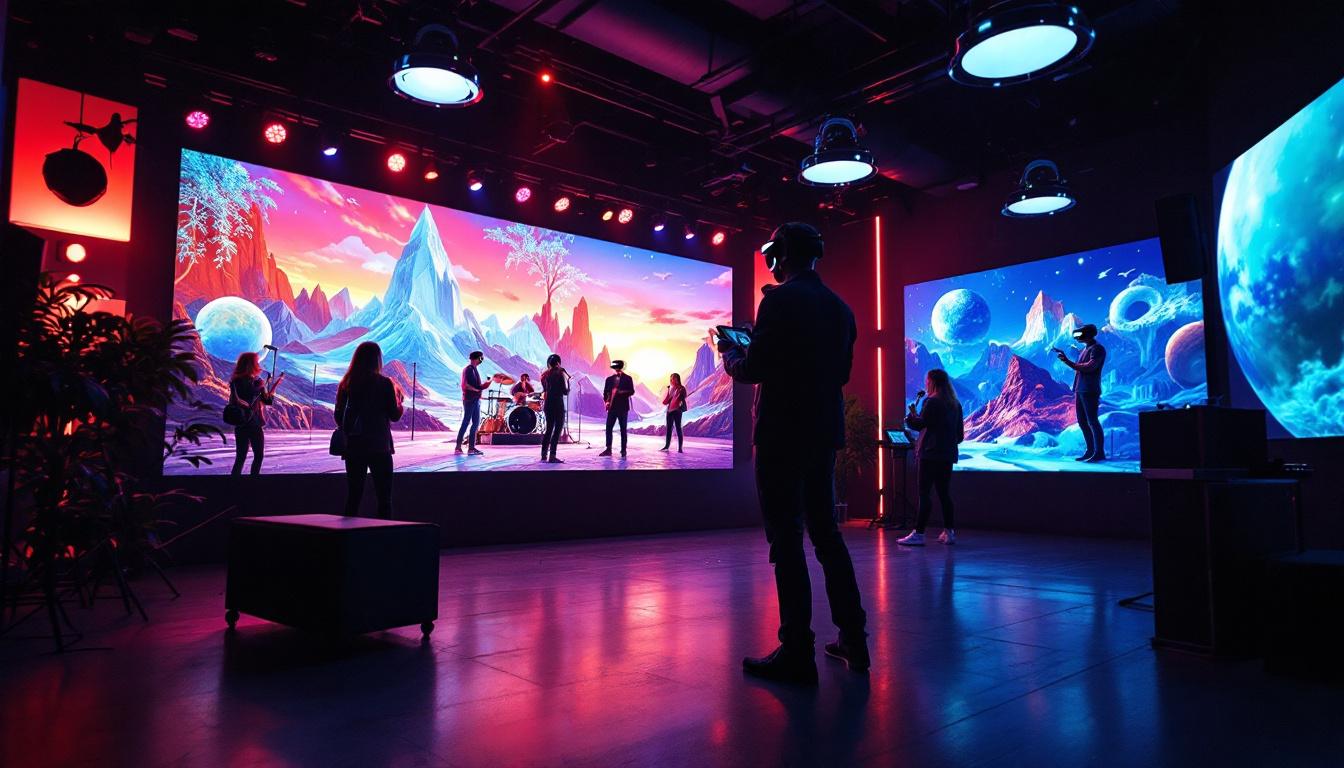
Broadcast studios frequently use LED displays with pixel pitches between 1.2 mm and 1.4 mm to create dynamic backdrops and immersive environments. The high resolution ensures that the displays look flawless on camera, even under close scrutiny.
Event venues, including concert halls and conference centers, may choose either 1.2 mm or 1.4 mm pixel pitch displays depending on the size of the venue and the typical audience distance. For smaller venues or areas where the audience is close to the screen, 1.2 mm displays provide superior image quality. In larger spaces where viewers are farther away, 1.4 mm displays offer a cost-effective solution without compromising too much on clarity.
Digital Signage and Advertising
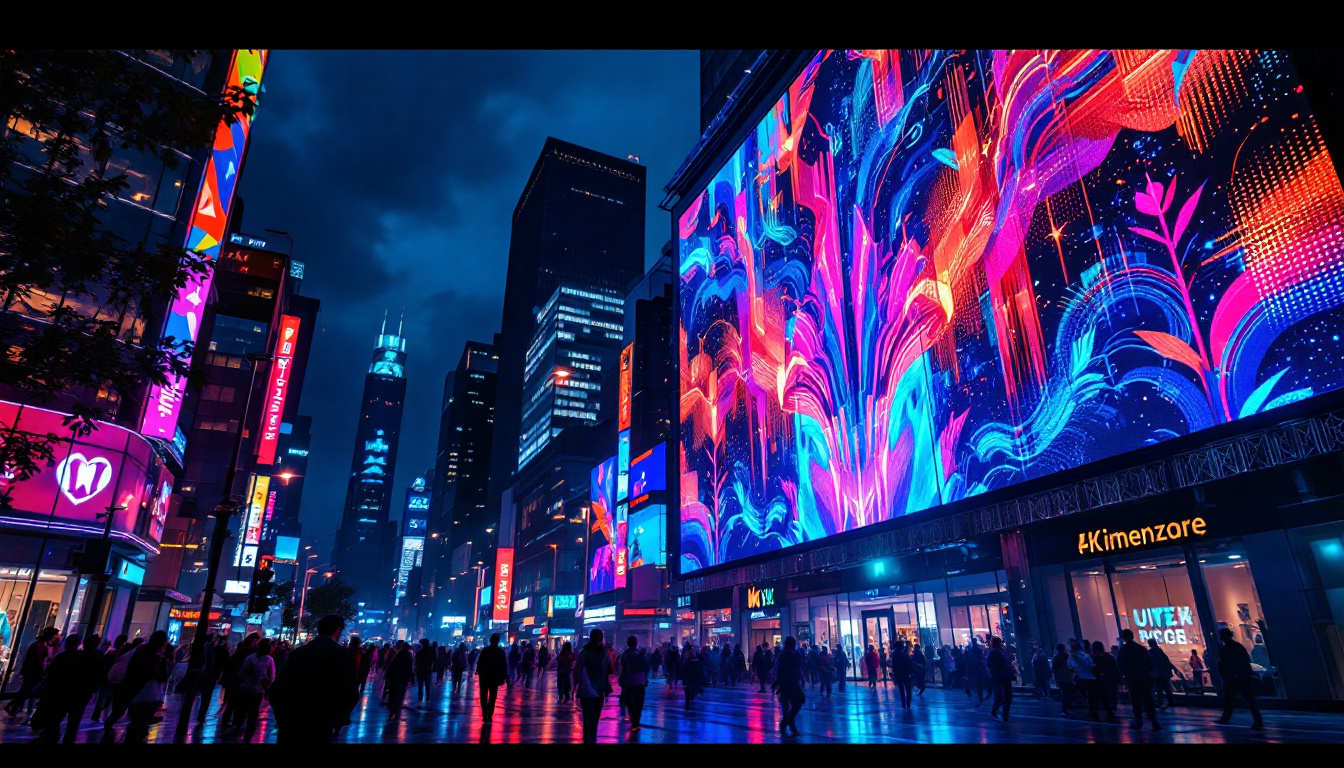
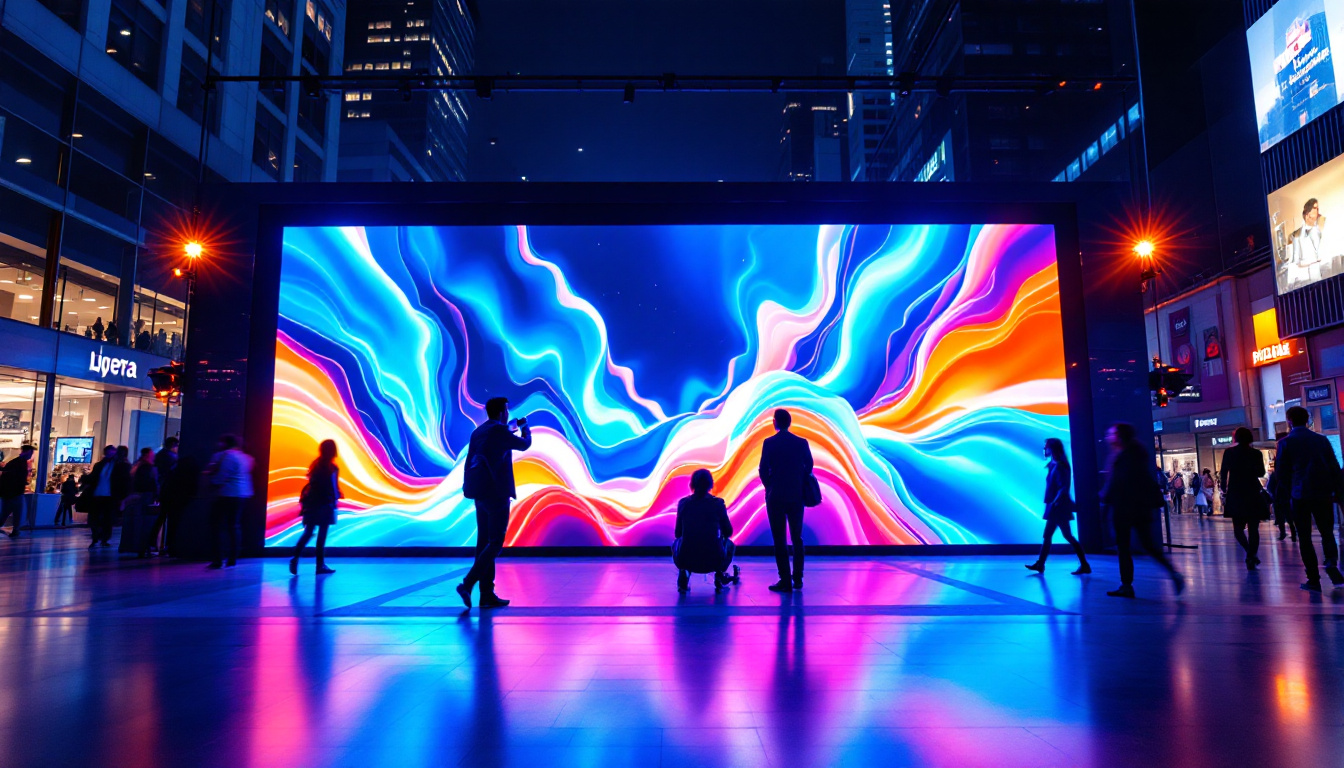
Outdoor digital signage usually employs larger pixel pitches due to the greater viewing distances and the need for higher brightness levels. However, indoor digital signage in malls, airports, and transit stations often uses 1.2 mm or 1.4 mm pixel pitch displays.
For example, a 1.4 mm pixel pitch display might be used in a busy airport terminal where viewers are typically several meters away, while a 1.2 mm pitch display could be installed in a luxury retail store where customers are close enough to appreciate finer image details.
Technical Considerations Beyond Pixel Pitch
While pixel pitch is a vital factor in choosing an LED display, other technical specifications also play important roles in overall performance and user satisfaction.
Brightness and Contrast Ratios
Brightness, measured in nits (cd/m²), determines how well an LED display performs in different lighting conditions. Indoor LED displays typically range from 800 to 1,500 nits, while outdoor displays can exceed 5,000 nits to remain visible in direct sunlight.
Contrast ratio, the difference between the brightest whites and darkest blacks a display can produce, affects image depth and realism. Higher contrast ratios enhance the viewing experience, especially for video content and detailed graphics.
Color Accuracy and Calibration
Color accuracy is essential for applications such as broadcast studios, retail, and corporate presentations where brand colors and image fidelity matter. Modern LED displays often include advanced calibration tools and software to ensure consistent and precise color reproduction.
Regular calibration helps maintain color accuracy over time, compensating for LED aging and environmental factors.
Refresh Rate and Viewing Angles
Refresh rate, measured in Hertz (Hz), indicates how many times per second the display updates its image. Higher refresh rates reduce flicker and motion blur, which is important for video playback and live events. Most LED displays offer refresh rates of 1,920 Hz or higher, ensuring smooth visuals.
Viewing angles describe how far off-center a viewer can be while still seeing a clear image. Wide viewing angles are crucial in public spaces and large venues to ensure consistent image quality for all viewers.
Future Trends in LED Display Technology
As LED technology continues to advance, the distinctions between pixel pitches like 1.2 mm and 1.4 mm may evolve, with even smaller pitches becoming more affordable and widespread. MicroLED technology, which uses microscopic LEDs, promises even higher resolutions and improved energy efficiency.
Additionally, innovations in flexible and transparent LED displays are opening new possibilities for creative installations and architectural integration. These developments will further expand the applications and impact of LED displays across industries.
Integration with Smart Technologies
Modern LED displays are increasingly integrated with smart control systems, enabling remote management, dynamic content updates, and interactive features. This integration enhances user engagement and operational efficiency, particularly in retail and advertising sectors.
Sustainability and Energy Efficiency
Energy consumption remains a significant consideration for large LED installations. Advances in LED chip design and power management are helping reduce energy use, making LED displays more environmentally friendly and cost-effective over their lifespan.
Conclusion
Understanding the meaning and implications of pixel pitch values such as 1.2 and 1.4 millimeters is essential for selecting the right LED display for any given application. While a 1.2 mm pixel pitch offers higher resolution and sharper images suitable for close viewing distances, a 1.4 mm pitch provides a balance between image quality and cost for slightly larger viewing distances.
By considering pixel pitch alongside other technical factors like brightness, color accuracy, and refresh rate, businesses and organizations can make informed decisions that maximize the impact and value of their LED display investments. As technology progresses, staying informed about emerging trends and innovations will ensure that LED displays continue to deliver compelling visual experiences across diverse environments.
Discover LumenMatrix’s Advanced LED Display Solutions
Ready to elevate your visual displays with unparalleled clarity and impact? Explore LumenMatrix’s comprehensive range of LED display solutions, crafted for every environment from bustling outdoor settings to intimate indoor venues. Whether you need an Indoor LED Wall Display, a vibrant Outdoor LED Wall Display, or specialized options like Vehicle LED Displays and LED Sports Displays, LumenMatrix has the technology to bring your vision to life. Embrace the future of visual communication with our innovative LED Transparent Displays and Custom LED solutions designed to captivate and engage your audience. Check out LumenMatrix LED Display Solutions today and transform your space with cutting-edge digital signage.