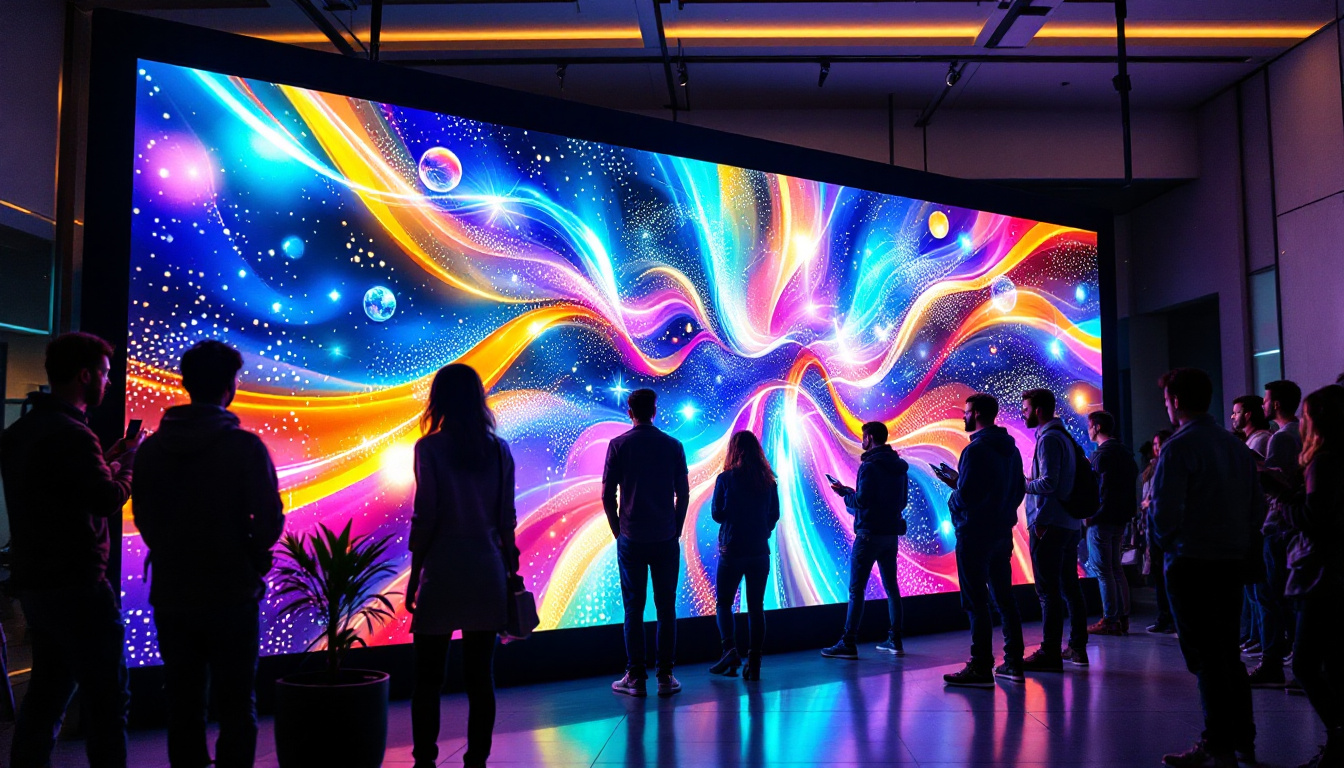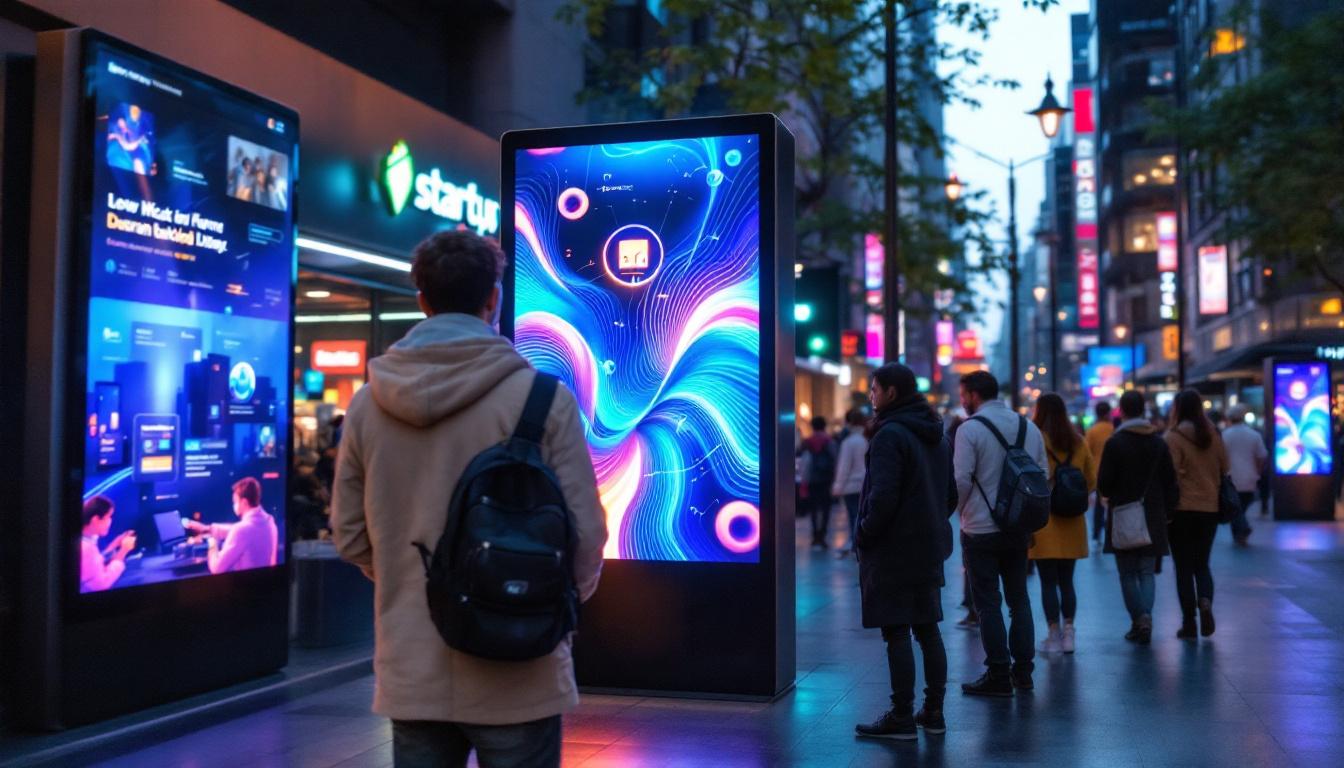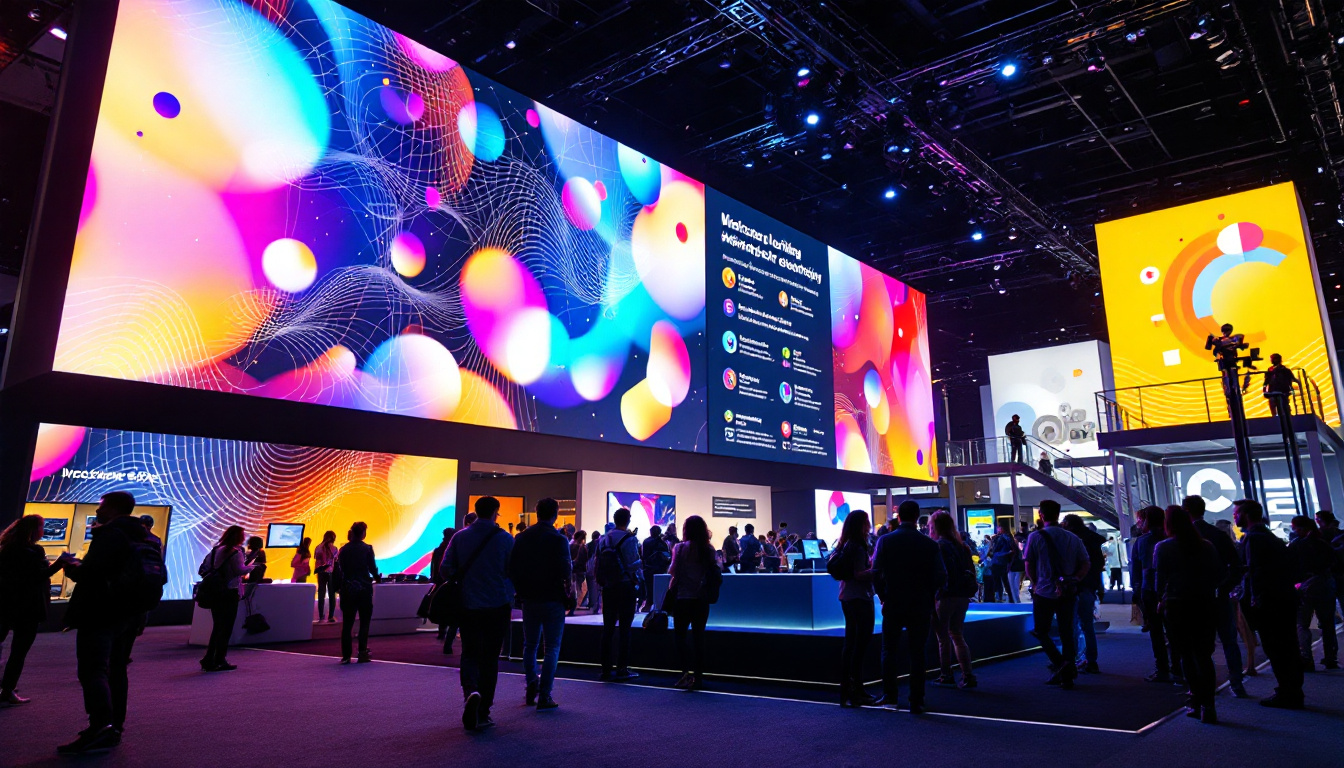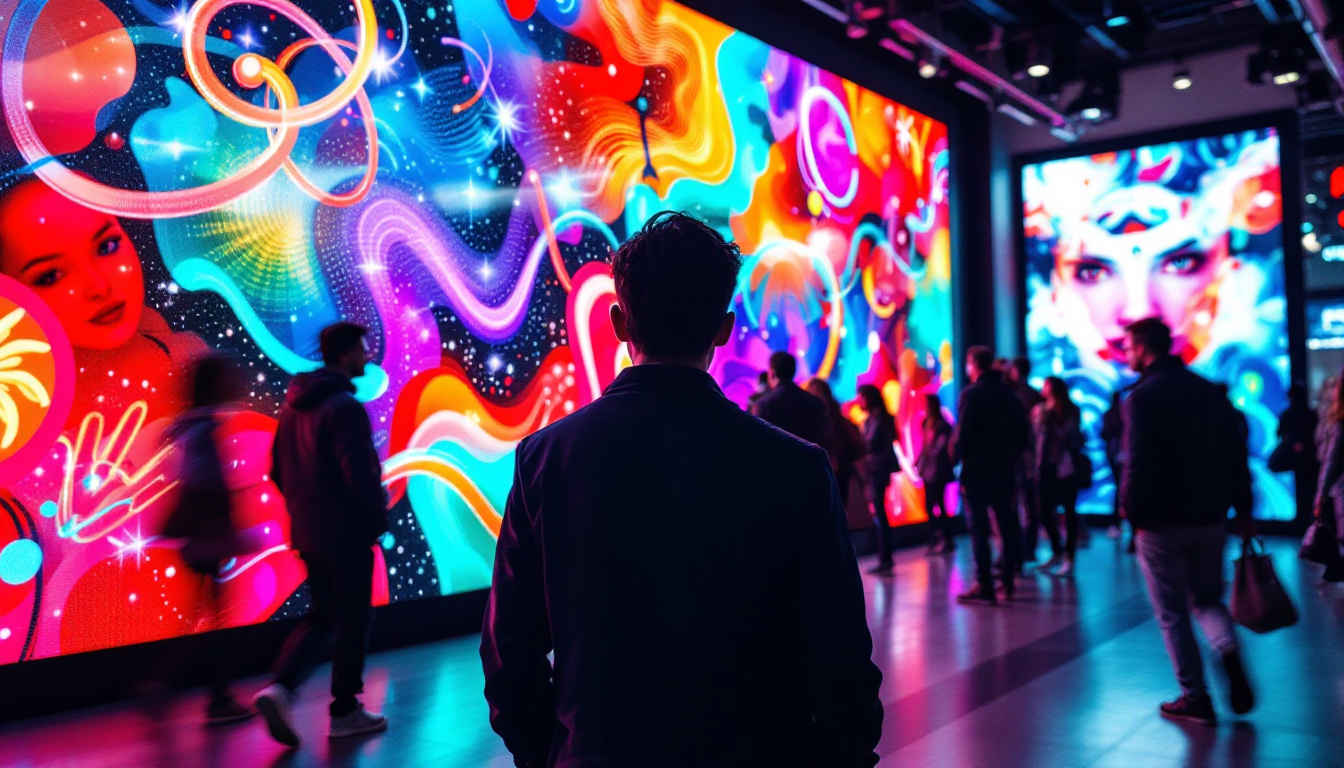
In the fast-evolving world of digital signage and visual communication, LED displays have become an indispensable technology. From massive outdoor billboards to indoor video walls, LED displays offer unparalleled brightness, color vibrancy, and energy efficiency. This article delves into the fundamentals of LED displays, clarifying what the term “1.5/1.5” means, exploring the technology behind these screens, and examining their applications and advantages in today’s market.
Understanding LED Display Technology
LED stands for Light Emitting Diode, a semiconductor device that emits light when an electric current passes through it. LED displays are composed of thousands to millions of these tiny diodes arranged in a matrix to form images, videos, or text. Unlike traditional LCD or plasma screens, LED displays emit their own light, which results in higher brightness and better contrast ratios. This self-illuminating property not only enhances visibility in various lighting conditions but also contributes to energy efficiency, making LED displays a popular choice for both commercial and residential applications.
LED technology has advanced significantly over the past decade. Modern LED displays use surface-mounted device (SMD) LEDs, which integrate red, green, and blue diodes into a single package. This integration allows for finer pixel pitches and more accurate color reproduction, making the images sharper and more vibrant. Additionally, advancements in LED technology have led to the development of features such as HDR (High Dynamic Range), which further enhances the display’s ability to showcase a wider range of colors and brightness levels, resulting in a more lifelike viewing experience.
What Does 1.5/1.5 Mean in LED Displays?
The term “1.5/1.5” typically refers to the pixel pitch of an LED display, measured in millimeters. Pixel pitch is the distance from the center of one LED cluster (or pixel) to the center of the adjacent pixel, both horizontally and vertically. In this case, 1.5/1.5 means the horizontal and vertical pixel pitch is 1.5 mm. This specification is crucial for determining how detailed and clear the images on the screen will appear, especially when viewed from different distances.
Pixel pitch is a critical specification because it directly impacts the resolution and viewing distance of the display. A smaller pixel pitch means more pixels per square meter, resulting in higher resolution and finer image detail. For example, a 1.5 mm pixel pitch LED display offers excellent image clarity for close viewing distances, making it ideal for indoor environments such as control rooms, retail stores, and conference halls. Furthermore, the compact size of the pixels allows for a more seamless visual experience, reducing the visibility of individual pixels and enhancing the overall aesthetic appeal of the display.
Why Pixel Pitch Matters
Choosing the right pixel pitch depends on the intended use and viewing distance. For instance, outdoor billboards typically have larger pixel pitches (ranging from 6 mm to 20 mm or more) because they are viewed from far away. Conversely, indoor displays require smaller pixel pitches to maintain image sharpness at close range. This consideration is particularly important in settings where detailed visuals are essential, such as in medical imaging or high-definition video presentations.
To illustrate, a 1.5 mm pixel pitch display can be viewed comfortably from as close as 1.5 to 3 meters without perceivable pixelation. This makes it suitable for environments where viewers are close to the screen, such as retail displays or broadcast studios. The 1.5/1.5 specification ensures uniform pixel density both horizontally and vertically, contributing to consistent image quality. Additionally, as technology continues to evolve, manufacturers are now experimenting with even smaller pixel pitches, pushing the boundaries of resolution and image fidelity, which could redefine how we interact with digital content in the near future. This ongoing innovation promises to enhance not only the visual experience but also the potential applications of LED technology across various industries, from entertainment to education and beyond.
How LED Displays Work: Components and Operation
LED displays are complex systems that combine multiple components to produce high-quality visuals. Understanding these components helps clarify why LED displays are so effective and versatile.
LED Modules and Pixels
The fundamental building block of an LED display is the LED module. Each module contains a grid of pixels, with each pixel consisting of three LEDs: red, green, and blue. By varying the intensity of these three LEDs, the module can produce a wide spectrum of colors through additive color mixing.
For a 1.5 mm pixel pitch display, the LEDs are packed very closely, allowing for a dense pixel matrix. This density is what enables the display to render detailed images and smooth video playback.
Driving Electronics and Control Systems
Behind the scenes, driving electronics regulate the power supplied to each LED, controlling brightness and color in real time. A display controller processes the input video signal and translates it into commands for each pixel, ensuring synchronization and smooth transitions.
Modern LED displays often include advanced features such as automatic brightness adjustment based on ambient light, color calibration tools, and error detection systems to maintain image quality and reliability.
Cabinet and Structural Design
LED modules are mounted within cabinets that provide structural support, cooling, and protection. The design of these cabinets affects the display’s durability, weight, and ease of installation. For indoor 1.5 mm pixel pitch displays, cabinets are typically lightweight and designed for seamless module alignment to avoid visible gaps between pixels.
Applications of 1.5/1.5 Pixel Pitch LED Displays
The 1.5/1.5 mm pixel pitch LED display occupies a sweet spot in the market, offering high resolution suitable for close-up viewing without the prohibitive cost of ultra-fine pixel pitches. Here are some of the most common applications where this technology excels.
Corporate and Conference Environments
In corporate boardrooms and conference centers, clear and vibrant visual communication is essential. A 1.5 mm pixel pitch LED display can deliver sharp presentations, video conferencing feeds, and dynamic content that enhance engagement and professionalism.
Its high resolution ensures that even detailed charts, graphs, and small text are clearly visible to attendees seated near the screen. The slim profile and modular design also facilitate easy installation and maintenance in these environments.
Broadcast Studios and Control Rooms
Broadcast studios demand displays that can reproduce accurate colors and fine details to ensure high-quality production. Similarly, control rooms require clear visuals to monitor multiple data streams and video feeds simultaneously.
LED displays with a 1.5 mm pixel pitch provide the resolution and color fidelity needed for these demanding applications. Their reliability and brightness allow for continuous operation under various lighting conditions.
Retail and Hospitality
Retail environments benefit from eye-catching digital signage that attracts customers and conveys promotional messages effectively. A 1.5 mm pixel pitch LED display offers the sharpness required for close-range viewing, making it ideal for storefronts, product showcases, and interactive kiosks.
In hospitality venues such as hotels and casinos, these displays enhance the guest experience with dynamic wayfinding, event information, and branded content.
Advantages of 1.5/1.5 LED Displays Over Other Technologies
When compared to other display technologies such as LCD or projection, 1.5 mm pixel pitch LED displays offer several compelling advantages that justify their growing adoption.
Superior Brightness and Contrast
LED displays emit their own light, allowing them to achieve brightness levels of up to 1,000 nits or more, which is significantly higher than most LCD panels. This makes them visible even in brightly lit environments.
Additionally, LEDs can be turned off individually, producing true blacks and exceptional contrast ratios. This capability enhances image depth and realism, especially in video content.
Wide Viewing Angles and Color Accuracy
LED displays maintain consistent color and brightness across wide viewing angles, often exceeding 160 degrees horizontally and vertically. This ensures that viewers see accurate images regardless of their position relative to the screen.
Color accuracy is critical in applications like broadcast and retail, where brand colors and image fidelity must be preserved.
Energy Efficiency and Longevity
LED technology is inherently energy-efficient compared to traditional lighting and display methods. Advances in LED chip design and power management have further reduced power consumption, making these displays cost-effective to operate over time.
Moreover, LED displays typically have a lifespan of 50,000 to 100,000 hours, far exceeding that of many other display types. This longevity reduces maintenance and replacement costs.
Considerations When Choosing a 1.5/1.5 LED Display
While 1.5 mm pixel pitch LED displays offer many benefits, several factors should be considered to ensure the technology fits the specific needs of a project.
Cost and Budget
High-resolution LED displays with fine pixel pitches like 1.5 mm tend to be more expensive than larger pitch models or alternative display technologies. Budget constraints may influence the choice of pixel pitch or display size.
However, the total cost of ownership, including energy savings and reduced maintenance, often offsets the initial investment over time.
Installation and Maintenance
Due to their modular design, LED displays require professional installation to ensure proper alignment and calibration. Regular maintenance, such as cleaning and occasional module replacement, is necessary to maintain optimal performance.
Choosing a reputable manufacturer with strong after-sales support can simplify these processes.
Environmental Factors
Indoor 1.5 mm pixel pitch LED displays are designed for controlled environments. Exposure to moisture, dust, or extreme temperatures can affect performance and lifespan. Therefore, environmental conditions should be assessed before installation.
The Future of LED Display Technology
LED display technology continues to advance rapidly, with innovations that promise even higher resolutions, improved energy efficiency, and enhanced interactivity.
Emerging trends include microLED displays, which use microscopic LEDs to achieve pixel pitches below 1 mm, delivering near-retina display quality. Flexible and transparent LED displays are also gaining traction, enabling new design possibilities in architecture and consumer electronics.
As production costs decrease and technology matures, fine-pitch LED displays like the 1.5/1.5 mm models will become more accessible, further expanding their use across industries.
Conclusion
The 1.5/1.5 mm pixel pitch LED display represents a sophisticated balance of resolution, brightness, and versatility, making it an excellent choice for a wide range of indoor applications. Understanding the technology behind these displays, their advantages, and appropriate use cases is essential for businesses and organizations seeking to invest in impactful visual communication solutions.
With continued innovation and growing adoption, LED displays will remain at the forefront of digital signage and immersive visual experiences for years to come.
Explore Cutting-Edge LED Displays with LumenMatrix
Ready to elevate your visual communication to the next level? LumenMatrix is at the forefront of LED display innovation, offering a diverse range of solutions tailored to your unique needs. From Indoor LED Walls to Custom LED Displays, our technology is designed to captivate and engage your audience like never before. Discover how our LED displays can transform your space and deliver your message with unparalleled clarity and impact. Check out LumenMatrix LED Display Solutions today and experience the future of digital signage.