In the rapidly evolving world of digital signage and display technology, LED displays have become a dominant force due to their brightness, energy efficiency, and versatility. Among the many specifications and terminologies used to describe these displays, “1.8 X 10” often appears, especially in the context of pixel pitch and panel dimensions. This article aims to demystify what “1.8 X 10” means in LED displays, how it impacts performance, and why it matters for businesses and consumers alike.
Understanding LED Display Basics
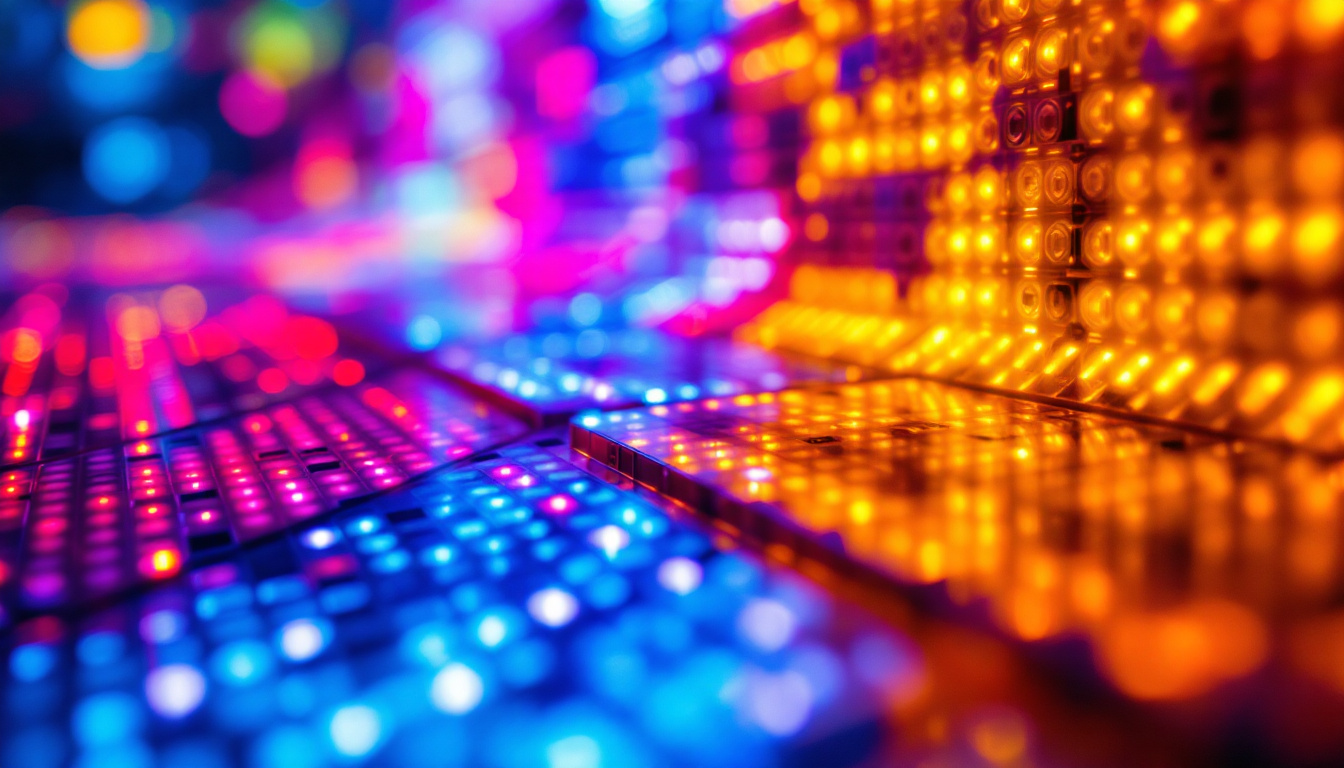
Before delving into the specifics of “1.8 X 10,” it’s essential to grasp the fundamentals of LED display technology. LED stands for Light Emitting Diode, a semiconductor device that emits light when an electric current passes through it. LED displays consist of thousands to millions of these tiny diodes arranged in a matrix to form images, videos, or text. The technology has evolved significantly over the years, with advancements in energy efficiency and color rendering, making them more accessible and versatile for various applications.
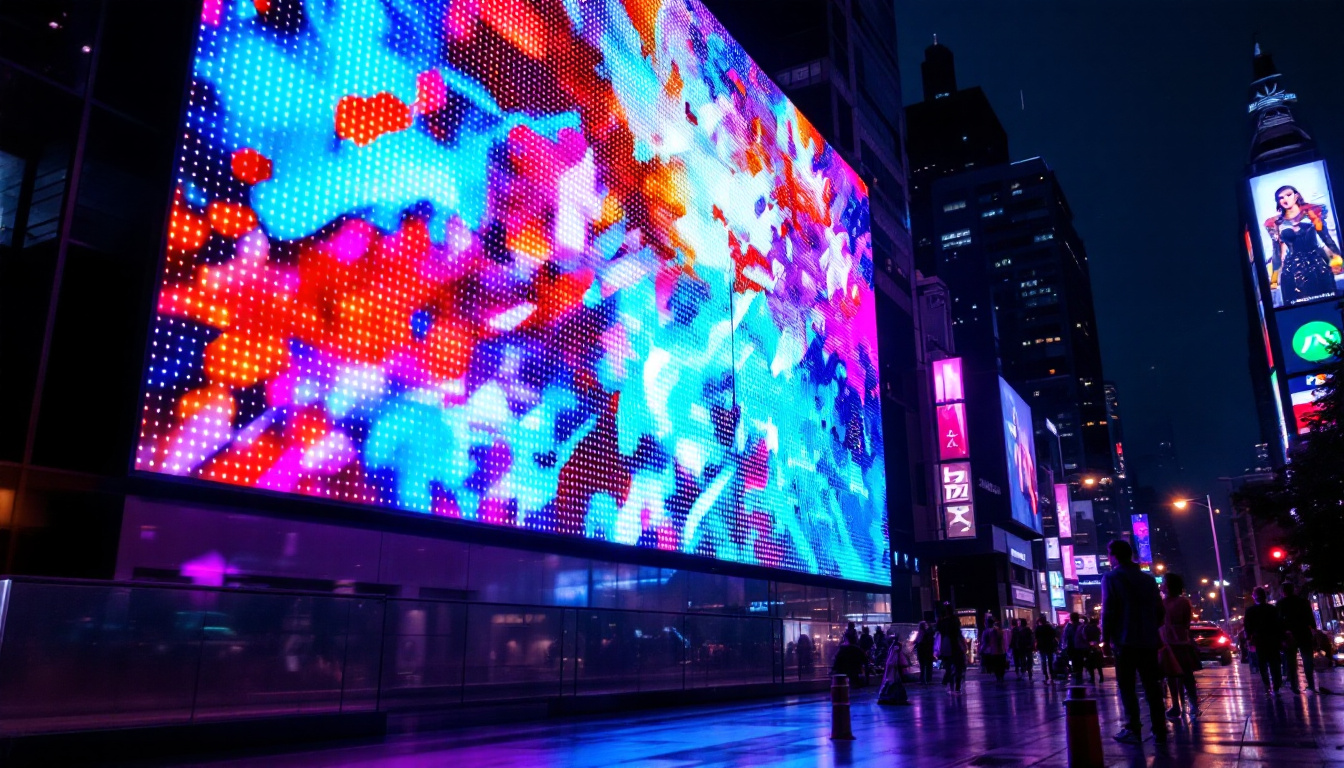
LED displays come in various forms, including indoor and outdoor screens, flexible panels, and transparent displays. Their key advantages include high brightness, excellent color accuracy, and long lifespan. These attributes make LED displays ideal for advertising, sports arenas, concerts, retail environments, and even public transportation hubs. Additionally, the ability to create large video walls or unique shapes allows for innovative advertising strategies and immersive experiences that can captivate audiences in ways traditional displays cannot.
Pixel Pitch: The Core Metric
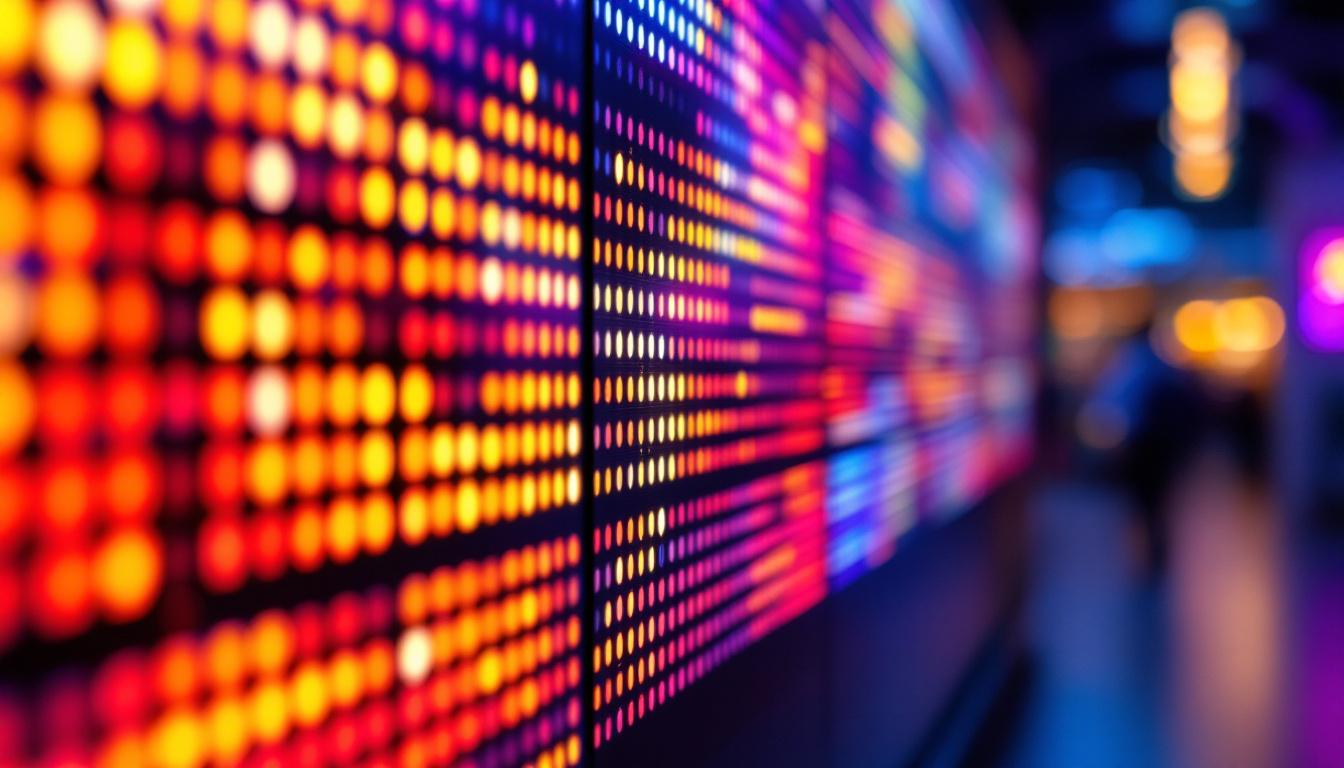
One of the most critical parameters in LED display technology is pixel pitch. Pixel pitch refers to the distance between the centers of two adjacent pixels, usually measured in millimeters. It directly influences the resolution and viewing distance of the display. A smaller pixel pitch means higher pixel density, resulting in sharper images and closer optimal viewing distances. This characteristic is particularly important in environments where viewers are likely to be close to the screen, such as in retail spaces or exhibitions, where clarity and detail can significantly impact customer engagement.
For example, a display with a pixel pitch of 1.8 mm offers finer detail than one with a 10 mm pixel pitch. This difference is crucial when deciding on a display for indoor versus outdoor use, as well as for applications requiring close-up viewing versus long-distance visibility. Furthermore, advancements in technology have allowed manufacturers to produce displays with even smaller pixel pitches, pushing the boundaries of what is possible in terms of resolution and image quality. As a result, industries are continually exploring new ways to integrate these high-resolution displays into their marketing strategies, enhancing the viewer’s experience and driving engagement through visually stunning content.
Decoding “1.8 X 10” in LED Displays
The term “1.8 X 10” often appears in product specifications and marketing materials for LED displays. It typically refers to the pixel pitch dimensions of the display module, expressed as the horizontal and vertical spacing between pixels. In this case, “1.8” represents the horizontal pixel pitch of 1.8 millimeters, while “10” represents the vertical pixel pitch of 10 millimeters.
This non-square pixel pitch configuration is somewhat unusual but can be purposeful. It means that pixels are spaced more closely in the horizontal direction than in the vertical direction, resulting in a rectangular pixel shape rather than a square one. This arrangement can influence the display’s resolution, aspect ratio, and visual performance.
Why Use Different Horizontal and Vertical Pixel Pitches?
Designers and manufacturers sometimes choose asymmetric pixel pitches to optimize the display for specific viewing conditions or content types. For instance, a display with a 1.8 mm horizontal pitch and 10 mm vertical pitch might be intended for applications where horizontal resolution and clarity are more critical than vertical resolution.
This configuration can be advantageous for ticker displays, stock market boards, or news crawlers where text scrolls horizontally and readability along this axis is paramount. The wider vertical pitch reduces the number of pixels vertically, which can lower costs and power consumption while maintaining crisp horizontal detail.
Visual Impact and Viewing Experience
When pixels are spaced unevenly, the perceived image quality depends heavily on the viewing distance and angle. At typical viewing distances for such displays—often several meters away—the human eye may not discern the vertical pixel spacing as easily, preserving the overall image clarity.
However, this design requires careful calibration and content optimization. Images and videos with high vertical detail might appear less sharp or slightly stretched. Therefore, content creators should tailor their visuals to suit the unique pixel arrangement to maximize impact.
Applications of 1.8 X 10 LED Displays
Understanding where and why a 1.8 X 10 pixel pitch LED display is used helps clarify its benefits and limitations. These displays are often found in environments where horizontal information flow is critical, and vertical resolution can be compromised without significant loss of quality.
Financial and Stock Market Displays
One of the most common uses of 1.8 X 10 LED displays is in financial institutions and stock exchanges. The horizontal emphasis allows for clear, readable scrolling text that updates in real-time, such as stock prices, indices, and market news. The lower vertical resolution reduces costs while maintaining legibility from a distance.
For example, the iconic ticker displays on buildings in financial districts often utilize this pixel pitch configuration to maximize horizontal readability and minimize installation complexity.
Transportation and Public Information Systems
Transportation hubs like airports, train stations, and bus terminals benefit from 1.8 X 10 LED displays for arrival and departure boards. These displays emphasize horizontal scrolling text or segmented information, which passengers can quickly scan while moving.
The robust construction and high brightness of LED technology ensure visibility even in bright daylight or large indoor spaces, making them ideal for public information dissemination.
Retail and Advertising
Retailers sometimes employ 1.8 X 10 LED displays for promotional banners and dynamic signage. The horizontal pixel density allows for eye-catching text animations and offers sufficient resolution for product information without the higher costs associated with full square pixel pitch displays.
While not suitable for detailed video playback, these displays excel at delivering concise, impactful messages that attract customer attention.
Technical Considerations and Performance Factors
Choosing an LED display with a 1.8 X 10 pixel pitch involves several technical considerations that affect performance, installation, and maintenance.
Resolution and Aspect Ratio
The asymmetric pixel pitch affects the native resolution and aspect ratio of the display. For instance, a module measuring 1 meter in width and height would have significantly more pixels horizontally than vertically, resulting in a stretched aspect ratio.
This can be advantageous or limiting depending on the content. Custom content formatting and software support are necessary to ensure images and text are displayed correctly without distortion.
Power Consumption and Heat Management
Displays with fewer vertical pixels consume less power and generate less heat, which can reduce operational costs and improve longevity. This is particularly beneficial for large-scale installations where energy efficiency is a priority.
Moreover, the reduced pixel count vertically allows for simpler cooling solutions, which can be critical in outdoor or enclosed environments.
Installation and Maintenance
The physical design of 1.8 X 10 LED displays often leads to lighter, thinner panels that are easier to install and maintain. However, the unique pixel arrangement requires precise calibration during installation to avoid visual artifacts.
Maintenance teams must also be trained to handle the specific hardware and software configurations associated with these displays to ensure optimal performance over time.
Comparing 1.8 X 10 Displays with Other Pixel Pitches
To fully appreciate the role of 1.8 X 10 LED displays, it’s helpful to compare them with other common pixel pitch configurations.
Square Pixel Pitch Displays
Most LED displays use square pixel pitches, such as 1.8 mm x 1.8 mm or 10 mm x 10 mm. These provide uniform resolution and are suitable for a wide range of applications, from high-definition indoor screens to large outdoor billboards.
Square pitches offer balanced image quality and flexibility but can be more expensive and power-hungry, especially at smaller pixel pitches.
Other Asymmetric Pixel Pitches
While less common, other asymmetric pixel pitch configurations exist, such as 2.5 mm x 5 mm. These serve niche applications where specific viewing angles or content types dominate. The 1.8 X 10 configuration is notable for its extreme vertical spacing, which suits horizontal text-based applications better than video or photographic content.
Future Trends and Innovations
The LED display industry continues to innovate rapidly, with trends that could influence the use and development of 1.8 X 10 pixel pitch displays.
Higher Resolution and Miniaturization
Advances in LED manufacturing are driving pixel pitches below 1 mm, enabling ultra-high-definition displays. While this trend primarily benefits video and immersive experiences, it may eventually reduce the demand for asymmetric pitches like 1.8 X 10, except in highly specialized contexts.
Flexible and Transparent Displays
Emerging technologies such as flexible LED panels and transparent displays expand the possibilities for digital signage. These innovations could incorporate asymmetric pixel pitches to optimize performance for curved surfaces or see-through applications.
AI-Driven Content Optimization
Artificial intelligence and machine learning are increasingly used to tailor content dynamically for specific display types and environments. AI could help optimize visuals on 1.8 X 10 displays, compensating for pixel arrangement quirks and enhancing viewer engagement.
Conclusion: Is a 1.8 X 10 LED Display Right for Your Needs?
Understanding the meaning and implications of “1.8 X 10” in LED displays is crucial for making informed decisions about digital signage investments. This pixel pitch configuration offers unique advantages for applications emphasizing horizontal information flow, such as financial tickers, public transportation boards, and certain retail signage.
However, it also comes with trade-offs in vertical resolution and content flexibility. Businesses should carefully evaluate their content requirements, viewing distances, and budget constraints before selecting a 1.8 X 10 LED display.
As LED technology continues to advance, the niche filled by asymmetric pixel pitches like 1.8 X 10 will evolve, but for now, they remain a practical solution for specific, high-impact digital communication needs.
Explore Cutting-Edge LED Displays with LumenMatrix
Ready to elevate your digital signage with the precision and impact of advanced LED technology? LumenMatrix is at the forefront of creating immersive visual experiences that capture attention and deliver your message with unparalleled clarity. From dynamic Indoor and Outdoor LED Wall Displays to innovative solutions like Vehicle LED Displays, LED Posters, and Transparent LED Displays, our portfolio is designed to meet your unique needs. Discover how LumenMatrix’s commitment to innovation can transform your visual communication. Check out LumenMatrix LED Display Solutions today and step into the future of digital engagement.