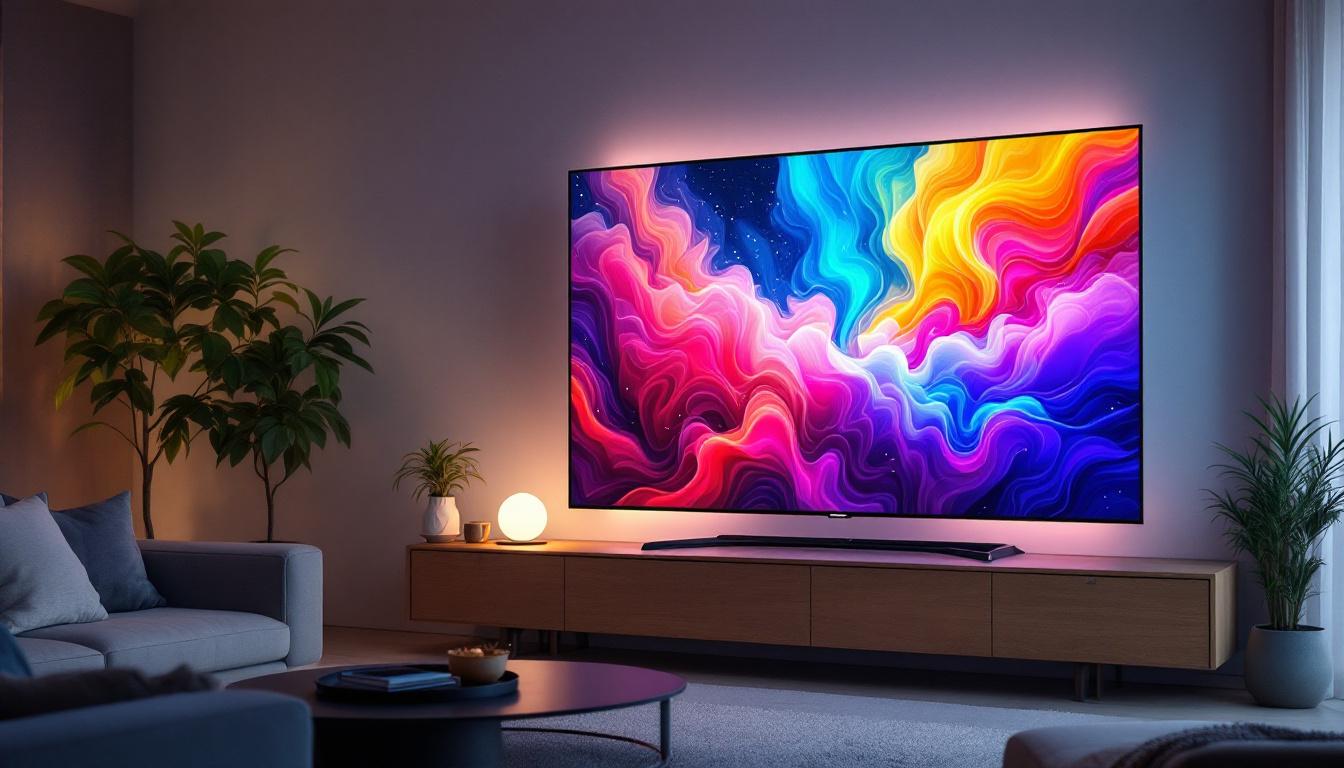
In the ever-evolving world of television technology, the term “LED display” has become synonymous with modern flat screen TVs, including large-format models like the impressive 110-inch flat screen TVs. Understanding what LED display technology entails, how it works, and why it matters can help consumers make informed decisions when investing in these massive entertainment centers. This article dives deep into LED display technology, its advantages, and what to expect from a 110-inch flat screen TV equipped with an LED display.
What is an LED Display?
LED stands for Light Emitting Diode, a semiconductor device that emits light when an electric current passes through it. In the context of televisions, an LED display refers to a type of flat screen TV that uses LEDs as a backlighting source for an LCD (Liquid Crystal Display) panel. This combination creates the vibrant images viewers enjoy on their screens, making it a popular choice among consumers seeking high-quality visuals for their home entertainment systems.
Unlike older plasma or CRT TVs, LED TVs are thinner, more energy-efficient, and capable of producing brighter images with better contrast. The LED backlighting replaces the traditional cold cathode fluorescent lamps (CCFLs) used in earlier LCD TVs, resulting in improved picture quality and lower power consumption. This advancement not only enhances the viewing experience but also contributes to a more sustainable environment by reducing energy usage.
Types of LED Displays
There are primarily two types of LED backlighting used in flat screen TVs:
- Edge-lit LED: LEDs are placed along the edges of the screen, and light is diffused across the display. This design allows for thinner panels but can sometimes result in uneven brightness, particularly in darker scenes. However, manufacturers have developed various technologies to mitigate these issues, such as advanced light diffusion techniques that help create a more uniform viewing experience.
- Full-array LED: LEDs are distributed evenly behind the entire screen. This setup supports local dimming, where specific zones of LEDs can dim or brighten independently, enhancing contrast and black levels. Full-array LED displays are particularly advantageous for watching movies or playing video games, as they can produce deeper blacks and more vivid colors, elevating the overall visual impact.
For a 110-inch flat screen TV, full-array LED backlighting is often preferred due to the size and the need for uniform brightness across such a large display. Additionally, the larger screen size benefits from the enhanced local dimming capabilities, allowing for a more immersive viewing experience. As technology continues to evolve, we can expect to see even more innovative features in LED displays, such as improved color accuracy and faster refresh rates, which will further enhance the quality of images and motion on screen.
Moreover, the integration of smart technology into LED displays has transformed the way we interact with our televisions. Many modern LED TVs come equipped with built-in streaming services, voice control capabilities, and customizable interfaces, making it easier than ever for users to access their favorite content. This convergence of technology not only enriches the viewing experience but also reflects the changing landscape of entertainment consumption in the digital age.
How Does LED Display Technology Work in Large TVs?
Understanding the mechanics behind LED displays helps clarify why they are favored in large-screen TVs, including the 110-inch models. The core of an LED TV is the LCD panel, which controls the image pixels. However, LCDs do not emit light themselves, so they require a backlight to illuminate the screen.
In LED TVs, this backlight is provided by an array of LEDs. These LEDs shine light through the LCD panel, which uses liquid crystals to block or allow light to pass through specific pixels, creating the images seen on the screen. The precision of this process determines the clarity, color accuracy, and contrast of the display.
Local Dimming and Picture Quality
One of the most significant advancements in LED display technology is local dimming. This feature allows the TV to dim or turn off LEDs in specific areas of the screen, enhancing the contrast ratio by deepening blacks and improving overall picture depth.
For a 110-inch TV, local dimming is crucial. Without it, the sheer size of the screen can lead to uneven lighting and washed-out dark scenes. Full-array LED TVs with local dimming provide a more immersive viewing experience, especially in dark environments. This is particularly beneficial for movie enthusiasts who enjoy watching films in low-light settings, as it allows for a more cinematic experience, where shadows are more pronounced and details are preserved in darker scenes.
HDR Compatibility
High Dynamic Range (HDR) is a technology that enhances the contrast and color range of TVs. LED displays, particularly those with full-array backlighting and high brightness levels, are well-suited for HDR content. This capability is essential for large TVs like the 110-inch models, where viewers expect cinematic-quality visuals.
HDR formats such as HDR10, Dolby Vision, and HLG are commonly supported by modern LED TVs, allowing for richer colors and more detail in both shadows and highlights. The ability to deliver a wider spectrum of colors means that viewers can experience more lifelike images, making scenes appear more vibrant and engaging. Furthermore, HDR content is increasingly available across various streaming platforms, ensuring that users can take full advantage of their TV’s capabilities. As more filmmakers and content creators embrace HDR technology, the demand for TVs that can accurately reproduce these stunning visuals continues to grow.
Advantages of a 110-Inch LED Flat Screen TV
Investing in a 110-inch LED flat screen TV offers several benefits, making it an attractive choice for home theaters, conference rooms, and large venues. Here are some of the key advantages:
Immersive Viewing Experience
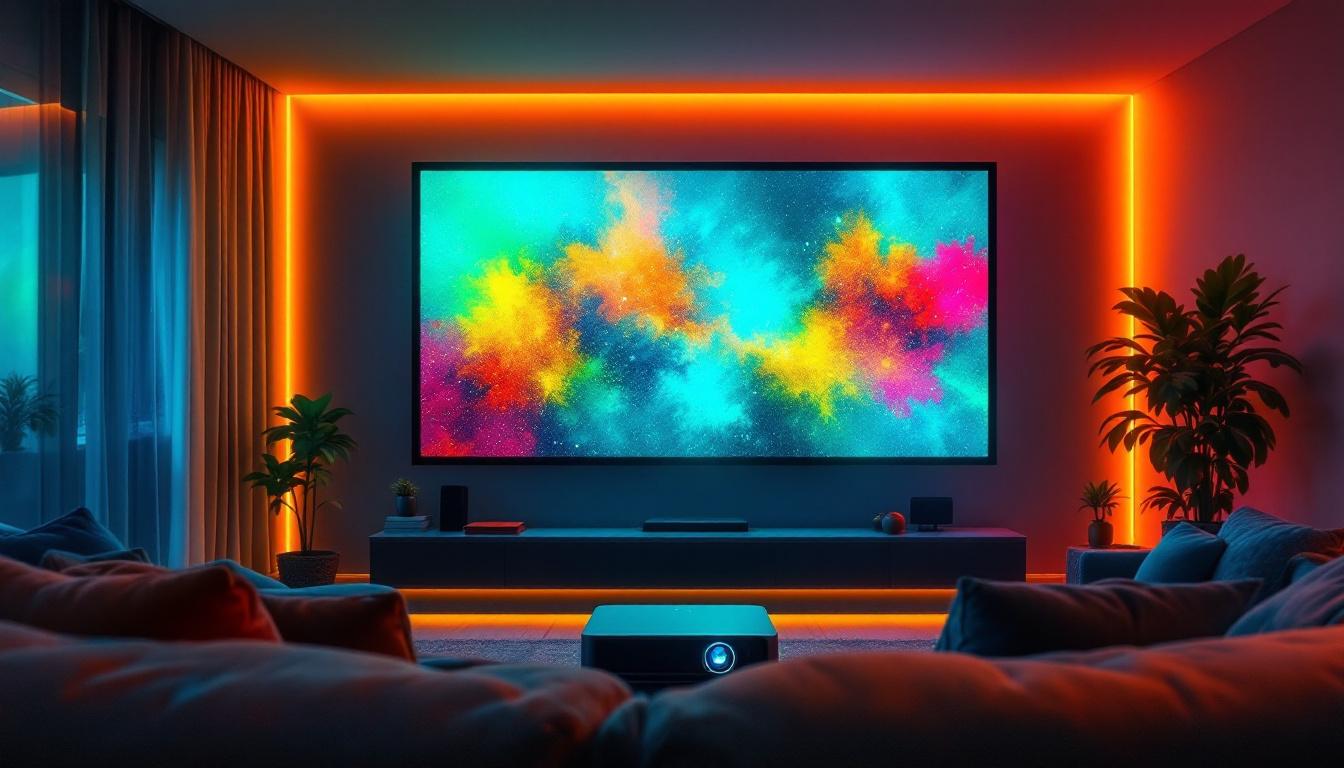
The sheer size of a 110-inch screen creates a truly immersive viewing environment. Whether watching sports, movies, or playing video games, the expansive display fills the viewer’s field of vision, enhancing engagement and enjoyment.
LED technology ensures that this large screen maintains brightness and color accuracy, critical for maintaining image quality at such scale.
Energy Efficiency
Despite its size, a 110-inch LED TV is more energy-efficient than older display technologies like plasma or rear-projection TVs. LEDs consume less power, produce less heat, and have a longer lifespan, reducing overall operating costs and environmental impact.
Thin and Lightweight Design
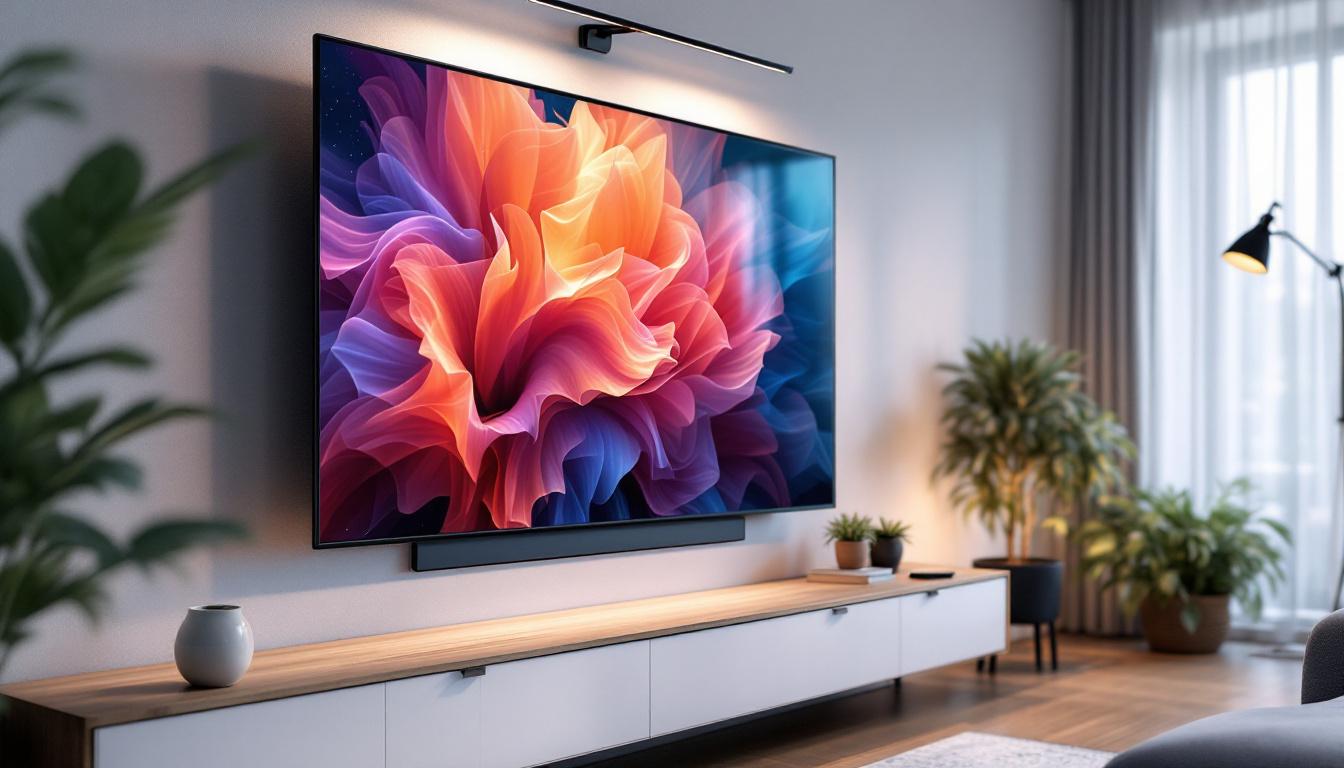
LED TVs are known for their slim profiles and lightweight construction, even at large sizes. This makes installation easier and allows for sleek wall mounting that complements modern interior design.
Better Brightness and Contrast
LED backlighting enables higher peak brightness levels compared to CCFL-backlit LCD TVs. This is especially important for large screens to maintain vivid images even in well-lit rooms. Coupled with local dimming, LED TVs deliver superior contrast ratios, enhancing picture quality.
Considerations When Choosing a 110-Inch LED TV
While the benefits of a 110-inch LED TV are compelling, there are several factors to consider before making a purchase to ensure the best experience:
Viewing Distance and Room Size
A TV of this size requires a sufficiently large room and appropriate viewing distance. Experts recommend sitting approximately 1.5 to 2.5 times the diagonal screen size away from the TV. For a 110-inch screen, this translates to roughly 14 to 23 feet.
Proper room setup prevents eye strain and ensures that viewers can appreciate the full resolution and detail of the display.
Resolution
Resolution is critical for large TVs. A 110-inch screen with a low resolution will display pixelated images when viewed up close. Most modern large LED TVs come with 4K Ultra HD (3840 x 2160 pixels) resolution, which is ideal for this size, providing crisp and detailed images.
Some premium models now offer 8K resolution, which doubles the pixel count of 4K, but content availability and price are factors to consider.
Connectivity and Smart Features
Modern LED TVs come equipped with multiple HDMI ports, USB inputs, and support for wireless connections like Wi-Fi and Bluetooth. Smart TV features allow access to streaming services, apps, and voice control, enhancing the usability of a large screen TV.
For a 110-inch TV, ensuring robust connectivity options is essential to fully leverage its capabilities.
Price and Installation
Large LED TVs, especially those at 110 inches, represent a significant investment. Prices can vary widely based on brand, features, and technology. Additionally, professional installation is often recommended due to the size and weight of the unit.
Considering these factors helps buyers plan their budget and setup accordingly.
Future Trends in LED Display Technology
The LED TV market continues to innovate, with several trends shaping the future of large-format displays:
Mini-LED and Micro-LED Technologies
Mini-LED technology uses thousands of tiny LEDs for backlighting, allowing for even more precise local dimming and improved contrast. This technology is becoming more common in high-end TVs, including large sizes.
Micro-LED takes this further by using microscopic LEDs as individual pixels, eliminating the need for an LCD panel altogether. This promises superior brightness, contrast, and lifespan, though it is currently expensive and limited in availability.
Improved HDR and Color Accuracy
Advancements in quantum dot technology and color processing are enhancing the color gamut and accuracy of LED TVs. These improvements contribute to more lifelike images, particularly important for large screens where color fidelity is more noticeable.
Integration with Smart Home Ecosystems
Future LED TVs will increasingly integrate with smart home devices and voice assistants, allowing users to control lighting, sound systems, and other connected devices seamlessly through their TV interface.
Conclusion
The 110-inch flat screen TV with an LED display represents the pinnacle of current television technology, combining size, picture quality, and energy efficiency. Understanding the underlying LED technology, its benefits, and considerations ensures that consumers can select the right model to suit their needs and enjoy an unparalleled viewing experience.
As LED display technology continues to evolve, large-format TVs will become even more impressive, delivering cinematic visuals and smart features that transform how people consume media in their homes and professional settings.
Discover the Future of Visual Experience with LumenMatrix
Ready to elevate your viewing experience with the latest in LED display technology? LumenMatrix is at the forefront of innovation, offering a diverse range of LED display solutions that cater to every need. From immersive Indoor LED Wall Displays to dynamic Outdoor LED Wall Displays, and from versatile Vehicle LED Displays to sleek LED Poster Displays, LumenMatrix has it all. Embrace the future of visual communication with our LED Sports Displays, interactive Floor LED Displays, and customizable Custom LED Displays. Experience the convenience of our All-in-One LED Displays and the stunning clarity of LED Transparent Displays. Don’t just watch—immerse yourself in unparalleled visual storytelling. Check out LumenMatrix LED Display Solutions today and transform your space into a captivating visual spectacle.