136 Inch TV: LED Display Explained
In recent years, the demand for larger and more immersive television screens has skyrocketed. Among the most impressive options available today is the 136 inch TV, a true giant in home entertainment. But what exactly goes into creating such a massive display, and how does LED technology make it possible? This article delves into the intricacies of 136 inch LED TVs, exploring their technology, benefits, challenges, and why they are becoming a coveted choice for consumers and businesses alike.
Understanding LED Display Technology
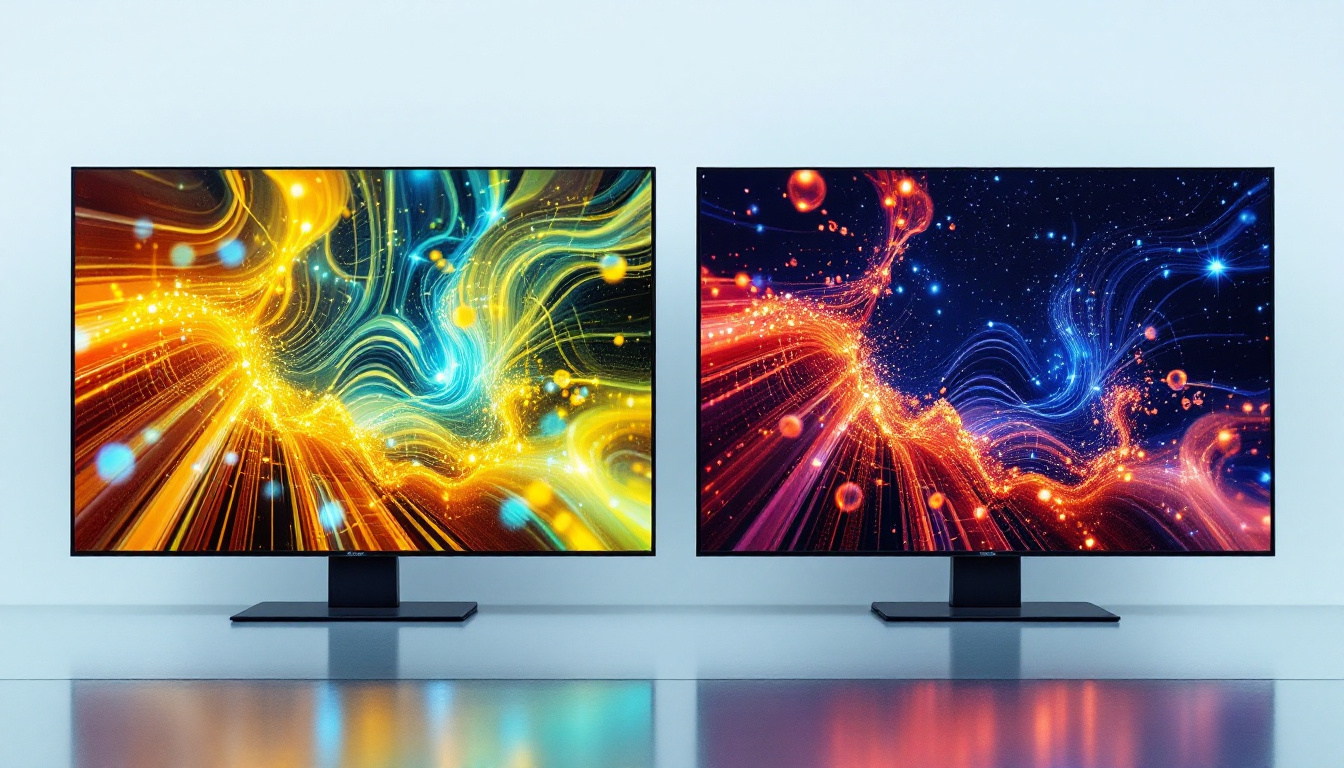
LED, or Light Emitting Diode, technology has revolutionized the way screens are built and viewed. Unlike traditional LCDs that rely on fluorescent backlighting, LED displays use tiny diodes that emit light individually. This fundamental difference enables LED TVs to offer brighter images, better contrast, and more energy efficiency.
For a 136 inch TV, LED technology is not just a feature but a necessity. The sheer size of the screen demands a display system that can maintain uniform brightness and color accuracy across a vast surface area. LED panels achieve this by using thousands, sometimes millions, of tiny LEDs arranged in precise arrays.
Types of LED Displays Used in Large TVs
There are primarily two types of LED displays used in large televisions: Edge-lit LED and Direct-lit (or Full-array) LED. Edge-lit LED places LEDs along the edges of the panel, directing light across the screen using light guides. This approach allows for thinner screens but can sometimes result in uneven brightness, especially on very large displays.
Direct-lit LED, on the other hand, places LEDs directly behind the screen in a matrix format. This method provides better uniformity and allows for local dimming, where specific zones of the screen can dim independently to improve contrast. For a 136 inch TV, direct-lit LED or even more advanced technologies like Mini-LED or Micro-LED are often preferred to ensure consistent picture quality.
Why Choose a 136 Inch LED TV?
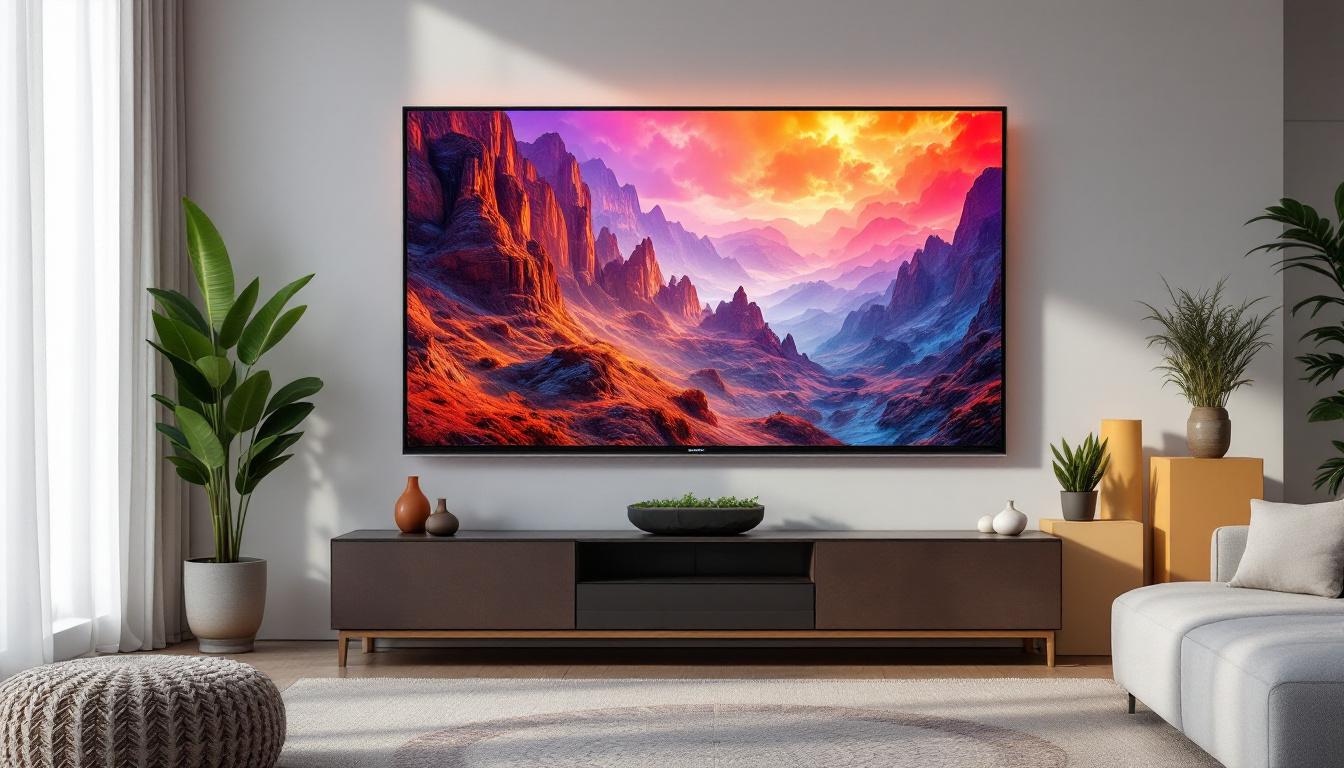
The appeal of a 136 inch TV goes beyond just the impressive size. Such a large display offers a cinematic experience that smaller TVs simply cannot match. Whether for home theaters, commercial settings, or public displays, these TVs create an immersive viewing environment that draws viewers into the content.
Immersive Viewing Experience
With a screen size of 136 inches, the viewing experience becomes much more engaging. The large display fills the viewer’s field of vision, making movies, sports, and video games feel more lifelike. This is especially important for home theaters where the goal is to replicate the ambience of a cinema.
Moreover, the high resolution typically paired with such large screens—often 4K or even 8K—ensures that the image remains sharp and detailed, even when viewed up close. This combination of size and resolution is crucial to prevent pixelation and maintain image clarity.
Versatility in Commercial and Public Spaces
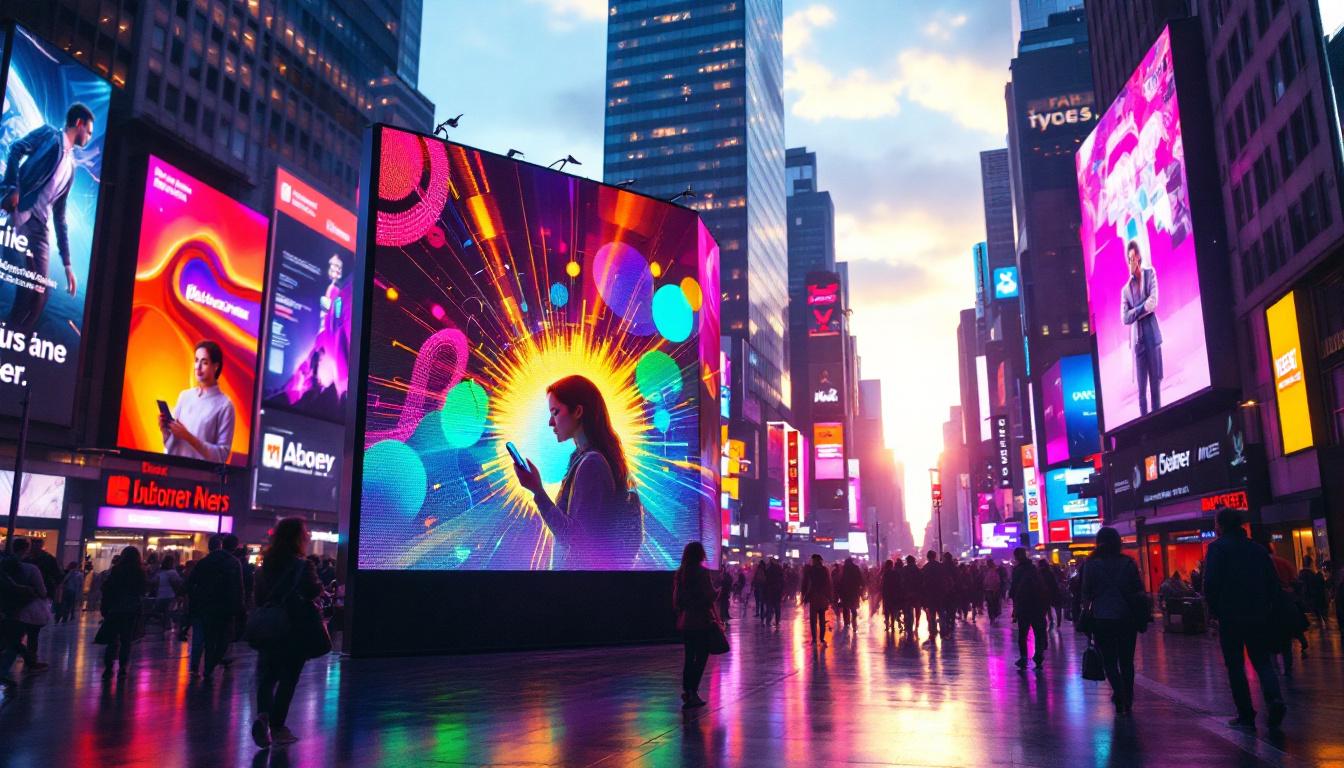
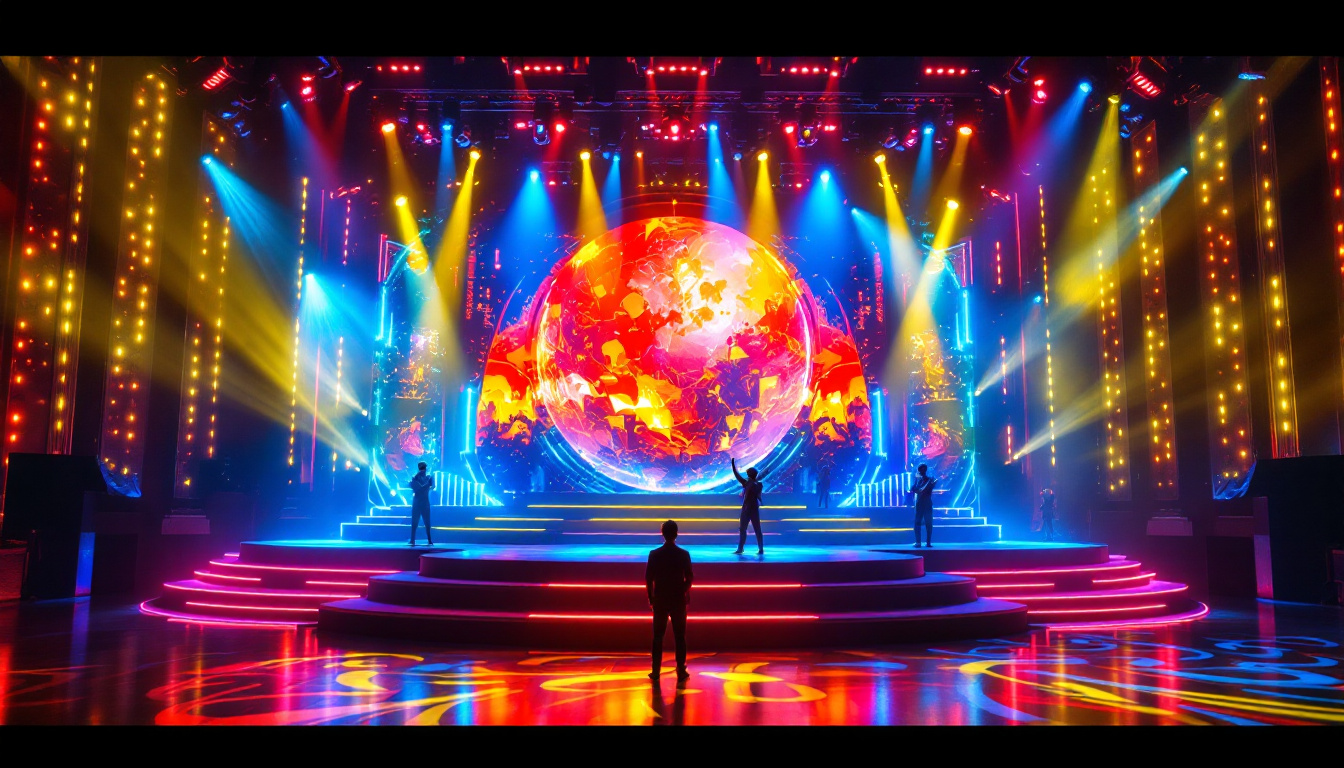
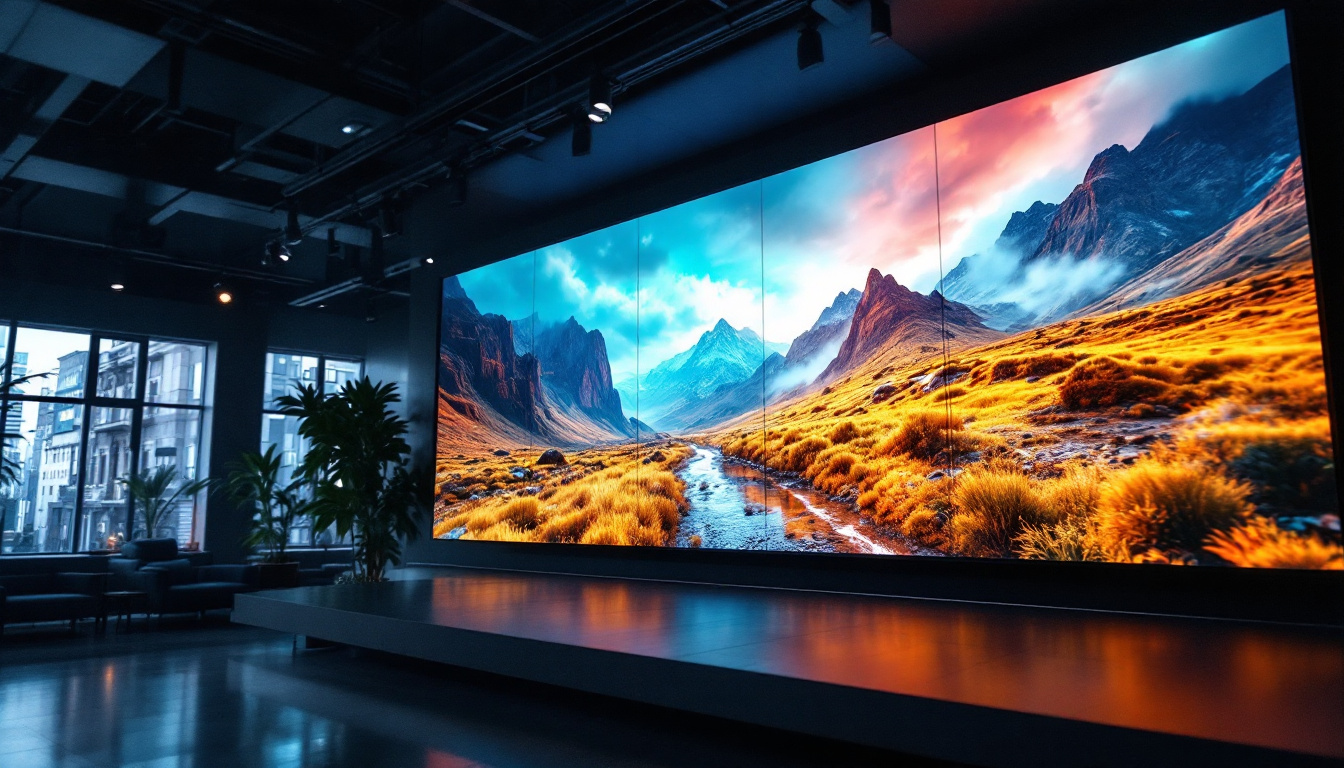
Beyond residential use, 136 inch LED TVs are increasingly popular in commercial environments such as conference rooms, auditoriums, and retail spaces. Their size makes them ideal for presentations, digital signage, and advertising, where visibility from a distance is key.
In public venues such as airports, stadiums, and shopping malls, these large LED displays can deliver dynamic content that captures attention and conveys information effectively. Their brightness and color accuracy ensure that content remains visible even in brightly lit environments.
Technical Challenges and Solutions for 136 Inch LED TVs
Creating a 136 inch LED TV is not without its technical hurdles. The challenges range from manufacturing complexities to ensuring consistent performance and durability. However, advances in display technology and engineering have addressed many of these issues.
Manufacturing and Assembly
Producing a single 136 inch LED panel requires precision and expertise. The larger the screen, the more difficult it is to maintain uniformity in brightness and color. Manufacturers often use modular designs where multiple smaller LED panels are seamlessly tiled together. This approach simplifies production and allows for easier maintenance.
Additionally, quality control is critical. Any dead pixels or uneven lighting can be highly noticeable on such a large screen. Rigorous testing and calibration processes are standard to ensure each unit meets exacting standards.
Heat Management and Power Consumption
Large LED displays generate significant heat, which can affect performance and longevity if not properly managed. Advanced cooling systems, including heat sinks and fans, are integrated to dissipate heat efficiently. Some newer models employ passive cooling techniques to reduce noise and energy consumption.
Power consumption is another consideration. While LED technology is more energy-efficient than older display types, a 136 inch TV still requires substantial power. Manufacturers optimize LED brightness and use smart power management to balance performance with energy use.
Installation and Space Requirements
Installing a 136 inch TV involves logistical planning. The size and weight of the unit mean that wall mounting or stand placement must be carefully engineered. Structural support, cable management, and accessibility for maintenance are all critical factors.
Moreover, the viewing environment must be suitable. Optimal viewing distance for a 136 inch screen is typically between 10 to 15 feet, depending on resolution and content type. Room lighting and seating arrangements should also be considered to maximize the viewing experience.
Advancements in LED Technology Impacting Large TVs
Recent innovations in LED technology continue to enhance the capabilities of large TVs, including the 136 inch models. These advancements improve image quality, durability, and user experience.
Mini-LED and Micro-LED Innovations
Mini-LED technology uses much smaller LEDs than traditional direct-lit displays, allowing for thousands of dimming zones. This results in superior contrast ratios and deeper blacks, approaching the performance of OLED displays but with higher brightness and longer lifespan.
Micro-LED takes this further by using microscopic LEDs that act as individual pixels. This technology offers exceptional brightness, color accuracy, and energy efficiency. Although still emerging in consumer markets, Micro-LED is poised to become the gold standard for large-format displays, including 136 inch TVs.
Improved HDR and Color Accuracy
High Dynamic Range (HDR) has become a standard feature in premium TVs, enhancing the range of colors and brightness levels that can be displayed. For large screens, HDR is particularly impactful, as it brings out details in both dark and bright scenes, making the viewing experience more vivid and realistic.
Manufacturers employ advanced color calibration and quantum dot technology to achieve wider color gamuts and more precise color reproduction. This ensures that content looks as the creators intended, even on massive screens.
Considerations Before Purchasing a 136 Inch LED TV
While the allure of a 136 inch TV is undeniable, prospective buyers should carefully evaluate several factors before making such a significant investment.
Budget and Cost Implications
136 inch LED TVs represent a premium segment, often costing tens of thousands of dollars. Beyond the initial purchase price, additional expenses such as installation, mounting hardware, and potential room modifications should be factored in.
For commercial buyers, the investment may be justified by the impact on branding and customer engagement. For residential buyers, it’s important to weigh the benefits against the cost and space requirements.
Content Compatibility and Source Devices
To fully utilize a 136 inch TV, content must be available in high resolution. Streaming services, Blu-ray players, and gaming consoles that support 4K or 8K output are essential to avoid image degradation.
Additionally, the TV should have multiple input ports and support for the latest connectivity standards such as HDMI 2.1 to handle high bandwidth content and future-proof the setup.
Room Size and Viewing Distance
Due to its size, a 136 inch TV requires a spacious room with adequate viewing distance to prevent eye strain and ensure an immersive experience. A small room may make the screen overwhelming and uncomfortable to watch.
Experts recommend a minimum viewing distance of about 1.5 to 2.5 times the diagonal screen size, which for a 136 inch TV translates to roughly 17 to 28 feet. This guideline helps maintain optimal image clarity and reduces pixel visibility.
The Future of Large LED TVs
The trajectory of LED TV technology suggests that even larger and more advanced displays will become accessible in the coming years. As manufacturing costs decrease and new technologies mature, 136 inch TVs may become more common in both residential and commercial markets.
Emerging trends such as flexible displays, transparent screens, and integration with smart home ecosystems will further enhance the functionality and appeal of large LED TVs. Consumers can expect more personalized and immersive viewing experiences that blend seamlessly into their living and working environments.
Integration with Smart Technologies
Modern 136 inch LED TVs are increasingly equipped with smart features, including voice control, AI-driven content recommendations, and seamless connectivity with other devices. These capabilities transform the TV from a passive display into an interactive hub for entertainment, communication, and productivity.
Environmental Sustainability
As awareness of environmental impact grows, manufacturers are focusing on sustainability. Advances in LED efficiency, recyclable materials, and reduced packaging are helping to minimize the ecological footprint of large TVs. Buyers can look for energy certifications and eco-friendly features when selecting a 136 inch LED TV.
Conclusion
The 136 inch LED TV represents the pinnacle of large-format display technology, offering unparalleled immersion, brightness, and color accuracy. Powered by advanced LED technologies such as Mini-LED and Micro-LED, these massive screens are transforming home theaters, commercial spaces, and public venues alike.
While the investment and logistical considerations are significant, the benefits of owning a 136 inch LED TV are equally compelling. As technology continues to evolve, these giant displays will become more accessible, smarter, and environmentally friendly, redefining the way audiences experience visual content.
Discover LumenMatrix’s Innovative LED Displays
Ready to elevate your visual experience with the immersive power of a 136 inch LED TV? LumenMatrix, a pioneer in LED display technology, offers an extensive range of solutions tailored to your needs. From captivating Indoor and Outdoor LED Wall Displays to dynamic Vehicle and Sports LED Displays, our products are designed to transform any space into a vibrant canvas for storytelling. Embrace the future of visual communication with our Custom, All-in-One, and Transparent LED Displays, and see how our commitment to innovation can amplify your brand’s presence. Check out LumenMatrix LED Display Solutions today and join the revolution in digital signage and display technology.