When discussing LED displays, size is one of the most crucial factors to consider. Whether you’re planning to install a digital billboard, a large video wall, or a high-impact advertising screen, understanding the dimensions in practical terms is essential. A common question that arises is: what does 164 inches translate to in feet, and how does this measurement relate to LED display applications? This article will break down the conversion, explore the significance of these dimensions in LED display technology, and provide insight into how size impacts performance and viewer experience.
Understanding the Conversion: Inches to Feet
Before delving into LED displays, it’s important to clarify the measurement conversion. Inches and feet are both units of length commonly used in the United States and other countries that employ the imperial system.
One foot equals 12 inches. To convert inches to feet, divide the number of inches by 12. This simple calculation helps to visualize the size in a more familiar dimension. This understanding is particularly beneficial when dealing with various applications, such as construction, interior design, and even when purchasing furniture, where dimensions are often listed in inches but need to be understood in a more relatable context.
Converting 164 Inches to Feet
Applying the formula:
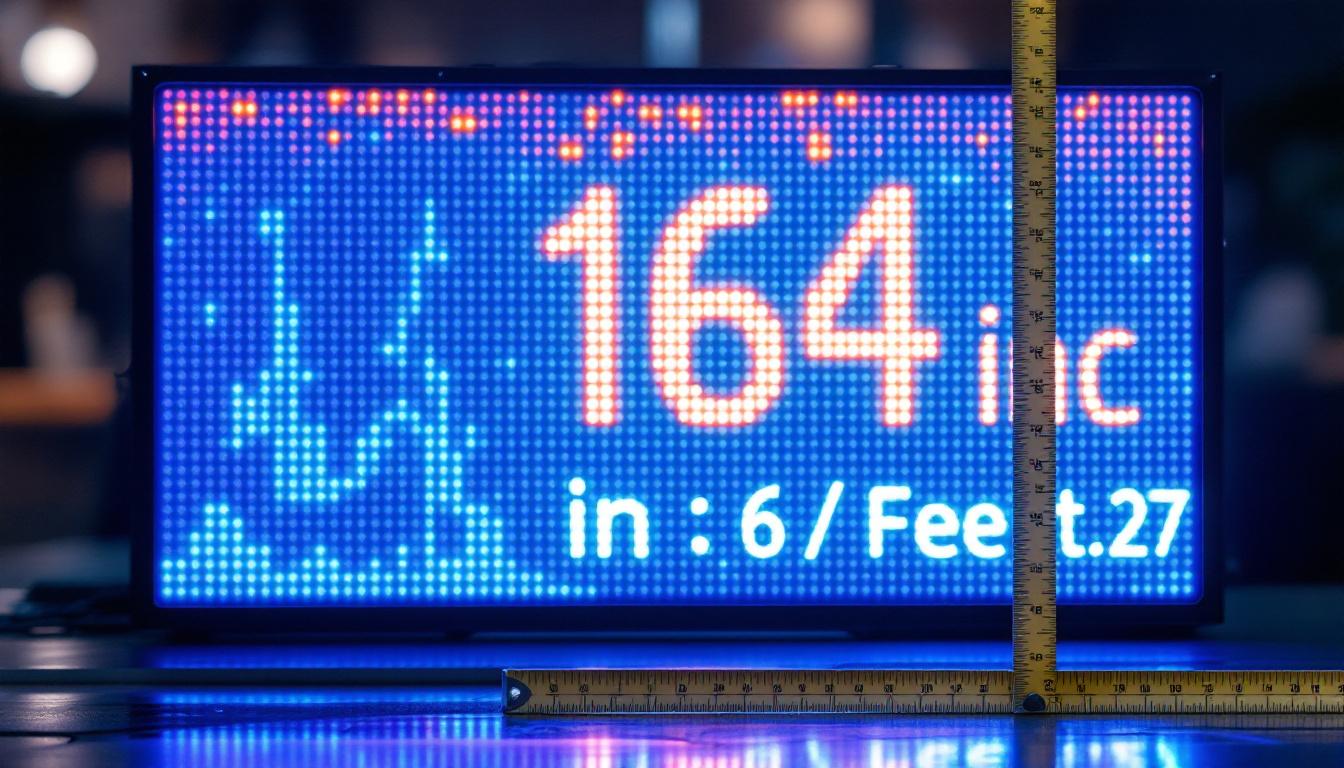
164 inches ÷ 12 = 13.67 feet
This means that a 164-inch measurement is equivalent to approximately 13 feet and 8 inches (since 0.67 feet × 12 inches ≈ 8 inches). This conversion is crucial for professionals who need to ensure that their installations fit within designated spaces, as well as for anyone looking to visualize the scale of an object in a room or outdoor area.
Understanding this size in feet helps when planning the physical installation space for an LED display, especially for commercial or large-scale applications. For instance, knowing that a display will occupy about 13.67 feet in width allows designers and architects to better plan the layout of a venue, ensuring that the display is not only functional but also aesthetically pleasing. Additionally, this knowledge aids in determining the appropriate viewing distance for optimal visibility, which is essential for engaging an audience effectively.
Moreover, when considering the height of the installation, it’s important to take into account the overall dimensions of the display, including any mounting hardware or structural supports that may be necessary. This can influence not only the visual impact of the display but also its safety and stability in a public or commercial environment. Understanding these conversions and their implications can greatly enhance the planning process, leading to more successful installations and satisfied clients.
The Importance of Size in LED Displays
LED displays come in a wide range of sizes, from small indoor panels to massive outdoor billboards. The size of the screen directly influences its usability, visibility, and impact.
Why Size Matters
A 164-inch LED display, or roughly 13.7 feet diagonally, is considered quite large, suitable for venues that require high visibility from a distance. This size is commonly found in:
- Sports arenas and stadiums
- Concert venues and theaters
- Retail stores and shopping malls
- Transportation hubs like airports and train stations
- Outdoor advertising billboards
Such a large screen allows for detailed, vibrant content that can be viewed clearly even from far away. The scale enhances the viewer’s experience by making images and videos more immersive. In sports arenas, for instance, fans can catch every detail of a game, from the players’ expressions to the instant replays, making the experience much more engaging. Similarly, in retail environments, large displays can attract customers from a distance, showcasing promotions and new products in a way that smaller screens simply cannot.
Pixel Pitch and Resolution Considerations
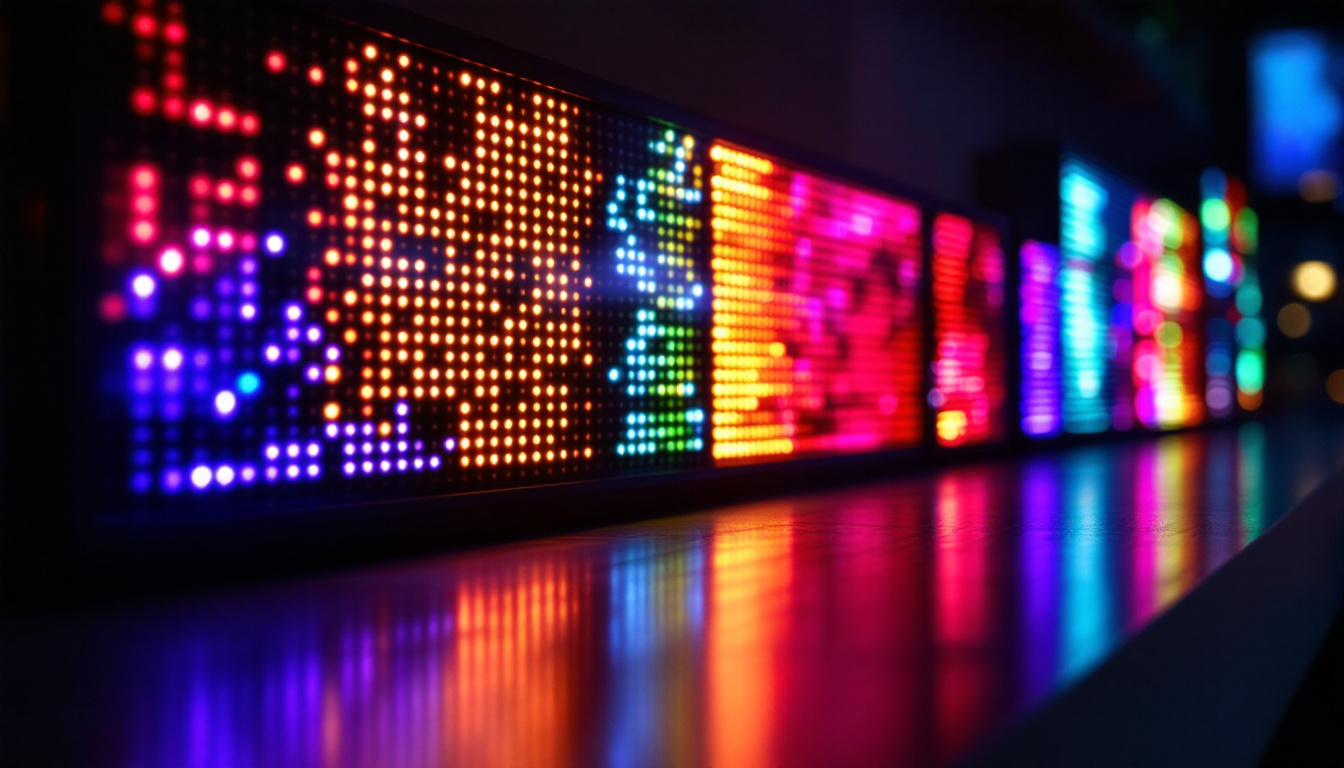
While size is important, the quality of the display is equally critical. Pixel pitch, which refers to the distance between individual LED pixels, determines the resolution and clarity of the image.
For a 164-inch display, the pixel pitch must be chosen based on the typical viewing distance. For example:
- Indoor displays: Usually have a smaller pixel pitch (1.2mm to 4mm) to ensure sharp images at close range.
- Outdoor displays: Often have a larger pixel pitch (6mm to 20mm) since viewers are farther away.
Choosing the right pixel pitch ensures that the large 164-inch screen delivers crisp visuals without pixelation or blurriness. Additionally, advancements in technology have led to the development of high-density LED displays that can maintain clarity even at larger sizes. This means that venues can now opt for larger screens without sacrificing image quality, allowing for even more creative and impactful visual presentations. Furthermore, as LED technology continues to evolve, the integration of features such as HDR (High Dynamic Range) and enhanced color accuracy is becoming more common, further amplifying the visual experience for audiences.
Applications of a 164-Inch LED Display
Understanding the size conversion helps in identifying the practical applications of a 164-inch LED display. Let’s explore some common scenarios where this size is ideal.
Digital Signage in Retail and Public Spaces
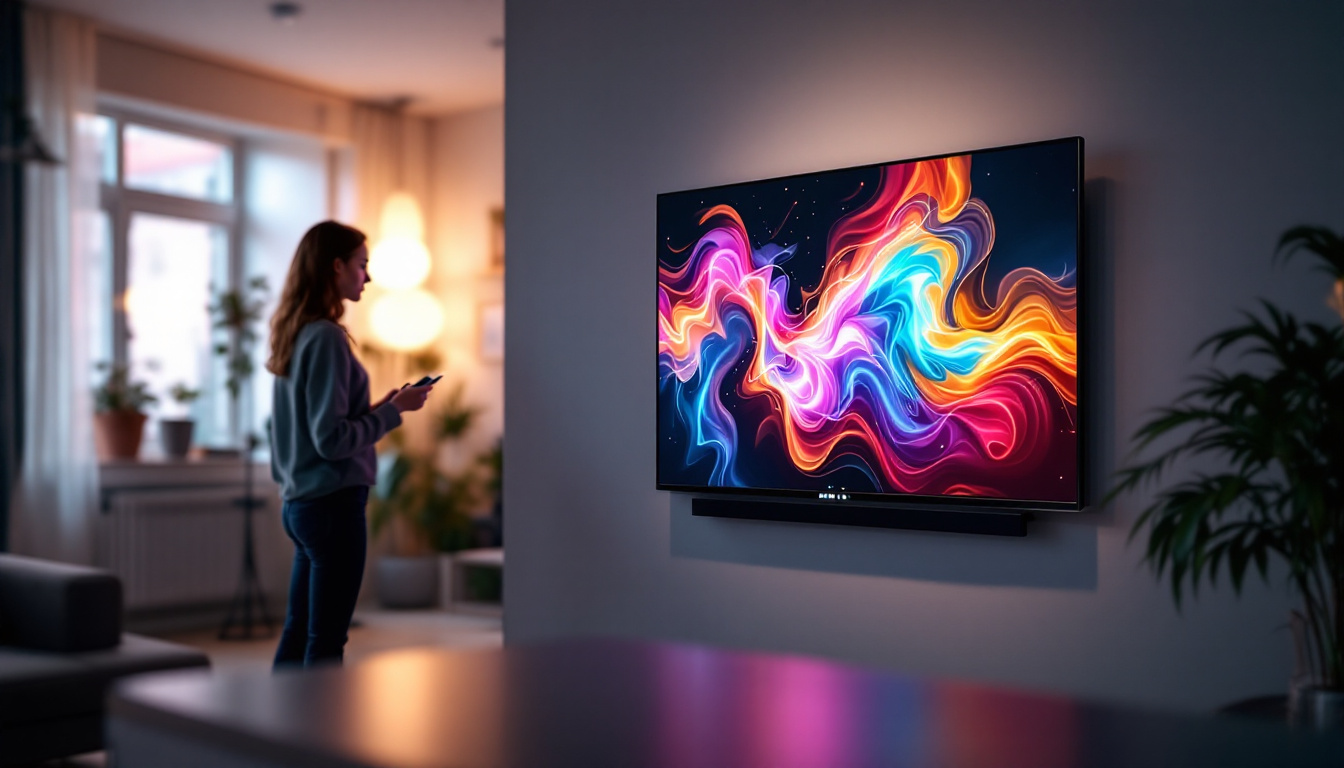
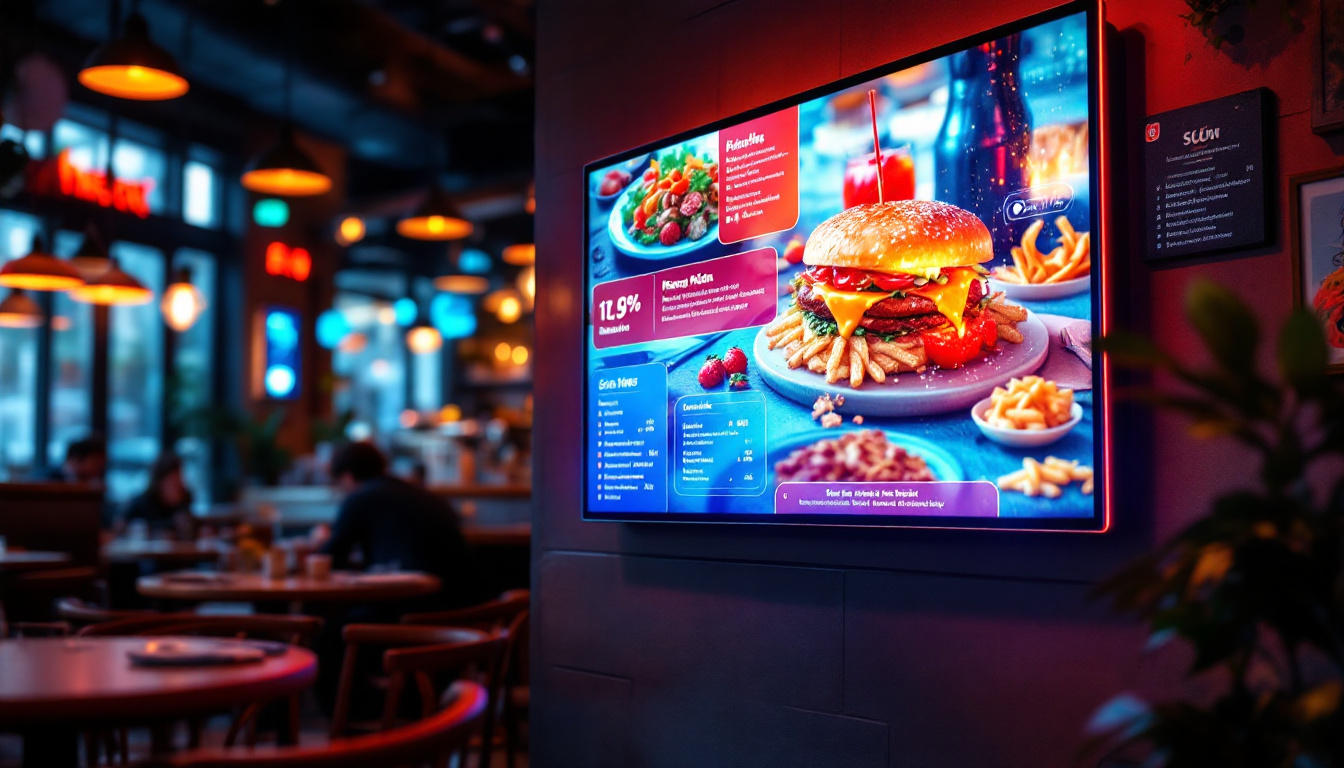
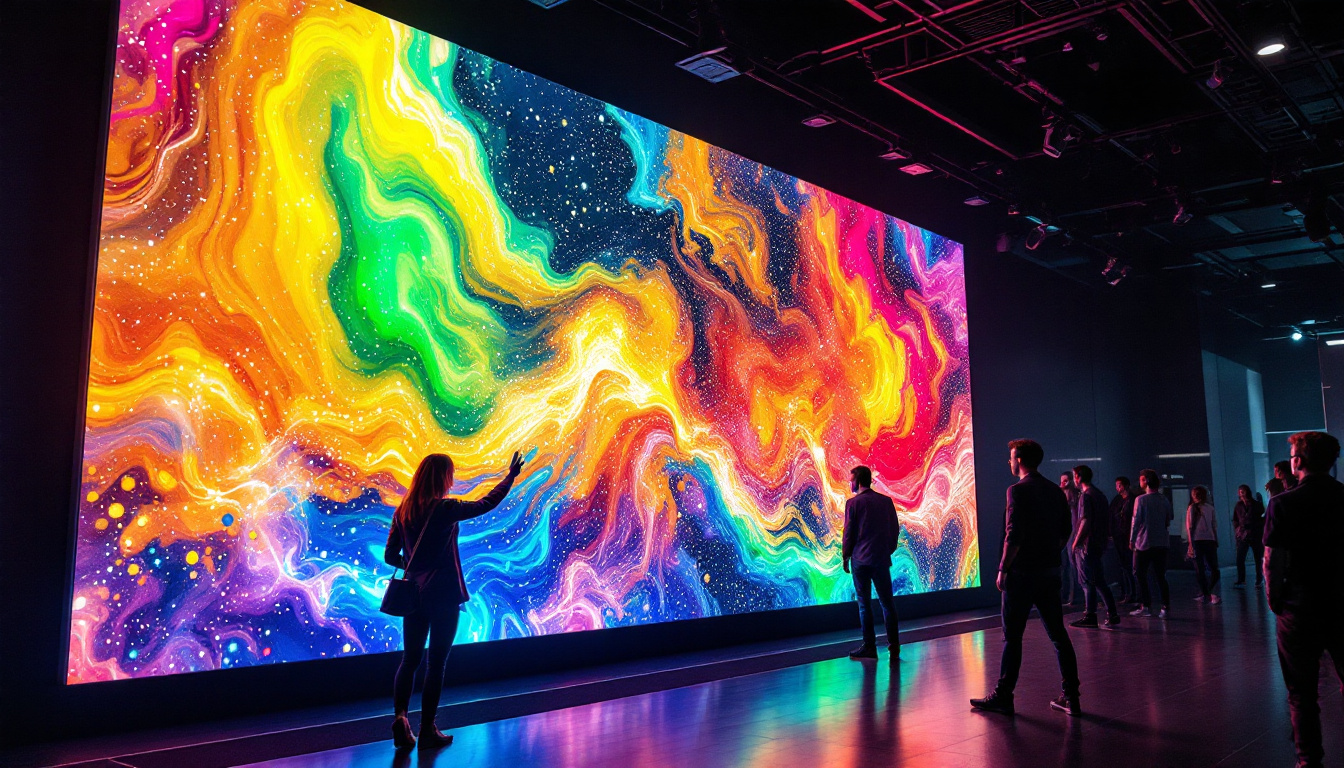
Retail environments benefit greatly from large LED displays. A 164-inch screen can showcase promotional content, advertisements, and interactive media that attract and engage customers.
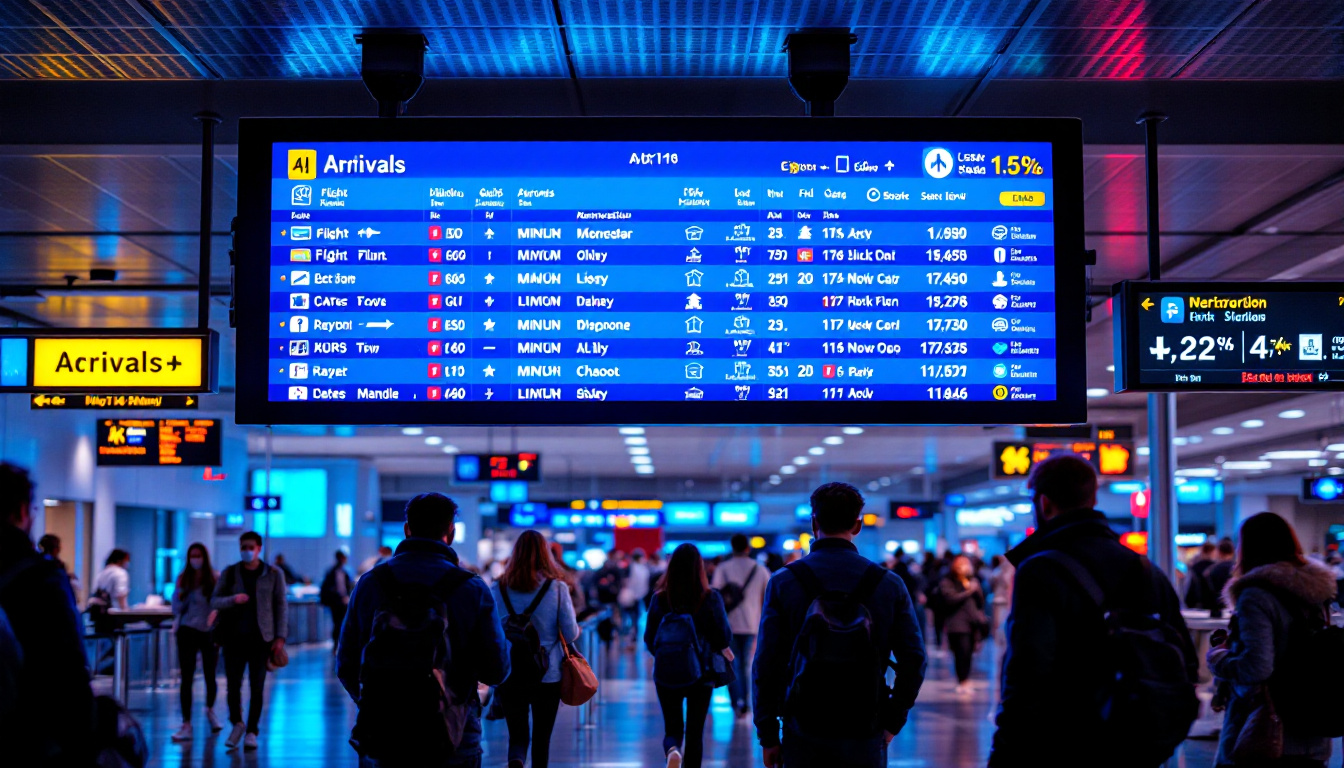
In public spaces such as airports or malls, these displays provide real-time information, directions, and entertainment. The large size ensures visibility across wide areas, enhancing communication effectiveness.
Moreover, the versatility of a 164-inch LED display allows for dynamic content updates, which can be tailored to different times of the day or specific events. For instance, during holiday seasons, retailers can easily switch their messaging to highlight seasonal promotions or special offers, ensuring that their advertising remains relevant and timely. Additionally, interactive features can be integrated, allowing customers to engage directly with the display through touch or mobile connectivity, creating a more immersive shopping experience.
Entertainment and Event Venues
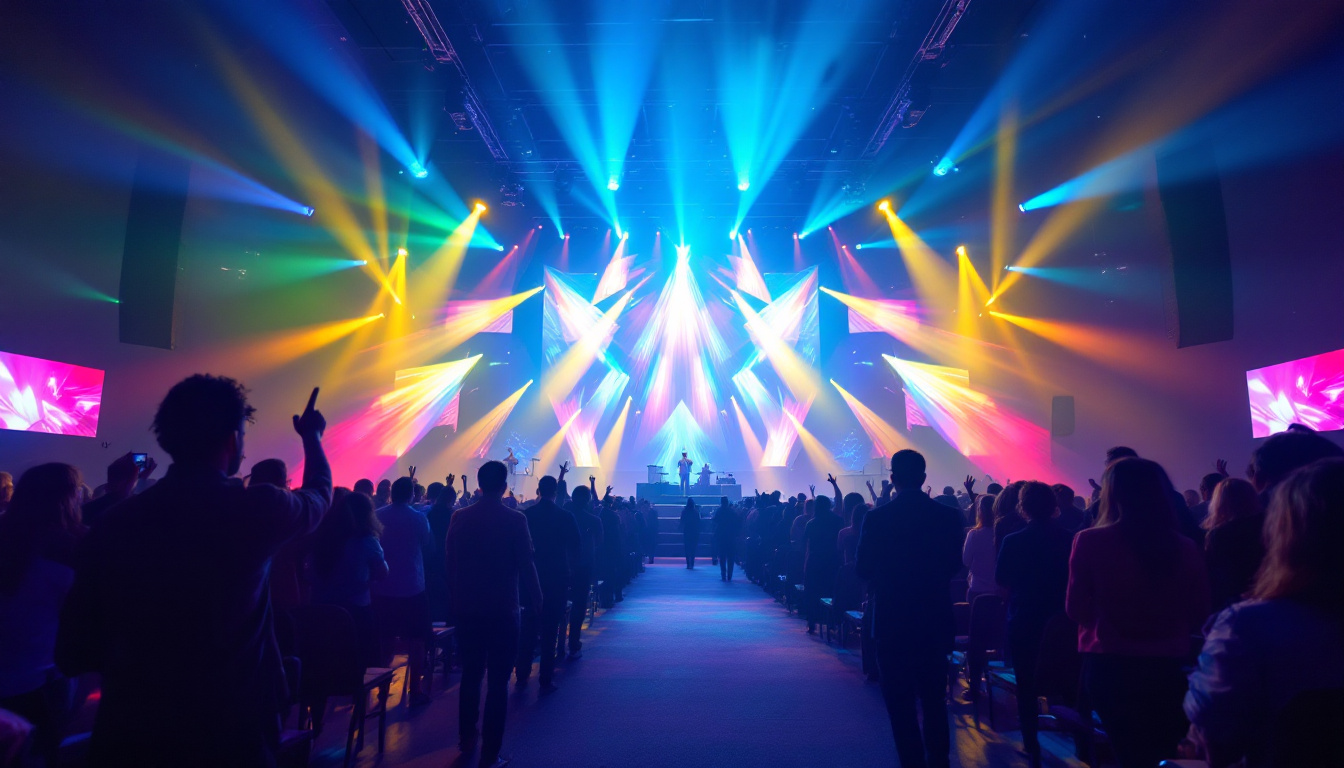
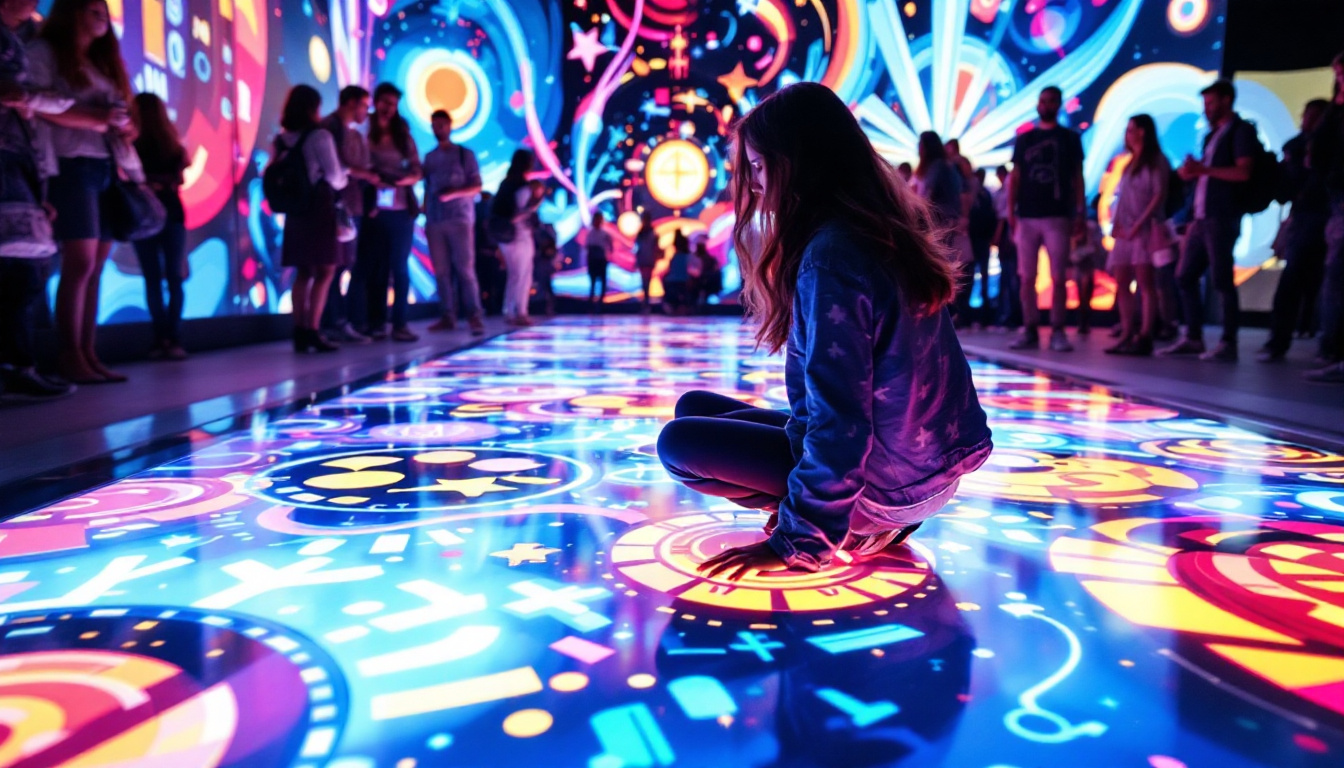
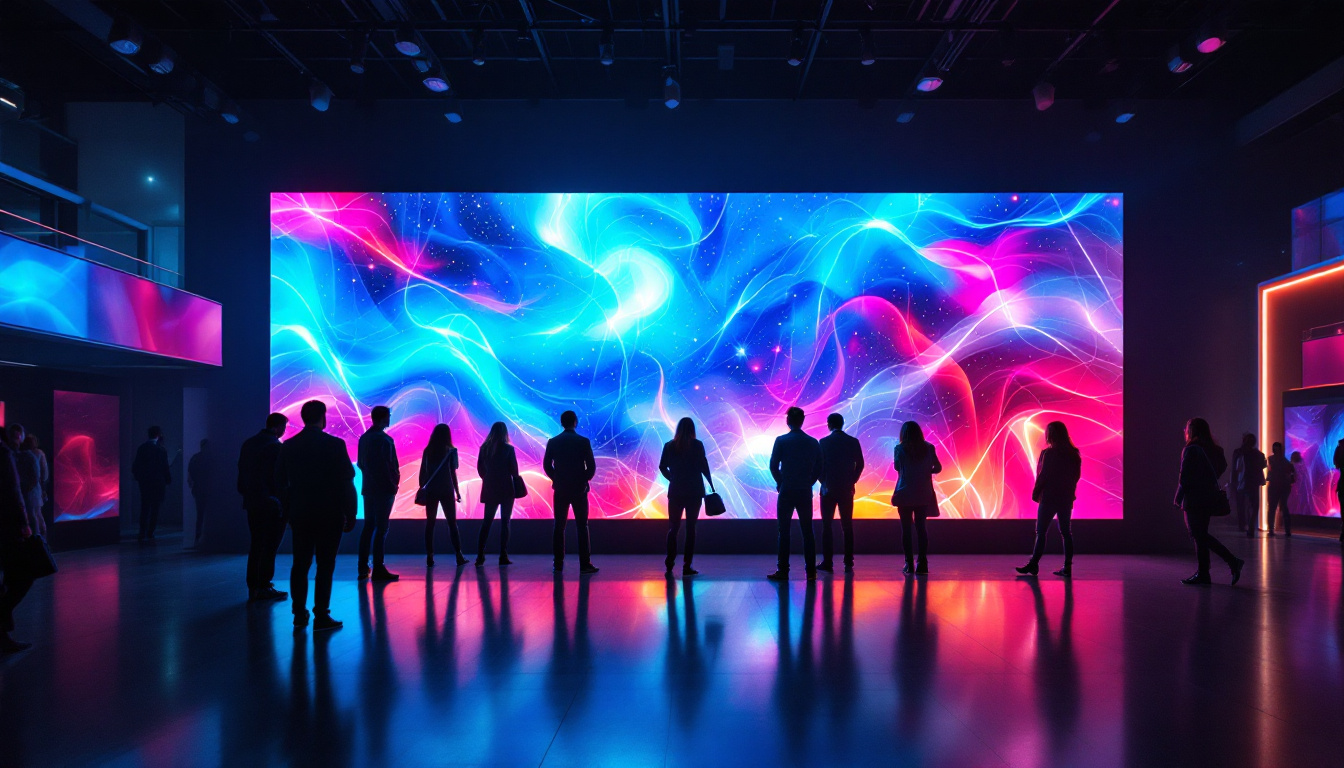
Concerts, theaters, and sports arenas often use LED displays of this size to deliver dynamic visuals that complement live performances. The 13.7-foot diagonal screen can be integrated into stage designs or scoreboards, providing clear views for audiences seated at various distances.
For example, many professional sports stadiums feature LED video boards ranging from 150 to 200 inches diagonally, making 164 inches a common and practical size.
In addition to sports and concerts, this size is also ideal for film festivals and outdoor movie screenings, where large audiences gather to enjoy cinematic experiences. The vivid colors and high resolution of LED displays enhance the viewing experience, making it more engaging and enjoyable. Furthermore, event organizers can utilize these displays for live feeds, ensuring that even those seated far from the stage can see the action up close, thereby fostering a sense of community among attendees.
Outdoor Advertising and Billboards
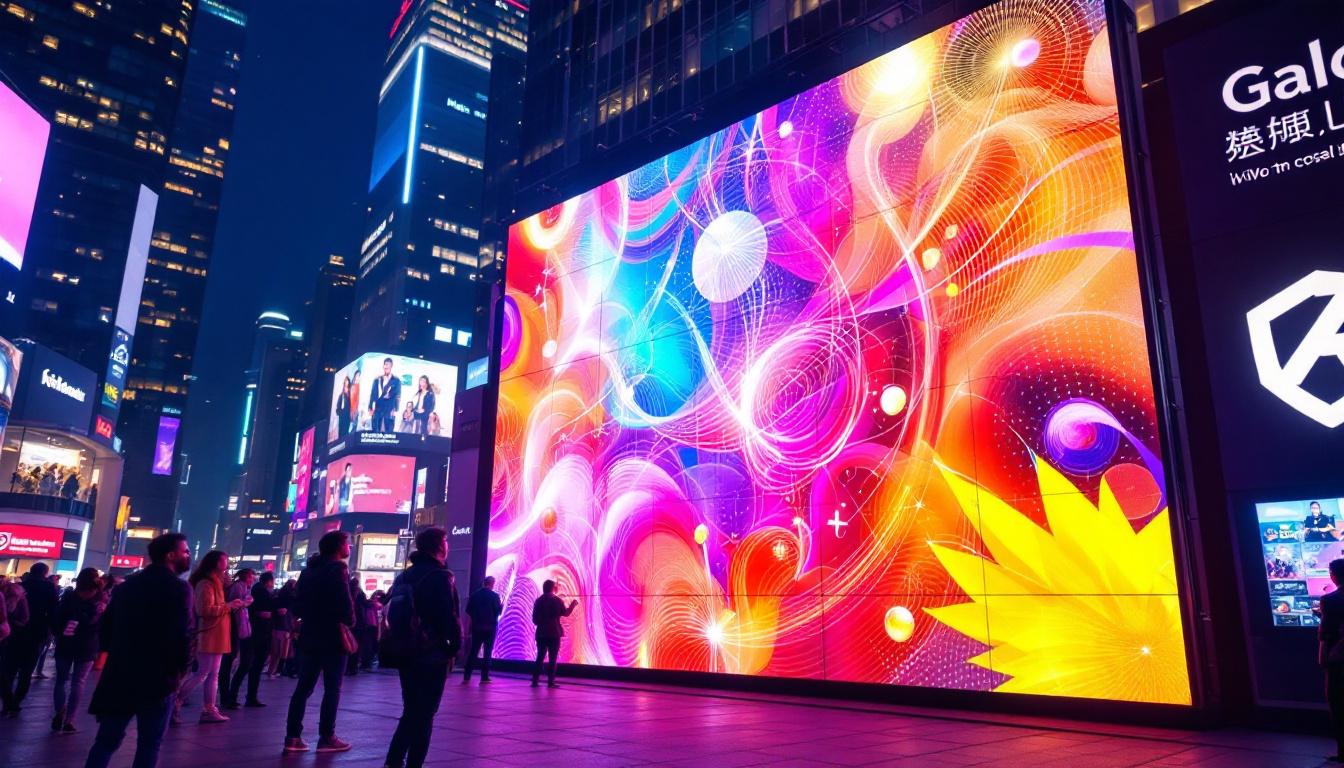
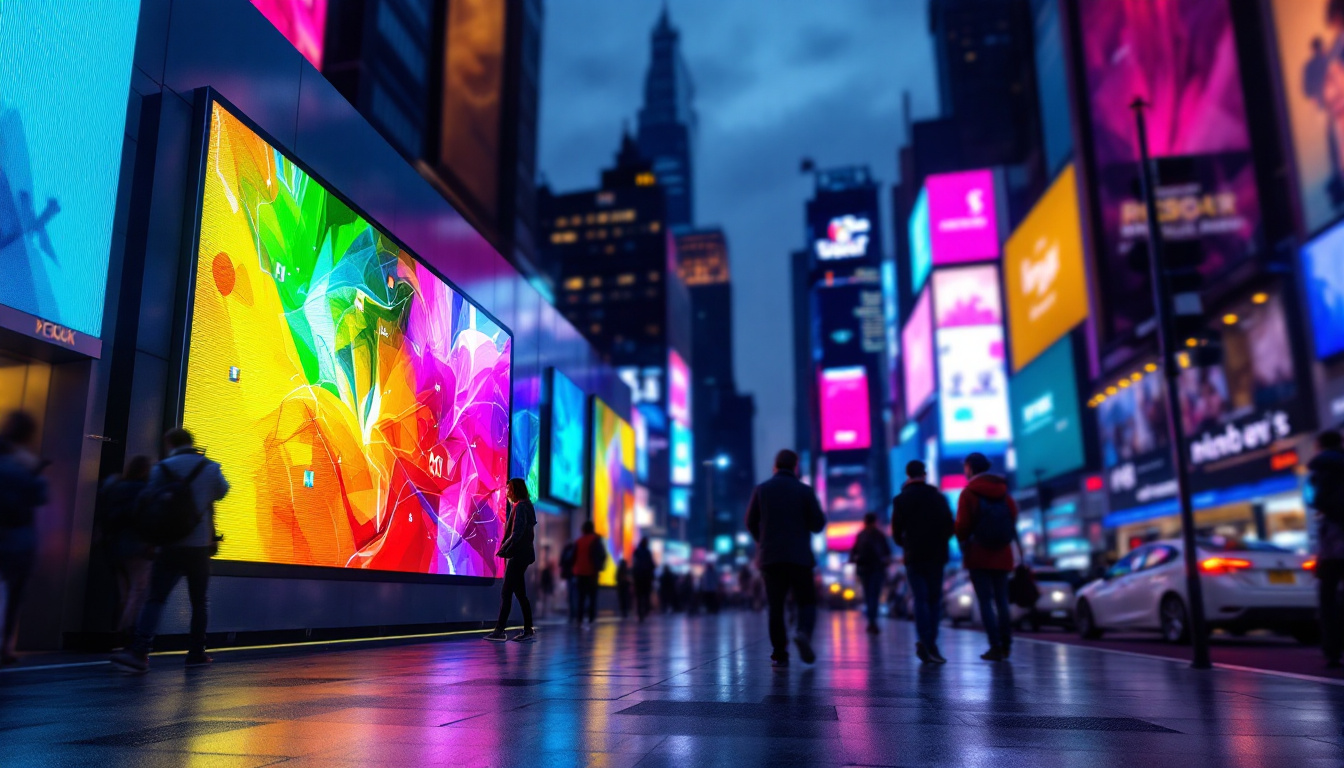
Outdoor LED billboards require large screens to capture attention from passing traffic. A 164-inch display offers a balance between size and cost, making it an attractive option for advertisers targeting high-traffic locations.
These displays are designed to withstand weather conditions and maintain brightness levels that ensure visibility even in direct sunlight.
Additionally, the strategic placement of a 164-inch LED display can significantly enhance brand visibility. By positioning these screens at key intersections or along busy highways, advertisers can reach a wide audience effectively. The ability to rotate advertisements or display multiple messages throughout the day allows for a more dynamic advertising strategy, capturing the interest of different demographics at various times. This adaptability not only maximizes the return on investment for advertisers but also keeps the content fresh and engaging for viewers, encouraging repeat impressions and brand recall.
Technical Considerations for Installing a 164-Inch LED Display
Installing a large LED display involves more than just understanding its size. Several technical factors must be considered to ensure optimal performance and longevity.
Structural Support and Mounting
A 164-inch LED display is heavy and requires a robust mounting system. The structure must support the weight and provide stability against wind and vibrations, especially for outdoor installations.
Professional installation teams conduct site assessments to determine the best mounting solutions, whether it’s wall-mounted, ceiling-hung, or free-standing.
Power and Connectivity Requirements
Large LED displays consume significant power, and their installation must include appropriate electrical infrastructure. Power supplies need to be reliable and capable of handling peak loads.
Connectivity is also crucial. Modern LED displays often integrate with content management systems via wired or wireless networks, allowing for remote updates and control.
Heat Management and Maintenance
LED technology generates heat, which can affect performance and lifespan. Proper ventilation and cooling systems are essential, especially for large displays operating continuously.
Routine maintenance, including cleaning and inspection of components, helps maintain image quality and prevents downtime.
Cost Factors and Budgeting for a 164-Inch LED Display
Budgeting for an LED display involves more than just the initial purchase price. Understanding the costs associated with a 164-inch screen helps in making informed decisions.
Price Range for a 164-Inch LED Display
The cost of a 164-inch LED display varies widely depending on factors such as:
- Pixel pitch and resolution
- Indoor vs. outdoor rating
- Brand and technology quality
- Installation complexity
Generally, prices can range from $10,000 to over $50,000 for high-quality, high-resolution models. Outdoor-rated displays tend to be on the higher end due to additional protective features.
Additional Costs to Consider
Beyond the display itself, additional expenses include:
- Installation labor and equipment
- Structural support and mounting hardware
- Electrical and network setup
- Maintenance and warranty services
Planning for these costs upfront ensures the project stays within budget and meets performance expectations.
Future Trends in LED Display Technology
The LED display industry continues to evolve rapidly, with innovations that impact size, resolution, and functionality.
Advancements in Pixel Density
Higher pixel densities allow for larger screens like a 164-inch display to deliver near-retina quality images, even at close viewing distances. This trend is making LED displays more versatile for indoor applications.
Flexible and Curved LED Displays
New technologies enable LED panels to be curved or flexible, opening creative possibilities for installations. A 164-inch display could be designed to wrap around structures or create immersive environments.
Energy Efficiency Improvements
Manufacturers are focusing on reducing power consumption while maintaining brightness and color accuracy. Energy-efficient LED displays lower operating costs and environmental impact.
Conclusion
Converting 164 inches to feet reveals a sizable measurement of approximately 13.7 feet, which is a common and practical size for many LED display applications. Understanding this dimension is critical for planning installations in retail, entertainment, advertising, and public spaces.
Beyond size, factors such as pixel pitch, resolution, installation requirements, and budget play essential roles in selecting the right LED display. Staying informed about technological advancements ensures that businesses and organizations invest in displays that deliver maximum impact and value.
Whether for captivating digital signage or immersive event visuals, a 164-inch LED display offers a powerful platform to engage audiences and elevate communication.
Discover LumenMatrix LED Display Solutions
Ready to transform your space with a stunning 164-inch LED display? LumenMatrix is at the forefront of LED display innovation, offering a diverse range of solutions tailored to your unique needs. From vibrant Indoor and Outdoor LED Wall Displays to dynamic Vehicle and Sports LED Displays, our technology is designed to captivate and engage. Explore our cutting-edge LED Poster Displays, immersive Floor LED Displays, and the versatility of our Custom and All-in-One LED Display options. Experience the future of visual communication with our LED Transparent Displays. Elevate your brand and message with clarity and impact. Check out LumenMatrix LED Display Solutions and see how we can help you create unforgettable visual experiences.