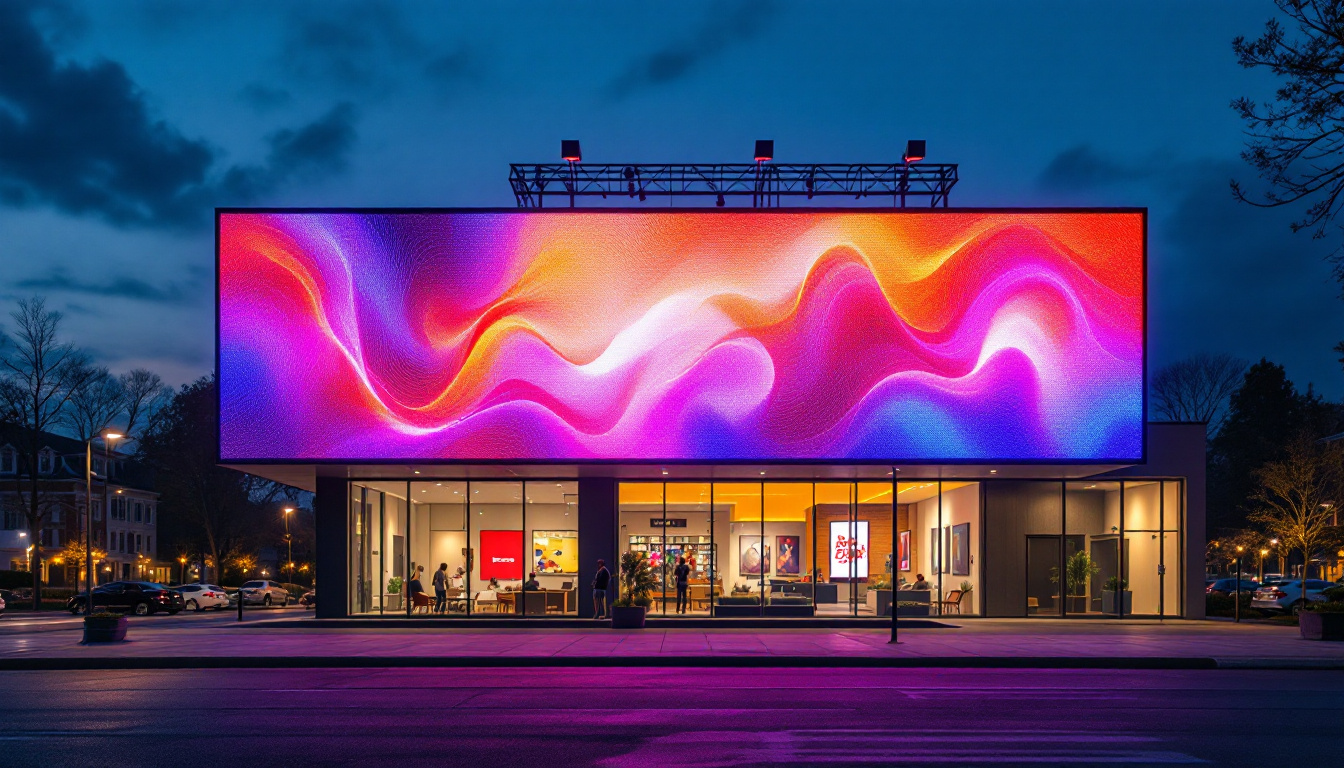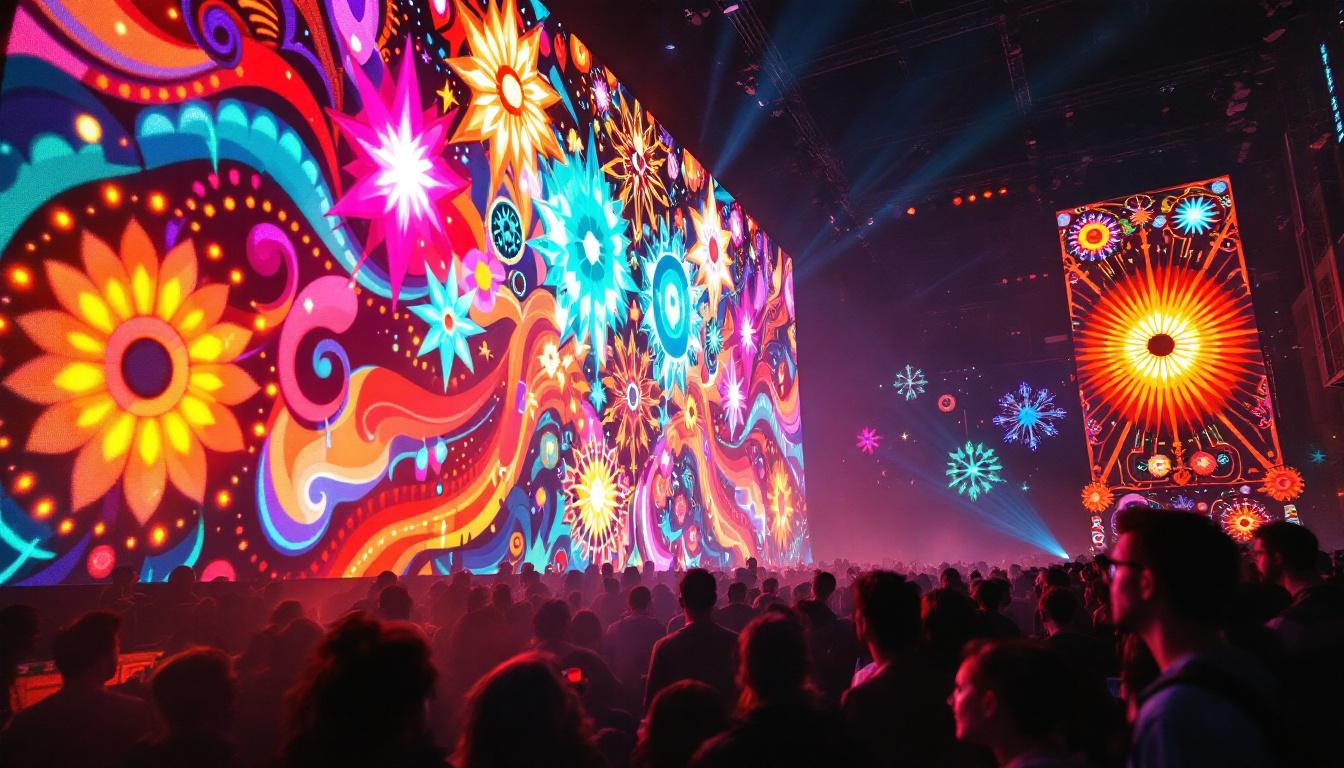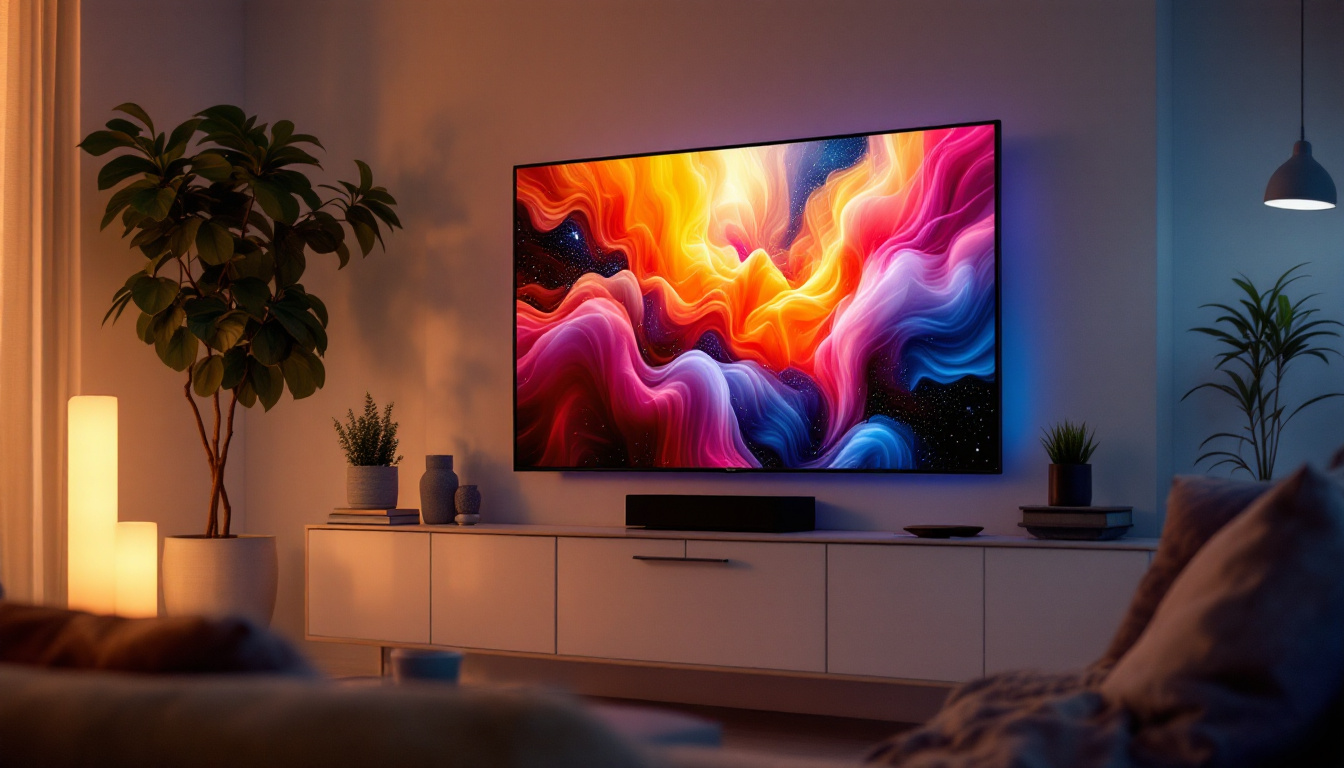
In the world of digital signage and visual communication, LED displays have become an essential technology, revolutionizing how information is presented in public spaces, retail environments, and entertainment venues. One technical specification that often arises in discussions about LED displays is the term “2.6 to mm,” referring to pixel pitch measurements. Understanding what this means and how it impacts LED display performance is crucial for professionals involved in display technology, event production, advertising, and architectural design.
Understanding Pixel Pitch: The Foundation of LED Display Quality
Pixel pitch is a fundamental concept that defines the distance between the centers of two adjacent pixels on an LED display. It is typically measured in millimeters (mm), and the number directly influences the resolution, viewing distance, and overall image quality of the screen.
When a display is described as “2.6 mm,” it means that each pixel is spaced 2.6 millimeters apart. This measurement might seem small, but it has a significant impact on how sharp and detailed the image appears, especially at close viewing distances.
Why Pixel Pitch Matters
The smaller the pixel pitch, the higher the pixel density, which translates to finer image detail and smoother visuals. For example, a 2.6 mm pixel pitch LED display will provide much clearer images than a display with a 10 mm pixel pitch when viewed from the same distance.
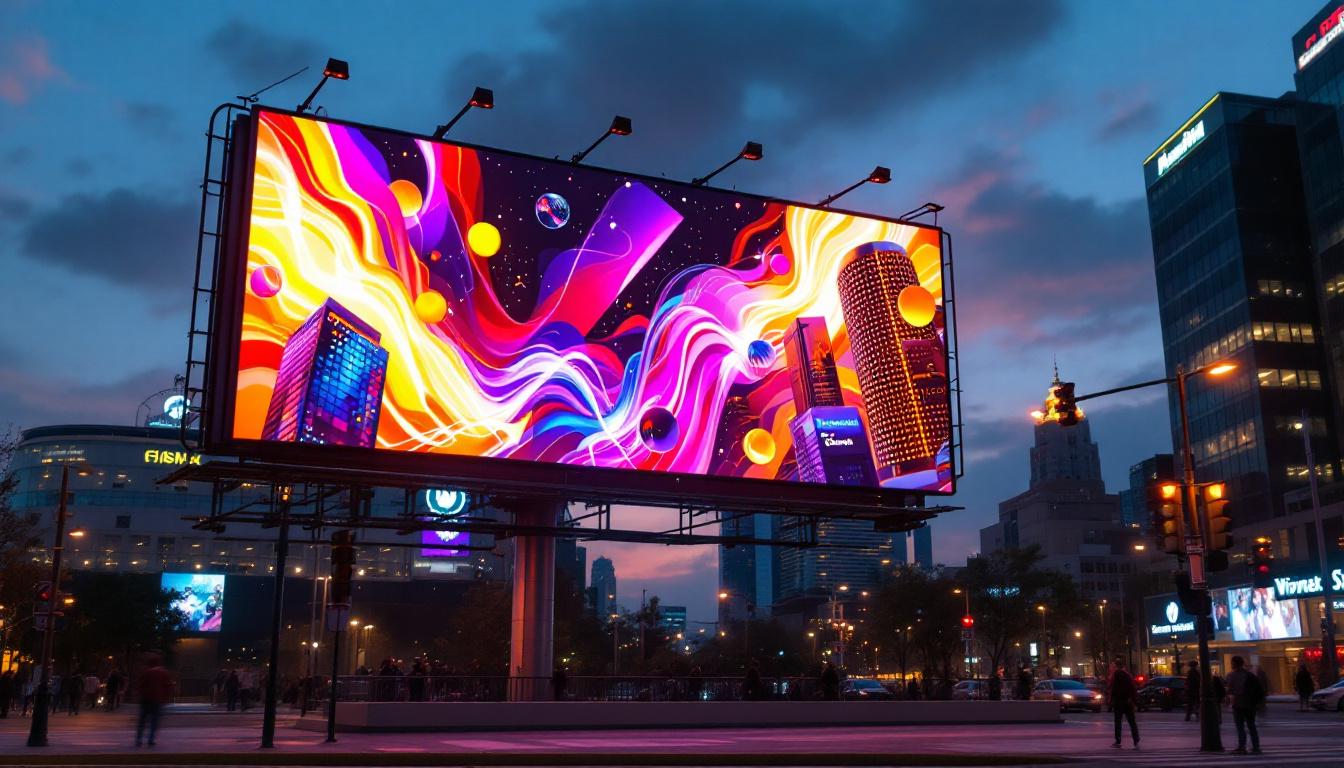
This is particularly important in environments where viewers are close to the screen, such as retail stores, control rooms, or indoor event spaces. Conversely, larger pixel pitches are often used for outdoor billboards or stadium screens where the viewing distance is much greater.
Visualizing Pixel Pitch in Practical Terms
Imagine standing 3 meters away from a 2.6 mm pixel pitch display. At this distance, the human eye can perceive the individual pixels as a seamless image without noticeable gaps. If the pixel pitch were larger, say 10 mm, the image would appear pixelated and less detailed at the same distance.
Manufacturers often recommend minimum viewing distances based on pixel pitch. For a 2.6 mm LED display, the ideal viewing distance typically starts around 2.5 to 3 meters. This ensures the audience experiences optimal image clarity without straining their eyes.
Moreover, the choice of pixel pitch can also affect the overall cost and energy efficiency of the display. Displays with smaller pixel pitches often come with a higher price tag due to the increased number of LEDs required to achieve the desired resolution. However, they can be more energy-efficient in delivering high-quality visuals, which is a crucial factor for businesses looking to minimize operational costs while maximizing impact.
In addition, advancements in technology have led to the development of various LED types, including SMD (Surface Mount Device) and COB (Chip on Board), which can enhance the performance of displays with smaller pixel pitches. These innovations allow for better color accuracy and brightness, making it easier to create stunning visual experiences that captivate audiences, whether in a corporate setting or at a live event.
Applications of 2.6 mm Pixel Pitch LED Displays
LED displays with a 2.6 mm pixel pitch occupy a sweet spot between high resolution and cost-effectiveness, making them popular for a variety of indoor applications. Their versatility and image quality make them a preferred choice for many industries.
Corporate and Conference Rooms
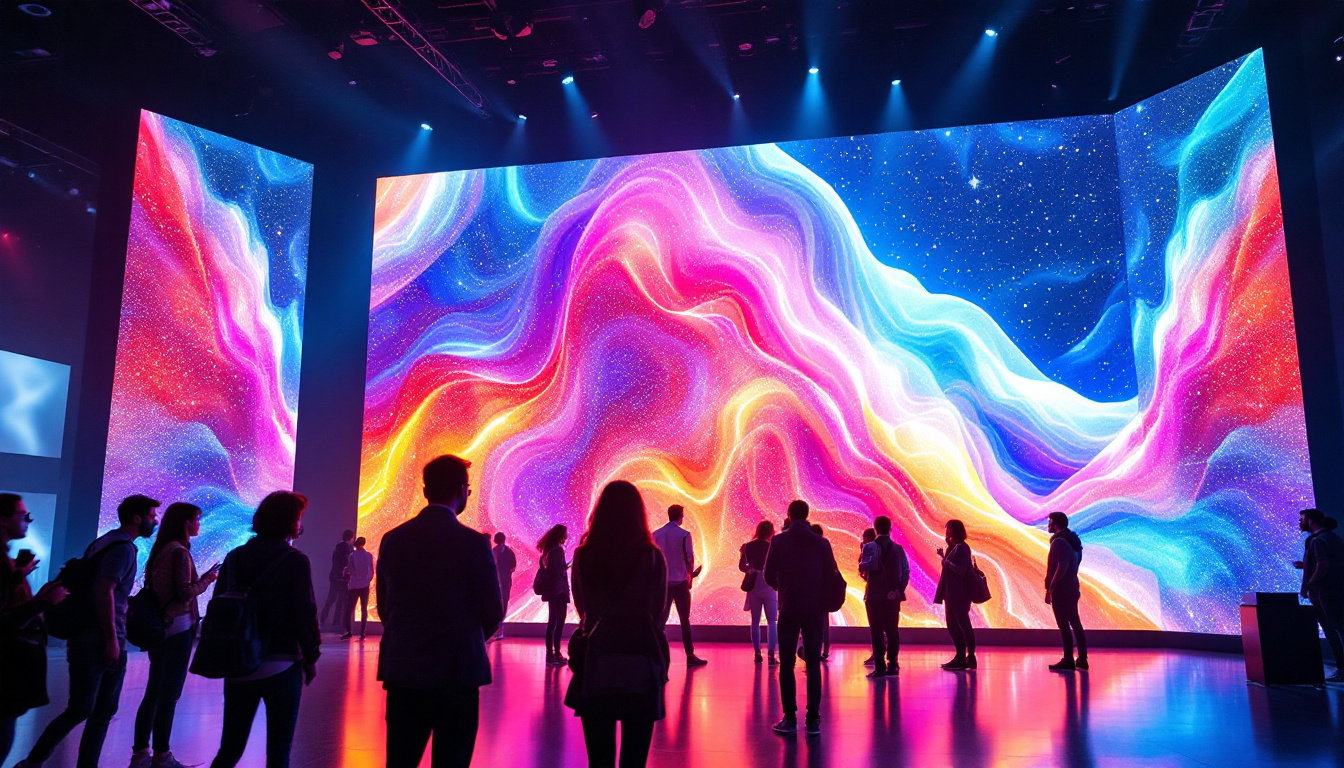
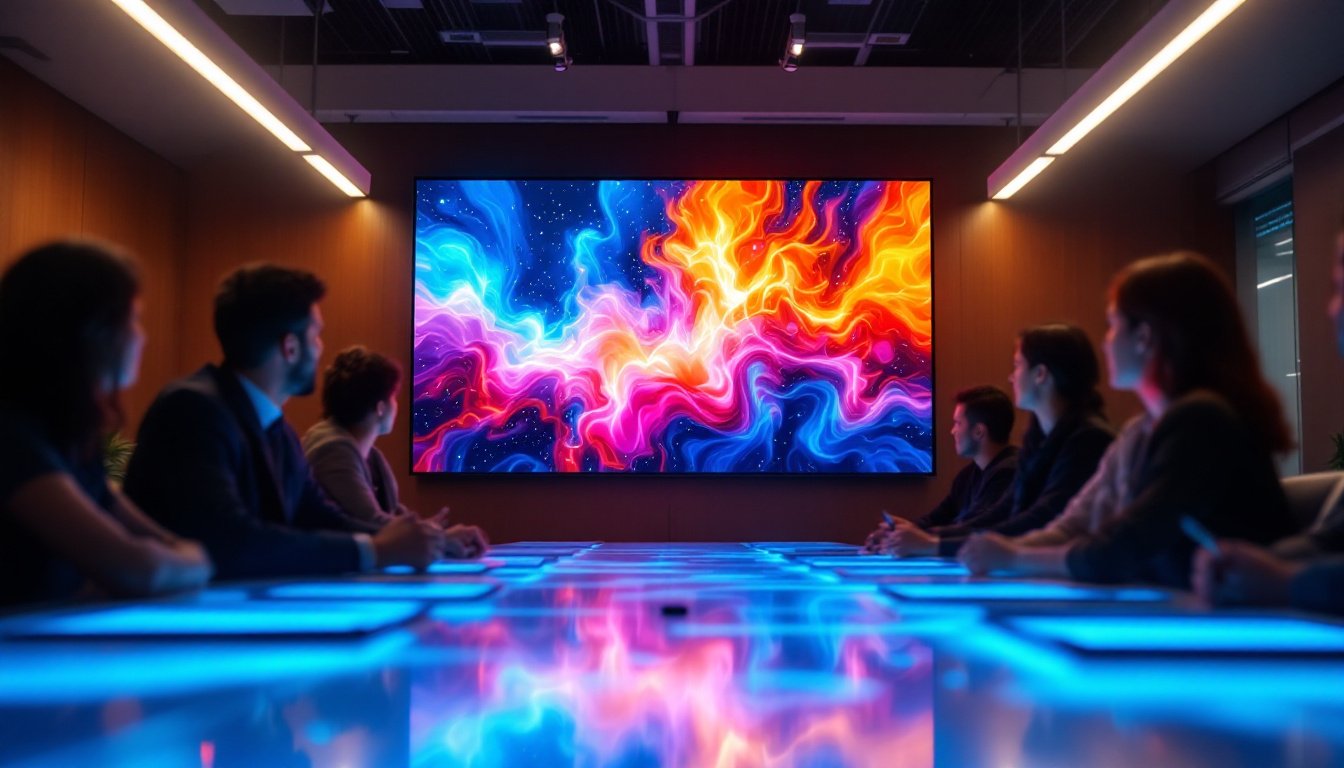
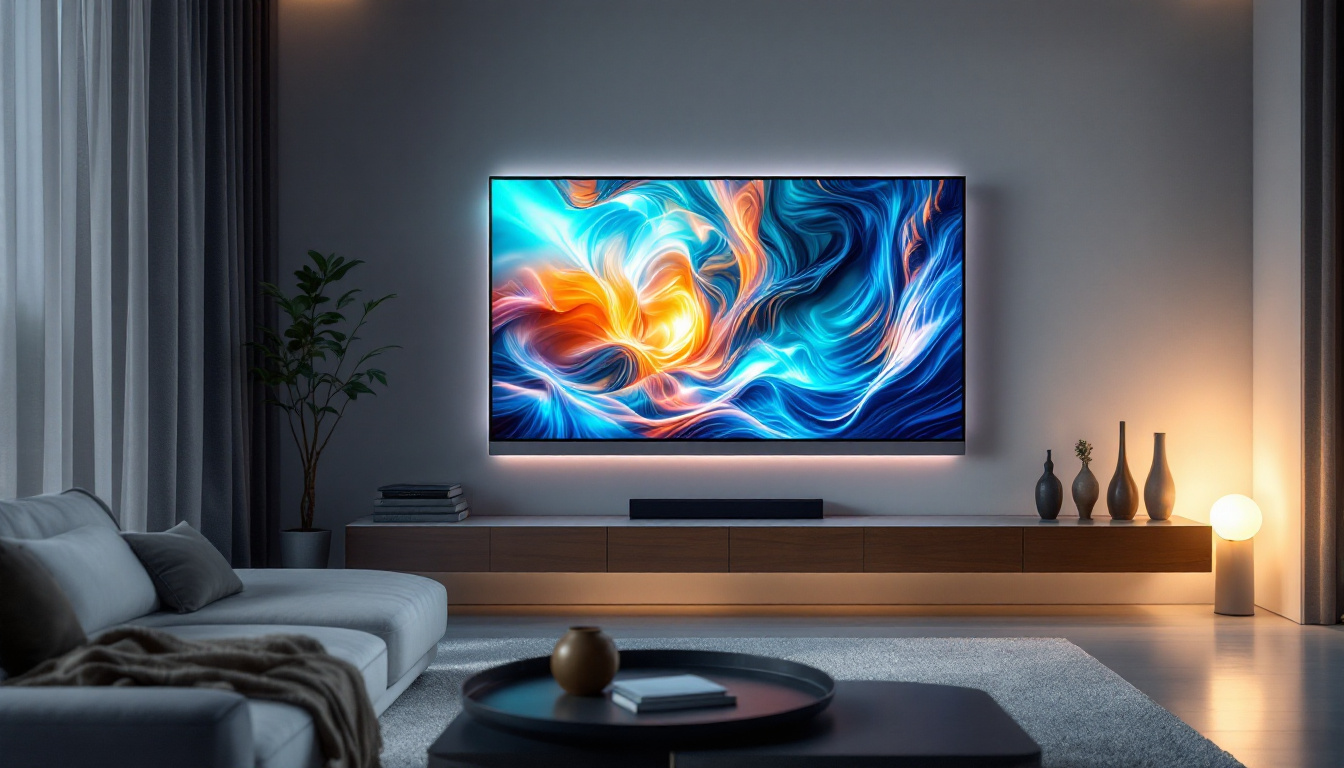
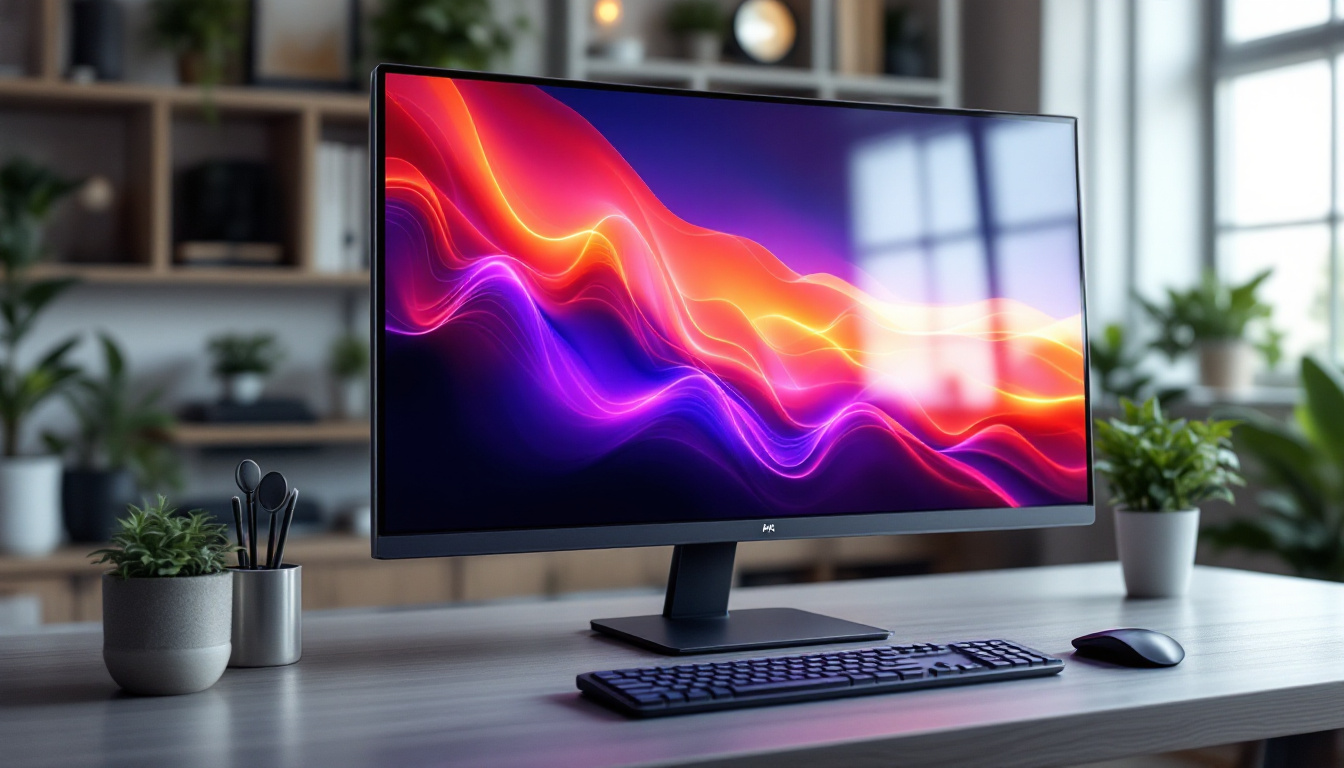
In corporate environments, clear and vibrant displays are essential for presentations, video conferencing, and digital signage. A 2.6 mm LED display offers excellent resolution for displaying detailed charts, videos, and text, ensuring that all participants can see content clearly, even from the back of the room.
Compared to traditional LCD panels, LED displays provide superior brightness and uniformity, making them suitable for well-lit rooms without compromising image quality. Furthermore, the ability to customize the display’s layout allows companies to create a tailored visual experience that aligns with their branding and messaging strategies. This adaptability fosters a more engaging atmosphere during meetings and presentations, encouraging collaboration and interaction among participants.
Retail and Advertising
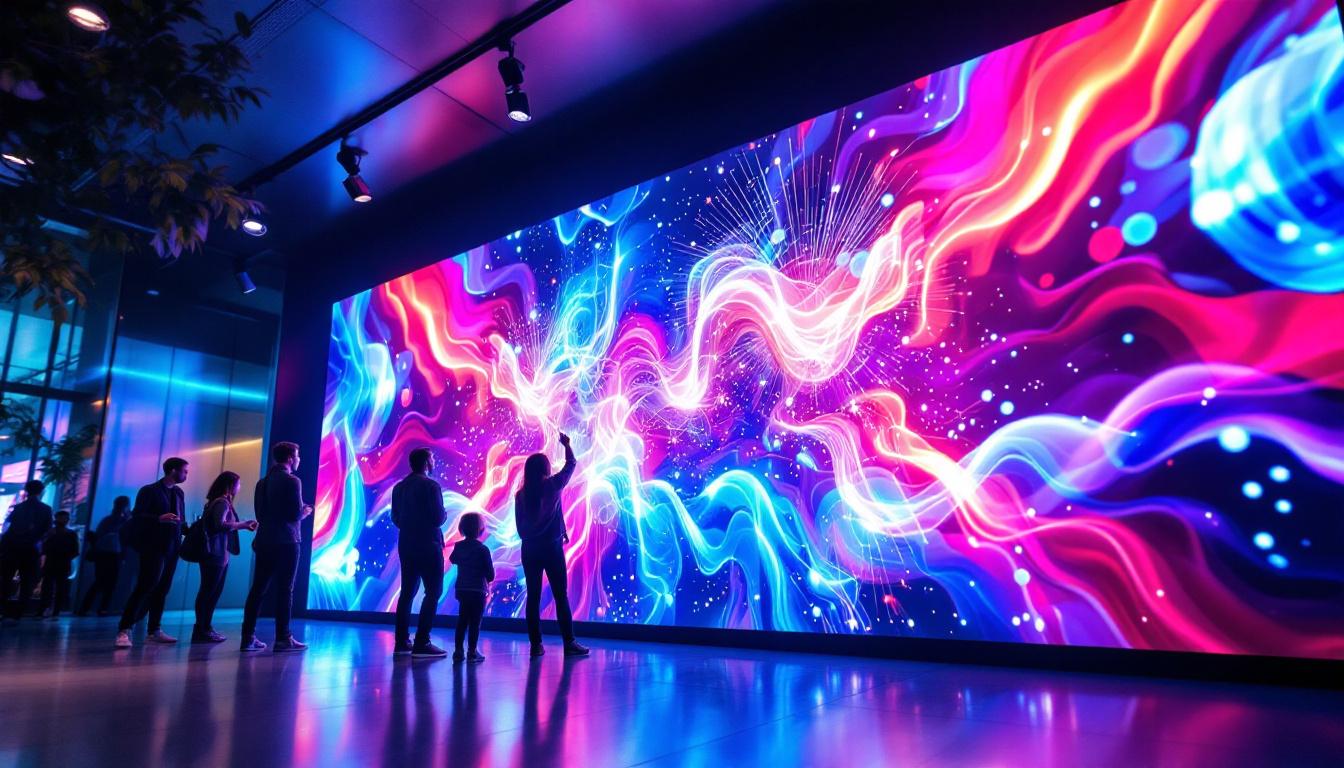
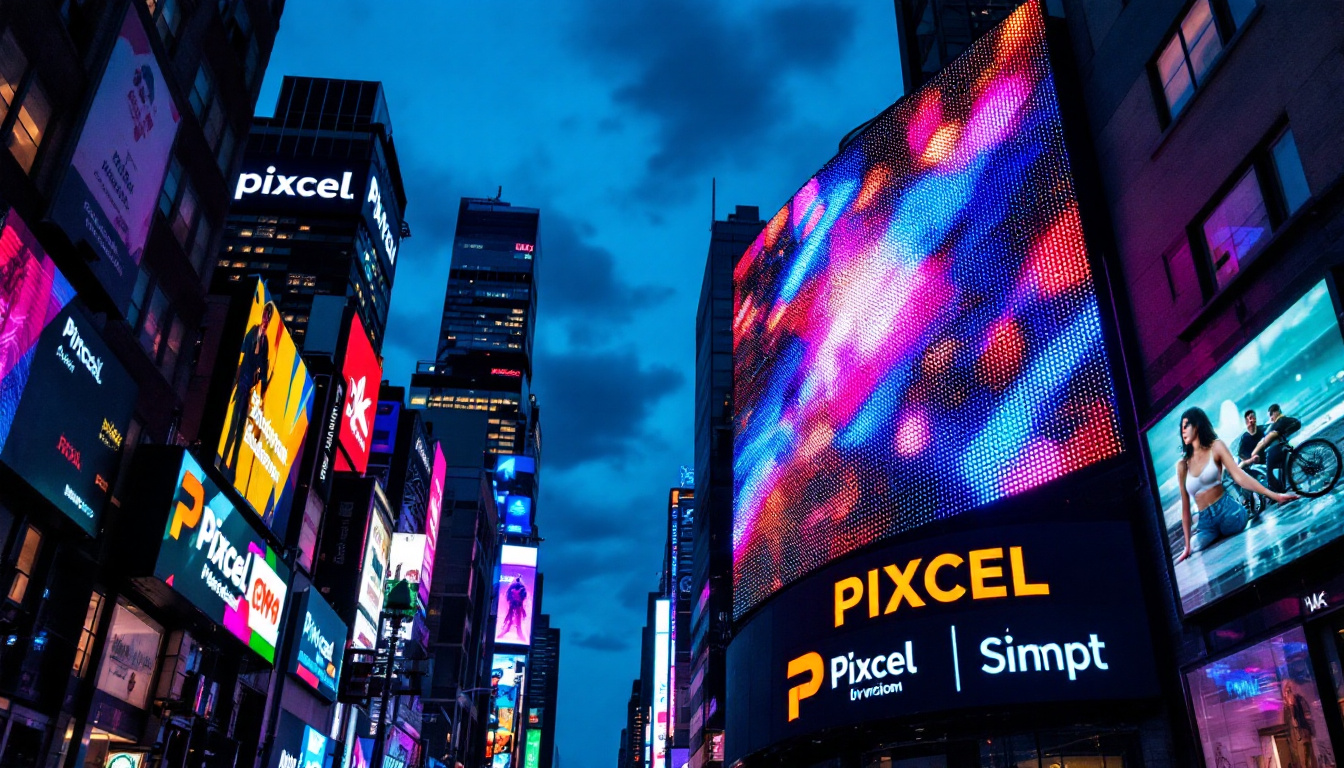
Retailers leverage 2.6 mm pixel pitch LED displays to create eye-catching digital signage that attracts customers and enhances brand messaging. The high resolution allows for dynamic content, including high-definition videos and animations, which are more engaging than static signs.
Moreover, these displays can be configured in various shapes and sizes, enabling creative installations that fit unique store layouts and marketing strategies. By utilizing real-time data, such as inventory levels or promotional offers, retailers can update their displays instantly, ensuring that their messaging is always relevant. This capability not only captures customer attention but also drives sales by creating a sense of urgency or highlighting new arrivals, making the shopping experience more interactive and enjoyable.
Broadcast and Control Rooms
Broadcast studios and control rooms demand precise image quality and reliability. The 2.6 mm pixel pitch LED displays provide detailed visuals necessary for monitoring multiple video feeds, graphics, and data streams simultaneously.
These displays support critical decision-making processes where clarity and color accuracy are paramount, making them indispensable tools in these high-stakes environments. Additionally, the modular nature of LED displays allows for easy scalability, enabling studios to expand their visual setups as needed. This flexibility is particularly beneficial in live broadcasting scenarios, where quick adjustments to the display configuration can enhance viewer engagement and improve overall production quality. The integration of advanced technologies, such as HDR (High Dynamic Range) and wide color gamut, further elevates the viewing experience, ensuring that every detail is captured and conveyed with stunning realism.
Technical Considerations When Choosing a 2.6 mm LED Display
While pixel pitch is a key factor, several other technical aspects influence the performance and suitability of a 2.6 mm LED display for specific applications.
Brightness and Contrast
Brightness is measured in nits (cd/m²) and determines how well the display performs in different lighting conditions. Indoor 2.6 mm LED displays typically offer brightness levels between 800 to 1500 nits, which is sufficient for most indoor environments.
Contrast ratio, the difference between the darkest black and the brightest white, affects image depth and realism. High contrast ratios enhance the viewing experience by making images more vivid and easier to interpret.
Refresh Rate and Color Accuracy
Refresh rate, usually measured in Hertz (Hz), indicates how many times per second the display updates its image. Higher refresh rates reduce flicker and motion blur, which is especially important for video content and live broadcasts.
Color accuracy ensures that the displayed content matches the intended colors, which is critical for branding and professional video production. Advanced calibration tools and high-quality LEDs contribute to superior color fidelity.
Viewing Angle and Uniformity
Viewing angle defines how far off-center a viewer can be while still seeing a clear image. A wide viewing angle (typically 140° or more) ensures that audiences spread across a room or venue have a consistent viewing experience.
Uniformity refers to the evenness of brightness and color across the entire display surface. High uniformity prevents distracting variations that can degrade the visual experience.
Installation and Maintenance of 2.6 mm LED Displays
Proper installation and ongoing maintenance are vital to maximize the lifespan and performance of a 2.6 mm LED display. These displays often consist of modular panels that can be assembled to create screens of various sizes and shapes.
Modular Design and Scalability
The modular nature of LED displays allows for flexible configurations, from small video walls to large-scale installations spanning several meters. This scalability makes 2.6 mm pixel pitch displays adaptable to changing needs and spaces.
Installation requires precise alignment of modules to maintain seamless image quality, and professional installation teams use specialized tools and software to ensure accuracy.
Routine Maintenance and Troubleshooting
LED displays require regular cleaning to remove dust and debris, which can affect brightness and heat dissipation. Additionally, periodic inspections help identify malfunctioning pixels or modules early, preventing larger issues.
Many modern LED displays include diagnostic software that monitors performance and alerts operators to potential problems, streamlining maintenance efforts.
Future Trends in LED Display Technology
The LED display industry continues to evolve rapidly, with innovations aimed at improving resolution, energy efficiency, and versatility. Understanding where 2.6 mm pixel pitch displays fit within this landscape helps stakeholders make informed decisions.
Increasing Resolution and Smaller Pixel Pitches
Advances in LED manufacturing have enabled pixel pitches to shrink below 1 mm, producing ultra-high-definition displays for specialized applications such as medical imaging and virtual reality environments.
However, 2.6 mm remains a popular choice for many indoor uses due to its balance of cost, performance, and ease of installation.
Energy Efficiency and Sustainability
New LED technologies focus on reducing power consumption while maintaining brightness and color quality. Energy-efficient displays not only lower operational costs but also contribute to sustainability goals, increasingly important for corporate and public sector buyers.
Integration with Smart Technologies
Smart LED displays equipped with sensors and connectivity options enable dynamic content adjustment based on ambient light, audience demographics, or real-time data feeds. This integration enhances user engagement and operational efficiency.
Conclusion
Understanding the “2.6 to mm” specification in LED displays is essential for selecting the right screen for any indoor visual communication project. The 2.6 mm pixel pitch offers a compelling combination of high resolution, versatility, and cost-effectiveness, making it a preferred choice across various industries.
By considering factors such as brightness, refresh rate, viewing angle, and maintenance requirements, organizations can optimize their LED display investments to deliver impactful and reliable visual experiences. As technology advances, 2.6 mm LED displays will continue to play a vital role in bridging the gap between affordability and high-quality digital signage solutions.
Discover Cutting-Edge LED Displays with LumenMatrix
Ready to elevate your visual communication with high-resolution LED displays? LumenMatrix is at the forefront of LED display innovation, offering a wide range of solutions tailored to your needs. From Indoor and Outdoor LED Wall Displays to specialized options like Vehicle, Sports, and Floor LED Displays, we have the technology to bring your brand to life. Experience the difference with our Custom, All-in-One, and Transparent LED Displays, designed to captivate your audience and amplify your message. Check out LumenMatrix LED Display Solutions today and transform your space with vibrant, impactful visuals.