The moiré effect is a fascinating optical phenomenon that often appears unexpectedly in digital displays, especially LED screens. It can cause distracting patterns that degrade image quality and viewer experience. Understanding what the moiré effect is, why it occurs, and how it impacts LED displays is crucial for professionals in display technology, content creation, and visual design.
This article explores the moiré effect in detail, focusing on its causes, implications for LED displays, and practical strategies to minimize or eliminate it. Whether you are a display engineer, a digital signage expert, or simply curious about visual technology, this comprehensive guide will provide valuable insights into one of the most common visual artifacts in modern screen technology.
Understanding the Moiré Effect: The Basics
What Is the Moiré Effect?
The moiré effect is an interference pattern that emerges when two repetitive grids or patterns overlap, creating a new, often larger-scale pattern that can be visually distracting. This phenomenon can be observed in everyday life, such as when looking through two window screens layered on top of each other or when photographing striped fabrics. The resulting patterns can sometimes be mesmerizing, drawing attention away from the original subject and creating a sense of depth and motion that is both intriguing and perplexing.
In the context of LED displays, the moiré effect typically occurs when the pixel grid of the display interacts with the pixel grid of the camera sensor or the pattern of the content being displayed. The result is a visible distortion that appears as wavy lines, ripples, or other irregular patterns that are not part of the original image. This can be particularly problematic in professional photography or video production, where clarity and fidelity to the original image are paramount. Understanding the moiré effect is essential for artists, designers, and technicians who work with visual media, as it can significantly impact the quality of their work.
How Does the Moiré Effect Occur?
At its core, the moiré effect arises from the interference between two sets of repetitive patterns with similar but not identical frequencies or orientations. When these patterns overlap, the human eye perceives a new pattern created by the spatial beating of the two original patterns. This optical illusion can be both a challenge and a tool for creative expression, as artists may intentionally use the moiré effect to create dynamic visuals that engage viewers in unexpected ways.
In LED displays, this interference can happen in several ways:
- Display Pixel Grid vs. Content Pattern: When the content displayed contains fine repetitive details (like stripes or grids) that align closely with the pixel arrangement of the LED display.
- Display Pixel Grid vs. Camera Sensor: When filming or photographing an LED screen, the camera’s sensor grid may interfere with the display’s pixel grid, producing moiré patterns in the recorded image.
- Layered Screens: In some cases, protective or touch-sensitive layers on top of the LED screen may have their own grid-like structures, further contributing to moiré effects.
Moreover, the moiré effect is not limited to digital displays; it can also manifest in print media. For instance, when printing images with halftone patterns, overlapping grids can create unwanted moiré patterns that detract from the overall quality of the print. This is particularly relevant in the fields of graphic design and photography, where professionals must be vigilant about the potential for moiré patterns to arise during the printing process. Techniques such as adjusting the angle of the halftone screens or using special software to minimize these patterns are often employed to ensure the final product is visually appealing and true to the original design.
The Impact of Moiré Effect on LED Displays
Visual Quality and Viewer Experience
One of the most significant issues caused by the moiré effect is a reduction in perceived image quality. The unwanted patterns can distract viewers, obscure important details, and reduce the overall sharpness of the displayed content. This is especially critical for applications where clarity and precision are paramount, such as digital advertising, control rooms, broadcast studios, and medical imaging.
For example, in a retail environment, a digital signage display exhibiting moiré patterns may fail to effectively communicate promotional messages, leading to reduced customer engagement and impact. Similarly, in sports broadcasting, moiré patterns on LED screens can interfere with the clarity of graphics and slow-motion replays, detracting from the viewing experience.
Technical Challenges in Content Creation
Content creators face unique challenges when designing visuals for LED displays prone to moiré effects. Fine patterns, textures, and repetitive elements in graphics or video can unintentionally trigger moiré patterns, forcing designers to simplify or alter their content to avoid these artifacts.
Moreover, when LED displays are filmed for live broadcasts or promotional videos, the moiré effect can be introduced by the camera sensor, requiring additional post-production work or specialized filming techniques to minimize its appearance.
Factors Contributing to Moiré Effect in LED Displays
Pixel Pitch and Resolution
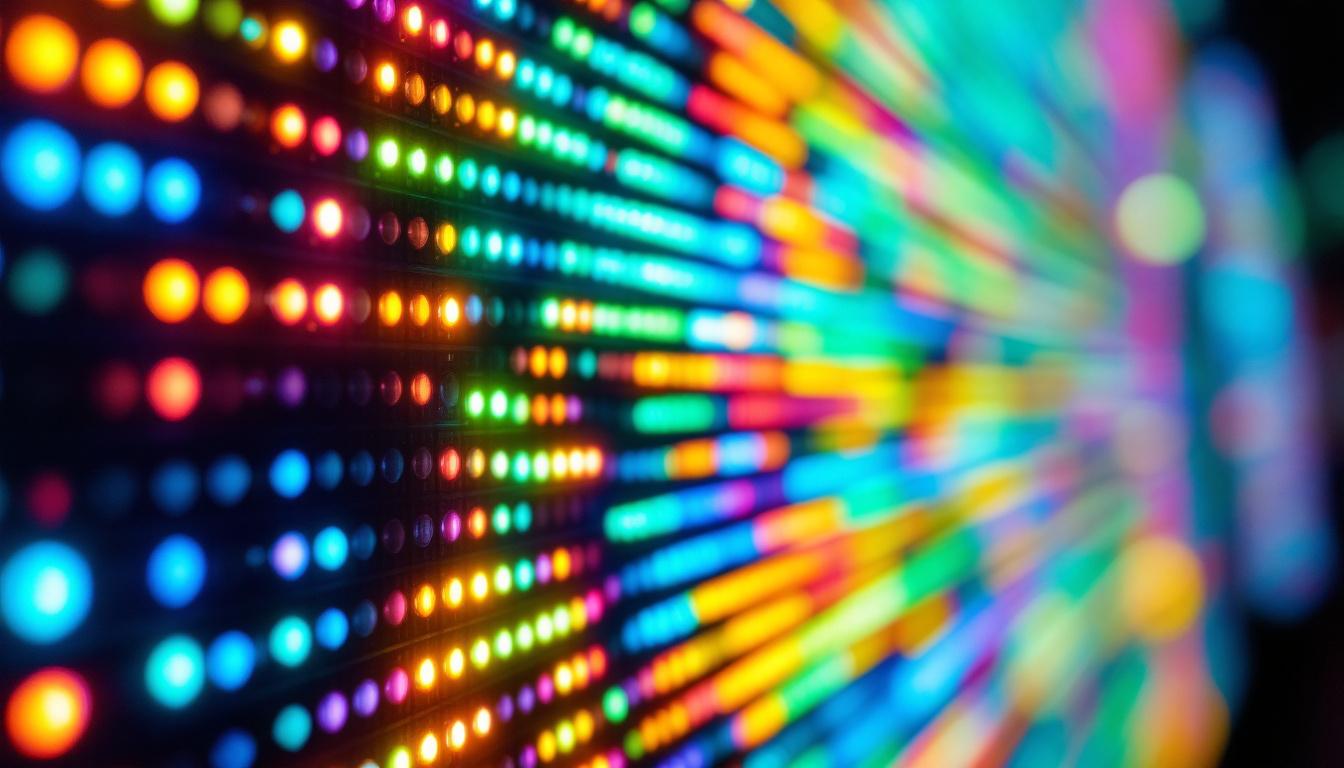
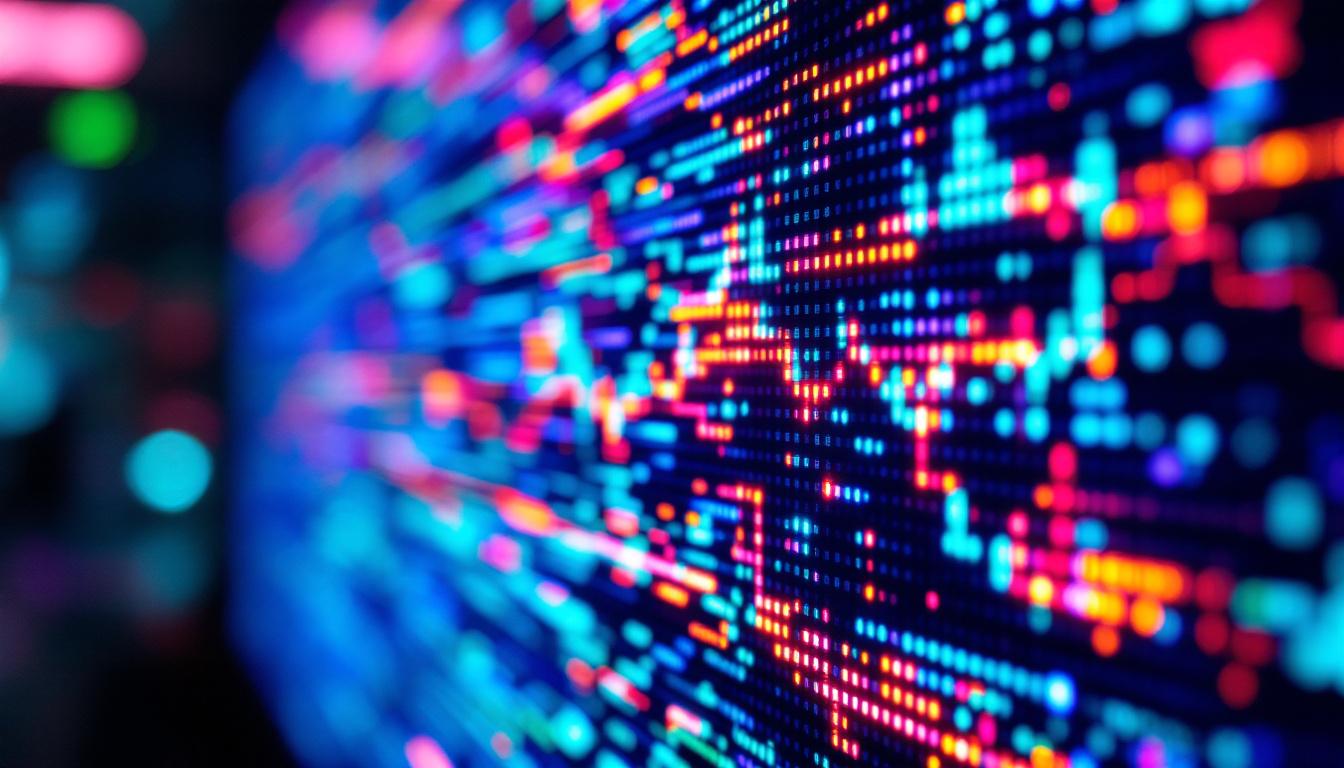
Pixel pitch—the distance between the centers of two adjacent pixels—is a fundamental factor influencing the likelihood of moiré patterns. Displays with larger pixel pitches (common in outdoor or large-format LED screens) are more susceptible to moiré effects when displaying fine repetitive patterns.
Higher resolution displays with smaller pixel pitches can reduce the visibility of moiré patterns because the pixel grid becomes less perceptible to the human eye. However, even high-resolution LED displays are not immune, especially when content or filming conditions align unfavorably.
Content Characteristics
The nature of the displayed content plays a crucial role. Content with repetitive patterns, such as stripes, grids, or closely spaced dots, is more likely to interact with the pixel grid and produce moiré patterns. Conversely, content with more organic, random, or gradient textures tends to minimize moiré visibility.
Designers often need to balance aesthetic goals with technical constraints, avoiding overly fine patterns or using anti-aliasing techniques to reduce the risk of moiré.
Viewing Distance and Angle
Viewing distance significantly affects the perception of moiré patterns. At closer distances, the pixel grid and any interference patterns are more noticeable, while at typical viewing distances for large LED screens, moiré effects may be less apparent or even invisible.
Viewing angle also matters; certain angles can exacerbate or reduce the visibility of moiré patterns due to changes in how the pixel grid aligns with the viewer’s line of sight.
Methods to Reduce or Eliminate Moiré Effect
Hardware Solutions
Manufacturers employ various hardware strategies to mitigate moiré patterns in LED displays:
- Pixel Arrangement: Using non-rectangular pixel layouts, such as triangular or hexagonal arrangements, can disrupt repetitive grid patterns and reduce moiré visibility.
- Subpixel Rendering: Advanced subpixel rendering techniques can smooth transitions and minimize interference patterns.
- Optical Filters: Anti-reflective and diffusive coatings can reduce the sharpness of grid lines, helping to mask moiré effects.
- Layer Optimization: Minimizing or carefully designing touch or protective layers to avoid additional grid patterns that could interact with the pixel grid.
Content Design Best Practices
Content creators can adopt several best practices to reduce moiré risks:
- Avoid Fine Repetitive Patterns: Steering clear of stripes, grids, or dot patterns that closely match the pixel pitch.
- Use Anti-Aliasing: Applying smoothing techniques to edges and textures to prevent sharp contrasts that trigger moiré.
- Test Content on Target Displays: Previewing content on the actual LED screen during the design phase to identify and correct moiré issues early.
- Employ Color and Contrast Variations: Reducing uniformity in patterns to break up repetitive elements.
Camera and Filming Techniques
When filming LED displays, professionals use specific techniques to minimize moiré patterns:
- Adjusting Camera Resolution and Sensor Settings: Using cameras with higher resolution sensors or adjusting sensor sensitivity to reduce interference.
- Changing Camera Angle and Distance: Altering the angle or distance to disrupt alignment between the camera sensor grid and the LED pixel grid.
- Using Optical Filters: Employing low-pass filters or other optical solutions to soften the sensor’s response to repetitive patterns.
Real-World Examples and Applications
Digital Signage and Advertising
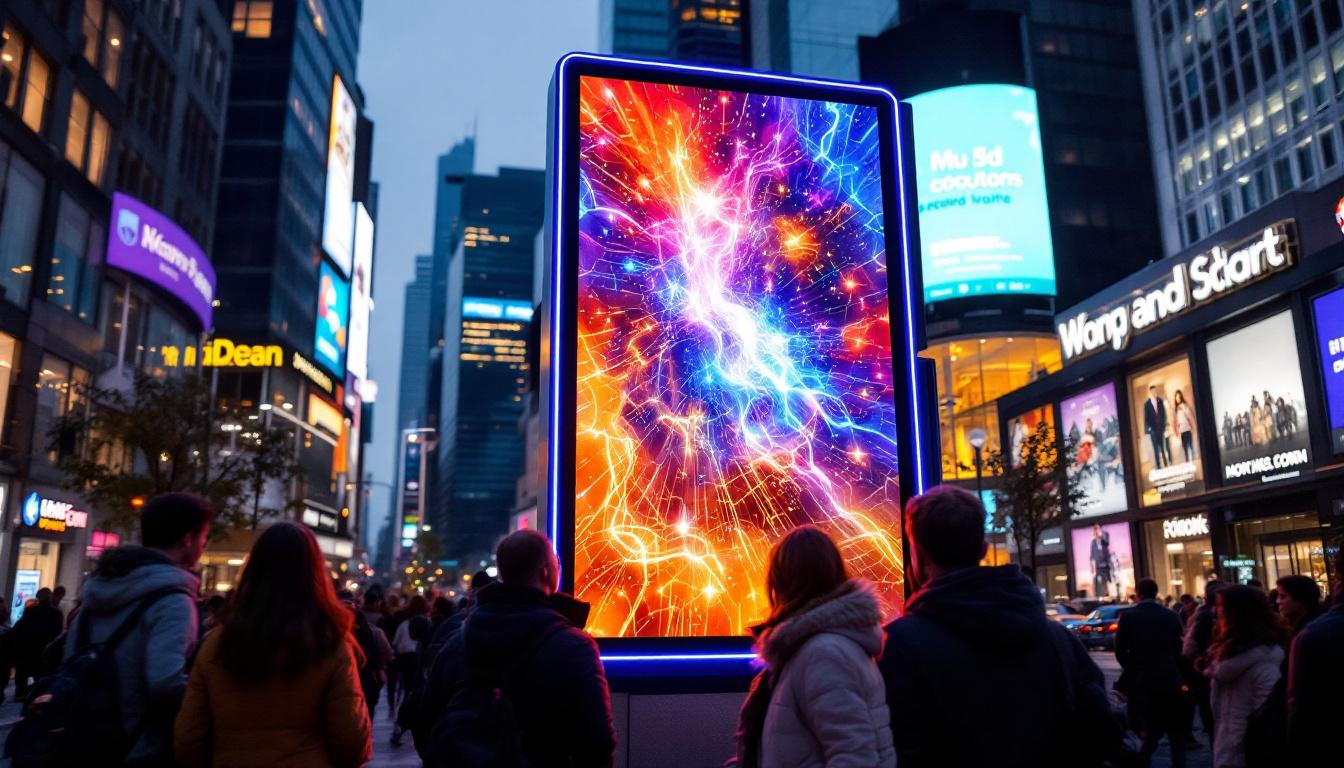
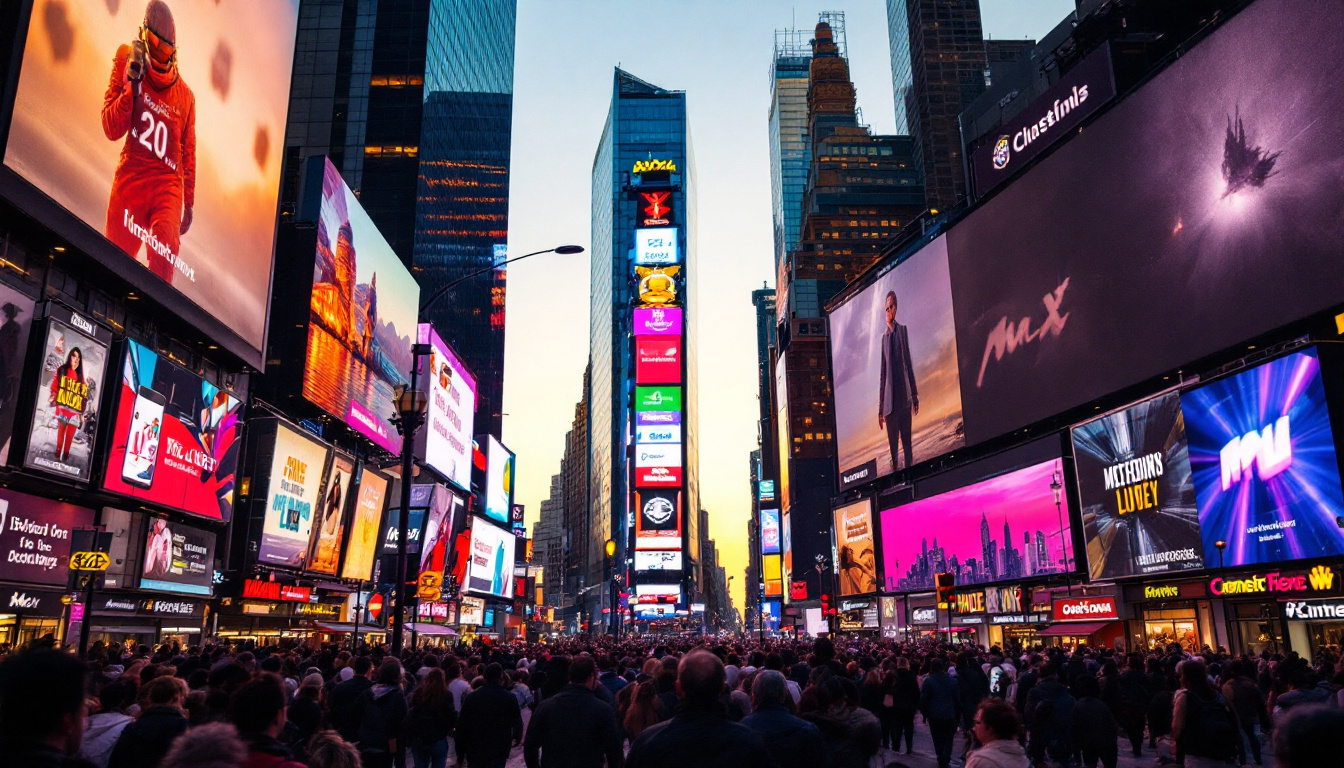
In the digital signage industry, the moiré effect can significantly impact brand messaging and customer engagement. For instance, a retail store using a large LED wall to display promotional videos may find that certain patterns in the content cause moiré, distracting customers and reducing message clarity.
Leading signage providers often collaborate closely with content creators to optimize visuals and select LED panels with pixel pitches suited to the viewing environment, ensuring minimal moiré interference.
Broadcast and Live Events
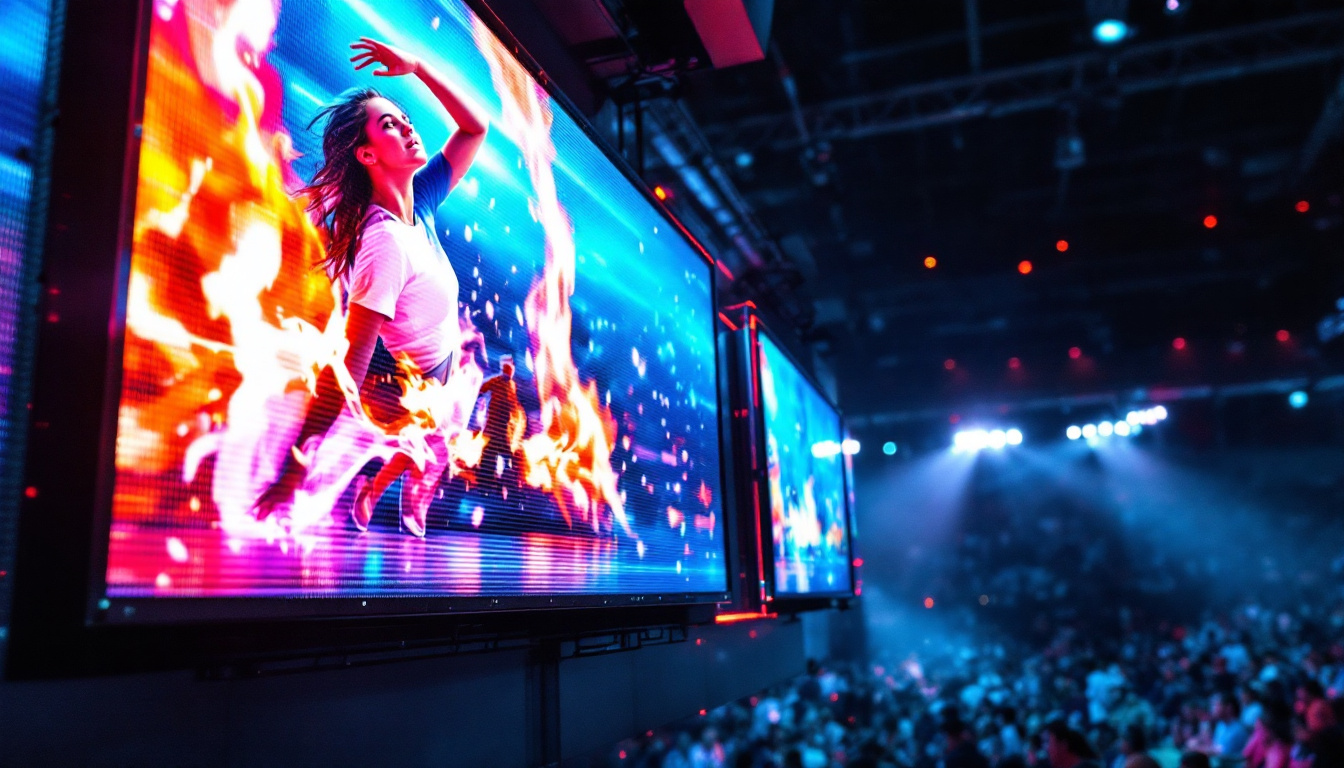
During live broadcasts, especially sports events, LED screens are widely used for dynamic graphics and replays. Moiré patterns can appear on camera feeds, causing viewer complaints and requiring real-time adjustments by broadcast engineers.
Broadcast technology companies invest heavily in camera calibration and LED screen design to minimize moiré, enhancing the overall production quality and viewer satisfaction.
Medical Imaging and Precision Displays
In fields requiring high precision, such as medical imaging, moiré patterns can interfere with the accurate interpretation of images. Specialized LED displays with ultra-fine pixel pitches and optimized hardware are used to ensure that moiré artifacts do not compromise diagnostic accuracy.
Future Trends and Innovations
Advancements in Display Technology
Emerging LED display technologies are increasingly focused on eliminating moiré effects through innovations in pixel design, materials, and manufacturing precision. MicroLED technology, for example, offers ultra-high resolution and flexible pixel arrangements that inherently reduce moiré visibility.
Additionally, AI-driven content optimization tools are being developed to automatically detect and adjust patterns that might cause moiré, streamlining the content creation process.
Integration with Augmented Reality (AR) and Virtual Reality (VR)
As AR and VR technologies evolve, understanding and controlling moiré effects becomes even more critical. In these immersive environments, moiré patterns can cause discomfort or reduce realism. Advances in display hardware and software algorithms aim to minimize moiré to enhance user experience in these cutting-edge applications.
Conclusion
The moiré effect is a complex but well-understood phenomenon that poses unique challenges for LED display technology. By comprehending its causes and impacts, professionals in display manufacturing, content creation, and broadcasting can take informed steps to mitigate its effects.
Through a combination of hardware innovations, thoughtful content design, and careful filming techniques, the disruptive patterns caused by moiré can be minimized or eliminated, ensuring that LED displays deliver crisp, clear, and engaging visual experiences.
As display technology continues to advance, ongoing research and development promise even more effective solutions to the moiré effect, paving the way for ever more vibrant and immersive digital displays.
Explore Cutting-Edge Solutions with LumenMatrix
Don’t let the moiré effect compromise the quality of your LED displays. As a leader in innovative LED display technology, LumenMatrix is committed to overcoming such challenges, ensuring your visuals remain captivating and clear. From Indoor and Outdoor LED Wall Displays to specialized solutions like Vehicle, Sports, and Floor LED Displays, LumenMatrix offers a wide array of advanced modules tailored to your unique needs. Embrace the future of visual communication and enhance your brand’s visibility with our Custom, All-in-One, and Transparent LED Displays. Check out LumenMatrix LED Display Solutions today and experience the transformative power of exceptional digital signage.