In the realm of digital displays, contrast ratio is a critical specification that often determines the quality and clarity of the visual experience. Among various contrast ratios, the 3:1 contrast ratio is a term that frequently appears, especially in discussions about LED displays. Understanding what 3:1 contrast means, how it applies to LED technology, and why it matters can empower consumers, designers, and professionals to make informed decisions when selecting displays for different environments.
Understanding Contrast Ratio: The Basics
Contrast ratio is a measure of the difference between the darkest black and the brightest white a display can produce. It is expressed as a ratio, such as 3:1, which means the brightest white is three times as bright as the darkest black. This measurement is fundamental because it affects how vivid and lifelike images appear on a screen.
For LED displays, contrast ratio is especially important because it influences readability, color accuracy, and overall image quality. A higher contrast ratio generally indicates deeper blacks and brighter whites, resulting in sharper and more detailed images. Conversely, a lower contrast ratio can make images look washed out or dull. This is particularly crucial in environments with varying lighting conditions, where a display with a high contrast ratio can maintain clarity and detail even in bright sunlight or dimly lit rooms.
How Contrast Ratio is Measured
Measuring contrast ratio involves comparing the luminance of a white screen to that of a black screen under controlled conditions. However, there are different methods to measure contrast ratio, such as static contrast ratio and dynamic contrast ratio. Static contrast ratio refers to the contrast between black and white at a single moment, while dynamic contrast ratio accounts for changes over time, often through backlight adjustments. This dynamic measurement can sometimes lead to inflated numbers, as manufacturers may use techniques that temporarily enhance contrast by altering the backlight during specific scenes.
In the context of LED displays, the 3:1 contrast ratio typically refers to the static contrast ratio, which is a more consistent and reliable indicator of display performance. Understanding these nuances is essential for consumers and professionals alike, as a display’s advertised contrast ratio may not always reflect real-world performance. Additionally, factors such as viewing angle and ambient light can further influence the perceived contrast, making it vital to consider these elements when selecting a display for tasks requiring precise color grading or detailed image work.
The Significance of 3:1 Contrast Ratio in LED Displays
While many modern LED displays boast contrast ratios in the hundreds or thousands to one, the 3:1 contrast ratio holds a unique place, particularly in outdoor and high ambient light environments. This ratio is often cited in specifications for LED signage, digital billboards, and certain industrial applications.
Why 3:1 Contrast Ratio is Relevant
The 3:1 contrast ratio is significant because it represents a practical threshold where images remain discernible and colors maintain reasonable vibrancy even under challenging lighting conditions. For example, outdoor LED displays exposed to direct sunlight often struggle to achieve very high contrast ratios due to the overwhelming ambient light. In such cases, a 3:1 contrast ratio ensures that the display content is still visible and effective.
Moreover, this ratio is a benchmark for many LED manufacturers when designing displays intended for environments where ambient light cannot be controlled. It balances energy consumption, brightness, and visual clarity without requiring excessive power or advanced light-blocking technologies.
Examples of 3:1 Contrast Ratio in Use
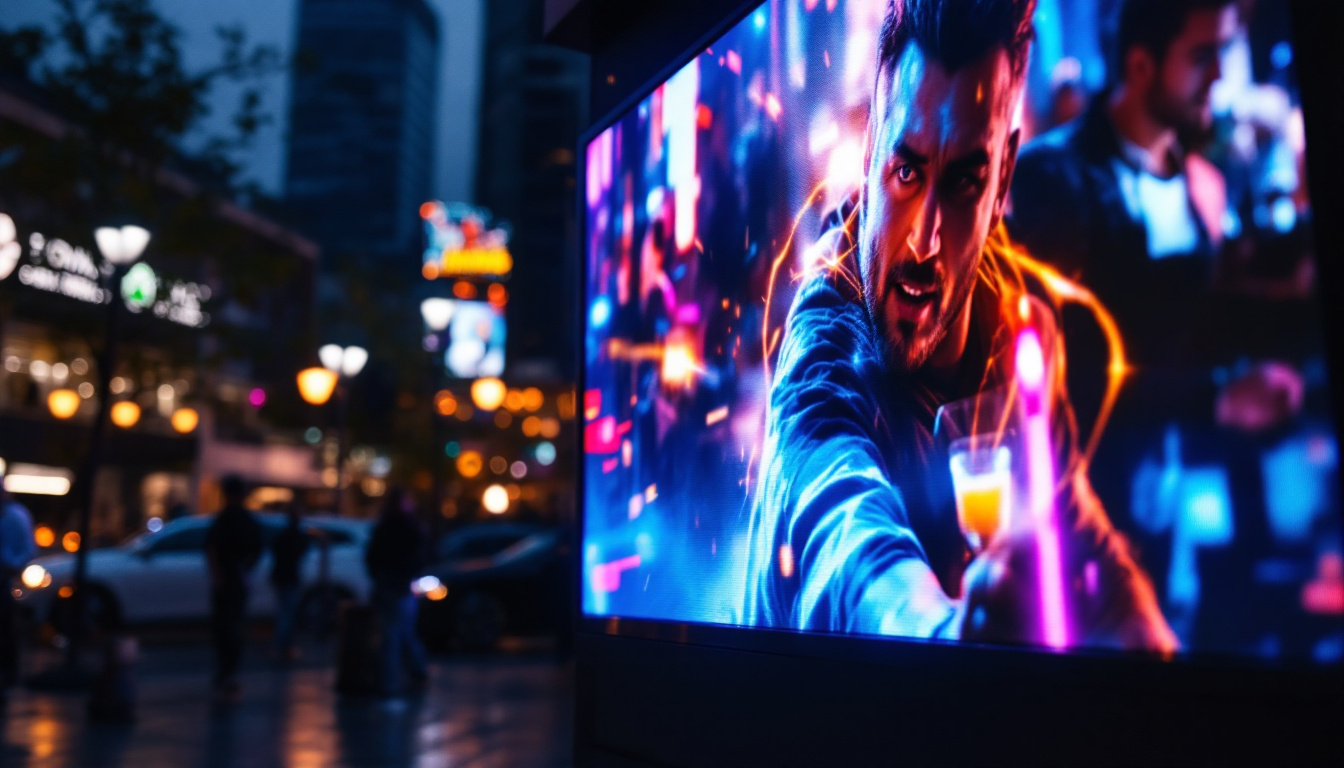
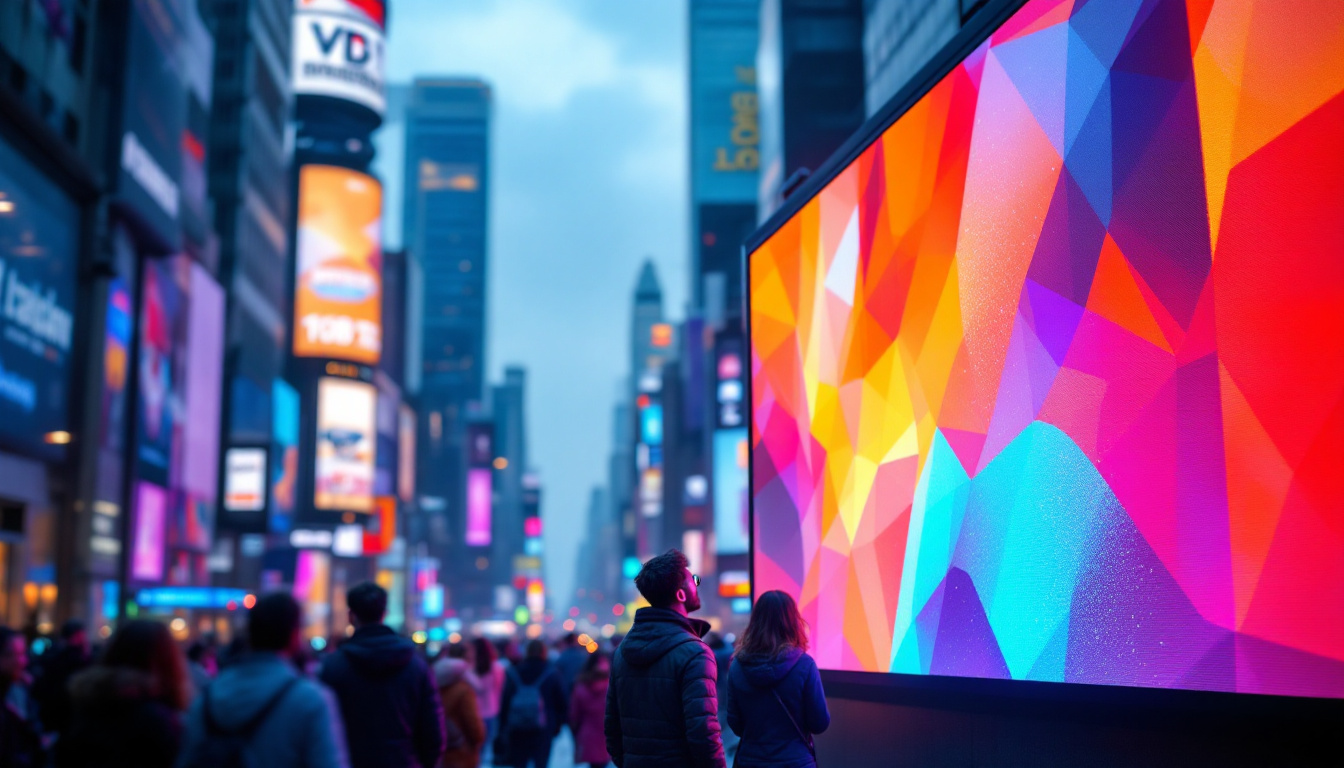
Consider digital billboards located along highways or in urban centers. These displays must remain visible during daylight hours without causing glare or eye strain. A 3:1 contrast ratio allows the billboard to present clear, readable content that stands out against bright backgrounds. Similarly, LED displays used in sports arenas or public transportation hubs benefit from this contrast ratio to maintain legibility from various viewing angles and lighting conditions.
Technical Factors Influencing Contrast Ratio in LED Displays
Several technical elements affect the contrast ratio of LED displays. Understanding these factors helps explain why a 3:1 contrast ratio might be optimal or necessary in certain scenarios.
LED Brightness and Ambient Light
LED displays generate their own light, which is a major advantage over reflective displays like LCDs. However, the brightness of the LEDs must be sufficiently high to overcome ambient light, especially outdoors. In bright sunlight, the luminance of the display needs to be significantly higher than the surrounding environment to maintain contrast.
When ambient light levels are extremely high, achieving a contrast ratio much greater than 3:1 becomes challenging because the perceived black level rises due to reflected light. This phenomenon reduces the effective contrast ratio, making 3:1 a realistic and practical target for outdoor LED displays.
Pixel Design and LED Technology
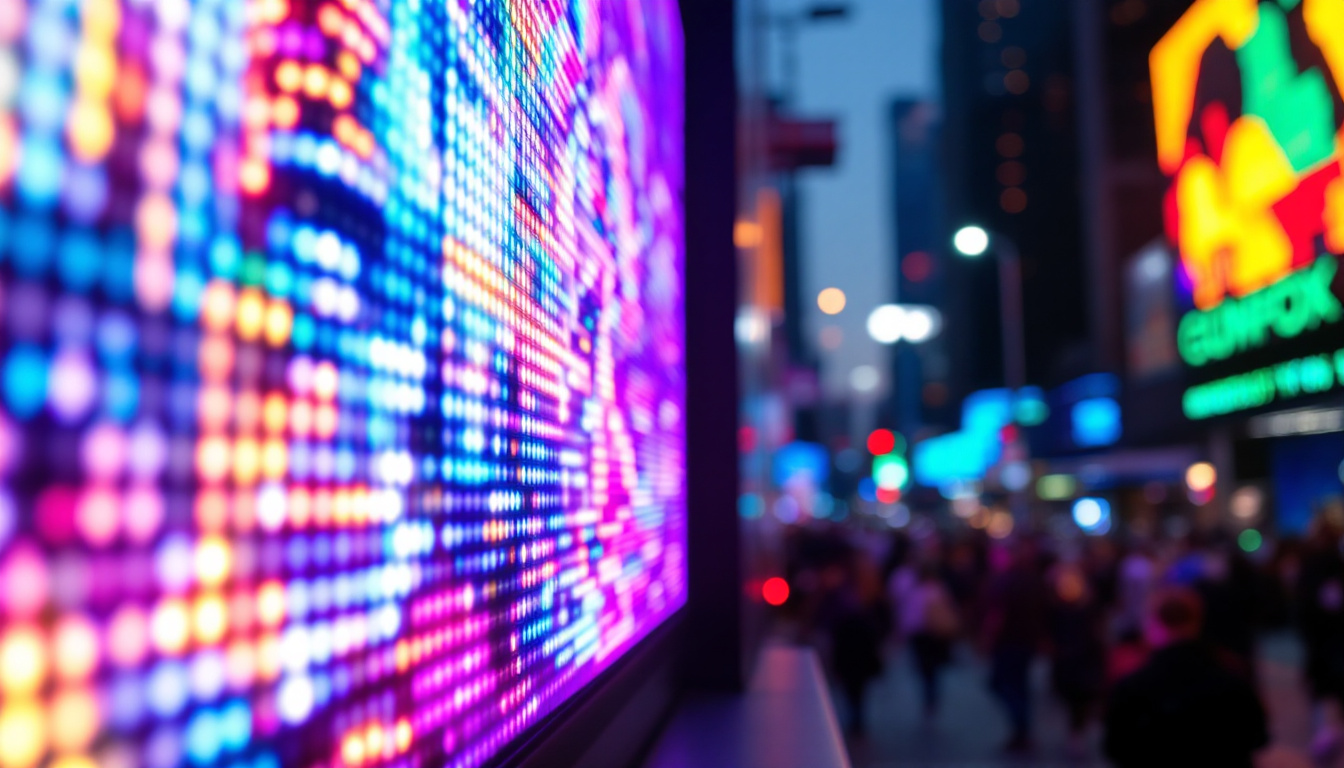
The design of individual pixels and the type of LEDs used also influence contrast. Advances in LED technology, such as mini-LEDs and micro-LEDs, allow for better control of light emission and improved contrast ratios. However, these technologies are often more expensive and may not be necessary for all applications.
Standard LED modules designed for outdoor use prioritize brightness and durability over ultra-high contrast. The 3:1 contrast ratio reflects a balance between cost, performance, and environmental suitability.
Display Coatings and Filters
Anti-reflective coatings and optical filters can enhance contrast by reducing glare and reflections on the display surface. These treatments help maintain the integrity of the 3:1 contrast ratio in high ambient light environments. Without such coatings, reflected light can wash out the image and lower the effective contrast.
Comparing 3:1 Contrast Ratio with Other Display Technologies
To fully appreciate the 3:1 contrast ratio in LED displays, it’s useful to compare it with contrast ratios found in other common display technologies.
LCD and OLED Displays
LCD displays typically have contrast ratios ranging from 1000:1 to 3000:1 under controlled lighting conditions, thanks to their backlighting and liquid crystal technology. OLED displays, known for their ability to turn off individual pixels completely, can achieve contrast ratios approaching infinity:1 because their black levels are effectively zero.
However, these high contrast ratios are measured in dark or dimly lit environments. Under bright ambient light, the effective contrast ratio of LCDs and OLEDs can drop significantly due to reflections and glare. In contrast, LED displays designed for outdoor use maintain consistent visibility with a practical 3:1 contrast ratio.
Projection Displays
Projection systems often have lower contrast ratios, especially in environments with ambient light. Achieving a 3:1 contrast ratio in a well-lit room can be difficult for projectors, which rely on external light sources and reflective surfaces. This limitation makes LED displays with a 3:1 contrast ratio a preferred choice for many public and commercial applications where ambient light cannot be controlled.
Practical Implications for Consumers and Businesses
Understanding the 3:1 contrast ratio in LED displays helps consumers and businesses make better purchasing decisions based on their specific needs and environments.
Choosing the Right Display for Outdoor Use
For outdoor advertising, public information systems, or sports venues, a 3:1 contrast ratio in an LED display ensures that content remains visible and engaging despite bright sunlight or varying weather conditions. Buyers should look for displays that specify this ratio or higher and consider additional features such as brightness levels (measured in nits) and anti-reflective coatings.
Energy Efficiency Considerations
Maintaining a high contrast ratio often requires increased brightness, which can lead to higher energy consumption. The 3:1 contrast ratio strikes a balance by providing sufficient image clarity without excessive power use. This balance is particularly important for large-scale LED installations where energy costs and environmental impact are concerns.
Content Design and Contrast Optimization
Content creators should also consider the 3:1 contrast ratio when designing visuals for LED displays. Using high-contrast colors and simple graphics can enhance readability and viewer engagement. Avoiding overly subtle color gradients or low-contrast elements ensures that messages are clear and impactful, even when the display’s contrast ratio is limited by environmental factors.
Future Trends and Developments in LED Display Contrast
As LED technology continues to evolve, improvements in contrast ratio and overall display quality are expected. Emerging technologies and innovations promise to push beyond the traditional 3:1 contrast ratio, even in challenging lighting conditions.
Advances in Micro-LED and Mini-LED Technology
Micro-LED and mini-LED displays offer enhanced control over individual pixels, enabling deeper blacks and brighter whites. These technologies could significantly improve contrast ratios for both indoor and outdoor LED displays, making them more versatile and visually striking.
Adaptive Brightness and Smart Contrast Systems
Future LED displays may incorporate adaptive brightness controls and smart contrast algorithms that dynamically adjust luminance based on ambient light and content. Such systems could optimize contrast in real-time, enhancing visibility and energy efficiency beyond the static 3:1 ratio benchmark.
Integration with Augmented Reality and Smart Environments
As LED displays become integrated with augmented reality (AR) and smart city infrastructure, contrast requirements will evolve. Displays will need to maintain visibility and clarity in increasingly complex visual environments, potentially driving new standards for contrast ratios and display performance.
Conclusion
The 3:1 contrast ratio in LED displays represents a practical and important standard, especially for outdoor and high ambient light applications. While it may seem modest compared to the high contrast ratios of indoor LCD or OLED screens, it ensures visibility, clarity, and energy efficiency where it matters most.
Understanding the technical factors behind this ratio and its implications helps businesses, advertisers, and consumers select the right LED displays for their needs. As technology advances, the future promises even better contrast performance, but the 3:1 ratio remains a key benchmark in today’s LED display landscape.
Explore High-Contrast LED Solutions with LumenMatrix
Ready to experience the optimal balance of visibility, clarity, and energy efficiency in your LED displays? LumenMatrix is at the forefront of LED display technology, offering a wide array of solutions tailored to meet your needs. From vibrant Indoor LED Walls to dynamic Outdoor LED Displays, and from versatile Vehicle LED Displays to innovative LED Sports Displays, our products are designed to captivate and engage your audience. Embrace the future of visual communication with LumenMatrix’s cutting-edge digital signage and LED display solutions. Check out LumenMatrix LED Display Solutions today and transform the way you share your message.